What a Crystal Altar Is—and What It Isn't
You've probably seen the photos: a sunlit shelf, a cluster of amethyst, a candle, a few smooth stones arranged just so. It looks effortless, and maybe a little intimidating. If you've been meaning to build your own crystal altar but keep putting it off because you're not sure where to start, what to buy, or whether you're "doing it right," this guide is for you. There is no wrong way to build an altar—only a way that doesn't fit your space or your life.
At its core, an altar is a small, intentional place that reminds you of what matters to you. It might hold a stone for calm, one for courage, and one for the people you love. It can live on a nightstand, a windowsill, a desk corner, or a dedicated shelf. You don't need a spare room, a big budget, or years of study. You need a surface, a few stones, and a reason to pause there.
This guide walks you through choosing a spot, picking a centerpiece, arranging supporting stones by intention, adding the four classical elements, and keeping the whole thing fresh. Along the way we'll be honest about what crystal traditions claim and what we can actually verify—so your altar feels meaningful without asking you to believe anything you don't.
Step-by-Step Setup
Build in this order and you'll avoid the most common beginner mistake: buying a dozen stones before you know what each one is for.
- Choose the spot. Pick somewhere quiet that you pass daily—a nightstand, a shelf at eye level, or the corner of a desk. It should be out of the path of foot traffic and away from direct heat or constant moisture.
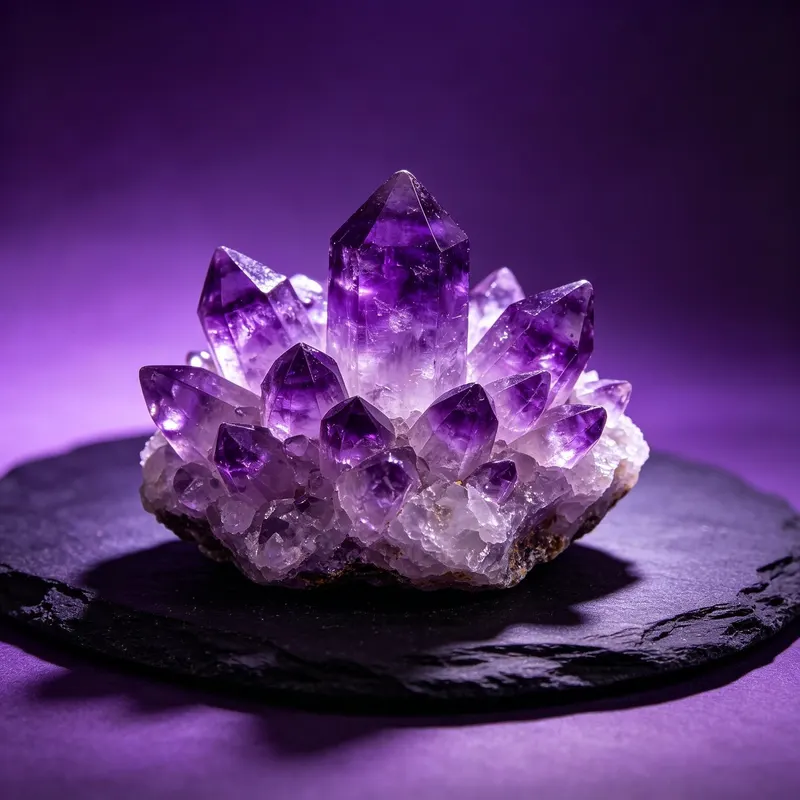
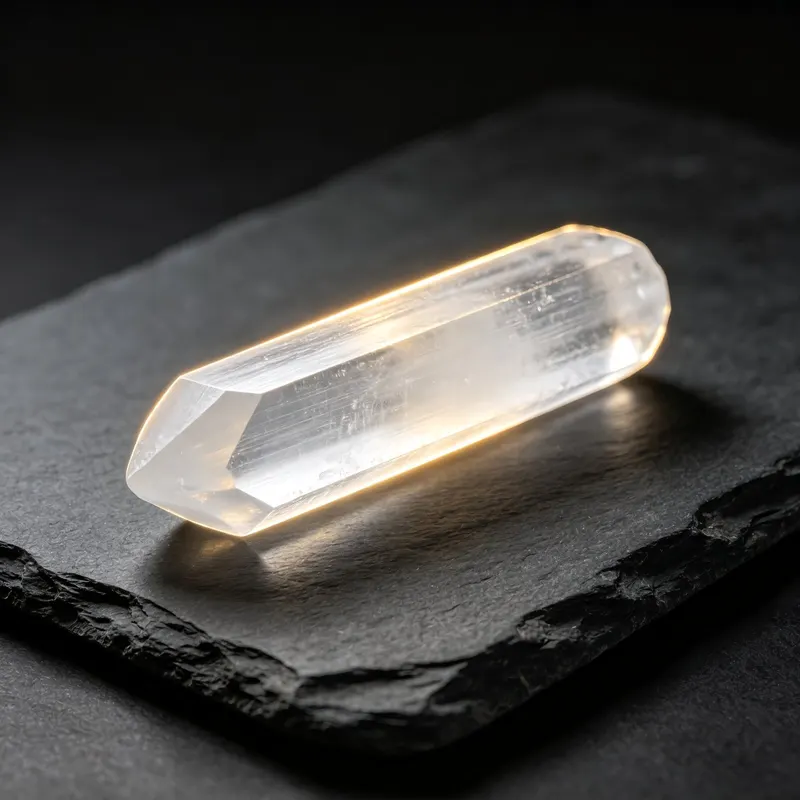
- Pick a centerpiece. One larger piece anchors the arrangement. A Raw Amethyst Cluster for Meditation & Altar is a classic choice—its many points catch light and fill a small area with color. A Selenite Cleansing Wand for Energy Clearing works well if you prefer a clean, minimal line.
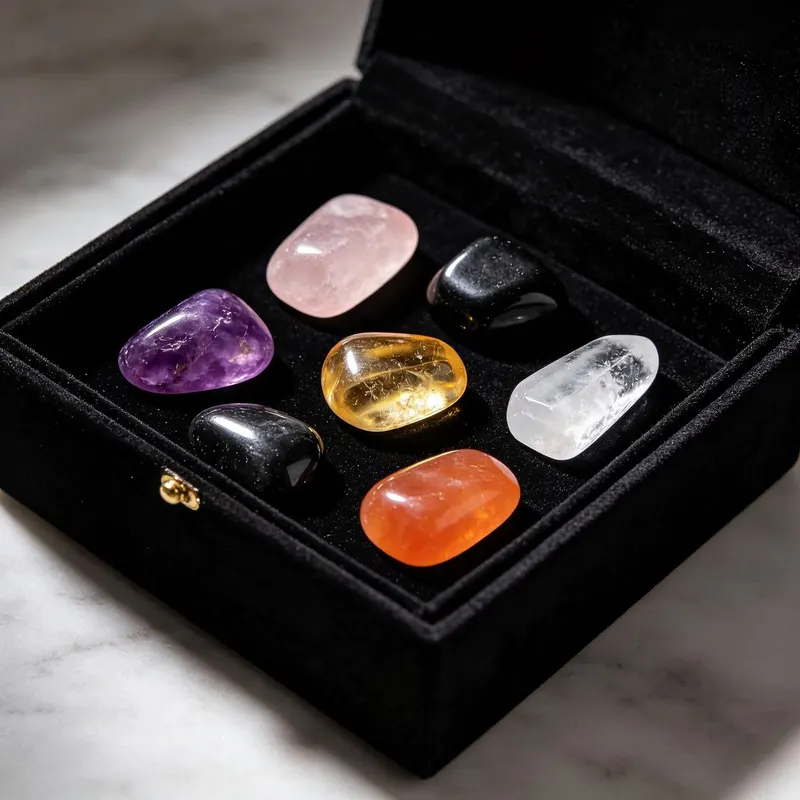
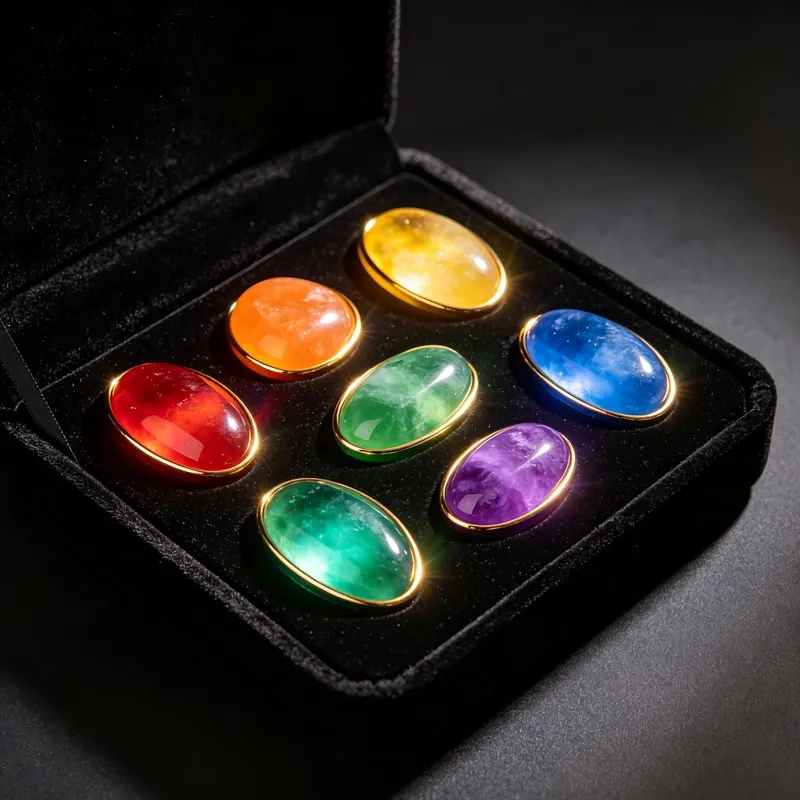
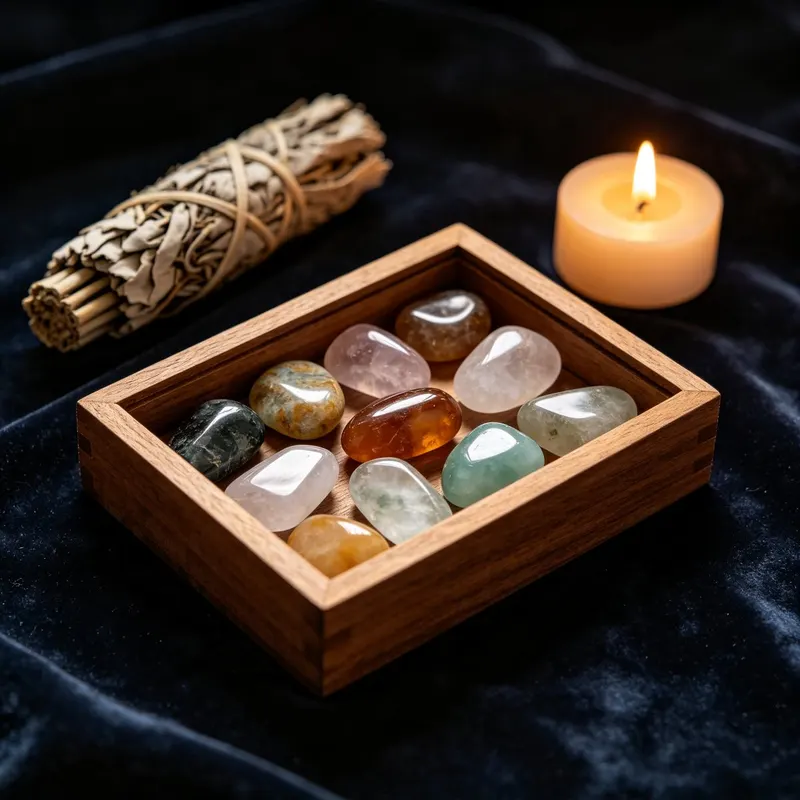
- Add supporting stones—one per intention. Choose two or three to start. If you're unsure which, a Healing Crystal Starter Kit, 7 Stones + Guide gives you a labeled set to work from, or a 7 Chakra Stone Set with Wooden Display Box if you want a ready-made arrangement with its own tray.
- Include the four elements. A candle (fire), a small dish of water, a leaf, sprig, or dried flower (earth), and a little airflow or a feather (air). Keep real flames away from curtains and never leave a candle burning unattended.
- Name your intentions. Write one line per stone on a small card and tuck it beneath the piece. "Calm before sleep." "Courage for the meeting." "Patience with my family." Specific beats poetic.
- Reset on a schedule. Dust the surface, wipe the stones, replace the water, and revisit your intentions. Many people do this at the new moon, the full moon, or simply the first of the month—pick whatever you'll actually remember.
Choosing Your Space: Practical Considerations
Before you arrange a single stone, think about the physical realities of the spot. Altars that get knocked over, sun-bleached, or water-damaged don't stay meaningful for long.
- Light: A spot with soft, indirect daylight shows off translucency and color. Avoid a windowsill that gets hours of harsh afternoon sun—many colored stones fade over time (more on this below).
- Stability: Choose a level surface with a lip or edge if you can. A shallow tray or wooden box lid keeps small pieces from rolling.
- Moisture and heat: Keep the arrangement away from bathrooms, kitchen steam, radiators, and humidifiers. Some stones are water-sensitive, and heat can crack others.
- Reach: It should be easy to touch, dust, and rearrange—an altar you can't reach is just decoration.
- Household reality: If you have cats, toddlers, or a habit of sweeping things off surfaces, place fragile points and clusters higher or anchor them on a tray with museum putty.
Arranging the Stones by Intention
There's no universal layout, but a few conventions help. Many people place the centerpiece at the back or center, then arrange supporting stones in a loose arc or line in front. You can group by theme—calm, courage, connection—or by color, working from dark to light.
Shape matters too. Points are traditionally thought to direct energy outward, spheres to radiate evenly, and clusters to fill a room. If you want to go deeper, our guides on crystal shapes and meanings and how to make a crystal grid explain the conventions, and crystals for the home covers room-by-room placement.
Here's a simple way to match stones to intentions. These are traditional associations, not promises—treat them as prompts for reflection.
| Intention | Stone to try | Traditional association | Good placement |
|---|---|---|---|
| Calm and restful sleep | Amethyst Healing Bracelet for Calm & Clarity or a raw amethyst cluster | Traditionally associated with calm and quieting a busy mind | Nightstand, near the bed |
| Grounding and boundaries | Black Tourmaline Protection Bracelet for Grounding | Believed to support a sense of stability and protection | Near an entryway or desk |
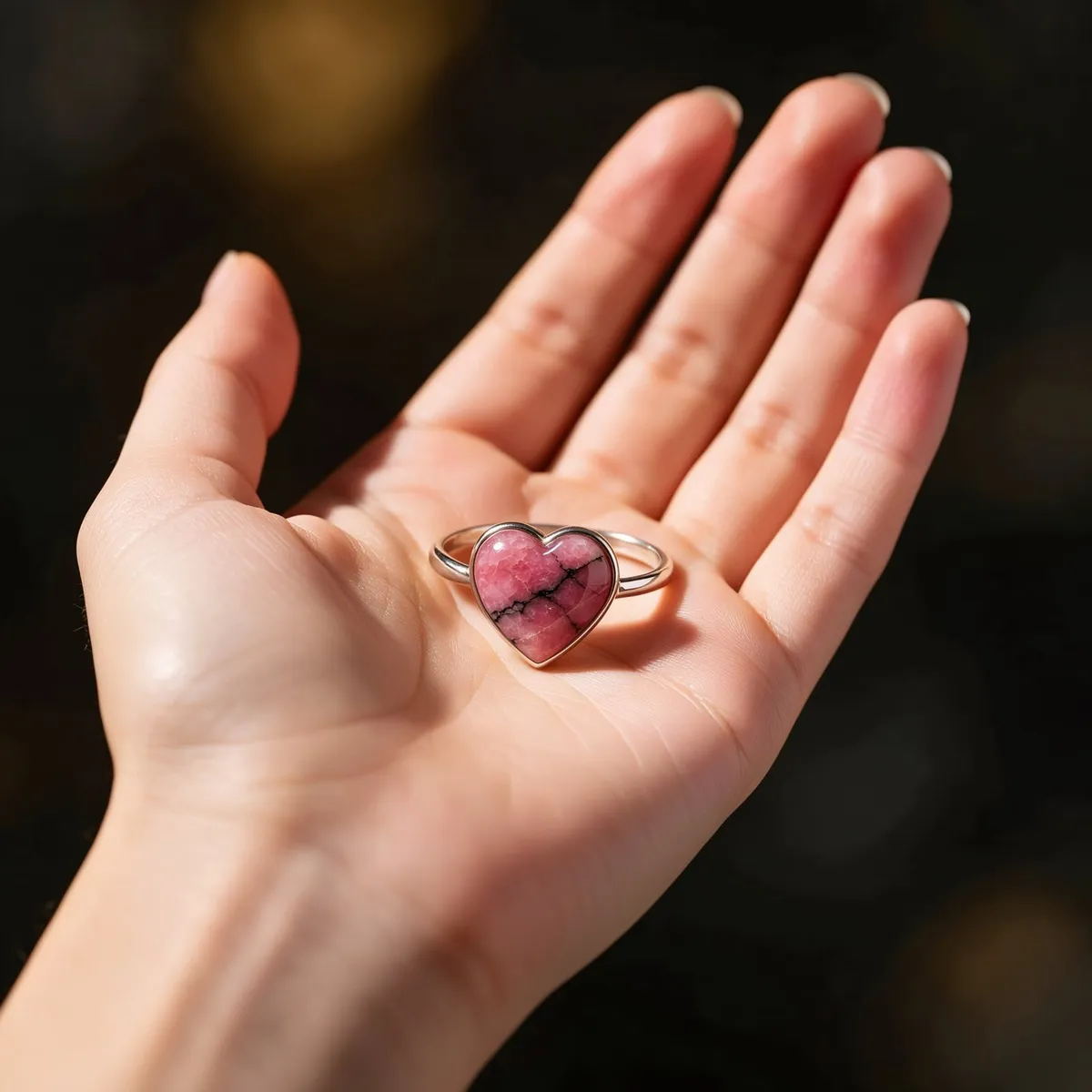
| Self-compassion and connection | Rose Quartz Love Bracelet for Self-Love & Heart | Traditionally associated with warmth and self-care | Vanity, bedside, or reading nook |
| Focus and follow-through | Rainbow Fluorite Focus Bracelet for Concentration | Believed to support clarity and steady attention | Desk or study corner |
| Confidence and momentum | Tiger's Eye Confidence Bracelet for Focus & Courage | Traditionally associated with courage and resolve | Where you plan your week |
| Intuition and new chapters | Rainbow Moonstone Bracelet for Intuition & New Beginnings | Believed to support intuition and transitions | Windowsill or journaling spot |
If you're building around a single theme, a 7 Chakra Balancing Bracelet, Natural Mixed Stones can sit at the center of a color-based layout, with each stone's hue echoed in the pieces around it. And if you'd rather wear your intentions than display them, a Clear Quartz Point Pendant Necklace, Sterling Silver can hang above the altar or travel with you as a portable reminder.
What lore says — and what the evidence shows
Crystal altars sit at the meeting point of folk tradition and personal ritual. It's worth separating the two so you can enjoy the practice without relying on claims that don't hold up.
What the tradition says: Across many cultures, stones have been placed in homes and shrines as symbols of protection, remembrance, and intention. In modern crystal practice, amethyst is traditionally associated with calm, rose quartz with the heart, black tourmaline with grounding, and clear quartz with clarity. These associations are cultural and symbolic—they're a language for naming what you want to focus on, not a mechanism we can measure.
What we can verify: The physical properties are real and worth knowing, because they affect how you care for your altar.
- Hardness (Mohs scale): Quartz-family stones (amethyst, clear quartz, citrine, rose quartz) rank about 7, so they resist scratching but can chip. Selenite is very soft—around 2—and scratches with a fingernail, so keep it away from harder stones and handle it gently. Fluorite is about 4 and also scratches easily. Black tourmaline is roughly 7–7.5; obsidian is about 5–5.5 and fractures rather than scratches.
- Sunlight: Many colored stones fade with prolonged direct sun. Amethyst, rose quartz, fluorite, and citrine are all best kept in indirect light. If your altar faces a bright window, rotate pieces or use a sheer curtain.
- Water: Selenite dissolves and pits in water—never rinse it. Lapis lazuli and other porous or composite stones can be damaged by soaking. For most pieces, dust with a dry or barely damp soft cloth rather than washing.
- Heat and chemicals: Avoid hot surfaces, ultrasonic cleaners, and household sprays. A soft dry brush and a lint-free cloth handle almost everything.
- Cleansing rituals: Smoke, sound, moonlight, and selenite plates are traditional methods. None are scientifically shown to "reset" a stone, but as a mindful pause they're harmless—just skip saltwater soaks for soft or porous stones.
Crystals are for reflection and are not medical devices.
Realistic Budget and What to Look For
You can build a meaningful altar for the price of a nice dinner, or spend considerably more on a large specimen. Here's a rough sense of what to expect in the US market:
- Starter sets and small tumbled stones: roughly $20–$45. Look for labeled sets, clear photos of the actual stones, and listings that name the material rather than vague "healing crystal" language.
- Bracelets and small pendants: roughly $25–$60 depending on metal (sterling silver and gold-plated chains cost more than elastic cord).
- Raw clusters and display pieces: roughly $30–$120, scaling with size and quality. Expect natural variation—chips, matrix, and uneven color are normal in raw specimens.
- Large statement specimens: $150 and up. Buy from sellers who show the exact piece you'll receive.
What to look for: clear, well-lit photos of the actual item; honest descriptions of treatments (heat-treated amethyst is often sold as citrine, and dyed stones are common); accurate dimensions and weight; and a stated return policy. What to skip: claims of medical benefit, guaranteed outcomes, or "certified" language with no issuer named.
Maintaining Your Altar
An altar stays alive through small, regular attention. Dust weekly with a soft brush or microfiber cloth. Replace water in any dish every few days to prevent stagnation and mineral rings. Rotate candles and check wicks. Once a month—or at each new moon, if that rhythm appeals—clear the surface entirely, wipe it down, handle each stone, and ask whether it still belongs. Pieces you've outgrown can move to another room or be stored; an altar works best when everything on it still means something.
FAQ
People Also Ask
Where should a crystal altar be placed?
A quiet, clean spot you see daily—a nightstand, shelf, or desk corner works well. Favor indirect light and a stable surface, and keep it away from steam, heat, and busy foot traffic.
How many crystals do you need to start?
Start with one centerpiece and two or three intention stones. A starter kit or chakra set gives you a labeled foundation; add pieces only when a specific intention calls for one.
How often should I cleanse or refresh an altar?
Dust weekly and do a fuller reset monthly, or at each new or full moon if you like that rhythm. Replace water regularly and revisit your written intentions each time.
Can I put any crystal in direct sunlight or water?
Not always. Amethyst, rose quartz, fluorite, and citrine can fade in strong sun, and selenite dissolves in water. Check hardness and sensitivity before cleaning—dry dusting is safest for most pieces.
Browse the Curated Collection
Explore the full edit here: Raw Stones & Sets Collection →
Shop the Stones
- Raw Amethyst Cluster for Meditation & Altar
- Selenite Cleansing Wand for Energy Clearing
- 7 Chakra Stone Set with Wooden Display Box
- Healing Crystal Starter Kit, 7 Stones + Guide
- Clear Quartz Point Pendant Necklace, Sterling Silver
Keep Exploring
Crystals for Home · Crystal Shapes · Make a Crystal Grid
Crystals are intended to support personal and spiritual well-being and are not medical devices. They do not diagnose, treat, cure, or prevent any disease. If you are struggling with your mental or physical health, please reach out to a qualified professional.