Why Storage Deserves More Thought Than It Usually Gets
If you've built up a small collection of crystal bracelets, pendants and raw stones, you've probably noticed that storage is the part nobody warns you about. The pieces you wear daily end up in a dish by the sink. The ones you save for certain moods get tangled in a drawer. A raw cluster gets knocked around on a shelf until a corner chips. None of this is dramatic, but over months it adds up—elastic stretches, polished surfaces dull, and light-sensitive stones quietly fade.
Good storage is really two jobs in one. The first is physical: protecting stone surfaces, metal findings and elastic cord from the small daily stresses that shorten a piece's life. The second is personal and ritual: creating a place where your crystals feel intentional rather than abandoned, so that reaching for one still feels like a small ceremony rather than a rummage.
This guide covers both. You'll find practical rules for bracelets, necklaces and raw specimens, a comparison of common storage methods, a clear-eyed look at what tradition claims versus what we can actually verify, and answers to the questions we hear most often.
Start With What Each Piece Is Made Of
Before you buy a single pouch, sort your collection by material. Storage that suits a raw quartz cluster is wrong for a gold-plated pendant, and a method that's fine for tiger's eye can dull a softer stone. Three variables matter most.
Hardness
Hardness is measured on the Mohs scale, from 1 (talc) to 10 (diamond). This is the single most useful fact for storage, because a harder stone will scratch a softer one if they rub together. Quartz-family stones sit around 7. Selenite is remarkably soft at about 2—it can be scratched by a fingernail. Fluorite is around 4, and lapis lazuli around 5 to 6. If you store a quartz point loose beside a selenite wand, the quartz wins and the selenite scars.
Metal and plating
Sterling silver tarnishes when exposed to air and moisture; gold plating wears thin with friction. Pendants with chains deserve their own compartment or a hanging hook so the chain doesn't knot or abrade the stone's setting.
Elastic cord
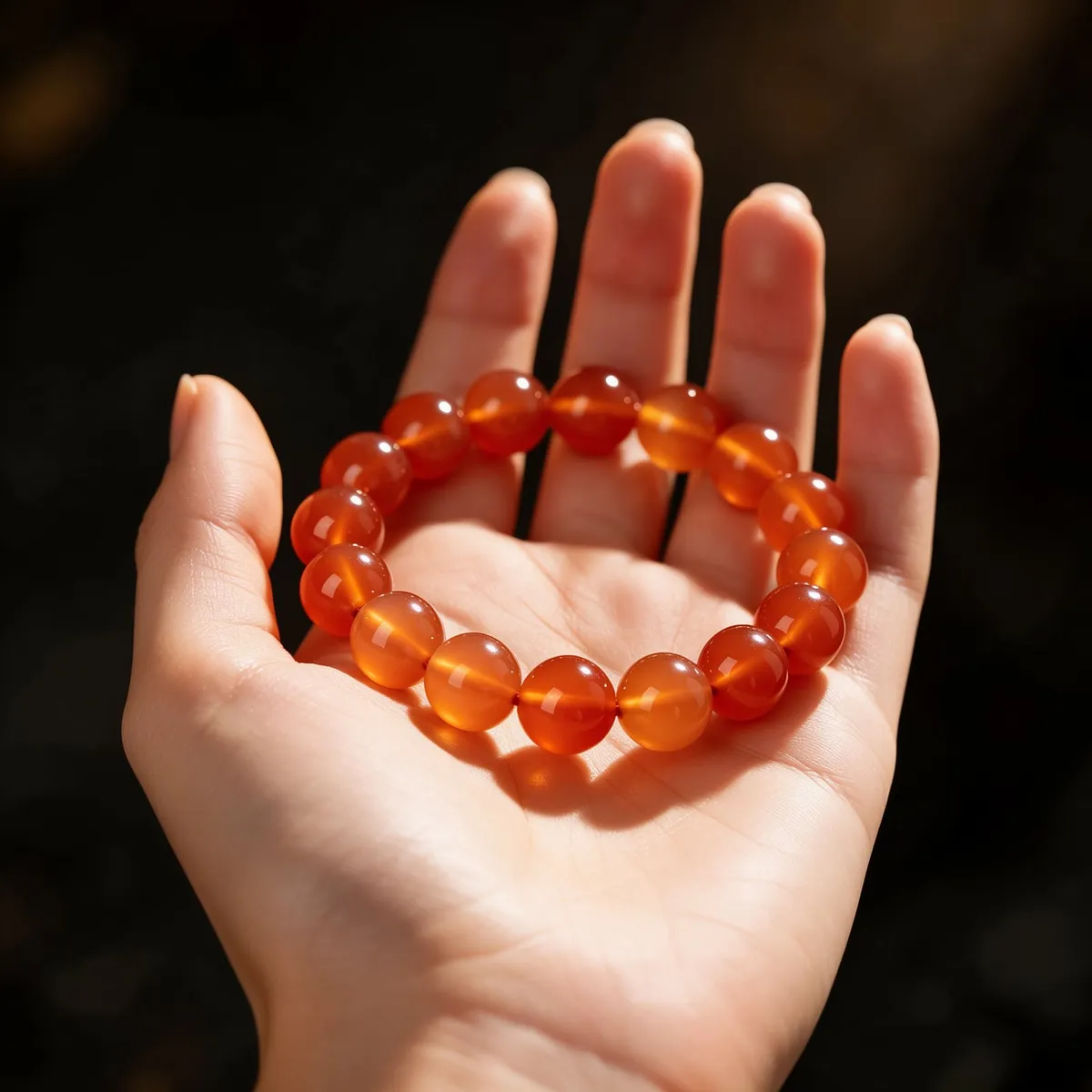
Most beaded bracelets are strung on elastic, which degrades with heat, sunlight, perfume, chlorine and constant stretching. Storing a bracelet stretched over a display stand or hung on a hook is one of the fastest ways to shorten its life.
Storage Rules That Actually Protect Your Pieces
These are the habits worth building. None require special equipment beyond a few pouches and a box.
- Store bracelets flat or loosely coiled. Never stretch them over a stand, bottle or hook for long periods—elastic takes a set and loses snap.
- Give each piece its own soft pouch or compartment. This is the simplest defense against chips and scratches, especially in a mixed collection.
- Keep softer stones away from harder ones. Selenite, fluorite and rhodonite should not share a loose drawer with quartz, obsidian or tiger's eye.
- Shield light-sensitive stones from direct sun. Amethyst, rose quartz, fluorite and citrine can fade with prolonged exposure to strong sunlight. Indirect light is fine.
- Avoid humidity, perfume and bathroom steam. A bedroom drawer or closed box beats a bathroom shelf every time. Apply perfume and lotion before putting jewelry on, not after.
- Fasten chains before storing. Clasp a necklace and lay it flat or hang it, so the chain doesn't tangle and stress the links.
- Keep raw specimens padded. A cluster or point benefits from a padded shelf, a lined box or a bed of soft fabric—especially if it lives somewhere it could be knocked.
Choosing a Storage Method: A Quick Comparison
There's no single right answer—the best setup depends on collection size and how often you rotate pieces. Here's how the common options compare.
| Method | Best for | Watch out for |
|---|---|---|
| Individual soft pouches | Bracelets, pendants, travel | Can hide pieces you forget about; label them |
| Lined jewelry box with compartments | Mixed collections, everyday rotation | Compartments may be too small for raw stones |
| Flat tray or dish | Current favorites, altar display | Dust, sunlight, and rubbing if pieces are loose |
| Hanging hooks or a stand | Necklaces (chain only) | Never hang elastic bracelets—it stretches them |
| Padded shelf or display box | Raw clusters, points, sets | Takes space; keep away from direct sun and knocks |
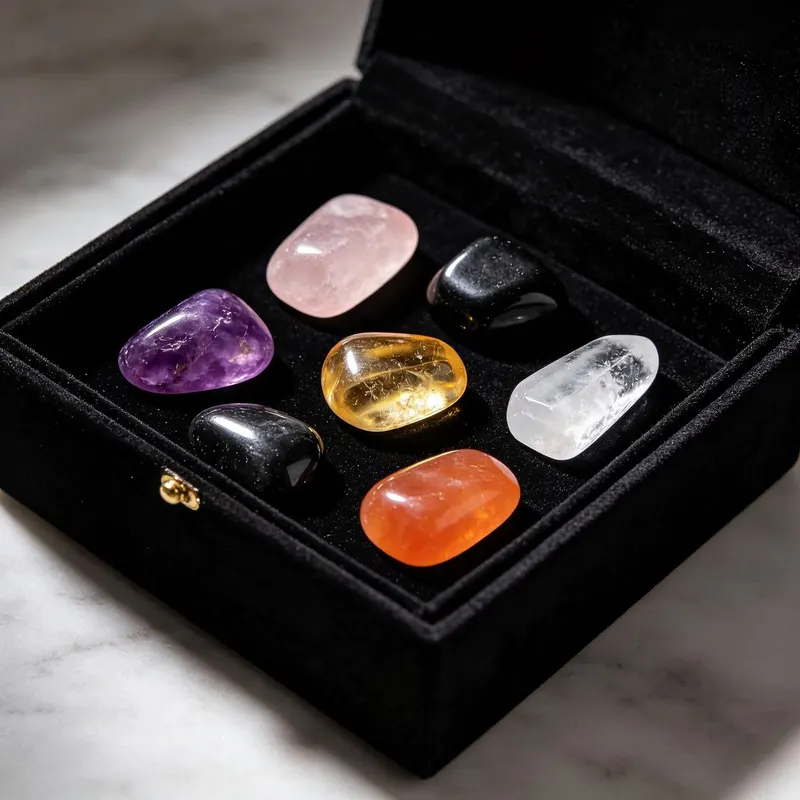
A practical middle ground for most people: a lidded box with a few compartments for daily pieces, pouches for the rest, and one dedicated spot—a tray or shelf—for raw specimens and anything you want visible.
Matching Storage to the Pieces You Own
Bracelets
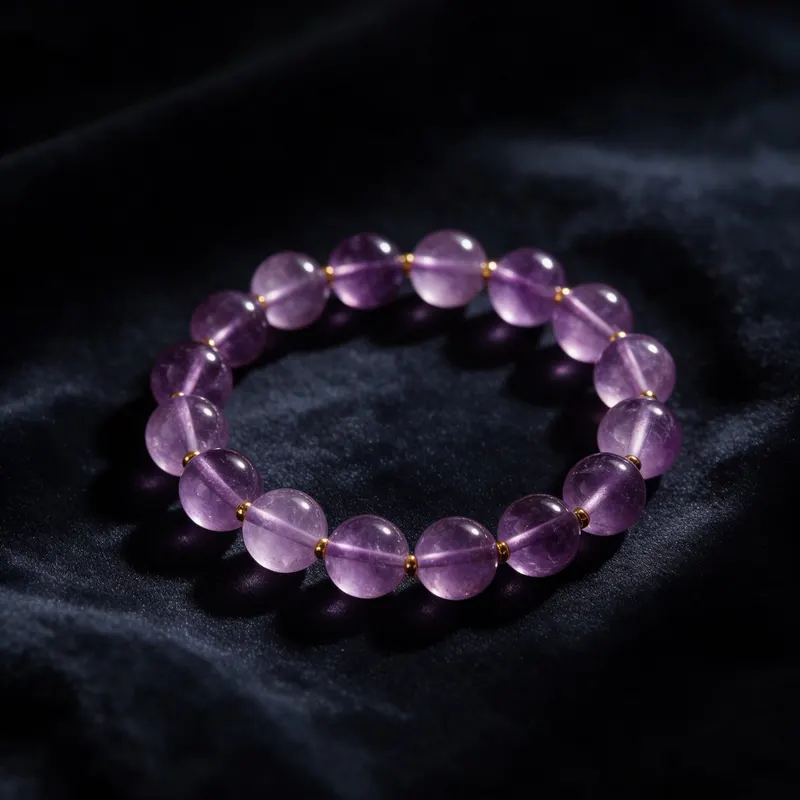
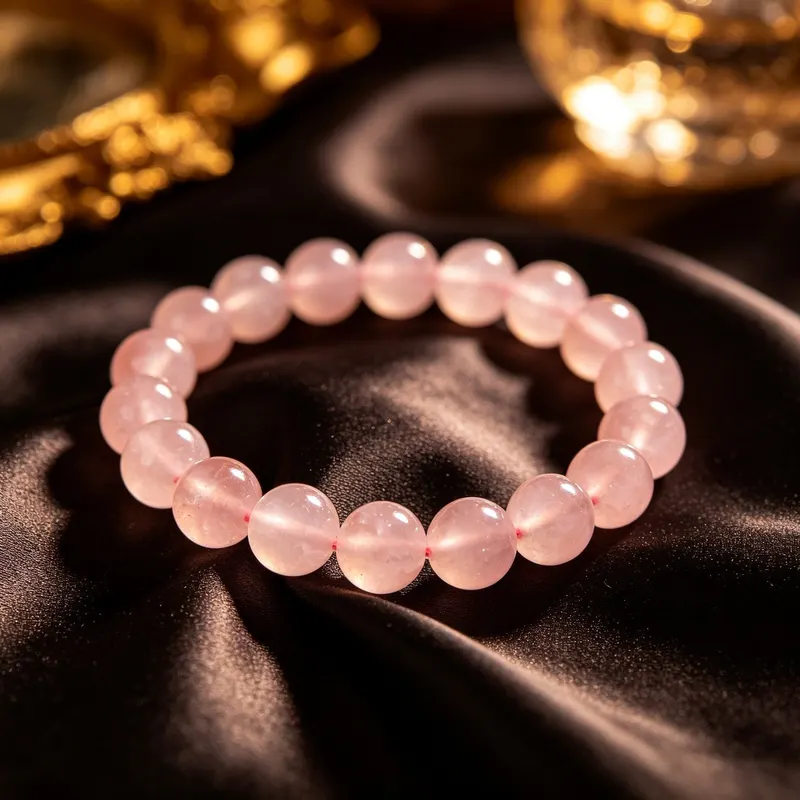
Coil gently into a pouch or lay flat in a compartment. If you wear one bracelet daily, consider rotating it with a second so the elastic gets rest days. A beaded piece like the Amethyst Healing Bracelet for Calm & Clarity stores well in a small pouch kept out of direct sun, which also protects its color. The same goes for the Rose Quartz Love Bracelet for Self-Love & Heart—rose quartz is another stone that fades with long sun exposure.
Pendants and necklaces
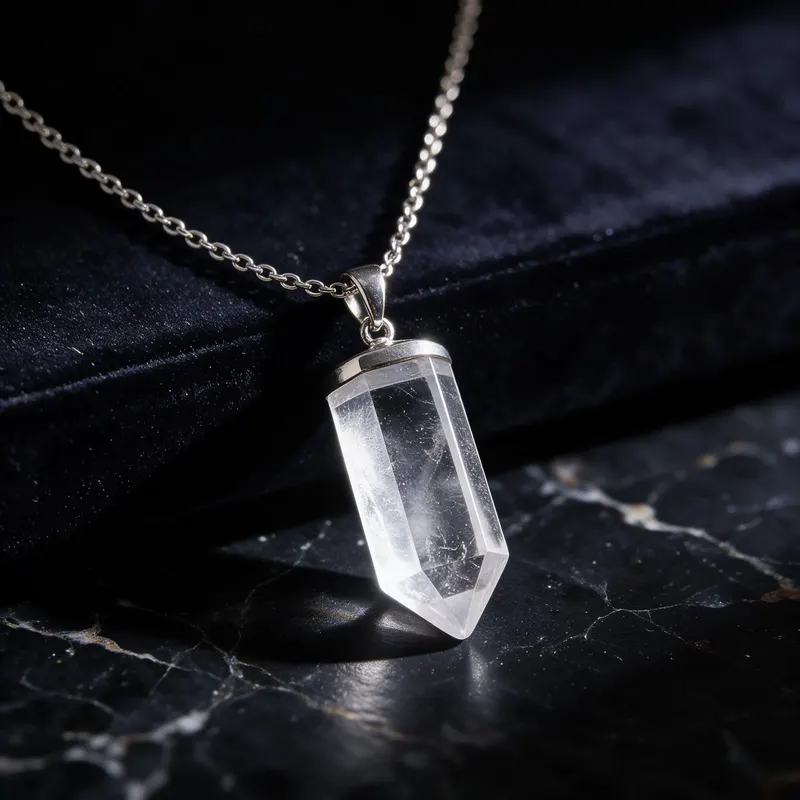
Clasp first, then lay flat or hang by the chain. Keep plated and silver pieces in a dry spot, ideally in a small anti-tarnish pouch or a compartment lined with soft fabric. A pendant like the Clear Quartz Point Pendant Necklace, Sterling Silver benefits from being stored separately so the point doesn't knock against other stones.
Raw stones and clusters
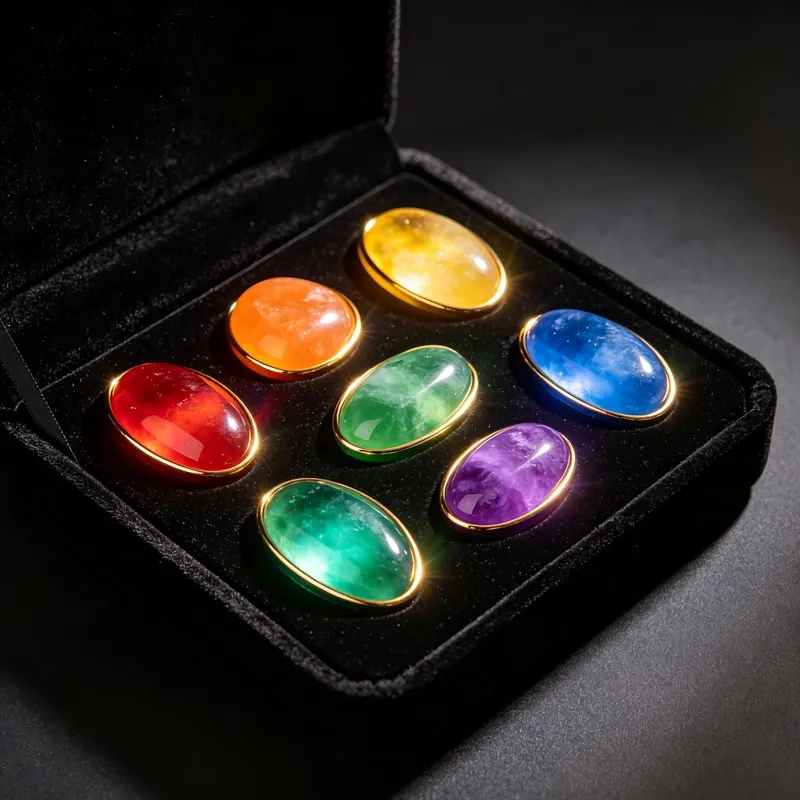
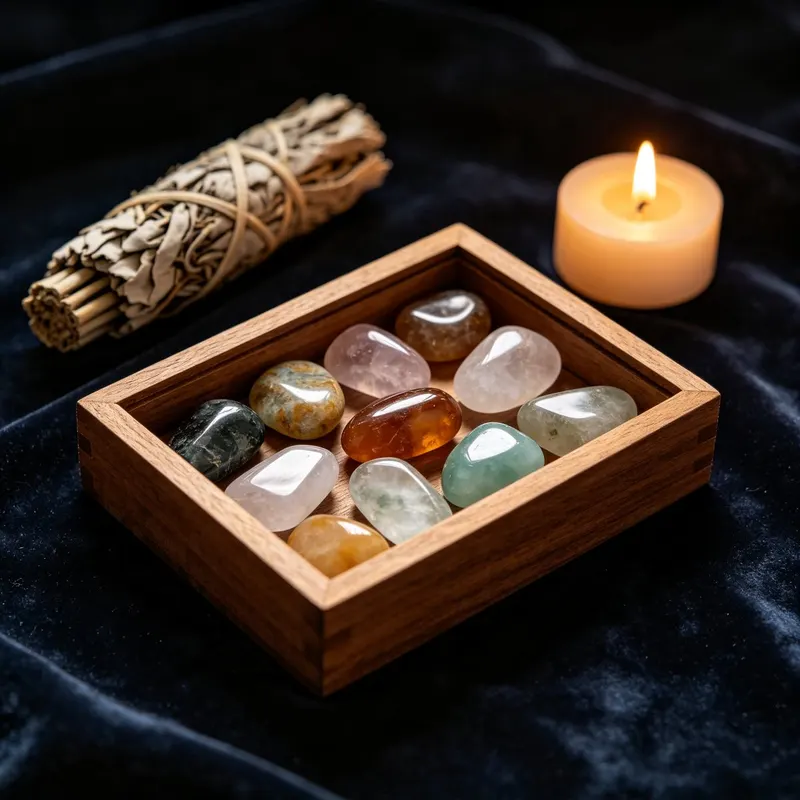
These need padding and space more than anything. A raw amethyst cluster displayed on a shelf is lovely, but keep it out of strong direct sun and away from the edge. If you have several specimens, a wooden display box with dividers keeps them from touching—useful for a set like the 7 Chakra Stone Set with Wooden Display Box, which is designed to be stored and shown at once.
Soft stones
Selenite deserves special mention: at roughly 2 on the Mohs scale, it scratches easily and is water-sensitive. Store a wand flat, wrapped or in its own sleeve, away from harder stones. The Selenite Cleansing Wand for Energy Clearing is often kept out on a tray, which is fine—just make sure nothing harder rests against it.
The lore, and what we can actually verify
Crystal practice comes with a lot of inherited wisdom about storage and cleansing. Some of it is practical geology in disguise; some of it is lore. Both can coexist, as long as you know which is which.
Verifiable: hardness, light and water
- Hardness is real and measurable. Mohs values explain why quartz scratches selenite and why you should separate soft and hard stones. This is materials science, not belief.
- Some stones fade in sunlight. Amethyst, rose quartz, fluorite and citrine are known to lose color with prolonged direct sun. Storing them away from a bright window is genuinely protective.
- Water damages some stones. Selenite, halite and several porous or layered stones should not be soaked or left damp. Keep them dry regardless of any cleansing advice you read.
- Elastic and plating degrade. Heat, moisture, perfume and stretching all shorten the life of cord and plated metal. Rest and dry storage extend both.
Traditional lore: cleansing and energy
Many practitioners believe crystals hold or absorb energy and should be "cleared" regularly—often by resting them near selenite, in moonlight, or on a dedicated tray. Traditions vary widely, and there's no scientific basis for measuring this. We present it as lore, not fact: a selenite wand beside your storage box is a meaningful ritual for many people, and it's harmless to the stones as long as the wand itself is stored carefully. Think of cleansing as a way of resetting your own attention as much as anything else.
A note on care claims: crystals are traditionally associated with calm, clarity, protection and similar qualities, and many people find that keeping them intentionally supports a sense of ritual. They are not medical devices and are not a substitute for professional care.
Building a Simple, Workable System
You don't need a dedicated room. A drawer, a lidded box and a small tray cover most collections.
- Daily rotation: a tray or open box for the two or three pieces you're wearing this week.
- Long-term storage: pouches or compartments for everything else, sorted so hard and soft stones don't touch.
- Display: one padded shelf or box for raw specimens and sets you like to see.
- Cleansing station: a small dish or tray where pieces can rest, optionally beside a selenite wand.
- Travel: a single pouch per piece, packed so nothing presses on a pendant or stretches a bracelet.
Label pouches if your collection is growing—it saves time and prevents a soft stone from ending up in the wrong pile. And once or twice a year, empty everything out, wipe down the box, check elastic for fraying, and re-sort. It's a good moment to notice what you actually wear.
FAQ
People Also Ask
Is it okay to keep all my crystals together?
Physically, only if they're separated by pouches or compartments—loose stones of different hardness will chip and scratch each other. Energetically, many people like to keep a shared collection near a selenite wand or bowl as a matter of tradition. Separate first, then arrange as you like.
Should crystals be stored in the dark?
Not necessarily. Indirect light is fine for most stones. The key is avoiding prolonged direct sun for light-sensitive varieties like amethyst, rose quartz, fluorite and citrine. A closed drawer or box is the simplest protection.
How should I store elastic bracelets so they last longer?
Lay them flat or coil them loosely in a pouch—never stretch them over a stand or hang them. Rotate daily-wear pieces so the elastic gets rest, and keep them away from heat, perfume and bathroom steam. Replace the cord when it starts to fray.
Can I store crystal jewelry in the bathroom?
It's best not to. Steam and humidity speed up tarnish on silver, wear on plating, and degradation of elastic. A bedroom drawer or closed box in a dry room is a better home.
A Place for Everything
Good storage is less about buying the perfect box and more about a few consistent habits: separate soft from hard, keep elastic unstretched, shield light-sensitive stones, and keep everything dry. Do those four things and your pieces will stay brighter and last longer—and the act of putting a crystal away with care becomes its own small ritual. If you're just starting out, a Healing Crystal Starter Kit, 7 Stones + Guide comes with its own set to organize, which makes building the habit easy from day one.
Crystals are for reflection and ritual, not medical treatment. They are not medical devices and do not diagnose, treat, cure, or prevent any condition.