Why Selenite Is the Charging Stone
If you have a small collection of crystals and a nagging sense that you are "supposed to" be cleansing them regularly, selenite is the stone that makes the whole routine practical. In traditional practice, selenite is considered a self-clearing stone—one that does not hold buildup and is used to refresh every other crystal. It offers a completely dry method, which makes it ideal for stones that cannot go in water.
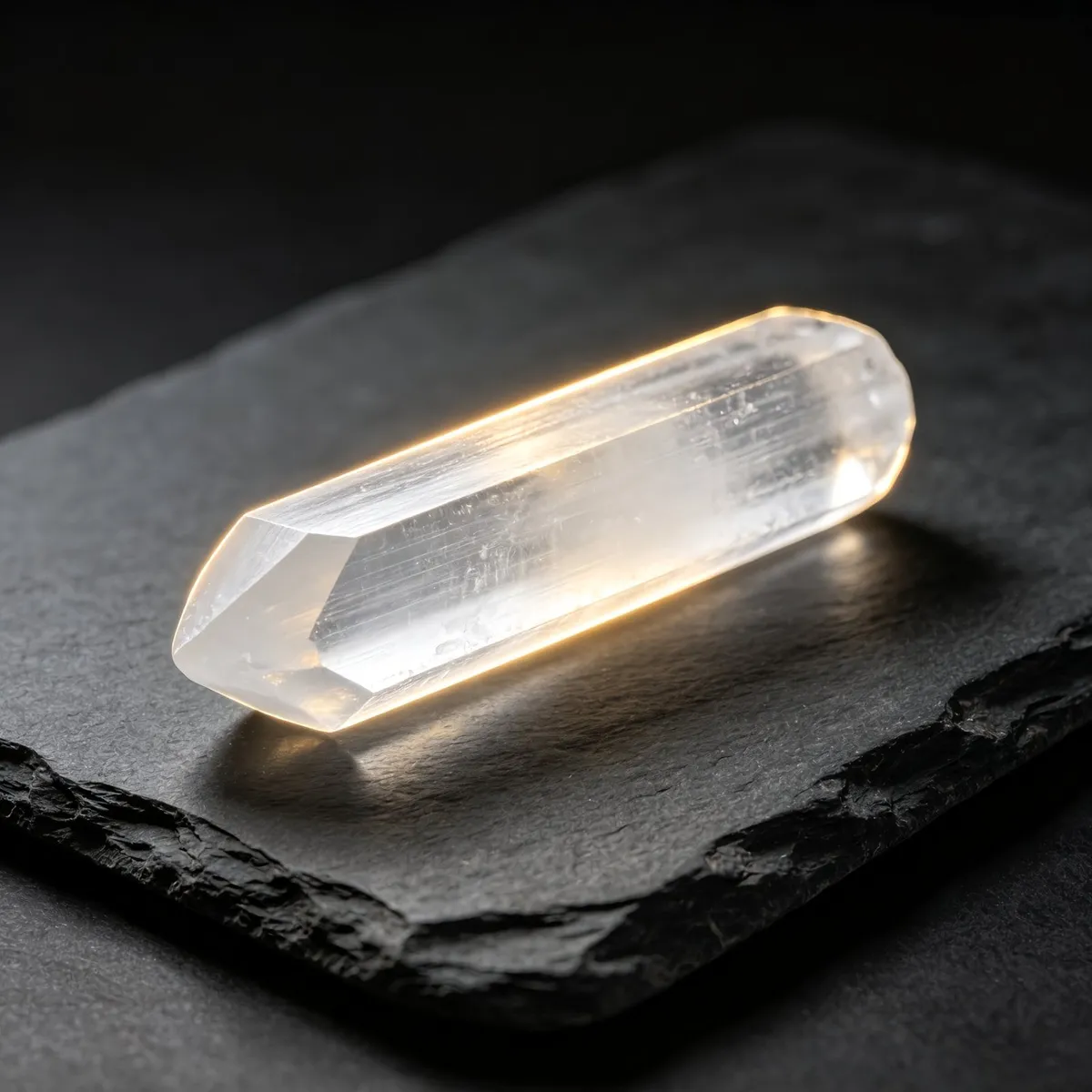
That last point matters more than most crystal guides admit. Several popular stones—selenite itself, halite, malachite, and many raw specimens—are damaged by soaking. A dry cleansing method lets you refresh them without risking the surface. Selenite is also soft and easy to shape, so it comes as wands, charging plates, bowls, and towers, which makes it simple to set up a small "cleansing station" on a nightstand or shelf.
This guide walks through how to use selenite to cleanse and recharge other crystals, how long to leave pieces in place, what selenite can and cannot do, and how to care for the stone so it lasts. It also separates traditional lore from what we can actually verify about the mineral.
What You Need Before You Start
You do not need much, but a few basics make the process smoother and protect both stones.
- A selenite piece large enough to hold your items. A wand works for a single bracelet or pendant; a plate or bowl is better for several pieces at once.
- A dry, flat surface. A shelf, tray, or nightstand is fine. Avoid bathrooms and kitchens, where steam and splashes are common.
- A soft dry cloth. For dusting selenite and wiping fingerprints off polished stones.
- A little quiet time. The intention-setting step takes a minute, but it is the part most people find meaningful.
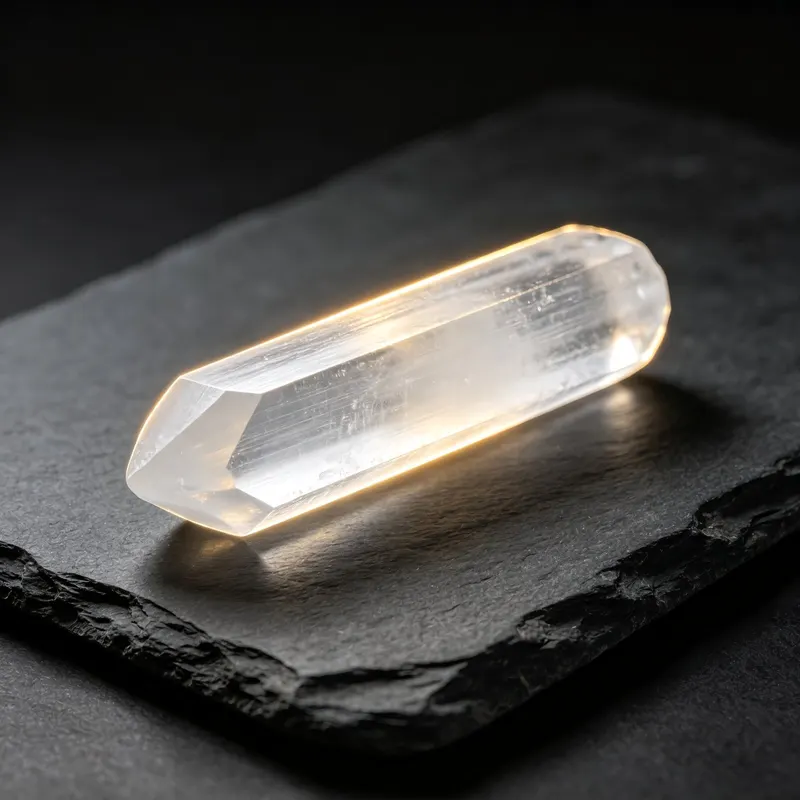
A note on sizing: selenite wands are often sold in lengths from about 4 to 8 inches. A 6-inch wand comfortably holds a bracelet draped over it or a pendant resting beside it. If you plan to cleanse several bracelets at once, a charging plate roughly the size of a small dinner plate is more practical than a wand.
Step-by-Step Charging
- Find a flat, dry spot and lay your Selenite Cleansing Wand or plate down. Keep it away from sinks, windowsills that collect condensation, and anywhere pets can knock it over.
- Place the jewelry or stones you want to refresh directly on or beside the selenite. Bracelets can be draped over a wand; pendants and tumbled stones rest on a plate.
- Leave them for at least four hours, ideally overnight. Overnight is the easiest habit because it requires no monitoring.
- In the morning, pick up each piece, set a fresh intention, and wear or place it where you will see it during the day.
If you are refreshing a piece you wear daily, a simple rhythm works well: take it off at night, rest it on the selenite, and put it back on in the morning. For pieces you wear less often, a monthly overnight session is a reasonable routine.
What You Can Charge
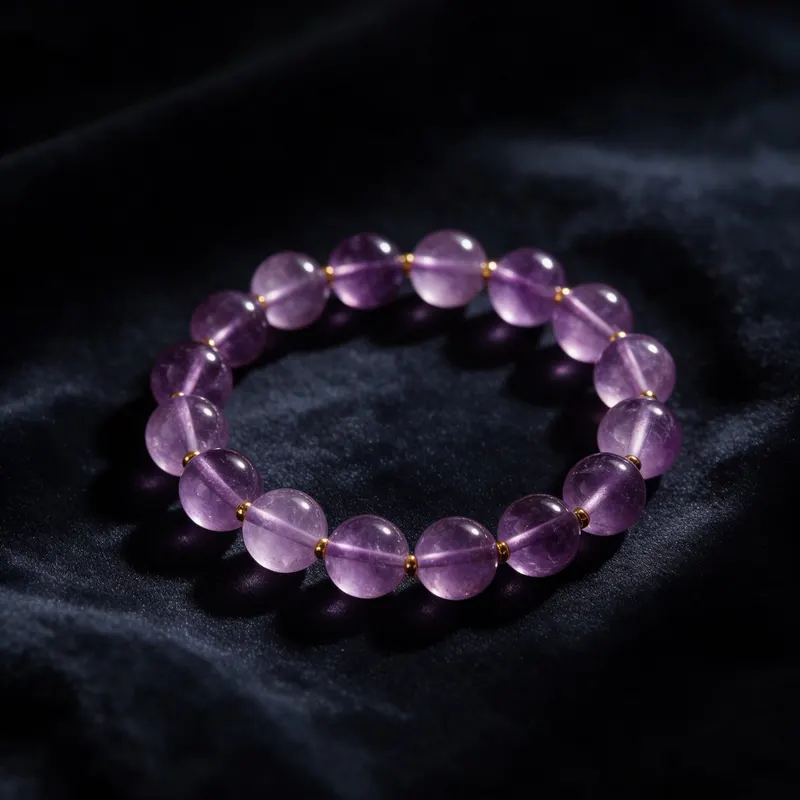
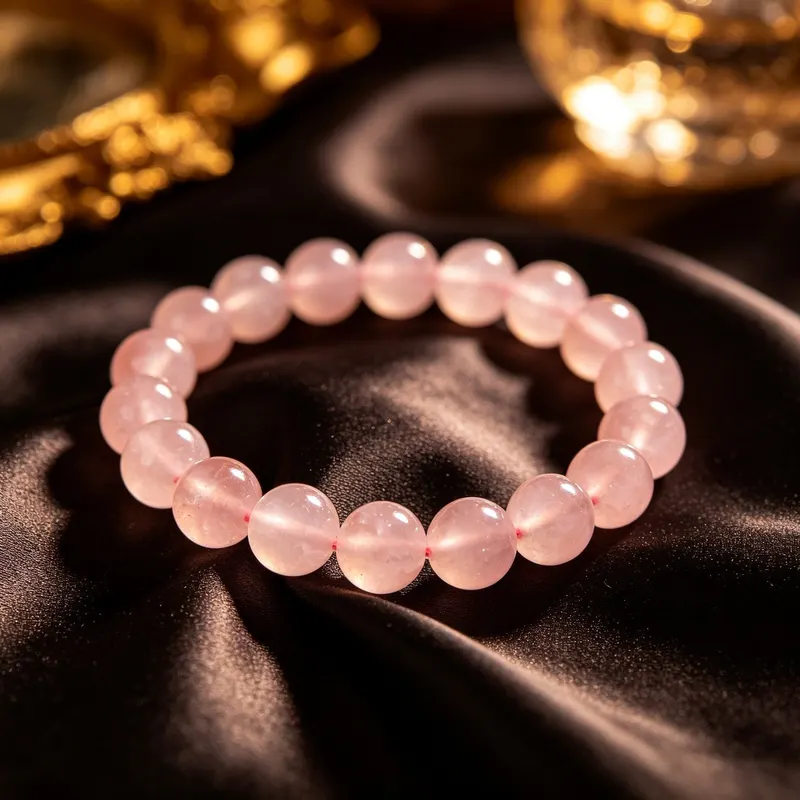
Bracelets, pendants, rings, and tumbled stones all work. An Amethyst Healing Bracelet or Rose Quartz Love Bracelet can simply rest on selenite beside your bed. Delicate pieces—thin chains, gold-plated settings, and rings with prongs—should be handled gently and kept dry, which selenite cleansing naturally supports.
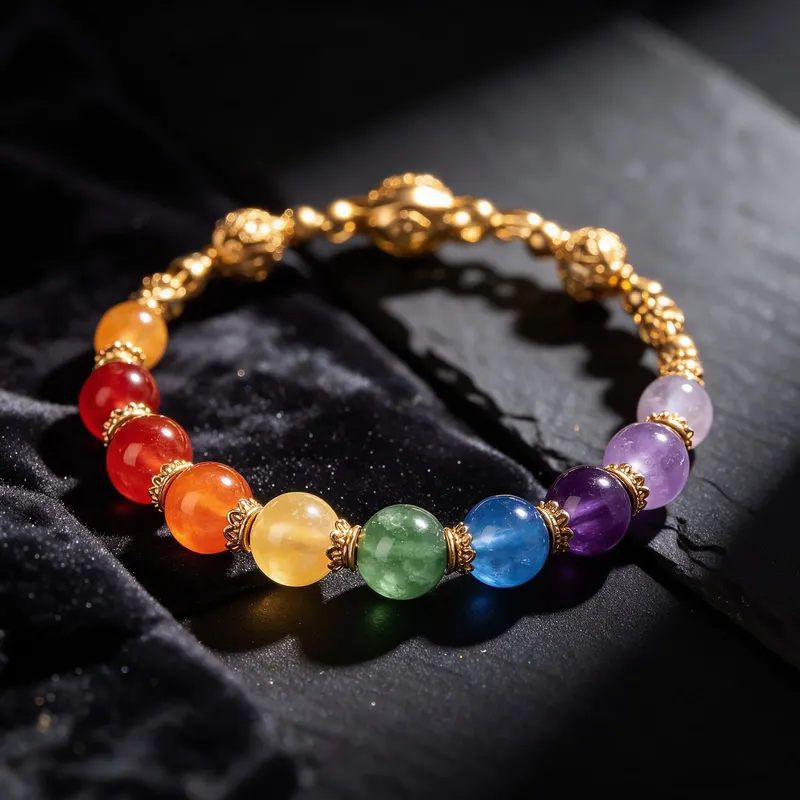
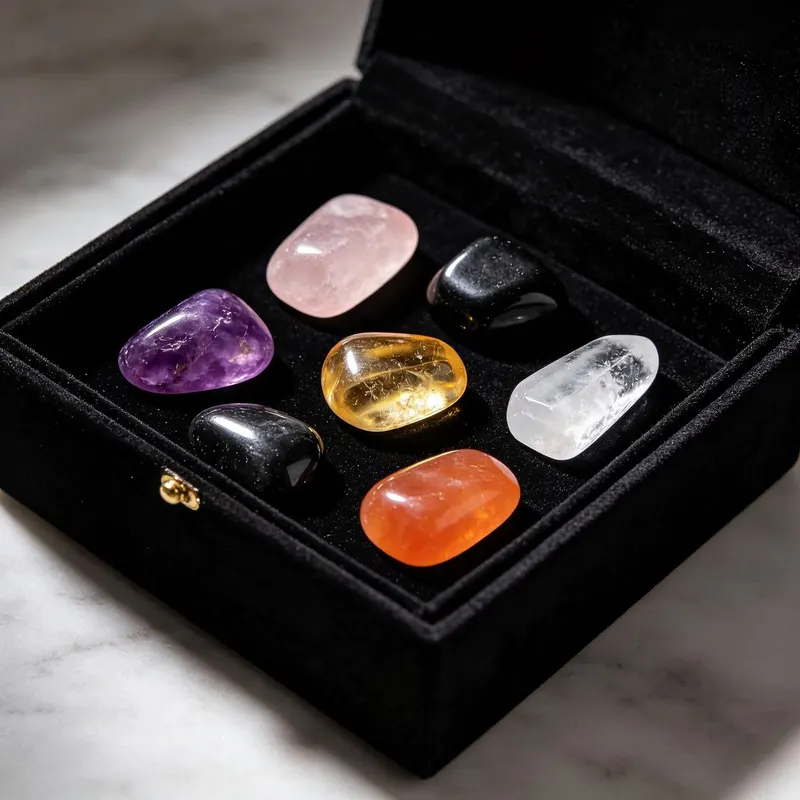
Mixed-stone pieces are also fine. A 7 Chakra Balancing Bracelet with several stone types can sit on a plate without any water risk to the softer stones in the mix. If you keep a small set for meditation, a Healing Crystal Starter Kit pairs well with a selenite plate as a first cleansing setup.
Selenite vs. Other Cleansing Methods
There is no single "correct" way to cleanse crystals. The best method is the one that suits the stone and your routine. Here is how selenite compares with the most common alternatives.
| Method | Best for | Watch out for | Time needed |
|---|---|---|---|
| Selenite (dry) | Most stones, especially water-sensitive ones; jewelry you wear daily | Keep selenite itself dry; it is soft and scratches easily | 4–6 hours, or overnight |
| Running water | Hard, water-safe stones like clear quartz and amethyst | Damages selenite, halite, malachite, and many raw specimens | A few minutes |
| Moonlight | Any stone; gentle and low-effort | Weather-dependent; not a substitute for a routine if you forget | One night |
| Salt or salt water | Traditionally used for many stones | Salt can dull polished surfaces and corrode metal settings | Several hours |
| Sound (bell, singing bowl) | Quick refresh; safe for all stones | Very brief; some people prefer a longer session | A few minutes |
Many people combine methods—selenite overnight plus a few minutes of sound, for example. That is fine. The goal is a routine you will actually keep.
Does Selenite Need Cleansing?
Traditionally, no—it is regarded as self-clearing. Physically, keep it dry (selenite dissolves in water) and dust it with a dry cloth. Read the full profile in selenite meaning.
In practical terms, "self-clearing" is a traditional belief rather than a measurable property. What you can do is keep the piece physically clean: dust it weekly, wipe it with a dry cloth, and store it away from damp. If a selenite piece looks cloudy or feels slick, that is usually surface moisture or handling residue, not "stored energy"—dry it thoroughly and it will look right again.
What the old stories say — and what checks out
Crystal practice blends long-standing folklore with the physical properties of the stones themselves. Keeping the two separate helps you use selenite well and avoid damaging it.
Traditional lore
- Selenite is believed to be self-clearing and is traditionally associated with clarity, calm, and spiritual cleansing.
- Placing a stone on selenite is said to "reset" its energy and prepare it for a fresh intention.
- Overnight charging is often described as more thorough than a short session.
What we can verify
- Hardness: Selenite (gypsum) is very soft—about 2 on the Mohs scale, meaning a fingernail can scratch it. Keep it away from harder stones, keys, and jewelry clasps.
- Water sensitivity: Selenite dissolves in water and can be damaged by soaking or prolonged humidity. Never rinse it or leave it in a bathroom.
- Heat and sunlight: Prolonged direct sun and heat can cause fading or surface damage in many colored stones. A shaded shelf is safer than a bright windowsill.
- Care: Dust with a dry cloth. Store wands and plates flat or upright in a stable spot where they will not tip. Handle edges gently—thin selenite can chip.
None of this diminishes the ritual. It simply means the practice works best when it respects the material. A dry, shaded, stable spot is both good crystal care and good selenite care.
How to Choose a Selenite Piece
Selenite is widely available and generally affordable. Expect a small wand to cost roughly the price of a nice candle, with larger charging plates and bowls costing more. Prices vary with size, clarity, and finish, so compare a few pieces before buying.
- Check for cracks and chips along edges, especially on thin wands.
- Look for a stable base if you are buying a tower or bowl—selenite is soft and tips easily.
- Choose the size for your collection. One wand suits one or two pieces; a plate suits a drawer or shelf of jewelry.
- Ask how it was stored. A piece that has been kept dry and wrapped will look cleaner than one that has sat in a humid display.
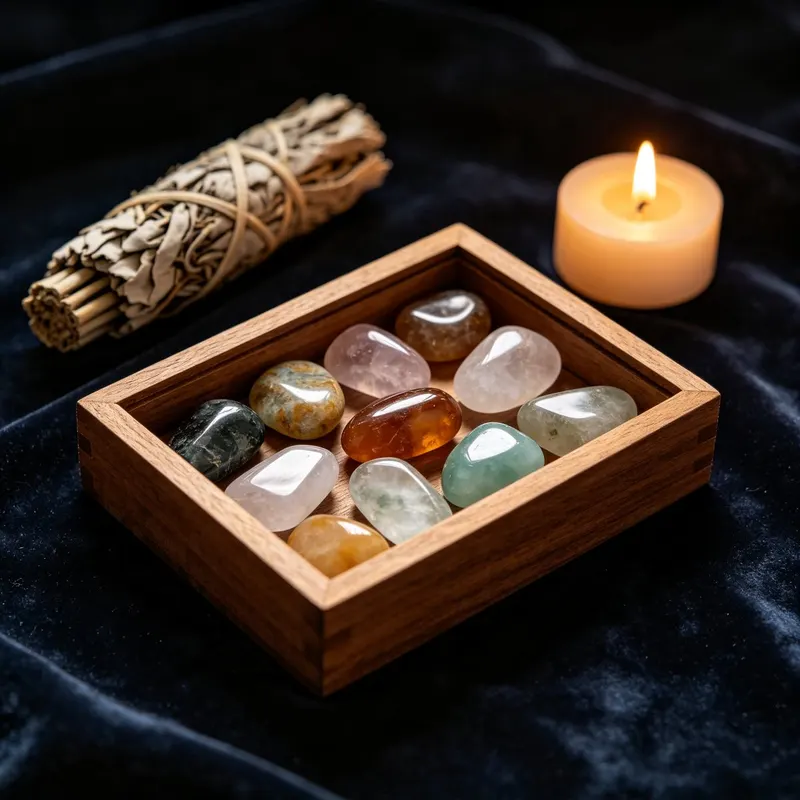
If you are building a small cleansing station, pair a wand with a plate so you have options for single pieces and larger batches.
FAQ
People Also Ask
How long should crystals sit on selenite?
Four to six hours is a common minimum, with overnight being the easiest, most thorough routine. There is no strict rule—choose a duration you can repeat consistently.
Do I still need moonlight if I use selenite?
No—selenite is a complete dry cleansing method on its own; moonlight is an optional complement. Many people use moonlight when they want a slower, seasonal ritual.
Can I put selenite in water or salt?
No. Selenite dissolves in water and is easily scratched, so keep it dry and away from salt, which can dull its surface. Clean it with a dry cloth only.
Can I cleanse metal jewelry on selenite?
Yes, as long as the piece is dry and you handle it gently. Selenite will not damage metal, but soft stones and plated settings still deserve careful handling.
Browse the Curated Collection
Explore the full edit here: Raw Stones & Sets Collection →
Shop the Stones
Keep Exploring
Selenite Cleansing · Cleanse & Charge · Selenite Meaning
Crystals are intended to support personal and spiritual well-being and are not medical devices. They do not diagnose, treat, cure, or prevent any disease. If you are struggling with your mental or physical health, please reach out to a qualified professional.