Why the Moon Makes a Practical Ritual Calendar
If you have ever set a crystal on a windowsill, lit a candle, and then wondered what to actually do next, the lunar cycle gives you something better than guesswork: a schedule. A full moon cycle runs roughly 29.5 days, moving from dark and quiet to bright and full and back again. That rhythm is easy to track, easy to remember, and forgiving if you miss a week.
Most people come to moon-and-crystal practice for one of two reasons. Either they want a structure for intentions and reflection that doesn't require a big time commitment, or they already have a few stones and want a coherent way to work with them instead of keeping them in a drawer. Both are good reasons. This guide is built for the second kind of reader especially: someone who owns a bracelet or a pendant and wants a monthly rhythm that feels grounded rather than performative.
What follows is a phase-by-phase framework, a practical comparison of which stones suit which phase, and an honest split between what the tradition holds and what we can actually verify about the stones themselves. Nothing here promises an outcome. The moon is a calendar and a cue; the work is yours.
Each Phase Supports a Different Kind of Work
The lunar cycle mirrors a natural rhythm of intention, action, harvest, release, and rest. Pairing a stone with each phase gives your ritual a clear sequence, and the sequence matters more than any single stone. Think of the moon as the metronome and the crystals as the notes you choose to play.
In practice, most people find they naturally favor one or two phases. That's fine. A workable practice might be a ten-minute new-moon check-in and a five-minute full-moon release, with the waxing and waning phases simply observed rather than ritualized. Consistency beats intensity here.
Crystals by Phase
These are traditional pairings, not rules. Choose the stone that matches the quality of attention you want for that phase, and swap freely if something else feels more apt.
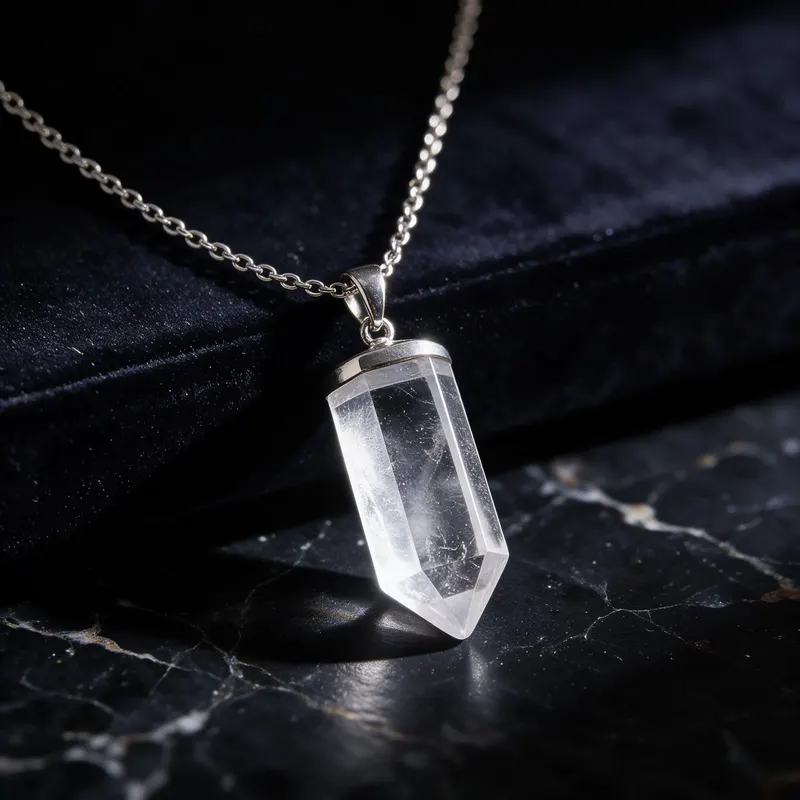
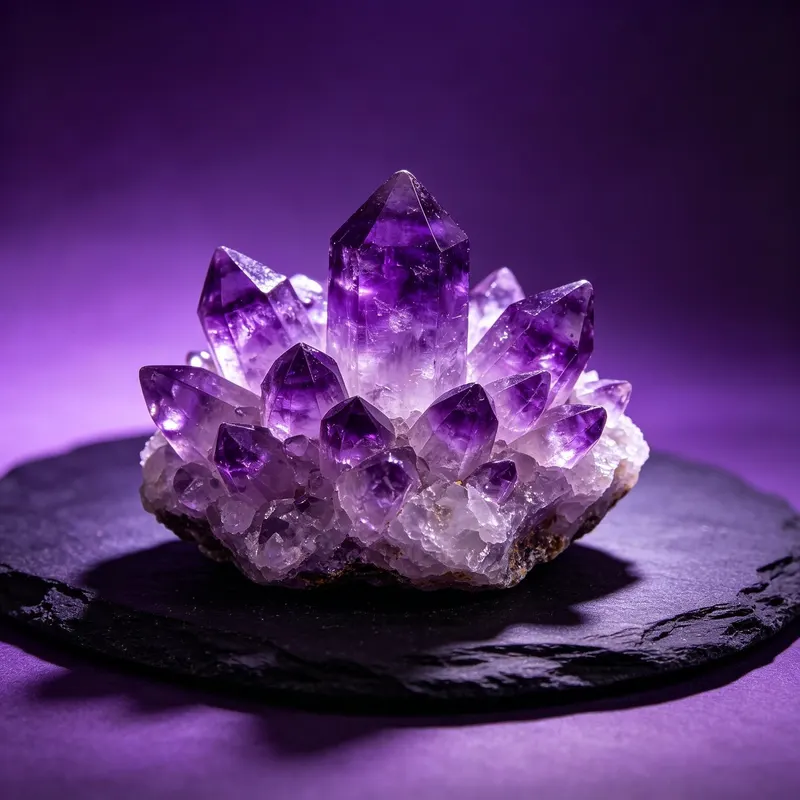
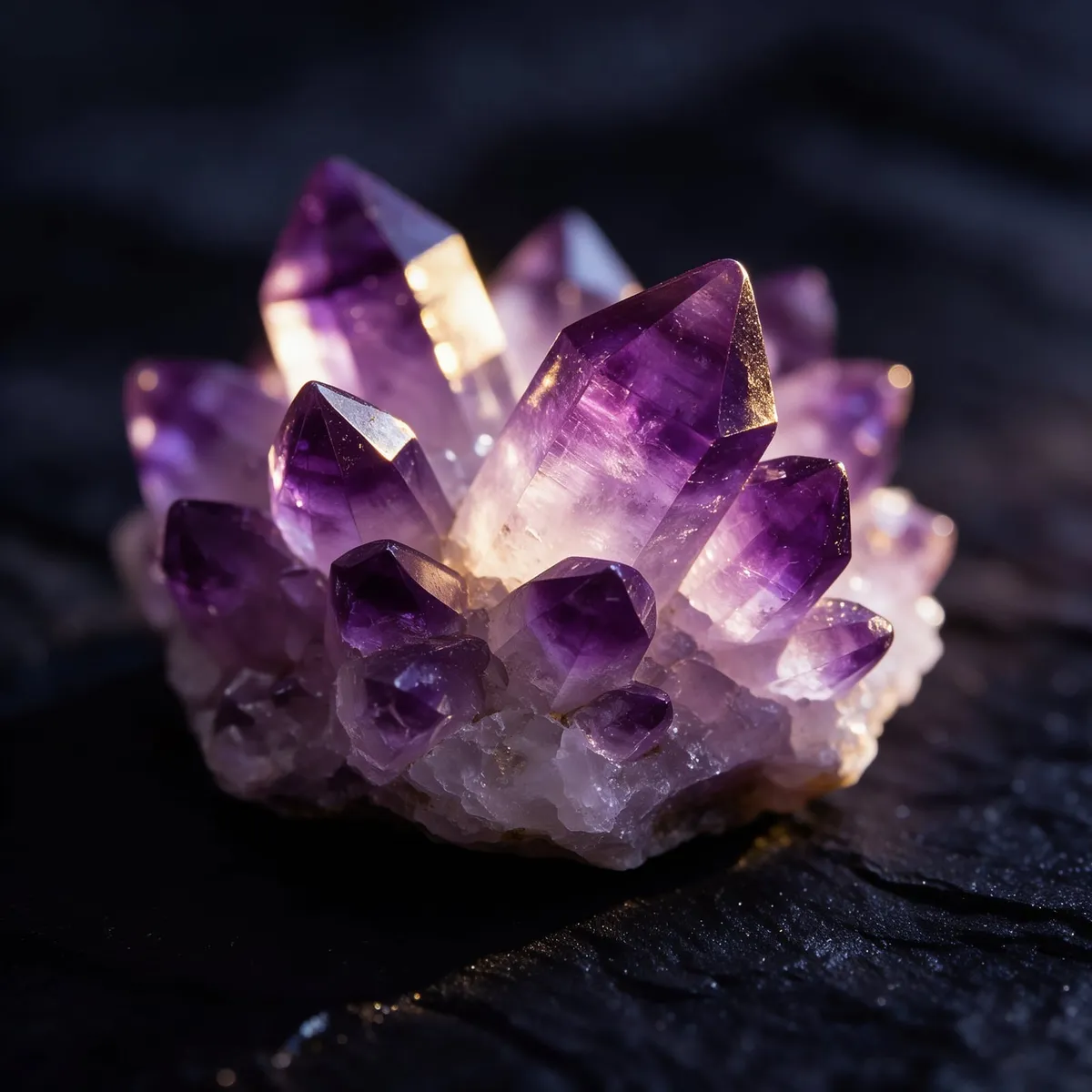
- New Moon (set): Clear Quartz Point Pendant Necklace, Sterling Silver to seed a fresh intention. Clear quartz is traditionally associated with clarity and amplification, which makes it a natural "blank page" stone. If you prefer something to hold rather than wear, a Raw Amethyst Cluster on a small tray works well as a focal point for writing.
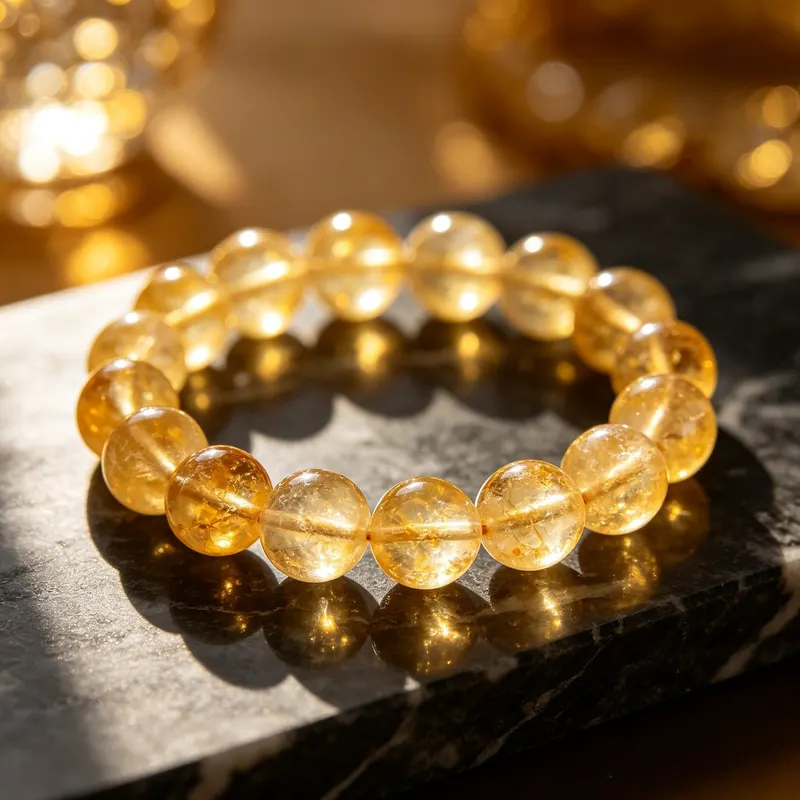
- Waxing (act): Carnelian or citrine to build momentum. Citrine is traditionally associated with warmth and forward motion; carnelian with drive and creative fire. A Citrine Abundance Bracelet is easy to wear on the days you need to make calls, send the email, or finish the draft.
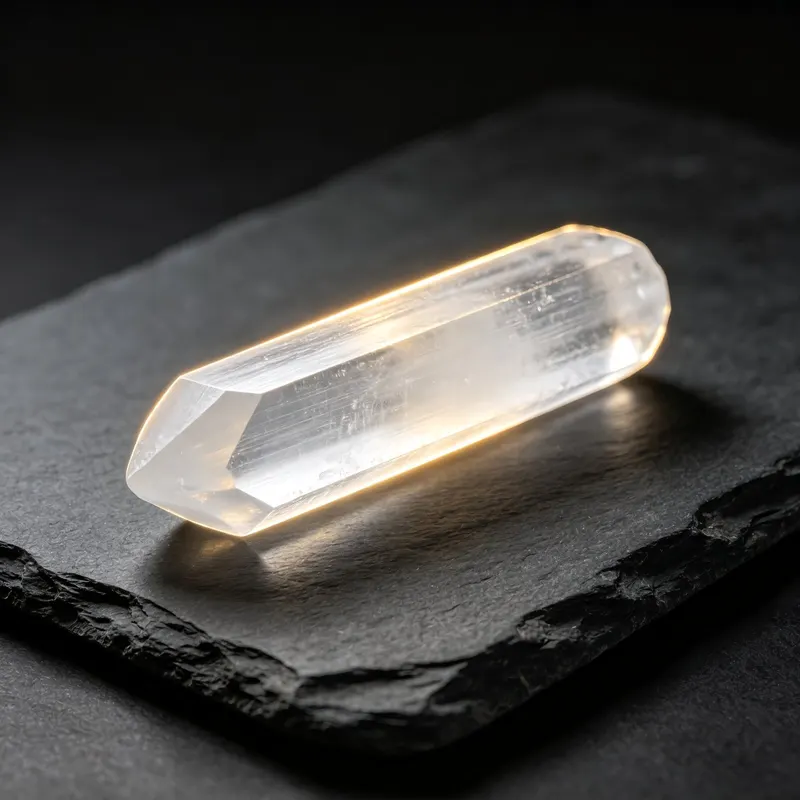
- Full Moon (harvest and release): Selenite and amethyst to cleanse and let go. A Selenite Cleansing Wand is the traditional tool for clearing other stones; amethyst is believed to support calm reflection. See the full moon ritual for a step-by-step version.
- Waning (rest): Moonstone for reflection and recovery. A Rainbow Moonstone Bracelet is traditionally associated with intuition and gentle transitions, which suits the quieter half of the cycle.
A note on the "waning" phase: this is the part of the cycle most people skip, and it's often the most useful. Rest is not a failure of ambition. If you only do one thing during the waning moon, let it be less.
Quick Comparison: Which Stone for Which Phase
| Phase | Traditional focus | Suggested stone | Practical use |
|---|---|---|---|
| New Moon | Setting intention, beginning | Clear quartz | Write one intention; wear or hold the stone while you do |
| Waxing Crescent | First small step | Citrine, carnelian | Wear on days you need to start something |
| First Quarter | Decision, effort | Tiger's eye, fluorite | Keep on your desk during focused work |
| Waxing Gibbous | Refinement, momentum | Carnelian, citrine | Revisit the intention; adjust the plan |
| Full Moon | Harvest, release, clarity | Selenite, amethyst | Cleanse stones; write what you're letting go |
| Waning Gibbous | Gratitude, integration | Moonstone, rose quartz | Reflect on what worked |
| Last Quarter | Release, forgiveness | Rhodonite, obsidian | Journal; clear one physical space |
| Dark Moon | Rest, stillness | Moonstone, black tourmaline | No ritual required; simply rest |
If you'd rather not buy eight stones, a single versatile piece covers most of the cycle. Clear quartz is the most flexible; moonstone is the most forgiving for people who find full-moon rituals too elaborate.
Building Your Own Monthly Rhythm
Here is a four-step cycle that takes under half an hour total across a month. Adapt the timing to your actual schedule rather than forcing a midnight ritual.
- At the new moon, write one intention in a single sentence. Hold your clear quartz while you write, then place the stone somewhere you'll see it daily: a desk corner, a bedside tray, a bathroom shelf.
- During the waxing phase, take one concrete action toward that intention. Wear a citrine or carnelian piece on the day you do it, as a cue rather than a charm.
- At the full moon, write what you're releasing, then cleanse your stones. A windowsill works; so does passing the selenite wand over each piece. Leave stones out overnight only if the weather and your windowsill allow.
- As the moon wanes, rest and reflect. Note what shifted, even slightly. Begin again next cycle.
Two practical tips. First, keep a small notebook with your stones so you're not reconstructing last month's intention from memory. Second, if you miss a phase, don't restart the cycle; just rejoin it where it is. The moon doesn't grade you.
Traditional beliefs vs. verifiable facts
It's worth separating two kinds of claims, because they answer different questions. Traditional lore tells you what people have done with these stones for generations. Verifiable facts tell you how the stones behave physically, which matters for care and longevity.
Traditional associations (lore, not evidence)
- Clear quartz is traditionally associated with clarity and amplification.
- Amethyst is believed to support calm and reflection.
- Moonstone is traditionally associated with intuition and new beginnings.
- Selenite is traditionally used to cleanse other stones.
- Citrine and carnelian are associated with motivation and momentum.
These are meaningful frameworks for reflection. They are not clinical claims, and no stone has been shown to treat a condition or guarantee an outcome.
Verifiable properties (care and handling)
- Hardness (Mohs scale): Clear quartz and amethyst sit around 7, so they resist scratching but can chip on hard surfaces. Moonstone and labradorite are softer, around 6–6.5, and benefit from gentler handling. Selenite is very soft, around 2, and scratches easily; keep it away from other stones in storage.
- Water sensitivity: Selenite dissolves in water and should never be soaked. Moonstone and labradorite are best kept dry. Clear quartz and amethyst tolerate brief rinsing, but a soft dry cloth is safer for all pieces.
- Sunlight sensitivity: Amethyst and rose quartz can fade with prolonged direct sun. Full-moon light is gentle and safe; a sunny south-facing windowsill for weeks is not.
- Metal and plating: Sterling silver and gold-plated chains should be kept away from perfume, chlorine, and prolonged moisture. Remove jewelry before showering or swimming.
- Cleaning: A dry microfiber cloth handles most dust. For silver, a proper silver polishing cloth is fine; avoid abrasive pastes on plated pieces.
If you want a single takeaway from this section: the moon won't damage your stones, but water, sun, and a crowded jewelry box will. Store pieces separately, and treat selenite like the soft mineral it is.
How to Choose Your First Moon-Phase Stone
If you're buying for this practice rather than collecting, a short checklist helps more than a long list.
- Start with one anchor stone. Clear quartz is the most versatile; it works for new-moon setting and can stand in for most other phases.
- Match the format to your life. Bracelets suit daily wear and are hard to lose; pendants are more visible as a reminder; raw clusters are best for a fixed altar or desk.
- Check sizing before you buy. Bracelets are usually sold in a single stretch size; measure your wrist with a soft tape and add about half an inch for comfort. Rings should be sized to the specific finger, and heart-motif rings often run narrow.
- Read the material description. Look for the metal type (sterling silver versus gold-plated), the stone's cut, and whether the piece is natural stone or reconstituted.
- Set a realistic budget. Simple beaded bracelets typically run in the tens of dollars; sterling silver pendants and larger raw clusters run higher. Be cautious of "certified" claims that don't name a lab.
A starter set can be a sensible first purchase if you're unsure which phase you'll actually use. The Healing Crystal Starter Kit covers the basics in one go, and you can add a specific piece later once you know your rhythm.
FAQ
People Also Ask
Which crystal is for the new moon?
Clear quartz is the classic new-moon stone for programming a fresh intention. Amethyst is a common alternative if you want a calmer, more reflective tone for the setting phase.
Should I charge crystals under the full moon?
A windowsill under full-moon light is a traditional cleansing and charging method, and it's gentle on most stones. Keep amethyst and rose quartz out of direct sunlight for long periods, and never leave selenite where it could get wet.
Do I need a different stone for every phase?
No. One clear quartz piece can carry you through the whole cycle. The phase framework is a structure for attention, not a shopping list.
What if I miss a phase or a whole month?
Nothing breaks. Rejoin the cycle wherever it is, or simply start again at the next new moon. A practice you can pause is more likely to last than one that requires perfection.
Keep Exploring
If you want to go deeper, the New Moon Ritual and the Full Moon Ritual pair naturally with this guide, and the Moonstone guide covers the waning half of the cycle in more detail. You can also browse the Intuition & Spiritual Growth Collection for pieces that suit reflective work.
Crystals are offered for reflection and ritual, not as medical devices, and are not a substitute for professional care.