Why Moon Water and Crystals Appeal to So Many People
Maybe you've seen the jars on a windowsill in a friend's apartment, or a full-moon ritual on social media, and you're curious but skeptical. Maybe you already own a few crystals and want a gentler way to care for them than smoke or salt. Or maybe you're drawn to the idea of slowing down once a month, syncing a small practice to something bigger than your inbox.
Working with moon water and moonlight is one of the most accessible crystal practices there is. It costs almost nothing, needs no special equipment, and asks only that you pay attention. The moon's cycle gives you a built-in rhythm: a time to begin, a time to build, a time to release, and a time to rest.
This guide covers how to make moon water safely, which crystals actually benefit from a lunar charge (and which don't), how to work with the phases without turning it into another chore, and where traditional lore ends and verifiable gemology begins. Crystals are for reflection and are not medical devices.
What Moon Water Is, Traditionally Speaking
In folk and modern spiritual traditions, moon water is simply water that has been set out under the moon with intention. It's believed to absorb lunar energy — often described as receptive, intuitive, and cleansing — and is traditionally used to mist altars, anoint crystals, add to spiritual baths, or water houseplants as a small act of care.
There's no single "correct" tradition here. Different lineages and practitioners use different phases, different waters, and different intentions. What matters is consistency and clarity about what you're doing and why. Think of it as a ritual of attention rather than a chemical process.
How to Make Moon Water: A Step-by-Step Method
- Choose your water. Filtered or spring water is fine. Distilled water is best if you plan to store it long-term, since it has fewer minerals that can cloud or spoil.
- Choose your vessel. A clean glass jar with a lid is ideal. Avoid plastic if you can, and avoid metal if you're following traditions that consider metal disruptive to subtle energy.
- Set your intention. Hold the jar, take a breath, and name what you want the water for — clarity, calm, a fresh start. Write it on a small label if you like.
- Place it where moonlight reaches it. A windowsill, balcony, or garden works. A lid keeps out insects and debris; some practitioners leave it open for a more direct charge.
- Leave it overnight, ideally on a full moon or the night before and after.
- Collect it before direct sun gets strong in the morning, then label it with the date and phase.
Practical notes on storage and safety
- Store moon water in the refrigerator if you plan to keep it more than a few days, especially in warm months.
- Label every jar with the date and moon phase — you'll thank yourself later.
- Don't drink moon water unless you're certain of the water source and storage conditions. It's a ritual tool, not a beverage.
- If you use it on skin, patch-test first and avoid the eyes. If you're pregnant, immunocompromised, or have sensitive skin, stick to misting plants and altars.
Charging Crystals Under the Moon
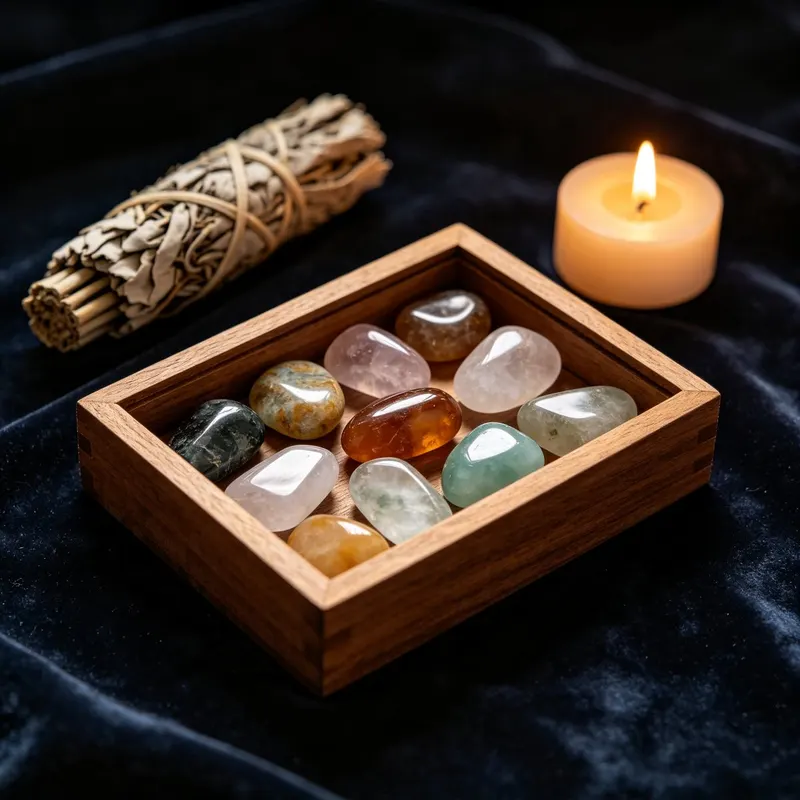
Moonlight is one of the safest ways to "recharge" a crystal, because it involves no water, no salt, and no heat. That makes it a good default for stones that are sensitive to sun or water. Place your pieces on a windowsill or outside on a clean cloth overnight, ideally during a full moon, and bring them in the next morning.
Not every crystal needs this. Many practitioners charge stones when they feel "flat" or after heavy use, and cleanse them more regularly. A simple rhythm: cleanse monthly, charge at the full moon, and reset intentions at the new moon.
A quick note on which stones to put out
Most stones are fine under moonlight. The bigger question is what to keep away from prolonged direct sunlight and water — which we cover in the verification section below. If you're building a small lunar set, a few pieces work especially well together:
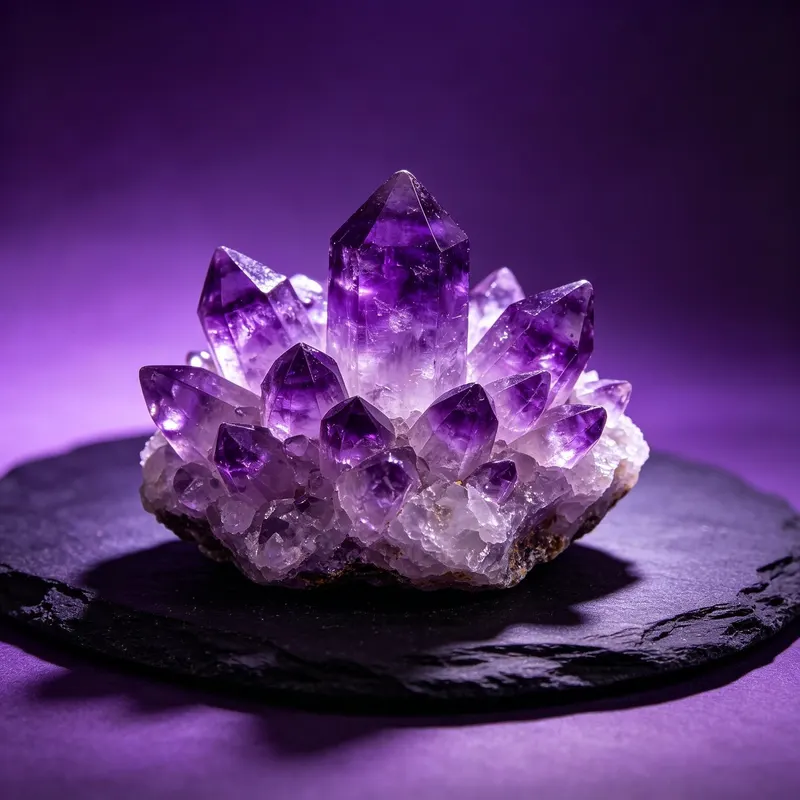
- Raw Amethyst Cluster for Meditation & Altar — a natural centerpiece for a full-moon altar; amethyst is traditionally associated with calm and intuition.
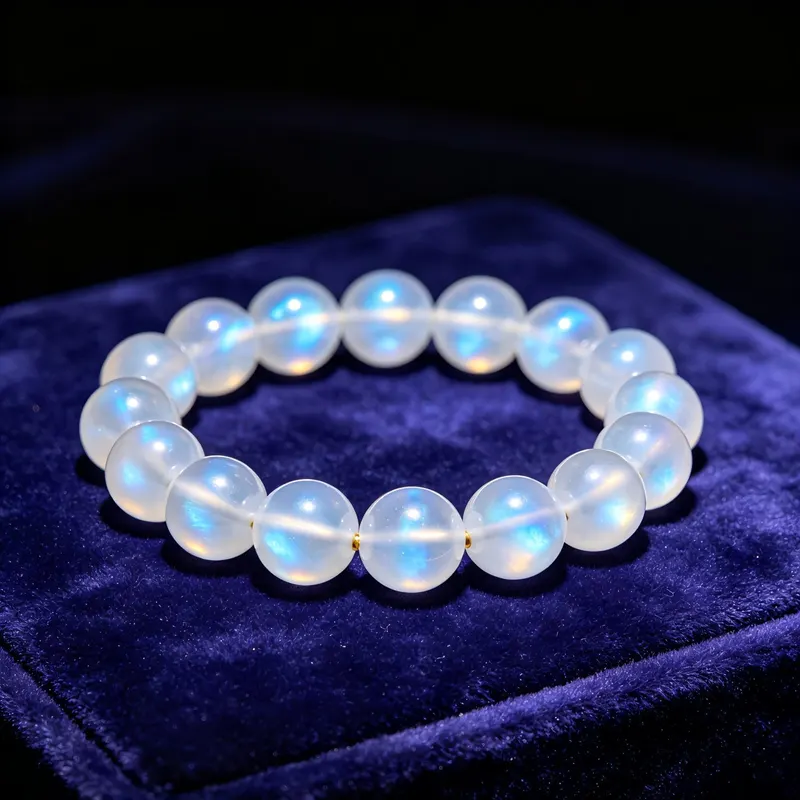
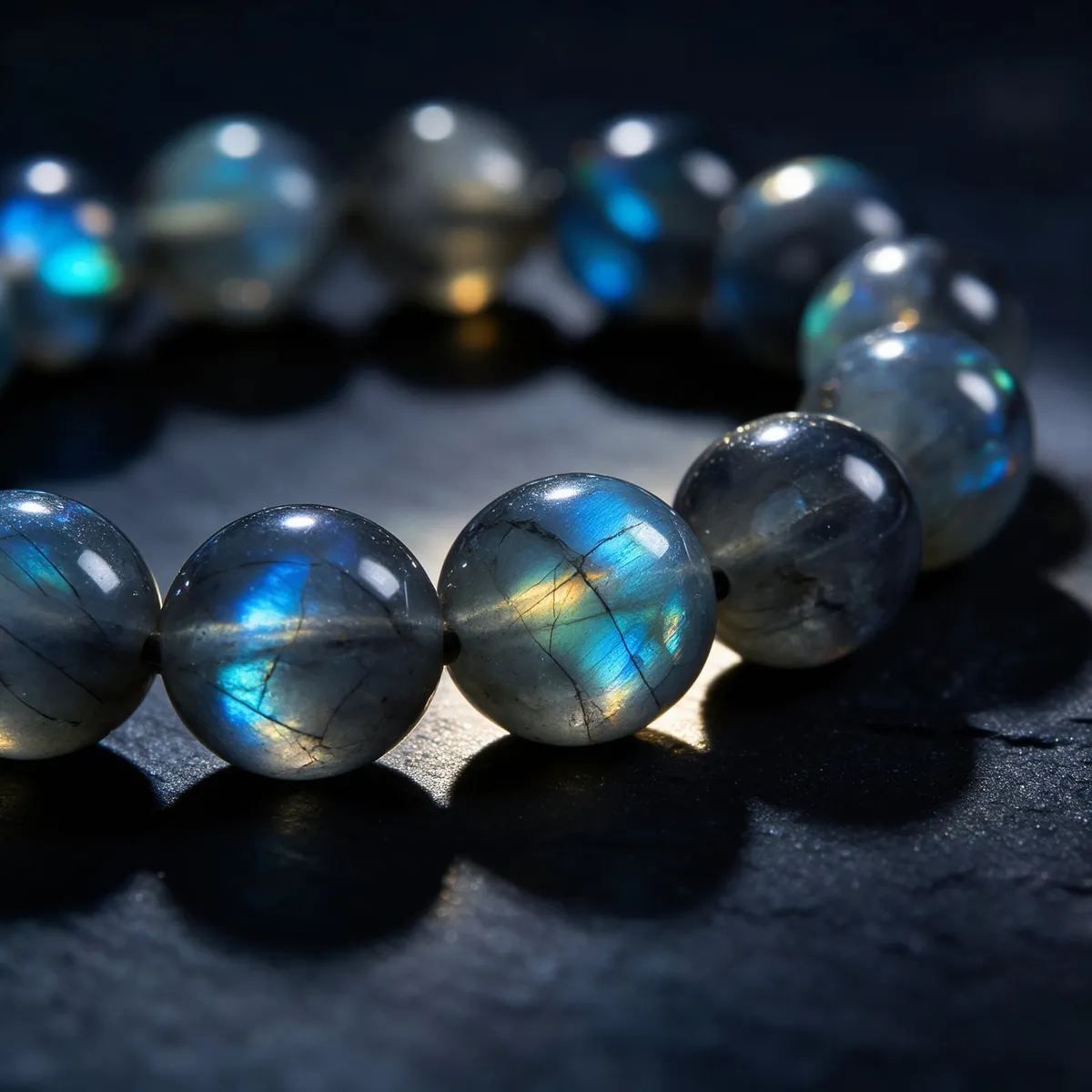
- Rainbow Moonstone Bracelet for Intuition & New Beginnings — moonstone is the classic lunar stone, believed to support intuition and cycles.
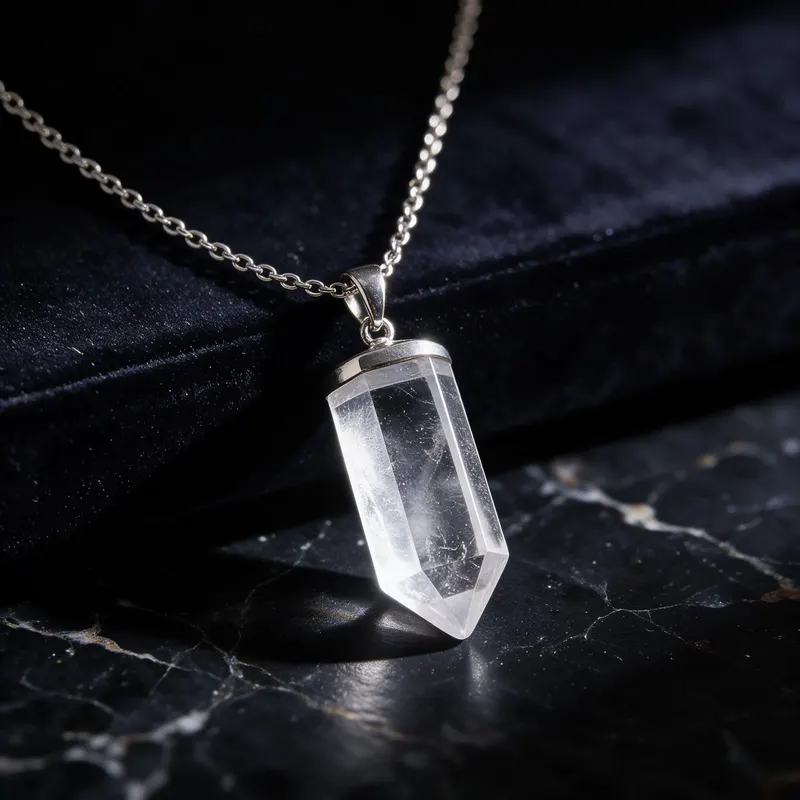
- Clear Quartz Point Pendant Necklace, Sterling Silver — clear quartz is traditionally used as an amplifier, making it a natural companion to intention-setting.
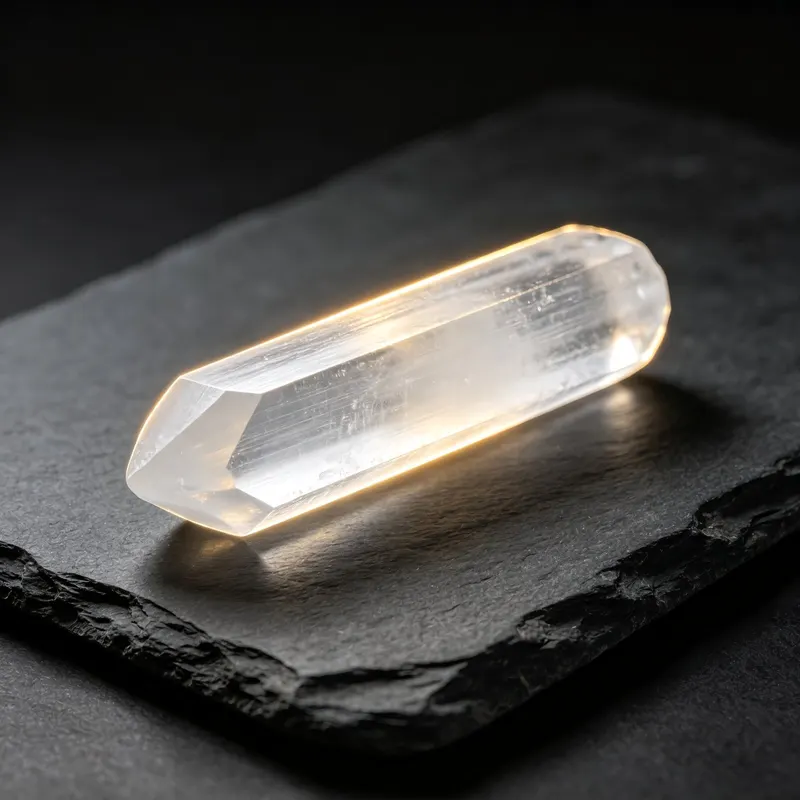
- Selenite Cleansing Wand for Energy Clearing — named for Selene, the Greek moon goddess; keep it dry and use it to "sweep" other stones.
Working with the Lunar Phases
The moon's cycle offers a simple four-part structure you can map onto almost anything — a project, a habit, a relationship with yourself.
| Phase | Traditional focus | Simple practice |
|---|---|---|
| New Moon | Beginnings, intention | Write one intention; set out a stone to hold it |
| Waxing Moon | Action, momentum | Take one concrete step; keep your stone nearby |
| Full Moon | Charging, gratitude, release | Make moon water; charge crystals; name what you're letting go |
| Waning Moon | Rest, reflection, clearing | Cleanse your stones; journal what shifted |
You don't need to track every phase. Many people simply mark the full moon and the new moon and let the rest be background rhythm. If you want a gentle anchor for the waxing phase, a focus-oriented stone like Rainbow Fluorite Focus Bracelet for Concentration can serve as a tangible reminder of the intention you set at the new moon.
What tradition teaches — and what is provable
Traditional crystal lore is rich and worth exploring, but it's important to separate belief from measurable fact. Here's how we think about it.
What tradition says
- Moonlight "charges" or "cleanses" a crystal's energy.
- Certain stones are attuned to lunar energy — moonstone, selenite, clear quartz, amethyst.
- Moon water carries intention and can be used to anoint or mist stones.
What we can verify
- Hardness (Mohs scale): This is measurable. Quartz is 7, amethyst is 7, moonstone is 6–6.5, selenite is 2, fluorite is 4. Softer stones scratch easily, so store them separately from harder ones.
- Water sensitivity: Selenite, halite, and malachite can be damaged by water. Moon water should not be used to soak these — mist nearby or use indirect methods instead.
- Sunlight sensitivity: Amethyst, rose quartz, fluorite, and citrine can fade with prolonged direct sun. Moonlight is the safer charge for these.
- Heat and temperature swings: Rapid temperature changes can crack some stones. Bring pieces in before a hard freeze.
- Care basics: Dust with a soft cloth; avoid harsh cleaners; keep jewelry away from perfume and chlorine.
None of this diminishes the ritual. It simply means you can practice with confidence and keep your stones intact for years.
How to Choose Your First Lunar Set
If you're new to this, start small. Two or three pieces are plenty. A simple checklist:
- One anchor stone for intention-setting (clear quartz, amethyst, or moonstone).
- One cleansing tool that doesn't require water (selenite wand, or a soft cloth and sound).
- One wearable you'll actually use daily, so the practice stays present.
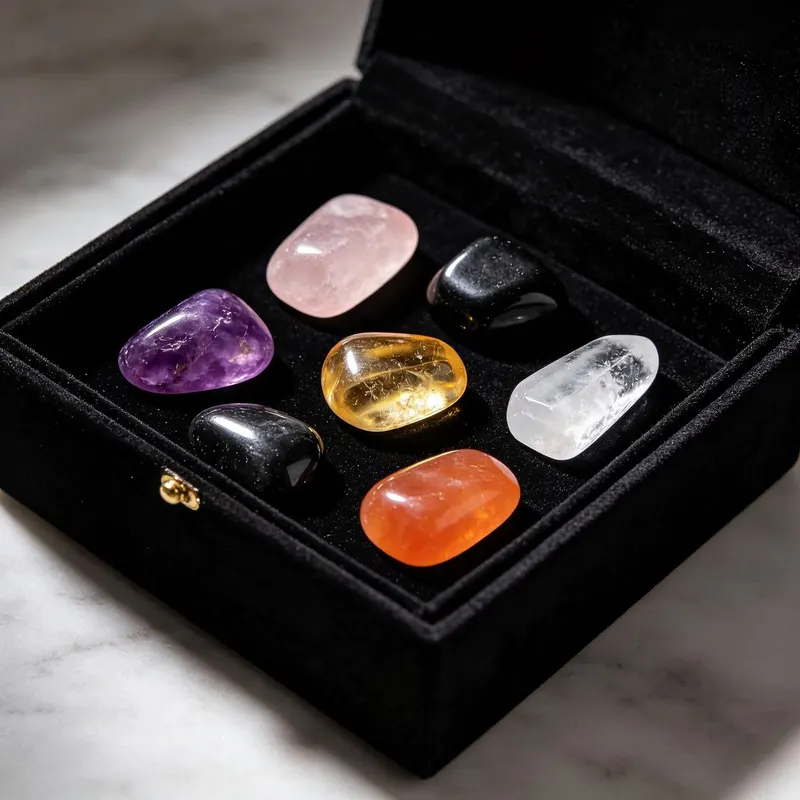
If you'd rather not choose piece by piece, a Healing Crystal Starter Kit, 7 Stones + Guide gives you a small, labeled set to work with across the phases. For a wearable that pairs naturally with lunar work, the Amethyst Healing Bracelet for Calm & Clarity is a popular, durable choice — amethyst sits at Mohs 7, so it holds up to daily wear.
Realistic price expectations
Small tumbled stones typically run a few dollars each. Bracelets range from roughly $20 to $60 depending on stone quality and bead size. Pendants in sterling silver or gold-plated settings generally start around $40 and rise with the stone and metal. Raw clusters vary widely with size. Be wary of prices that seem too low for the stone claimed — and of "certifications" that don't name a real lab.
FAQ
People Also Ask
Can I make moon water on any night, or only a full moon?
Any night works, but the full moon is the most traditional. Many people also use the new moon for intention-focused water and the waxing moon for momentum. Label each jar with the date and phase.
Is it safe to put all my crystals in moon water?
No. Water-sensitive stones like selenite, halite, and malachite should stay dry. If you want to use moon water with them, mist the space around them rather than the stones themselves. Moonlight alone is safe for nearly all stones.
How often should I charge my crystals?
There's no rule. Many practitioners charge at each full moon and cleanse when a stone feels "flat" or after intense use. Consistency matters more than frequency.
Do I need to believe in it for it to work?
Not necessarily. Many people use lunar rituals as a structured pause for reflection — a monthly check-in with their intentions. Whether you frame that as energy work or simply as mindfulness is up to you.
A Simple Place to Start
Pick one night this month. Set out a jar of filtered water and one or two stones — something durable like clear quartz or amethyst. Name an intention. In the morning, bring them in, label the jar, and notice how it felt to give the practice twenty minutes of your attention. That's the whole ritual. Everything else is refinement.
Crystals are for reflection and are not medical devices. They are not a substitute for professional medical or mental health care.