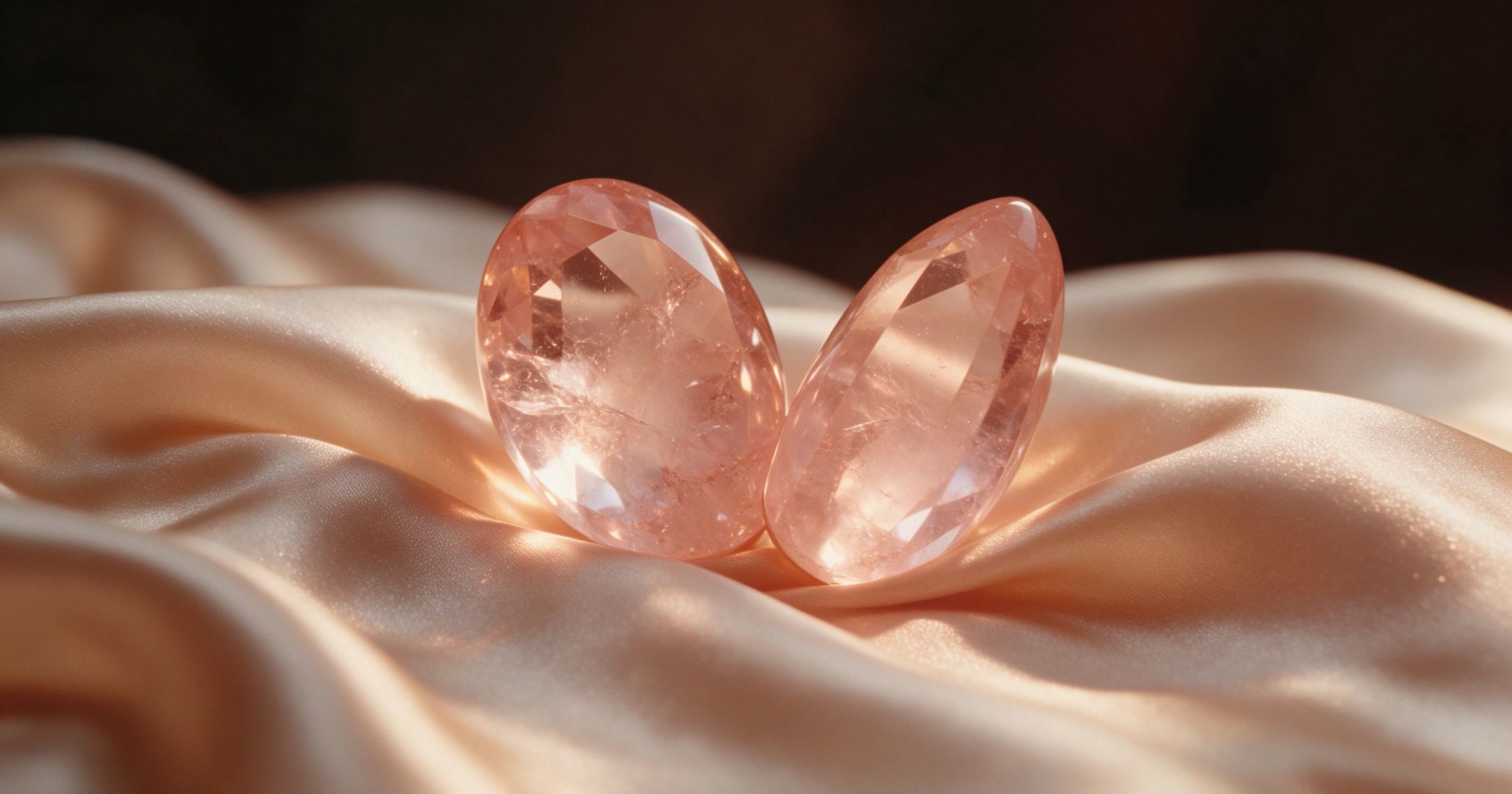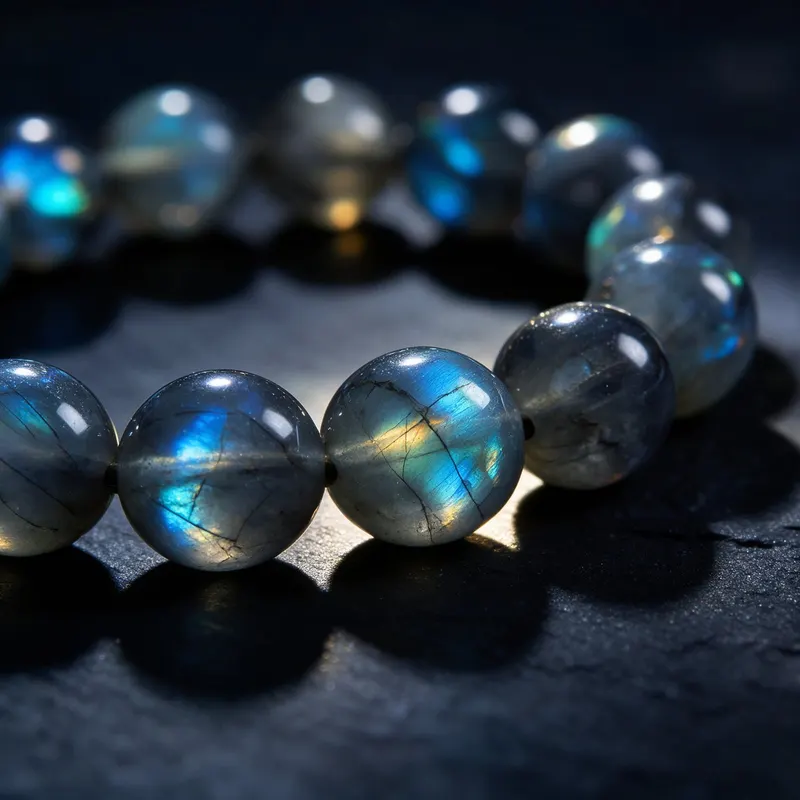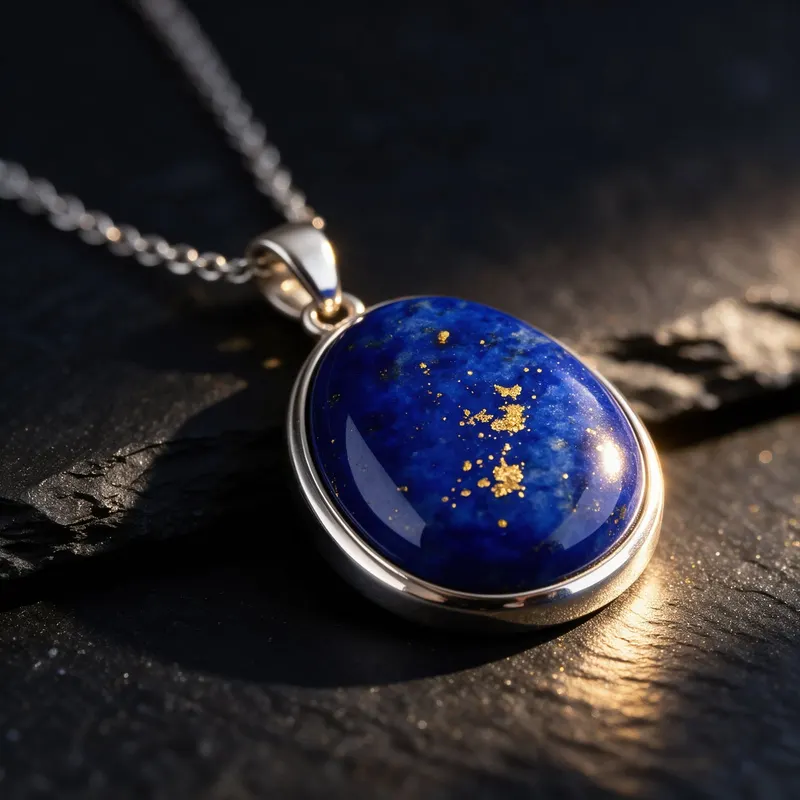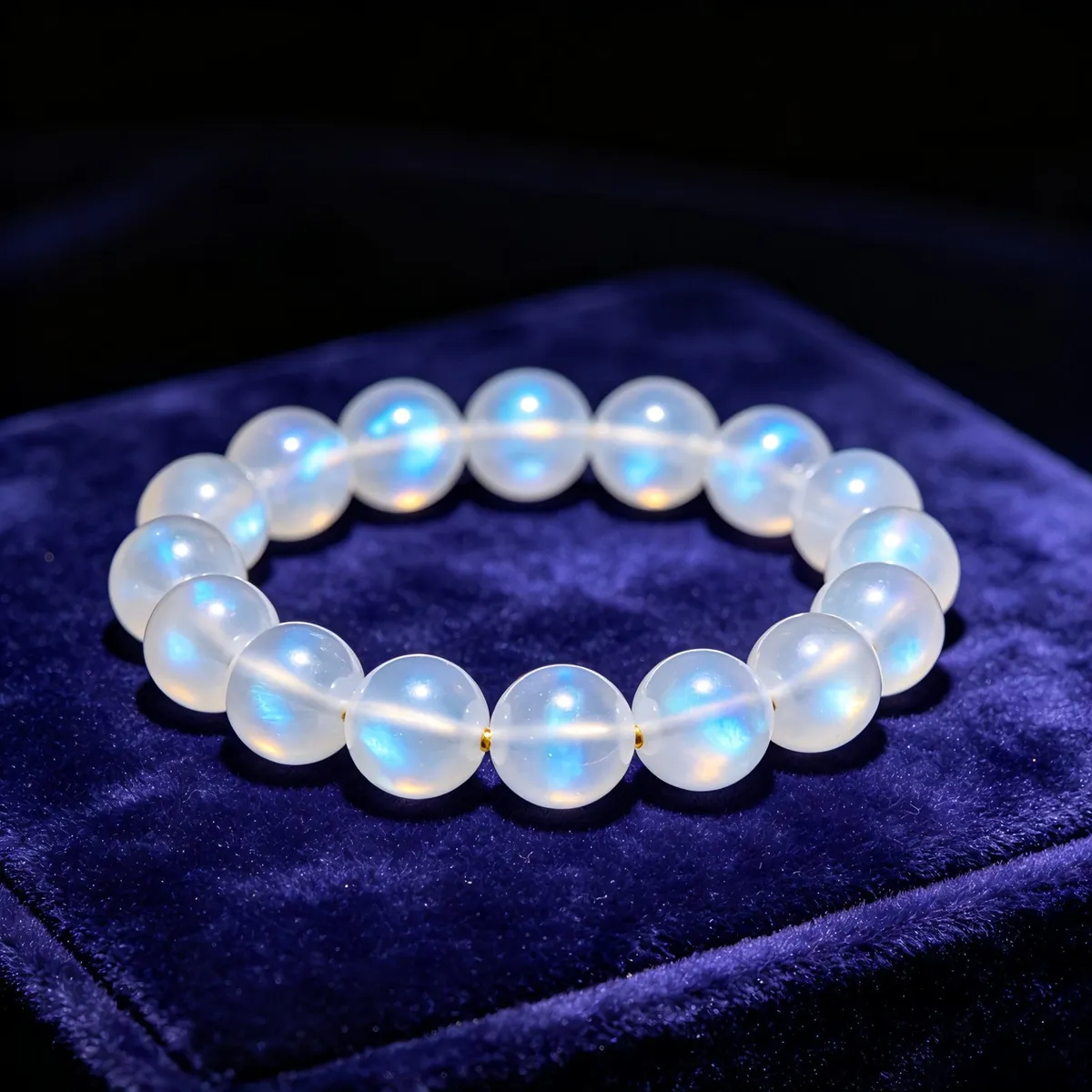
You're standing at the edge of something — a move, a new role, the end of a relationship, the beginning of one — and you want a practice that marks the threshold. Maybe you've been drawn to moonstone's soft blue-white glow in a shop window, or a friend gave you a small tumbled piece and you're not sure what to do with it. Either way, you're here because the stone feels meaningful, and you'd like to know what the tradition actually says before you build a routine around it.
Moonstone is one of the most recognizable stones in the crystal world, and also one of the most misunderstood. Its meaning is bound up with cycles, intuition, and gentle change — themes that make it a natural companion for beginnings, but also themes that invite a lot of loose claims. This guide separates the traditional lore from what we can verify about the stone itself, then gives you practical guidance on choosing, wearing, and caring for it.
Treat everything below as a framework for reflection, not a promise. Crystals are for reflection and are not medical devices; nothing here diagnoses, treats, or cures any condition, and no stone can guarantee an outcome in love, money, or health.
Moonstone Meaning: The Stone of New Beginnings
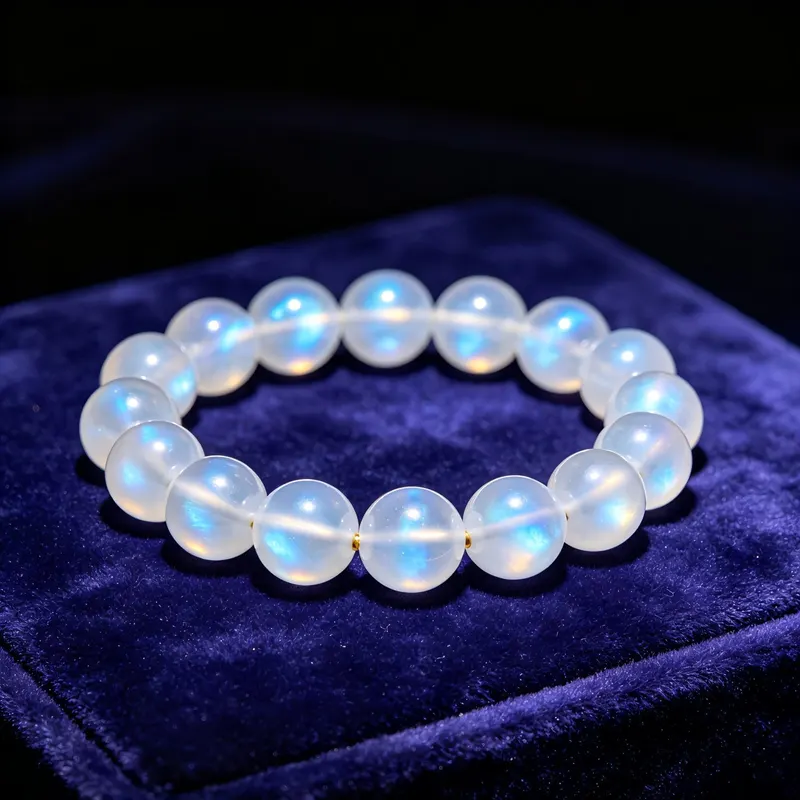
Moonstone is a feldspar — specifically a variety of orthoclase with albite layers inside — that glows with a soft, blue-white light called adularescence. That shimmer is not a surface coating; it comes from light scattering between microscopic layers within the stone, which is why it appears to move as you tilt it, like moonlight under water.
In crystal traditions, moonstone is the stone of new beginnings, intuition, and the "divine feminine," and it has long been carried by travelers and worn by people starting something they cannot yet see the end of. Its reputation is less about force and more about receptivity — the sense that a beginning asks you to listen before you act.
Traditional Moonstone Meaning
Moonstone has been prized across cultures for a very long time. In ancient Rome, naturalists described it as solidified moonlight; in India, it has long been a traditional wedding gift associated with harmony in a union. In several traditions it was a traveler's stone, kept close on journeys and at sea.
Its meaning today is consistent with that history: cycles, intuition, and gentle change. Moonstone is traditionally associated with the rhythms of the moon — waxing for beginnings, waning for release — which is why it is often used at the start or end of a chapter rather than in the middle of one. It is a supportive practice, not a medical treatment, and it does not replace professional care of any kind.
Moonstone Properties and What It's Used For
In modern crystal practice, moonstone is believed to support a handful of themes. These are traditional associations, not clinical claims:
- New beginnings. A common stone for moves, jobs, relationships, and any "first" that feels fragile. People often hold it during intention-setting or keep it on a desk during a transition.
- Intuition. Long used in practices that ask you to trust the quiet knowing over the loud doubt — journaling, meditation, or simply pausing before a decision.
- Emotional balance. Traditionally associated with softening the ups and downs of stress. It is often paired with calming stones rather than used alone.
- Feminine energy. Paired with rose quartz for heart-centered work and with labradorite for intuition and protection.
- Rest and dreamwork. A small piece by the bed is a traditional choice for reflective, intuitive sleep — not a sleep aid in any medical sense.
Moonstone and the Chakras
Moonstone is most connected to the third eye (intuition) and the crown chakra (peace, connection). In a practice it is often placed at the forehead during meditation or worn as a pendant near the throat to support honest, calm expression.
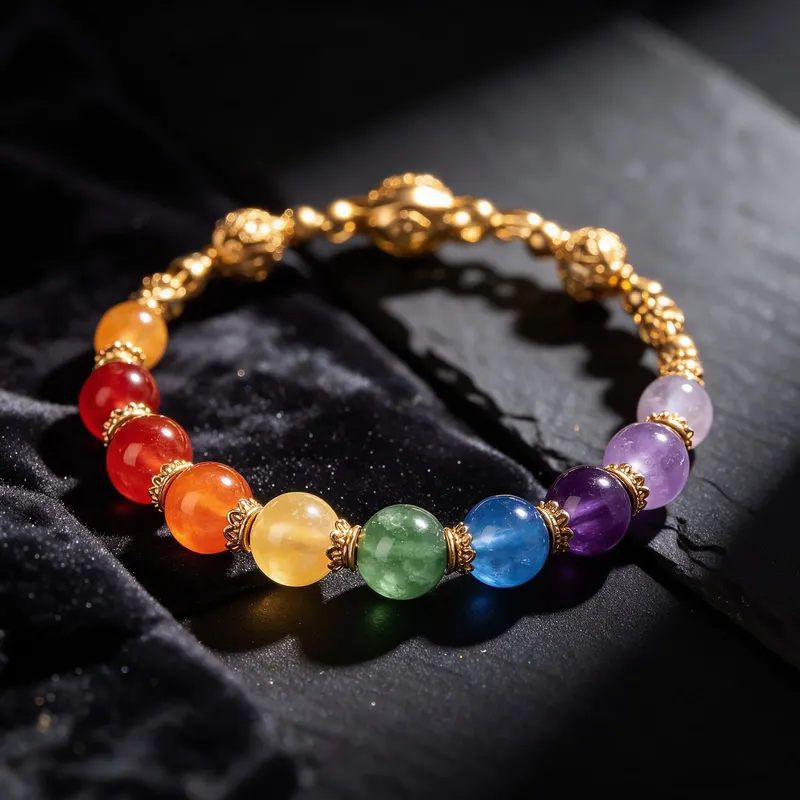
If you work with a full chakra set, moonstone fits naturally alongside other upper-chakra stones. A 7 Chakra Balancing Bracelet, Natural Mixed Stones can anchor a broader practice, while moonstone serves as the piece you reach for when the work is specifically about intuition or a threshold.
Moonstone and the Zodiac
Moonstone is the traditional birthstone for Cancer, and it is also linked with Libra and Scorpio for emotional balance. It is a popular gift for new chapters — a first home, a new role, a fresh start — and for anyone who feels more settled when their practice follows a lunar rhythm.
How to Choose a Moonstone Piece
Moonstone varies widely in quality, and the difference is visible. Use this checklist when you're shopping, whether online or in person:
- Look for movement. Real moonstone shows a blue-white sheen that shifts as you tilt it. If the glow looks flat, painted, or perfectly uniform, be skeptical.
- Check the body color. Fine moonstone is often near-colorless to slightly milky, with the blue flash as the star. Rainbow moonstone (technically a labradorite variety) shows a broader flash of blues, sometimes with peach or gold.
- Feel it. Stone feels cool and smooth; glass imitations feel warmer and lighter.
- Inspect for cracks. Moonstone has visible cleavage planes and can chip. Small internal inclusions are normal; a surface fracture is a weakness.
- Ask about treatment. Some moonstone is surface-diffused or backed to enhance color. Reputable sellers will say so.
- Match the form to the use. A bracelet for daily wear, a pendant for close-to-skin work, a raw piece for an altar or bedside.
For a first piece, a bracelet is the most forgiving choice — easy to size, easy to remove for cleaning, and comfortable for all-day wear. The Rainbow Moonstone Bracelet for Intuition & New Beginnings is a natural starting point if you want the stone on your wrist rather than in a drawer.
How to Wear and Use Moonstone
The most natural form is a bracelet or a pendant worn close to the skin. For the home, a small piece by the bed is traditional for restful, intuitive sleep. A few practical ways people work with it:
- Morning intention. Hold the stone for a minute before you start the day and name one thing you're beginning. Keep it simple and specific.
- Threshold ritual. Wear it on the first day of a new job, a move, or a first appointment — a physical marker of a transition.
- Meditation. Rest it at the forehead or hold it in your non-dominant hand during a short breathing practice.
- Journaling. Keep it on the desk as a cue to check in with what you already sense before you ask for more information.
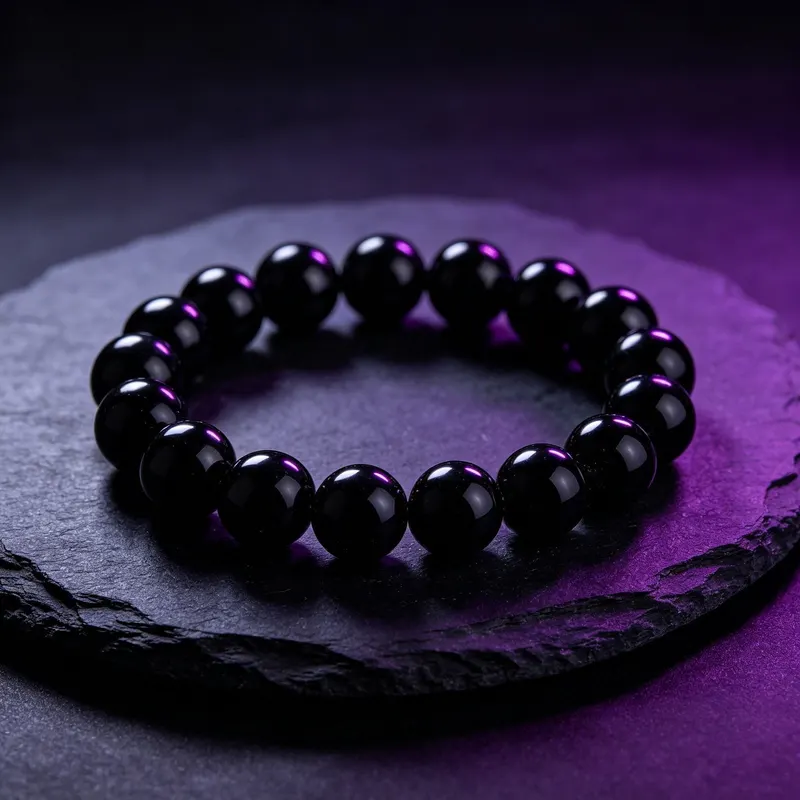
- Pairing. Combine with a grounding stone if you find moonstone's energy too airy — a Black Tourmaline Protection Bracelet for Grounding is a common pairing for people who want intuition with a floor under it.
Folklore, and the facts we can check
It helps to keep two categories separate: what the tradition holds, and what a gemologist can measure. Both are useful, but they answer different questions.
| Topic | Traditional belief | What we can verify |
|---|---|---|
| Hardness | Often described as a "gentle" stone | Moonstone is about 6–6.5 on the Mohs scale — softer than quartz (7) and much softer than diamond (10). It scratches and chips more easily than most everyday jewelry stones. |
| Water | Associated with the moon and cleansing | A very brief rinse is usually fine, but avoid long soaks. Prolonged water exposure and repeated wet-dry cycles can dull the surface over time. |
| Sunlight | Recharged by moonlight | Prolonged direct sun is not ideal for the finish; moonlight is the gentler option and also the traditional one. |
| Cleaning | Cleansed with intention or sound | Use a soft dry or slightly damp cloth. Avoid ultrasonic and steam cleaners, which can damage the stone and its setting. |
| Emotional effects | Believed to support calm and intuition | No verifiable mechanism; treat these as reflective associations, not medical effects. |
For a deeper look at how natural and treated stones differ, see our guide to treated vs natural crystals.
Caring for Moonstone
- Storage. Keep it in a soft pouch or its own compartment, away from harder stones like quartz or sapphire that can scratch it.
- Wear. Remove before gardening, gym sessions, or cleaning with harsh chemicals. Avoid perfume and hairspray directly on the stone.
- Cleaning. Wipe with a soft cloth. For a deeper clean, a barely damp cloth is enough — dry immediately.
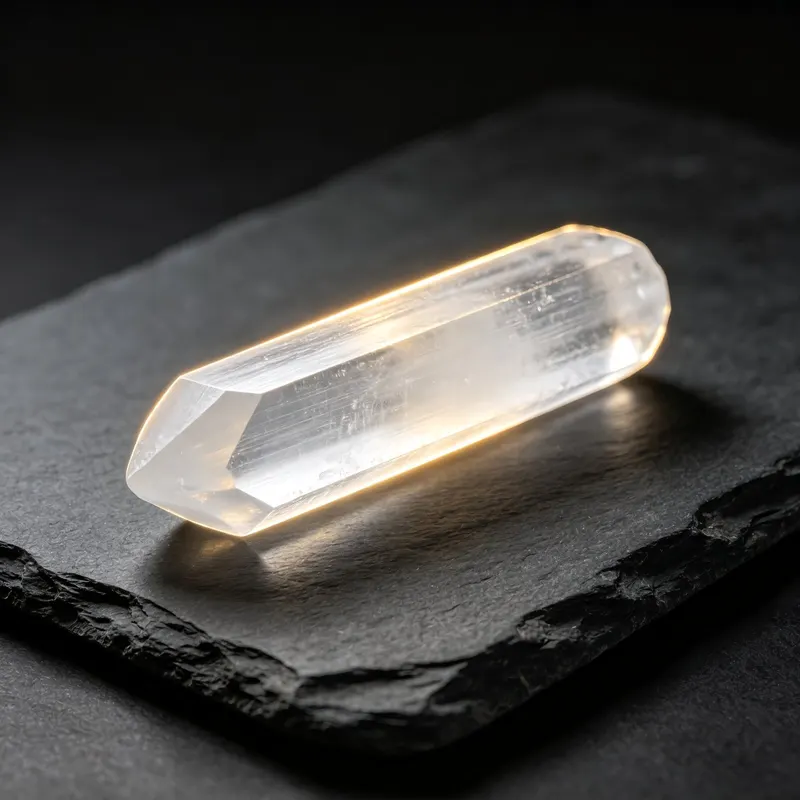
- Recharging. Moonlight (fittingly), a selenite plate, or a simple intention-setting ritual. A Selenite Cleansing Wand for Energy Clearing is a common companion for people who keep a small crystal shelf.
- Check the setting. On pendants and rings, the metal is often the weak point. Have prongs checked if you wear the piece daily.
Realistic Price Expectations
Moonstone is not an expensive stone at most grades, but the price range is wide because quality varies so much. As a rough guide for US buyers:
- Tumbled stones and small raw pieces: often a few dollars to about $15.
- Beaded bracelets: commonly $20–$60, depending on bead size and the clarity of the flash.
- Pendants in sterling silver or gold plating: roughly $40–$150, with the metal often driving the price more than the stone.
- Fine faceted or cabochon moonstone with strong blue flash: can run well into the hundreds, and higher for large, clean stones.
Be cautious of any listing that promises specific outcomes — wealth, a partner, exam success — or that prices a stone as "rare" without explaining why. A fair seller will describe the stone, its treatment, and its origin honestly.
FAQ
Is moonstone the same as labradorite?
Both are feldspars with inner light, but moonstone's glow is soft and blue-white (adularescence), while labradorite flashes brighter blues, greens, and gold (labradorescence). They are related but distinct, and they are used for different themes — moonstone for beginnings and intuition, labradorite for transformation and protection.
Can moonstone go in water?
A quick rinse is generally fine; avoid long soaks because the stone is relatively soft and repeated soaking can dull the finish. Never use ultrasonic or steam cleaners.
Is moonstone a birthstone?
It is the traditional birthstone for Cancer and a popular "new beginning" gift for any sign. It is also linked with Libra and Scorpio in some traditions.
How can I tell real moonstone?
Real moonstone shows a moving blue-white sheen and feels cool and smooth; glass imitations look flat and uniform. Ask about treatment, and buy from sellers who describe the stone accurately. For buying cues, see our guide to treated vs natural crystals.
A Closing Note on Beginnings
Moonstone's appeal is that it doesn't ask you to be certain. It invites you to pay attention to cycles, to trust what you notice before you can explain it, and to mark a threshold with something small and deliberate. Whether you wear it daily or keep it by the bed, the practice is yours to shape — and the stone is simply a reminder that beginnings are allowed to be gentle.
Crystals are for reflection and are not medical devices. They are not a substitute for professional medical, mental health, or financial advice.