Why Black Obsidian Draws You In
Maybe you've been drawn to black obsidian for a reason you can't quite name. You saw a teardrop pendant catch the light, or a polished piece on someone's desk, and something in you paused. Perhaps you're at a point where you're tired of surface-level answers—about a relationship, a job, a habit that keeps looping back—and you want a stone that invites honesty rather than comfort.
That instinct makes sense. Black obsidian has a long reputation as the "truth stone," a volcanic glass that mirrors back what we'd rather not see and, in the same breath, offers a steady, grounding presence while we look. It isn't a soft, sweet stone. It's direct. But for many people, direct is exactly what they're ready for.
This guide walks through what obsidian is, what the tradition says about it, what we can actually verify about the material, and how to choose, wear, and care for it in real life. You'll also find a comparison with its closest ally, black tourmaline, so you can decide which one—or both—belongs in your collection.
Volcanic Glass of Truth
Black obsidian forms when lava cools so quickly that it doesn't have time to crystallize. The result is natural glass—smooth, sharp-edged when broken, and often mirror-like when polished. It's been used since ancient times for cutting tools, arrowheads, and blades, and in some cultures for scrying mirrors, because a polished obsidian surface reflects like a dark pool.
That origin story matters for how people work with it. Obsidian is fast, sharp, and formed under intense pressure—qualities the tradition associates with clarity, boundaries, and release. It's a stone of edges, in the best sense: it invites you to see where your own edges need tending.
Black Obsidian Properties
- Truth: traditionally associated with honest self-reflection and seeing situations clearly, without the softening filter we often apply.
- Protection: believed to form a grounding shield, helping you feel less porous to other people's moods and demands.
- Cord-cutting: long used in ritual for releasing unhealthy attachments—habits, dynamics, or patterns you're ready to set down.
- Root chakra: considered deeply anchoring, which is why it's often chosen by people who feel scattered or overstimulated.
- Release: paired with grief, letting go, and the quiet work of moving on.
None of these are promises. They're invitations—ways of framing your own attention. If you hold obsidian during a journaling session, the stone isn't doing the work; you are. But the ritual can make the work easier to begin.
How to Use Obsidian
Obsidian is versatile because it's as much a practice stone as a decorative one. A few practical ways people work with it:
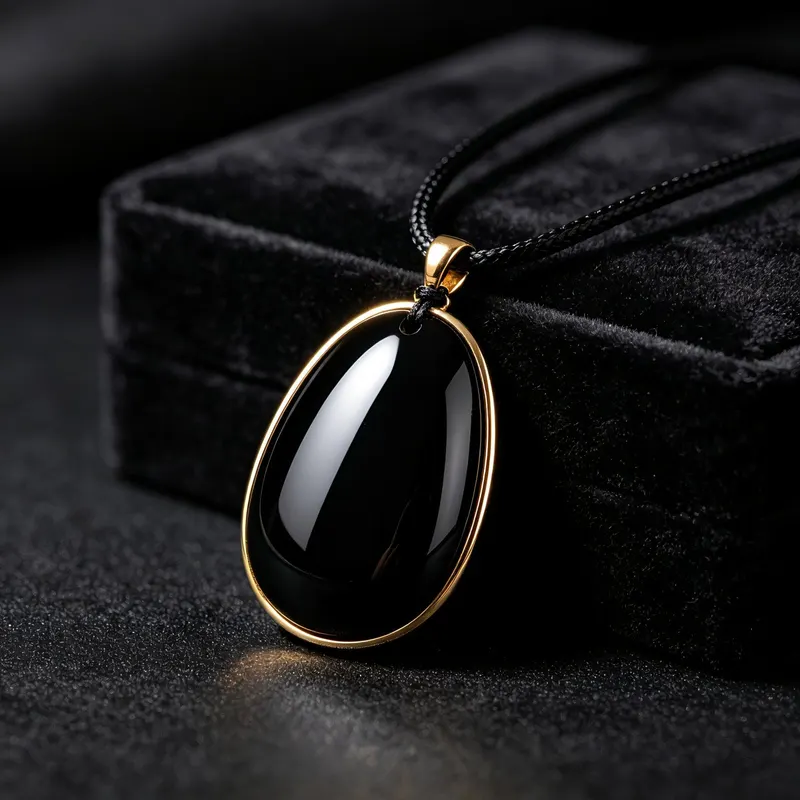
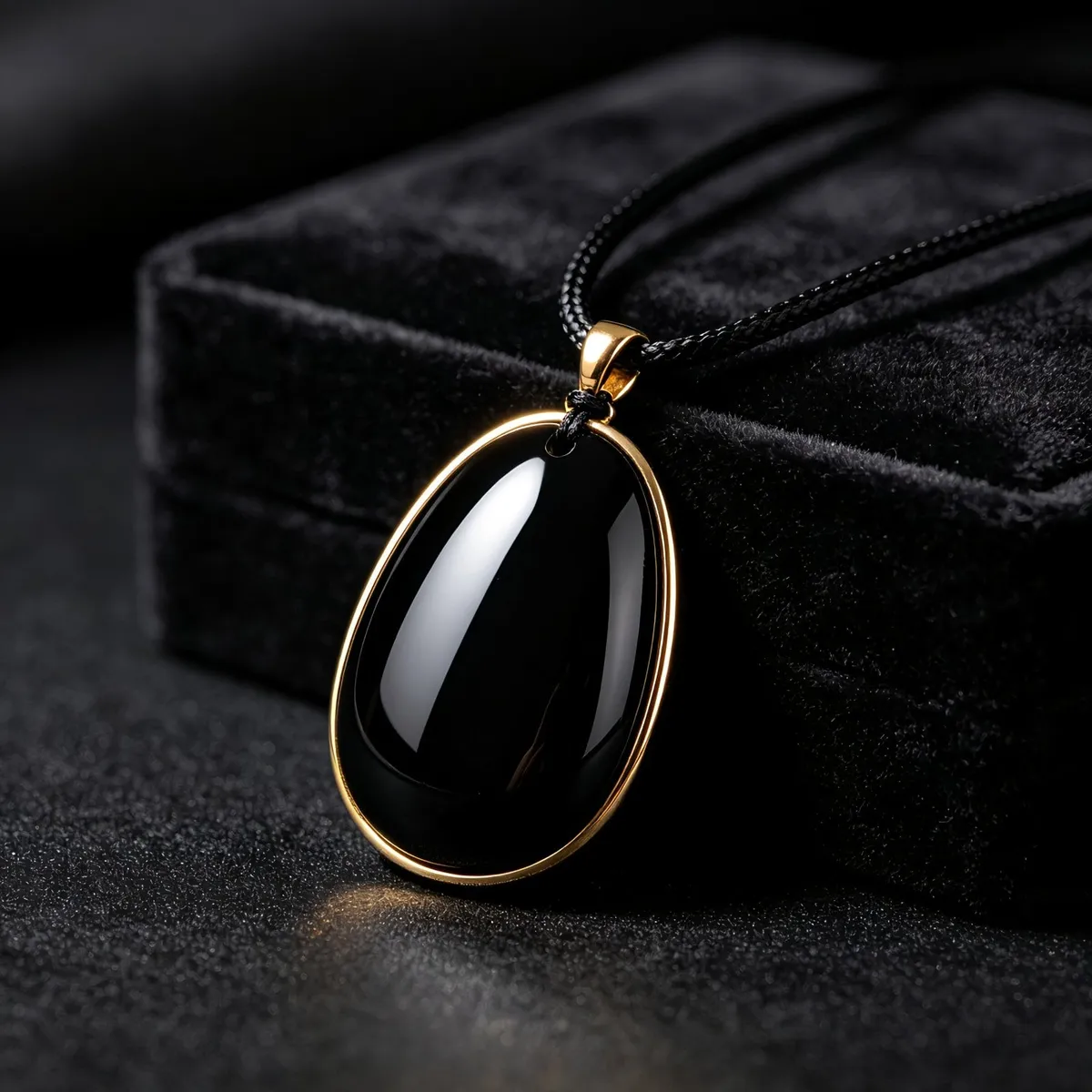
- Wear it close to the body. A pendant sits near the heart and throat, which many people find useful for boundary-setting during the workday. Our Black Obsidian Teardrop Protection Pendant Necklace is a simple, wearable option that doesn't shout.
- Hold it during a releasing meditation. Sit with the stone, name one thing you're ready to put down, and breathe. Ten minutes is plenty.
- Place it by an entrance. A piece near your front door is a common way to mark the threshold between the outside world and your home.
- Keep it on your desk. If you work in a high-demand environment, obsidian can serve as a visual cue to check in with yourself before responding.
- Use it in journaling. Set the stone beside your notebook and write honestly for one page. The stone is a witness, not a judge.
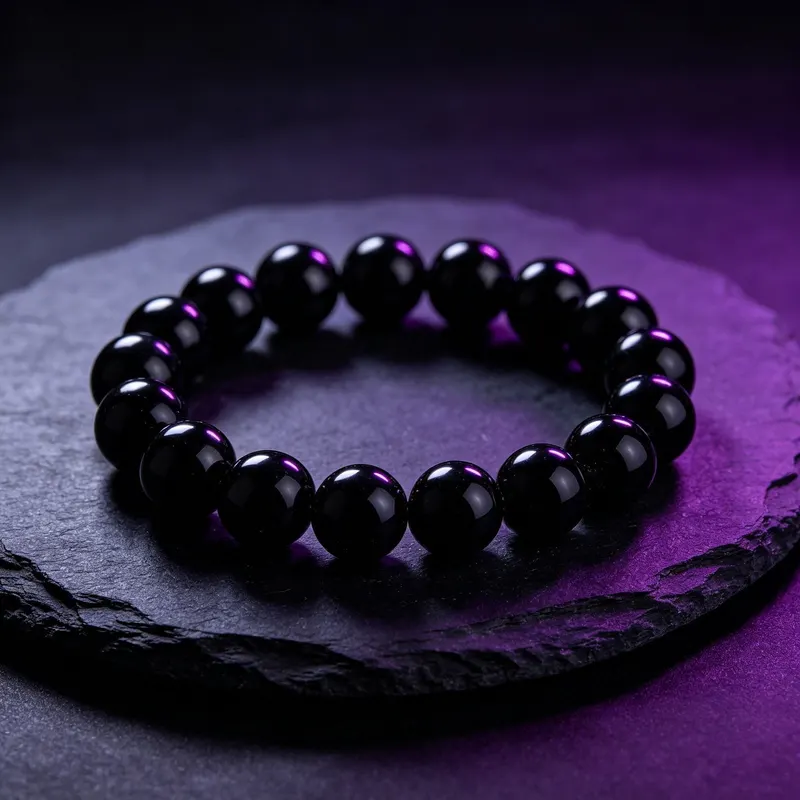
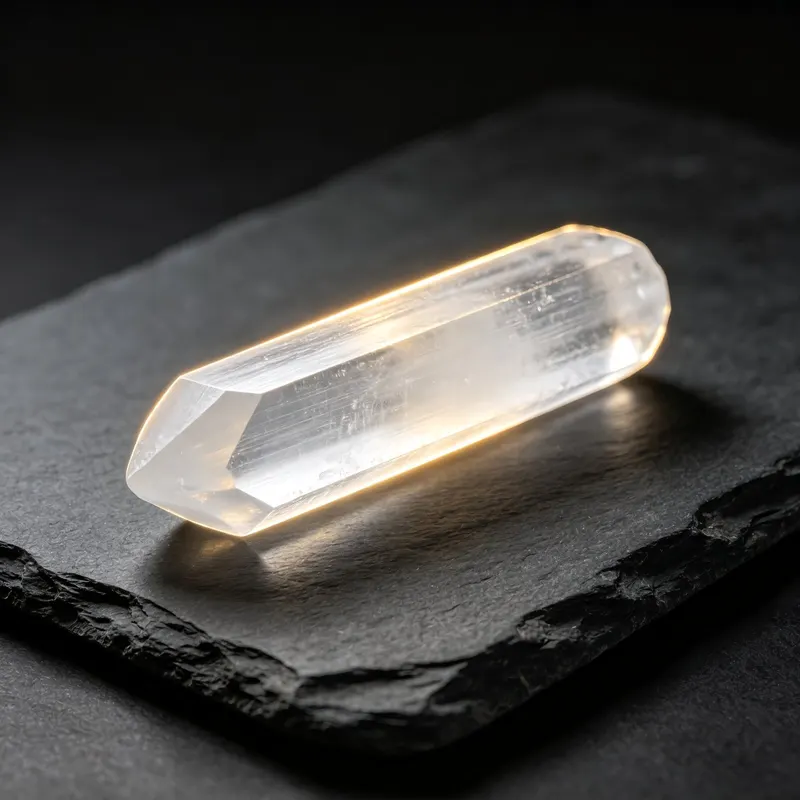
If you're building a small grounding set, obsidian pairs naturally with a Black Tourmaline Protection Bracelet for everyday wear and a Selenite Cleansing Wand for clearing between uses.
Obsidian vs. Black Tourmaline: Which Do You Need?
These two are the most common "black protection stones," and people often ask which to choose. The honest answer is that they do different jobs, and many people keep both.
| Feature | Black Obsidian | Black Tourmaline |
|---|---|---|
| Material | Volcanic glass (no crystal structure) | Crystalline mineral (tourmaline) |
| Traditional focus | Truth, release, cord-cutting, shadow work | Deflection, grounding, everyday shielding |
| Energy feel (tradition) | Direct, mirror-like, inward-facing | Steady, outward-facing, boundary-forming |
| Best for | Journaling, releasing rituals, honest reflection | Daily wear, crowded environments, travel |
| Care notes | Glass—chips and scratches; avoid hard knocks | Durable; generally easy to wear daily |
| Typical price (bracelet/pendant) | Roughly $25–$80 depending on size and setting | Roughly $25–$70 for a beaded bracelet |
A simple rule: choose obsidian when you're doing the inner work of seeing and releasing; choose tourmaline when you need a steady, everyday buffer. If you want both, wear tourmaline daily and keep obsidian for your practice.
The traditional view, and what is verifiable
It's worth separating lore from material fact, because good care depends on the second. Here's the honest split.
What the tradition says
- Obsidian is a stone of truth, protection, and release.
- It's associated with the root chakra and with grounding.
- It's used in cord-cutting and shadow-work rituals.
- Some traditions use polished obsidian as a scrying mirror.
These are cultural and spiritual frameworks. They're meaningful to many people, and we present them as tradition—not as claims we can test.
What we can verify
- Hardness: Obsidian is volcanic glass, roughly 5–5.5 on the Mohs scale. That's softer than quartz (7) and much softer than diamond (10). It scratches and chips more easily than many gemstones.
- Structure: It has no crystal lattice—it's glass. That's why it breaks with a curved, shell-like fracture and can produce very sharp edges.
- Water sensitivity: Obsidian is generally stable in water and safe for a quick rinse. Prolonged soaking isn't necessary and won't "recharge" it in any measurable way.
- Sunlight: Obsidian is not meaningfully faded by sunlight the way some dyed or heat-treated stones can be. Still, keep it out of prolonged direct sun to protect any metal settings.
- Heat and chemicals: Avoid sudden temperature changes and harsh cleaners, which can crack glass or damage plating.
- Care: Wipe with a soft damp cloth, dry thoroughly, and store separately from harder stones so it doesn't get scratched. Check pendant bails and clasps periodically.
What we can't verify is any energetic or health effect. Obsidian is not a medical device, and no stone replaces professional care.
How to Choose and Care for Obsidian
Choosing a piece
- Look at the surface. Good polished obsidian should be smooth and reflective. Small natural pits or flow lines are normal; deep gouges are not.
- Check the setting. For pendants, make sure the bail is secure and the chain is a metal you're comfortable wearing. Sterling silver and gold-plated options are common.
- Consider size and weight. A teardrop pendant around 1–1.5 inches is comfortable for daily wear. Larger statement pieces are better for occasional use.
- Bracelets: measure your wrist and add about half an inch for a comfortable fit. Beaded bracelets typically come in 7–8 inch sizes.
- Price expectations: Simple obsidian pendants and bracelets usually run $25–$80. Elaborate settings or very large pieces cost more. Be cautious of "rare" claims—obsidian is common and affordable.
Caring for it
- Cleanse with running water, sound, or by resting near selenite—especially after intense use.
- Dry fully after any water contact, particularly around metal findings.
- Store in a soft pouch, separate from harder stones.
- Avoid wearing it during heavy manual work or sports where it could chip.
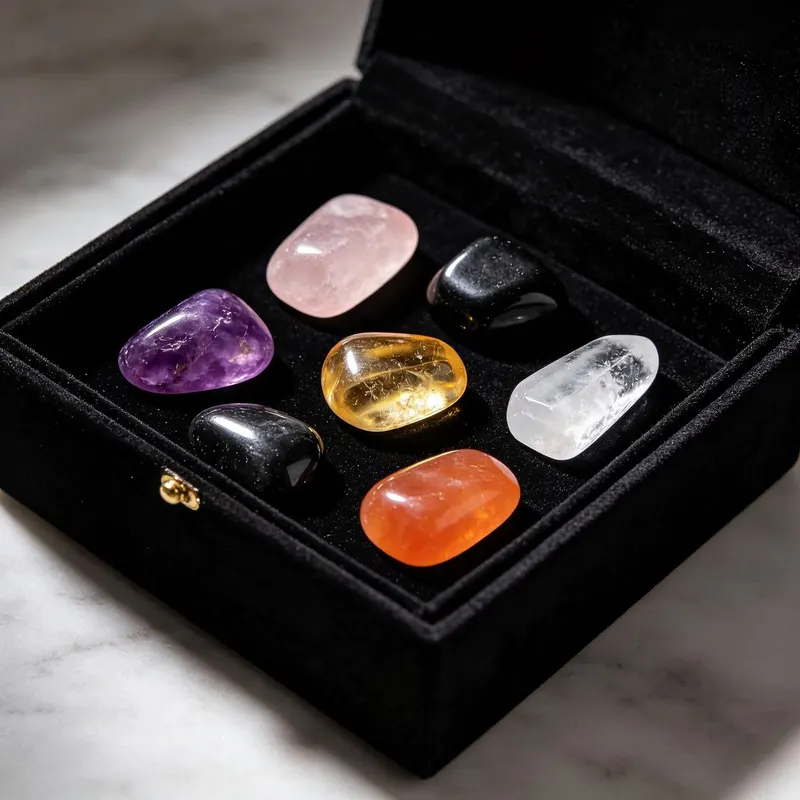
If you're new to crystals and want a broader starting point, a Healing Crystal Starter Kit can help you build a small, intentional collection before committing to larger pieces.
FAQ
People Also Ask
Is black obsidian safe to wear every day?
Yes, for most people. It's a durable-enough glass for normal wear, though it can chip if knocked. Check the setting regularly and remove it for sports or heavy chores.
Can I put obsidian in water?
A quick rinse is fine. You don't need to soak it, and prolonged water exposure can wear on metal settings. Dry it thoroughly afterward.
Does obsidian need to be cleansed?
In the tradition, yes—regular cleansing is part of the practice, especially after intense use. Physically, a gentle wipe with a soft damp cloth keeps it looking its best.
Obsidian or black tourmaline for protection?
Obsidian leans toward truth and release; tourmaline toward deflecting and grounding. Many people wear both—tourmaline daily, obsidian for reflection and ritual.
Shop the Stones
- Black Obsidian Teardrop Protection Pendant Necklace
- Black Tourmaline Protection Bracelet for Grounding
- Selenite Cleansing Wand for Energy Clearing
Keep Exploring
Black Tourmaline Meaning · Grounding Crystals · Protection Crystals
A Final Word
Black obsidian isn't a stone that flatters you. It's a stone that meets you where you are and asks you to be honest about it. Used with care—and with realistic expectations—it can be a steady companion for the quiet work of release and boundary-setting. Start with one piece you genuinely like, wear it or hold it with intention, and let the practice be yours.
Crystals are for reflection and are not medical devices. They do not diagnose, treat, cure, or prevent any disease. If you are struggling with your mental or physical health, please reach out to a qualified professional.