Two Ways to Work With the Same Stone
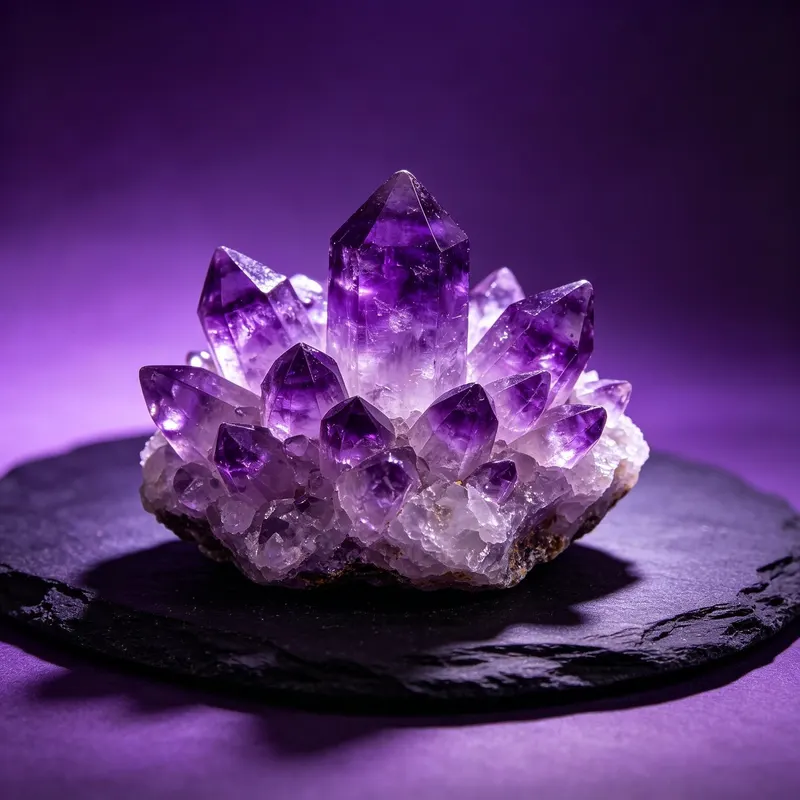
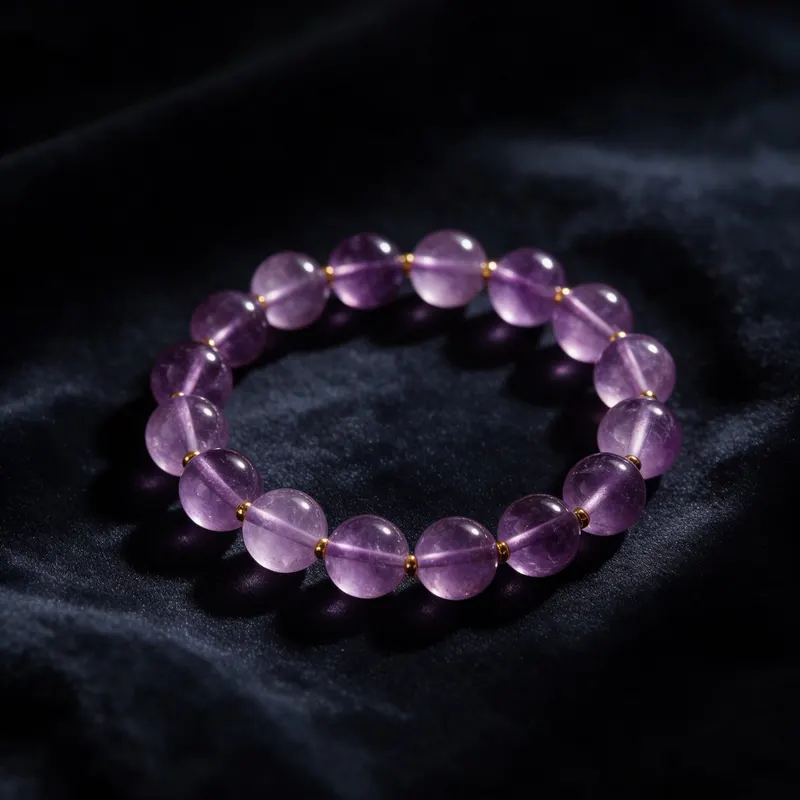
You're standing in front of a display—or scrolling a shop page—and the same mineral keeps appearing in two very different forms. On one side, a rough amethyst cluster with jagged points and a bit of matrix still attached. On the other, a smooth beaded amethyst bracelet that looks like something you'd actually wear to work. Both are amethyst. Both cost real money. And if you're new to crystals, nobody tells you which one you're supposed to buy first.
The honest answer is that raw crystals and crystal bracelets aren't competing products—they're different tools for different routines. A raw piece anchors a space and asks you to slow down. A bracelet travels with you and quietly reminds you of an intention between meetings, school runs and errands. Most people who stick with a crystal practice end up owning both, but almost nobody needs both on day one.
This guide breaks down how each form is traditionally used, what to look for when buying, how to size and care for them, and what you can realistically expect to pay. It also separates what the tradition says from what we can actually verify about the stone itself—because a trustworthy crystal purchase starts with knowing which claims are lore and which are geology.
Raw Crystals and Sets: Stones That Hold a Space
Raw (sometimes called rough) crystals are unpolished and uncut. They keep the shape the earth gave them, which is exactly why they're traditionally associated with grounding, altar work and room clearing. A raw amethyst cluster on a bedside table or desk is a visual anchor—something that catches the eye and invites a pause. In practice, that pause is the point: the stone becomes a cue for a breath, a intention, or a few minutes of stillness before sleep or after a long call.
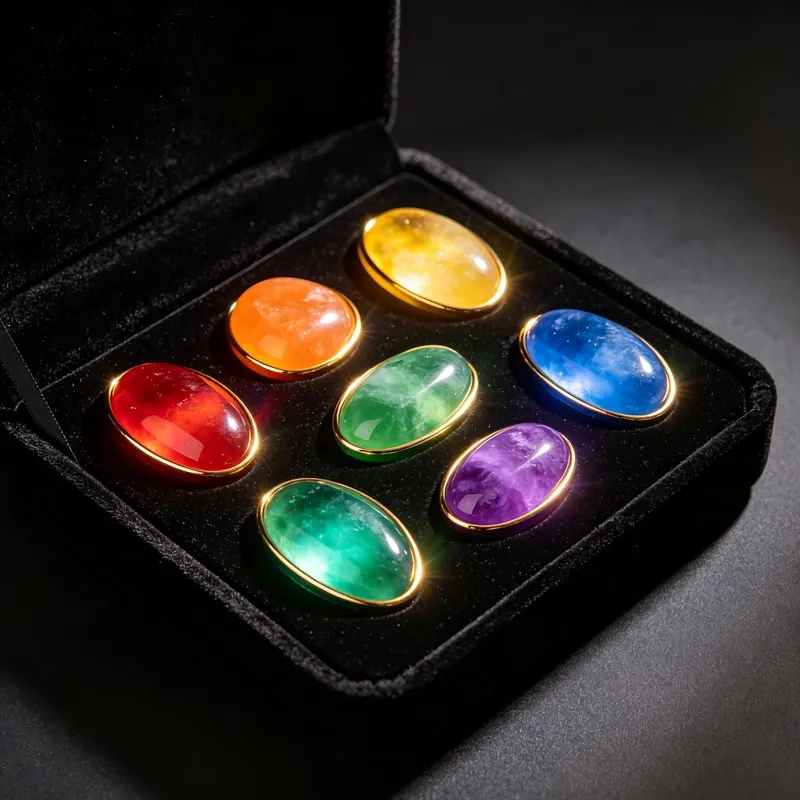
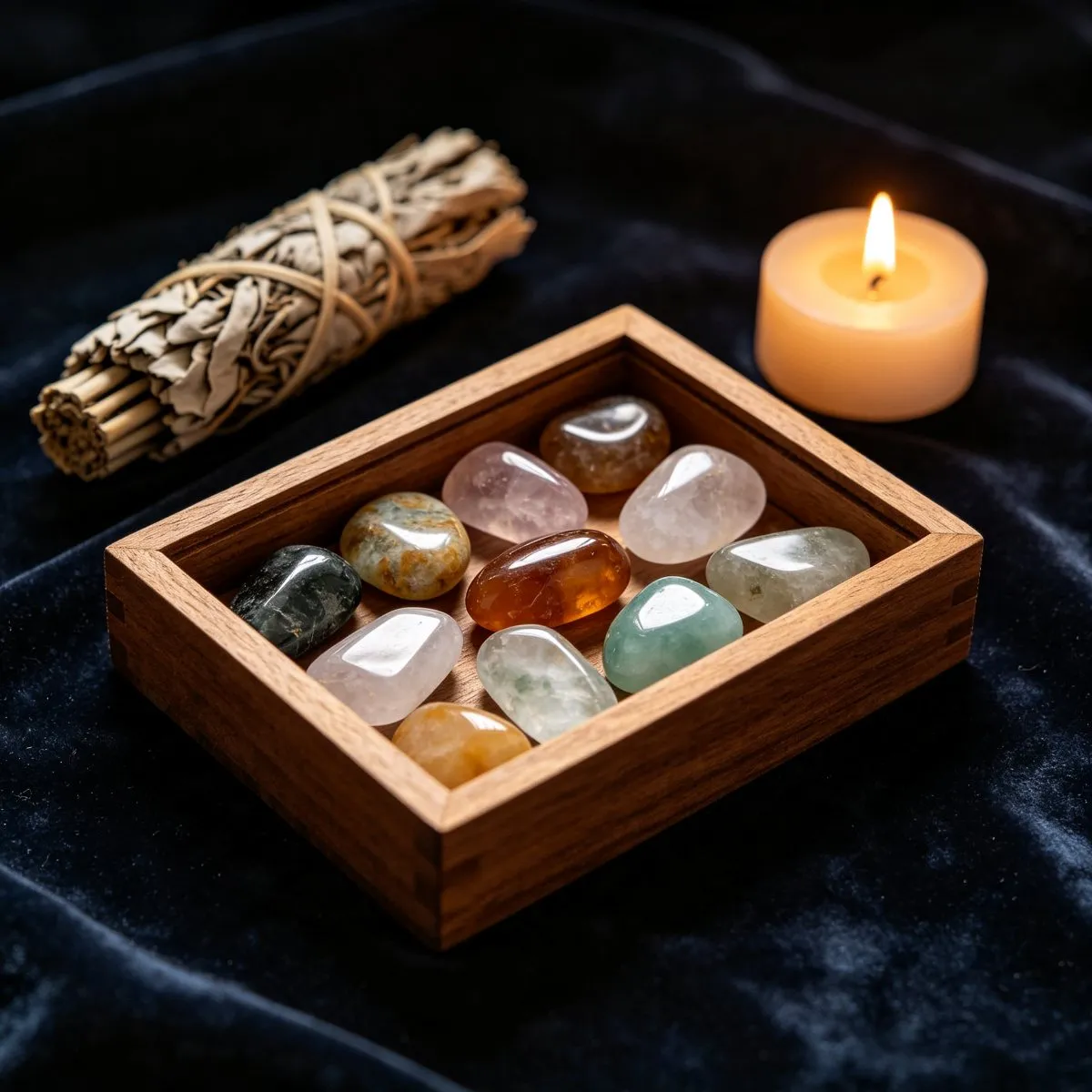
Sets serve a different purpose. A 7-chakra stone set with a wooden display box is a learning tool as much as a practice tool—seven stones, seven associations, one organized place to keep them. If you're studying chakra correspondences or building a small grid, a set saves you from buying stones one at a time and guessing at sizes.
What to look for in raw pieces
- Natural character: Chips, uneven points and matrix (the host rock) are normal and often desirable. Perfectly uniform "raw" stones are usually tumbled or machined to look rough.
- Stable edges: Amethyst points can be sharp. Check that the base sits flat and the piece won't tip.
- Honest sizing: Listings should give dimensions and weight. A "large cluster" can mean anything from a golf ball to a melon—buy by measurement, not adjectives.
- Color and clarity in person: Photos are lit and edited. Expect natural variation, and buy from shops with clear return policies.
Crystal Bracelets: Stones That Travel With You
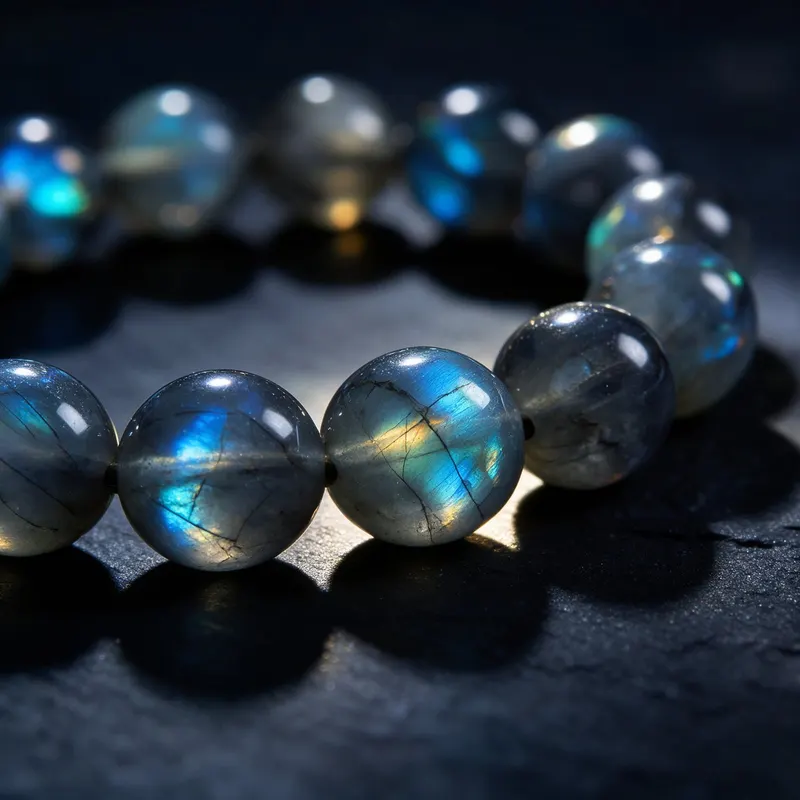
Bracelets are the wearable form of the same mineral, and they're traditionally associated with keeping a stone's influence close throughout the day. The appeal is practical: a bracelet is discreet, goes on in seconds, and works as a physical reminder of whatever you've decided the stone means to you. The amethyst healing bracelet is a common first purchase because amethyst is widely available, affordable and easy to pair with everyday clothing.
Bracelets also make sense if you're drawn to a stone but don't have a natural spot for a display piece—small apartments, shared desks, homes with curious pets or toddlers. The stone lives on your wrist instead of a shelf.
What to look for in a bracelet
- Bead size: 6mm reads delicate and suits smaller wrists; 8mm is the most common unisex size; 10mm makes a statement. Larger beads mean a heavier, more visible bracelet.
- Elastic quality: Most beaded bracelets use elastic cord. Look for doubled cord and a reinforced knot, and treat the bracelet gently when putting it on—roll it over your hand rather than stretching it.
- Stone consistency: Some variation in color and pattern is normal in natural stone. A bracelet where every bead is identical is likely dyed, heated or synthetic—sometimes fine, but it should be disclosed.
- Metal findings: If the bracelet includes spacers or charms, check the metal. Sterling silver and gold-plated brass are common; if you have metal sensitivities, ask before buying.
Raw vs Bracelet: A Side-by-Side Comparison
| Factor | Raw crystals & sets | Crystal bracelets |
|---|---|---|
| Primary traditional use | Altars, grids, room energy, meditation focal points | Everyday wear, personal intention, portable reminder |
| Portability | Low—stays in one place | High—worn on the wrist all day |
| Typical price range (US) | ~$12–$40 for small clusters and starter sets; $40–$150+ for large display pieces | ~$18–$45 for most beaded bracelets; $50–$120+ for premium or metal-set designs |
| Sizing concerns | None—buy by dimensions | Wrist measurement matters; elastic vs clasp affects fit |
| Durability risks | Chipping, tipping, dust in crevices | Cord wear, bead cracking from impact, metal tarnish |
| Best for | Home practice, decor, study, gifting a space | Daily wear, discreet practice, travel, first purchase |
| Cleaning difficulty | Moderate—dust collects in rough surfaces | Easy—wipe with a soft damp cloth |
How to Choose: A Practical Checklist
Rather than asking which form is "stronger" (more on that below), ask where you want the stone to show up in your day.
- Choose raw if you want a meditation corner, a bedside anchor, a display shelf, or a focal point for journaling and breathwork.
- Choose a bracelet if you want a discreet daily reminder, travel often, or are buying your first crystal and want something you'll actually use.
- Choose a set if you're learning correspondences, building a grid, or want to compare several stones before committing to a favorite.
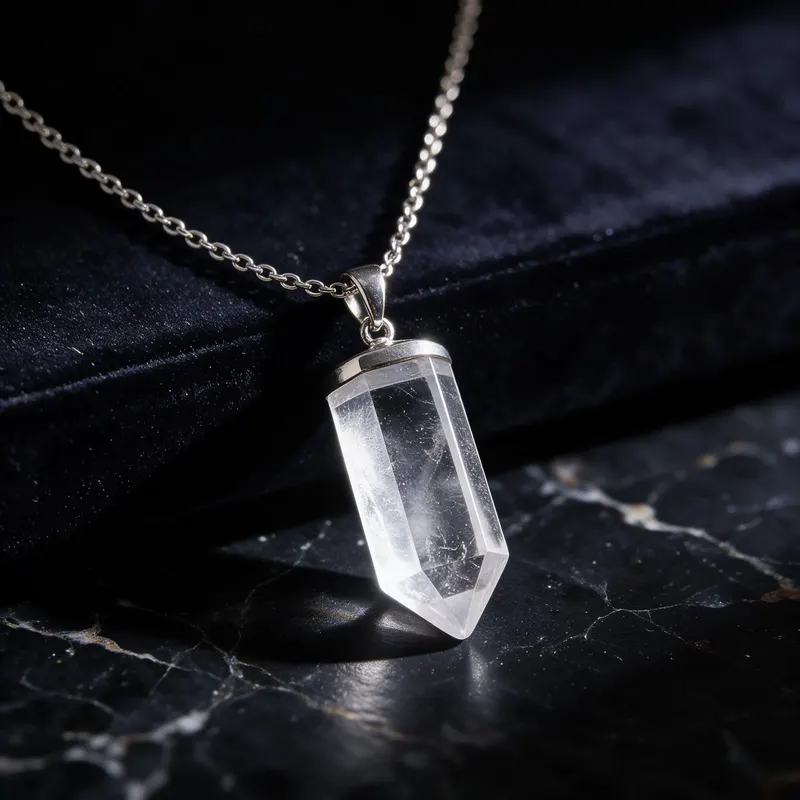
- Choose a pendant if you want the stone closer to the heart or throat and prefer a necklace to a wrist piece—the clear quartz point pendant is a versatile, neutral option that works with almost any wardrobe.
- Consider your lifestyle: an office job with a keyboard favors a low-profile bracelet; a home office with a quiet desk favors a raw cluster; a household with young children favors pieces kept out of reach.
If you're torn between a few stones rather than forms, a healing crystal starter kit with seven stones and a guide is a low-risk way to sample before investing in a larger raw piece or a premium bracelet.
The lore, and what we can actually verify
Crystal practice carries centuries of folklore, and it's worth being clear about which parts are tradition and which parts are testable fact. We think that honesty makes the practice more enjoyable, not less.
Traditional lore
In crystal traditions, amethyst is associated with calm and clarity; rose quartz with love and self-compassion; citrine with abundance and joy; black tourmaline with protection and grounding. Raw pieces are often described as holding space or clearing a room, while worn stones are described as keeping an intention close to the body. These are symbolic and reflective frameworks—they can be meaningful, and they are not measurable.
What we can verify
- Hardness: On the Mohs scale, quartz-family stones (amethyst, citrine, clear quartz, rose quartz) sit at about 7, which means they resist scratching from everyday handling but can chip on hard impact. Selenite is much softer (around 2) and scratches easily—keep a selenite wand away from keys and loose in a drawer rather than a pocket full of metal.
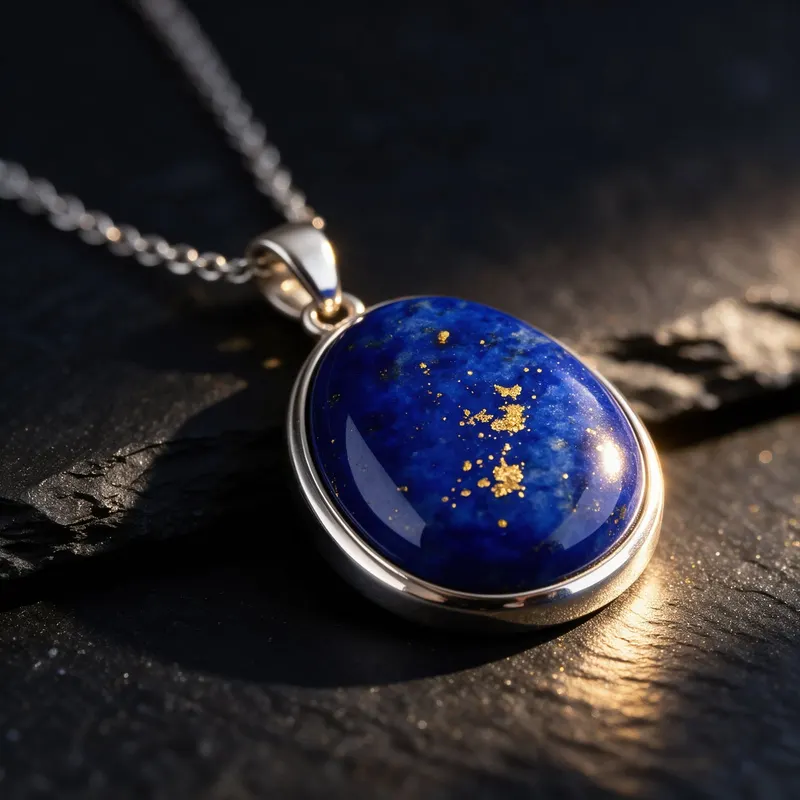
- Water sensitivity: Selenite and halite dissolve or degrade in water; malachite and lapis lazuli should not be soaked. Quartz bracelets tolerate a quick damp wipe but not prolonged soaking, especially if the cord is elastic.
- Sunlight sensitivity: Amethyst, rose quartz, fluorite and citrine can fade with prolonged direct sun. Display them in indirect light rather than a south-facing windowsill.
- Heat and impact: Sudden temperature changes and drops are the main causes of cracks and chips—true for both raw points and beads.
- Care basics: Dust raw pieces with a soft dry brush; wipe bracelets with a barely damp cloth and let them dry fully before wearing. Avoid harsh cleaners, ultrasonic cleaners and saltwater soaks for porous or soft stones.
Crystals are intended for reflection and personal practice and are not medical devices. They do not diagnose, treat, cure or prevent any disease. If you're struggling with your mental or physical health, please reach out to a qualified professional.
Sizing, Care and Realistic Price Expectations
Sizing a bracelet
Measure your wrist snugly with a soft tape or a strip of paper, then add roughly half an inch for comfort. Most beaded bracelets are listed by bead size and total circumference; if you're between sizes on an elastic bracelet, size up slightly rather than down. For a ring like the rhodonite heart ring, use a proper ring sizer—stone rings can't be resized the way plain metal bands can.
Caring for both forms
Store raw pieces on a stable shelf away from direct sun and humidity; store bracelets flat or in a pouch so the elastic isn't stretched. Remove bracelets before showering, swimming, cleaning or gym sessions. If you follow traditional cleansing routines—moonlight, sound, smoke or a selenite plate—treat them as ritual rather than maintenance; the practical care is simply keeping the stone clean, dry and unknocked.
What to expect to pay
Beaded bracelets in common stones like amethyst, rose quartz and tiger's eye typically run $18–$45. Premium stones, larger beads or metal-set designs push toward $50–$120. Small raw clusters and starter sets usually land between $12 and $40, while large display-quality clusters can run $40–$150 or more depending on size and color. Prices above that usually reflect size, rarity or metalwork—not "stronger energy." Be wary of any listing that promises specific outcomes; no stone can guarantee love, wealth or exam results.
FAQ
People Also Ask
Are raw crystals stronger than bracelets?
There's no measurable difference in the mineral itself—a raw amethyst and an amethyst bead are the same material. The difference is in use: raw stones are traditionally kept in a space, while bracelets are made to be worn. "Stronger" is a matter of personal symbolism, not chemistry.
Should a beginner buy raw stones or jewelry first?
A bracelet is usually the easiest daily starting point because you'll actually use it. Add a raw cluster or a small set once you want a dedicated space for meditation, journaling or display.
Can I wear a crystal bracelet every day, including in the shower?
You can wear most quartz-family bracelets daily, but remove them for showers, swimming and cleaning. Water and soap degrade elastic cord, and soft stones like selenite shouldn't get wet at all.
How do I tell if a raw crystal or bracelet is genuine?
Look for natural variation—color zoning, inclusions, uneven surfaces—and buy from sellers who disclose treatments like dyeing or heating. Ask for dimensions and weight on raw pieces, and check return policies. No certificate is required for common stones, so a clear, specific listing is your best signal.
The Short Version
Raw crystals hold a space; bracelets travel with you; sets help you learn. Start with the form you'll actually use this week, buy by measurement rather than adjectives, and keep your expectations grounded in what the stone is—a beautiful mineral and a useful cue for reflection. If you're ready to begin, the amethyst healing bracelet and the raw amethyst cluster make a natural pair: one for the day, one for the desk.
Explore the full edit here: Raw Stones & Sets Collection →