Two Forms, Same Mineral
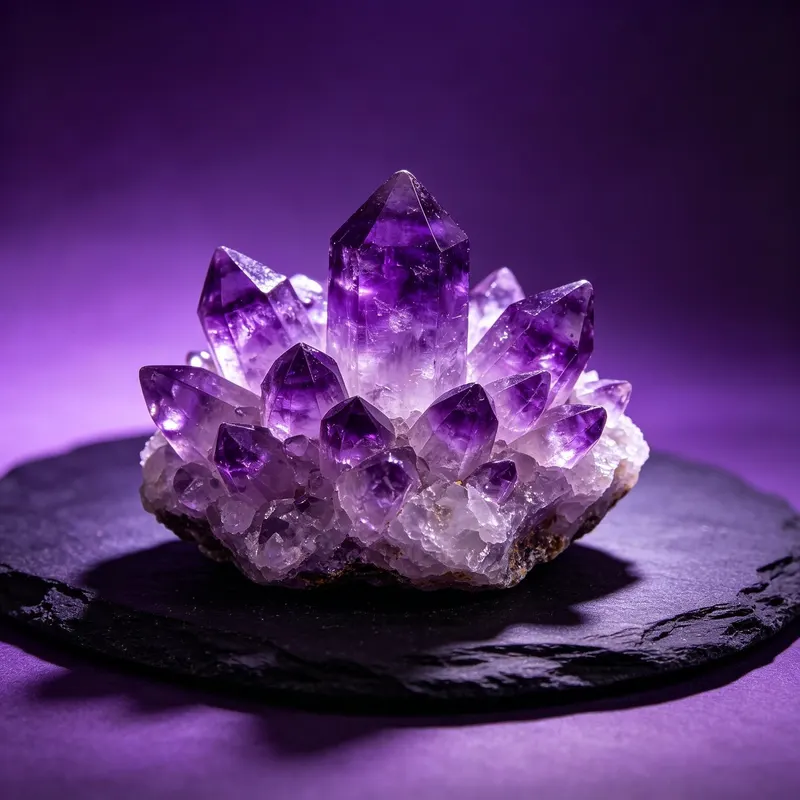
You're standing in a shop—or scrolling a product page—looking at two pieces of amethyst. One is a jagged, violet-tipped cluster that looks like it was pulled straight from the earth. The other is a smooth, palm-sized stone the color of grape juice. They cost about the same, they're the same mineral, and you have no idea which one to bring home.
This is one of the most common questions beginners ask, and the answer is less about "which is better" and more about how you plan to use the stone. Raw and tumbled crystals come from the same material—they're simply finished differently. Raw crystals are left in their natural, rough state; tumbled stones are polished smooth in a rock tumbler over days or weeks. Neither is superior, but each suits different purposes, budgets, and personalities.
This guide breaks down the real differences—appearance, feel, durability, care, and price—plus the traditional meanings behind each form, so you can choose with confidence rather than guesswork.
Raw Crystals: Unpolished, Unfiltered, Unmistakably Natural
Raw (also called natural or rough) crystals are exactly what comes out of the ground, sometimes cleaned but not shaped or polished. That means natural points, clusters, chunks, and irregular shards with texture you can feel.
- Look: natural points, clusters, and rough texture; no two pieces are identical
- Feel: textured, sometimes sharp at the edges; heavier and more substantial in the hand
- Best for: altars, crystal grids, home display, bookshelves, and a wild, natural aesthetic
- Tradition: often chosen for raw, unfiltered energy—believed to carry the stone's qualities in their most direct form
- Watch for: fragile tips and edges that can chip; some raw stones shed tiny fragments
Raw pieces shine as statement objects. A raw amethyst cluster on a nightstand or meditation shelf is traditionally associated with calm and quiet reflection, and it doubles as a genuinely beautiful object even if you never think about energy at all. Raw stones are also the better choice if you want to see a mineral's natural structure—growth patterns, inclusions, and color zoning that polishing can obscure.
Tumbled Stones: Smooth, Portable, Practical
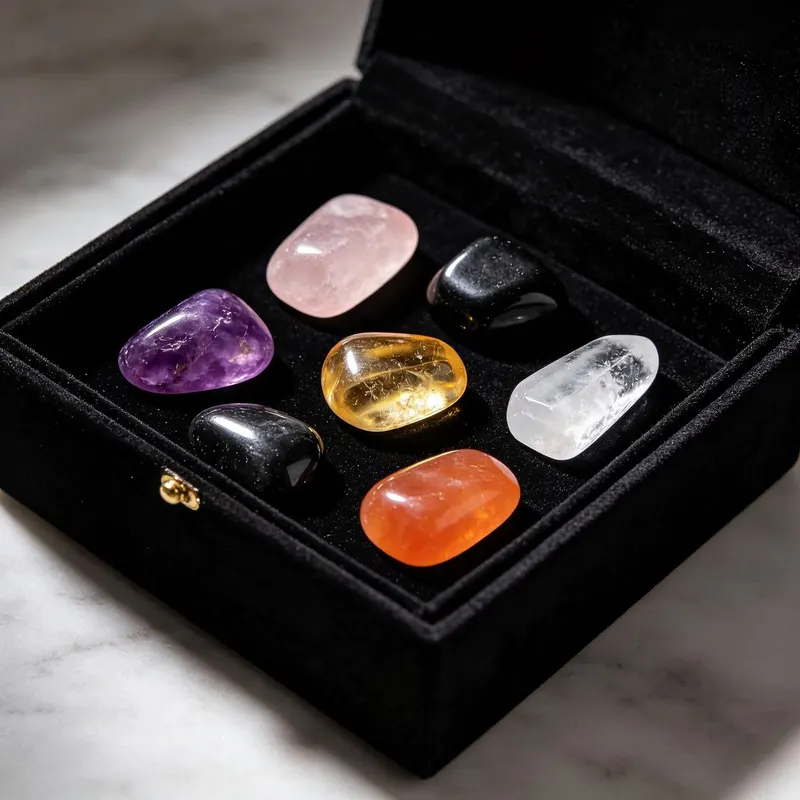
Tumbled stones are placed in a tumbler with abrasive grit and water, then polished through progressively finer stages until the surface is smooth and often glossy. The result is a rounded, pocket-friendly stone.
- Look: smooth, rounded, pocket-sized; color and pattern often more uniform
- Feel: comfortable to hold and carry; cool and slick at first, warming quickly in the hand
- Best for: jewelry, meditation in the hand, travel, pocket carry, and grids on the go
- Practicality: durable in bags and gentle against skin; no sharp edges to snag fabric
- Watch for: over-polishing can dull subtle patterns; very glossy stones can feel less "natural" to some
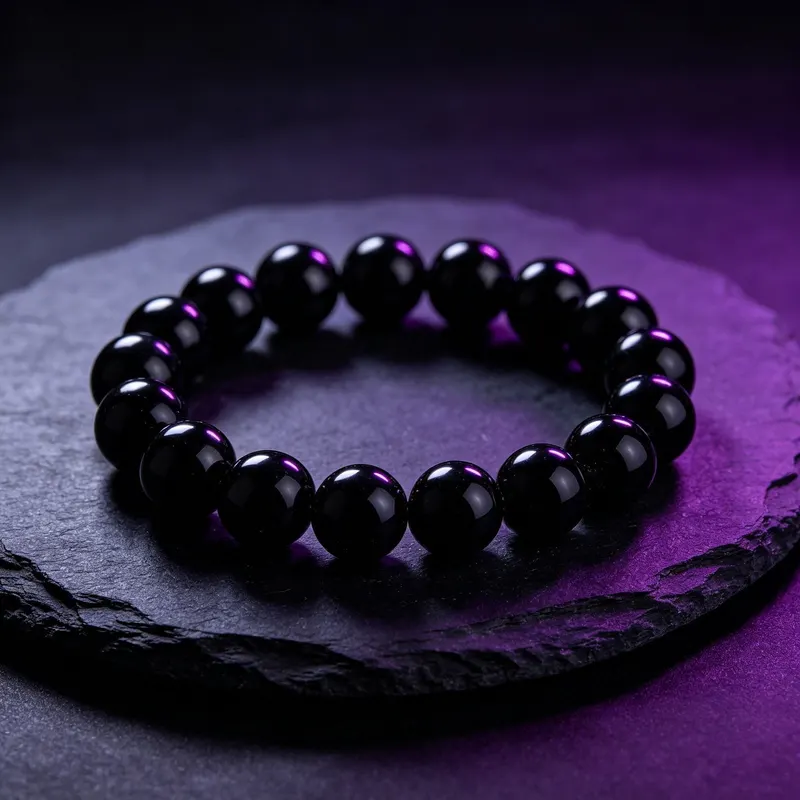
Tumbled stones are the workhorses of a collection. They're what you actually carry, wear, and hold during meditation. A tumbled stone like a black tourmaline bracelet—where polished stones are set into wearable form—is traditionally associated with grounding, and it's comfortable enough to wear all day precisely because the stones are smooth.
Raw vs Tumbled at a Glance
| Feature | Raw Crystals | Tumbled Stones |
|---|---|---|
| Surface | Rough, natural, sometimes sharp | Smooth, rounded, often glossy |
| Uniqueness | Each piece is one of a kind | More uniform; shapes repeat |
| Portability | Low—bulky, fragile edges | High—pocket and purse friendly |
| Durability in daily use | Lower; tips and edges can chip | Higher; resists knocks and rubbing |
| Best use | Altars, display, grids, decor | Jewelry, carry, hand meditation |
| Typical price | Varies widely by size and specimen quality | Generally modest per stone; sets are good value |
| Cleaning ease | Harder—grit catches in crevices | Easy—wipe or rinse and dry |
How to Choose: A Practical Checklist
Before you buy, run through these questions. They'll point you to the right form faster than any energy debate.
- Where will it live? A shelf, altar, or windowsill favors raw. A pocket, purse, or wrist favors tumbled.
- Will you wear it? For jewelry, choose tumbled or smoothly shaped stones—raw edges are uncomfortable against skin and can snag clothing.
- Do you have children or pets? Raw clusters with sharp points and small fragments are better kept out of reach; tumbled stones are safer to handle.
- Do you want a "specimen" or a "tool"? Raw pieces are display specimens; tumbled stones are everyday tools.
- What's your budget? Tumbled stones and sets are usually the most economical way to start; large raw specimens can cost considerably more.
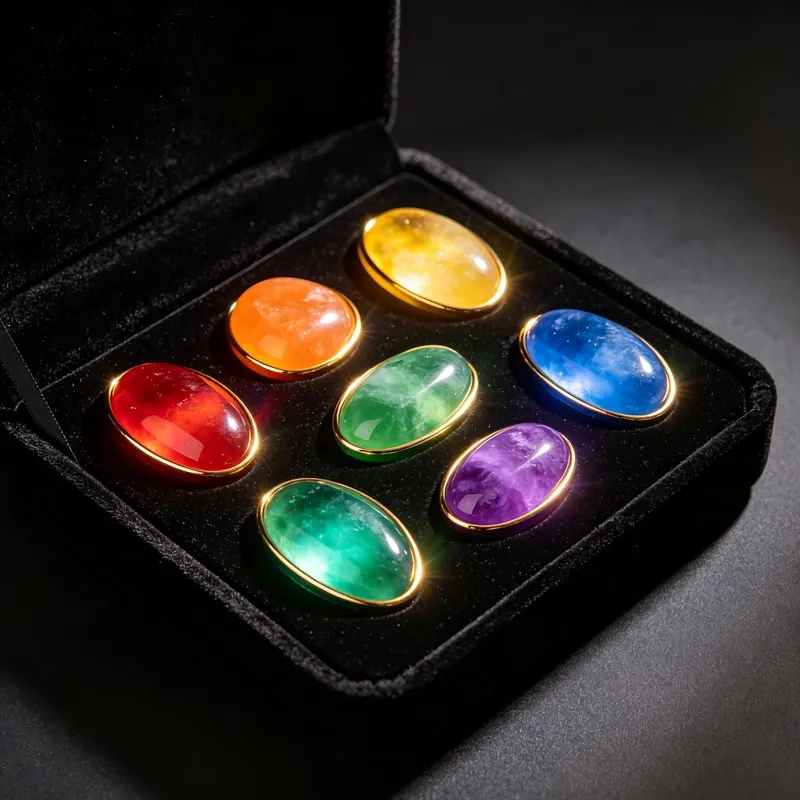
- Are you a beginner? A healing crystal starter kit or a 7 chakra stone set with a wooden display box lets you compare forms and stones side by side before committing to larger pieces.
Does Shape Change the Energy?
In crystal tradition, form is believed to influence how energy is expressed—points are thought to direct energy, spheres to radiate it evenly, and clusters to fill a room. Raw and tumbled stones carry a similar idea: raw is often described as more "unfiltered," while tumbled is described as more "contained" and easier to work with in focused, hand-held practice. These are traditional associations, not measurable properties—but they're a useful lens for choosing a stone that feels right to you.
If you're drawn to wearable, polished forms, options like a rose quartz love bracelet (traditionally associated with self-love and heart-centered reflection) or a tiger's eye confidence bracelet (traditionally associated with focus and courage) show how tumbled stones translate into daily wear. If you prefer a raw centerpiece, a cluster or point on an altar is the classic choice. Explore the fuller picture in our crystal shapes guide, and pick your first stone with this beginner walkthrough.
Traditional beliefs vs. verifiable facts
Crystal tradition offers rich symbolism, and it's worth separating lore from the practical facts you can actually check. Here's the honest split.
Traditional lore (belief, not science)
- Raw crystals are often described as carrying "unfiltered" or "raw" energy, while tumbled stones are described as calmer and more contained.
- Specific stones are traditionally associated with qualities—amethyst with calm, rose quartz with love, citrine with abundance, black tourmaline with protection. These are cultural and spiritual associations, not medical claims.
- Shape and form are believed to influence how a stone's energy is expressed.
What we can verify (practical facts)
- Hardness: mineral hardness is measured on the Mohs scale. Quartz-family stones (amethyst, citrine, clear quartz) sit around 7, which resists scratching in normal wear. Softer stones like selenite (around 2) scratch easily and should be handled gently.
- Water sensitivity: some stones should not be soaked—selenite and other soft or porous minerals can dissolve, flake, or dull in water. Many polished stones are fine with a quick wipe.
- Sunlight sensitivity: some stones, including amethyst and rose quartz, can fade with prolonged direct sun exposure. Display them in indirect light.
- Care basics: dust raw pieces with a soft brush; wipe tumbled stones with a damp cloth and dry them. Avoid harsh chemicals and ultrasonic cleaners unless you know the stone tolerates them.
- Authenticity: tumbling is a polishing process, not a treatment—tumbled stones are genuine stones. For spotting dyed or glass imitations, see our guide on real vs fake crystals.
Crystals are intended to support personal and spiritual well-being and are not medical devices. They do not diagnose, treat, cure, or prevent any disease. If you are struggling with your mental or physical health, please reach out to a qualified professional.
Care, Sizing, and Realistic Price Expectations
Care
- Raw pieces: keep away from high-traffic surfaces where tips can chip; dust with a soft brush rather than rinsing, especially for clusters with deep crevices.
- Tumbled stones and jewelry: wipe with a damp cloth after wear; remove bracelets before swimming, showering, or applying lotion. Check elastic bracelets periodically for stretching and re-string if needed.
- Storage: store softer stones separately from harder ones to avoid scratches.
Sizing
- Bracelets: measure your wrist with a flexible tape or string, then add roughly half an inch for a comfortable fit. Most beaded bracelets list a circumference—compare it to your measurement.
- Pendants: check the chain length and pendant dimensions in the listing; a small pendant reads differently on a 16-inch chain than on a 20-inch one.
- Rings: confirm the ring size before ordering, and note that wide bands fit more snugly than thin ones.
Price expectations
Tumbled stones are generally the most affordable entry point—single stones are modest, and sets offer good value. Raw specimens vary widely: a small chunk is inexpensive, while large, well-formed clusters and points cost more because of size and quality. Be wary of prices that seem too low for the stone and size described, and remember that natural variation in color and pattern is normal, not a defect.
FAQ
People Also Ask
Are raw crystals more powerful than tumbled?
They are the same mineral. Tradition treats raw energy as more unfiltered, while tumbled stones are described as more contained and portable—choose by how you plan to use the stone rather than by a power ranking.
Are tumbled stones real crystals?
Yes—tumbling is a polishing process applied to genuine stones, not a synthetic treatment. A tumbled stone is simply a shaped and smoothed version of the same mineral.
Which is better for jewelry?
Tumbled or smoothly shaped stones are the most comfortable and durable choice for bracelets, rings, and pendants. Raw edges can be sharp and may snag clothing or scratch skin.
Can I clean raw and tumbled crystals the same way?
Not always. Tumbled stones usually tolerate a quick wipe with a damp cloth, but raw pieces—and soft minerals like selenite—are better dusted with a soft brush. Avoid soaking water-sensitive stones, and keep both forms out of prolonged direct sunlight if the mineral is prone to fading.
Shop the Stones
- Healing Crystal Starter Kit, 7 Stones + Guide
- Raw Amethyst Cluster for Meditation & Altar
- 7 Chakra Stone Set with Wooden Display Box
- Selenite Cleansing Wand for Energy Clearing
Keep Exploring
Crystal Shapes & Meanings · Choose Your First Crystal · Real vs Fake Crystals
The Bottom Line
For daily wear, pocket carry, and hand-held meditation, choose tumbled. For a beautiful home centerpiece, altar, or grid anchor, choose a raw piece. If you're new to crystals, start with a set that includes both forms—you'll learn your own preferences faster by holding them than by reading about them. Whichever you choose, let it invite reflection, and enjoy the stone for exactly what it is.