You are probably here because someone handed you a pink-and-black stone, or because a search for "rhodonite" landed you on a page that promised it would fix your relationships. That is not what this is. Rhodonite is a genuinely interesting mineral with a long folk reputation as the "rescue stone" — the one people reach for after a fight, a breakup, or a sentence they wish they could take back. What follows is an honest guide: what the tradition says, what the stone actually is, and how to use it in a way that supports reflection rather than substitutes for it.
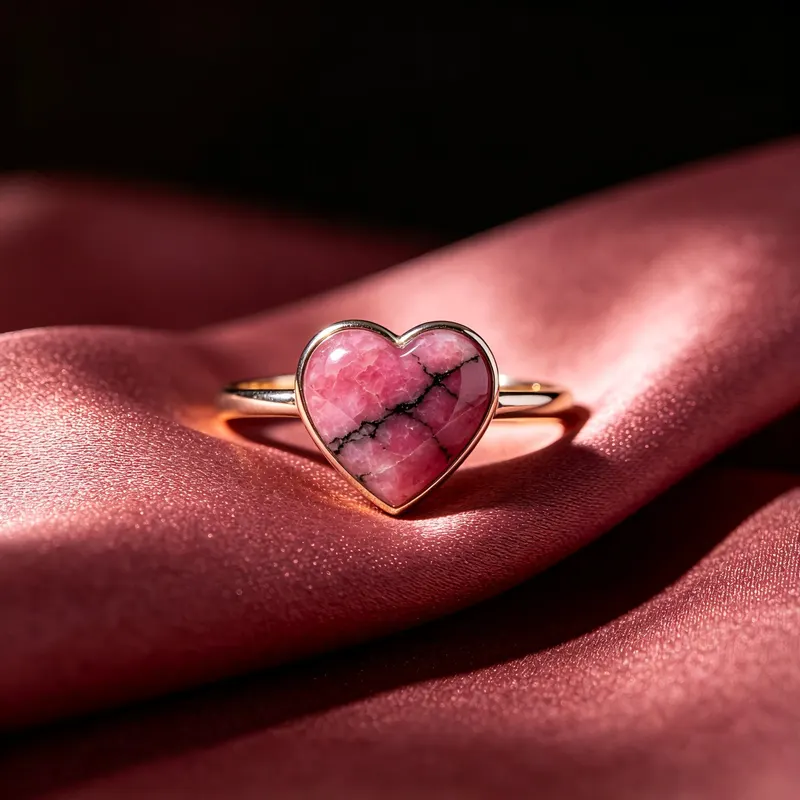
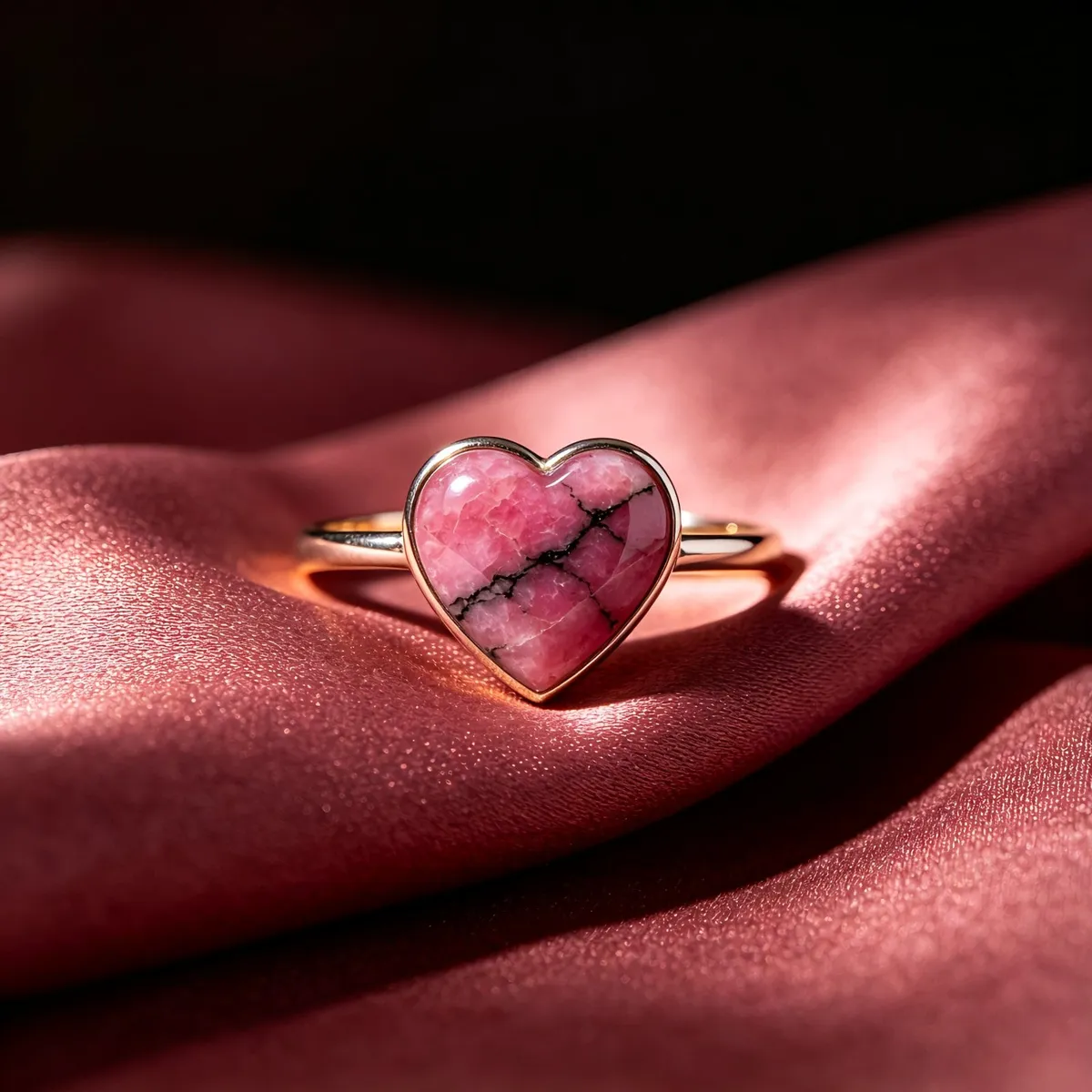
Rhodonite is a manganese silicate, and its most recognizable form is a rosy pink stone threaded with black veins of manganese oxide. Those two colors are the whole story of its symbolism: warmth and weight, tenderness and boundary. If you are drawn to it after an argument, a loss, or a stretch of being hard on yourself, that instinct is worth taking seriously — not as a cure, but as a signal that you are ready to be gentler with yourself and others.
This guide covers rhodonite's traditional meaning, the properties people choose it for, its chakra and zodiac associations, how to choose and size a piece, realistic pricing, and how to care for a stone that is softer than most of what sits in a jewelry box.
Traditional Rhodonite Meaning
The name comes from the Greek rhodon, "rose," which fits both its color and its reputation. Where many stones are worked for focus or protection, rhodonite is traditionally associated with the emotional body — restoring balance after anger or grief, supporting self-love when it feels unearned, and helping relationships move from reaction to understanding. In crystal lore it is often called the "rescue stone" because it is believed to help steady you in the aftermath of conflict rather than prevent the conflict itself.
That distinction matters. Rhodonite does not promise harmony, and no stone can. What the tradition actually describes is a practice: notice the heat, breathe, and choose the kind response anyway. The stone is a reminder object for a skill you are building, not a switch that flips it on.
Properties People Choose Rhodonite For
- Emotional balance. Traditionally used to steady mood swings and soften the edge after an argument.
- Self-love and worth. A common stone for people rebuilding confidence after a hard chapter.
- Relationship harmony. Chosen to encourage forgiveness — of others and of oneself.
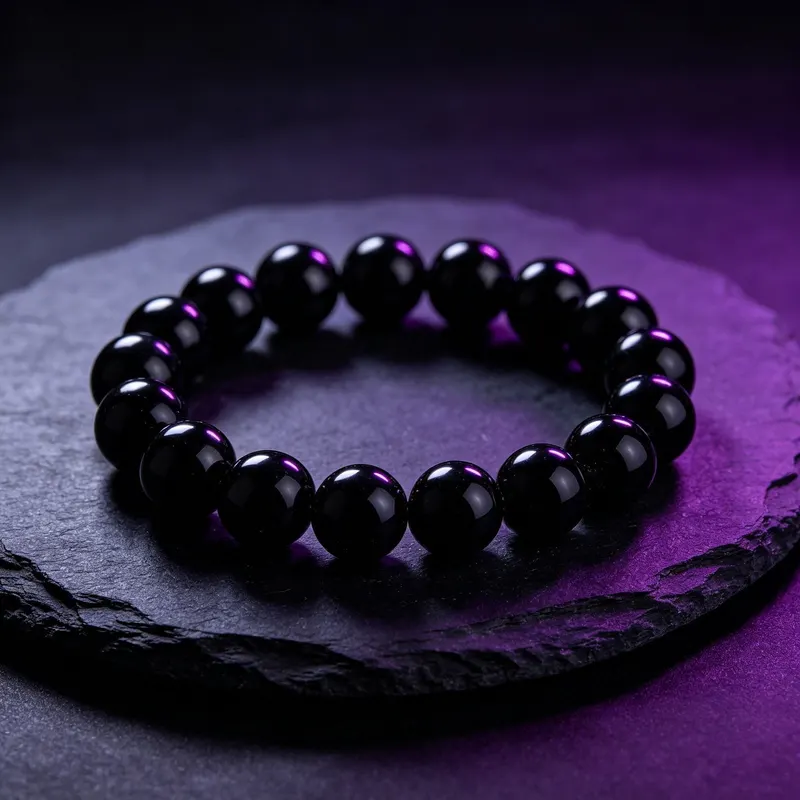
- Gentle grounding. The black manganese veins are often paired with Black Tourmaline Protection Bracelet for Grounding in practice, to keep the heart open without feeling unsafe.
- Compassion in speech. Believed to support the pause between feeling wronged and responding.
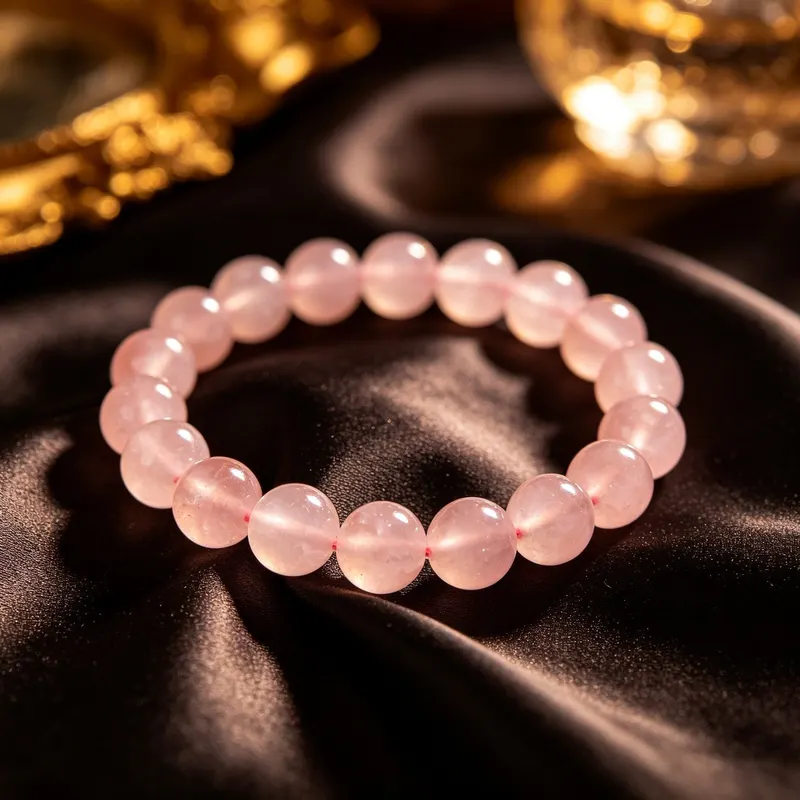
If your goal is heart work specifically, rhodonite pairs naturally with rose quartz. Our Rose Quartz Love Bracelet for Self-Love & Heart is the more classic choice for that, and many people wear the two together — rose quartz for openness, rhodonite for staying steady while open.
Rhodonite and the Chakras
Rhodonite is most associated with the heart chakra (love, compassion, connection) and, because of its grounding streaks, the root chakra (safety, stability). In practice it is often placed at the center of the chest during quiet reflection, or carried through a difficult conversation to stay centered rather than defensive.
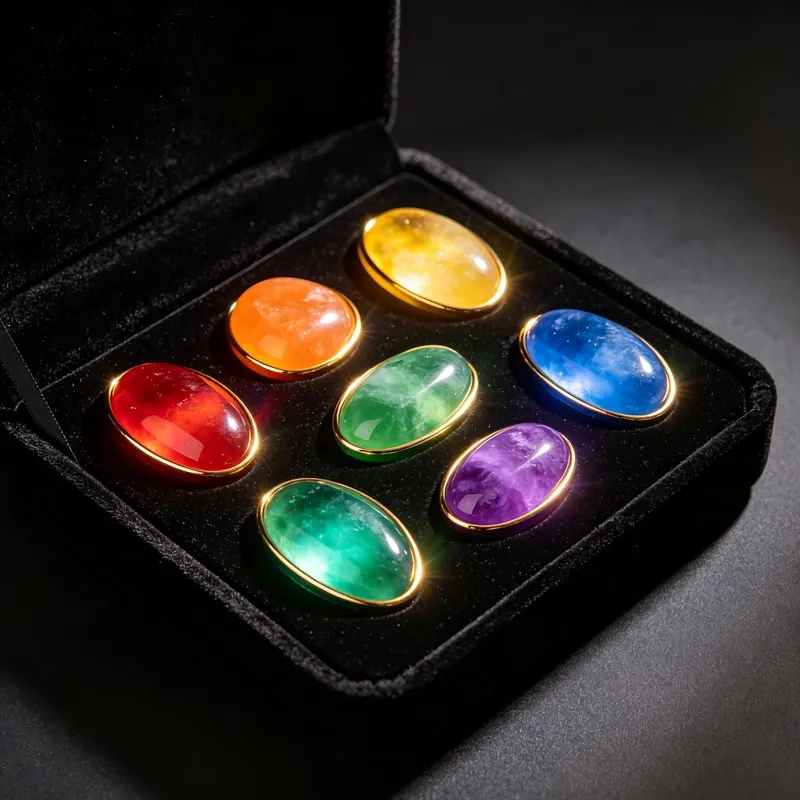
If you are building a small chakra practice around it, a mixed set can help you see how the heart stone fits alongside the others. The 7 Chakra Stone Set with Wooden Display Box includes a heart-chakra stone and gives you a place to keep rhodonite nearby without it getting lost in a drawer.
Rhodonite and the Zodiac
Rhodonite is linked with Taurus for steadying emotion and with Virgo for self-compassion, and it is a popular gift around relationship milestones. It also suits anyone, of any sign, who tends to over-function in relationships — the friend who apologizes first, the partner who manages everyone's feelings but their own. For that person, rhodonite's traditional message is less "be nicer" and more "include yourself."
How to Wear and Use Rhodonite
The most wearable form is a Rhodonite Heart Ring for Love & Forgiveness, or a bracelet kept at the pulse point. For the home, a tumbled stone in a shared space — a living-room shelf or a bedroom corner — is a quiet reminder to lead with warmth.
Practical ways people use it
- Before a hard conversation. Hold it for a minute, name what you actually want from the conversation, then put it in your pocket.
- As a journaling anchor. Keep it on the desk and write one sentence about where you were unkind to yourself that day.
- As a repair ritual. After an argument, hold it while you decide what you owe the other person — and what you owe yourself.
- As a gift. It is a thoughtful stone for someone going through a divorce, a family rift, or a season of self-doubt.
Choosing and sizing
Rhodonite is not a rare stone, so you should not pay a premium for it. For a ring, get sized properly — rhodonite is not adjustable, and a ring that is too tight will crack at the band before it stretches. For a bracelet, measure your wrist snugly and add roughly half an inch for comfort; an 8mm bead bracelet typically sits best when it can rotate but not slide over the hand. For pendants, a stone in the 20–30mm range reads as substantial without feeling heavy.
What tradition teaches — and what is provable
It is worth separating the lore from the geology, because a trustworthy practice depends on knowing which is which.
| Claim | Status | What it means for you |
|---|---|---|
| Supports emotional balance and forgiveness | Traditional lore; not clinically studied | Use it as a reflection cue, not a treatment |
| Hardness around 5.5–6.5 on the Mohs scale | Verifiable mineral fact | Softer than quartz; scratches and chips more easily |
| Safe in water | Partly true | A quick rinse is fine; long soaks can dull the polish |
| Fades in sunlight | Low risk, but be cautious | Short sun exposure is fine; avoid all-day window displays |
| Black veining proves it is real | Generally reliable | Natural manganese veining is a good sign; perfectly uniform pink is suspect |
Rhodonite is a manganese silicate, and the black veining is manganese oxide — that is the mineral fact behind the "grounding" reputation. The emotional claims are tradition, not science. Crystals are for reflection and are not medical devices; if you are struggling with anxiety, grief, or a relationship crisis, a stone is a companion to good care, not a replacement for it.
Caring for Rhodonite
- Water: Brief rinse is usually fine, but skip long soaks — the stone is soft and can dull.
- Sun: Mild sunlight is fine for a short recharge; avoid all-day exposure.
- Cleaning: A soft dry or slightly damp cloth. No ultrasonic or steam cleaners.
- Storage: Keep it in its own pouch, away from harder stones like quartz that can scratch it.
- Recharging: A selenite plate, moonlight, or a minute of intentional holding. The Selenite Cleansing Wand for Energy Clearing is a simple way to keep a small collection clear without water.
What to look for when buying
- Color: A clear rose-pink base with distinct black veining. Muddy, grayish pink is lower grade.
- Pattern: Natural, irregular veins. Suspiciously even stripes or a plastic sheen suggest a fake or a dyed stone.
- Feel: Cool and slightly waxy. Glass or resin feels warmer and lighter.
- Price: Tumbled stones typically run a few dollars; beaded bracelets roughly $15–$40; rings and pendants $25–$80 depending on the metal. Anything far above that is paying for design, not rarity.
- Metal: Sterling silver and gold-plated settings are common; if you have sensitive skin, check the plating before buying.
FAQ
Is rhodonite the same as rhodochrosite?
No. Rhodochrosite is a brighter, more saturated pink and is softer; rhodonite is pink with black veining and is a bit harder. They are often confused because of the similar name and color.
Can rhodonite go in water?
A quick rinse is fine, but avoid soaking — it is a softer stone that can lose polish in water.
Who is rhodonite for?
Anyone healing from conflict or loss, anyone rebuilding self-worth, and people who want to respond with care instead of react with heat.
How do I know rhodonite is real?
Real rhodonite shows natural black manganese veining and a cool, waxy feel. Very uniform or plastic-looking pieces are suspect. For buying cues, see our treated vs natural crystals guide.
Closing
Rhodonite is not a magic stone, and it does not need to be. Its value is in what it asks of you: to feel the hurt, then choose the kind response anyway. Wear it, hold it, or keep it on a shelf where you will see it before you send the message you might regret. If you want to build a small practice around it, start with one piece you will actually use — a ring you love, or a stone for your desk — and let the rest follow.