When You Feel Ungrounded
You might come to root chakra work after a stretch of feeling scattered—waking up already behind, second-guessing decisions, or lying awake running through worst-case scenarios about money, your job, or your home. Or maybe nothing dramatic has happened; you just feel a little floaty, disconnected from your body and from the ordinary rhythm of the day. In chakra traditions, that sense of being "unrooted" is associated with Muladhara, the first energy center, which is believed to govern safety, security, and belonging.
This guide is for anyone curious about grounding crystals—whether you're brand new to the practice or you already own a stone or two and want to use them more intentionally. We'll walk through what the root chakra is traditionally understood to represent, the signs people associate with imbalance, and how to choose, size, wear, and care for grounding stones like black tourmaline, obsidian, and tiger's eye. We'll also be clear about what's tradition and what's verifiable, so you can build a practice that feels honest and useful rather than hyped.
Think of crystals as tools for reflection and ritual—objects that help you slow down, notice how you feel, and set an intention. They invite you to pay attention. They don't replace sleep, therapy, movement, or a conversation with someone you trust.
What Is the Root Chakra?
The Root chakra (Muladhara) sits at the base of the spine and is traditionally associated with your sense of safety, security, and belonging. When balanced, you may feel grounded, steady, and trusting of life. The root is the first of the seven chakras in most modern systems, and it's often described as the foundation the others rest on—so when people feel "off" in a diffuse way, root work is a common starting point.
Its traditional associations are earthy and elemental: the colors red and black, the element of earth, and themes of survival, home, body, and basic needs. You'll sometimes see it linked to the sense of smell and to the physical foundation of the body. Treat these as symbolic correspondences from the tradition rather than anatomical facts—the chakras are not physical organs, and no crystal can "fix" a body system.
Signs of Imbalance
In chakra traditions, an imbalanced root is described through emotional and energetic themes rather than medical symptoms. People often recognize themselves in some of these:
- Feeling anxious, scattered, or ungrounded
- Worry about money, safety, or stability
- Difficulty being present in your body
- Feeling disconnected from home, routine, or a sense of belonging
- Restlessness or a sense that you're "running on empty"
- Over-attachment to security—hoarding, over-planning, or fear of change
These are reflective prompts, not a diagnosis. If anxiety, sleeplessness, or worry is affecting your daily life, that's a signal to talk with a qualified professional. Crystal work can sit alongside that support; it isn't a substitute for it.
Best Root Chakra Crystals
Grounding stones tend to be dark, dense, and earthy—black, brown, deep red, and gold-banded. Here's how the most common ones are traditionally used, plus what to know before you buy.
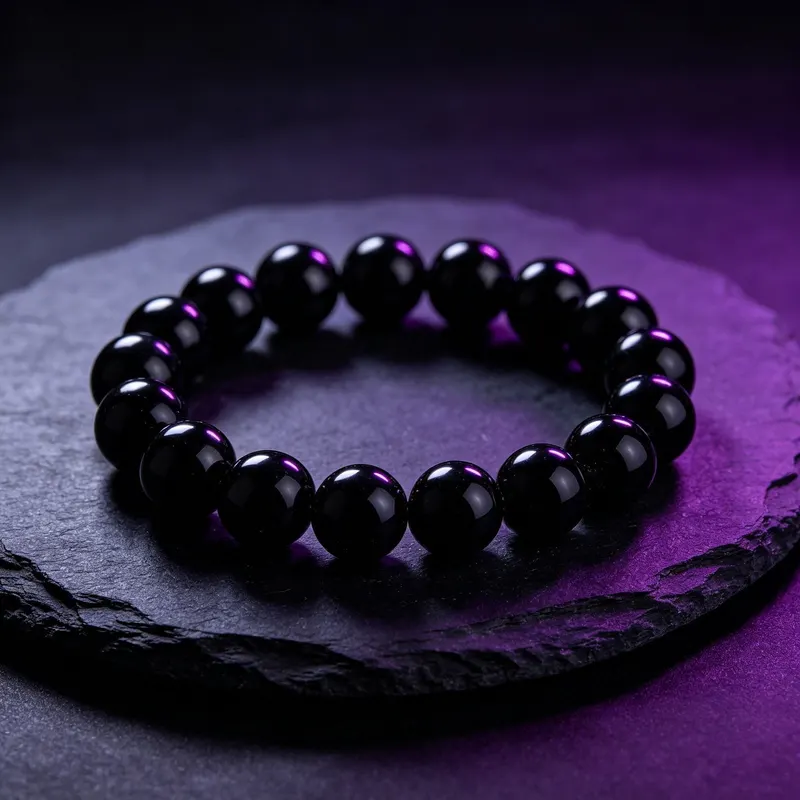
Black Tourmaline
Believed to be protective and deeply stabilizing, black tourmaline is the stone many people reach for first when they feel energetically "exposed." It's a good everyday companion if you want something to hold during a stressful commute or before a difficult conversation. Our Black Tourmaline Protection Bracelet is a practical way to wear it on the wrist.
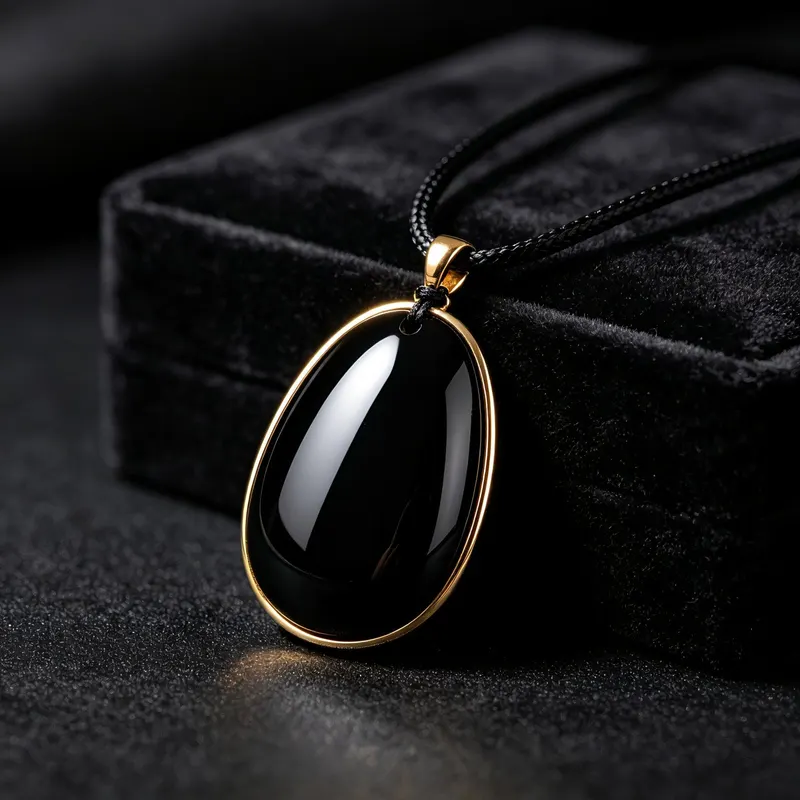
Black Obsidian
Obsidian is volcanic glass—glossy, smooth, and dense. Traditionally it's associated with anchoring scattered energy and inviting honest self-reflection. Because it's glass, it chips more easily than crystalline stones, so a pendant is often a smarter choice than a ring. The Black Obsidian Teardrop Protection Pendant Necklace keeps it close to the heart and out of harm's way.
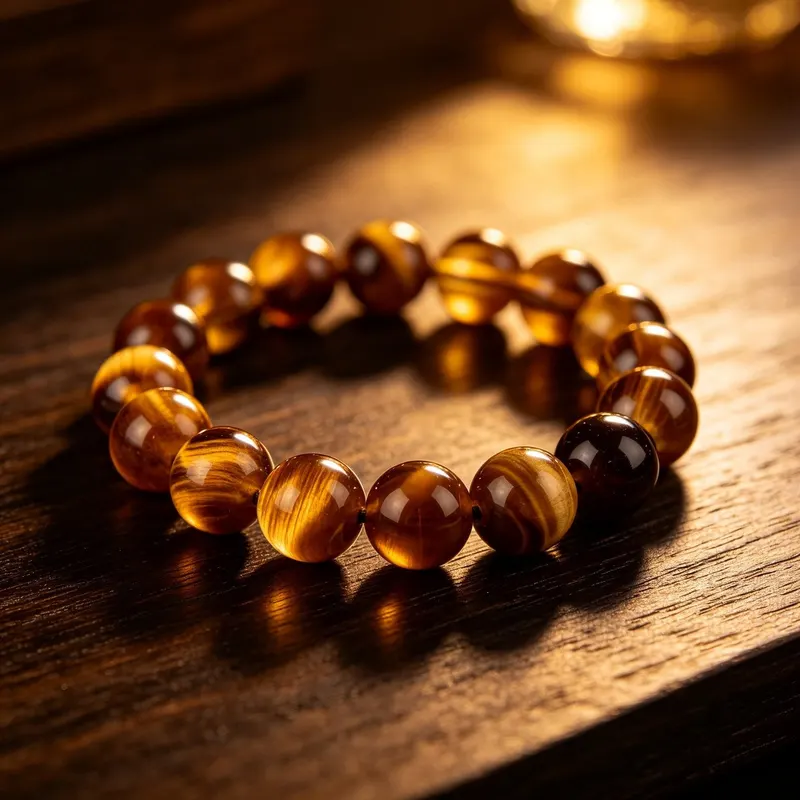
Tiger's Eye
With its shifting gold bands, tiger's eye is traditionally linked to grounded confidence and steady focus—useful when you want courage without the jittery edge. The Tiger's Eye Confidence Bracelet for Focus & Courage is a favorite for workdays and presentations.
Red Jasper & Hematite
These are classic root-chakra allies in the tradition. Red jasper is opaque and earthy; hematite is metallic and heavy, often described as "anchoring." Both are inexpensive and widely available, which makes them good starter stones.
Other Grounding Options
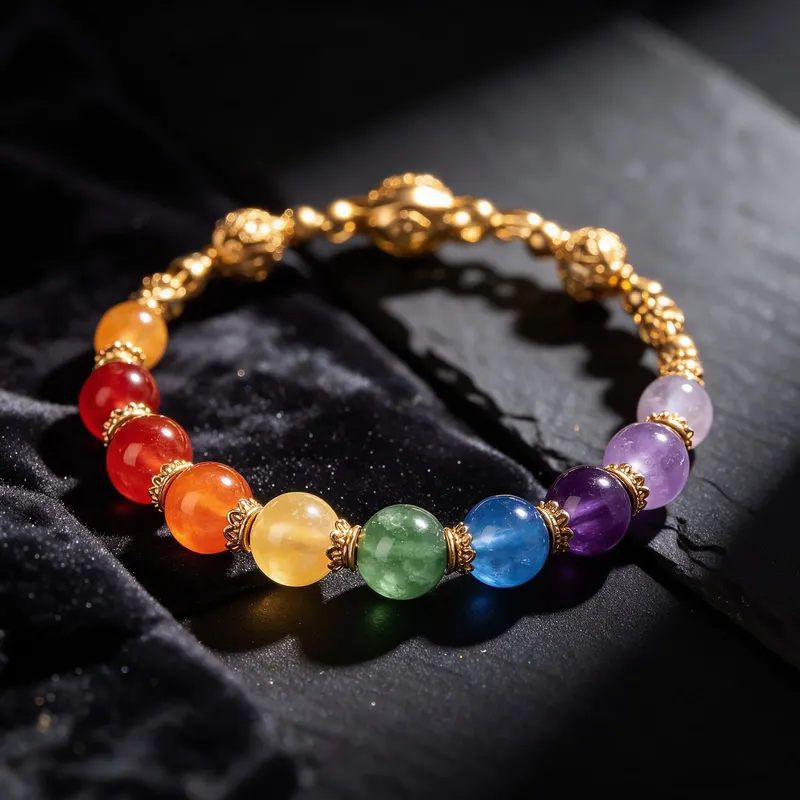
If you're building a set, a mixed-stone approach can help. The 7 Chakra Balancing Bracelet includes root-toned stones alongside the other centers, and the Healing Crystal Starter Kit is a low-pressure way to try several stones before committing to one.
How to Choose: A Practical Checklist
Before you buy, run through these questions. They'll save you money and help you end up with a stone you actually use.
- Form: Bracelet (easy daily wear), pendant (close to the heart, less wear), or loose stone (for meditation and altars).
- Size: Measure your wrist snugly with a soft tape, then add about 0.5 inch (1.3 cm) for comfort. Most beaded bracelets list a circumference; if you're between sizes, size up.
- Weight and feel: Grounding stones are dense. A heavier stone can feel more "anchoring" in the hand—but comfort matters more than theory.
- Durability: Obsidian is glass (chips); hematite can flake at edges; quartz and tourmaline are tougher. Match the form to the stone.
- Appearance: Look for even color, secure stringing, and smooth, well-finished beads. Natural stones vary—some banding and inclusions are normal and expected.
- Price expectations: Simple beaded bracelets and small tumbled stones typically run from roughly $15–$45. Pendants in sterling silver or gold-plated settings often land around $40–$90. Large display pieces and clusters cost more. Be skeptical of any stone priced as a "rare" bargain—or as a miracle.
Wearing and Placing Root Chakra Stones
There's no single correct way to work with these stones; the tradition offers options, and you can choose what fits your day.
- At the base of the spine: Lie down and rest a stone just below the tailbone during quiet breathing or a body scan.
- In your pocket: A tumbled stone or small point you can touch when you notice tension—a physical cue to pause and breathe.
- At the feet: Place stones near your feet during meditation to symbolize being supported by the ground.
- On the wrist or at the throat: Bracelets and pendants keep the stone with you through the day; a pendant rests near the heart rather than the root, which many people prefer for calm rather than pure grounding.
- On an altar or desk: A cluster or display set anchors a corner of your space and serves as a visual reminder of your intention.
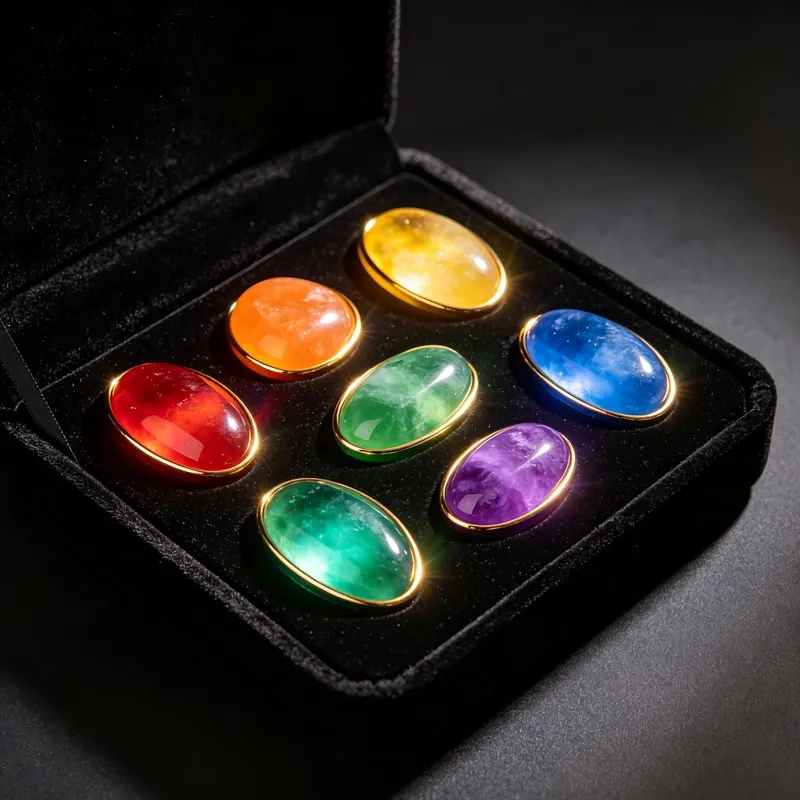
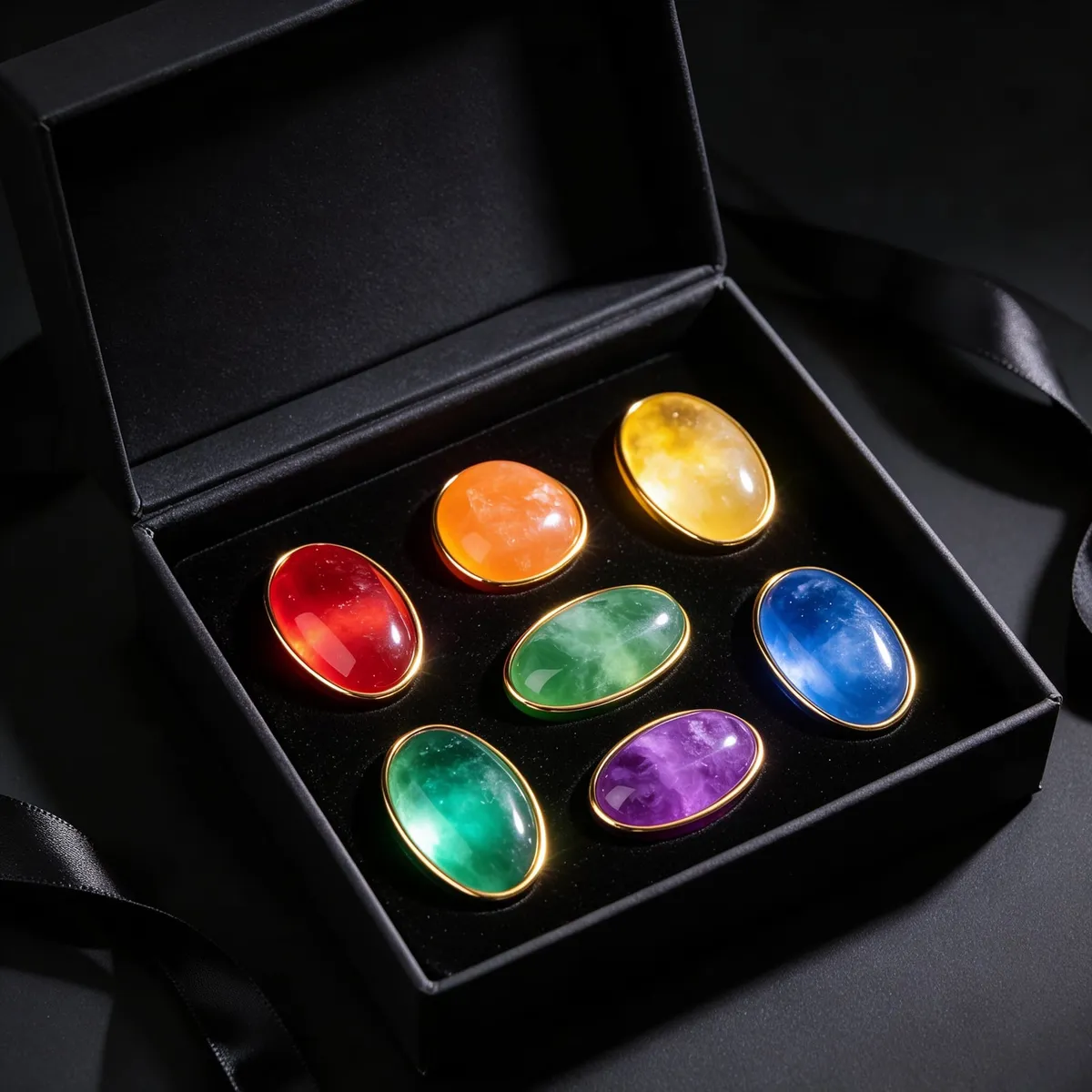
If you're working with the whole system, a set like the 7 Chakra Stone Set with Wooden Display Box lets you keep root stones alongside the others and rotate them as your focus shifts.
What the old stories say — and what checks out
It's worth separating the symbolic from the measurable, because a trustworthy practice depends on knowing which is which.
| Claim or property | What the tradition says | What we can verify |
|---|---|---|
| Grounding and safety | Dark stones are believed to stabilize energy and invite a sense of security | No scientific evidence that stones affect energy fields; the reflective ritual may support calm attention |
| Hardness | — | Measured on the Mohs scale: obsidian about 5–5.5, hematite about 5–6, black tourmaline 7–7.5, quartz 7, tiger's eye about 6.5–7 |
| Water sensitivity | Some traditions cleanse stones with water | Selenite and hematite should be kept dry; obsidian and quartz tolerate brief rinsing; prolonged soaking isn't recommended for most |
| Sunlight | Sunlight is often used to "recharge" stones | Many dark and colored stones can fade with long sun exposure; brief indirect light is safer |
| Care | Regular cleansing is part of the ritual | Wipe with a soft dry cloth, store separately to avoid scratches, and avoid harsh chemicals and ultrasonic cleaners |
In short: the lore is real as lore, and the physical properties are real as physics. Neither one promises an outcome. Crystals are for reflection and are not medical devices.
A Grounding Ritual
This simple practice takes about five minutes and works well as a morning reset or an evening wind-down.
- Sit with your feet flat on the floor and hold a root stone in each hand—or one stone in your dominant hand if that's all you have.
- Breathe slowly, lengthening the exhale slightly, and let your shoulders drop.
- Visualize roots extending from the base of your spine into the earth, anchoring you.
- Name one thing that helps you feel safe today—a person, a place, a routine—and hold it in mind for a few breaths.
- Set the stones down and notice how your body feels before you move on.
If you like to cleanse your stones between sessions, a Selenite Cleansing Wand is a traditional tool for the job—keep it dry, since selenite dissolves in water. Working all seven energy centers? Explore the full chakra guide.
FAQ
People Also Ask
Where do you place root chakra stones?
At the base of the spine while lying down, in your pocket, or at the feet during meditation. Many people also keep one on a desk or altar as a visual anchor.
What color is the root chakra?
Red and black, connecting to the element of earth. Grounding stones in those tones—tourmaline, obsidian, red jasper, hematite—are the traditional choices.
How do I cleanse and care for grounding crystals?
Wipe them with a soft dry cloth and store them separately to prevent scratches. Avoid prolonged soaking, harsh chemicals, and ultrasonic cleaners. Keep selenite and hematite dry, and limit direct sunlight for colored stones.
Do I need all seven chakra stones to start?
No. One stone you actually use is more valuable than a set that sits in a drawer. Start with a single grounding stone, then add a set like the 7 Chakra Stone Set if you want to explore the full system.
Shop the Stones
- Black Tourmaline Protection Bracelet
- Black Obsidian Protection Pendant
- Tiger's Eye Confidence Bracelet
- 7 Chakra Stone Set with Box
Keep Exploring
Grounding Crystals · The 7 Chakras · Chakra Balancing Guide
Crystals are intended to support personal and spiritual well-being and are not medical devices. They do not diagnose, treat, cure, or prevent any disease. If you are struggling with your mental or physical health, please reach out to a qualified professional.