Two Soft, Luminous Stones—Very Different Jobs
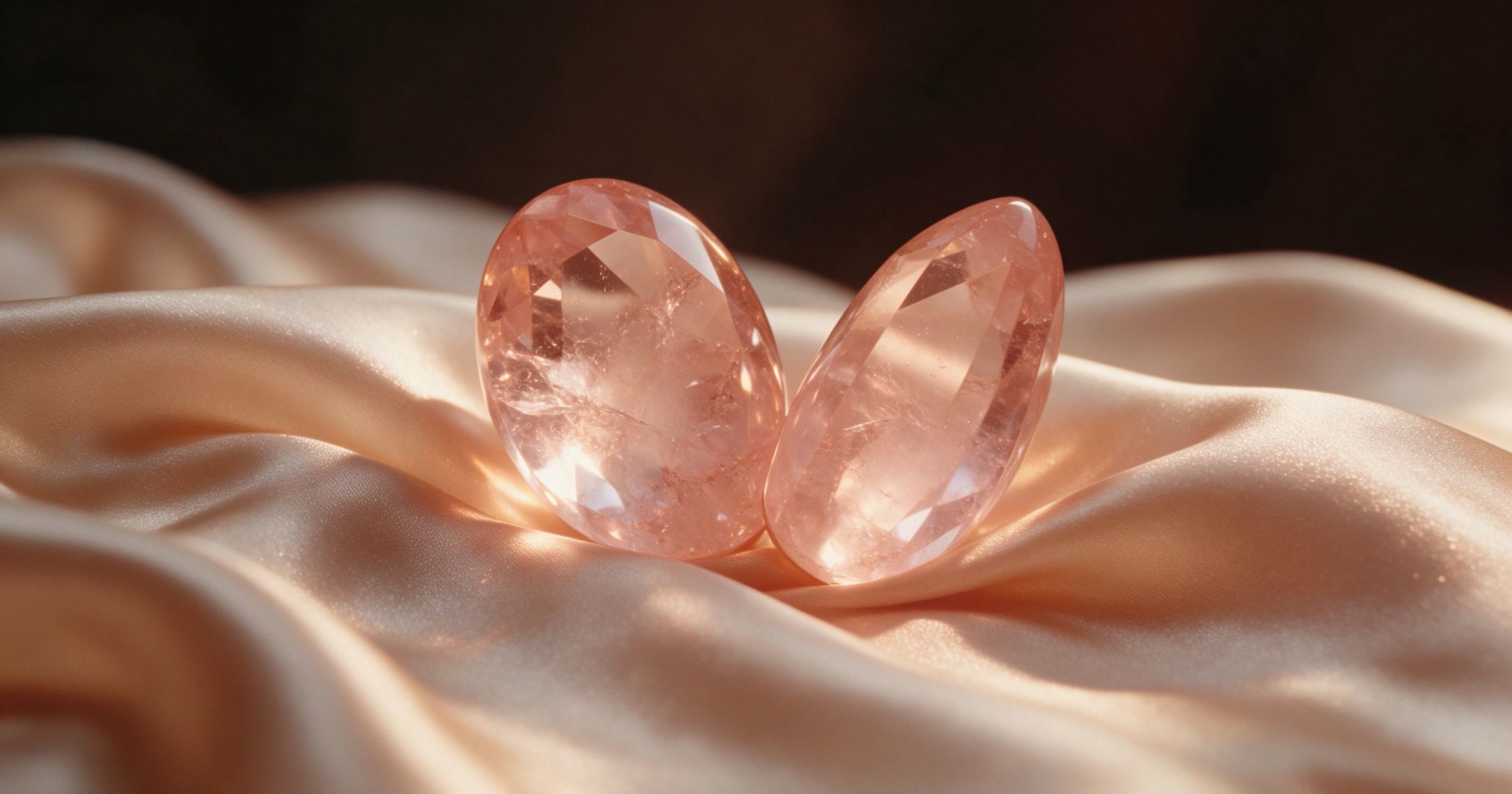
You are standing in front of two pale, pearly stones and they look like cousins: one blush pink, one milky with a blue shimmer. Both are traditionally associated with gentleness, both are popular gifts, and both get recommended for "the heart." So which one actually belongs in your life right now?
The short answer is that they are not interchangeable. Rose quartz is the classic stone of love and compassion—toward others, but just as often toward yourself. Moonstone is traditionally linked to intuition, cycles, and fresh starts. One asks you to soften; the other asks you to listen. If you are choosing a first heart-centered stone, or deciding which to wear during a particular season of life, the difference matters.
This guide compares the two by meaning, chakra association, practical use, and care, then shows how to wear them together. We will be clear about what is tradition and what is verifiable gemology, so you can choose with confidence rather than guesswork.
Rose Quartz vs Moonstone at a Glance
Here is the side-by-side comparison most people are looking for. Keep in mind that "meaning" and "chakra" columns reflect traditional and spiritual associations, not scientific claims.
| Feature | Rose Quartz | Moonstone |
|---|---|---|
| Color & look | Soft pink, translucent to milky; usually even in tone | Milky white to peach with a blue or rainbow "sheen" (adularescence) |
| Mineral family | Quartz (silicon dioxide) | Feldspar (orthoclase and albite layers) |
| Mohs hardness | 7 | 6–6.5 |
| Traditional themes | Love, self-compassion, emotional soothing, forgiveness | Intuition, feminine cycles, new beginnings, inner knowing |
| Chakra association | Heart chakra | Third eye and sacral chakra (traditions vary) |
| Best for | Self-care rituals, relationships, healing after hurt | Life transitions, journaling, decision-making, cycle awareness |
| Care notes | Fades in prolonged direct sun; avoid harsh chemicals | More fragile; keep away from knocks, hot water, and household cleaners |
| Typical bracelet price | Roughly $20–$60 for natural 8mm beads | Roughly $25–$70; blue-sheen pieces cost more |
Rose Quartz: The Stone of Love and Self-Compassion
Rose quartz has been called the heart stone for centuries, and it is one of the most widely used crystals in modern spiritual practice. Traditionally, it is associated with compassion, emotional gentleness, and the quiet work of learning to treat yourself kindly. Many people reach for it after a breakup, during a period of self-doubt, or simply as a daily reminder to soften.
In chakra traditions, rose quartz is tied to the heart chakra, which is believed to govern love, connection, and emotional balance. Whether or not you work with chakras, the stone's symbolism is easy to use: it invites you to notice where you are hard on yourself and to practice something gentler.
How people use rose quartz
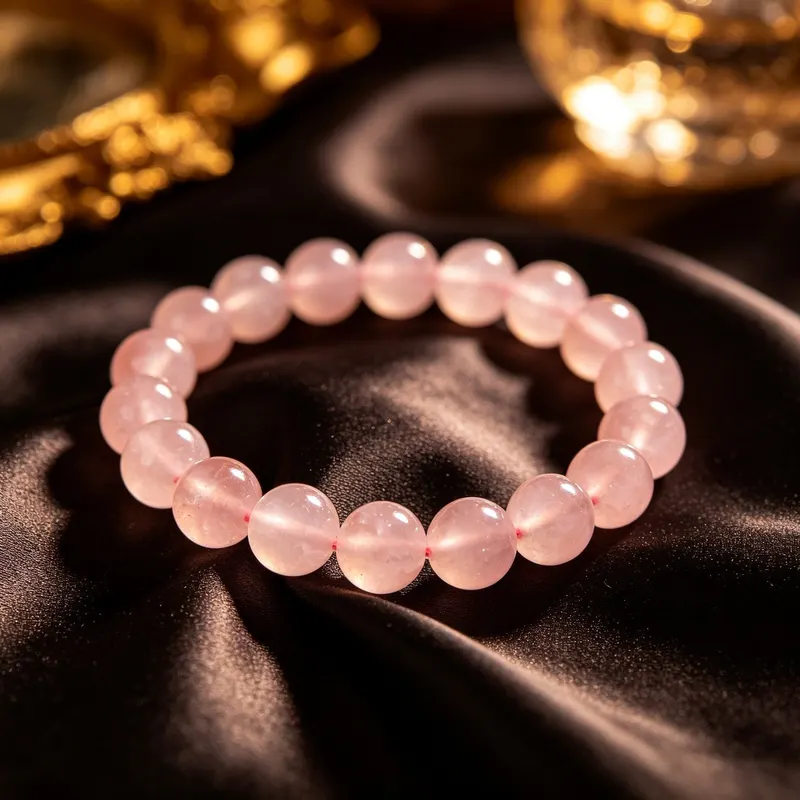
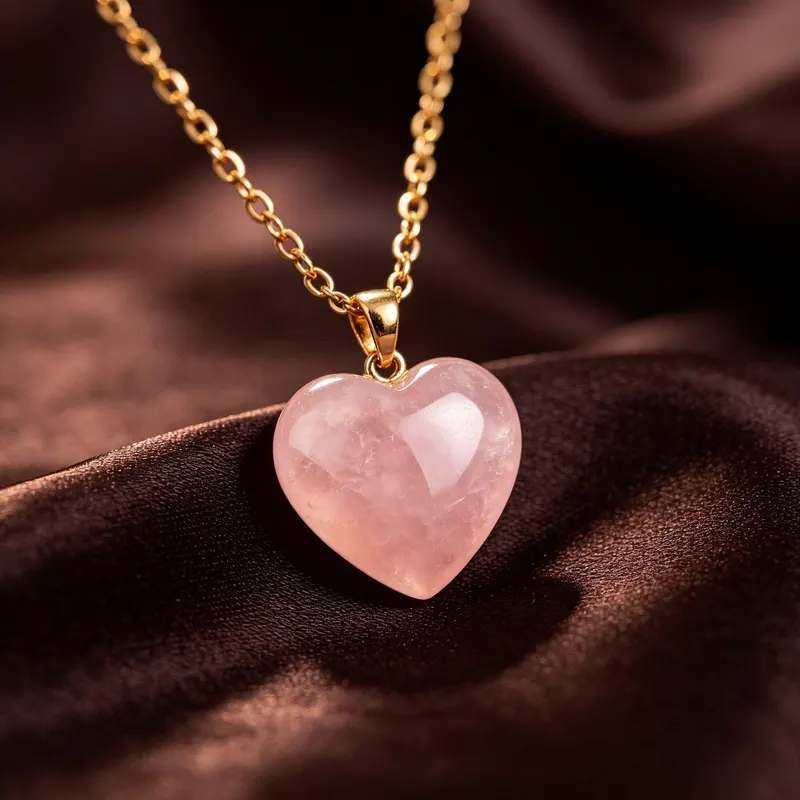
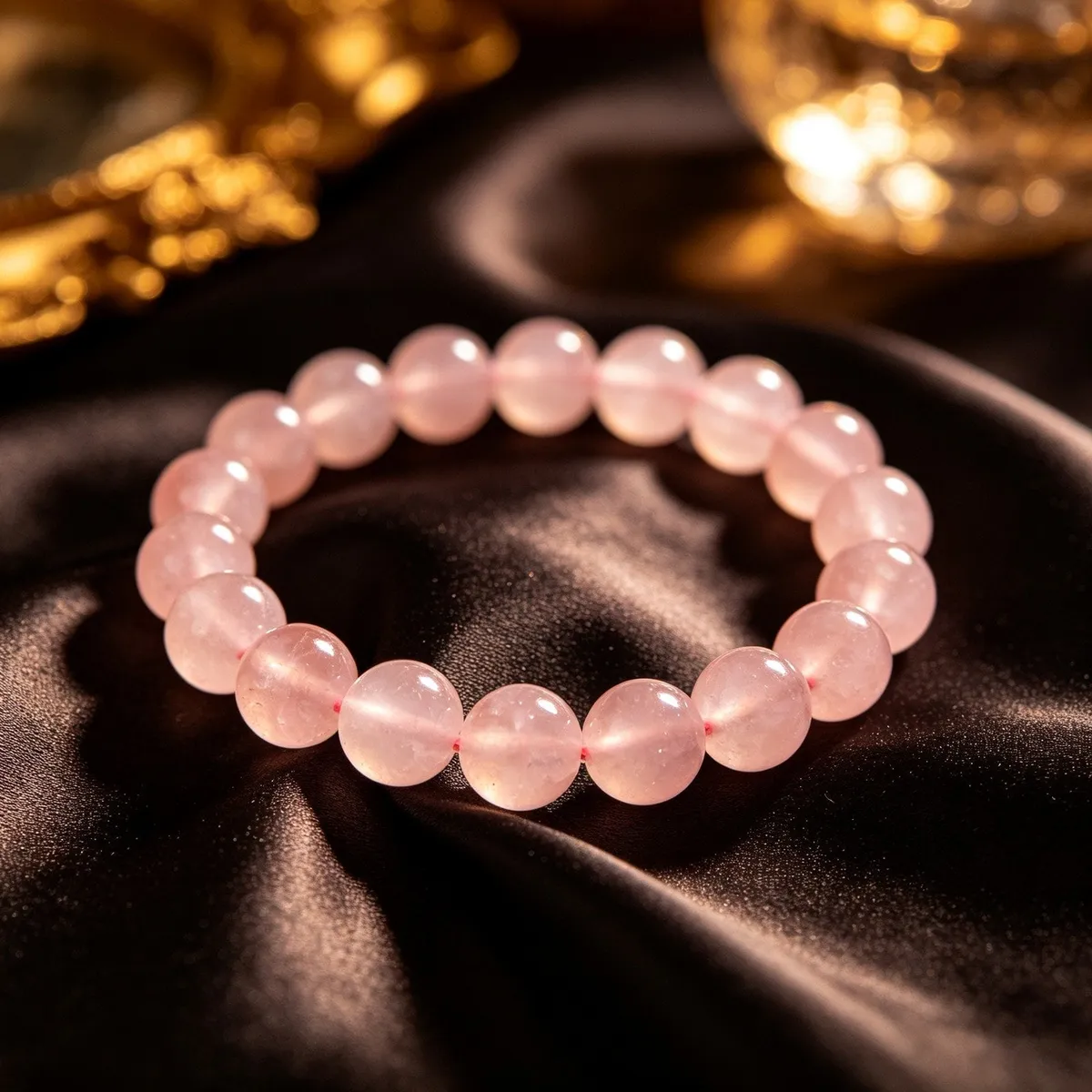
- Daily wear: a bracelet keeps the reminder on your wrist; a pendant keeps it close to the heart. The Rose Quartz Love Bracelet is a natural everyday choice, while the Rose Quartz Heart Pendant Necklace suits anyone who prefers jewelry over beads.
- Self-care rituals: holding the stone during a few minutes of slow breathing or journaling, especially around themes of forgiveness.
- Relationships: some people keep a piece on a bedside table or desk as a reminder to communicate with warmth.
Rose quartz is durable enough for everyday wear at Mohs 7, but its color can fade with prolonged direct sunlight, so store it away from a bright windowsill.
Moonstone: The Stone of Intuition and New Beginnings
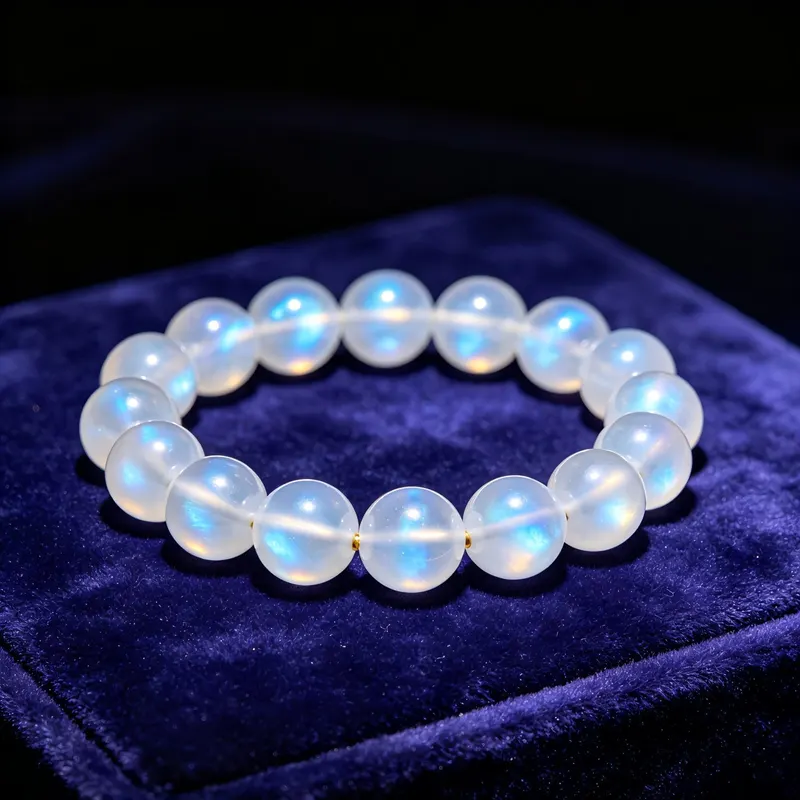
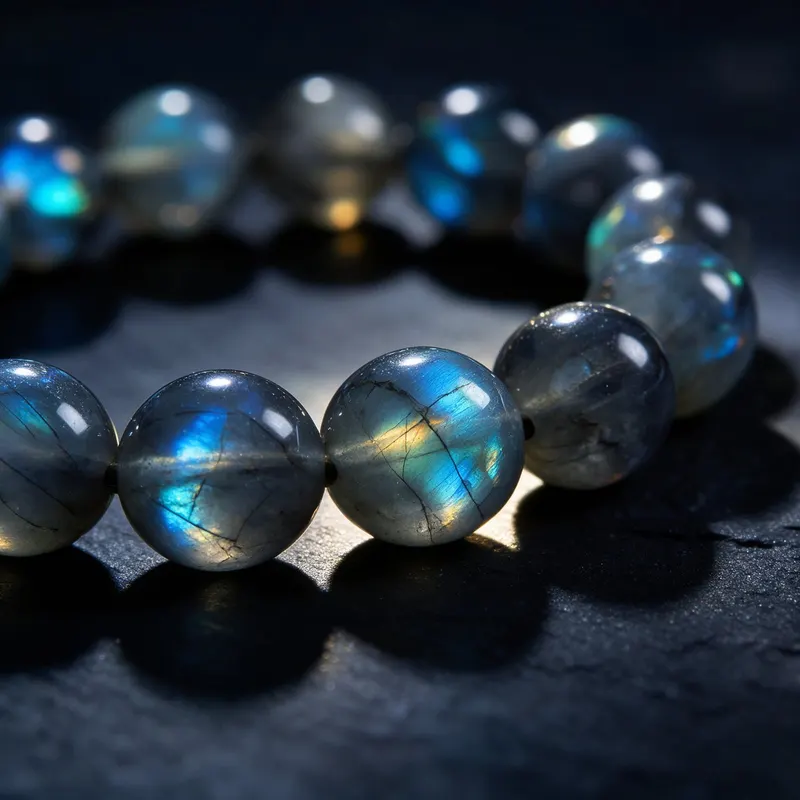
Moonstone is a feldspar known for its floating blue or rainbow sheen, a phenomenon called adularescence. Traditionally, it is linked to the moon, feminine cycles, intuition, and thresholds—the moments when one chapter ends and another begins. It is a favorite during moves, career changes, and periods of personal reinvention.
Chakra associations vary by tradition, but moonstone is most often connected to the third eye (insight, inner knowing) and sometimes the sacral chakra (creativity and cycles). Practitioners often describe it as a stone that invites you to trust your own timing rather than rush a decision.
How people use moonstone
- Transitions: wearing it during a move, a new job, or a fresh start as a symbolic anchor. The Rainbow Moonstone Bracelet is designed for exactly this kind of season.
- Reflection: keeping it near a journal or on an altar to prompt a nightly check-in on how you feel and what you sense.
- Cycle awareness: some people track their energy and moods alongside the moon phases as a reflective practice—not a medical one.
Moonstone is softer than rose quartz at Mohs 6–6.5, so treat it more gently: avoid knocks against hard surfaces, remove it before cleaning, and keep it out of hot water.
Which Stone Should You Choose?
Use this quick checklist to decide. There is no wrong answer—only the stone that fits your current season.
- Choose rose quartz if you are working on self-compassion, recovering from emotional hurt, or want a daily reminder to lead with warmth in your relationships.
- Choose moonstone if you are in the middle of a transition, want to strengthen your intuition, or are drawn to cycles, reflection, and fresh starts.
- Choose both if you want a "self-love through change" pairing—rose quartz for gentleness, moonstone for trusting the process.
- Consider your lifestyle: if you are rough on jewelry or wear pieces 24/7, rose quartz's extra hardness makes it the more forgiving everyday option.
- Consider your aesthetic: warm blush pink versus cool pearly shimmer. Pick the one you will actually want to look at every day.
What is handed down — and what we can verify
It is worth separating lore from gemology so you know what you are buying and how to care for it.
Traditional lore (belief, not fact)
- Rose quartz is traditionally associated with love, compassion, and heart-centered healing; it is believed to support emotional softness.
- Moonstone is traditionally associated with intuition, feminine energy, and new beginnings; it is believed to support inner knowing during change.
- Chakra associations (heart for rose quartz; third eye and sacral for moonstone) come from spiritual traditions, not clinical research.
What we can verify
- Hardness: rose quartz is Mohs 7; moonstone is Mohs 6–6.5. Both are softer than diamond (10) and can scratch with careless storage.
- Sunlight: rose quartz's pink can fade with prolonged direct sun exposure; store it in a drawer or pouch.
- Water and chemicals: both should be kept away from harsh cleaners, chlorine, and prolonged soaking. Moonstone is especially vulnerable to thermal shock from hot water.
- Cleaning: wipe with a soft, damp cloth and dry gently. For deeper cleaning, use mild soap and lukewarm water briefly, then pat dry.
- Authenticity: natural moonstone shows a moving sheen when tilted; glass imitations often look flat. Natural rose quartz may have subtle inclusions—perfectly uniform, bubble-free pink is a red flag.
Crystals are for reflection and are not medical devices. They do not diagnose, treat, cure, or prevent any disease.
How to Wear Rose Quartz and Moonstone Together
Pairing the two is a popular practice, and it is easy to do thoughtfully. The goal is a gentle combination that supports self-compassion during change—not a stack of competing energies.
- Bracelet stack: wear rose quartz on one wrist and moonstone on the other, or stack both on the same wrist with a neutral spacer like clear quartz to keep the look balanced.
- Necklace plus bracelet: a rose quartz heart pendant near the heart with a moonstone bracelet on the wrist is a classic "soft heart, clear intuition" pairing.
- Sizing: measure your wrist snugly with a soft tape, then add about half an inch for comfort. Most beaded bracelets come in 6.5–7.5 inch sizes; check the product page for exact measurements.
- Ritual: set a simple intention when you put them on—rose quartz for kindness, moonstone for trust—and revisit it at the end of the day.
If you want to explore more heart-centered pieces, the Love & Relationships Collection gathers complementary stones in one place.
FAQ
People Also Ask
Which is better for love, rose quartz or moonstone?
Rose quartz is the traditional love and compassion stone and is the more common choice for relationship and self-love intentions. Moonstone is chosen more for new beginnings and intuition, though some people pair the two during a fresh start in a relationship.
Can you wear rose quartz and moonstone together?
Yes. They are a gentle, complementary pairing—rose quartz for self-compassion and moonstone for trusting change. Wear them on separate wrists or stack them with a neutral spacer, and keep moonstone away from knocks since it is the softer of the two.
How do I tell real moonstone from glass?
Natural moonstone shows a moving blue or rainbow sheen (adularescence) that shifts as you tilt it, and it may have subtle internal inclusions. Glass imitations tend to look flat or uniformly milky with no shifting glow. When in doubt, buy from a seller who discloses the stone type and origin.
How should I cleanse and care for these stones?
Wipe both with a soft, damp cloth and dry gently. Keep rose quartz out of prolonged direct sun to protect its color, and keep moonstone away from hot water, harsh cleaners, and hard knocks. Many people also cleanse them by sound, moonlight, or smoke—those are spiritual practices, not requirements.
Closing Thoughts
Rose quartz and moonstone are both soft, luminous, and heart-centered—but they serve different seasons. Choose rose quartz when you need gentleness and self-compassion; choose moonstone when you need to trust your intuition through change. And if you cannot decide, wear both: a soft heart and a clear inner compass are a beautiful pairing.
Crystals are intended to support personal and spiritual well-being and are not medical devices. They do not diagnose, treat, cure, or prevent any disease.