What Does It Mean to Set an Intention?
You've probably held a crystal in a shop, felt something — a cool weight, a quiet pause — and then wondered what to actually do with it. Maybe you bought it, brought it home, and now it sits on a shelf doing nothing. Or you've read that crystals "work" but nobody explained the part where you do the work. That's where intention-setting comes in.
Setting an intention is the practice of clearly naming what you want to cultivate, release, or pay attention to. It's not a wish list and it's not a promise that anything will happen. Think of it as a deliberate, focused statement you make to yourself — and a crystal is simply a physical object that reminds you of that statement every time you see or touch it. The stone doesn't do the manifesting. It holds the reminder.
This guide walks you through a beginner-friendly ritual, how to choose a stone that fits your intention, realistic expectations for buying and caring for crystals, and an honest look at what tradition claims versus what we can actually verify. Crystals are for reflection and are not medical devices.
Why a Crystal Helps at All
Most of us set intentions constantly and forget them by Thursday. A crystal works as a cue — the same way a ring on your finger reminds you of a commitment or a note on the fridge reminds you to call someone. Because it's tactile, visible, and slightly unusual, it interrupts autopilot. You touch it, you remember what you decided.
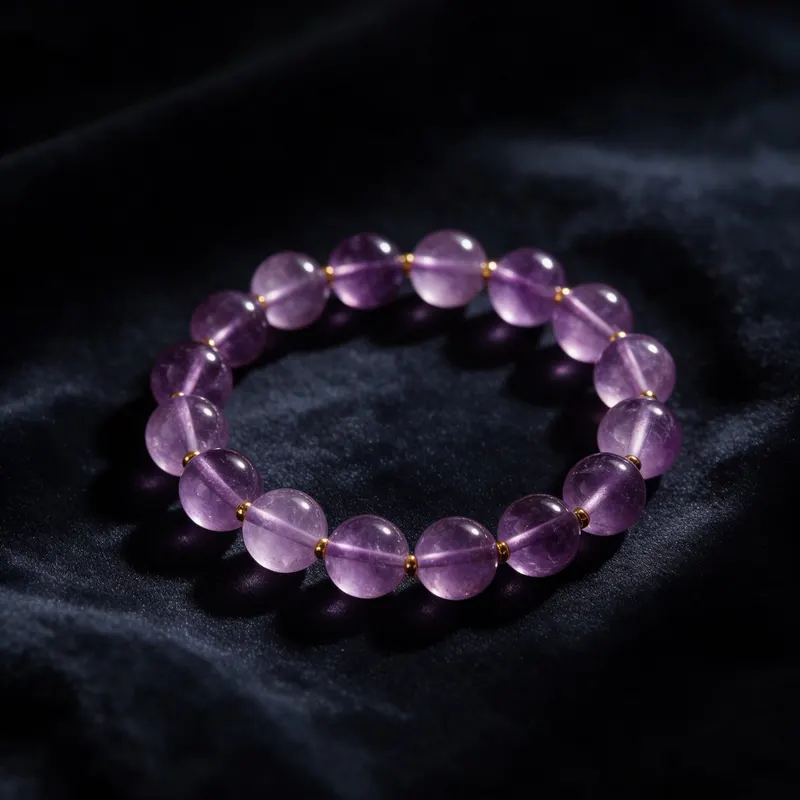
In crystal traditions, different stones are traditionally associated with different qualities. Amethyst is believed to support calm and clarity; rose quartz is linked to self-love and heart-centered connection; black tourmaline is traditionally associated with grounding. None of this is a guarantee. It's a symbolic language — and symbols are useful precisely because they give your intention a shape you can hold.
Step-by-Step Intention Ritual
You don't need a full altar or an hour of silence. Fifteen quiet minutes and one stone are enough. Here's the sequence, with notes on what each step is actually doing.
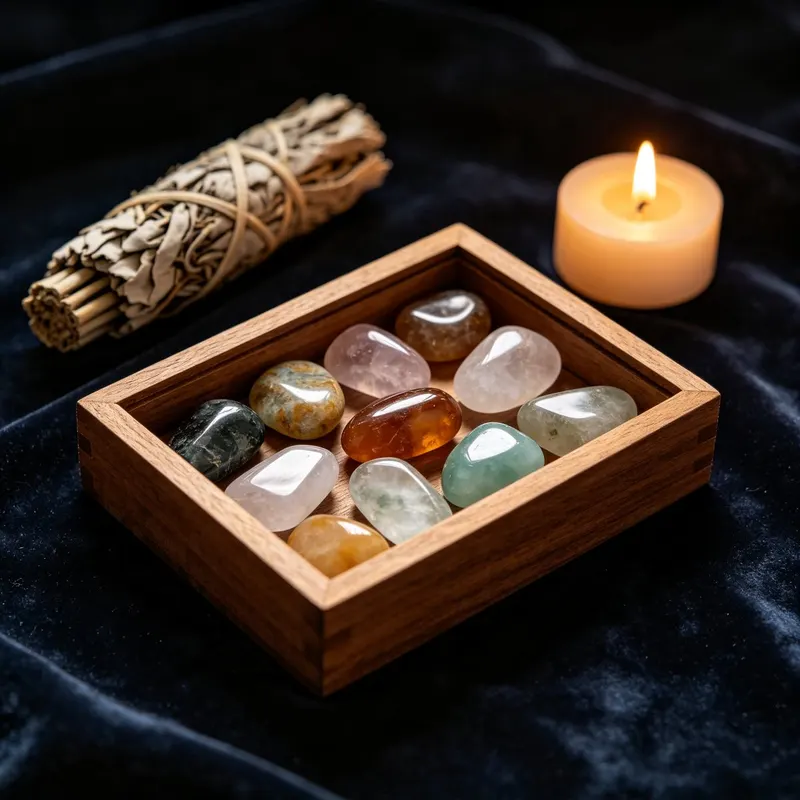
- Cleanse your crystal — Start with a clean slate. If the stone is new, a quick rinse (only if water-safe — see the care section below) or a pass with a cleansing wand clears any lingering "old energy" in the traditional sense. It also just feels like a fresh start.
- Find a quiet space — Sit somewhere you won't be interrupted for ten minutes. A bedroom corner or a parked car works fine.
- Hold the crystal — Cup it in both hands. Notice its temperature and weight. This is grounding in the most literal sense.
- Breathe deeply — Take three slow breaths. Let your shoulders drop. You're shifting out of task-mode.
- Visualize — Imagine the quality you want as if it's already present. Not the outcome (a specific job, a specific person) but the feeling: steadiness, openness, focus.
- Speak your intention — State it in the present tense: "I am…" rather than "I want…" The wording matters less than the clarity. Say it out loud if you can.
- Seal it — Imagine your attention settling into the stone. Some people picture light; some just give it a final squeeze. The gesture is the point.
- Keep it close — Wear it, pocket it, or set it where you'll see it daily. An intention you never revisit fades.
Repeat the ritual whenever the intention feels stale — monthly is plenty for most people, and re-stating it after a big life change is a good habit.
Choosing a Stone for Your Intention
Pick by the quality you're cultivating, not by which stone is trending. The table below maps common intentions to stones in our collection, with a note on how each is typically worn or used.
| Your intention | Stone to consider | How it's typically used |
|---|---|---|
| Calm, restful sleep, mental quiet | Amethyst | Bracelet worn daily, or a raw cluster near the bed |
| Self-love, openness to connection | Rose quartz | Bracelet or pendant worn close to the heart |
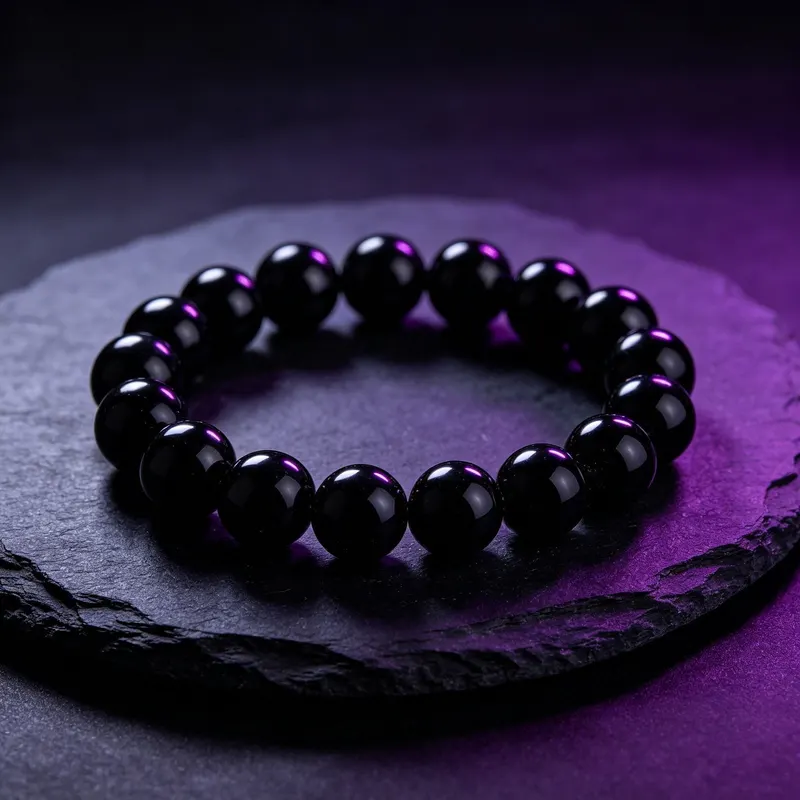
| Grounding, boundaries, feeling steady | Black tourmaline, obsidian | Bracelet or pendant, especially on busy days |
| Confidence, focus, forward motion | Tiger's eye, carnelian, fluorite | Bracelet worn on the dominant wrist as a cue |
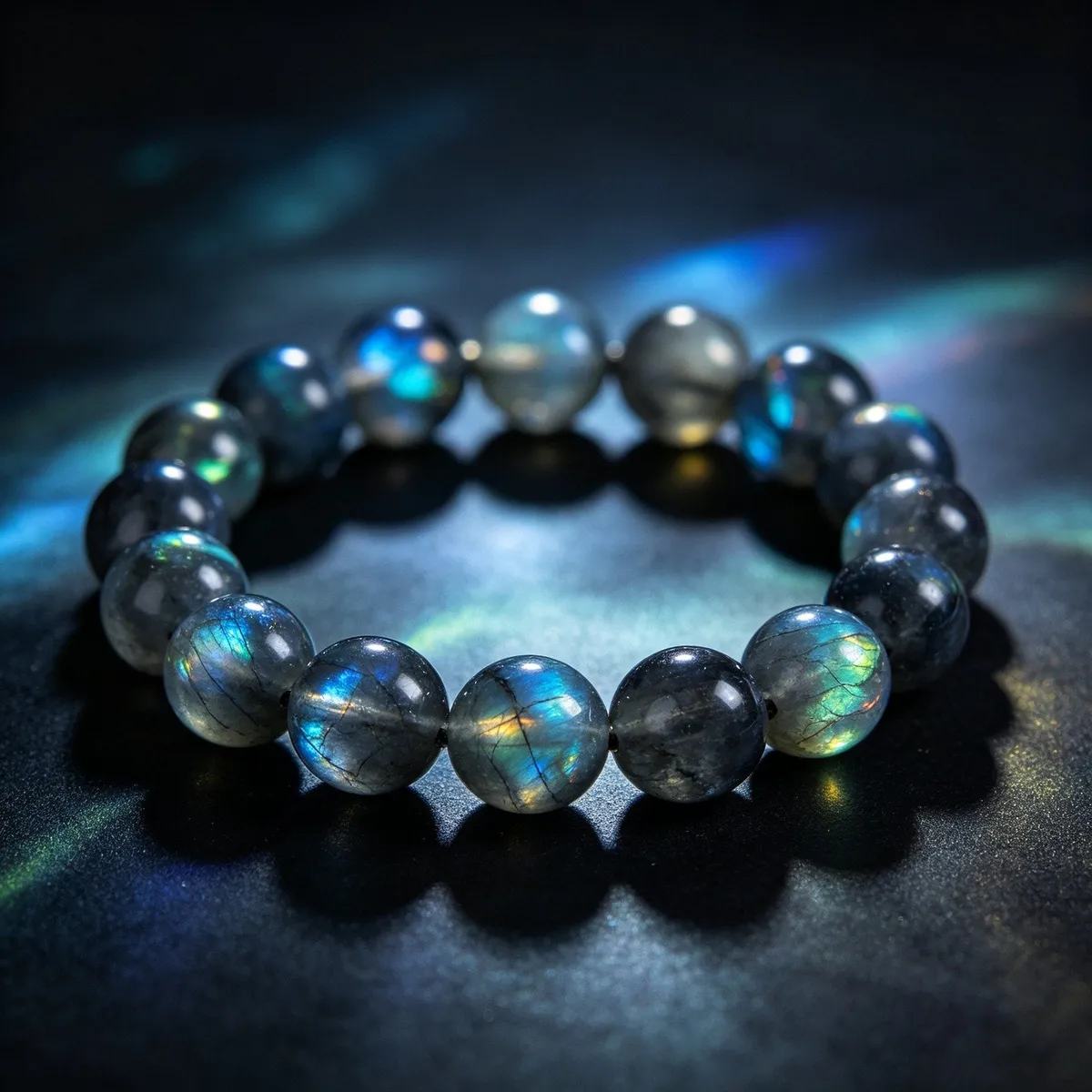
| Intuition, new chapters | Labradorite, moonstone | Bracelet, often during transitions or journaling |
| Clear communication, steadiness under pressure | Aquamarine, lapis lazuli | Pendant for meetings, presentations, hard conversations |
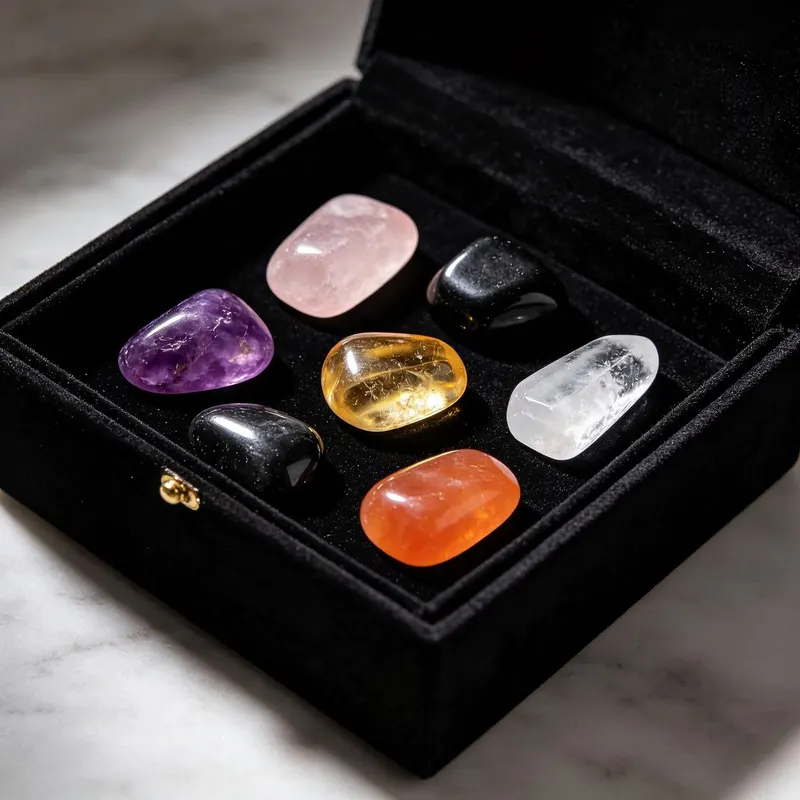
| A little of everything / first stone | Mixed chakra sets, starter kits | Set on a shelf or tray; one stone at a time |
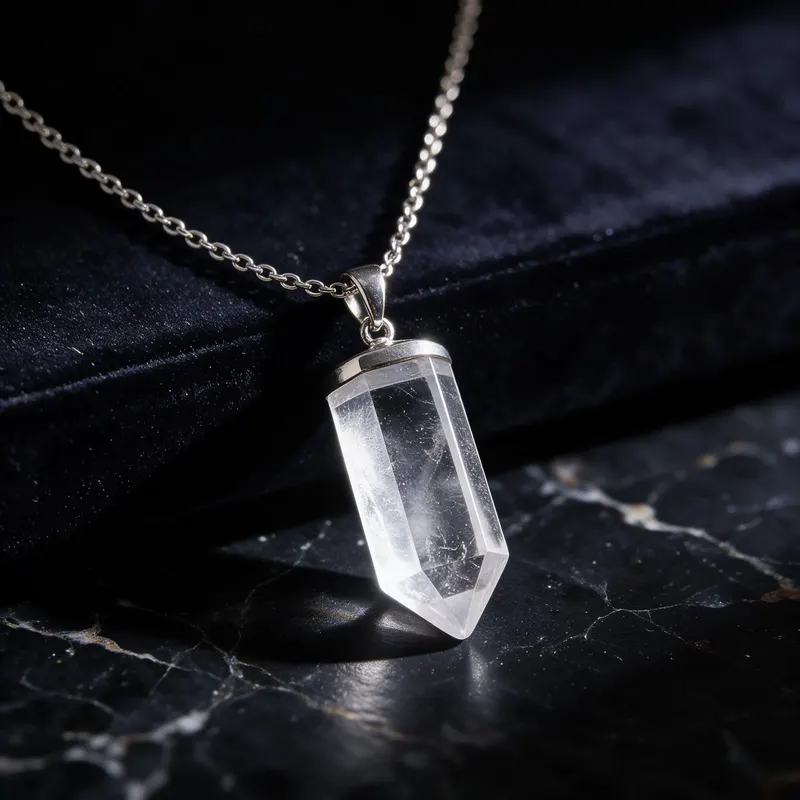
A few practical picks: the Amethyst Healing Bracelet is the most common first choice for a calm-focused intention, and the Black Tourmaline Protection Bracelet pairs well with any "hold my ground" intention. If you're drawn to a pendant instead of a bracelet, the Clear Quartz Point Pendant is the traditional "amplifier" stone — often chosen when you want one piece to stand in for a broad intention. And if you're genuinely unsure, the Healing Crystal Starter Kit lets you try several stones before committing to one.
What to Look For (and What to Expect to Pay)
Crystal pricing is wildly inconsistent, so here's a realistic frame. Bracelets made from genuine, decent-quality tumbled stone typically run $20–$60; pendants with sterling silver or gold-plated settings usually land $30–$90; raw clusters and display pieces range from $25 for a small amethyst cluster to well over $100 for large specimens. Anything dramatically cheaper is often glass, dyed quartz, or resin — not necessarily bad, but not what you're paying for.
- Check the color for uniformity. Natural stones usually have slight variation, inclusions, or banding. Perfectly even color across every bead can signal dyeing.
- Ask what the stone is. A reputable seller names the mineral, not just "healing crystal."
- Feel the weight. Real stone is cool and dense; plastic and resin feel light and warm up fast.
- Look at the setting. For pendants, check that the bail is secure and the metal is described honestly (sterling silver vs. gold-plated brass).
- Size the bracelet. Measure your wrist and add about half an inch for a comfortable fit. Most beaded bracelets are 7–7.5 inches; if you're between sizes, size up.
- Don't overpay for "certification." Be skeptical of any seller promising documented energetic effects — that's not a thing that can be certified.
Traditional beliefs vs. verifiable facts
It's worth separating two very different kinds of claims, because a trustworthy crystal practice depends on knowing which is which.
What tradition says: Different stones carry different energetic qualities; crystals can be "programmed" with intention; cleansing removes accumulated energy; certain stones support calm, love, protection, or clarity. These are symbolic and cultural frameworks. They're meaningful to many people and worth respecting — but they are not scientific claims, and no one should present them as proven.
What we can verify: Hardness, water sensitivity, sunlight fading, and safe handling are all measurable. This is where most crystal damage happens, and it's entirely preventable.
- Mohs hardness runs 1–10. Quartz (amethyst, clear quartz, citrine, rose quartz) sits at 7 — durable for daily wear but still scratchable by harder materials. Selenite is a 2 and scratches with a fingernail; keep it off jewelry you'll bang around. Fluorite is a 4 and chips easily. Moonstone and labradorite are around 6–6.5 and benefit from care.
- Water sensitivity: Selenite dissolves in water — never rinse it. Malachite, lapis lazuli, and fluorite should also stay dry. Quartz-family stones tolerate a quick rinse; dry them promptly.
- Sunlight: Amethyst, rose quartz, citrine, and fluorite can fade with prolonged direct sun. Store them away from a bright windowsill.
- Cleaning: A soft dry cloth is safest for almost everything. Avoid ultrasonic cleaners and harsh chemicals on porous or soft stones.
- Physical safety: Small beads are a choking hazard for children and pets. Keep raw clusters out of reach of kids who mouth objects.
For cleansing, a dry method is the safest default — the Selenite Cleansing Wand is traditionally used to "clear" other stones by passing it nearby, and it sidesteps the water problem entirely. Just keep the wand itself dry.
Writing Intentions That Actually Stick
Vague intentions fade. Specific, feeling-based ones last. Notice the difference:
- "I am calm and centered when I open my inbox." (specific, situational)
- "I am open to connection and treat myself kindly today." (feeling-based, not outcome-based)
- "I trust my intuition when I make this decision." (about your stance, not the result)
- "I notice when I'm grounded and return to it." (a practice, not a promise)
Avoid intentions that hinge on other people or guaranteed outcomes — "I will get the job," "he will come back," "I will pass the exam." Those aren't intentions you can practice; they're results you can't control. Frame them around how you want to show up instead. This is also why the ritual language matters: "I am" statements describe a stance you're choosing, not a future you're owed.
FAQ
People Also Ask
How often should I "recharge" my crystal's intention?
Whenever it stops feeling meaningful — for most people that's every few weeks or after a significant change. There's no required schedule. Re-doing the ritual is a chance to check whether the intention still fits your life.
Can I set more than one intention on one crystal?
You can, but it dilutes the cue. One stone, one clear intention works better as a reminder. If you have several intentions, use several stones — this is exactly what chakra sets and starter kits are for.
Does the crystal have to be "real" or expensive to work?
The reminder effect doesn't depend on price or rarity. A $15 tumbled stone you carry daily will serve you better than a $200 specimen that lives in a drawer. Buy what you'll actually use.
What if I don't feel anything during the ritual?
That's common and fine. The ritual is a focusing exercise, not a test of sensitivity. If nothing happens, the intention still got your attention for ten minutes — which is the point. Some people feel more with repetition; some never feel much, and that's not a failure.
A Closing Note
Start with one stone and one sentence. Cleanse it, hold it, breathe, say what you're cultivating, and keep it where you'll see it. Revisit the intention when it goes quiet. The crystal is a reminder — the practice is yours. Crystals are for reflection and are not medical devices.