When Everyday Life Feels a Little Unsteady
You might be here because something feels off in a way that's hard to name. Maybe you wake up already braced for bad news, or you can't settle at night even when you're exhausted. Maybe you've moved recently, changed jobs, or had a stretch where money, housing, or a relationship felt less secure than usual, and your body hasn't caught up to the fact that you're okay. Or perhaps nothing dramatic has happened at all—you just feel floaty, scattered, and a little disconnected from your own life.
In chakra traditions, that cluster of experiences is often described as a root chakra that's out of balance. The root chakra (called muladhara in Sanskrit) is the first of the seven major chakras, traditionally located at the base of the spine. It's associated with safety, stability, belonging, and the simple physical fact of being in a body. When people say the root is "blocked," they usually mean it feels under-supported—like the foundation of a house that needs attention.
This guide walks through seven commonly described signs of an unbalanced root chakra, the grounding crystals traditionally paired with each one, and practical ways to work with them. We'll also separate the traditional lore from what we can actually verify about these stones, so you can choose thoughtfully and care for what you buy.
What the Root Chakra Does
In the chakra system, the root is the foundation for the other six centers. It's traditionally associated with the earth element, the color red, the sense of smell, and the basic drives of survival and security—food, shelter, money, health, and belonging. Where the upper chakras are often described in terms of insight or expression, the root is about the ground you stand on.
When the root feels balanced, practitioners describe a sense of being at home in your body and your life: you can rest, you trust that your basic needs are met, and you feel connected to a place and people. When it feels "blocked" or depleted, everyday life can seem shaky. If you want a deeper dive into the stones traditionally connected to this center, explore our root chakra guide.
7 Signs Your Root Chakra May Be Out of Balance
These are traditional and self-reflective markers, not diagnostic criteria. Read them as prompts for noticing, not as a checklist that proves anything about your health.
- 1. You feel ungrounded or "floaty." A sense of being slightly detached from your body or your surroundings—like you're watching your day from a step back.
- 2. Worry about money, safety, or basic security runs in the background. Constant low-grade anxiety about rent, bills, or the future, even when things are objectively fine.
- 3. You have trouble settling, resting, or feeling at home. Restlessness at night, difficulty relaxing in your own space, or a nagging sense that you don't quite belong where you are.
- 4. Your energy feels scattered and your stamina is low. Starting many things and finishing few, or feeling physically drained without an obvious cause.
- 5. You crave certainty and control. Over-planning, over-checking, or difficulty tolerating ambiguity—a common way the need for security shows up.
- 6. Your body feels disconnected. Ignoring hunger, fatigue, or tension until it becomes impossible to ignore; a sense of living "from the neck up."
- 7. You feel isolated or unmoored from community. A lack of belonging—to a place, a group, or even your own routines—that leaves you feeling adrift.
If several of these resonate, that's useful information about how you're feeling. It's not a diagnosis, and it's worth noting that persistent anxiety, sleep problems, or low energy can have medical causes. Crystals are for reflection; they're not a substitute for care from a qualified professional.
Grounding Crystals Traditionally Associated With the Root Chakra
In crystal lore, dark, dense, earth-toned stones are most often paired with the root chakra. Here's how the most common ones are traditionally described—and what to look for when you shop.
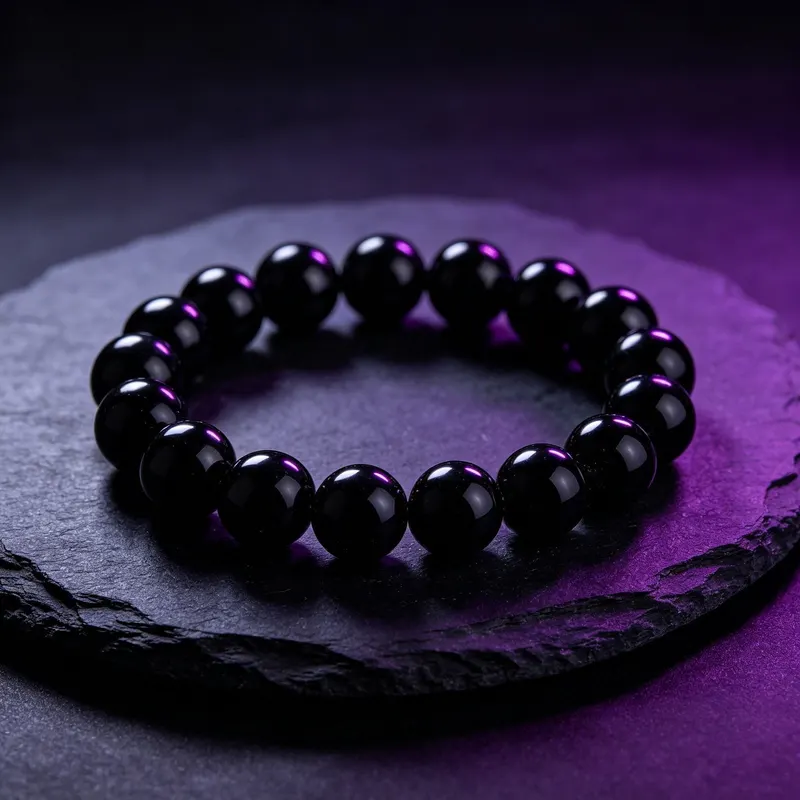
Black Tourmaline
Traditionally associated with protection and grounding, black tourmaline is one of the most-recommended root stones. Many people keep a piece nearby during stressful periods or hold one during slow breathing. The Black Tourmaline Protection Bracelet for Grounding is a wearable option if you like having a stone on your wrist through the day.
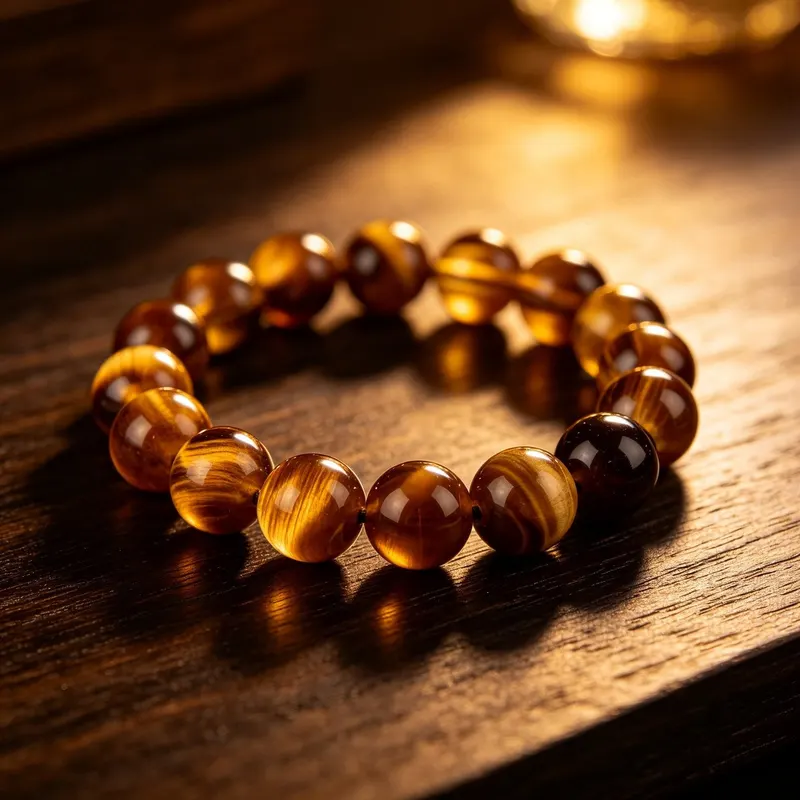
Tiger's Eye
Tiger's eye is believed to support steady confidence and a sense of security—useful when the root imbalance shows up as self-doubt. The Tiger's Eye Confidence Bracelet for Focus & Courage pairs well with intention-setting around work or daily routines.
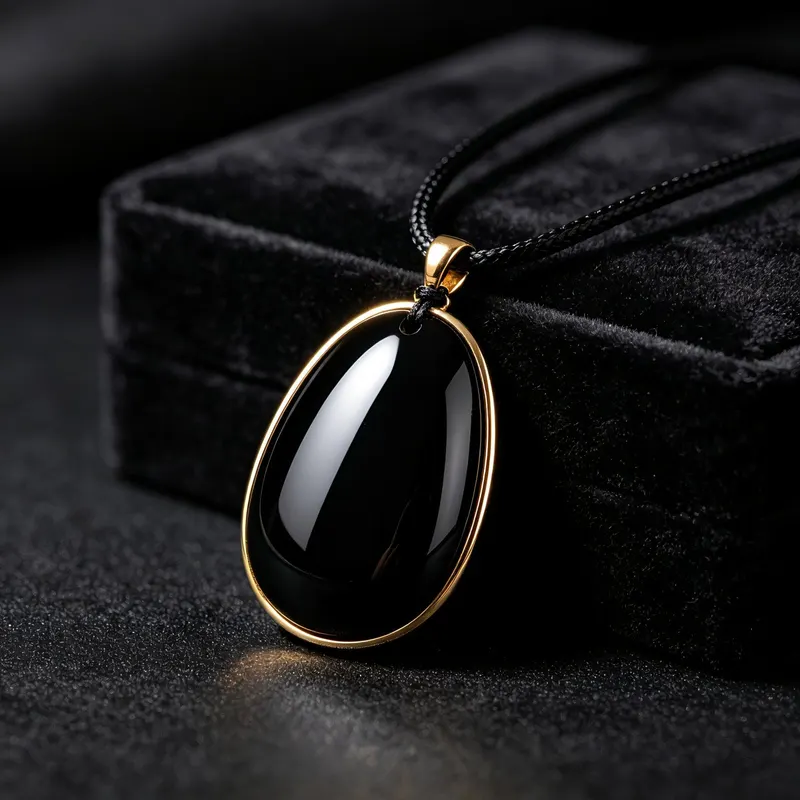
Black Obsidian
Obsidian is traditionally associated with truth and protection, and it's often described as a stone for facing what's uncomfortable rather than avoiding it. A pendant like the Black Obsidian Teardrop Protection Pendant Necklace keeps a grounding stone close to the body.
Red and Earth-Toned Stones
Carnelian, red jasper, and hematite are also commonly linked to the root because of their color and density. If you're drawn to warmer tones, a red stone can be a natural fit.
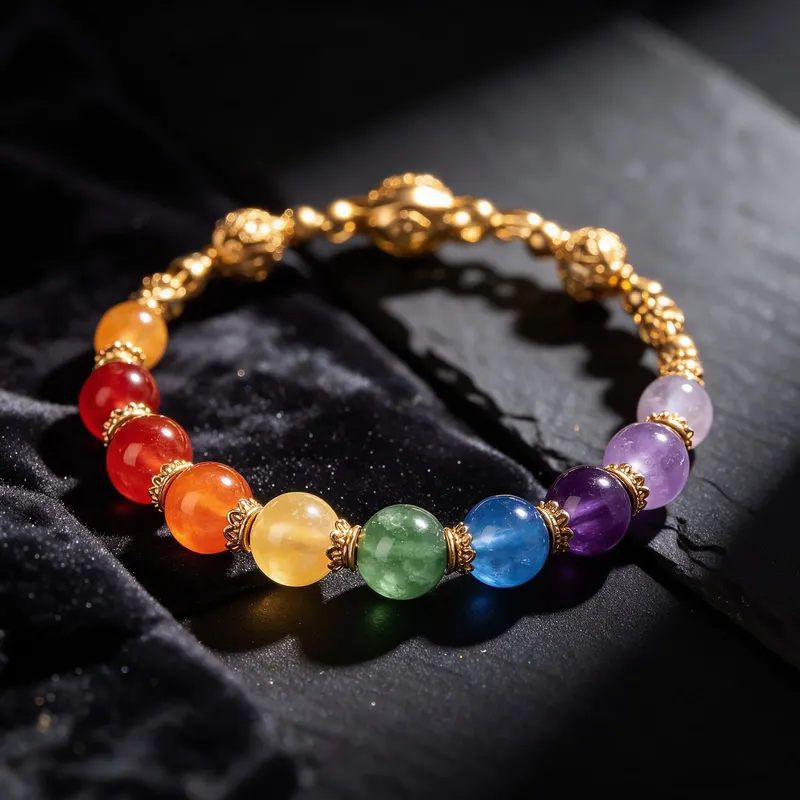
For Overall Balance
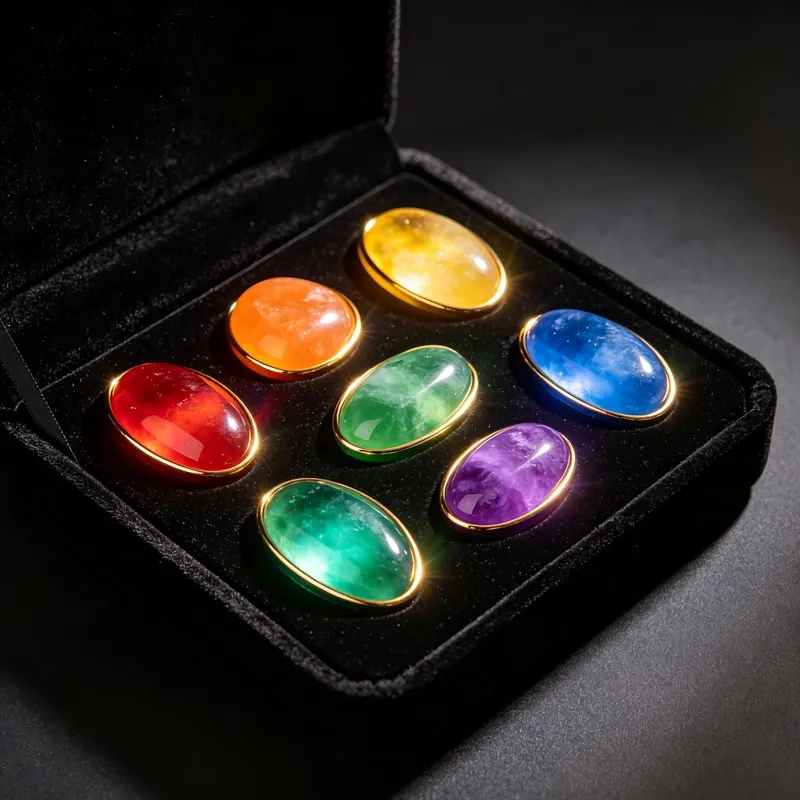
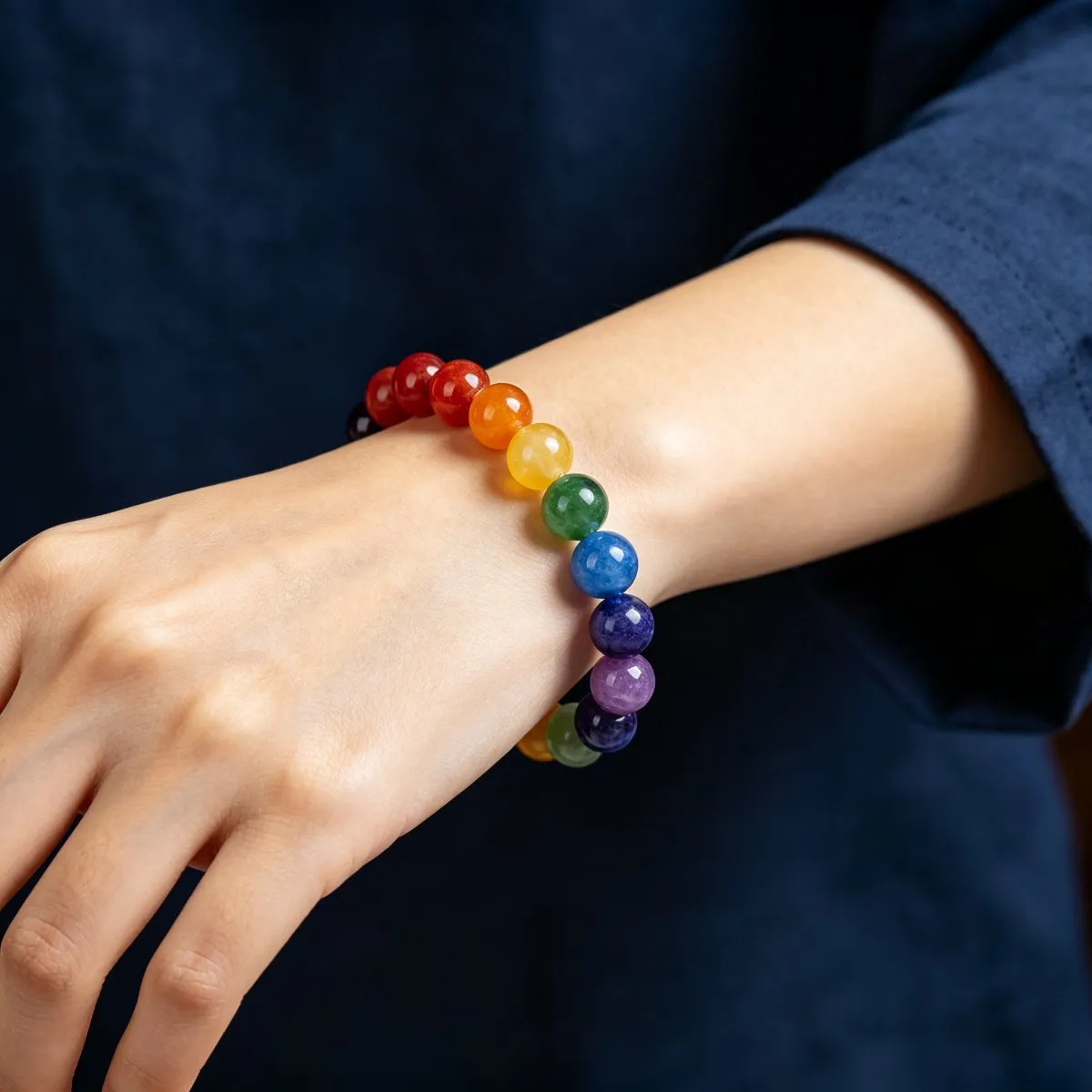
If you're not sure which center needs attention, a set that covers all seven is a practical starting point. The 7 Chakra Balancing Bracelet, Natural Mixed Stones is designed for that purpose, and our 7 Chakra Stone Set with Wooden Display Box works well for a meditation shelf or altar.
Choosing a Grounding Stone: A Quick Comparison
Use this table to match a stone to the way your imbalance tends to show up. Prices are typical US retail ranges for bracelets and small pendants; carved or larger display pieces cost more.
| Stone | Traditionally associated with | Best format | Typical price (US) |
|---|---|---|---|
| Black tourmaline | Protection, grounding | Bracelet or tumbled stone | $20–$45 |
| Tiger's eye | Confidence, steady security | Bracelet | $18–$40 |
| Black obsidian | Truth, protection | Pendant | $25–$60 |
| Carnelian | Motivation, vitality | Bracelet | $18–$40 |
| Mixed 7-chakra | Overall balance | Bracelet or stone set | $25–$75 |
These ranges reflect common pricing for natural-stone jewelry; unusually cheap pieces are often dyed glass or resin, and unusually expensive ones usually reflect premium metalwork rather than the stone itself.
How to Choose and Wear Grounding Crystals
A few practical pointers will help you get more from a stone and avoid disappointment:
- Choose by feel first. Hold or imagine the stone and notice your response. If a dark stone feels heavy or oppressive, a warmer one like carnelian may suit you better.
- Sizing matters for bracelets. Measure your wrist with a soft tape and add about half an inch for a comfortable fit. Bead bracelets are usually listed by bead size (6mm, 8mm, 10mm); larger beads feel bolder and heavier.
- Check the listing for stone type and metal. Look for "natural" stone and note whether the clasp or chain is sterling silver, gold-plated, or base metal—this affects durability and price.
- Start with one stone. A single grounding piece you actually wear beats a drawer full of stones you never touch.
- Set a simple intention. Before wearing a new stone, hold it for a minute and name what you want it to remind you of—steadiness, safety, rest.
If you're new to crystals altogether, a beginner set can help you explore before committing to individual pieces. The Healing Crystal Starter Kit, 7 Stones + Guide includes a guide and covers the major centers.
What is handed down — and what we can verify
Crystal traditions are rich and worth exploring, but it helps to be clear about which claims are lore and which are measurable facts. Here's the honest split.
Traditional lore (offered for reflection, not as fact)
- That specific stones are "associated with" grounding, protection, or security.
- That holding or wearing a stone can support a sense of calm or focus through intention and ritual.
- That certain colors and elements correspond to the root chakra.
What we can verify
- Hardness (Mohs scale). Quartz-family stones like amethyst and clear quartz rate about 7; black tourmaline is roughly 7–7.5; obsidian is about 5–5.5; tiger's eye is about 6.5–7; carnelian is about 6.5–7. Softer stones scratch more easily, so store them separately.
- Water sensitivity. Selenite and halite dissolve or degrade in water; opals and some porous stones can be damaged by soaking. Avoid submerging these for "cleansing."
- Sunlight sensitivity. Amethyst, rose quartz, and many dyed or treated stones can fade with prolonged direct sun. Dry, indirect light is safer.
- Care basics. Wipe with a soft dry or slightly damp cloth; avoid harsh chemicals, perfume, and chlorine. Remove bracelets before showering, swimming, or heavy chores.
What we can't verify is any claim that a crystal treats a condition or produces a specific outcome. We don't make those claims, and you shouldn't rely on them.
A Simple Grounding Practice
This five-minute routine pairs well with any root stone. Do it whenever you feel scattered.
- Stand or sit with both feet flat on the floor. Feel the contact points—heels, balls of the feet, toes.
- Hold your grounding stone in one hand and breathe slowly for a full minute, lengthening the exhale.
- Name three things that make you feel safe right now—a person, a place, a routine.
- Set the stone down somewhere you'll see it tomorrow as a reminder.
Repeat it daily for a week and notice whether anything shifts. The point isn't magic; it's giving your nervous system a reliable cue to settle.
FAQ
People Also Ask
How do I know if my root chakra is blocked?
There's no test for this. In tradition, persistent feelings of anxiety, instability, or disconnection from home and body are common signs. Treat them as prompts for reflection, and if anxiety or sleep problems are significant, talk to a healthcare professional.
What's the fastest way to feel grounded?
Slow breathing with a longer exhale, feeling your feet on the floor, and holding a grounding stone like black tourmaline or tiger's eye are quick, low-effort resets. A short walk outside helps too.
How do I cleanse or recharge a grounding crystal?
Common methods include wiping with a dry cloth, resting the stone on selenite, or leaving it in indirect moonlight. Skip water for soft or porous stones and avoid long direct sun, which can fade color.
Can I wear a grounding bracelet every day?
Yes—many people do. Just remove it before showering, swimming, or using cleaning products, and check the elastic or clasp periodically for wear.
Browse the Curated Collection
If you'd like to explore further, the full edit is here: Chakra Healing Collection →. You can also revisit our grounding guide and chakra balance guide for more context.
Crystals are intended to support personal and spiritual well-being and are not medical devices. They do not diagnose, treat, cure, or prevent any disease. Crystal lore is offered for reflection, not as medical or psychological advice.