The Seat of Personal Power
The solar plexus chakra, known in Sanskrit as Manipura, is traditionally located in the upper abdomen, a few inches above the navel. In chakra systems it is associated with confidence, self-worth, willpower, and the courage to act on your goals. When people describe a balanced solar plexus, they usually mean a steady, unshowy kind of self-trust: the ability to make a decision, hold a boundary, and follow through without needing constant reassurance.
If you have landed here, chances are you are looking at yellow and golden stones—citrine, tiger's eye, pyrite—and wondering which one to actually buy, how to wear it, and whether any of it holds up to scrutiny. That is a fair question. This guide walks through the traditional associations, the practical differences between the main solar plexus stones, how to choose and care for them, and where the line sits between lore and verifiable fact.
Treat the crystal work as a reflective ritual rather than a fix. A stone on your wrist will not make a decision for you, but it can serve as a small, physical reminder of the intention you set—and that reminder is where most of the value lives.
When Solar Plexus Energy Feels Low
In chakra tradition, a depleted or "underactive" solar plexus is described through everyday experiences rather than clinical symptoms. Common descriptions include:
- self-doubt or difficulty making even small decisions
- procrastination and low motivation on tasks you actually care about
- feeling powerless, or overly dependent on others' approval
- a weak sense of your own boundaries—saying yes when you mean no
- difficulty speaking up in meetings, relationships, or group settings
- a tendency to over-apologize or shrink your presence
None of these are medical conditions, and crystals are not a treatment for any of them. They are simply the emotional themes the tradition attaches to this center—useful as journaling prompts or as a lens for noticing patterns in your week.
Best Solar Plexus Crystals
The solar plexus is traditionally paired with yellow and golden stones, though the "rules" are looser than they sound. What matters more is which stone you will actually notice, hold, and use.
Citrine
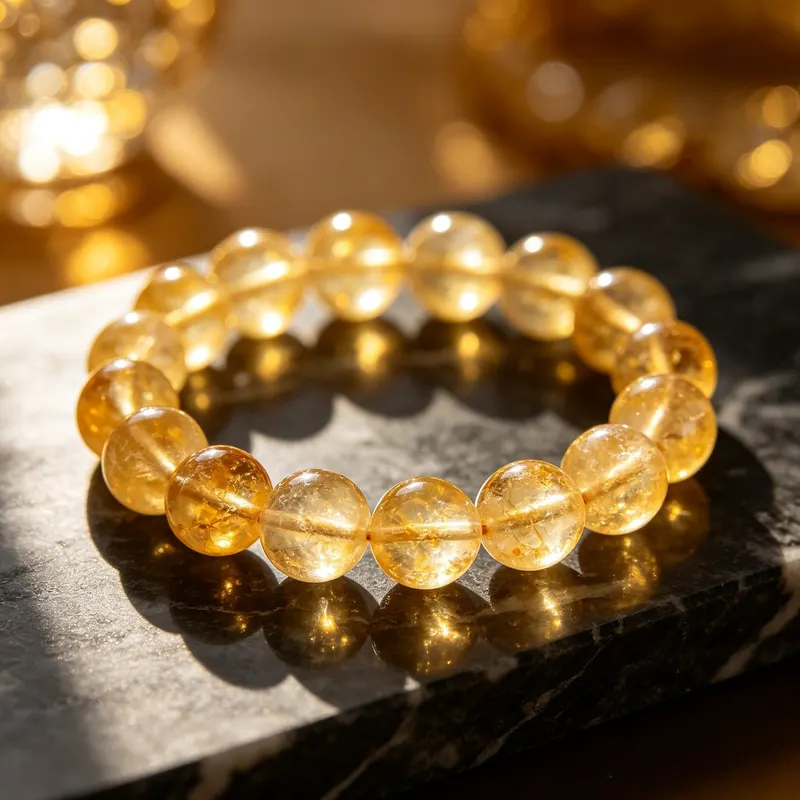
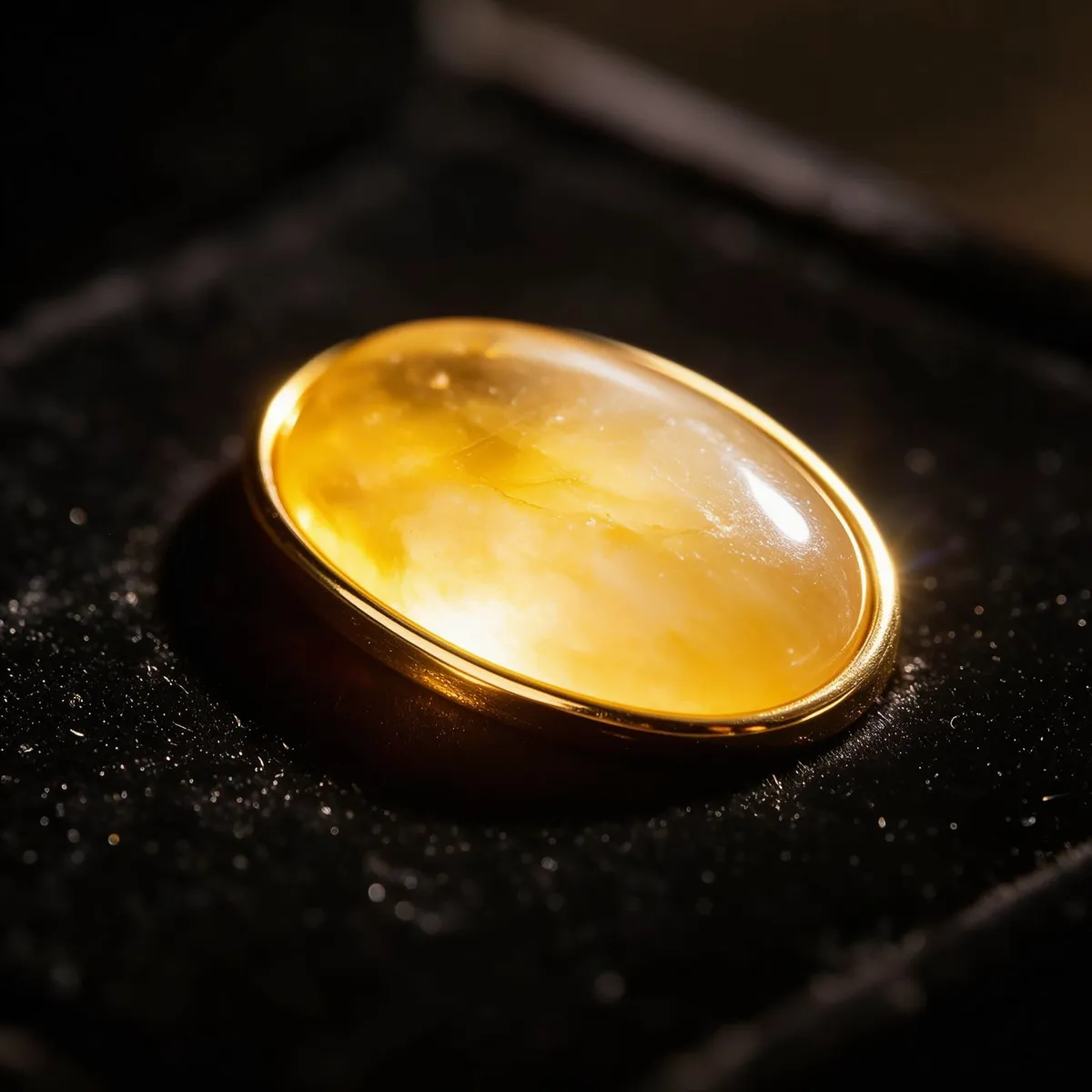
A bright, warming quartz, citrine is the most commonly cited solar plexus stone, traditionally associated with confidence, optimism, and abundance. Natural citrine is a pale, smoky yellow; most vivid yellow citrine on the market is heat-treated amethyst, which is standard and not a defect. If you want a wearable daily piece, the Citrine Abundance Bracelet for Prosperity & Joy is an easy entry point.
Tiger's Eye
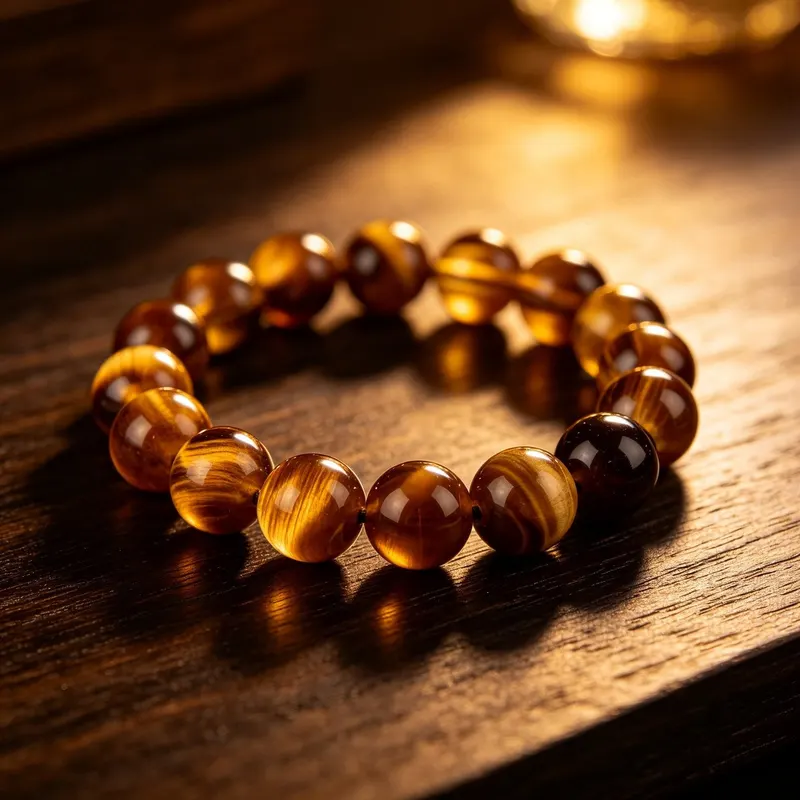
With its shifting golden bands, tiger's eye is believed to support grounded courage and follow-through—less "bright optimism," more "steady nerve." It is a good choice if your challenge is finishing things rather than starting them. The Tiger's Eye Confidence Bracelet for Focus & Courage suits a day when you need to lead, present, or hold a difficult conversation.
Pyrite
Golden and metallic, pyrite is a favorite for willpower and discipline in traditional practice. It is also the heaviest and most brittle of the group—see the care notes below before you commit to a bracelet.
Yellow Jasper and Other Gentle Options
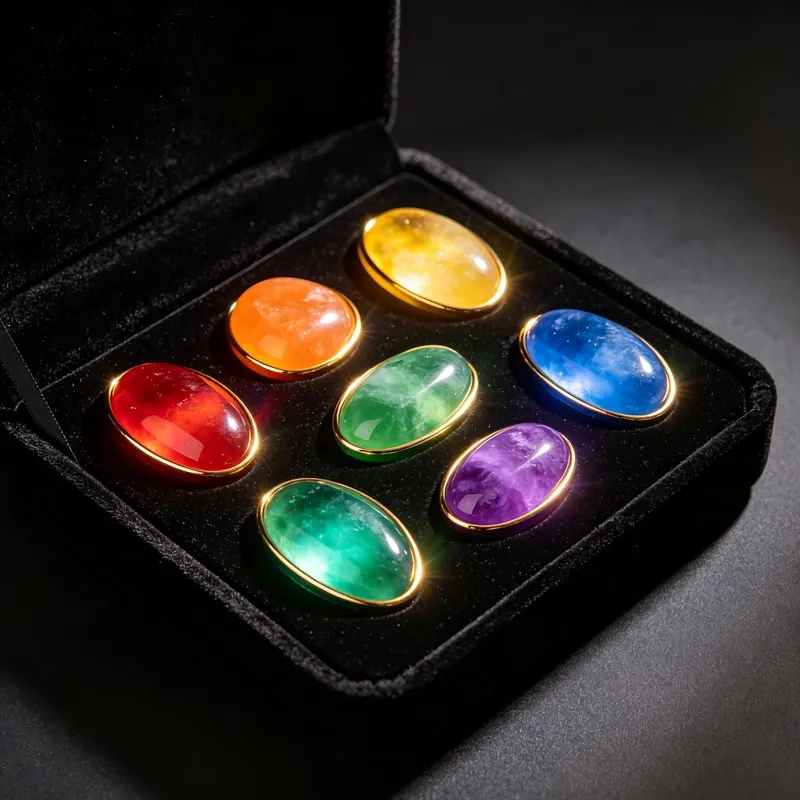
Yellow jasper, golden rutilated quartz, and amber are gentler alternatives if vivid citrine feels too "loud" for you. For a broader, multi-stone approach, the 7 Chakra Stone Set with Wooden Display Box includes a solar plexus stone alongside the other six centers, which is useful if you are still figuring out which chakra work resonates.
Citrine vs. Tiger's Eye vs. Pyrite: A Practical Comparison
The three headline stones get lumped together, but they behave very differently in daily use. Here is how they compare on the things that actually affect your purchase.
| Stone | Traditional association | Mohs hardness | Best format | Care notes | Realistic price |
|---|---|---|---|---|---|
| Citrine | Confidence, optimism, abundance | 7 | Bracelet or pendant | Durable; avoid prolonged direct sun, which can fade color | Bracelets roughly $25–$80; natural citrine costs more than heat-treated |
| Tiger's Eye | Grounded courage, follow-through | 6.5–7 | Bracelet or cabochon | Durable; keep away from harsh chemicals and ultrasonic cleaners | Bracelets roughly $20–$60 |
| Pyrite | Willpower, discipline | 6–6.5 | Palm stone or display piece | Brittle; avoid water (can rust or tarnish); not ideal for daily wear | Palm stones roughly $15–$45; specimens vary widely |
| Yellow jasper | Steady confidence, patience | 6.5–7 | Bracelet or tumble | Durable; water-safe for brief cleaning | Bracelets roughly $15–$40 |
Prices reflect typical retail ranges for natural stone jewelry and will vary with bead size, metal findings, and sourcing. None of these figures are guarantees—treat them as a sanity check so you can spot both bargains and overpricing.
How to Choose and Size Your Stone
Before you buy, run through this checklist:
- Match the format to your habit. If you will not remember to hold a palm stone, buy a bracelet you can leave on. If you dislike jewelry, a small display piece on your desk works better.
- Check bead size. Most bracelets use 8mm beads; 6mm suits smaller wrists, 10mm reads bolder. Measure your wrist with a soft tape and add about half an inch for a comfortable fit.
- Look for natural variation. Real stones show slight color shifts, inclusions, and banding. Uniform, glassy perfection at a low price usually means dyed or synthetic material.
- Ask about treatment. Heat-treated citrine is common and fine; it should be disclosed, not hidden.
- Consider the metal. Sterling silver and gold-plated findings cost more but last longer than base-metal elastic and clasps.
- Buy one stone first. A single piece you actually wear beats a drawer of impulse purchases.
How to Work With Them
Wear a citrine or tiger's eye bracelet on a day you need to lead, decide, or perform—a presentation, a negotiation, a hard conversation. The point is not that the stone does the work; it is that catching a glimpse of it mid-day reminds you of the intention you set that morning.
In meditation, sit comfortably and place a stone just above the navel. Breathe slowly and visualize warm golden light radiating outward from that point like a small sun. Keep it simple: five minutes is enough. If visualization does not come easily, simply rest your hand on the stone and repeat a short phrase such as "I can handle this."
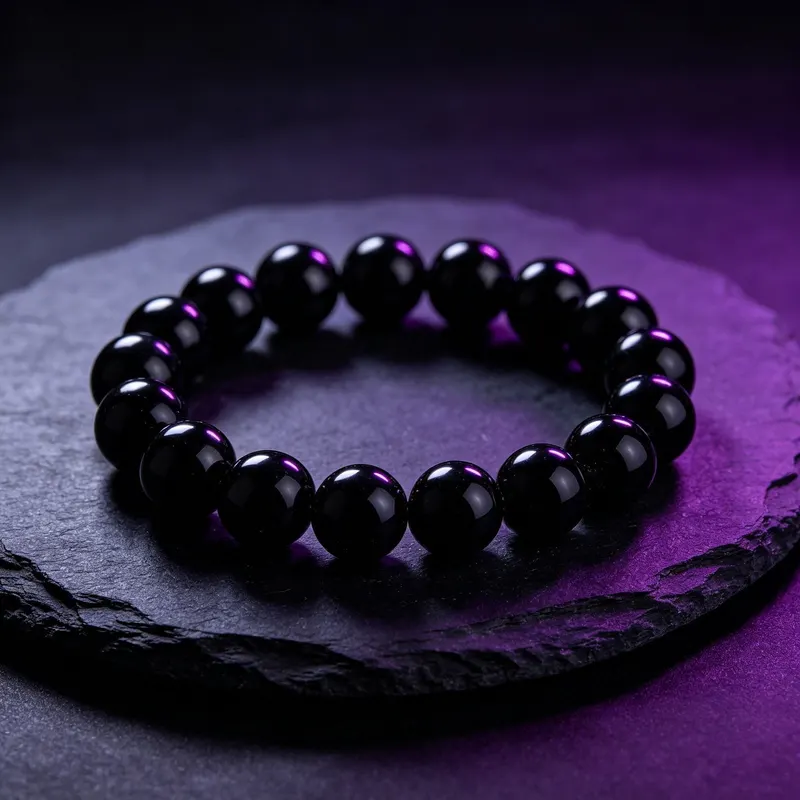
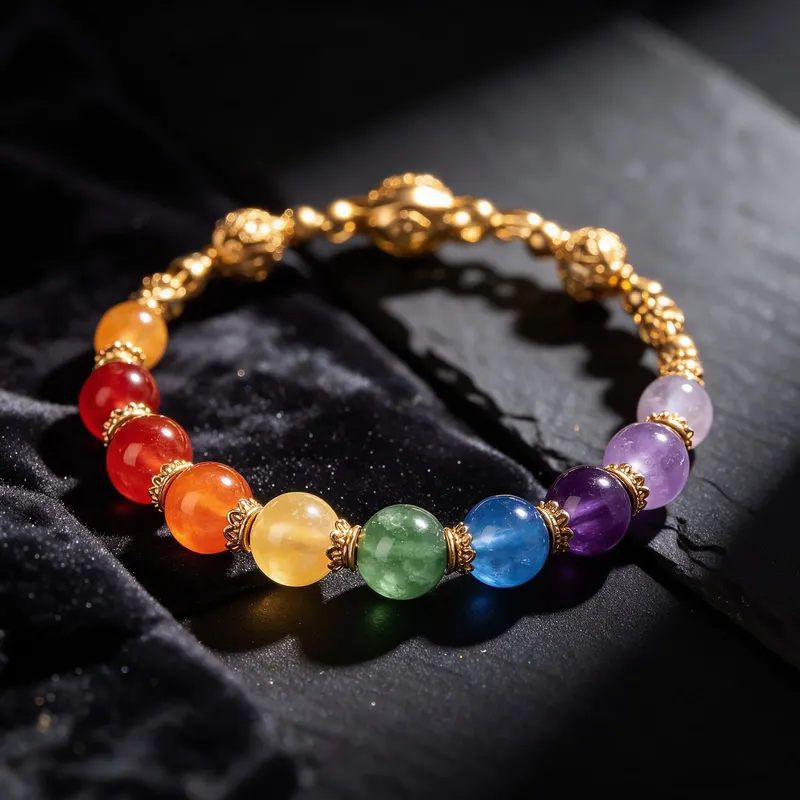
For a complementary practice, some people pair solar plexus work with a grounding stone such as the Black Tourmaline Protection Bracelet for Grounding—courage tends to feel steadier when it is anchored. If you are building a full chakra practice, the 7 Chakra Balancing Bracelet keeps all seven centers in one piece.
An Empowering Practice
Try this five-minute sequence in the morning:
- Stand tall. Feet hip-width, shoulders back, chin level.
- Hand on the solar plexus. Rest your palm just above the navel.
- Breathe in for four counts while silently naming one thing you are capable of today—something specific and true, not aspirational.
- Breathe out for six counts. Let your shoulders drop.
- Repeat three times, naming a different capability each round.
Write the three statements down afterward. Over a week, you will have a concrete list of what you actually did—which is more persuasive than any affirmation. For more on this theme, see our confidence crystal guide and the neighboring sacral chakra.
What tradition holds — and what we can verify
It helps to separate two very different kinds of claim, because they deserve different levels of trust.
Traditional lore (belief, not evidence): that citrine is associated with confidence and abundance, that tiger's eye supports courage, that pyrite strengthens willpower, and that these stones resonate with the solar plexus. These are cultural and spiritual associations. They are meaningful to many people as a framework for reflection, but they are not scientific claims, and no crystal has been shown to treat or cure any condition.
Verifiable facts (mineralogy and care): hardness, water sensitivity, and light sensitivity are measurable and worth knowing before you spend money.
- Hardness: on the Mohs scale, quartz-family stones like citrine sit around 7, tiger's eye around 6.5–7, and pyrite around 6–6.5. Anything at 7 or above resists everyday scratching; softer stones need more care.
- Water: citrine, tiger's eye, and jasper tolerate brief contact with water. Pyrite does not—moisture can cause rust and tarnish. Selenite, if you use it for cleansing, dissolves in water and should never be soaked.
- Sunlight: prolonged direct sun can fade the color of citrine and other dyed or heat-treated stones. Store them away from a sunny windowsill.
- Cleaning: wipe with a soft dry or barely damp cloth. Avoid ultrasonic cleaners and harsh chemicals, which can damage surface polish and metal findings.
- Storage: keep pyrite separate from softer stones so its edges do not scratch them, and store bracelets flat to protect elastic.
If you want a dedicated cleansing tool, a Selenite Cleansing Wand for Energy Clearing is traditionally used to "clear" other stones—just keep it dry.
Crystals are for reflection and are not medical devices.
FAQ
People Also Ask
What is the best crystal for confidence?
Citrine and tiger's eye are the most popular choices, with pyrite favored for willpower. "Best" really means the one you will wear or hold consistently—a stone you notice is more useful than one that sits in a drawer.
Which chakra is tiger's eye for?
Primarily the solar plexus and root chakras, which is why it is often described as supporting both courage and grounding. It is a common pick for people who want steadiness rather than a burst of energy.
How do I activate the solar plexus?
Breathwork, morning sunlight, bold movement, and holding a yellow or golden stone are common traditional practices. None of these are medical interventions; think of them as rituals that help you focus attention.
Can I wear solar plexus crystals every day?
Yes, with care. Citrine and tiger's eye are durable enough for daily wear; remove bracelets before showering, swimming, or cleaning with chemicals, and keep pyrite away from water entirely. If a stone chips or the elastic stretches, restring or retire it rather than risking loss.
Shop the Stones
- Citrine Abundance Bracelet for Prosperity & Joy
- Tiger's Eye Confidence Bracelet for Focus & Courage
- 7 Chakra Stone Set with Wooden Display Box
Keep Exploring
Sacral Chakra Crystals · Crystals for Confidence · Heart Chakra Crystals
Crystals are intended to support personal and spiritual well-being and are not medical devices. They do not diagnose, treat, cure, or prevent any disease. If you are struggling with your mental or physical health, please reach out to a qualified professional.