What Is the Third Eye Chakra?
If you've landed here, you're probably curious about that space between your eyebrows—the one yoga teachers call the "third eye." Maybe you've been feeling scattered, second-guessing yourself, or simply drawn to deepen your meditation practice. The third eye chakra, known in Sanskrit as Ajna (meaning "command" or "perceive"), is traditionally considered the sixth of the seven major chakras. It's associated with intuition, imagination, inner wisdom, and the ability to see beyond the surface of things.
In the chakra system, Ajna sits at the brow and is linked to the colors indigo and deep violet. Where the lower chakras deal with grounding, emotion, and will, the third eye is the seat of insight—the place where observation meets understanding. When this center is described as "balanced," practitioners say you trust your instincts, think clearly, and can hold a vision without getting lost in it.
This guide walks through the crystals traditionally associated with the third eye, how to recognize when this energy center feels "off," practical ways to work with the stones, and—importantly—what we can actually verify versus what belongs to centuries of spiritual tradition. Think of crystals as tools for reflection and ritual, not as fixes. They invite you to slow down, pay attention, and build a practice.
Signs the Third Eye May Feel Out of Balance
Traditional energy work describes imbalance in two directions: an underactive third eye (disconnection, fog) and an overactive one (overthinking, detachment from daily life). These are spiritual frameworks, not clinical categories—but many people find them useful as journaling prompts or self-reflection check-ins.
- Feeling disconnected from your intuition or "gut sense"
- Mental fog, indecision, or chronic overthinking
- Difficulty visualizing, meditating, or quieting the mind
- Closed-mindedness or rigidity in how you see situations
- Conversely, feeling ungrounded, spaced-out, or lost in your own head
- Struggling to trust your own perceptions or judgment
If any of these resonate, a crystal practice can be a gentle anchor—but it works best alongside sleep, movement, journaling, and, when needed, professional support.
The Best Third Eye Crystals (and How to Choose)
Third eye stones tend to be indigo, violet, deep blue, or clear. Below are the classics, with a note on what each is traditionally associated with and who it tends to suit.
Amethyst
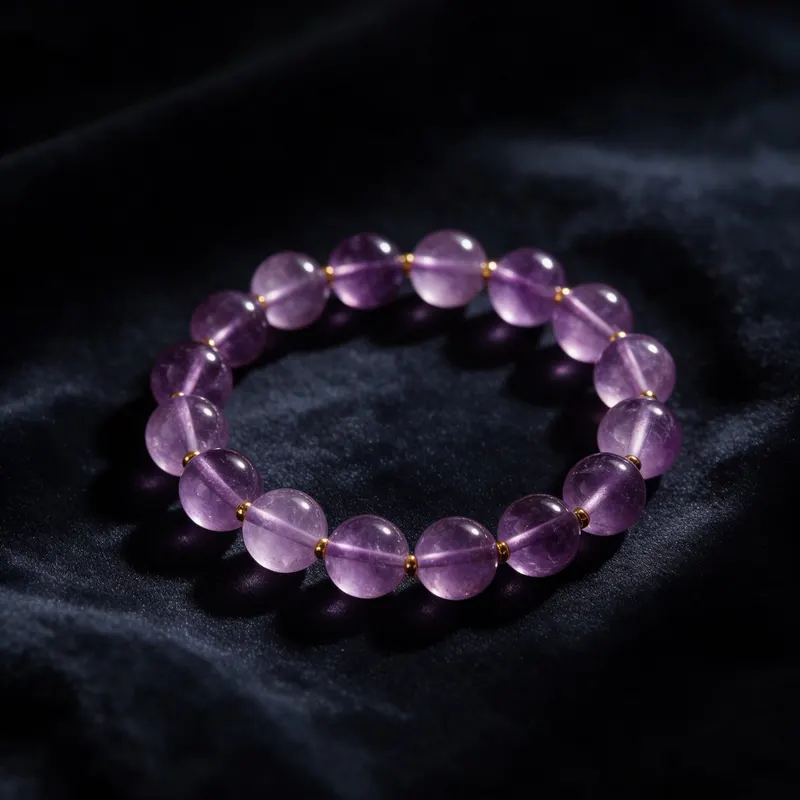
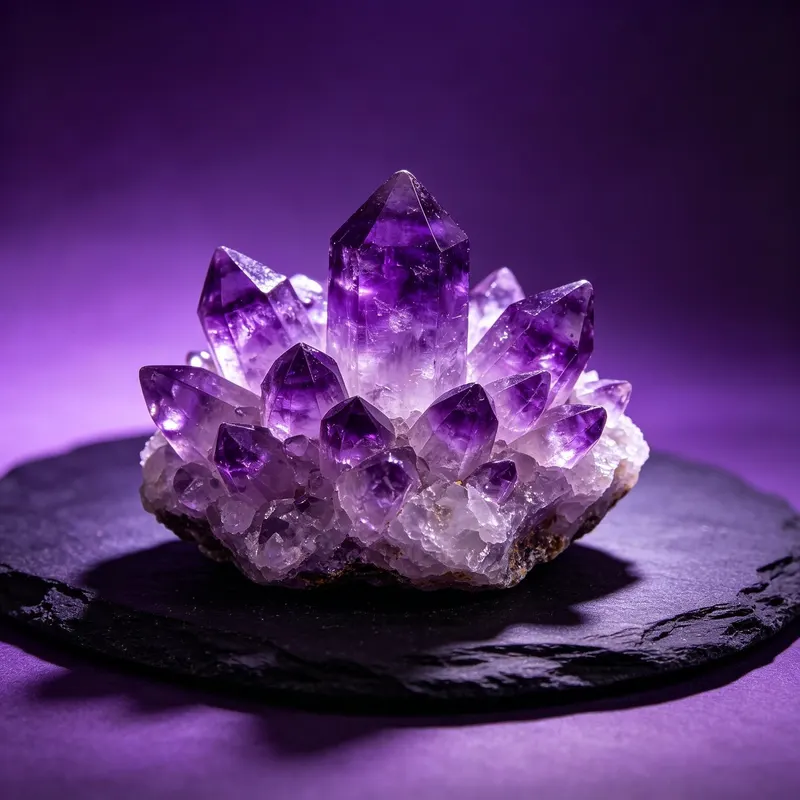
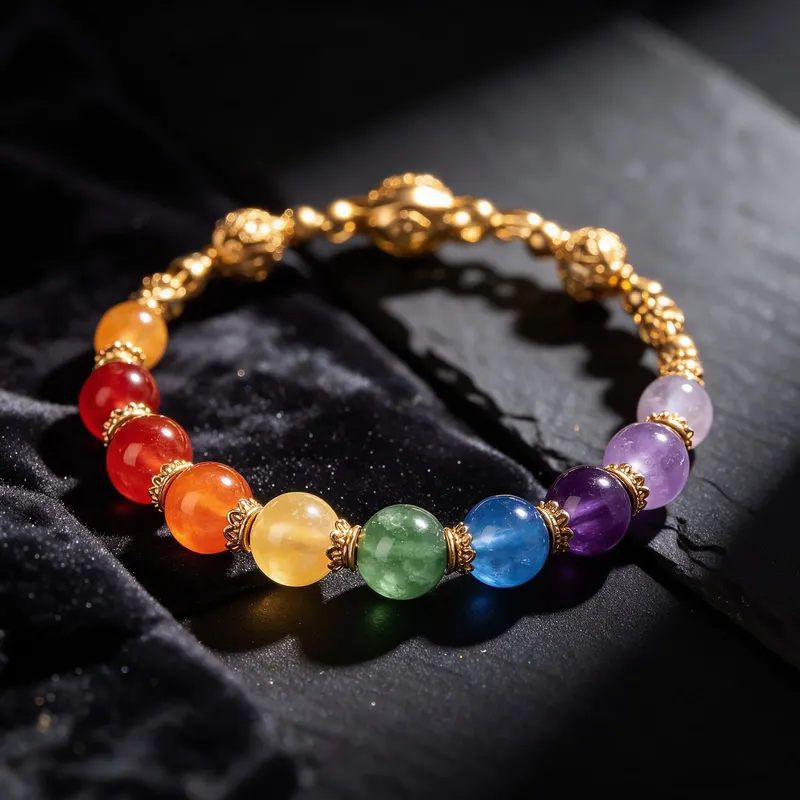
The most familiar third eye stone. Amethyst is traditionally associated with calming the mind and inviting intuitive clarity—which is why it's a favorite for evening meditation. A bracelet is easy to wear daily; a raw cluster works well on an altar. Try the Amethyst Healing Bracelet for Calm & Clarity for everyday wear, or the Raw Amethyst Cluster for Meditation & Altar if you prefer a stone for your practice space.
Lapis Lazuli
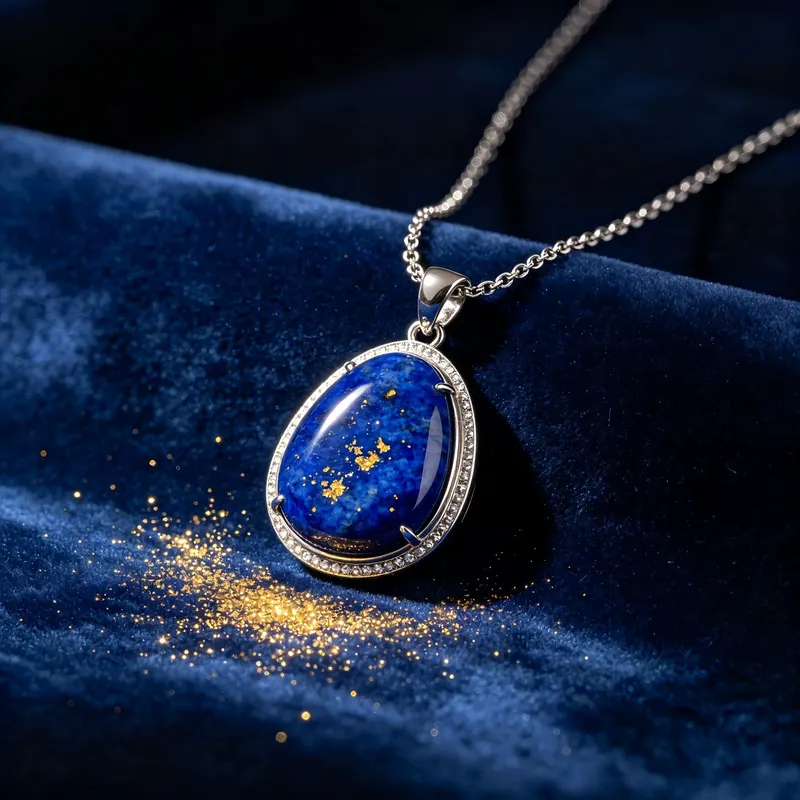
A deep blue stone with golden pyrite flecks, lapis is believed to support wisdom, insight, and truthful communication. It's a strong choice if your third eye work overlaps with "speaking your truth." The Lapis Lazuli Wisdom Pendant keeps it close to the heart and throat as well as the brow.
Clear Quartz
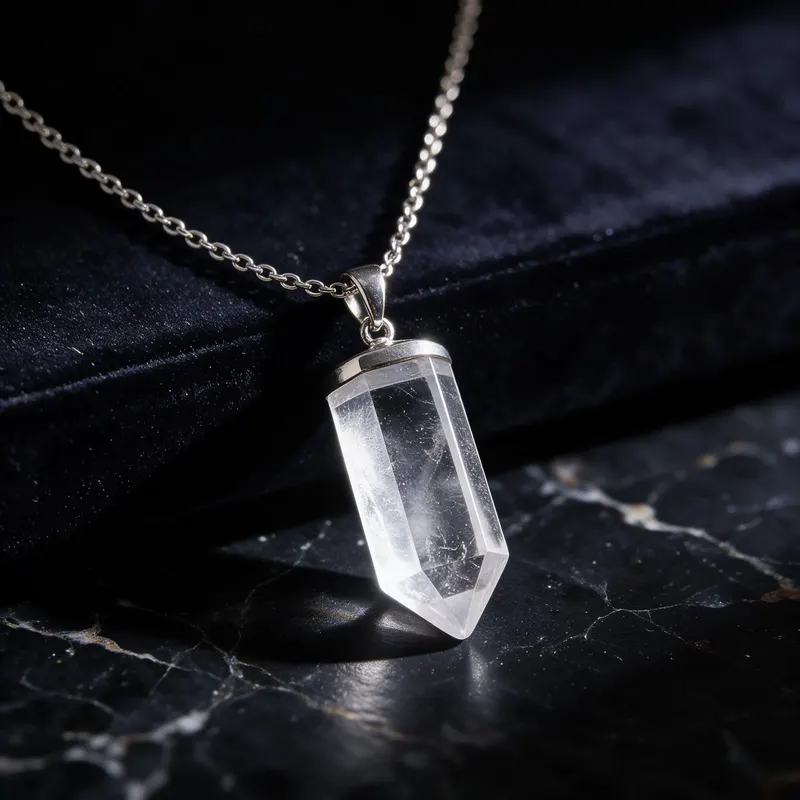
Often called a "master healer" in crystal lore, clear quartz is traditionally used to amplify focus and spiritual clarity. It's a versatile starting point because it pairs with any intention. The Clear Quartz Point Pendant Necklace is a clean, wearable option.
Labradorite
With its shifting iridescent flash, labradorite is associated with intuition, transformation, and "mystical awareness." It's a good pick for anyone drawn to shadow work or periods of change. See the Labradorite Bracelet for Intuition & Transformation.
Rainbow Moonstone
Moonstone is traditionally linked to intuition and new beginnings, with a softer, more receptive energy than amethyst. The Rainbow Moonstone Bracelet suits cyclical practices—new moons, fresh starts, dream journaling.
Selenite
Not a third eye stone in the strict color sense, but widely used to clear and "reset" other stones and spaces. A Selenite Cleansing Wand is a practical addition to any crystal kit.
Third Eye Crystals at a Glance
| Stone | Color | Traditionally Associated With | Best For |
|---|---|---|---|
| Amethyst | Violet | Calm, intuition, clarity | Evening meditation, daily wear |
| Lapis Lazuli | Deep blue | Wisdom, insight, truth | Journaling, honest communication |
| Clear Quartz | Clear/white | Amplification, focus, clarity | Beginners, pairing with other stones |
| Labradorite | Gray with blue/gold flash | Intuition, transformation | Periods of change, shadow work |
| Rainbow Moonstone | White with blue sheen | Intuition, new beginnings | Cyclical or lunar practices |
How to Work With Third Eye Stones
There's no single "correct" method—the point is consistency and attention. A few practical approaches:
- Wear them: A bracelet or pendant keeps the stone in your awareness throughout the day. Set a quiet intention when you put it on.
- Meditate with them: Lie down and rest a smooth stone on the forehead between the brows, or hold it in your non-dominant hand.
- Create an altar: Place a cluster or wand near where you journal or meditate to mark the space as "reflective."
- Pair with breathwork: Use the stone as a tactile anchor—when your mind wanders, return attention to its weight or coolness.
If you're new to crystals entirely, a Healing Crystal Starter Kit can help you experiment before committing to a single stone.
A Simple Third-Eye Meditation
Set aside 5–10 minutes. Lie down or sit comfortably with your spine supported. Place an amethyst or lapis stone gently on your forehead between the brows (or hold it if lying down feels awkward). Close your eyes and soften your gaze inward—imagine looking "through" the stone rather than at it. Breathe slowly and let thoughts pass without chasing them. When you notice your attention drifting, return to the sensation of the stone and the rhythm of your breath. Finish by sitting up slowly and noting one word that describes how you feel.
For more on building a practice, see our meditation crystal guide and the complete chakra overview.
The lore, and what we can actually verify
Crystal healing is a spiritual and cultural tradition, not a science. It's worth being clear about the line between lore and fact so you can enjoy the practice with realistic expectations.
What tradition holds
Chakra systems and the metaphysical properties of stones come from longstanding spiritual and folk traditions—particularly Indian and Chinese energetic practices and later Western crystal lore. These frameworks describe meaning and symbolism; they are not medical claims. Statements like "amethyst calms the mind" reflect traditional association, not clinical effect.
What we can verify
- Hardness (Mohs scale): Quartz (including amethyst and clear quartz) is about 7; lapis lazuli is softer, roughly 5–6; moonstone and labradorite are around 6–6.5; selenite is very soft, about 2. This matters for wear—softer stones scratch and chip more easily.
- Water sensitivity: Selenite dissolves in water and should never be soaked. Lapis lazuli can be damaged by prolonged water exposure. Moonstone and labradorite are best kept dry. Quartz is generally water-tolerant but avoid harsh cleaners.
- Sunlight: Many colored stones—including amethyst and rose quartz—can fade with prolonged direct sun. Store them away from bright windows.
- Cleaning: Wipe with a soft dry or slightly damp cloth. For deeper cleaning, use a barely damp cloth and dry immediately; avoid ultrasonic cleaners for softer or treated stones.
- Storage: Keep softer stones separate from harder ones to prevent scratches. Store pendants flat or hung to protect the setting.
None of this diminishes the value of a practice—it just means you care for your stones like the physical objects they are.
FAQ
People Also Ask
Where do you place third eye stones?
Traditionally on the forehead between the brows while lying down during meditation, or worn as jewelry (pendant or bracelet) during the day. Some people also place them on an altar or journaling desk.
What color is the third eye chakra?
Indigo and deep violet. Stones in these hues—amethyst, lapis lazuli, and related blues—are most commonly associated with Ajna.
How do I choose my first third eye crystal?
Start with amethyst if you want something calming and versatile, or clear quartz if you want a neutral stone that pairs with any intention. Choose based on the color and feel that draws you, and pick a size you'll actually wear or use.
How do I care for and cleanse third eye stones?
Wipe with a soft cloth, keep softer stones like selenite and lapis away from water, and store them out of direct sun. Many people "cleanse" stones by resting them on selenite or in moonlight—these are ritual practices, not requirements.
Shop the Stones
- Amethyst Healing Bracelet
- Lapis Lazuli Wisdom Pendant
- Clear Quartz Point Pendant Necklace
- Labradorite Bracelet for Intuition & Transformation
- Selenite Cleansing Wand
Keep Exploring
Meditation Crystals · Lapis Lazuli Meaning · The 7 Chakras
Crystals are intended for reflection and personal/spiritual well-being and are not medical devices. They do not diagnose, treat, cure, or prevent any disease. If you are struggling with your mental or physical health, please reach out to a qualified professional.