Not Every Crystal Should Get Wet
You have a new bracelet, a pendant you love, or a cluster that has been sitting on your shelf for months, and the same question shows up: can I just rinse this under the tap? It seems like the simplest way to "reset" a stone. Unfortunately, water is one of the most common ways people accidentally damage their crystals—and their jewelry.
The risks are real and easy to understand. Water can dissolve softer minerals, dull a polished surface, seep into cracks, and react with metal settings. It is also hard on the elastic cord and stringing that hold most beaded bracelets together. A quick rinse might look harmless, but repeated exposure adds up.
This guide separates the stones that tolerate a brief rinse from those that should stay dry, explains why, and gives you dry cleansing methods that protect both the stone and the piece it is set in. When in doubt, choose dry. It is almost always the safer path.
Why Water Is Riskier Than It Looks
Three things happen when a crystal gets wet, and each one depends on the stone and how it is mounted.
- Dissolving and softening. Some minerals are water-soluble or soft enough that water alone can pit or erode the surface. Selenite is the classic example—it will visibly degrade with repeated soaking.
- Porous and layered stones. Stones with cracks, cleavage planes, or a porous structure can trap moisture, which may cloud the surface or worsen existing fractures over time.
- Metal and stringing. Even a water-tolerant stone is often set in sterling silver, gold plating, or strung on elastic. Prolonged water, soap, and heat can tarnish metal, loosen prongs, and weaken cord. This is why the stone's tolerance is only half the question.
The practical takeaway: judge the whole piece, not just the mineral. A water-tolerant quartz bead on an elastic bracelet is still a piece of jewelry that dislikes repeated soaking.
Generally Water-Tolerant Stones (Quartz Family)
The quartz family is the most forgiving group for a brief rinse. These stones are relatively hard and stable, so a quick pass under running water is unlikely to harm the mineral itself.
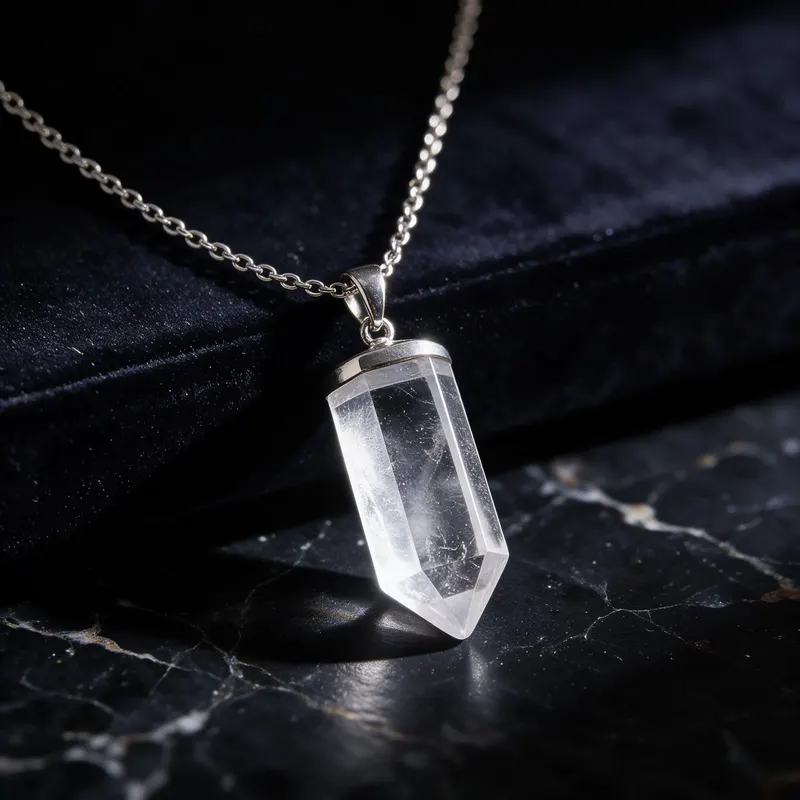
- Clear quartz — hard and stable; a quick rinse is fine, then dry fully. See the Clear Quartz Point Pendant Necklace, Sterling Silver.
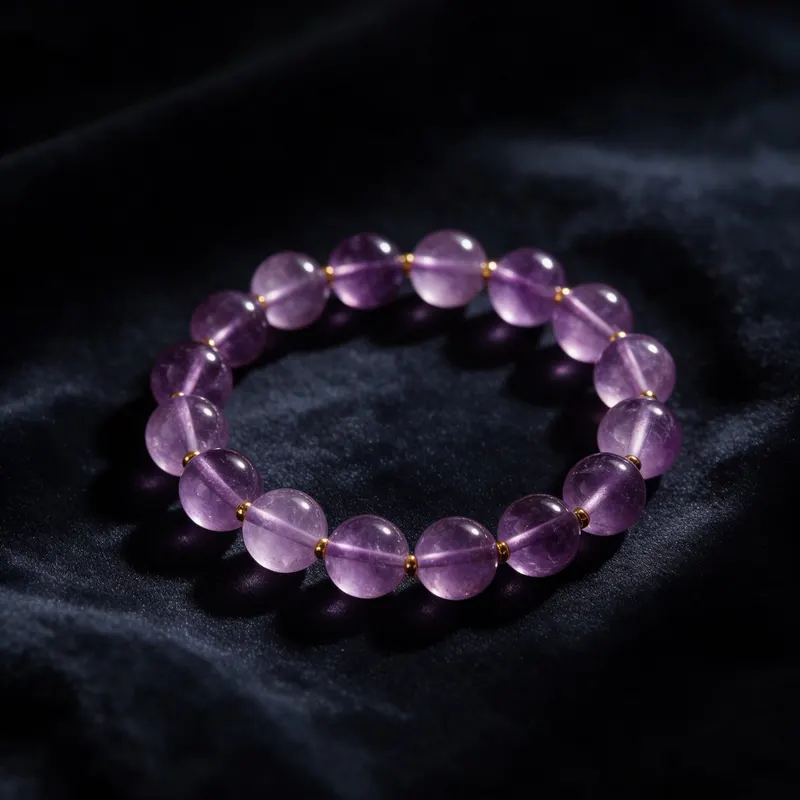
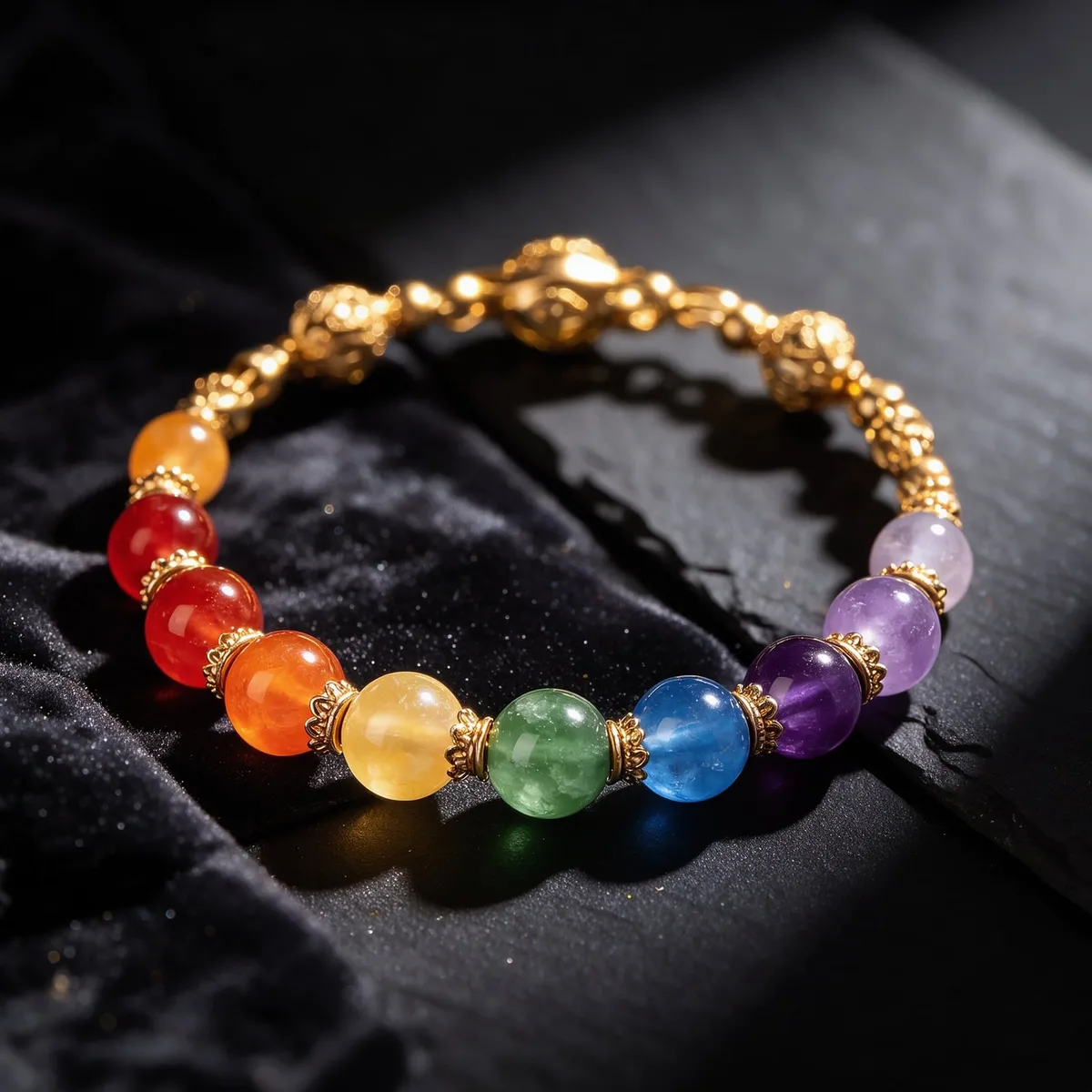
- Amethyst — a variety of quartz; tolerates a brief rinse. Avoid leaving a beaded Amethyst Healing Bracelet for Calm & Clarity soaking, because the cord suffers before the stone does.
- Citrine — quartz-family and stable for a quick rinse.
- Rose quartz — hard enough for a brief rinse; dry thoroughly, especially around settings.
- Tiger's eye — generally tolerant of a quick rinse, though it is often strung, so keep it brief.
Even within this group, "tolerant" means seconds under the tap, not an overnight bath. Pat dry with a soft cloth and let the piece air out fully before wearing or storing.
Keep These Dry
These stones should not be rinsed, soaked, or worn in the shower. Some will dissolve or soften; others are porous, layered, or mounted in ways that make water a poor idea.
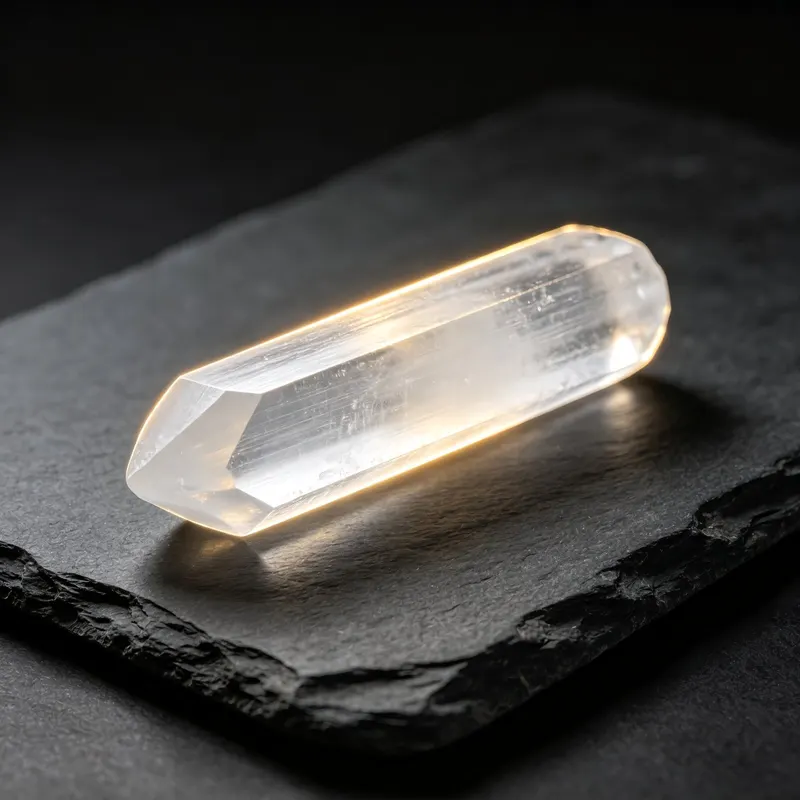
- Selenite — soft and water-soluble. Never rinse a Selenite Cleansing Wand for Energy Clearing; it can pit and degrade.
- Halite, calcite, and malachite — water-sensitive or soft; keep them dry.
- Pyrite — can rust or degrade with moisture.
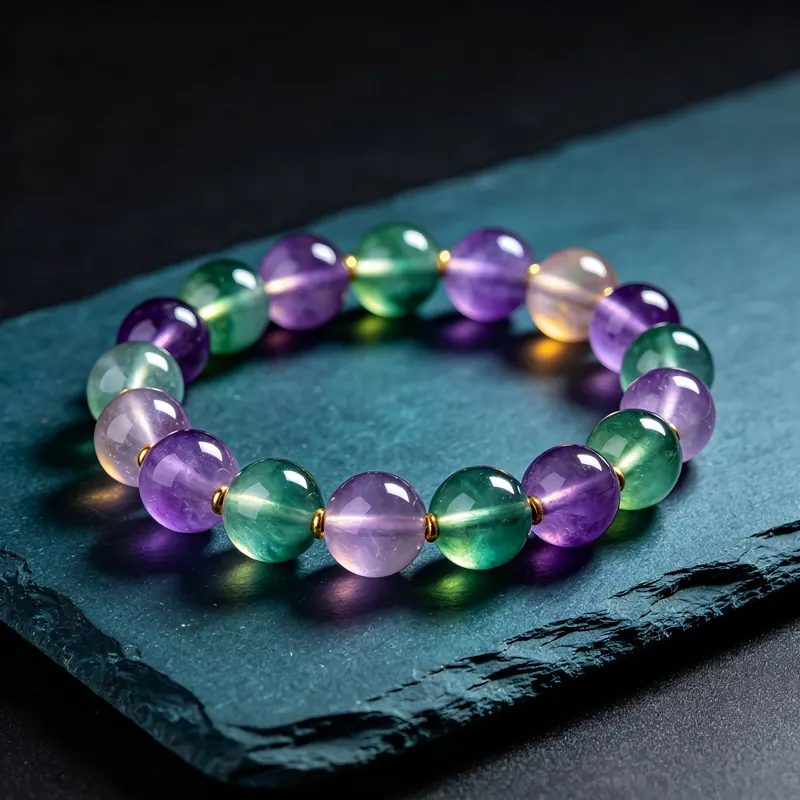
- Fluorite — softer and can be affected by water and heat; treat a Rainbow Fluorite Focus Bracelet for Concentration as dry-clean only.
- Black tourmaline in metal settings — the stone is tough, but metal and stringing are not; keep a Black Tourmaline Protection Bracelet for Grounding dry.
- Lapis lazuli and opal-type stones — porous or layered; avoid water.
Quick Reference: Water-Safe vs. Keep Dry
| Stone | Brief Rinse? | Why | Best Cleansing Method |
|---|---|---|---|
| Clear quartz | Yes | Hard, stable quartz | Quick rinse, then dry; or smoke/moonlight |
| Amethyst | Yes (brief) | Quartz variety | Quick rinse or dry methods |
| Citrine | Yes (brief) | Quartz variety | Quick rinse or dry methods |
| Rose quartz | Yes (brief) | Hard quartz | Quick rinse; dry settings well |
| Tiger's eye | Yes (brief) | Generally stable | Quick rinse; keep cord dry |
| Selenite | No | Soft, water-soluble | Moonlight, smoke, sound |
| Fluorite | No | Softer, water/heat sensitive | Smoke, sound, selenite plate |
| Malachite / calcite | No | Soft or water-sensitive | Dry methods only |
| Pyrite | No | Can rust | Dry methods only |
| Lapis lazuli | No | Porous, layered | Dry methods only |
Use this as a starting point, not a guarantee. If a stone is cracked, mounted in metal, or strung on elastic, lean toward dry cleansing regardless of the mineral.
What folklore claims — and what is verifiable
Crystal practice blends centuries of tradition with the physical properties of minerals, and it helps to keep the two separate.
What tradition holds: Many practitioners believe water "cleanses" a stone's energy, and that certain stones are traditionally associated with calm, protection, or clarity. These are meaningful frameworks for reflection, but they are not measurable claims, and we do not present them as facts.
What we can verify: Hardness, solubility, and sensitivity are physical properties you can check. On the Mohs scale, quartz sits at about 7, selenite around 2, and fluorite around 4. Softer stones scratch and dissolve more easily; harder stones resist a quick rinse. Porous and layered stones trap moisture. Metal settings tarnish and cords weaken with water and heat. These are the reasons behind every "keep dry" recommendation above—not energy, but chemistry and construction.
What this means for care: Choose your cleansing method based on the stone's hardness and the piece's construction, not only on tradition. A dry method works for every stone, which is why it is the safe default.
Crystals are for reflection and are not medical devices. They do not diagnose, treat, cure, or prevent any condition.
Safe Dry Cleansing Methods
These methods protect water-sensitive stones and delicate jewelry alike. None of them require getting anything wet.
- Selenite plate or wand. Rest a piece near (not on top of, if it is heavy) a selenite wand for about ten minutes. Selenite stays dry itself, so this is a gentle option for soft stones.
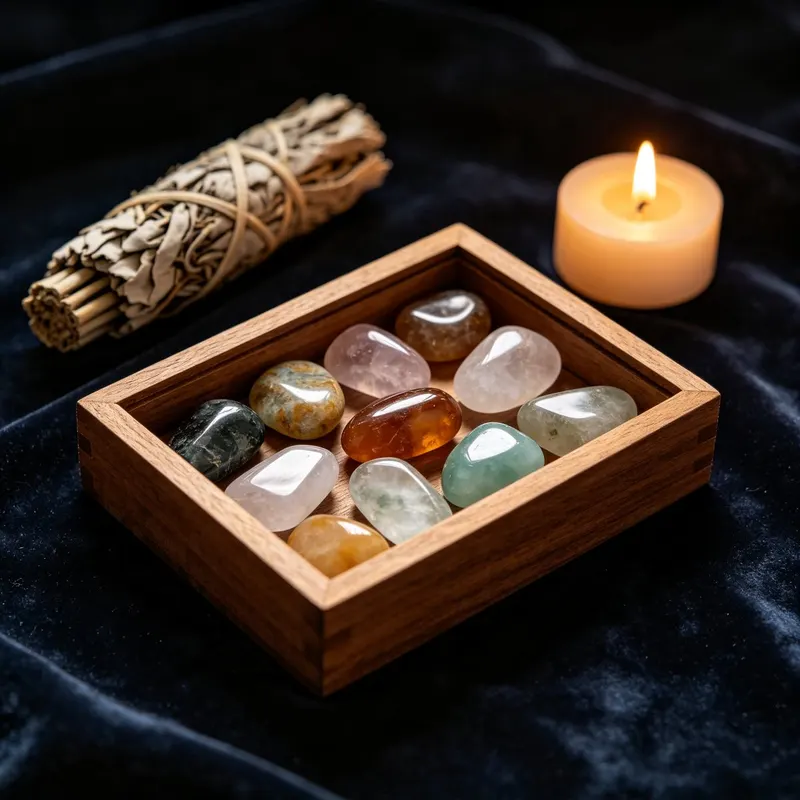
- Smoke. Pass the piece through sage or incense smoke for a minute or two. See our guide to incense cleansing.
- Moonlight. Leave pieces on a windowsill overnight. This is safe for every stone and every setting.
- Sound. A bell, singing bowl, or tuning fork is a hands-off option that works for strung jewelry.
- Breath and visualization. A quiet, intentional pause costs nothing and harms nothing.
For a full comparison of every method, see the complete cleanse and charge guide.
Everyday Care: Sizing, Storage, and What to Avoid
Protecting a crystal is mostly about small habits. A few practical notes:
- Remove before water. Take off bracelets, rings, and pendants before showering, swimming, washing dishes, or working out. Soap, chlorine, heat, and prolonged water are hard on both stones and cord.
- Dry fully. If a water-tolerant stone does get wet, pat it dry and let it air out completely before storing—moisture trapped in a box can cloud a surface or tarnish metal.
- Store separately. Harder stones can scratch softer ones. Keep pieces in individual pouches, and keep selenite away from moisture entirely.
- Check the cord. Elastic and string degrade over time. Replace or restring before a bracelet fails, especially if you wear it daily.
- Mind the setting. Gold plating and sterling silver dislike repeated soaking. Wipe metal with a dry cloth rather than rinsing.
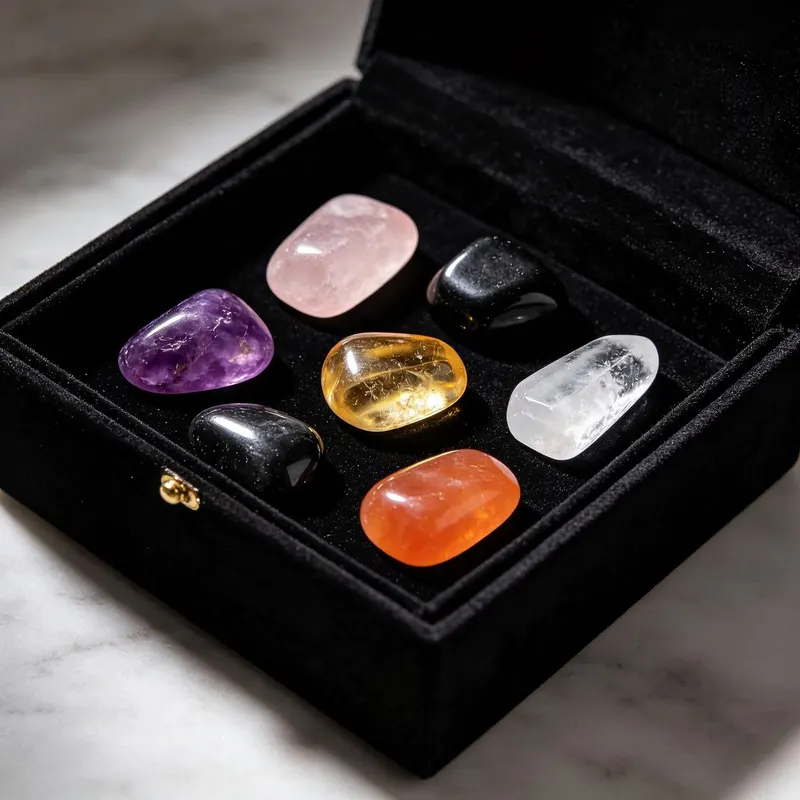
If you are building a collection, a mixed set makes it easy to keep water-sensitive stones separate from the quartz family. The 7 Chakra Stone Set with Wooden Display Box keeps pieces organized and off damp surfaces.
Frequently Asked Questions
Can selenite go in water?
No. Selenite is soft and water-soluble, so it can pit and degrade when wet. Cleanse it with moonlight, smoke, or sound instead, and keep it away from humid spots.
Is it safe to shower with a crystal bracelet?
It is better to remove it. Soap, heat, and prolonged water damage both the stones and the elastic cord, even when the stone itself is water-tolerant.
How do I cleanse a crystal I can't get wet?
Use a dry method: rest it near a selenite wand, pass it through smoke, leave it in moonlight, or use sound. All of these work without exposing the piece to moisture.
Does a quick rinse really hurt a water-tolerant stone?
Usually not the mineral itself—but the setting and stringing are the weak points. A brief rinse followed by thorough drying is fine for quartz-family stones; repeated soaking is where problems build up.
Browse the Curated Collection
Explore water-friendly and dry-clean-only pieces in the full edit: Raw Stones & Sets Collection →
Shop the Stones
- Selenite Cleansing Wand for Energy Clearing
- Clear Quartz Point Pendant Necklace, Sterling Silver
- Black Tourmaline Protection Bracelet for Grounding
Keep Exploring
Cleanse & Charge · After Others Touch · Incense Cleansing
Crystals and birthstone lore are offered for reflection, tradition, and wellness—not as medical advice. Crystals are for reflection and are not medical devices; they do not diagnose, treat, cure, or prevent any condition.