You've probably seen the advice a hundred times: "Just rinse your crystals under running water to cleanse them." It's simple, it's free, and it feels satisfying. It's also, for a meaningful number of stones, a fast way to ruin the finish you paid for—or to watch a piece slowly dissolve in your hand.
If you've ever pulled a piece out of a bowl of water and noticed a chalky film, a dulled polish, or a rough edge that wasn't there before, you already know why this guide exists. Water is a solvent. It doesn't care that your stone is pretty or that you set an intention over it. Given enough time, it will react with soft minerals, seep into cracks, and dissolve anything water-soluble.
This guide gives you a clear list of crystals to keep dry, a simple hardness-based rule of thumb for everything else, and a set of water-free cleansing methods that work just as well—usually better—for the stones you love most. It's written for people who want to care for their collection properly, not just follow a trend.
Why Water Is Not Always Safe
Water cleansing is popular because it's intuitive: water washes things clean. But a crystal isn't a coffee mug. Three things can go wrong when a stone gets wet.
Soft stones scratch and dull. Minerals are rated on the Mohs hardness scale from 1 (talc) to 10 (diamond). Anything under about 5 is soft enough that grit, a cloth, or even your fingernail can leave marks. Water doesn't scratch on its own, but the handling that comes with washing—rubbing, drying, setting down on a hard surface—does.
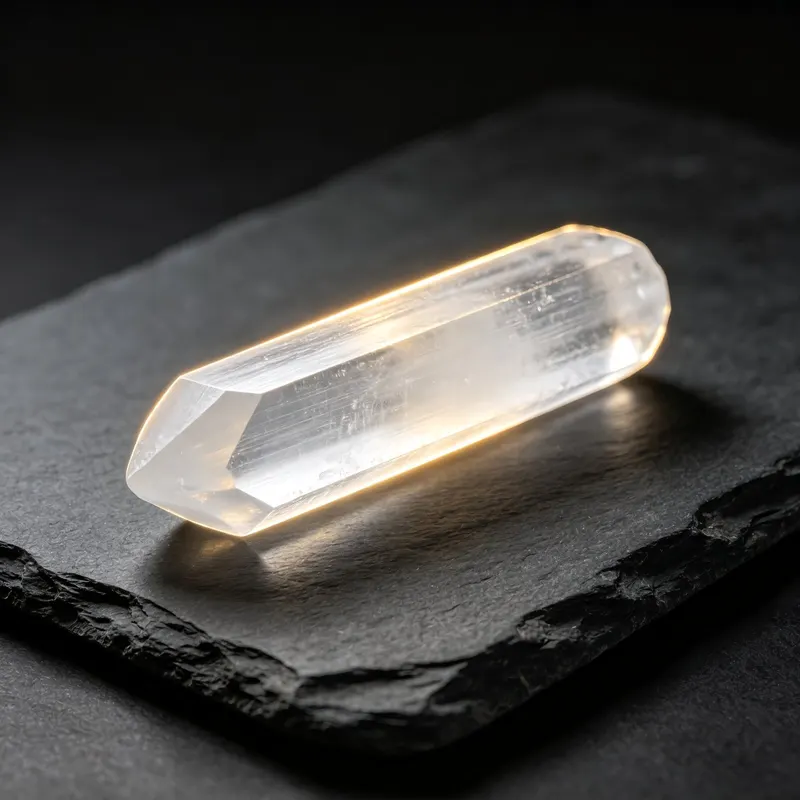
Soluble stones actually dissolve. Some minerals are water-soluble by nature. Selenite is a form of gypsum, and gypsum dissolves in water. Halite is literally salt. Leave these in water and you're not cleansing them; you're eroding them.
Metal-bearing stones can oxidize or leach. Sulfide minerals like pyrite and galena, and copper-based stones like malachite and azurite, can react with water over time. You may see rust-colored staining, a powdery residue, or a change in surface color. None of that is reversible with a polish cloth.
There's also a practical point that applies to every stone: prolonged soaking is unnecessary. A quick rinse, if a stone tolerates it, is enough. Leaving crystals submerged for hours or days adds risk with no benefit.
Crystals to Keep Dry
This is the list to bookmark. If your stone appears here, skip the water bowl entirely and use one of the water-free methods below.
- Selenite & satin spar: water-soluble gypsum; they begin to dissolve and pit in water. Keep completely dry.
- Halite (salt crystal): dissolves readily and can leave a sticky residue on everything nearby.
- Malachite, azurite: copper-based and relatively soft; water and handling can dull the polish and, over time, affect the surface.
- Pyrite & galena: sulfide minerals that can oxidize, stain, or release residue when wet.
- Hematite: iron-based; can rust or develop a film with repeated exposure.
- Calcite, fluorite, kyanite, angelite, lepidolite: soft or cleavable stones that are easily scratched, chipped, or dulled when wet and handled.
- Any stone with a Mohs hardness under 5: the simplest rule of thumb. When in doubt, keep it dry.
- Stones with cracks, inclusions, or foil-backed settings: water can seep into fractures or damage the backing and adhesive.
A note on jewelry: even a water-tough stone can be set in a way that isn't water-friendly. Gold-plated chains, glued settings, and sterling silver with an oxidized finish all prefer to stay dry. When you're unsure, take the pendant off before you cleanse the stone.
Generally Water-Tough Stones
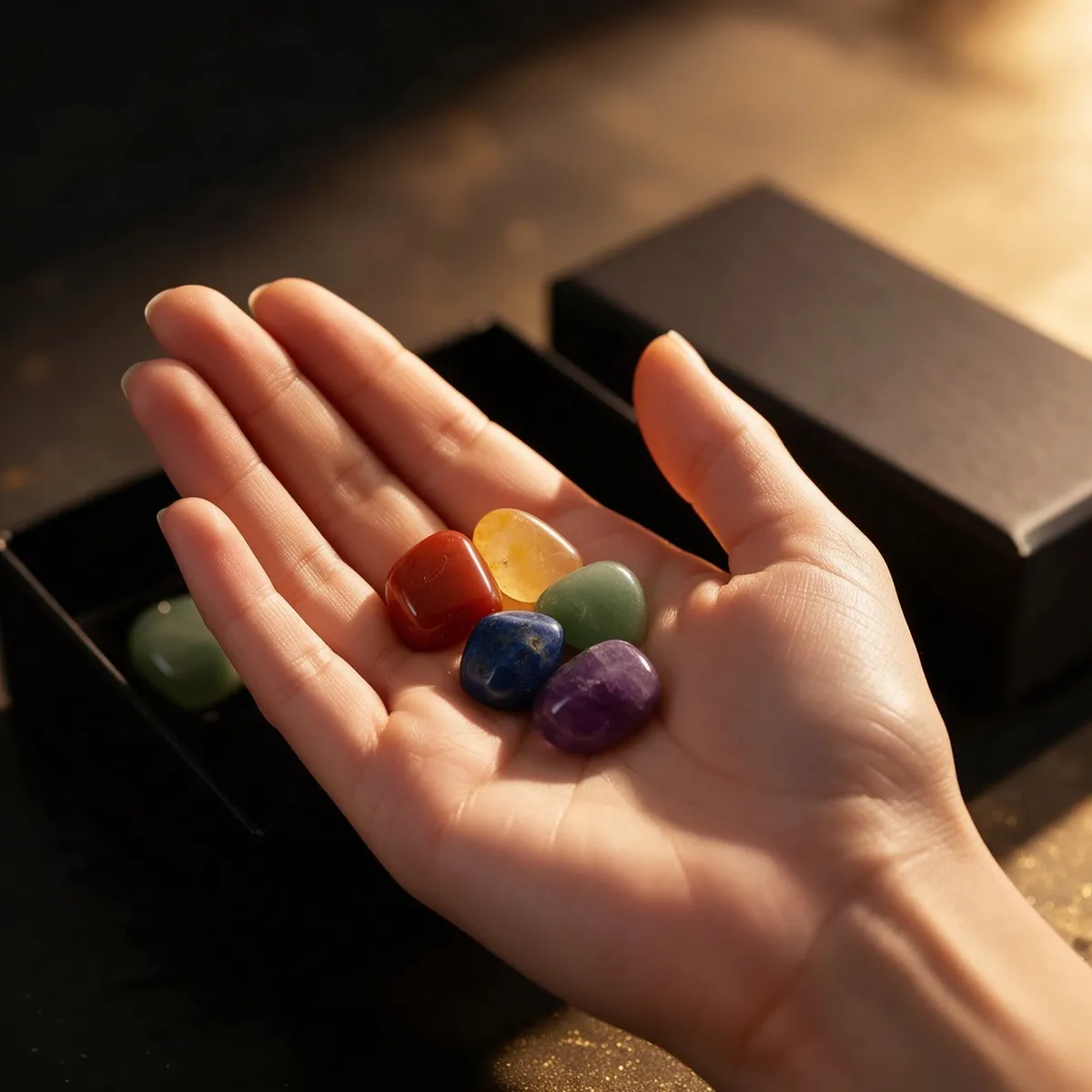
Most of the quartz family handles a brief rinse without complaint. That includes amethyst, clear quartz, rose quartz, citrine, tiger's eye, and carnelian. These are harder stones (typically 6.5–7 on the Mohs scale) with stable chemistry, so a quick pass under running water and an immediate pat-dry is generally fine.
"Generally fine" still comes with caveats. Use cool or room-temperature water, not hot—sudden temperature changes can stress a stone with natural fractures. Don't leave quartz pieces soaking in a bowl for days. And dry them promptly with a soft cloth rather than letting water evaporate and leave mineral spots.
If you want a simple decision rule, use this comparison as a starting point:
| Stone | Mohs Hardness (approx.) | Quick Rinse? | Best Water-Free Method |
|---|---|---|---|
| Selenite / satin spar | 2 | No — dissolves | Moonlight, sound, or rest on a selenite wand |
| Halite | 2.5 | No — dissolves | Dry brushing, sound |
| Malachite / azurite | 3.5–4 | No | Smoke, sound, dry cloth |
| Fluorite | 4 | No | Moonlight, sound |
| Pyrite | 6–6.5 | No — oxidizes | Dry cloth, sound |
| Amethyst / clear quartz | 7 | Yes, briefly | Moonlight, sound, selenite |
| Rose quartz | 7 | Yes, briefly | Moonlight, sound |
| Tiger's eye / carnelian | 6.5–7 | Yes, briefly | Sunlight (short), sound |
Hardness figures are approximate and vary by specimen. Treat the table as a guide, not a guarantee, and always err on the side of dry care for anything unusual or valuable.
The lore, and what we can actually verify
Crystal practice blends centuries of folk tradition with modern mineralogy, and it's worth keeping the two separate so you know what you're actually relying on.
What the tradition says: Many crystal traditions hold that water is a purifying element and that rinsing a stone "resets" its energy. Selenite is traditionally associated with cleansing and is often used to clear other stones. Amethyst is believed to support calm and clarity, which is why it's a common choice for a bedside or meditation space. These are cultural and spiritual frameworks—meaningful to many people, but not scientific claims.
What we can verify: Hardness, solubility, and chemical stability are measurable. Selenite is gypsum and gypsum dissolves in water—that's chemistry, not lore. Pyrite contains iron and sulfur and can oxidize. Fluorite is soft enough to scratch. These facts are why the "keep it dry" list exists, and they hold regardless of what you believe about a stone's energy.
Practical care that follows from both: Store soft stones separately from harder ones so they don't scratch each other. Keep water-soluble pieces away from humid bathrooms and windowsills where condensation collects. Clean with a dry or barely damp soft cloth, never an ultrasonic cleaner or harsh chemicals. And remember that crystals are for reflection and are not medical devices—they don't diagnose, treat, cure, or prevent any condition.
If you're building a practice around cleansing, a piece like the Selenite Cleansing Wand is genuinely useful because it lets you clear other stones without ever introducing water. Rest a bracelet or pendant beside it overnight, and you've combined a traditional method with a care routine that won't damage anything.
Safe Water-Free Cleansing Methods
Every method below works without a drop of water, so it's safe for your entire collection—including the delicate pieces.
- Selenite charging: Set stones on or beside a selenite wand or slab overnight. Keep the selenite itself dry, since it's the one stone that can't handle moisture.
- Sound: A singing bowl, bell, or tuning fork used near the stone is a clean, contact-free option that works for any hardness.
- Moonlight: A windowsill under the moon needs no water and is gentle on soft stones. Skip direct harsh sunlight for extended periods, which can fade some colored stones over time.
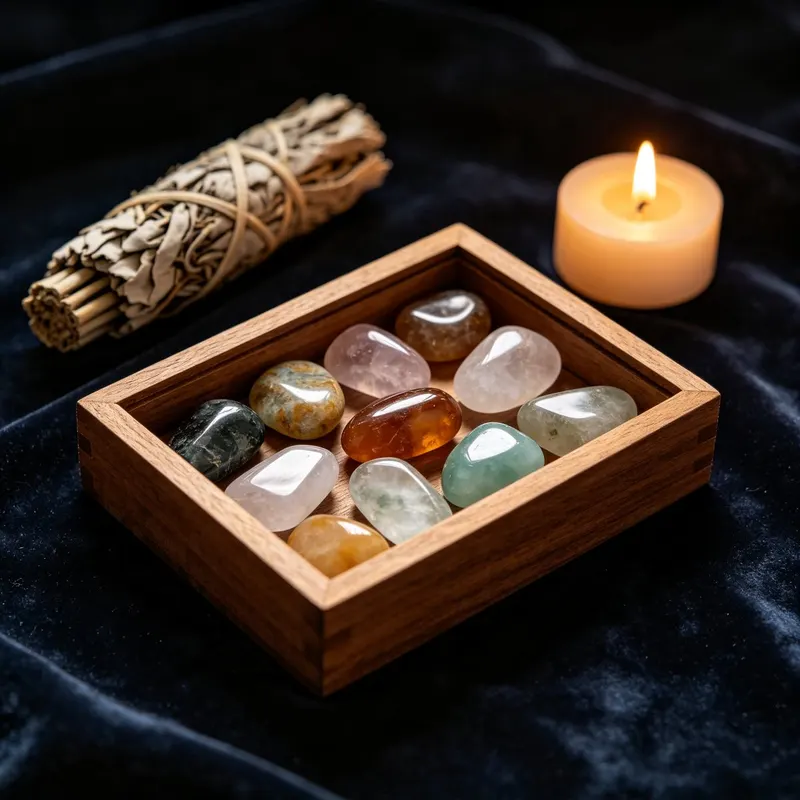
- Smoke: Sage, palo santo, or incense smoke passed around a stone is a traditional method with no moisture involved. Keep smoke away from stones with porous or unsealed surfaces if you're worried about residue.
- Dry cloth and intention: A soft microfiber cloth and a few quiet minutes of focused attention is the simplest method of all—and the safest for a stone you're unsure about.
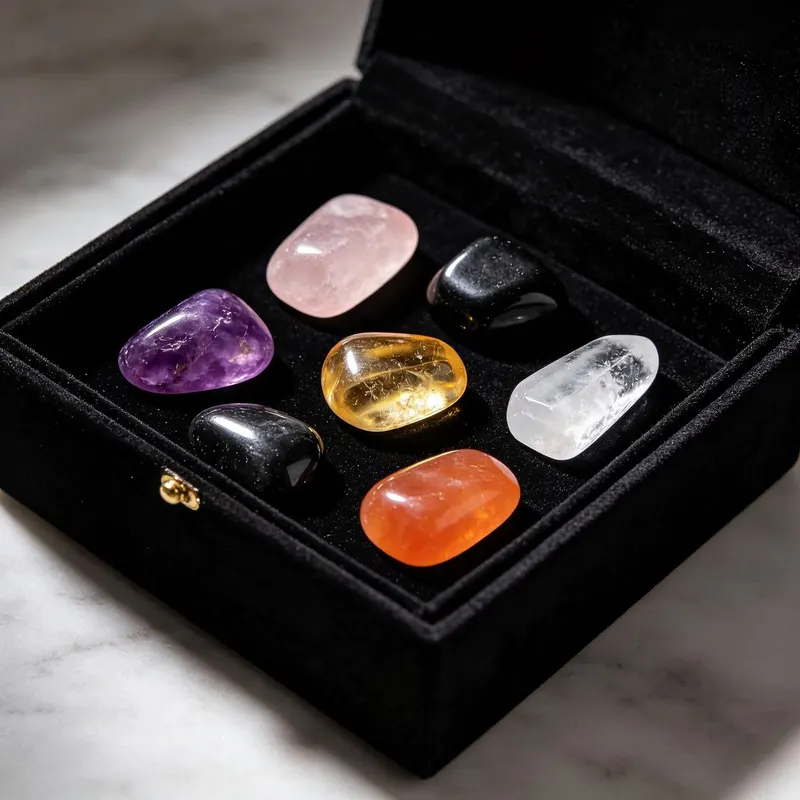
For a fuller walkthrough of timing and pairing methods, our cleansing and charging guide covers each approach in detail. If you're just starting out, a starter kit is an easy way to begin with durable, beginner-safe stones that tolerate simple care.
How to Choose and Care for Stones You'll Actually Keep
Buying well makes caring easy. A few practical points:
- Ask about hardness and treatment. A reputable seller can tell you what a stone is and whether it's been dyed, heated, or stabilized. Treated stones may need gentler care.
- Check the setting. For pendants and rings, the metal matters as much as the stone. Gold-plated and sterling silver pieces should be kept dry and wiped with a soft cloth.
- Size for comfort. Bracelets are typically sold in 7–8 inch circumferences; measure your wrist and add about half an inch for a relaxed fit. Rings should slide on without force—soft stones like rhodonite can chip if you size them by squeezing.
- Expect realistic prices. Simple beaded bracelets in common stones usually run from about $20 to $60. Pendants in sterling silver or gold plate typically fall in the $40–$120 range depending on the stone and setting. Raw clusters and display pieces vary widely with size and quality. Be cautious of "certified" claims without documentation.
- Store thoughtfully. Keep soft stones in their own pouch, away from harder pieces, and store everything away from direct humidity.
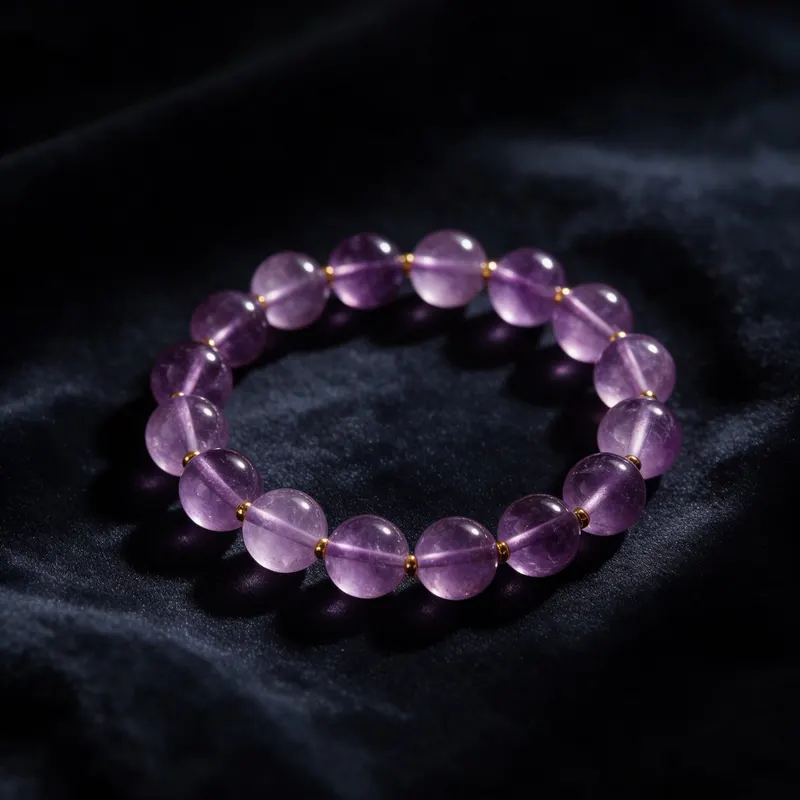
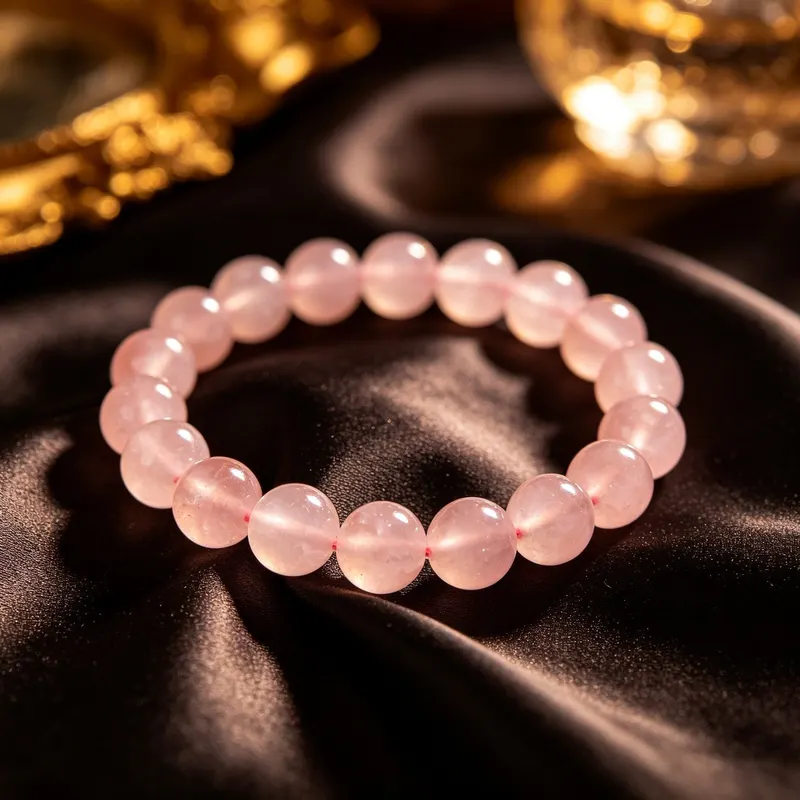
If you're choosing a first piece, durable quartz-family stones are the forgiving option. The Amethyst Healing Bracelet for Calm & Clarity is a good example—traditionally associated with calm, and easy to care for with a brief rinse or a night in moonlight. For something you'll wear against the skin daily, the Rose Quartz Love Bracelet for Self-Love & Heart is similarly low-maintenance. And if you prefer a pendant, the Clear Quartz Point Pendant Necklace pairs a water-tough stone with a setting that's best kept dry—so cleanse the stone with moonlight rather than a rinse.
FAQ
People Also Ask
Can amethyst go in water?
Yes, briefly. Quartz-family amethyst tolerates a quick rinse, though moonlight or a selenite wand are gentler long-term options and avoid any risk to the finish.
Why does selenite dissolve in water?
Selenite is a soft, water-soluble form of gypsum. Water breaks down its structure, so it should always be kept dry—clean it with a dry cloth or sound instead.
How do you cleanse crystals without water?
Selenite charging, sound, moonlight, smoke, and intention-based cleansing are all effective water-free methods. They work for every stone, including the delicate ones on the keep-dry list.
Can I use salt water to cleanse my crystals?
It's best avoided. Salt water is more aggressive than plain water and can corrode metal settings, leave residue in cracks, and damage soft or porous stones. Dry methods are safer for nearly everything.
Keep Exploring
Once you've sorted which stones stay dry, the rest of your care routine gets simpler. Our related guides cover cleansing with selenite and how to store crystals so soft pieces stay protected. And if you're ready to build a collection that's easy to care for, the Raw Amethyst Cluster for Meditation & Altar is a durable, water-tough centerpiece for a bedside or altar space.
Crystals are intended to support personal and spiritual well-being and are not medical devices. They do not diagnose, treat, cure, or prevent any disease. If you are struggling with your mental or physical health, please reach out to a qualified professional.