Start Small and Versatile
You've decided you want to work with crystals, and now you're standing in front of a wall of options — tumbled stones, bracelets, pendants, clusters, chakra sets — wondering where a beginner is actually supposed to start. The good news is that you don't need a shelf full of stones. You need a small, well-chosen handful that covers the most common intentions and lets you learn how each one feels in daily use.
This guide walks you through a five-stone beginner kit, how to choose between a pre-made set and building your own, what to look for when buying, how to care for what you get, and what crystals can and can't reasonably do. It's written for someone who wants a practical starting point rather than a collector's checklist.
One note up front: crystals are tools for reflection and ritual. They're traditionally associated with certain qualities, but they aren't medicine, and no stone will fix your sleep, your relationship, or your bank account on its own. Think of them as anchors for intentions you're already willing to act on.
The Five Essential Stones
Five pieces cover clarity, calm, grounding, self-kindness, and one personal intention. That's enough variety to notice differences between stones without overwhelming yourself.
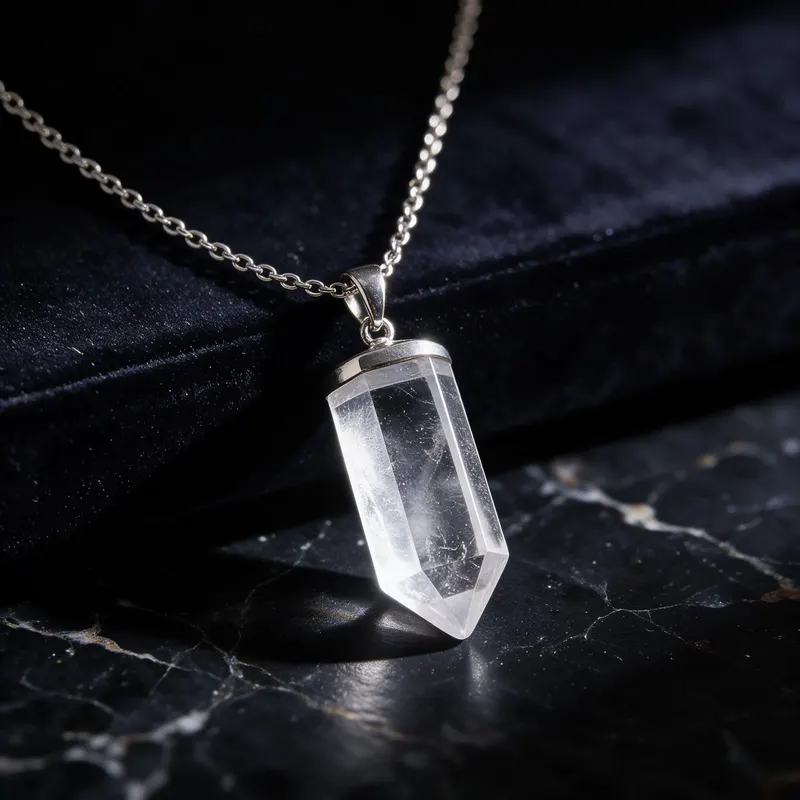
- Clear quartz — traditionally called the "master healer" or amplifier and believed to support clarity and focus. It's the most versatile stone in the kit and pairs with any intention. A pendant keeps it close: Clear Quartz Point Pendant Necklace, Sterling Silver.
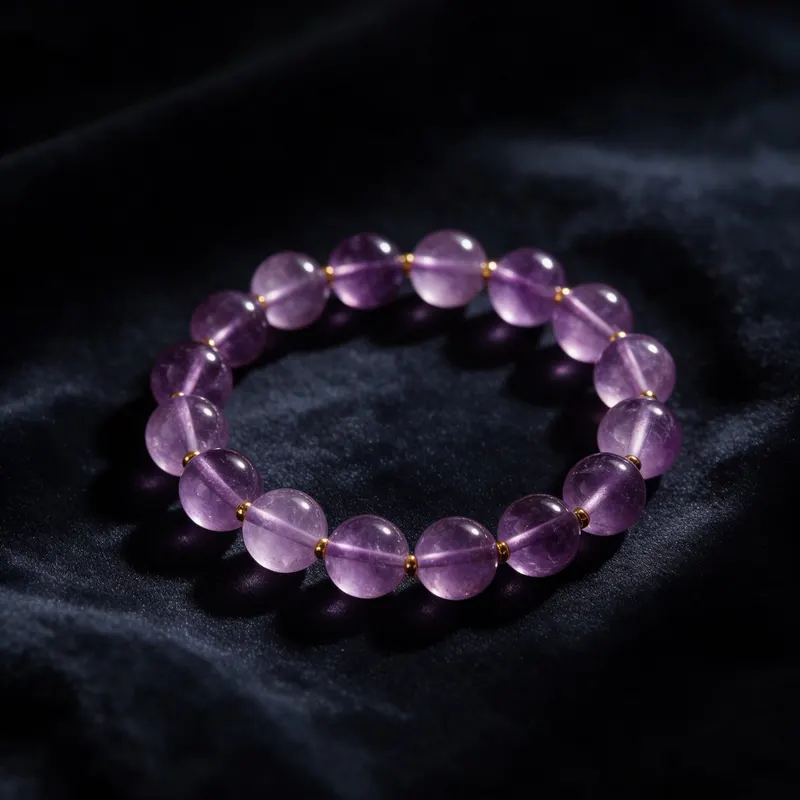
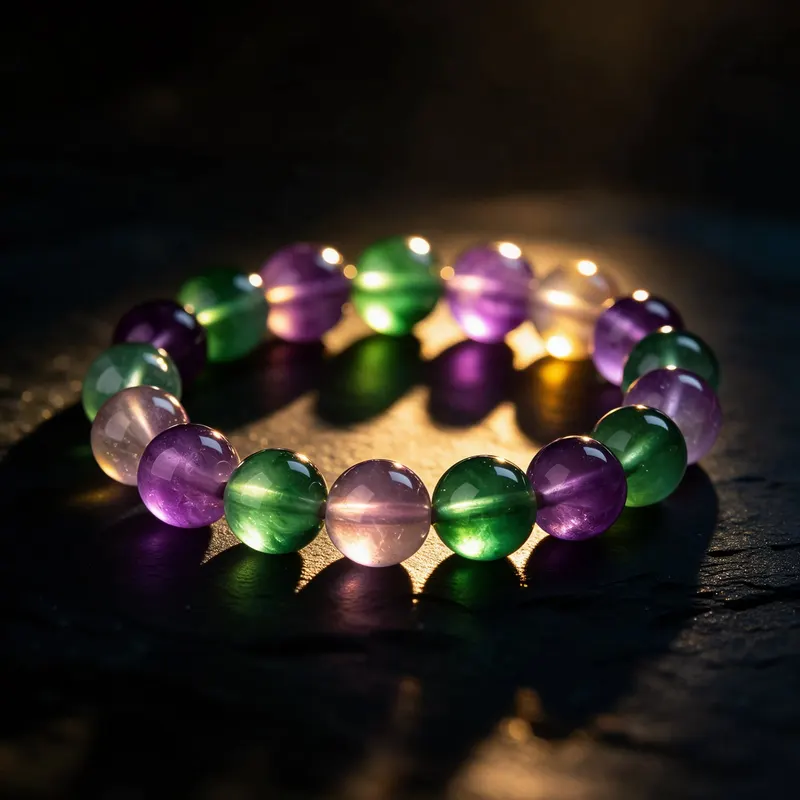
- Amethyst — traditionally associated with calm, quiet, and winding down in the evening. A bracelet is an easy everyday format: Amethyst Healing Bracelet for Calm & Clarity. If you prefer a stone for a meditation corner, a raw cluster works well.
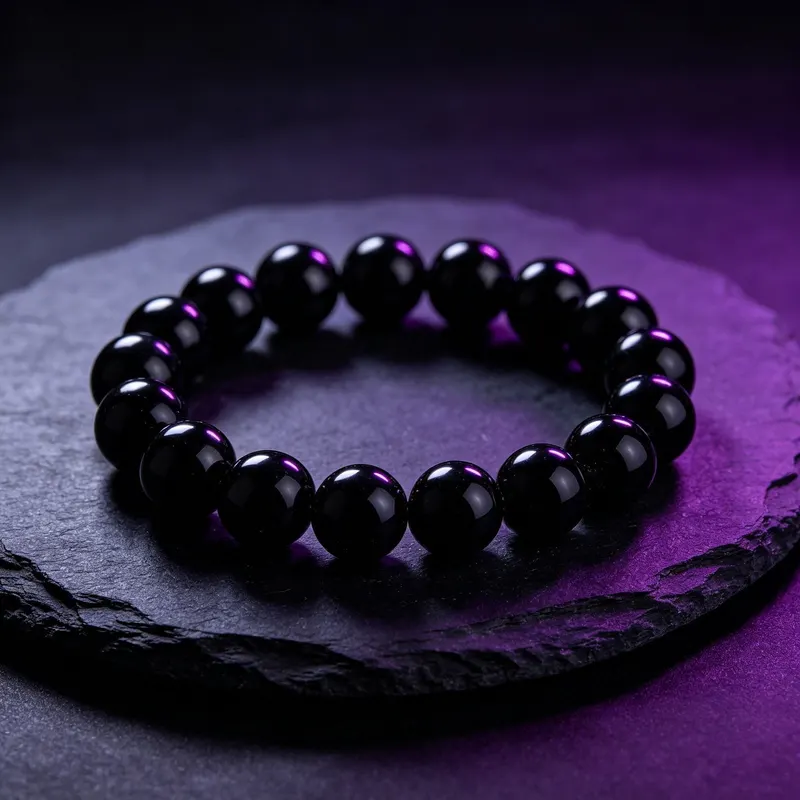
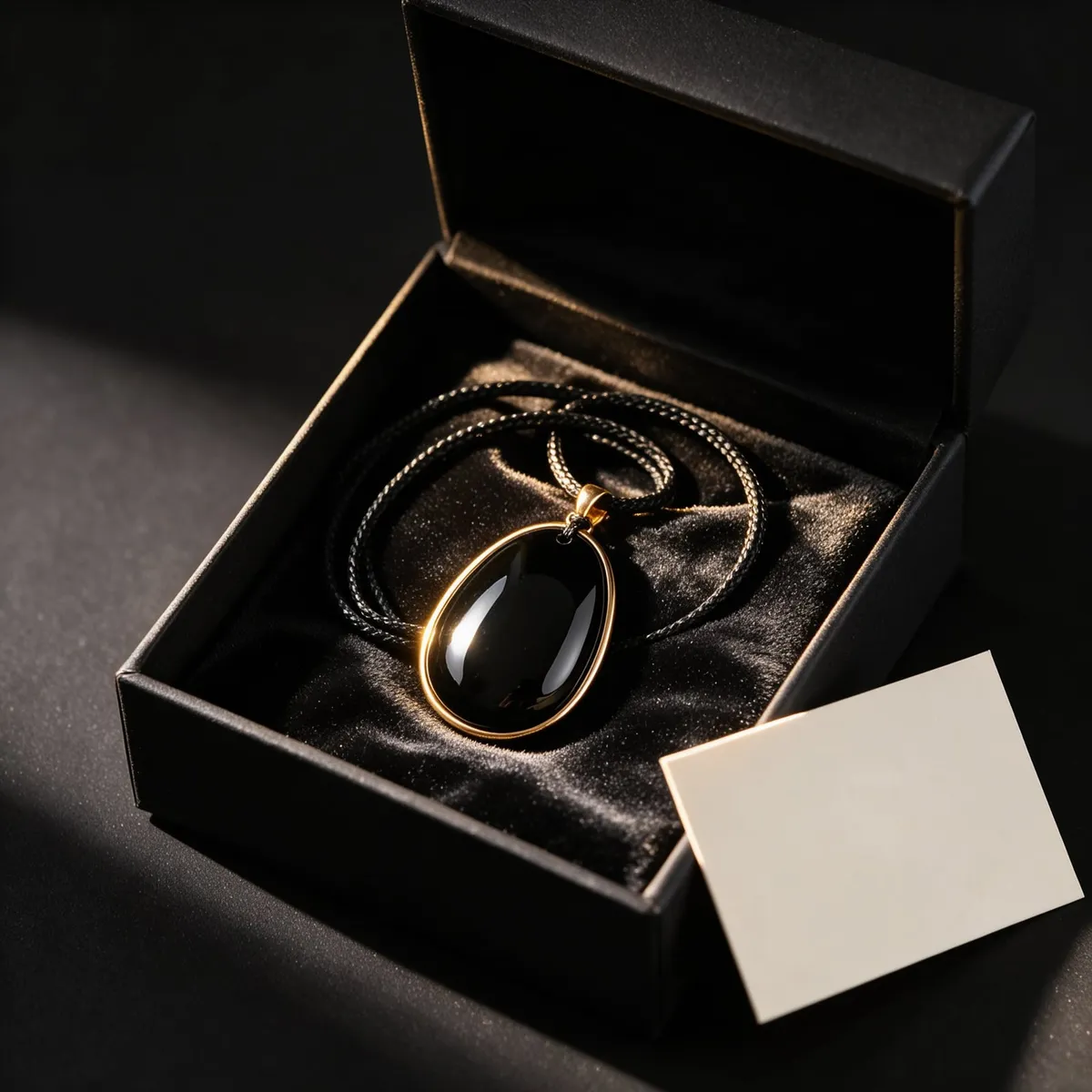
- Black tourmaline — believed to support grounding and a sense of protection, and a common choice for people who feel scattered or overstimulated. The Black Tourmaline Protection Bracelet for Grounding is a practical everyday piece.
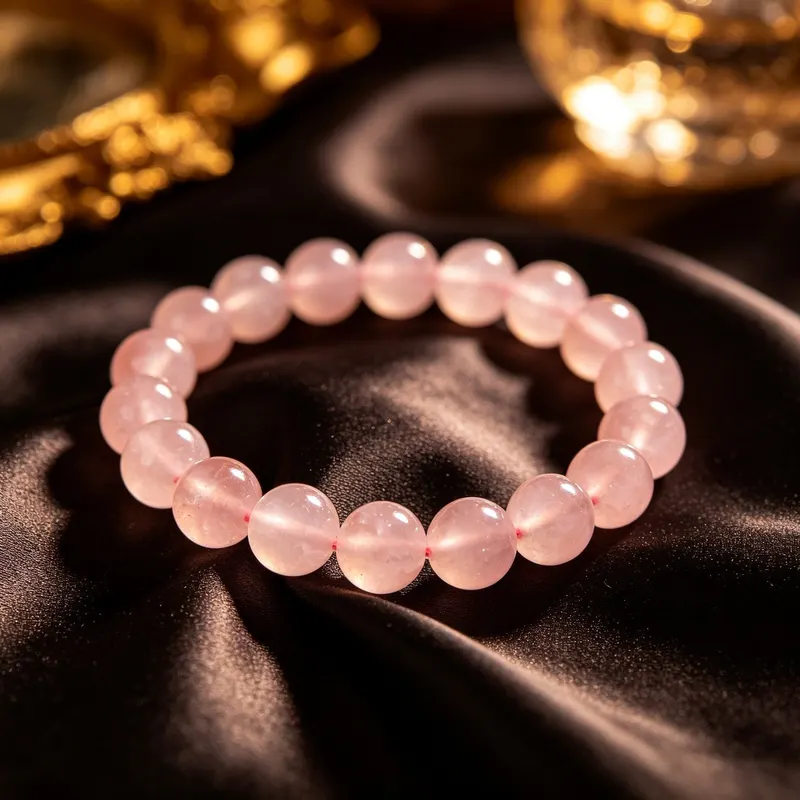
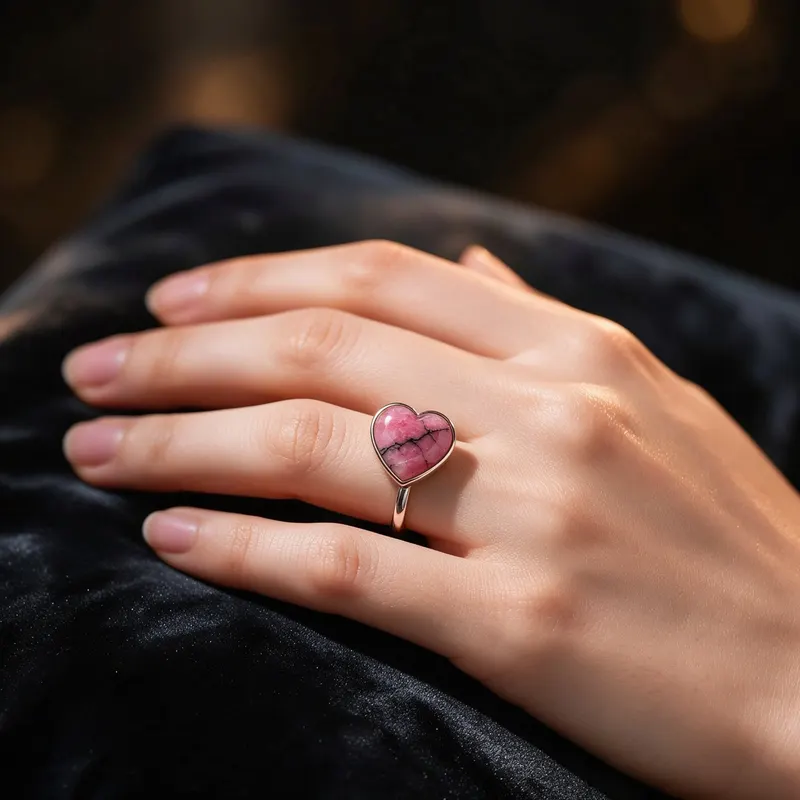
- Rose quartz — traditionally associated with self-love, kindness, and heart-centered reflection. The Rose Quartz Love Bracelet for Self-Love & Heart is a gentle starting point.
- One intention stone you choose — pick based on what you're actually working on right now. Citrine for motivation and abundance, tiger's eye for confidence, fluorite for focus, or moonstone for new beginnings. Choosing this one yourself is part of the practice.
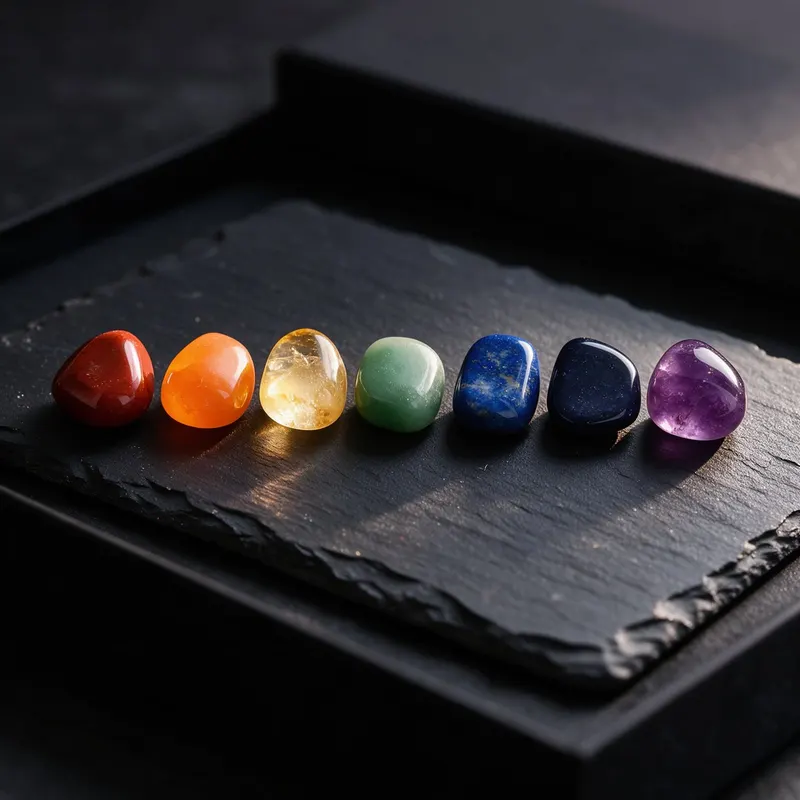
If you'd rather not choose individually, the Healing Crystal Starter Kit, 7 Stones + Guide bundles core stones with written guidance, which is genuinely helpful when you're still learning what each one is for.
Pre-Made vs Build-Your-Own
Both approaches work. The right choice depends on how much time you want to spend researching versus how much control you want over the final selection.
| Consideration | Pre-made starter or chakra set | Build-your-own kit |
|---|---|---|
| Effort | Low — stones arrive curated and complementary | Higher — you research each stone and intention |
| Cost | Usually lower per stone | Varies; you can spend more or less per piece |
| Personalization | Fixed selection | Fully tailored to your intentions |
| Learning curve | Gentler, especially with included guidance | Steeper but more educational |
| Best for | Complete beginners, gift-givers | People with a specific goal or existing preferences |
| Storage | Often included (e.g., a display box) | You supply your own pouch or tray |
The 7 Chakra Stone Set with Wooden Display Box is a good middle ground: it covers every energy center, comes with a place to store the stones, and gives you a structured way to explore which ones you gravitate toward. A build-your-own kit is better once you know you want, say, a focus stone and a grounding stone and nothing else.
How to Choose and What to Look For
When you're buying your first stones, a few practical checks will save you disappointment.
- Look at the actual stone, not just the photo. Natural variation is normal — color, inclusions, and banding differ from piece to piece. Slight differences from the listing image are expected, not a defect.
- Check the material and setting. For jewelry, confirm the metal (sterling silver, gold-plated, stainless steel) and whether the stone is natural. Plated metals wear over time; sterling silver and stainless steel last longer with care.
- Size matters for bracelets. Measure your wrist and compare to the listed circumference. A bracelet that's too tight is uncomfortable; too loose and it slips off. Most beaded bracelets sit best with about a half-inch of ease.
- Ask what "raw" means. Raw or rough stones are unpolished and may have sharper edges — fine for a tray or altar, less ideal for a pocket.
- Set realistic price expectations. Tumbled stones and simple beaded bracelets typically run from modest to mid-range; sterling silver pendants and larger display sets cost more. Very low prices on "rare" stones are worth a second look.
What tradition holds — and what we can verify
Crystal lore is rich, and it's worth separating what's traditional from what's measurable. Both can coexist, as long as you know which is which.
Traditional associations (lore, not science): Clear quartz as an amplifier, amethyst for calm, black tourmaline for protection, rose quartz for love and self-kindness, citrine for abundance. These are cultural and spiritual associations passed down through crystal-working traditions. They are not clinical claims, and no stone is a substitute for medical or mental health care.
What we can verify (physical facts):
- Hardness (Mohs scale): Quartz and amethyst are about 7; tourmaline about 7–7.5; rose quartz about 7. Softer stones like fluorite (about 4) and selenite (about 2) scratch easily and should be kept separate from harder stones in storage.
- Water sensitivity: Selenite dissolves in water — never soak it. Malachite and some porous or dyed stones also dislike prolonged water. Quartz-family stones are generally water-tolerant but may be harmed by harsh cleaners.
- Sunlight sensitivity: Amethyst, rose quartz, and fluorite can fade with prolonged direct sun. Dry them in indirect light or store them away from a sunny windowsill.
- Care basics: Wipe with a soft dry or slightly damp cloth; avoid ultrasonic cleaners on soft or included stones; store each piece separately to prevent scratches; remove jewelry before swimming, showering, or applying lotions.
If you want to cleanse stones as part of your practice, methods like sound, moonlight, or a selenite wand are traditional and harmless for most stones — just avoid water for soft or porous ones.
How to Use Your First Kit
A kit is only useful if it becomes part of a routine. Keep it simple:
- Pick one stone per intention. Choose the stone that matches what you're working on this week and keep it where you'll see it — a desk, nightstand, or pocket.
- Pair a stone with an action. Hold your amethyst while you put your phone away for the evening; wear your tiger's eye on days you have a hard conversation. The stone becomes a cue, not a cure.
- Keep a short note. Jot down what you noticed — calmer, more focused, more aware. Over a few weeks you'll learn which stones you actually reach for.
- Clean and store regularly. A quick wipe and a dedicated pouch or box keeps stones looking their best and makes the ritual feel intentional.
FAQ
People Also Ask
What crystals should a beginner buy first?
Clear quartz, amethyst, black tourmaline, and rose quartz cover clarity, calm, grounding, and self-kindness — a versatile foundation. Add one intention stone of your own choosing once you know what you're working on.
Is a starter kit worth it?
For most beginners, yes. A curated kit removes guesswork, usually includes guidance, and tends to cost less per stone than buying individually. Build your own if you already have specific intentions or preferences.
How many crystals do I need to start?
Three to five is plenty. Start with the core four plus one intention stone, use them for a few weeks, and expand only when you notice a genuine gap.
How do I care for my first crystals?
Wipe with a soft cloth, keep soft stones like fluorite and selenite away from water and hard stones, store pieces separately, and keep amethyst, rose quartz, and fluorite out of prolonged direct sun. For jewelry, remove it before swimming, showering, or applying lotions.
Browse the Curated Collection
Explore the full edit here: Raw Stones & Sets Collection →
Shop the Stones
- Crystal Healing Starter Kit
- 7 Chakra Stone Set with Box
- Clear Quartz Pendant Necklace
- Amethyst Healing Bracelet
- Black Tourmaline Protection Bracelet
- Rose Quartz Love Bracelet
Keep Exploring
Beginners Guide · Choose Your First Crystal · Cleanse & Charge
Crystals are intended to support personal and spiritual well-being and are not medical devices. They do not diagnose, treat, cure, or prevent any disease. If you are struggling with your mental or physical health, please reach out to a qualified professional.