Different Placement, Different Feeling
You have a stone you keep coming back to, and now you're standing at the checkout page wondering whether it should live on your wrist or around your neck. It sounds like a small decision, but the two forms wear very differently. A bracelet moves with your hands, catches your eye while you type or drive, and can be touched as a quick reset. A pendant sits close to the throat or heart, usually under a shirt collar, and becomes a quiet presence you feel more than you look at.
Neither form is "stronger." What changes is the kind of reminder you're building into your day. If you want something active and visible — a cue you can glance at or press your thumb against during a tense meeting — a bracelet tends to fit. If you want something steady, private, and worn continuously without thinking about it, a pendant often suits better.
This guide walks through where each form sits, how the tradition frames that placement, and how to choose based on your actual routine — including the practical questions of sizing, care, and what you should realistically expect to pay.
Where Each Form Sits — and Why Placement Matters
In crystal and I Ching traditions, the body is often mapped as a series of centers, and jewelry is chosen partly by which center you want to work with. This is symbolic language, not anatomy, but it gives you a useful way to think about placement.
Bracelets sit on the wrist, over pulse points that practitioners traditionally associate with circulation and the movement of energy through the hands. Because your hands are where you act, make, and reach, a wrist stone is traditionally associated with intentions about doing — focus, courage, grounding, creative output.
Pendants rest at the throat or over the heart. The throat is traditionally linked with expression and honest speech; the heart with love, grief, and emotional steadiness. A necklace is therefore traditionally associated with intentions about being — how you speak, how you feel, how you hold yourself in relation to others.
None of this is a rule you can fail. It's a framework for choosing a reminder that matches the moment you most want support.
When to Choose a Bracelet
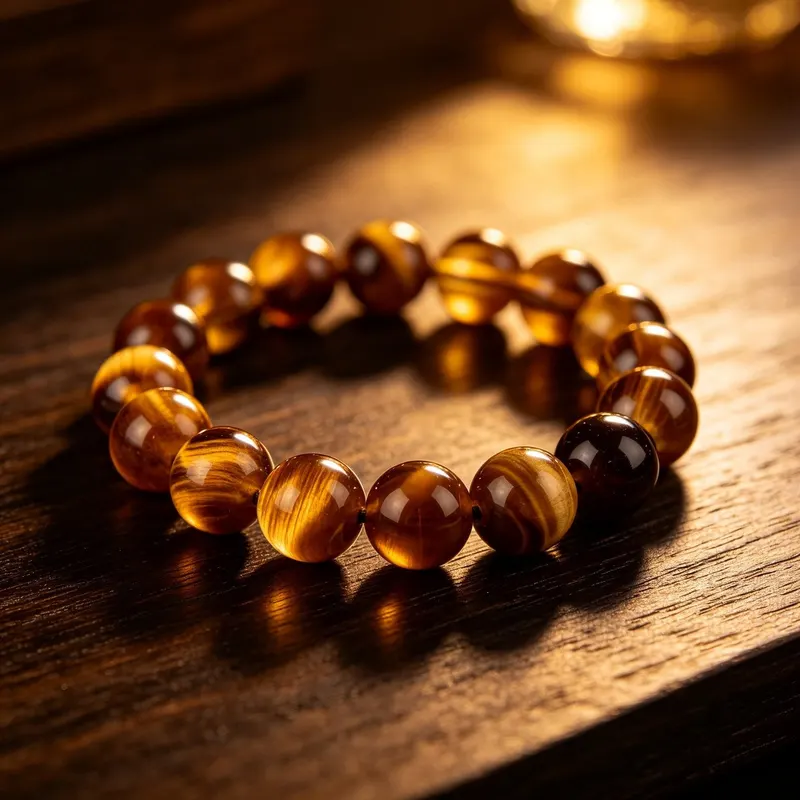
- For active, touchable intentions. Focus, confidence, and grounding are easier to cue when the stone is on your hand. A Tiger's Eye Confidence Bracelet for Focus & Courage gives you something to see every time you reach for the keyboard.
- When you want to stack or layer. Bracelets are the most flexible form for combining stones — a grounding base plus a clarity stone, for example.
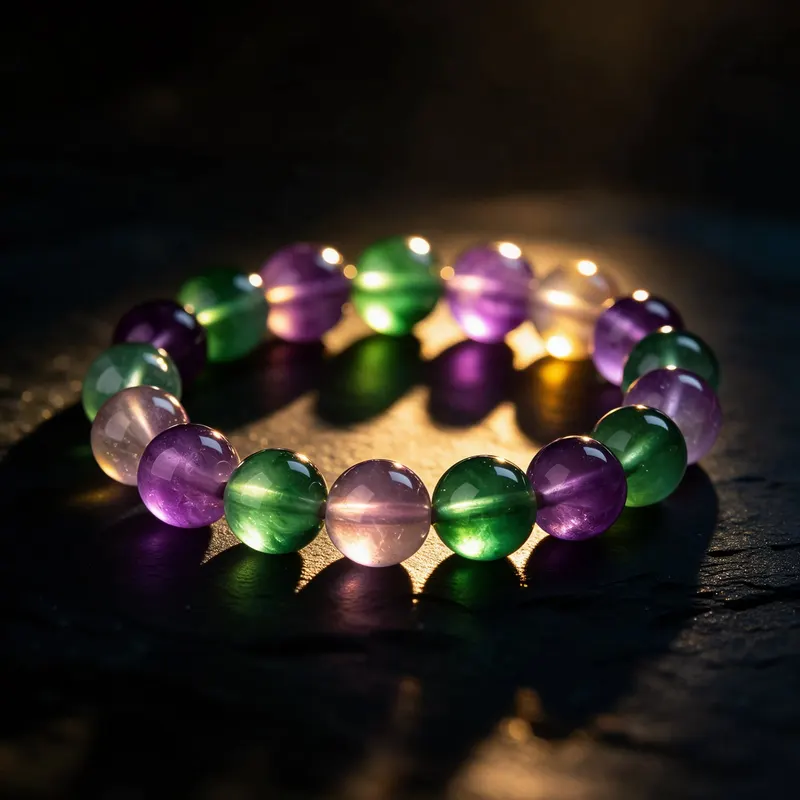
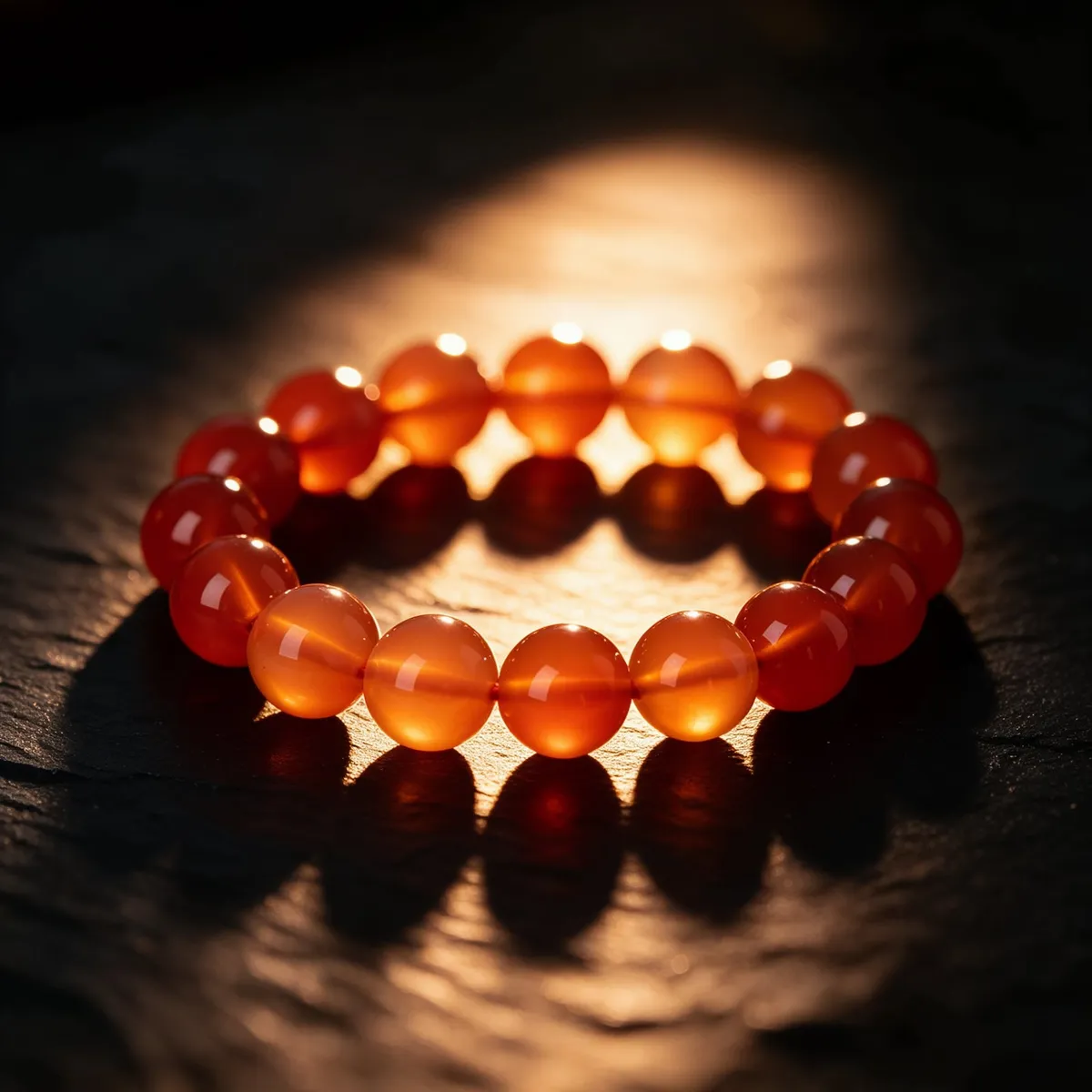
- When you fidget. Many people find that a beaded bracelet gives restless hands somewhere to go. Rolling a bead between thumb and finger is a simple, repeatable grounding ritual.
- When you want visible ritual. If part of the value is seeing the stone and being reminded of your intention, a bracelet does that better than a pendant tucked under a shirt.
Wrist side is a separate question with its own tradition — left to receive, right to release — covered in our guide to wrist meaning. For most people the practical answer is: wear it on your non-dominant hand so it doesn't interfere with writing, lifting, or typing.
When to Choose a Necklace
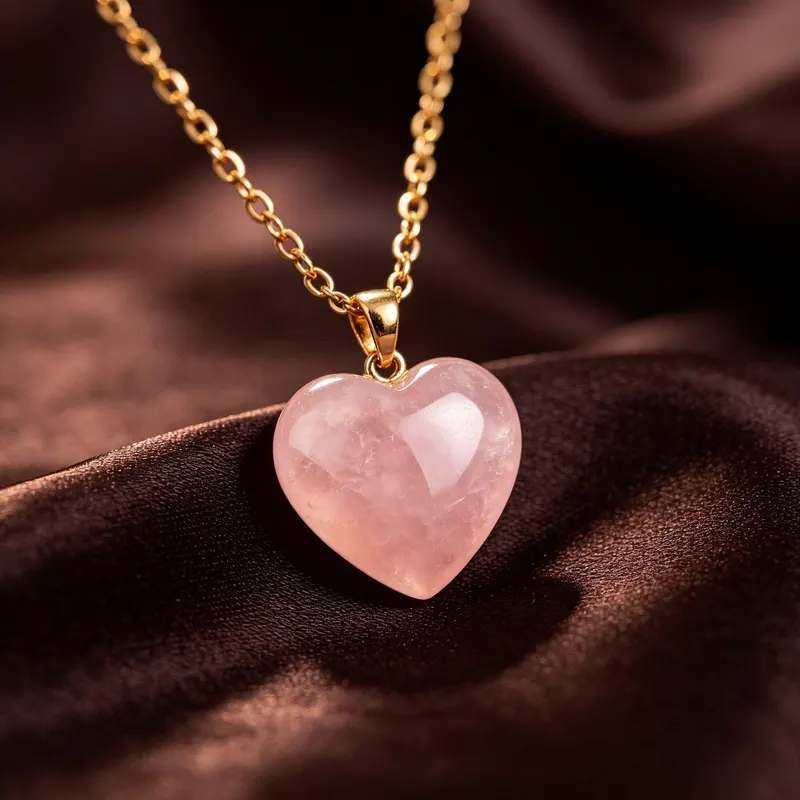
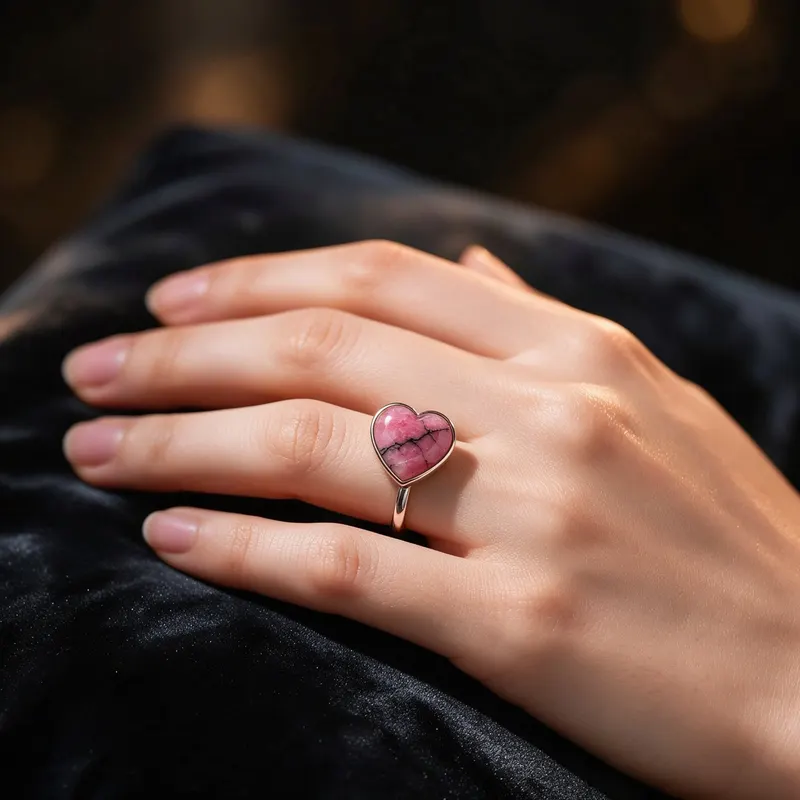
- For heart and throat intentions. Love, self-compassion, calm communication, and honest expression are traditionally mapped to the chest and throat. A Rose Quartz Heart Pendant Necklace, Gold-Plated sits exactly where the tradition places heart work.
- For a discreet, constant presence. A pendant under a collar is with you through workouts, dishwashing, and sleep-adjacent evenings without needing adjustment.
- When bracelets are impractical. If you work with your hands, wear gloves, or type constantly, a necklace avoids the clatter and snagging.
- When you want a single, settled piece. A pendant is harder to over-stack, which suits people who prefer one clear intention at a time.
Bracelet vs Necklace: Side-by-Side
| Consideration | Bracelet | Necklace / Pendant |
|---|---|---|
| Traditional placement | Wrist, over pulse points; linked to action and the hands | Throat or heart; linked to expression and emotion |
| Best-suited intentions | Focus, confidence, grounding, creativity, protection | Love, calm, communication, wisdom, steady reassurance |
| Visibility | Visible; easy to glance at and touch | Often hidden under clothing; private |
| Daily practicality | Can snag on sleeves, keyboards, gym equipment | Low-friction; rarely interferes with hands |
| Stacking | Easy to layer multiple stones | Usually one pendant; layering is more deliberate |
| Sizing | Wrist circumference matters; beads should not press | Chain length matters; pendant should rest where intended |
| Care exposure | More contact with water, soap, sweat, surfaces | Less contact, but chain and clasp need checking |
| Typical price range | Often lower for comparable stone quality | Higher when metal settings and chains are involved |
How to Choose: A Practical Checklist
- Name the intention in one sentence. "I want to feel steadier before presentations" points to a bracelet. "I want to speak more kindly to myself" points to a pendant.
- Match the stone to the intention, then the form to the placement. A calming stone works in either form; the question is whether you want the reminder on your hand or near your throat.
- Check your actual day. Hands-on job, gym routine, or small children? A pendant will survive better. Desk-based and want a visible cue? A bracelet.
- Size it properly. For bracelets, measure your wrist with a soft tape and add roughly 1–1.5 cm of ease for a beaded strand; it should rotate slightly but not slide over your hand. For pendants, a 16–18 inch chain typically rests at the collarbone or upper chest; 20–24 inches drops toward the heart.
- Start with one piece. A single stone worn daily teaches you more than five worn occasionally.
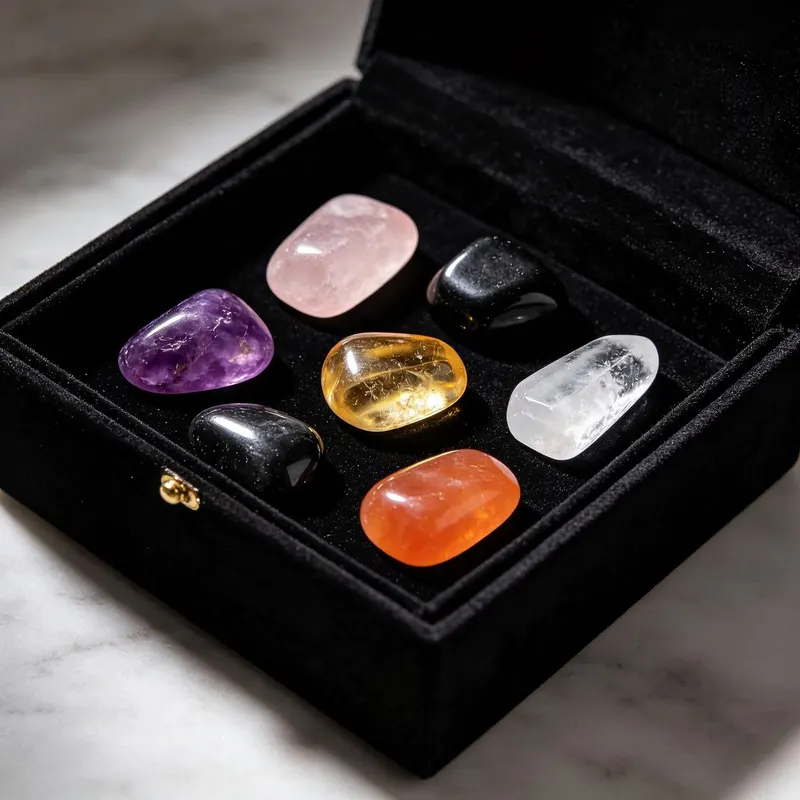
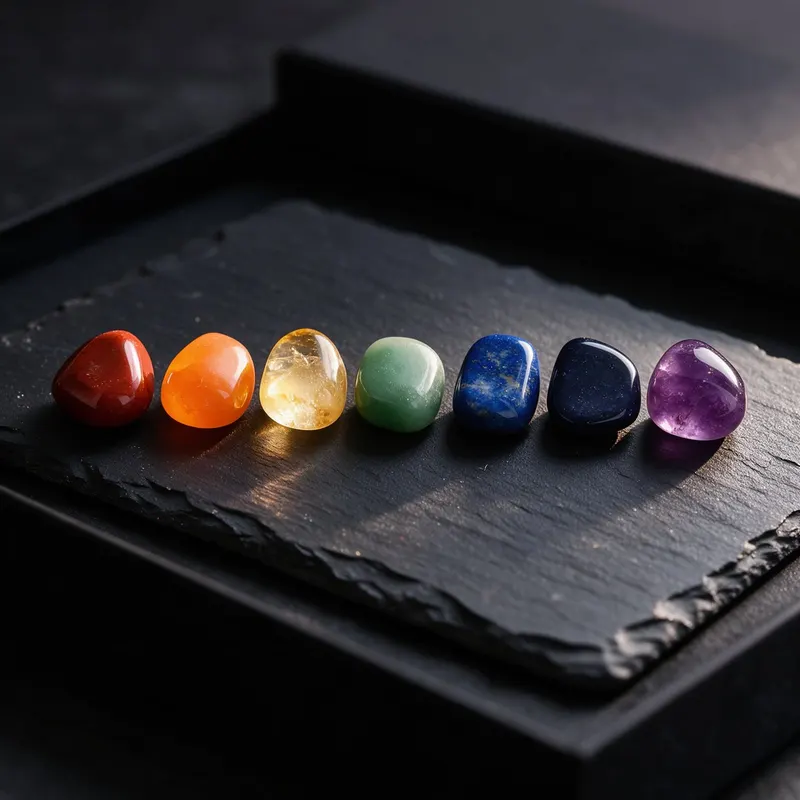
If you're genuinely undecided, a mixed set lets you experiment with placement before committing — the Healing Crystal Starter Kit, 7 Stones + Guide includes stones you can pocket, place on a desk, or pair with your own chain.
Traditional beliefs vs. verifiable facts
It's worth being clear about which claims are traditional and which are measurable. Crystal meanings are cultural and symbolic; they are not clinical claims, and we don't present them as such.
Traditional lore (symbolic, not medical)
- Amethyst is traditionally associated with calm and clarity; many people keep a piece nearby during meditation.
- Rose quartz is traditionally associated with love and self-compassion.
- Black tourmaline and obsidian are traditionally associated with protection and grounding.
- Placement on the wrist versus the throat or heart is part of this symbolic framework, not a physiological mechanism.
What can be verified
- Hardness (Mohs scale). Quartz-family stones (clear quartz, amethyst, citrine, rose quartz) sit around 7. Selenite is very soft, roughly 2, and scratches easily. Fluorite is about 4 and chips with knocks. This matters for bracelets, which take more impact than pendants.
- Water sensitivity. Selenite should be kept dry. Porous or dyed stones can fade or degrade with repeated exposure to water, soap, and chlorine. Remove bracelets for showers, swimming, and dishes.
- Sunlight sensitivity. Some stones — including amethyst, rose quartz, and fluorite — can fade with prolonged direct sun. Store them away from a bright windowsill.
- Metal and skin. Sterling silver and gold-plated findings can tarnish or wear; if you have metal sensitivities, check the chain and clasp material before buying.
- Cleaning. Warm water, a drop of mild soap, and a soft cloth for most quartz-family stones. Dry immediately. Skip ultrasonic cleaners for soft or fractured stones.
Crystals are kept for reflection and ritual. They are not medical devices and are not a substitute for professional care.
Pairing Both Without Clutter
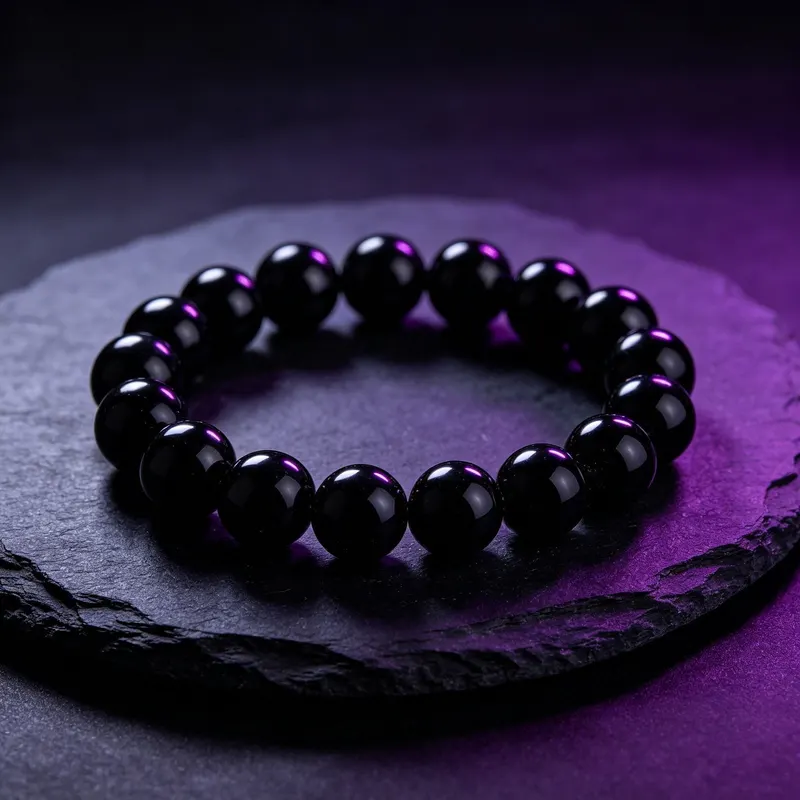
Wearing a bracelet and a necklace together works best when the intentions are complementary rather than competing. A grounding Black Tourmaline Protection Bracelet for Grounding on the wrist paired with a Clear Quartz Point Pendant Necklace, Sterling Silver at the throat is a common combination: steadiness in the hands, clarity in speech. Similarly, a Labradorite Bracelet for Intuition & Transformation can sit alongside a quieter pendant without either feeling loud.
Two practical rules: keep the metal tones consistent so the pairing looks intentional, and avoid wearing more than two or three stones at once if you want each to stay meaningful. More pieces dilute the reminder.
FAQ
People Also Ask
Is it better to wear crystals as a bracelet or necklace?
There's no universal winner. Bracelets suit active, touchable intentions tied to the hands; pendants suit steady, private intentions tied to the throat or heart. Choose by where you want the reminder to live in your day.
Can you wear a crystal bracelet and necklace together?
Yes. Keep the intentions complementary — grounding plus clarity, for example — and limit yourself to a small number of stones so each one stays a clear cue rather than background noise.
Which form is more practical for everyday wear?
Pendants generally survive daily life better because they avoid contact with water, keyboards, and gym equipment. If you choose a bracelet, remove it for showers, swimming, and heavy chores, and check the elastic or clasp regularly.
What should I expect to pay?
Beaded bracelets in common stones typically run from around $20 to $60 depending on bead size and stone quality. Pendants cost more because of the setting and chain — roughly $40 to $120 for sterling silver or gold-plated designs with a genuine stone. Prices rise with rarer stones, larger pieces, and solid precious metal. Be cautious of unusually cheap listings claiming rare stones.
Browse the Curated Collection
Ready to choose a form? Start with Necklaces & Pendants for heart and throat intentions, or explore bracelets if you want something active on your wrist. Whichever you pick, wear it daily for a few weeks before adding another — the point is the reminder, not the collection.
Keep Exploring
Amethyst: Necklace vs Bracelet · Wrist Meaning · Best Crystal Necklaces
Crystals are offered for wellness and ritual, not as medical or psychological treatment.