Sunlight Charges—But Fades Some Stones
Brief morning sun is a traditional way to charge crystals, but prolonged or hot midday sunlight can fade certain stones and, in rare cases, make them brittle. When in doubt, choose gentler methods.
Stones That Prefer Shade
Amethyst, rose quartz, fluorite, aquamarine and citrine are among the stones that can lose color with long sun exposure, so charge these briefly or indirectly.
Sun-Tougher Options
Clear quartz, black tourmaline and most black or opaque stones tolerate sun better—such as clear quartz and tourmaline.
Gentle Alternatives
- Moonlight: safest for every stone—see moonlight charging
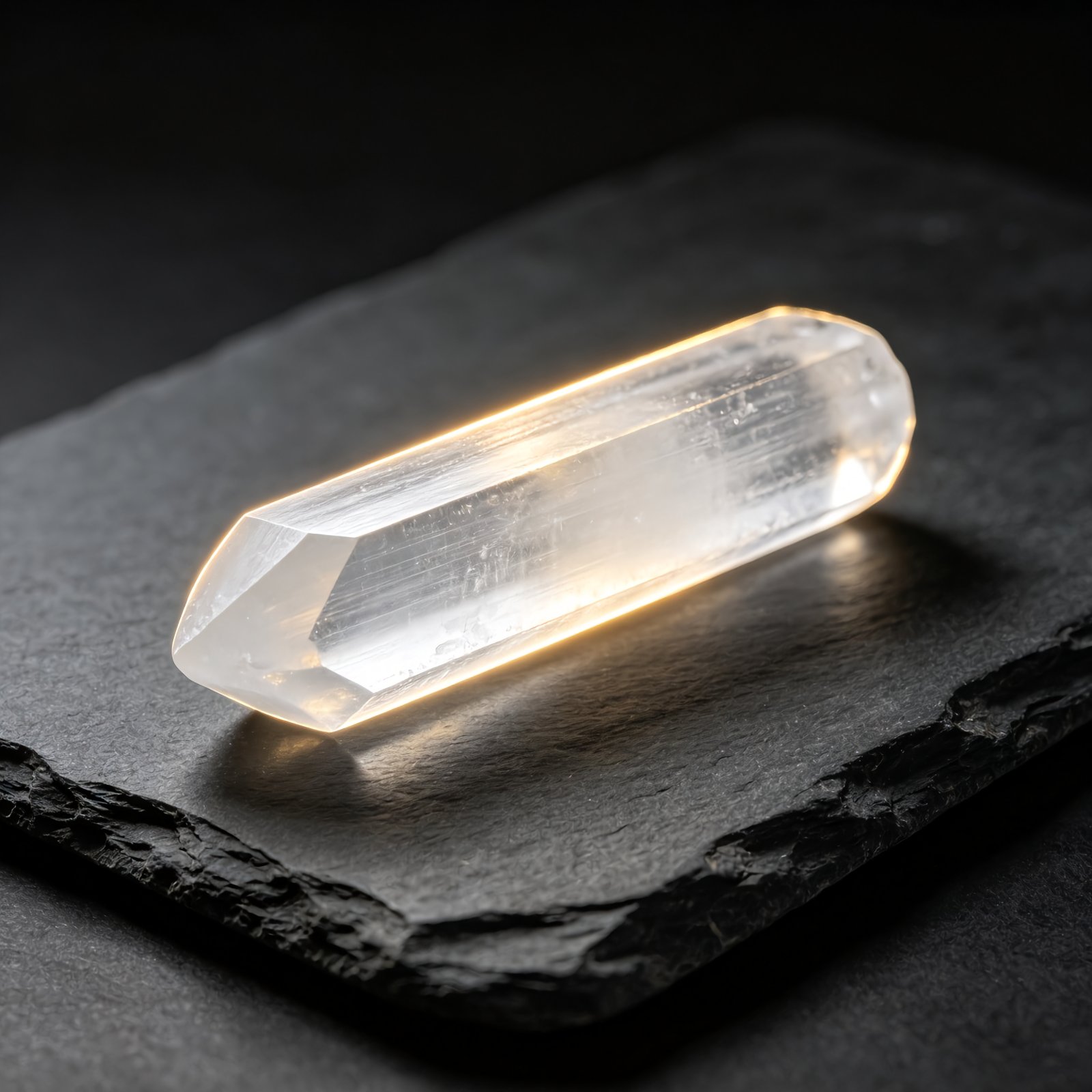
- Selenite: rest stones on a selenite wand
- Sound or smoke: no light or water needed
Water safety is a separate concern—check which crystals cannot go in water, and see the full cleanse and charge guide.
FAQ
People Also Ask
How long should crystals sit in the sun?
A short 10–30 minutes of gentle morning light is plenty; avoid hours of hot midday sun for fade-prone stones.
Does sunlight damage crystals?
It mainly fades color in certain stones; prolonged extreme heat can also damage some materials.
What is the safest way to charge all crystals?
Moonlight or selenite charging is gentle and safe for every stone type.
Browse the Curated Collection
Explore the full edit here: Raw Stones & Sets Collection →
Shop the Stones
- Selenite Cleansing Wand
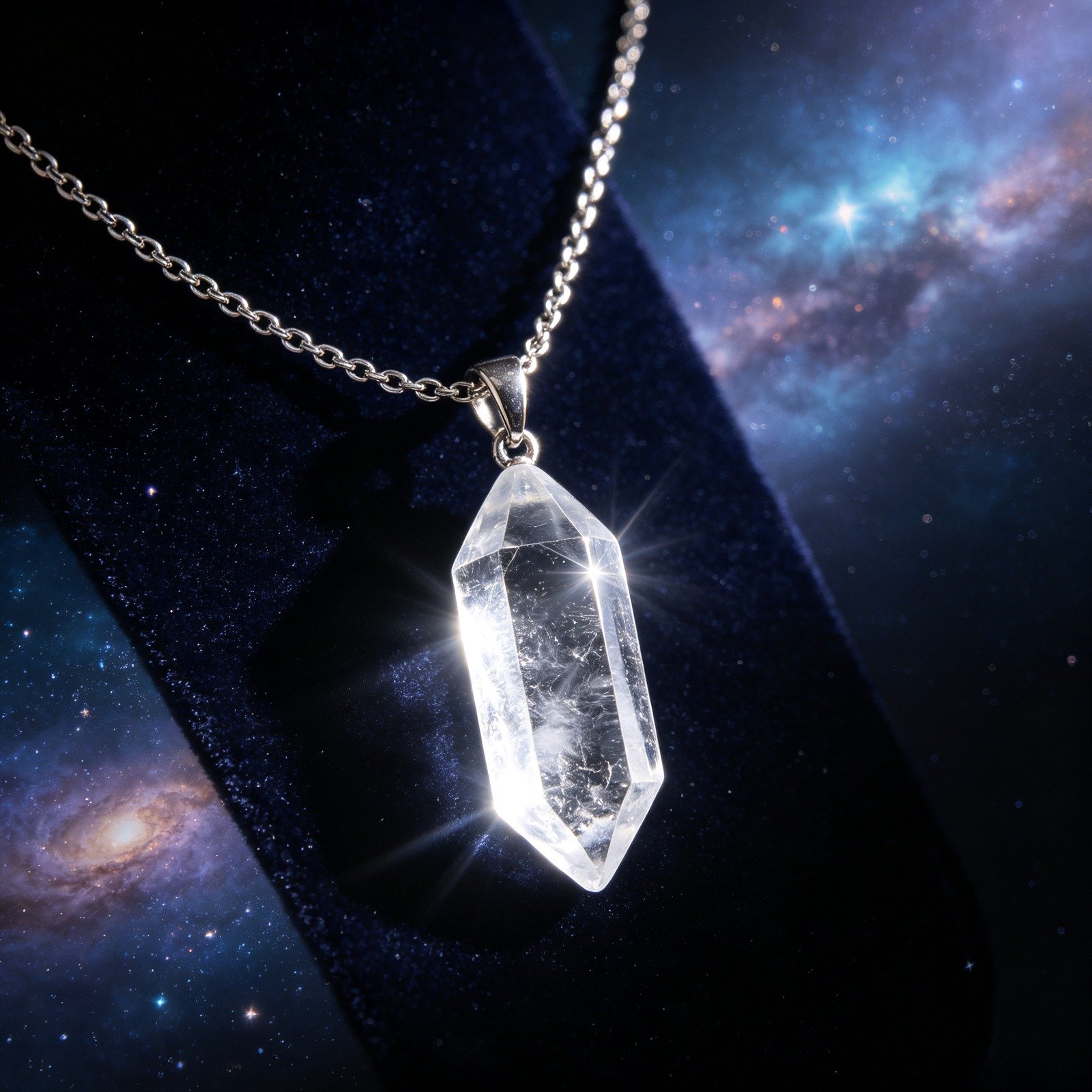
- Clear Quartz Pendant Necklace
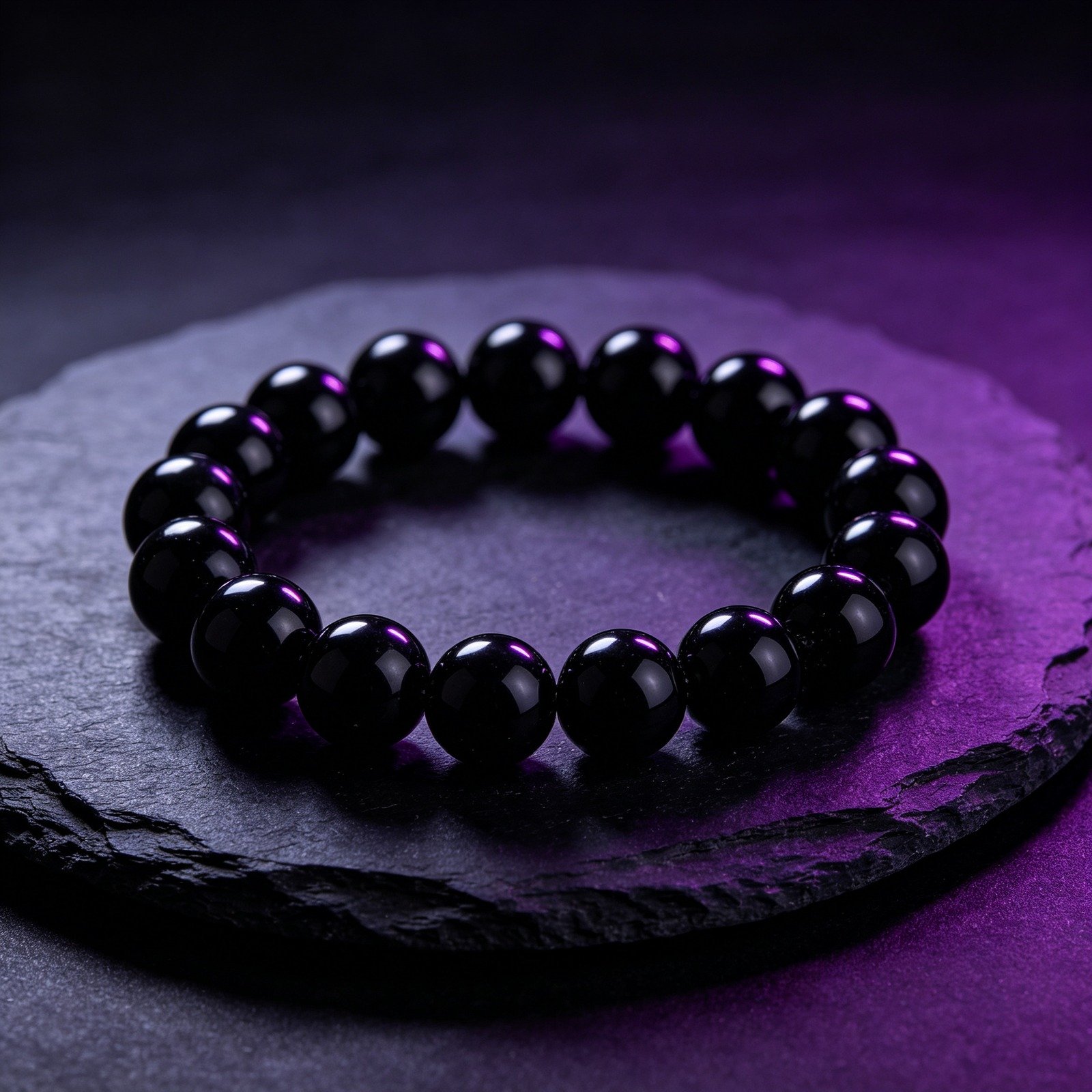
- Black Tourmaline Protection Bracelet
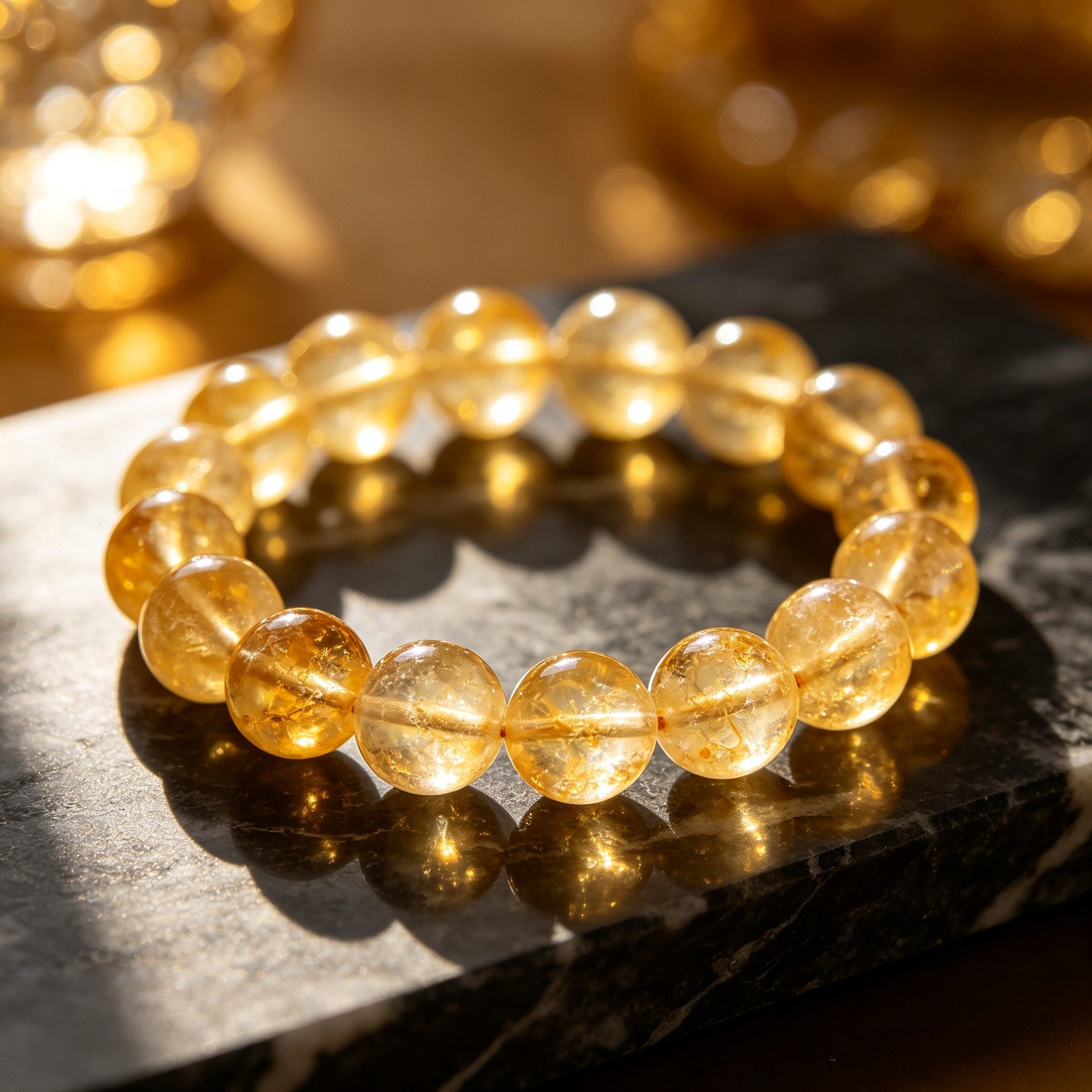
- Citrine Abundance Bracelet
Keep Exploring
Moonlight Charging · Water-Safe Stones · Cleanse & Charge
Crystals are intended to support personal and spiritual well-being and are not medical devices. They do not diagnose, treat, cure, or prevent any disease. If you are struggling with your mental or physical health, please reach out to a qualified professional.