Sunlight Charges—But Fades Some Stones
You've probably seen the advice everywhere: set your crystals outside under a bright sun to "recharge" them. It's one of the most repeated tips in crystal care, and it's not wrong—sunlight is a traditional and genuinely convenient way to cleanse and energize many stones. But if you've ever left a favorite amethyst bracelet on a sunny windowsill for a few weeks and noticed the purple looking paler, you've met the catch. Sun exposure is not neutral for every crystal.
The honest answer to "can crystals be in the sun?" is: some can, some shouldn't, and almost none need hours of it. The difference comes down to how each stone gets its color and how stable that color is under ultraviolet light and heat. This guide walks you through which stones are sun-safe, which prefer shade, how long is actually enough, and what to do instead if you want a method that works for every piece in your collection.
Whether you're charging a single pendant or a whole starter set, the goal is the same: refresh the stone without dulling it. A little knowledge about light and heat will keep your pieces looking the way they did the day they arrived.
Why Sunlight Affects Some Crystals and Not Others
Color in gemstones comes from two main sources: trace elements (like iron or manganese) built into the crystal structure, and structural features like inclusions or color centers. Some of these are stable under light; others are not. When a stone's color depends on a sensitive "color center"—a tiny defect in the crystal lattice that absorbs certain wavelengths—prolonged UV exposure can disrupt it, and the color fades. This is the same basic reason a brightly printed poster fades on a sunny wall.
Heat is the second factor. A windowsill in direct summer sun can get surprisingly hot, and sustained heat plus light is harder on a stone than either alone. For most jewelry-scale pieces, brief gentle sun is harmless. The risk builds with duration and intensity—hours of hot midday sun, day after day, is where fading and, in rare cases, brittleness come in.
None of this is a reason to panic. It's a reason to be deliberate: short morning light for sturdy stones, and gentler methods for the fade-prone ones.
Stones That Prefer Shade
These are the pieces to keep out of long, direct sun. A few minutes of soft early light is generally fine, but treat them as shade-lovers and lean on moonlight or selenite for regular charging.
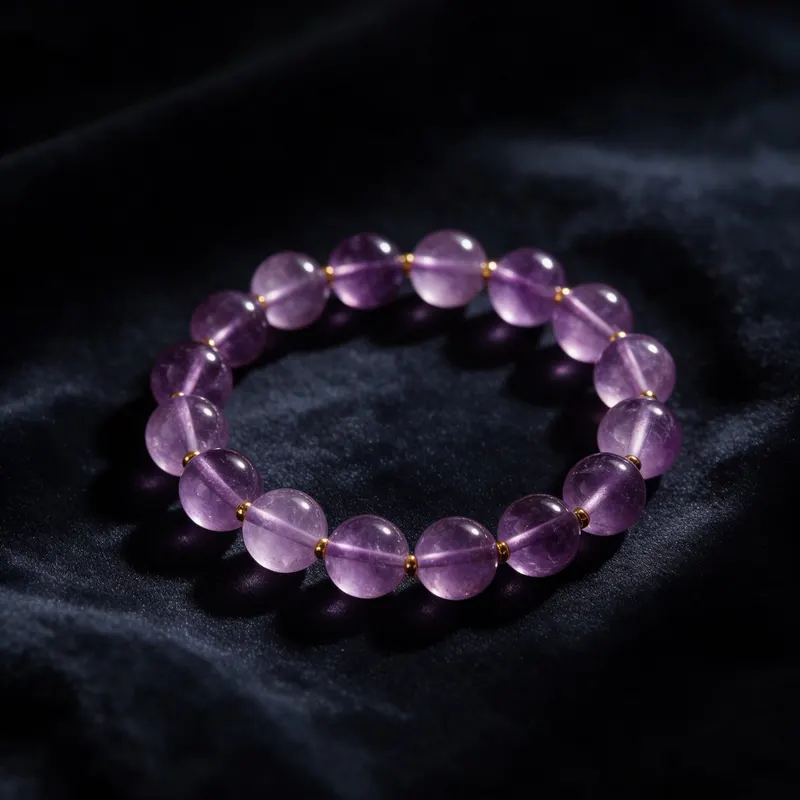
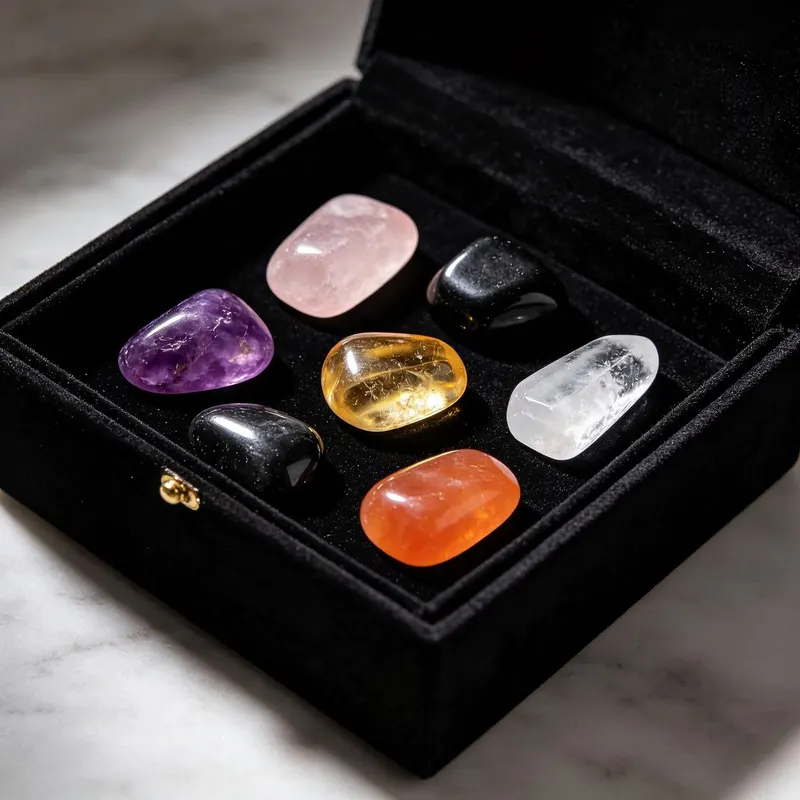
- Amethyst — its purple is famously light-sensitive; long sun exposure can shift it toward pale or brownish tones. Keep your Amethyst Healing Bracelet and any raw clusters away from bright windowsills.
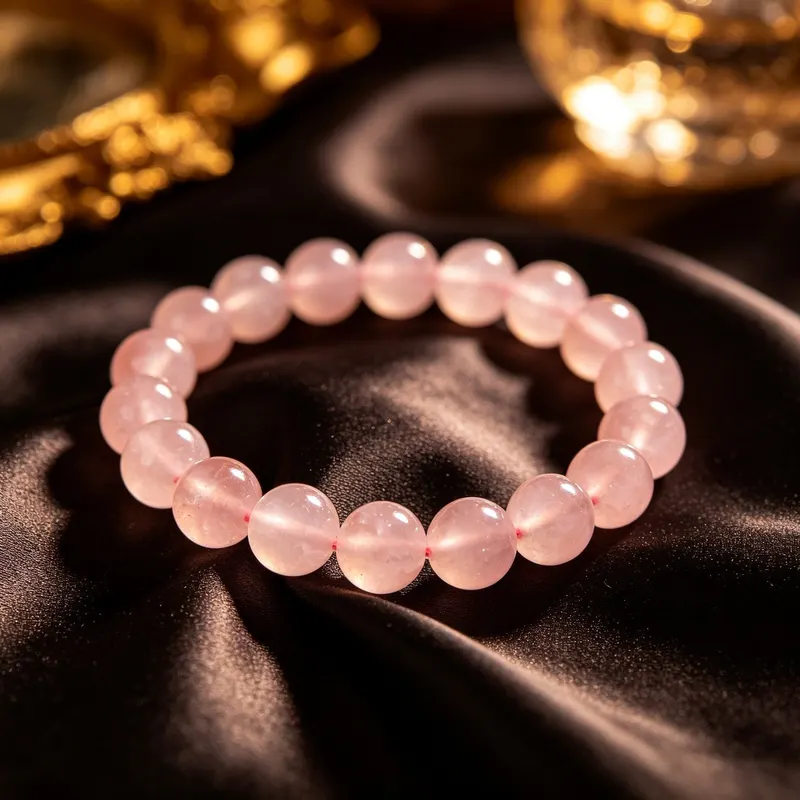
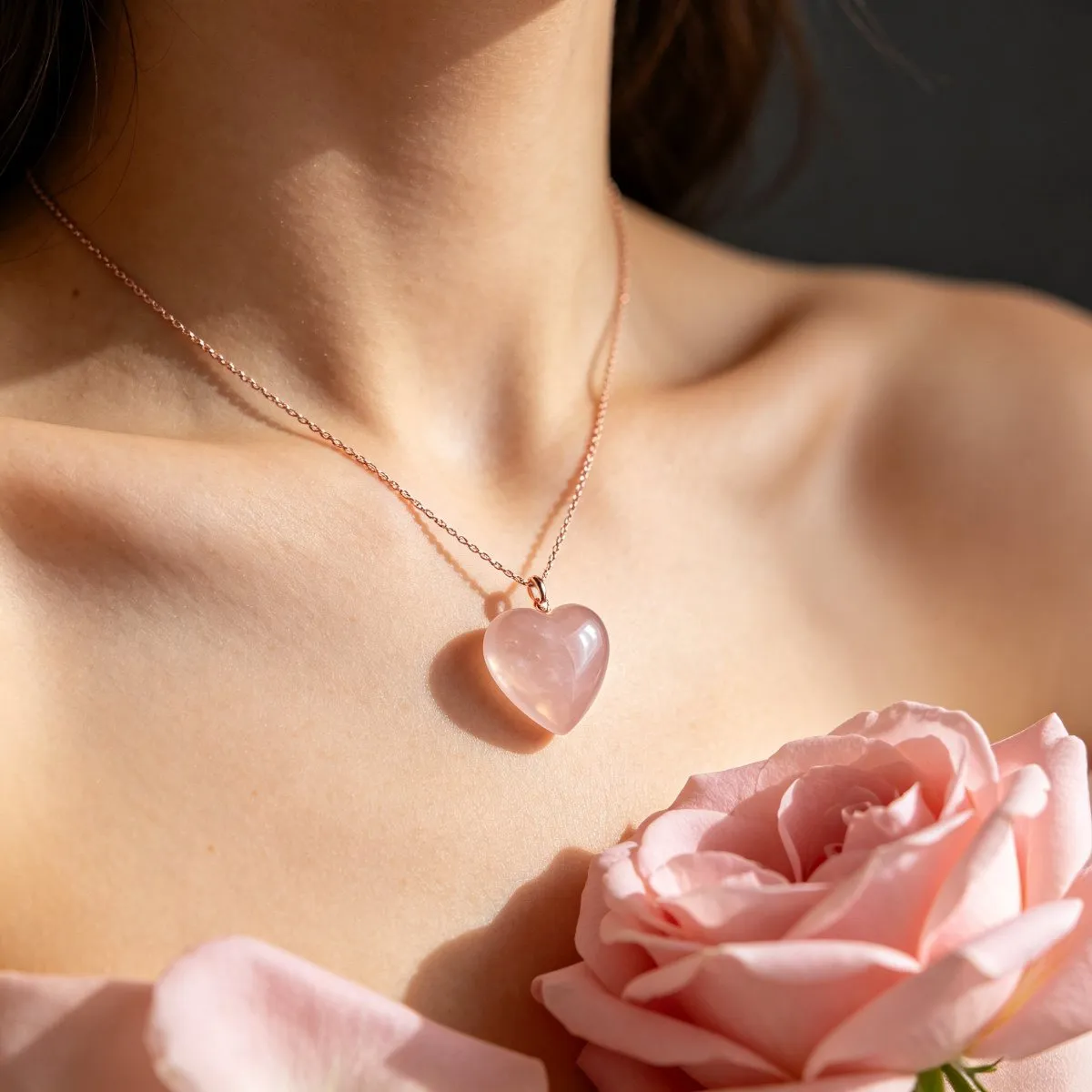
- Rose quartz — the soft pink can fade with prolonged UV. Charge your Rose Quartz Love Bracelet indirectly.
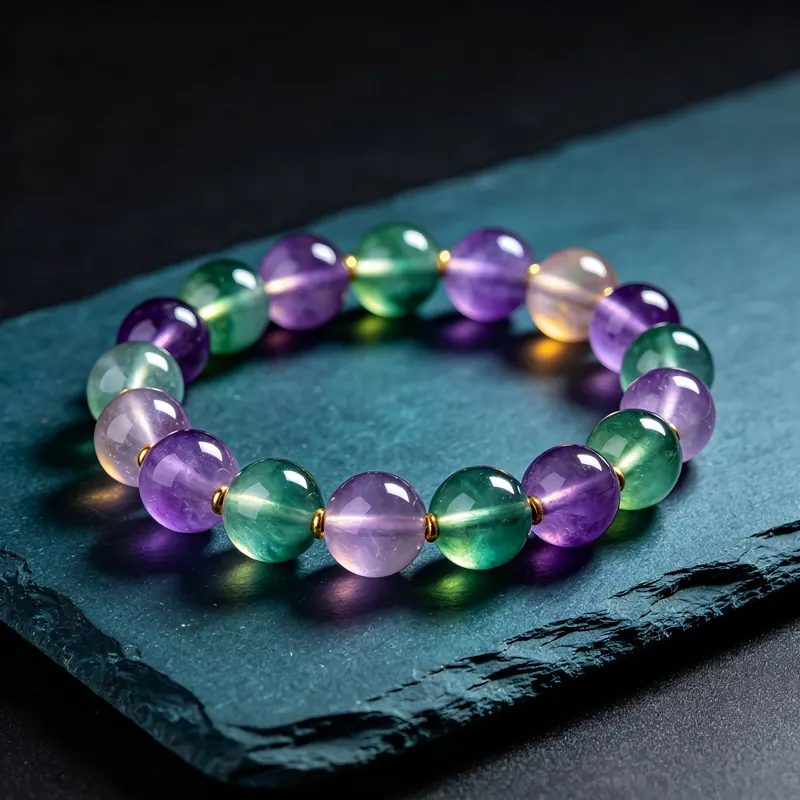
- Fluorite — many fluorites are notably light-sensitive and can lose saturation. A Rainbow Fluorite Focus Bracelet belongs in a drawer, not on a sunny shelf.
- Aquamarine — generally stable but best kept to brief, indirect light to preserve its cool blue.
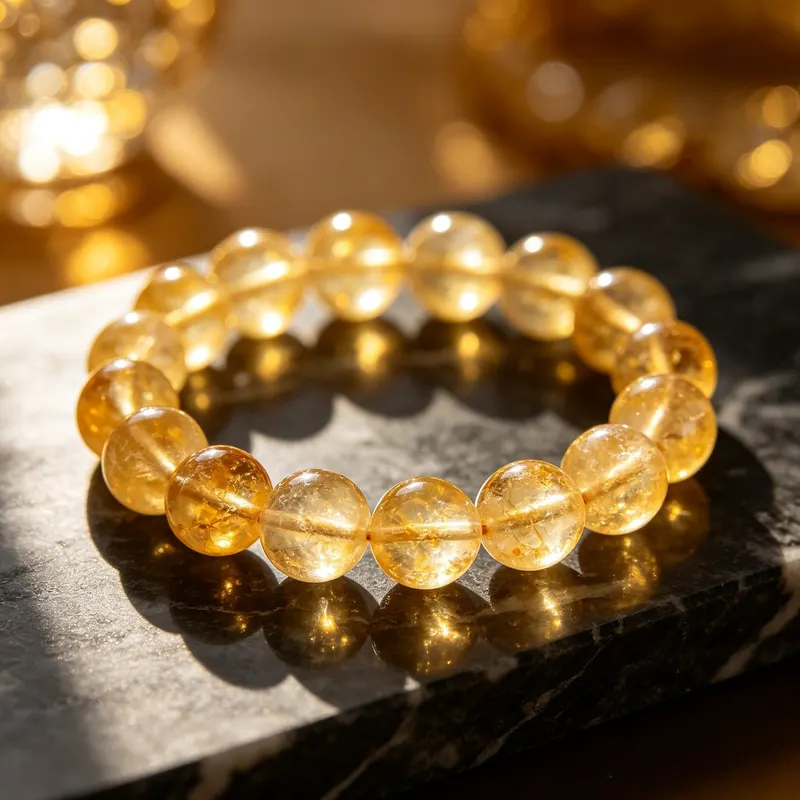
- Citrine — natural citrine is fairly stable, but much of the market is heat-treated amethyst, which can be more sun-sensitive than its golden color suggests. Be conservative with your Citrine Abundance Bracelet.
- Lapis lazuli, kunzite, and many dyed or treated stones — treat as shade-only unless you know the specific piece tolerates sun.
A simple rule: the more vivid and "jewel-toned" the color, the more cautious you should be. Vivid color often means a color center that light can disturb.
Sun-Tougher Options
Clear and opaque stones are generally the most forgiving. They don't rely on delicate color centers, so brief to moderate sun is low-risk. These are the pieces you can comfortably give a short morning charge.
- Clear quartz — the classic sun-charging stone. A Clear Quartz Point Pendant Necklace handles light well; just avoid leaving it in a hot car or on metal that heats up.
- Black tourmaline and other black/opaque stones — color isn't the concern here. A Black Tourmaline Protection Bracelet is a good candidate for short sun sessions.
- Obsidian, hematite, and most dark stones — stable in light; heat is the only real watch-out.
- Smoky quartz and most brown/neutral stones — generally tolerant of brief sun.
Even for these, "sun-tough" doesn't mean "leave it out all day." Ten to thirty minutes of gentle light does the traditional job. There's no benefit to baking a stone for hours, and heat can stress metal settings and elastic over time.
Sun-Safety at a Glance
Use this quick reference when you're deciding where a piece should live and how to charge it. "Brief sun" means roughly 10–30 minutes of soft morning light, not midday glare.
| Stone | Sun Tolerance | Best Charging Method | Watch Out For |
|---|---|---|---|
| Clear quartz | High | Brief sun, moonlight, selenite | Heat on metal settings |
| Black tourmaline | High | Brief sun, selenite, sound | Elastic degrading in heat |
| Obsidian | High | Brief sun, moonlight | Hot windowsills |
| Amethyst | Low | Moonlight, selenite, sound | Color fading to pale/brown |
| Rose quartz | Low–moderate | Moonlight, selenite | Pink fading over months |
| Fluorite | Low | Moonlight, selenite, sound | Loss of saturation |
| Citrine (treated) | Moderate | Brief indirect sun, moonlight | Golden tone shifting |
| Aquamarine | Moderate | Brief indirect sun, moonlight | Prolonged direct light |
How Long Should Crystals Sit in the Sun?
Shorter than most people think. A 10–30 minute session in gentle morning or late-afternoon light is plenty for sun-tolerant stones. You do not need to leave crystals out from sunrise to sunset, and doing so repeatedly is exactly how fade-prone stones lose their color.
A few practical habits make sun charging safer:
- Choose the edges of the day. Early morning or low evening light is softer than midday sun.
- Skip the magnifying effect. Don't leave stones under glass that concentrates light, and don't put them in a hot car.
- Set a timer. Half an hour is easy to forget; a phone reminder prevents an all-day bake.
- Rotate, don't soak. If you like charging in sun, alternate with moonlight so no single piece gets repeated strong exposure.
- Mind the hardware. Elastic bracelets and plated metals age faster with heat and UV—another reason to keep sessions short.
Gentle Alternatives That Work for Every Stone
If you want one method you can use on your entire collection without thinking about fade risk, these are it. They're also ideal for pieces you wear daily and don't want to risk.
- Moonlight — the safest option for every stone. A night on a windowsill during a full moon is the traditional favorite; see our moonlight charging guide.
- Selenite — rest stones on or beside a Selenite Cleansing Wand for gentle, light-free clearing. Selenite itself is water-soluble, so keep it dry.
- Sound — a singing bowl, chime, or bell needs no light or water and suits every stone.
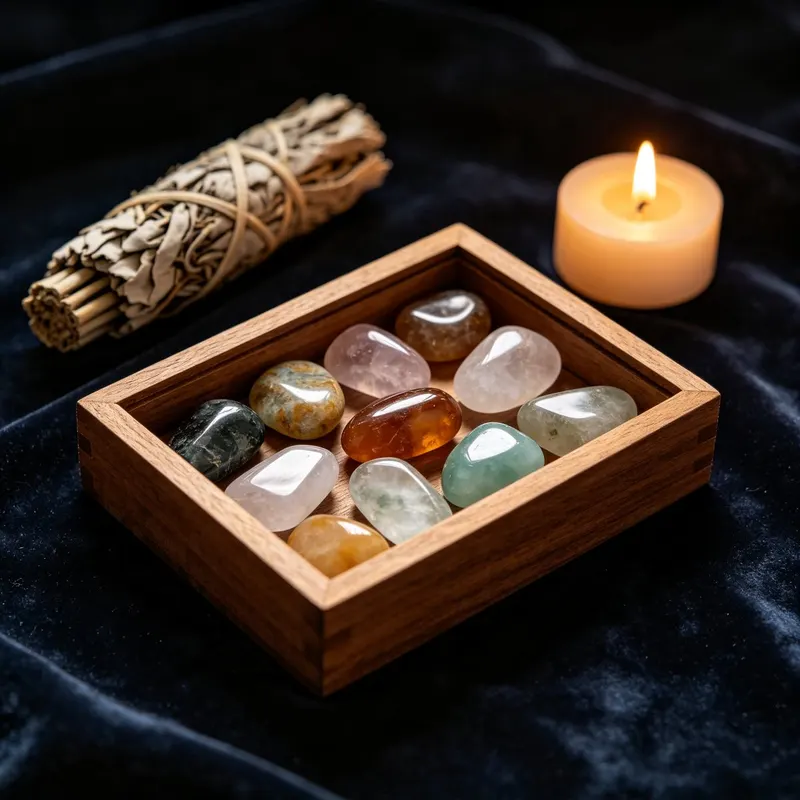
- Smoke — palo santo or incense is another light-free option; keep stones a safe distance from embers.
- Brown rice or salt (dry) — a traditional burying method; skip salt for porous or metal-set pieces.
Water is a separate question entirely—many stones shouldn't get wet at all. Before you rinse anything, check which crystals cannot go in water, and for the full routine see our cleanse and charge guide.
What tradition teaches — and what is provable
Crystal charging sits at the meeting point of folk practice and material science, and it's worth being clear about which is which.
What tradition holds: that sunlight "recharges" a stone's energy, that moonlight is gentler and especially potent at the full moon, and that certain stones are traditionally associated with calm, clarity, protection, or abundance. These are meaningful frameworks for reflection and ritual. They are beliefs and practices, not measured effects—and we present them that way.
What we can verify: the physical facts. Color fading under UV is real and observable. Heat can stress elastic, plating, and some inclusions. And hardness matters for care:
- Mohs hardness tells you scratch resistance. Quartz is about 7; softer stones like fluorite (around 4) and selenite (around 2) scratch easily, so store them separately from harder pieces.
- Water sensitivity is real for selenite, halite, and some porous stones—they can dissolve, craze, or dull.
- Light sensitivity is documented for amethyst, fluorite, and several others; keeping them shaded is sound materials care, whatever your spiritual framework.
In short: charge however feels meaningful to you, but let hardness, heat, water, and light guide the physical handling. That's the part we can stand behind.
Crystals are for reflection and are not medical devices. They do not diagnose, treat, cure, or prevent any disease, and they are not a substitute for professional care.
FAQ
People Also Ask
Can I leave my crystals in the sun all day?
For sun-tolerant stones like clear quartz or black tourmaline, an occasional long session is unlikely to hurt, but it offers no extra benefit. For fade-prone stones like amethyst, rose quartz, and fluorite, avoid all-day sun—10–30 minutes of gentle light or an indirect spot is enough.
Does sunlight actually damage crystals, or just fade them?
Mainly it fades color in light-sensitive stones. Prolonged extreme heat can also stress some materials and damage elastic or plated settings. Structural damage from ordinary sunlight is uncommon, but repeated hot, bright exposure is the scenario to avoid.
What's the safest way to charge any crystal?
Moonlight and selenite charging are gentle and suitable for every stone type. Sound and smoke are equally safe and need no light or water. When in doubt, choose one of these over direct sun.
Can I sun-charge jewelry I wear every day?
Yes, briefly—but favor indirect light and short sessions, especially for elastic bracelets and plated metals, which age faster with heat and UV. For daily-wear pieces, a night of moonlight is the lower-risk habit.
Browse the Curated Collection
Explore the full edit here: Raw Stones & Sets Collection →
Shop the Stones
- Selenite Cleansing Wand
- Clear Quartz Pendant Necklace
- Black Tourmaline Protection Bracelet
- Citrine Abundance Bracelet
Keep Exploring
Moonlight Charging · Water-Safe Stones · Cleanse & Charge
Crystals are intended to support personal and spiritual well-being and are not medical devices. They do not diagnose, treat, cure, or prevent any disease. If you are struggling with your mental or physical health, please reach out to a qualified professional.