Can You Sleep With Crystals? The Short Answer
If you've ever set an amethyst on your nightstand and wondered whether you're supposed to wear it, tuck it under your pillow, or just leave it there, you're in good company. Most people come to this question the same way: a crystal caught your attention, you brought it home, and now you're not sure how it fits into your actual bedtime routine—especially if you wear beaded bracelets to bed or share a room with a light sleeper, a partner, or a curious child.
The honest answer is that it depends on the form the crystal takes and who's sleeping. A smooth stone on a nightstand is a very different thing from a beaded bracelet around your wrist for eight hours, and a sealed tumble under a pillow is different again from a raw cluster with sharp edges. This guide walks through the realistic options, the stones traditionally associated with calm and rest, and the practical rules that keep crystals a comfort rather than a hazard.
We'll also separate what crystal traditions actually say from what we can verify about the stones themselves—hardness, water sensitivity, care—so you can make a choice that feels good and holds up over time.
Bedside Is Usually Better Than in Bed
Calming stones can support a wind-down routine, but sleeping in bracelets or with loose stones in the bed can be uncomfortable or unsafe, especially for children. The nightstand gives you most of the ritual benefit—seeing the stone, touching it as you settle, associating it with the end of the day—without any of the friction of wearing or lying on something hard.
There's a practical side too. Beaded bracelets are strung on elastic, and elastic stretches with heat, moisture and constant tension. Sleeping in a bracelet night after night is one of the fastest ways to shorten its life. Loose stones in the bed can end up under your back, lost in the sheets, or—if there are kids or pets—somewhere they shouldn't be.
Your Options, Compared
Here's a side-by-side look at the three main approaches so you can pick what fits your household.
| Approach | Best for | Watch-outs | Practical tip |
|---|---|---|---|
| Nightstand (recommended) | Almost everyone, including shared bedrooms and kids' rooms | Dust and direct sun on some stones | Keep it within arm's reach; wipe weekly |
| Under the pillow | Adults who want a tactile wind-down cue | Choking risk for young children; sharp or fragile stones | Only a small, smooth, sealed stone; check it's still there each morning |
| Bracelet on | People who already wear one 24/7 and find it comforting | Elastic wear, pressure marks, snagging | Loosen or remove at night; rotate bracelets |
A quick safety checklist
- No loose or small stones in a crib, toddler bed, or anywhere a child under three sleeps.
- Skip anything with sharp points, rough edges, or a fragile setting for under-pillow use.
- Keep water-sensitive stones away from humidifiers and spilled water on the nightstand.
- If you wear a bracelet to bed, check for redness or indentation in the morning and loosen it.
- Keep cords and chains short and secured so nothing catches during the night.
Best Stones for Sleep and Wind-Down
These are the stones most often reached for at bedtime, described in the language of tradition rather than medical claims. Think of them as cues for a routine, not treatments.
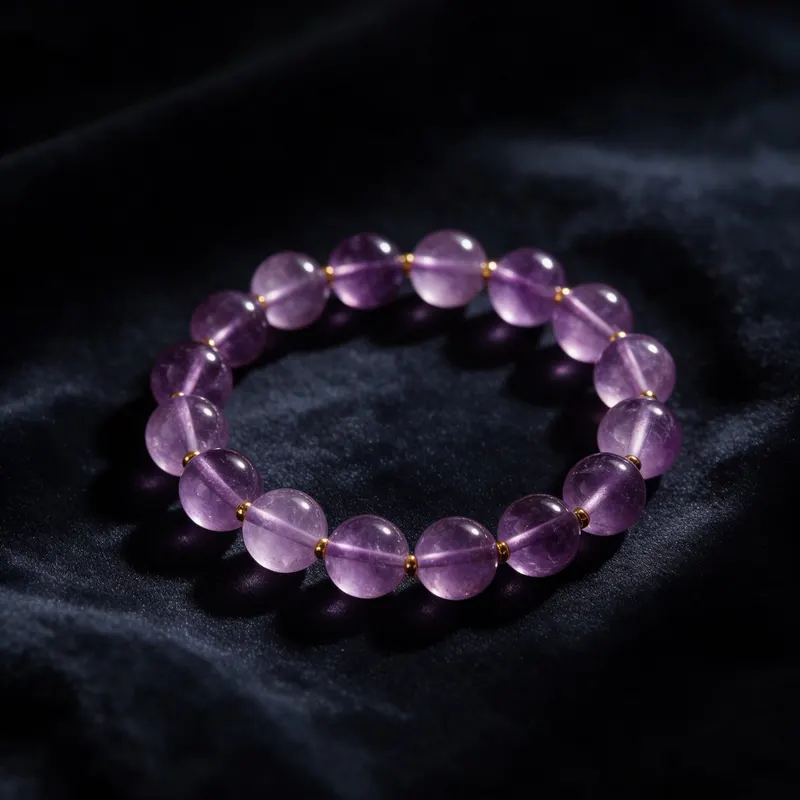
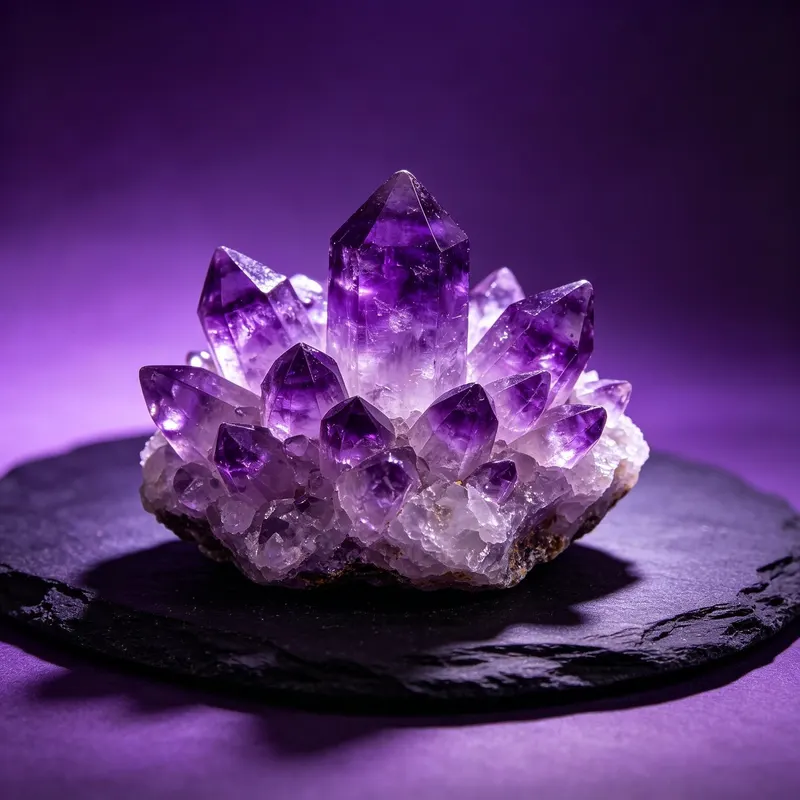
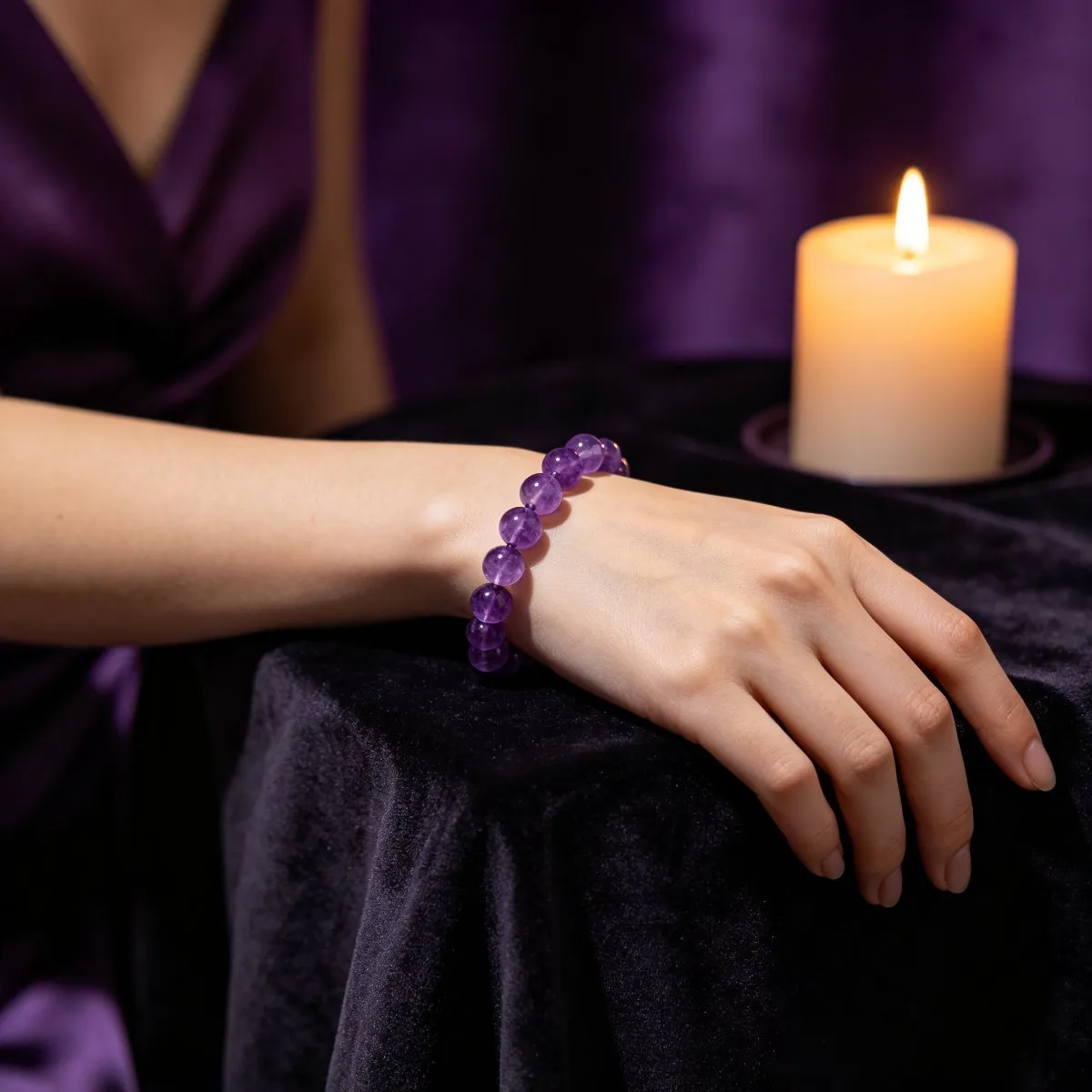
- Amethyst is traditionally associated with quieting a busy mind and is the classic bedside stone. A beaded Amethyst Healing Bracelet for Calm & Clarity works well if you like wearing your intention during the day and setting it down at night; a raw piece like the Raw Amethyst Cluster for Meditation & Altar suits a nightstand or altar, though its uneven edges make it a bedside piece rather than an under-pillow one.
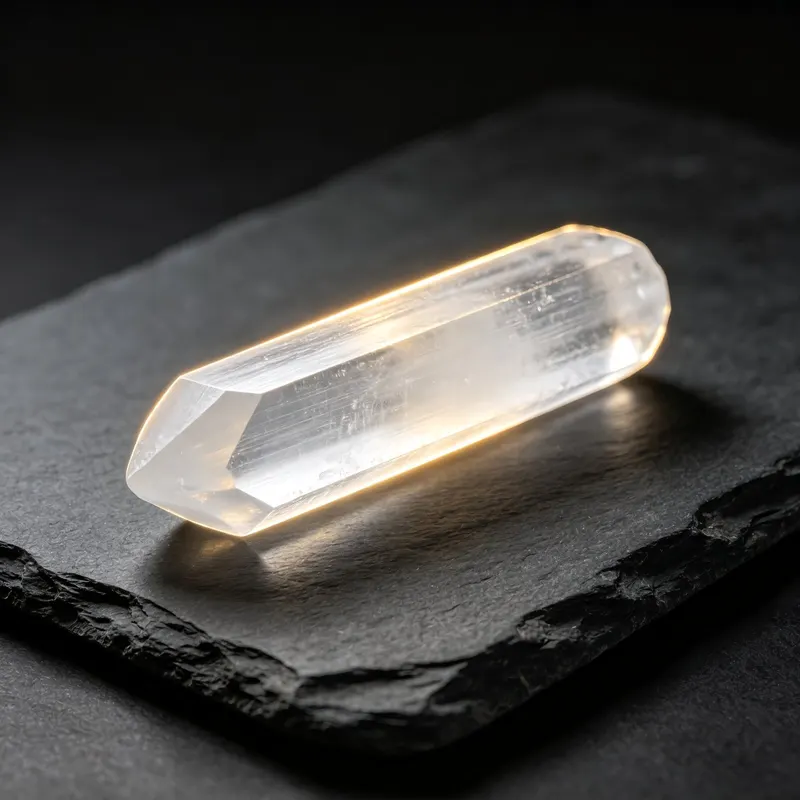
- Selenite is believed to clear stagnant energy, and a dry Selenite Cleansing Wand for Energy Clearing is a common nightstand companion. Selenite is soft and water-soluble, so keep it dry and handle it gently.
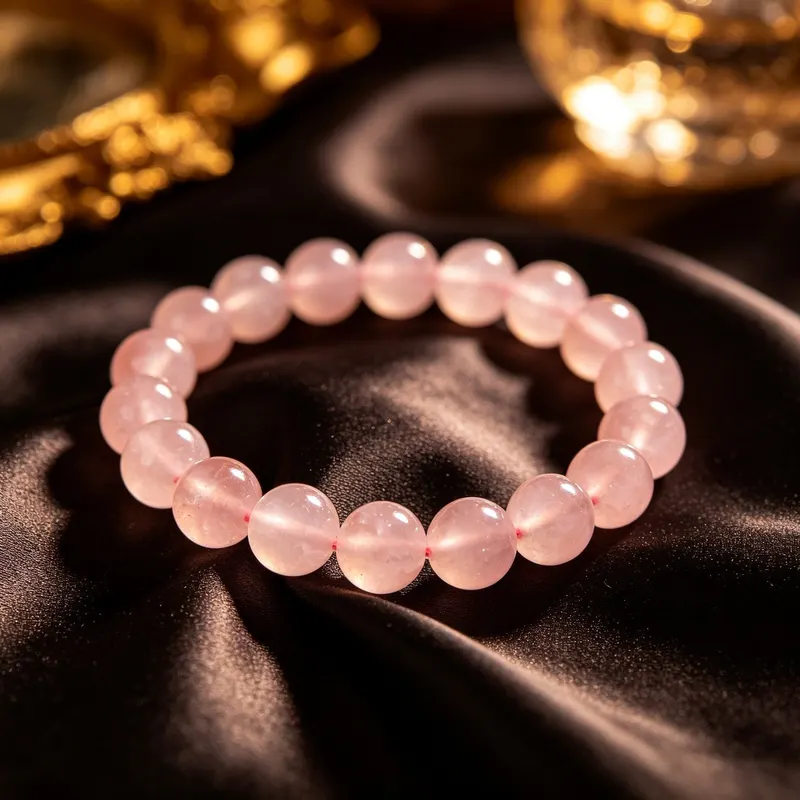
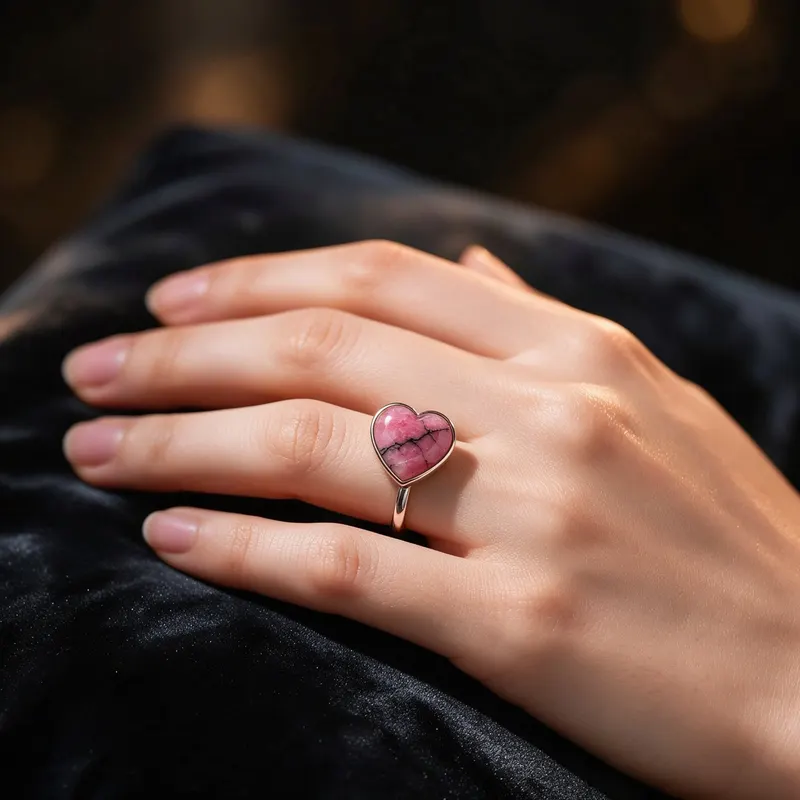
- Rose quartz invites a sense of gentle emotional safety. The Rose Quartz Love Bracelet for Self-Love & Heart is a soft, comforting choice to set on the nightstand, and a smooth rose quartz tumble is one of the safer under-pillow options for adults.
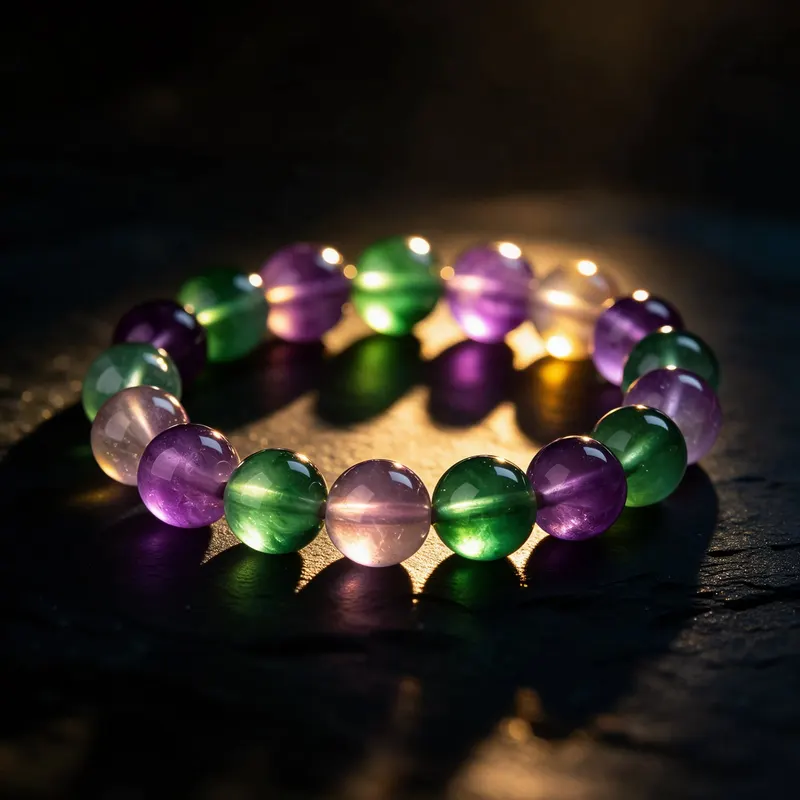
- Moonstone is traditionally linked with intuition and new beginnings, which some people find soothing at the close of a day. The Rainbow Moonstone Bracelet for Intuition & New Beginnings is a natural fit for a bedtime ritual.
- Black tourmaline is associated with grounding and a sense of protection, which some people prefer over "calming" stones at night. The Black Tourmaline Protection Bracelet for Grounding can sit on the nightstand as a settling cue.
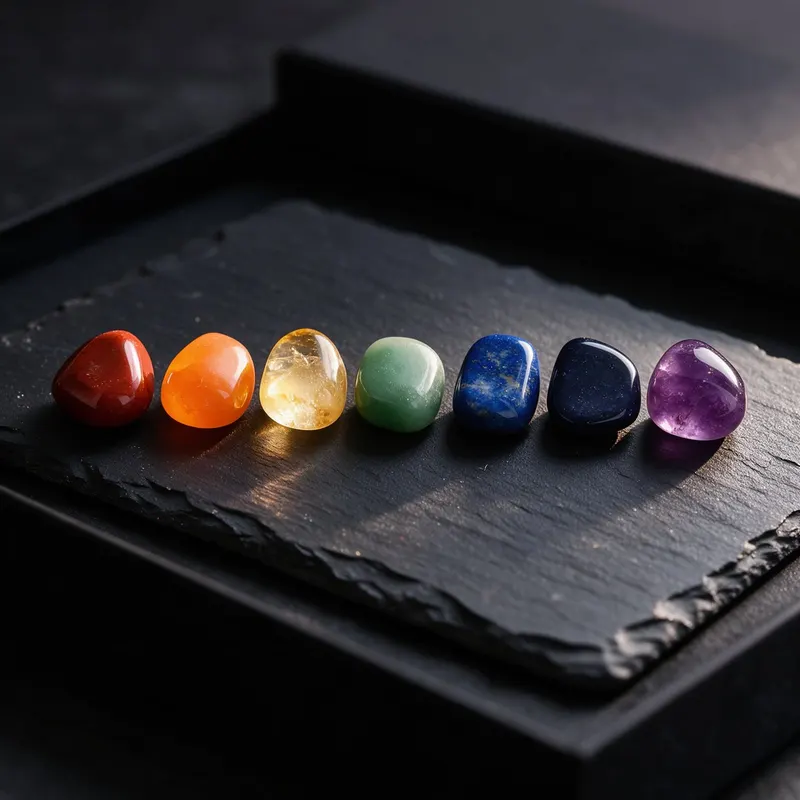
If you're building a bedside setup from scratch, the Healing Crystal Starter Kit, 7 Stones + Guide gives you a small, labeled selection to try on the nightstand before committing to a larger piece.
How to Choose and Place a Bedside Crystal
Choosing well is mostly about matching the stone to your space and habits.
- Size: a palm-sized piece or a small cluster is plenty for a nightstand. Oversized clusters belong on a dresser or floor, not a crowded bedside table.
- Shape: smooth tumbles, spheres, and flat-based clusters sit securely. Towers and points look striking but tip easily in the dark.
- Surface: a small tray or coaster protects wood furniture from scratches and makes dusting easy.
- Light: some stones fade in prolonged direct sun—keep them out of a hot, bright windowsill.
- Reach: place it where you'll actually touch it during your wind-down, not behind a lamp you have to move.
For under-pillow use, choose a single smooth, sealed stone roughly the size of a large coin—small enough not to create a lump, sealed so it doesn't shed grit, and smooth so there are no edges. Check it's still there each morning so it doesn't migrate into the sheets.
Tradition and evidence, side by side
Crystal traditions offer a rich symbolic language, and it's worth being clear about which parts are lore and which are measurable facts about the material.
What tradition says
Amethyst is traditionally associated with calm and clarity; rose quartz with love and gentle self-care; moonstone with intuition; black tourmaline with grounding and protection; selenite with cleansing. These are cultural and symbolic associations, passed down and used as cues for reflection and ritual. They are not medical claims, and no crystal is a substitute for sleep hygiene, medical care, or professional advice.
What we can verify
These are the material facts that matter for daily use:
- Mohs hardness: amethyst and clear quartz rate about 7; rose quartz about 7; moonstone about 6–6.5; black tourmaline about 7–7.5; selenite is very soft at about 2. Harder stones resist scratching; softer ones need gentler handling.
- Water sensitivity: selenite is water-soluble and should be kept dry. Many polished stones are fine with a quick damp wipe, but check each stone before cleaning.
- Sunlight: some colored stones can fade with prolonged direct sun. Keep them out of harsh, hot windowsills.
- Care: dust with a soft dry cloth; wipe polished stones with a barely damp cloth and dry immediately; store selenite away from moisture; avoid harsh cleaners and ultrasonic cleaners unless you know the stone tolerates them.
- Physical safety: small stones are a choking hazard for young children; sharp points and fragile settings are best kept out of the bed.
Crystals are for reflection and are not medical devices. If you have trouble sleeping, speak with a qualified healthcare professional.
FAQ
People Also Ask
Is it safe to sleep with a crystal bracelet on?
It is generally harmless for adults, but removing it protects the elastic and avoids discomfort or pressure marks; the nightstand is usually best. If you do wear one, choose a looser fit and check your wrist in the morning.
Can I put crystals under my pillow?
A smooth, sealed stone may work for adults, but keep loose stones away from young children and avoid anything sharp or fragile. Choose one small stone, check it each morning, and skip it if it disturbs your sleep.
How do I clean a bedside crystal?
Dust with a soft dry cloth. Wipe polished stones with a barely damp cloth and dry immediately. Keep selenite dry, and avoid harsh cleaners or ultrasonic cleaning unless you're sure the stone tolerates it.
Do I need to "charge" or cleanse my crystal?
Cleansing is a tradition rather than a measurable process. Many people simply set their stone on a selenite wand, leave it in moonlight, or hold a quiet intention with it. None of these are required, and none affect the stone's physical properties.
Browse the Curated Collection
Ready to build a calm bedside ritual? Start with the Calm, Stress Relief & Sleep collection, or explore our sleep, nightstand, and peaceful sleep guides.
Shop the Stones
- Amethyst Healing Bracelet for Calm & Clarity
- Raw Amethyst Cluster for Meditation & Altar
- Selenite Cleansing Wand for Energy Clearing
- Rose Quartz Love Bracelet for Self-Love & Heart
- Rainbow Moonstone Bracelet for Intuition & New Beginnings
- Black Tourmaline Protection Bracelet for Grounding
- Healing Crystal Starter Kit, 7 Stones + Guide
A Gentle Closing
Sleeping with crystals doesn't need to be complicated. For most people, the nightstand is the sweet spot: a stone you can see and touch as you wind down, kept safely out of the bed. If you want something closer, a single smooth, sealed stone under the pillow is a reasonable option for adults—and bracelets are best loosened or removed to protect both the elastic and your wrist. Choose a stone that feels calming to you, care for it according to its hardness and water sensitivity, and let it be a small, steady cue at the end of the day.
Crystals are offered for wellness and reflection, not as medical or psychological treatment. They are not medical devices.