Your First Crystal, Without the Guesswork
You've seen crystals on a friend's nightstand, in a boutique window, or in a hundred videos about "raising your vibration." You're curious — but also a little skeptical, and maybe worried about wasting money on something you don't understand. That's a reasonable place to start. A first crystal doesn't need to be expensive, rare, or charged under a full moon by someone else. It needs to be a stone you actually like looking at, that fits your life, and that you know how to care for.
This guide is written for the beginner who wants practical answers: what to buy, what to spend, how to wear or place it, and how to tell the difference between tradition and verifiable fact. We'll cover the most common starter stones, how to choose by intention, sizing and care basics, and what to realistically expect. Crystals are objects of beauty and focus — they invite reflection, and that's where their value begins.
One note before we dive in: crystals are for reflection and are not medical devices. Nothing here treats or diagnoses anything. If you're dealing with anxiety, pain, or any health concern, please talk to a qualified professional.
Let the Crystal Choose You
Many crystal practitioners hold that you don't choose your crystal — the crystal chooses you. Whether or not you take that literally, the practice is useful: it asks you to slow down and notice your reaction instead of buying the first thing on the shelf. When browsing in person, pick up a few stones and pay attention to which one you keep returning to, which feels pleasant in your hand, and which color you'd be happy to see every morning.
If you're shopping online, you can approximate this. Look at photos of several stones side by side and notice which one you keep scrolling back to. Read the descriptions and see which one you'd actually wear or display. That pull is a good starting signal — not a guarantee, but a signal.
Start with a Versatile Stone
If you're not sure what you need, begin with a stone that works across many intentions. These three are the most common first purchases for good reason: they're widely available, generally affordable, and easy to wear or display.
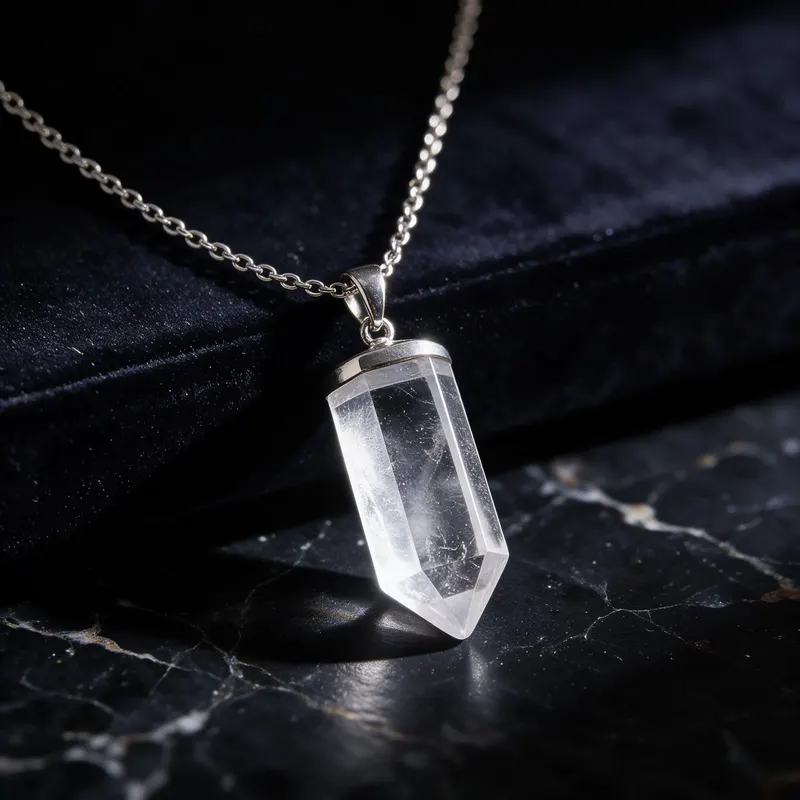
- Clear Quartz — Traditionally associated with clarity and amplification. It's the most neutral starting point and pairs with almost any other stone. A Clear Quartz Point Pendant Necklace, Sterling Silver is an easy, wearable entry point.
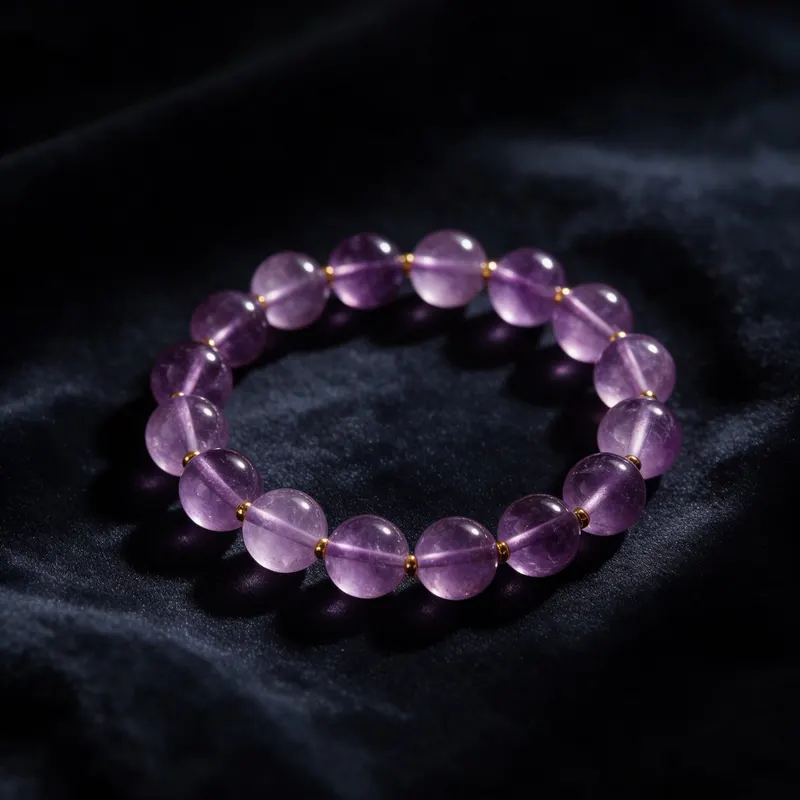
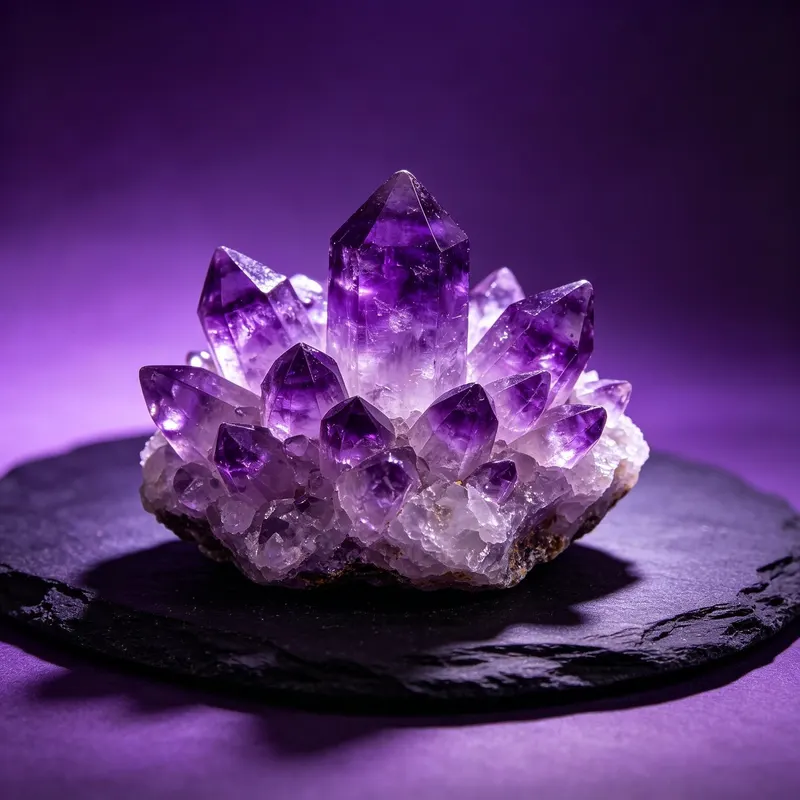
- Amethyst — Believed to support calm and quiet reflection, which makes it a popular choice for people who want a stone for winding down. An Amethyst Healing Bracelet for Calm & Clarity is simple to wear daily, or a Raw Amethyst Cluster for Meditation & Altar works if you'd rather keep a stone on a desk or nightstand.
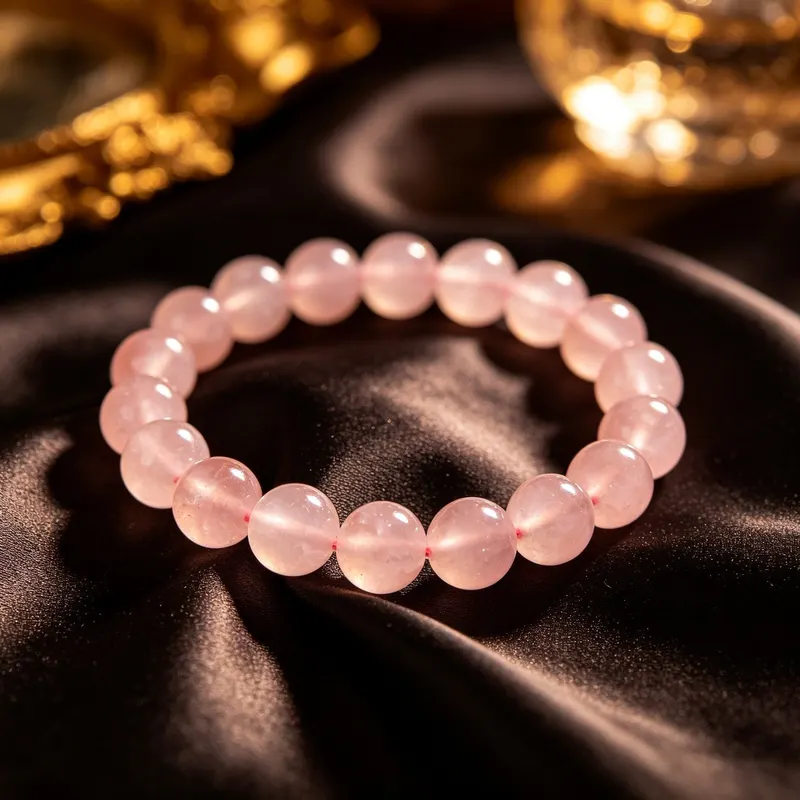
- Rose Quartz — Traditionally associated with self-love and gentle relationships. It's soft in color and forgiving in price, which makes it a low-pressure first choice. The Rose Quartz Love Bracelet for Self-Love & Heart is a classic starting point.
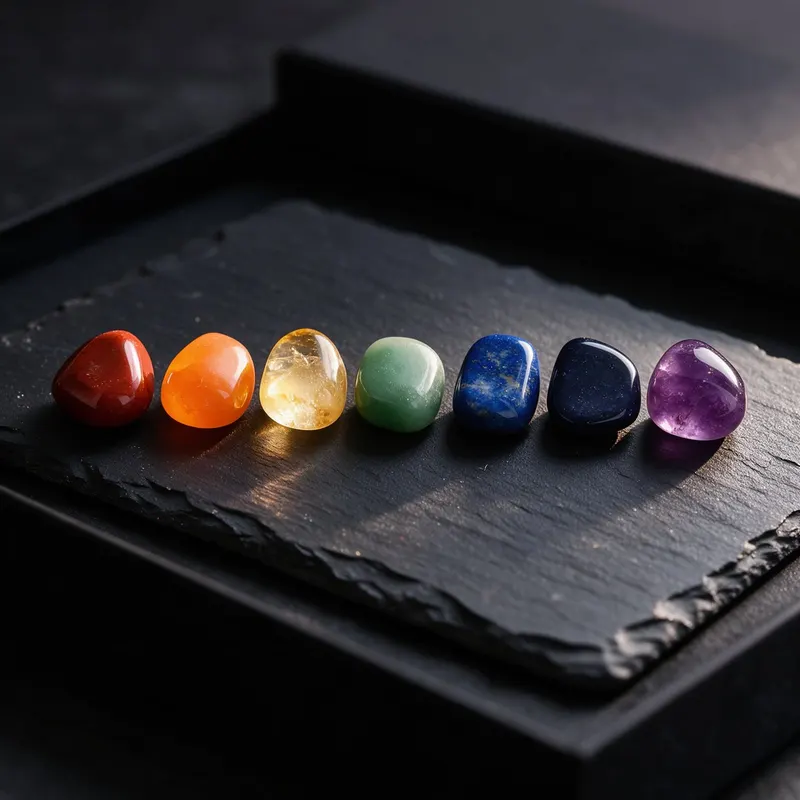
If you'd rather not decide at all, a set can be a practical first step. A Healing Crystal Starter Kit, 7 Stones + Guide gives you several stones to handle and compare before you commit to a favorite.
Choose by Intention
Think about what you'd like to invite into your life — calm, focus, courage, protection, connection — and choose a stone traditionally associated with that theme. This is a framework for reflection, not a promise of outcomes. Below is a practical starting map.
| If you want to invite… | Consider | Why beginners like it |
|---|---|---|
| Calm and quiet reflection | Amethyst, Aquamarine | Soothing colors; easy to wear daily |
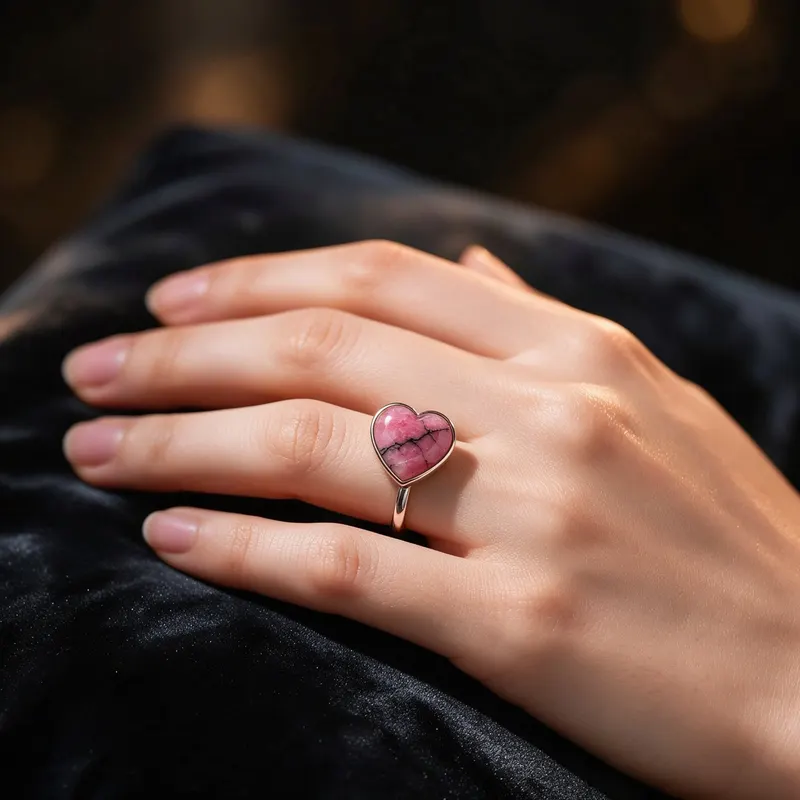
| Self-love and connection | Rose Quartz, Rhodonite | Gentle, affordable, widely available |
| Focus and motivation | Tiger's Eye, Fluorite, Carnelian | Warm, grounding colors; good for desk or wrist |
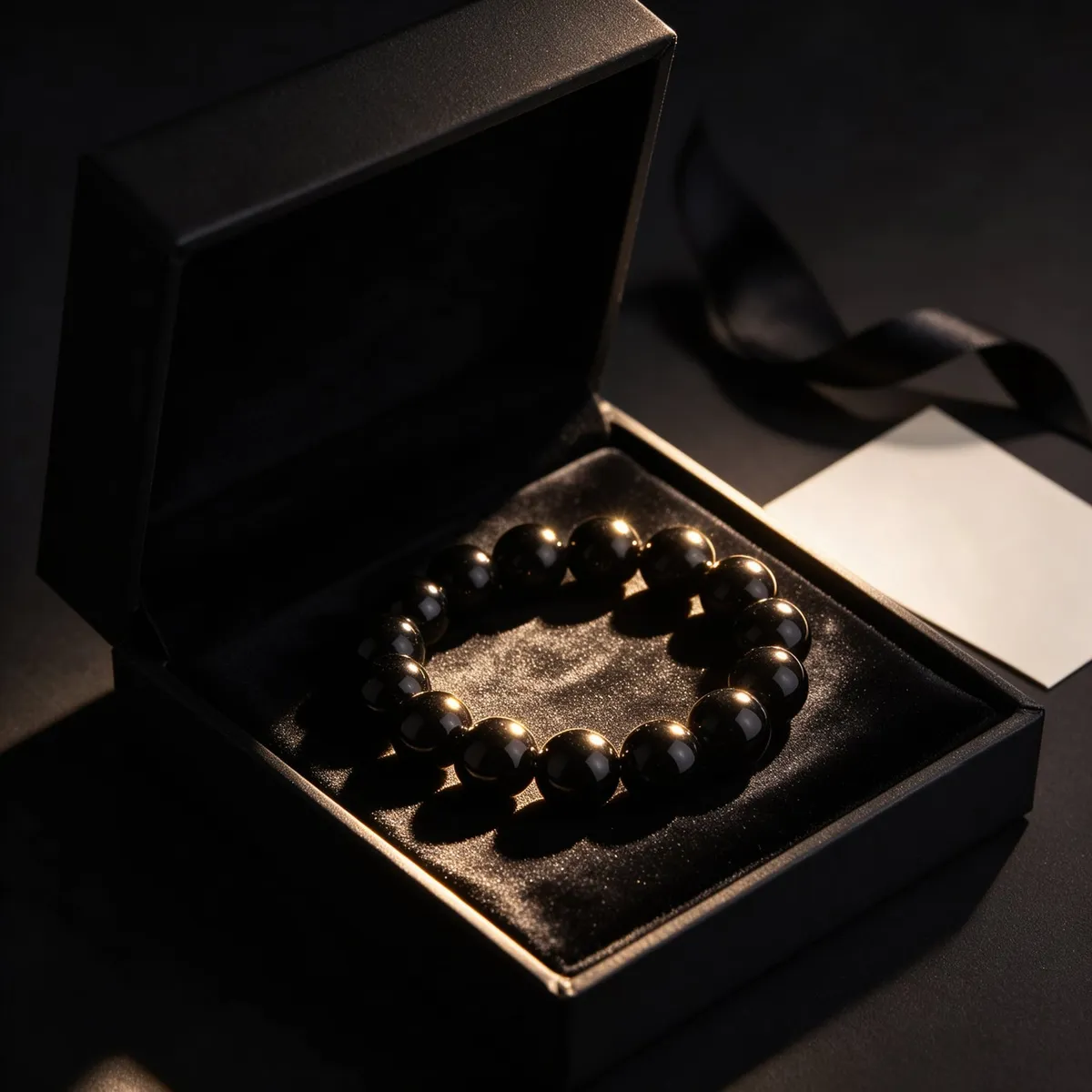
| Protection and grounding | Black Tourmaline, Black Obsidian | Dark, neutral stones that suit everyday outfits |
| Intuition and new beginnings | Labradorite, Moonstone | Iridescent stones that are pleasant to look at |
| Clarity and wisdom | Clear Quartz, Lapis Lazuli | Versatile and easy to pair with other stones |
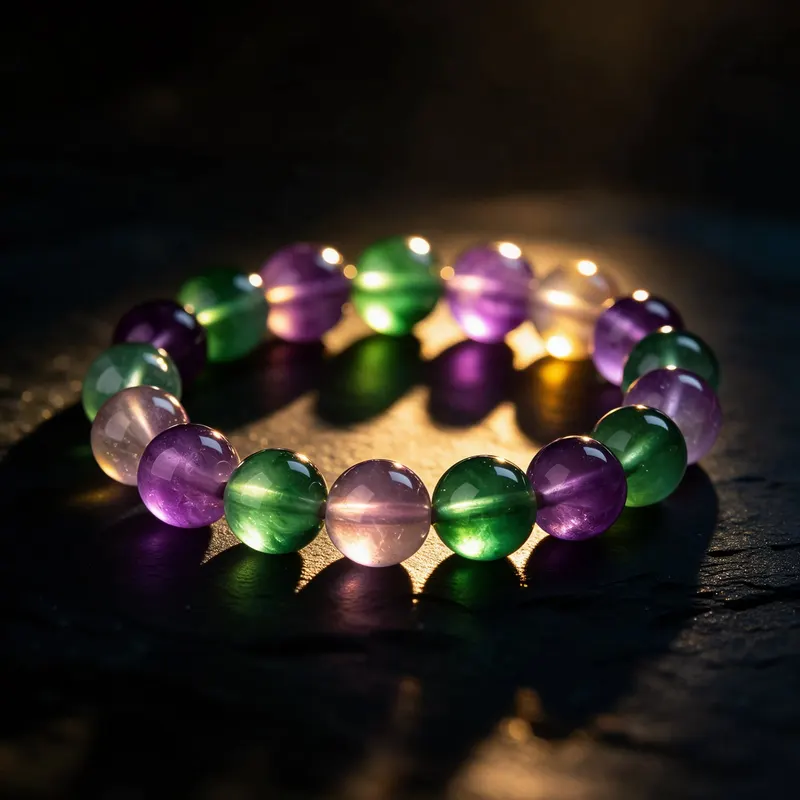
A few specific starting points: if you want a stone for focus at work, the Rainbow Fluorite Focus Bracelet for Concentration is a practical choice. If protection is your theme, the Black Tourmaline Protection Bracelet for Grounding is one of the most common beginner picks. And if you'd like a single piece that covers several themes at once, the 7 Chakra Balancing Bracelet, Natural Mixed Stones is a low-commitment way to try multiple stones.
What to Look For When You Buy
Crystal quality varies enormously, and the market is unregulated. You don't need a gemologist's eye, but a short checklist will keep you from overpaying.
- Color and consistency: Natural stones have variation — uneven color, small inclusions, tiny surface pits. Perfectly uniform color at a low price is often a sign of dyed or glass material.
- Weight and temperature: Real quartz and most natural stones feel cool to the touch and heavier than plastic or glass of the same size.
- Clarity of description: A good seller names the stone and the material of the setting (for example, sterling silver or gold-plated brass). Vague listings are a red flag.
- Bracelet fit: Measure your wrist with a soft tape and add roughly 0.5–1 inch (1.5–2.5 cm) for comfort. Most beaded bracelets are sold in 7–8 inch sizes; if you're between sizes, size up.
- Necklace length: 16–18 inches sits at the collarbone; 20–24 inches hangs lower. Think about which you'll actually wear.
- Return policy: Buy from sellers who accept returns. Photos can be flattering.
Realistic price expectations: Beaded bracelets in common stones like amethyst, rose quartz, and tiger's eye typically run from about $15 to $60 depending on bead size and setting. Pendants in sterling silver or gold-plated settings usually land between $30 and $90. Raw clusters and display pieces vary widely with size, from around $20 for a small cluster to well over $100 for large specimens. Very low prices usually mean small beads, treated stones, or glass.
The lore, and what we can actually verify
Crystal traditions are old and varied, and it's worth separating what people believe from what can be checked. Both can coexist — you just want to know which is which.
Traditional lore
Different traditions associate stones with calm, protection, love, clarity, and grounding. These associations are cultural and symbolic. They can be meaningful as prompts for reflection — a rose quartz on your desk might remind you to be kinder to yourself — but they are not claims about physical effects. We use language like "traditionally associated with" and "believed to" deliberately.
Verifiable facts
What we can verify is the physical nature of the stone and how to care for it. Hardness matters most: the Mohs scale runs from 1 (talc) to 10 (diamond). Quartz-family stones like amethyst, rose quartz, and clear quartz sit around 7, which means they resist scratching but can still chip. Softer stones need more care — selenite is around 2, and lapis lazuli around 5–6. Porous or dyed stones should be kept away from prolonged water. Sunlight can fade some stones over time, particularly amethyst and rose quartz, so avoid leaving them on a sunny windowsill for months.
Care basics: Wipe most stones with a soft dry or slightly damp cloth. Avoid harsh chemicals, ultrasonic cleaners, and long soaks. Store bracelets separately so beads don't scratch each other, and remove them before swimming, showering, or heavy exercise. For a gentle cleaning tool, a Selenite Cleansing Wand for Energy Clearing is traditionally used to "clear" other stones — just keep in mind selenite itself is soft and water-soluble, so keep it dry.
How to Use Your First Crystal
There's no required ritual. The most sustainable approach is to give the stone a small, regular role in your day. Wear it, keep it where you'll see it, or hold it for a minute during a pause. Some people set an intention when they first get a stone; others simply enjoy it as an object. Both are fine.
If you want a simple practice, try this: choose one moment a day — morning coffee, the end of work — to hold your stone and name one thing you want to focus on. That's it. The stone is a reminder, not a mechanism. If you'd like to build a small collection over time, a display set like the 7 Chakra Stone Set with Wooden Display Box gives each stone a home and keeps them from cluttering a drawer.
Frequently Asked Questions
How much should I spend on my first crystal?
Start small — $15 to $60 is plenty for a first bracelet or pendant. Spend more only once you know you enjoy wearing or displaying stones. Expensive doesn't mean better for a beginner.
How do I know if a crystal is real?
Look for natural variation in color and inclusions, a cool feel and reasonable weight, and a seller who clearly names the stone and setting. Be cautious of uniform, brightly dyed colors at very low prices. No seller can guarantee authenticity from a photo alone, so check the return policy.
Can I wear my crystal every day?
Yes, for most quartz-family stones. Remove bracelets before swimming, showering, or gym sessions to protect the beads and any metal fittings. Softer stones like selenite are better kept on a shelf than worn daily.
Do I need to "cleanse" or "charge" my crystal?
Cleansing is a tradition, not a requirement. If it appeals to you, simple methods — wiping with a soft cloth, resting the stone near selenite, or setting a quiet intention — are gentle and won't damage most stones. Skip water soaks for porous or soft stones.
A Simple Place to Begin
Your first crystal doesn't need to be perfect. Pick a stone whose color you love, whose price feels comfortable, and whose care you can manage. Start with one piece, wear it or place it somewhere you'll see it, and let your preferences develop from there. If you're still deciding, revisit the intention table above, choose the theme that fits your season of life, and go from there. Enjoy the process — it's meant to be a gentle one.