The Role of a Crystal in Meditation
A crystal does not meditate for you—it is an anchor. Its weight and texture give your attention somewhere to rest, and the intention you set gives the session a direction. This is a mindfulness aid, not a medical treatment.
Three Ways It Helps
- Focus anchor: when the mind wanders, return to the stone in your hand.
- Intention holder: a programmed stone reminds you of your goal—see programming.
- Sensory cue: touch signals "it is time to settle."
A 10-Minute Practice
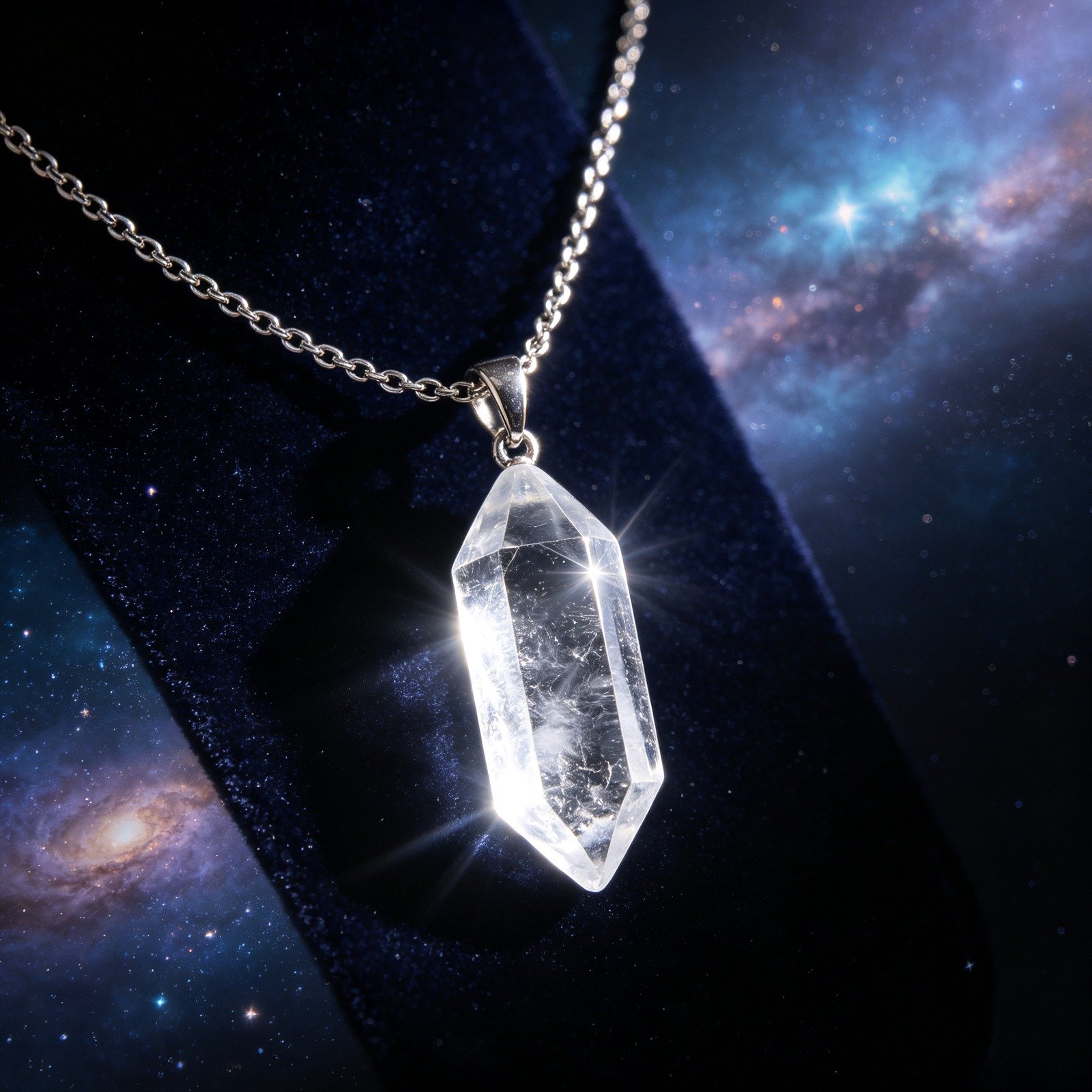
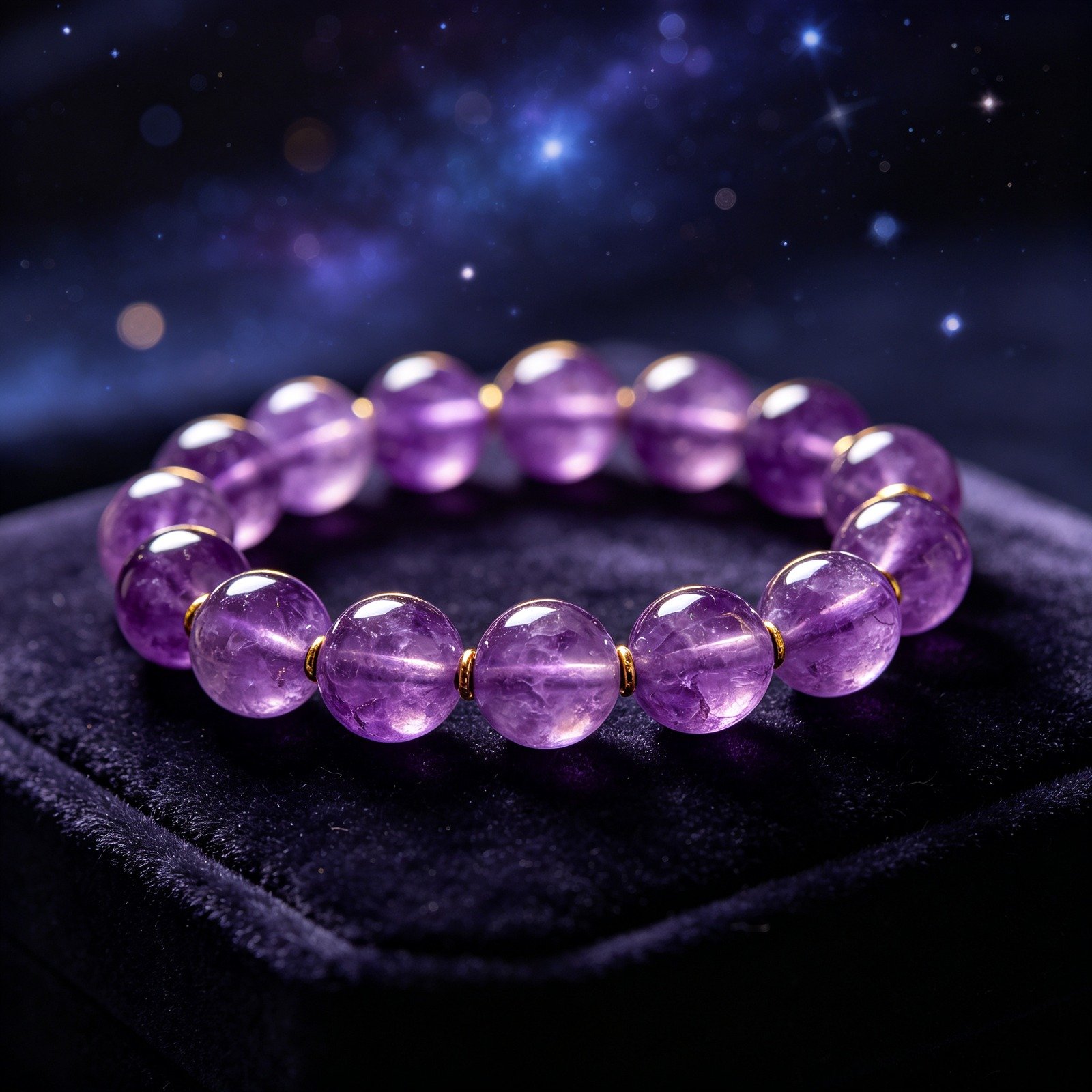
- Sit comfortably and hold clear quartz or amethyst.
- Close your eyes and take five slow breaths.
- Silently state your intention once.
- Rest attention on the weight and temperature of the stone.
- When thoughts arise, gently return without judgment.
- Close with one grateful breath and set the stone down.
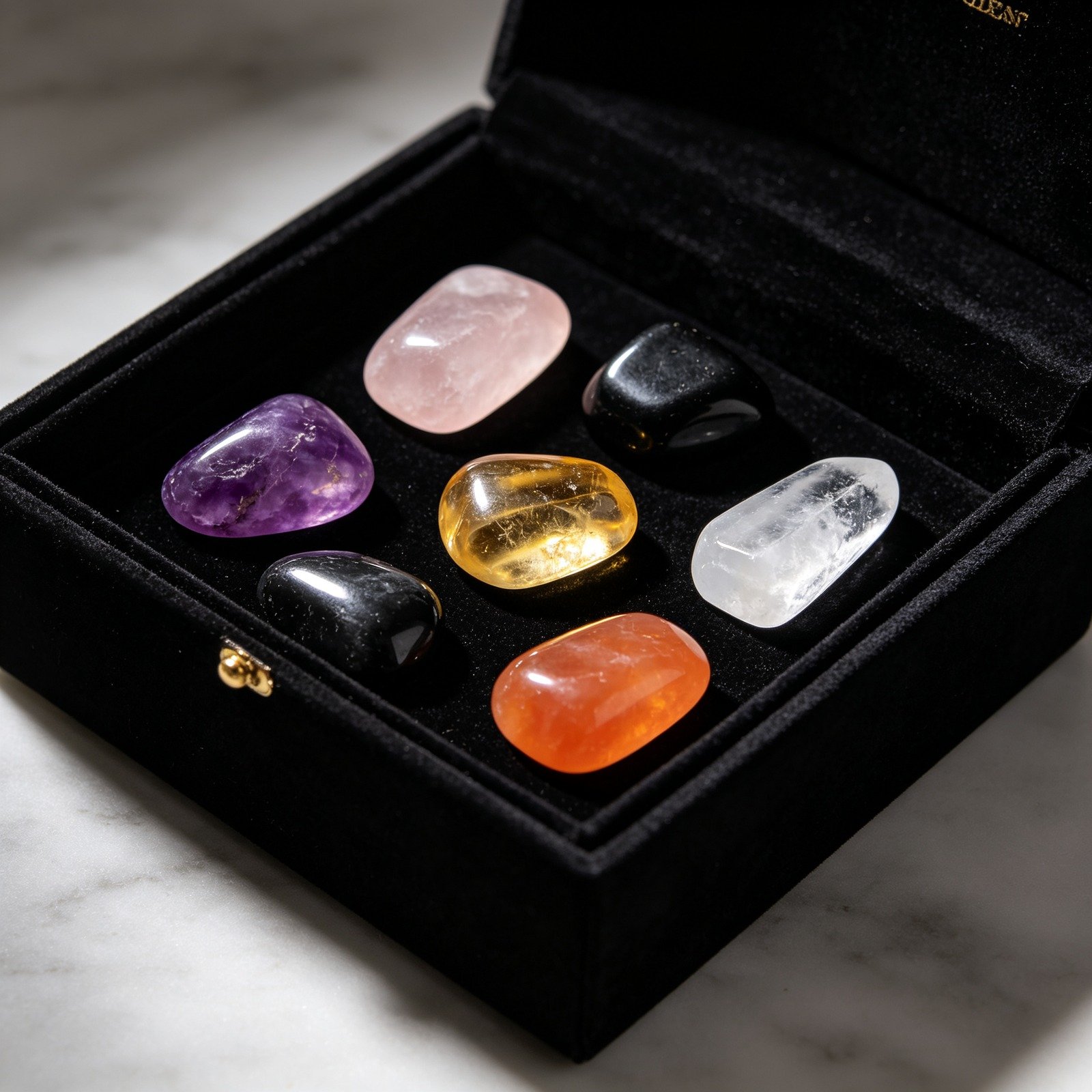
Undecided on stones? A starter kit covers the essentials; more detail is in meditating with crystals.
FAQ
People Also Ask
Do you need crystals to meditate?
No—they are an optional anchor that many beginners find helpful for focus and intention.
Which crystal is best for meditation beginners?
Clear quartz (versatile) or amethyst (calming) are the easiest starting points.
Browse the Curated Collection
Explore the full edit here: Intuition & Spiritual Growth Collection →
Shop the Stones
Keep Exploring
Meditate With Crystals · Program Crystal · Beginner Kit
Crystals and birthstone lore are offered for reflection, tradition and wellness—not as medical advice. They do not diagnose, treat, cure, or prevent any condition.