A Gift with Meaning Built In
You have an anniversary coming up, and you want the gift to say something a card cannot. Maybe it is a first anniversary and you are still learning each other's tastes. Maybe it is a tenth, and you have run out of ideas that do not feel like reruns. Or maybe you are shopping for a couple you love and want something that reads as thoughtful rather than generic. A crystal anniversary gift works because the stone itself carries a meaning you can name out loud — and a meaning you can explain in a short note, which is often the part people remember.
This guide walks through crystal gifts by milestone and by intention, with practical notes on sizing, materials, care, and what a fair price looks like. It also separates the traditional lore around each stone from what we can actually verify — hardness, water sensitivity, how to keep a piece looking good for years. That way you can choose with confidence, whether you are buying for a partner, a parent, or yourself.
Crystals are for reflection and are not medical devices. Nothing here promises a particular outcome — not love, not luck, not a smoother year. What a crystal can do is give a couple a shared object to return to, and give you a graceful way to say what you hope for the year ahead.
Crystal Anniversary Gifts by Year
Traditional anniversary gift lists assign materials to each year — paper, cotton, leather, silver, and so on. Crystals are not part of the classic Western list, but the logic translates well: pick a stone whose traditional associations match the theme of the year. Think of these as suggestions, not rules. The best gift is the one that fits the couple in front of you.
| Milestone | Theme of the year | Crystal to consider | Why it fits |
|---|---|---|---|
| 1st | New beginnings | Rainbow moonstone | Traditionally associated with fresh starts and intuition — fitting for a young marriage |
| 2nd | Growing connection | Rose quartz | The classic stone of love and self-love; easy to wear daily |
| 5th | Building a shared home | 7 chakra set | A display piece for a shared space rather than a single wearer |
| 10th | Endurance and steadiness | Rhodonite or black tourmaline | Traditionally linked to patience, balance, and grounding |
| 15th | Clarity and communication | Aquamarine or clear quartz | Believed to support calm, honest conversation |
| 25th+ | Wisdom and legacy | Lapis lazuli or amethyst | Long-associated with wisdom, reflection, and depth |
If the year does not map neatly to a stone, skip the table and choose by intention instead. Most couples care more about the story you tell with the gift than about which list you followed.
Gift Ideas by Intention
For romantic love
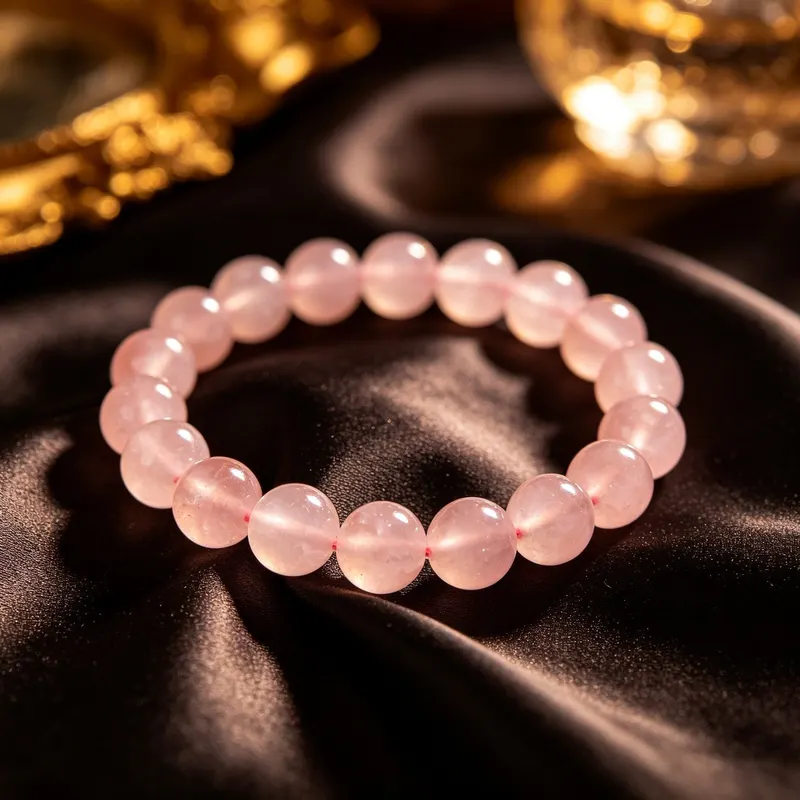
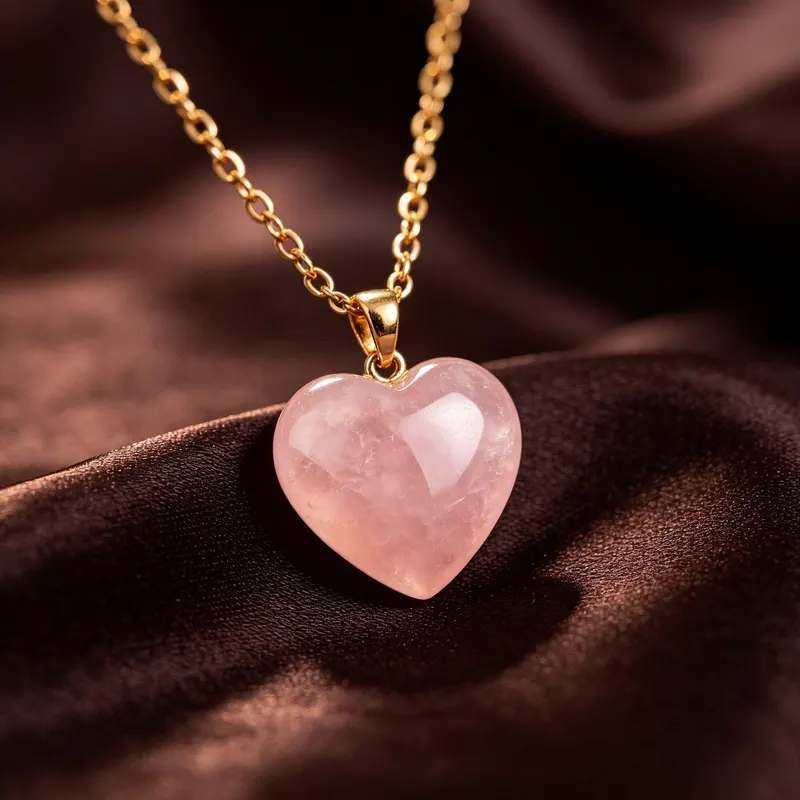
Rose quartz is the most recognizable choice, and for good reason: it is widely available, affordable, and traditionally associated with love in all its forms, including self-love. A Rose Quartz Love Bracelet suits a partner who wears jewelry daily; a Rose Quartz Heart Pendant Necklace is the more formal option and works well for a dressier anniversary dinner. Rose quartz is a relatively soft stone (Mohs 7), so a pendant that sits against fabric rather than knocking against a desk may hold up better over years of daily wear.
For a steady, long partnership
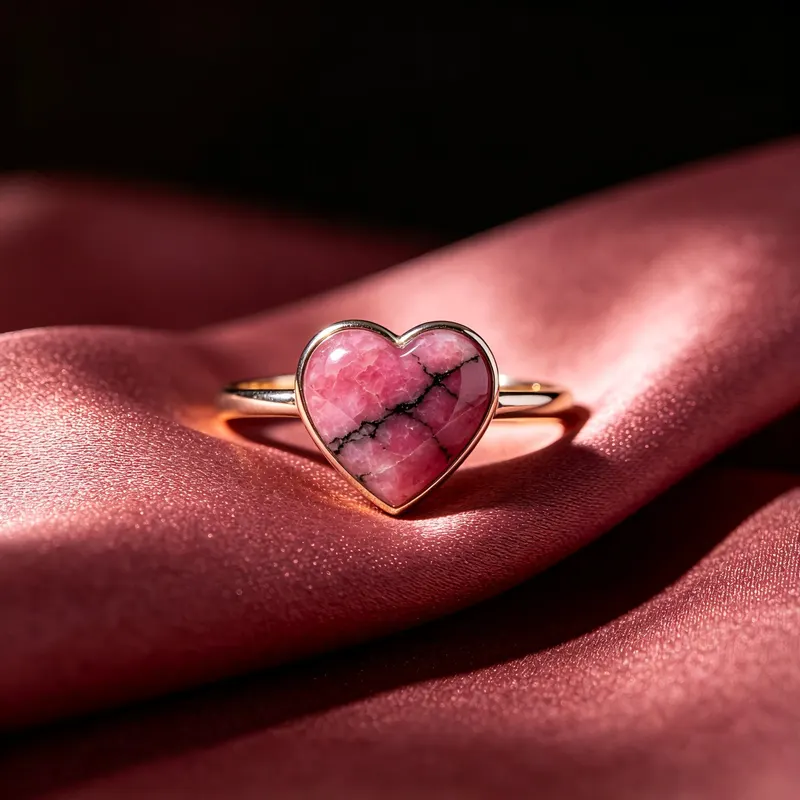
Long marriages are less about fireworks and more about patience. Rhodonite is traditionally associated with forgiveness and emotional balance, which makes the Rhodonite Heart Ring a quietly fitting gift for a tenth or fifteenth anniversary. If your partner prefers something less romantic and more grounding, black tourmaline is believed to support a sense of stability and protection — a good match for someone navigating a demanding season at work.
For growth as a couple
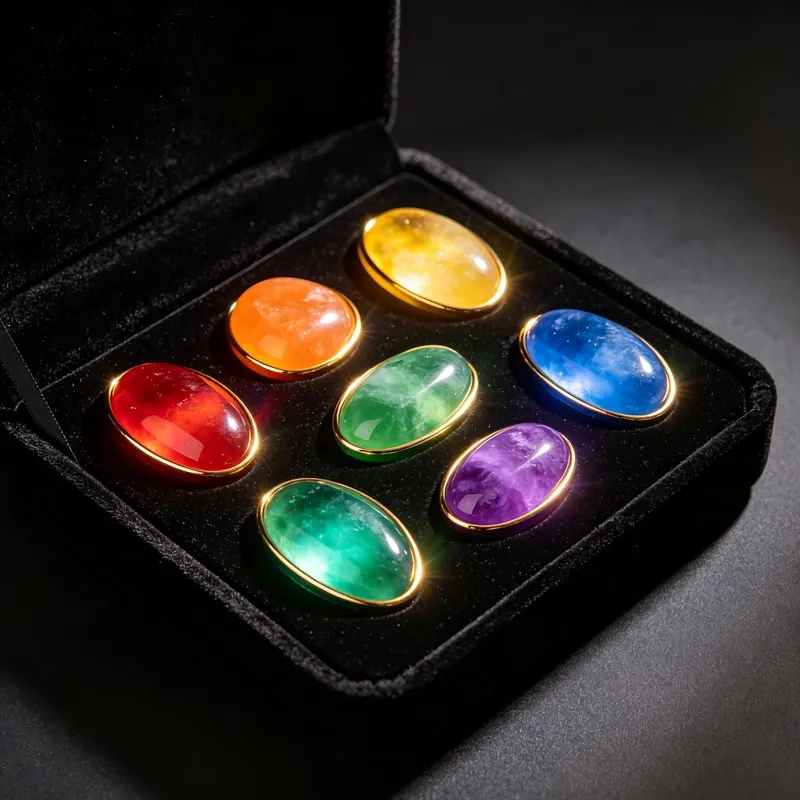
A shared object can be more meaningful than two separate gifts. The 7 Chakra Stone Set with Wooden Display Box is designed to sit on a shelf or altar, so it becomes part of the home rather than something one person wears. It also works well for couples who are not jewelry people but want a ritual — lighting a candle, setting an intention for the year, and placing the stones nearby.
For matching pieces
Two of the same bracelet is a simple, understated couple's symbol. Choose a neutral stone both people will actually wear: black tourmaline, tiger's eye, or labradorite all read as unisex. Avoid stones with strong color if one partner is picky about matching their wardrobe.
For a partner in a season of change
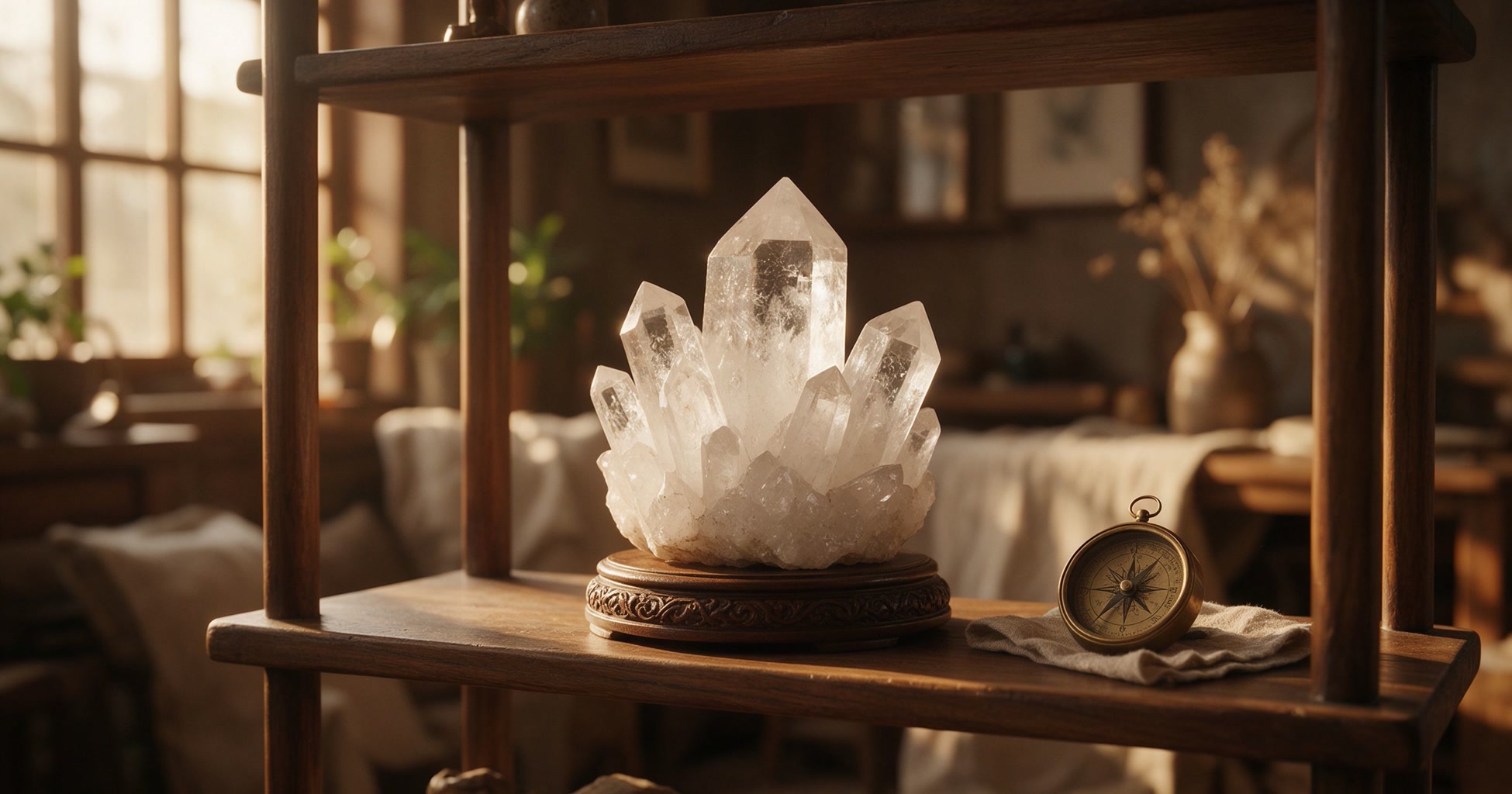
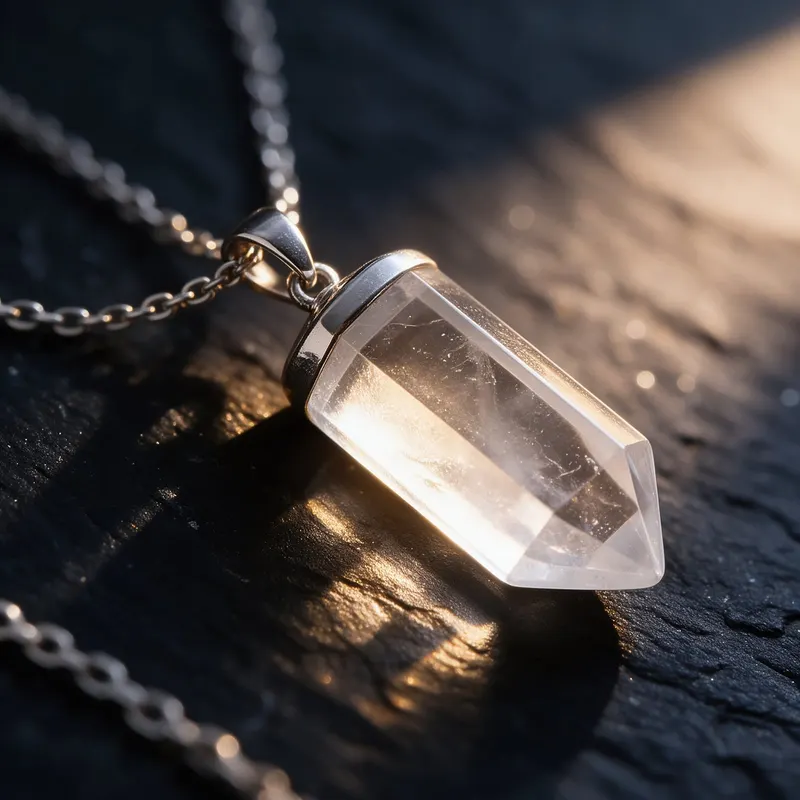
If the anniversary falls during a move, a career shift, or a new chapter, consider stones traditionally associated with transition and clarity. Labradorite is believed to support intuition and transformation; clear quartz is the classic stone of clarity. A Clear Quartz Point Pendant Necklace in sterling silver is a clean, versatile choice that suits most styles.
How to Choose: A Practical Checklist
- Know the wearer's habits. Daily jewelry wearers need harder stones and secure settings; occasional wearers can choose softer, more delicate pieces.
- Check sizing before you buy. Bracelets are usually sold in small, medium, and large; measure the wrist with a soft tape and add about half an inch for comfort. Rings need a true ring size — do not guess.
- Confirm the metal. Sterling silver and gold-plated brass are common. Plated pieces are affordable but will wear over time, especially with frequent hand-washing.
- Look at the stone, not just the photo. Natural stones vary in color and pattern. Slight differences are normal and are part of what makes a piece yours.
- Ask about the setting. For pendants, check whether the bail is soldered or open — soldered is more secure for daily wear.
- Set a realistic budget. Beaded bracelets typically run $25–$60; sterling silver pendants $50–$120; gold-plated pendants $40–$90; multi-stone sets $60–$150. Prices above that usually reflect metal weight or larger stones, not "better energy."
- Plan the presentation. A handwritten note explaining the stone's traditional meaning turns a nice object into a keepsake.
Tradition and evidence, side by side
Crystal lore is old, varied, and often beautiful. It is also not science. Here is an honest split between what traditions say and what you can check for yourself.
What the tradition says
- Rose quartz is traditionally associated with love, compassion, and self-worth.
- Rhodonite is believed to support forgiveness and emotional balance.
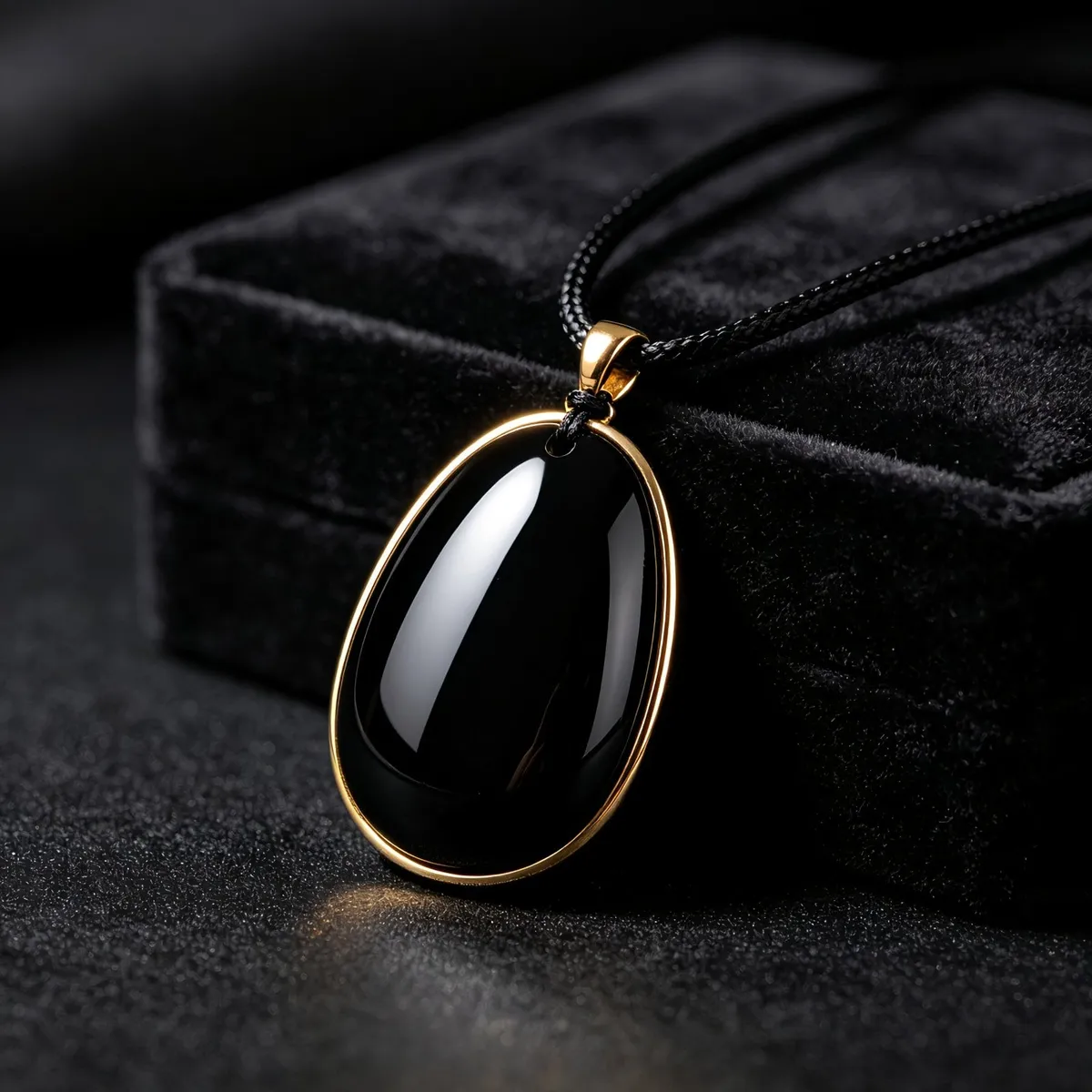
- Black tourmaline and obsidian are traditionally linked to protection and grounding.
- Amethyst is associated with calm, clarity, and meditation.
- Labradorite and moonstone are linked to intuition and new beginnings.
- Citrine and carnelian are associated with motivation and abundance.
These associations are cultural and symbolic. They can be meaningful to a couple as a shared language, but they are not claims about health, wealth, or relationships.
What we can verify
- Hardness (Mohs scale): Quartz-family stones — amethyst, rose quartz, citrine, clear quartz — sit around 7. That is durable enough for daily wear but will scratch if stored loose with harder stones. Labradorite and moonstone are around 6–6.5 and are more prone to surface scratches. Selenite is very soft (about 2) and should be handled gently and kept dry.
- Water sensitivity: Selenite dissolves in water — never soak it. Opal, malachite, and some dyed or treated stones also dislike water. Most quartz bracelets tolerate a quick wipe but should not be soaked or worn in pools.
- Sunlight: Amethyst, rose quartz, and citrine can fade with prolonged direct sun. Store them away from a bright windowsill.
- Cleaning: Wipe with a soft, dry or barely damp cloth. Avoid ultrasonic cleaners and harsh chemicals, especially on plated metals.
- Storage: Keep pieces in their pouch or a lined box, separate from harder jewelry.
None of this makes a crystal a medical device or a guarantee of anything. It does mean you can choose a gift that will still look good on the fifth anniversary after this one.
Make It Personal
The note is the gift. Write two or three sentences: the stone's traditional meaning, why you chose it for this person, and one specific hope for the year ahead. Keep it concrete — "I hope this year gives us more slow Sundays" lands better than a generic wish. Present the piece in its keepsake pouch, and if you are giving a set, set it up in the room where you will actually see it.
For more ideas, browse the crystal gift guide and gifts for her, or see the full range in the crystal gifts collection. If you are also calling in more love, read manifesting love.
FAQ
People Also Ask
Which crystal is best for an anniversary?
Rose quartz is the classic choice for romantic love, and rhodonite suits a steady, long-term partnership. There is no single "correct" stone — choose by the intention you want the gift to carry, and by what the recipient will actually wear or display.
Is crystal jewelry a good anniversary gift?
Yes, especially a wearable piece like a bracelet or pendant, which keeps the meaning close and suits most milestones. If the recipient is not a jewelry person, a display set or a raw cluster for a shared space can be a better fit.
How do I choose the right size?
Measure the wrist with a soft tape and add about half an inch for a comfortable fit; most bracelets come in small, medium, and large. For rings, use a proper ring sizer or have the recipient's ring measured — guessing rarely works. For pendants, chain length matters more than size: 16–18 inches sits at the collarbone, 20 inches and longer sits lower.
How should I care for a crystal anniversary gift?
Wipe with a soft cloth, keep it out of prolonged direct sun and away from water (especially selenite and plated metals), and store it separately from harder jewelry. Avoid ultrasonic cleaners and harsh chemicals. With basic care, most quartz pieces will look good for years.
Browse the Curated Collection
Explore the full edit here: Crystal Gifts Collection →
Shop the Stones
- Rose Quartz Love Bracelet
- Rose Quartz Heart Pendant Necklace
- Rhodonite Heart Ring
- 7 Chakra Stone Set with Wooden Display Box
- Clear Quartz Point Pendant Necklace
Keep Exploring
Crystal Gift Guide · Gifts for Her · Manifesting Love
Crystals are intended to support personal and spiritual well-being and are not medical devices. They do not diagnose, treat, cure, or prevent any disease. If you are struggling with your mental or physical health, please reach out to a qualified professional.