Mindset Is Part of Training
You already know the unglamorous truth: performance is built in practice, sleep, nutrition and recovery. You also know that the mental side of training—showing up on low-motivation days, staying composed at the starting line, winding down after a hard session—is just as real as the physical side, and often harder to train deliberately. That is where crystals tend to enter an athlete's routine. Not as a physical enhancer, but as a tactile, repeatable cue: something you pick up before effort and set down when it is time to recover.
If you are curious about using crystals as part of a training mindset, the practical questions are specific. Which stones are durable enough for daily handling? When should you take jewelry off? How do you build a pre-training ritual that takes two minutes instead of becoming another task on your list? This guide answers those, separates tradition from verifiable gemology, and keeps the focus where it belongs: on your training and recovery habits, with crystals as a supporting ritual.
One note before we start: crystals are for reflection and are not medical devices. Nothing here replaces coaching, medical care, sleep or fuel.
Why Athletes Use Crystals at All
A ritual cue works because it is consistent and physical. Sports psychology has long emphasized pre-performance routines—the same sequence of actions before a free throw, a serve or a race—because they anchor attention and reduce the mental noise that interferes with execution. A crystal in your gym bag or on your nightstand can serve the same function: a small object that marks a transition.
Traditionally, athletes and other performers have been drawn to three broad categories of stones:
- Activation stones for pre-training energy and focused effort, such as carnelian or tiger's eye.
- Grounding stones for pre-competition nerves, such as black tourmaline or black obsidian.
- Calming stones for the recovery side of the day, such as amethyst or aquamarine.
These are traditionally associated with those qualities—believed to support certain states of mind, not to produce them. The value is in the pause and the intention, not in any physical effect on muscle, oxygen or speed.
Stones for Training: Activation and Grit
For the effort side of your day, the most practical stones are ones you can handle, carry and clean without fuss. Here is how the most commonly used options differ.
| Stone | Traditional association | Best moment to use | Practical notes |
|---|---|---|---|
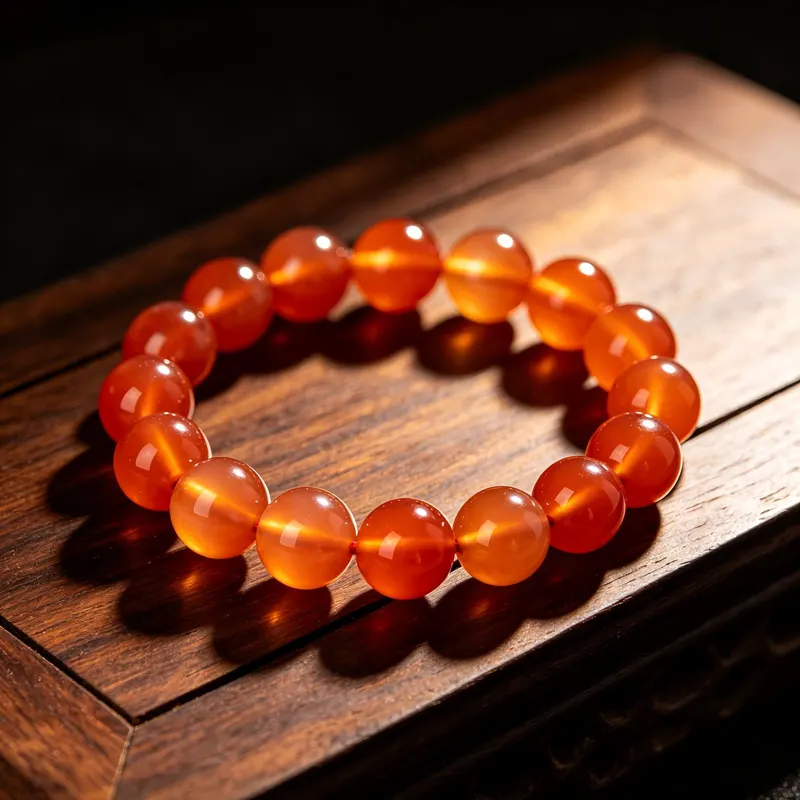
| Carnelian Creativity Bracelet | Energy, motivation, creative fire | Pre-training warm-up; hard interval days | Quartz-family stone, Mohs 6.5–7; keep away from prolonged sun exposure, which can fade color |
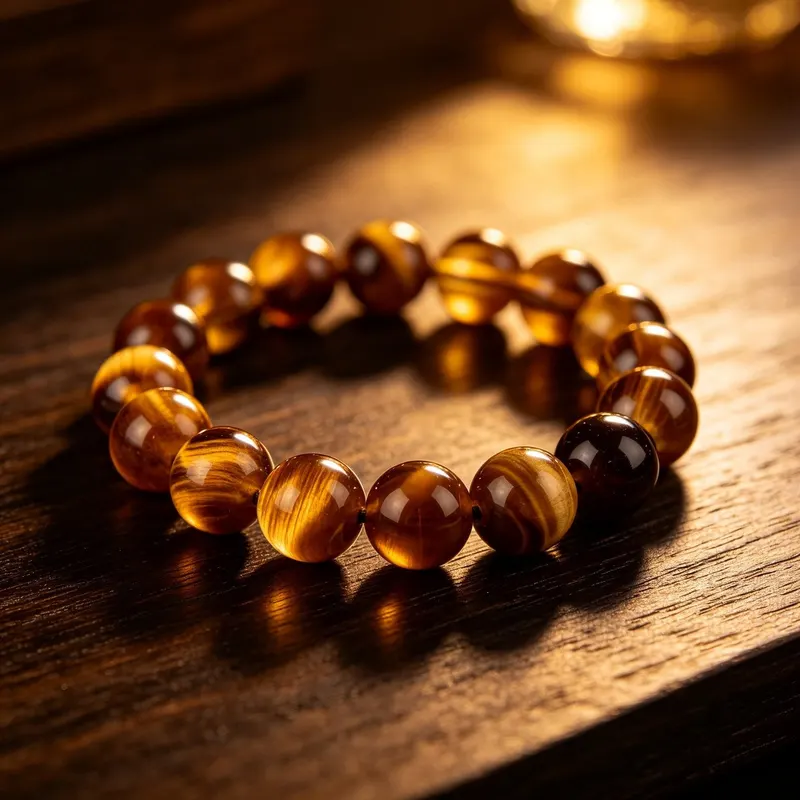
| Tiger's Eye Confidence Bracelet | Grit, confidence, steady focus | Long efforts, fatigue management, competition day | Mohs 6.5–7; durable for handling, but remove for contact sport |
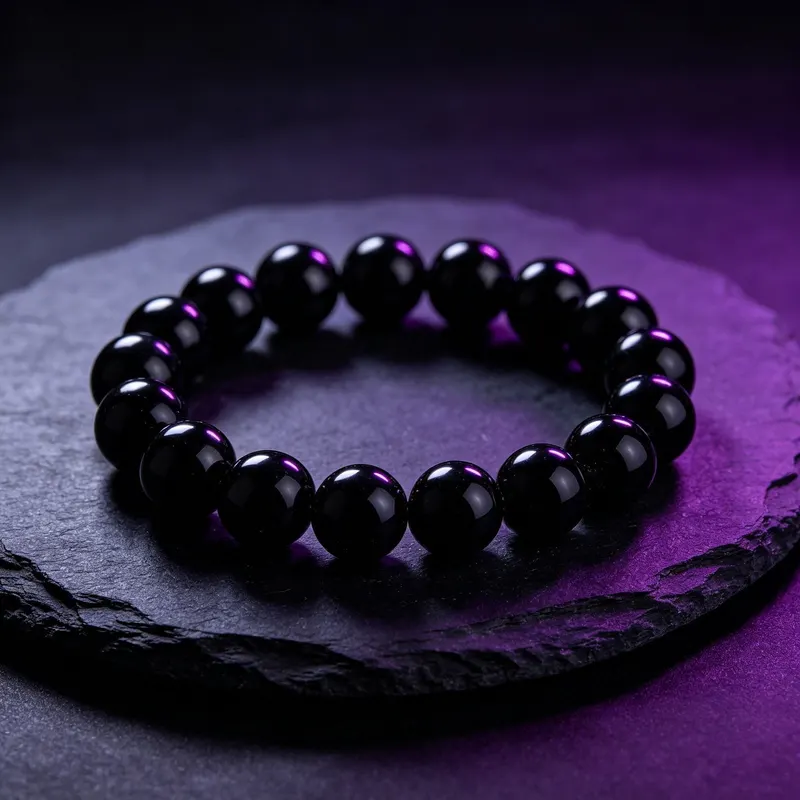
| Black Tourmaline Protection Bracelet | Grounding, protection, settling nerves | Minutes before a start or a heavy lift | Mohs 7–7.5; avoid sudden temperature changes and ultrasonic cleaners |
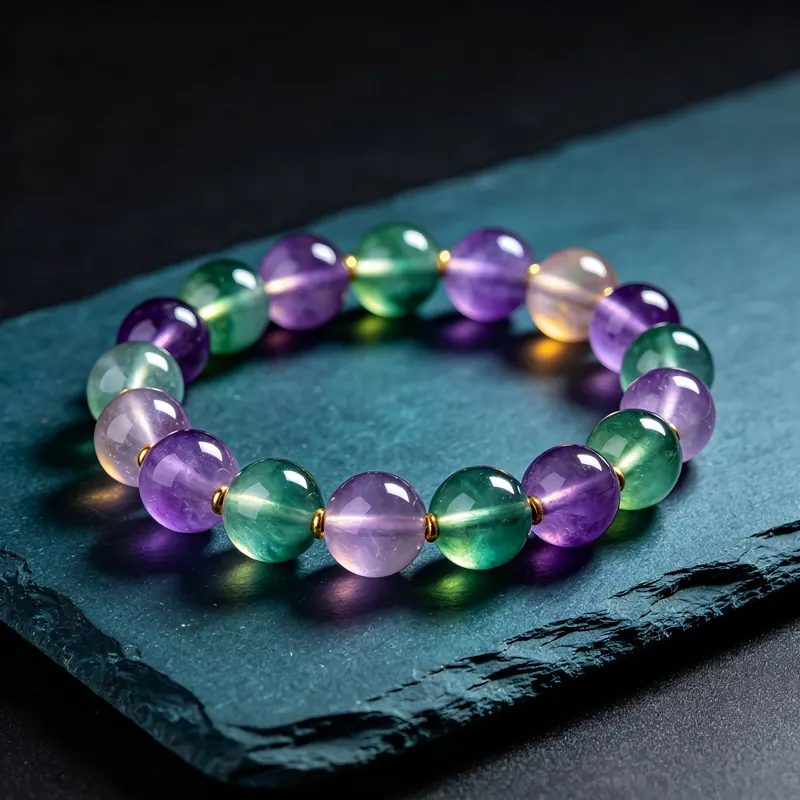
| Rainbow Fluorite Focus Bracelet | Concentration, mental clarity | Skill work, technical drills, strategy review | Mohs 4; softer, so treat gently and keep out of long water exposure |
A simple approach: choose one activation stone and keep it in the same pocket of your gym bag. Handle it for thirty seconds while you set one intention for the session—"stay patient through the third set," "hold form when tired"—then put it away and train. The stone is the cue; the intention is the work.
Stones for Competitive Calm and Recovery
The recovery half of the day is where a crystal ritual often earns its place, because winding down is genuinely difficult after high arousal. A calming stone can mark the shift from output to restoration.
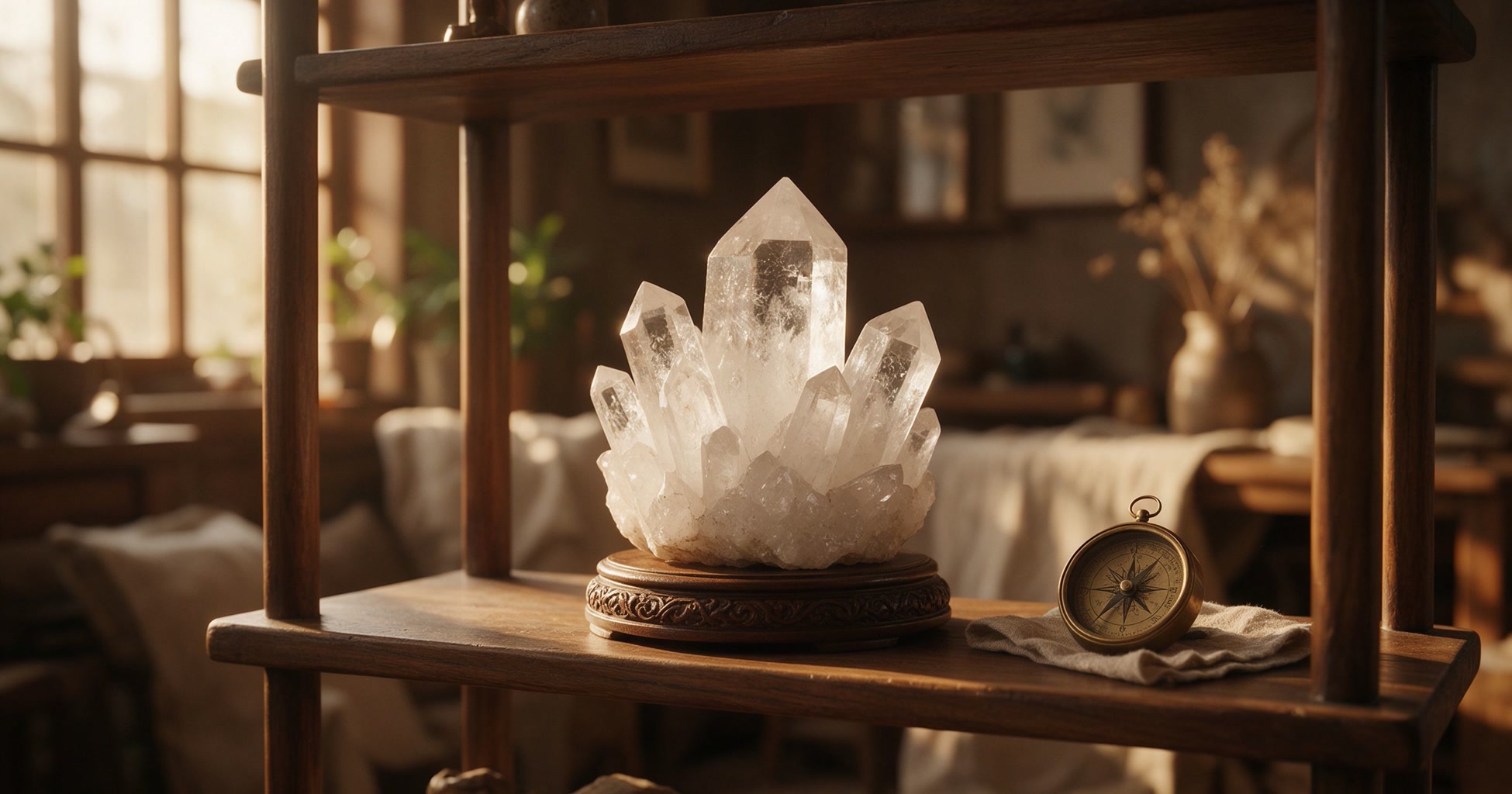
- Amethyst is traditionally associated with calm and clarity. A bracelet or a Raw Amethyst Cluster on a nightstand can anchor an evening wind-down routine. Amethyst is quartz, Mohs 7, and reasonably durable, but its color can fade with prolonged direct sunlight.
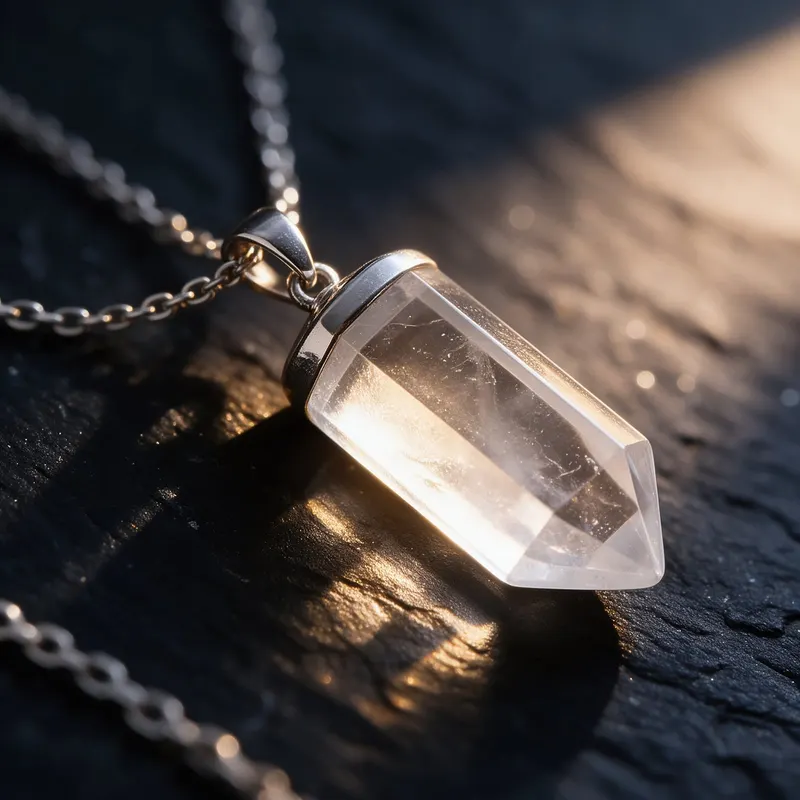
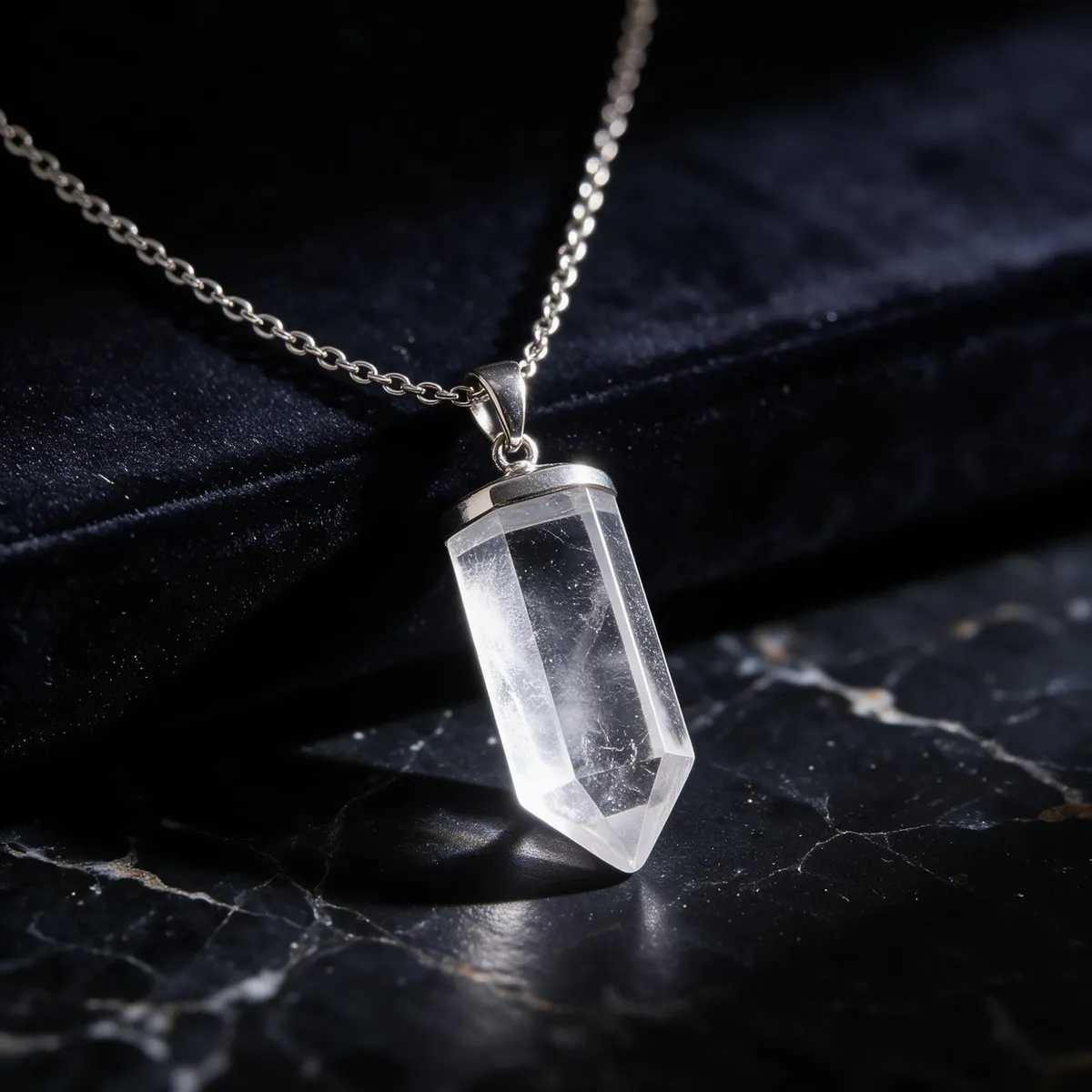
- Aquamarine is traditionally linked with calm communication and steady nerves—useful if post-race debriefs or team conversations get tense. The Aquamarine Serenity Necklace is a pendant rather than a bracelet, which makes it easier to remove before sweat sessions. Aquamarine is Mohs 7.5–8 and generally tolerant of daily wear, though it should still come off for swimming and contact sport.
- Black obsidian is associated with grounding and honest self-assessment—helpful when reviewing footage or a tough loss. It is volcanic glass, roughly Mohs 5–5.5, and chips more easily than quartz, so a pendant like the Black Obsidian Teardrop Protection Pendant is safer than a loose stone in a kit bag.
Pair the stone with something concrete: five minutes of stretching, a glass of water, ten slow breaths, or writing one line about the session. The ritual works best when it is attached to an action that actually helps you recover.
What to Wear, When to Take It Off
Jewelry and sport are a practical mismatch more often than a mystical one. Beaded bracelets can snag, stretch or break under load; rings are a genuine safety concern in lifting and contact sport; pendants can swing into your face or get caught. Use this checklist:
- Remove all jewelry for contact sport, swimming, climbing, gymnastics and heavy lifting—especially anything with a ring or loose chain.
- Remove beaded bracelets for high-sweat sessions; sweat and repeated flexing degrade elastic cord over time.
- Carry, don't wear, your stone on competition day: a small pouch in your bag or a stone in a zipped pocket keeps it with you without risk.
- Check elastic on bracelets monthly; restring or retire a bracelet at the first sign of fraying.
- Size pendants so the stone sits above the collarbone during movement, and choose a chain with a secure clasp.
- Keep stones out of hot cars and direct sun for long periods; some colors fade and thermal shock can crack certain stones.
What tradition holds — and what we can verify
Crystal lore and gemology answer different questions, and it helps to keep them separate. Tradition offers meaning and ritual; gemology tells you what a stone will survive.
What tradition says
Traditional and folk systems associate specific stones with specific states: carnelian with drive, tiger's eye with courage, black tourmaline with protection, amethyst with calm, aquamarine with steady communication. These associations are cultural and symbolic. They are believed to support a mindset when used intentionally, and many people find the ritual genuinely useful—but the effect is psychological and personal, not physical.
What we can verify
- Hardness (Mohs scale): quartz-family stones like amethyst, citrine, carnelian and tiger's eye sit around 6.5–7; aquamarine is 7.5–8; black tourmaline is 7–7.5; fluorite is only about 4; obsidian is roughly 5–5.5. Softer stones scratch and chip more easily and belong in a pouch, not a pocket with keys.
- Water sensitivity: most quartz is fine with brief contact, but prolonged soaking can degrade elastic cords and some surface treatments. Selenite dissolves in water and should never be soaked. Keep all beaded jewelry out of the pool and shower.
- Sunlight sensitivity: amethyst, rose quartz, citrine and several other colored stones can fade with prolonged direct sun. Store them away from a sunny windowsill.
- Care basics: wipe with a soft damp cloth and dry fully; avoid harsh chemicals, ultrasonic cleaners on fractured or treated stones, and sudden temperature changes. Store each piece separately to prevent scratching.
None of this tells you a stone will make you faster or stronger. It tells you how to keep a stone you like in good condition for years.
Building a Two-Minute Pre-Training Ritual
Keep it short enough that you will actually do it on a bad day.
- Minute one: take out your activation stone, hold it, and name one intention for the session in a single sentence.
- Minute two: three slow breaths, then put the stone away and begin your warm-up.
- After training: swap to a calming stone, drink water, and do your cool-down or mobility work.
- Evening: place the calming stone where you will see it before bed—a nightstand or beside your training log.
If you are building a small kit rather than choosing one stone, a Healing Crystal Starter Kit gives you several stones to try before committing to a favorite. If you prefer a single piece you can wear on rest days, a pendant is often the most practical format for an athlete's lifestyle.
Realistic Expectations and Price
Bracelets and small pendants in the stones discussed here typically run from roughly $20 to $60 depending on stone quality, bead size and metal findings; sterling silver or gold-plated settings push toward the higher end. Raw clusters and display pieces vary more widely with size. Treat price as a signal of material and craftsmanship, not of "power." A modest carnelian bracelet used consistently will serve you better than an expensive stone that lives in a drawer.
What to look for: even color, no obvious cracks or filled pits, beads drilled cleanly, a cord that feels firm rather than stretchy and thin, and a clasp that closes securely. Ask what the stone is and how to care for it. Be skeptical of any claim that a crystal will improve athletic performance, prevent injury or replace training—no stone does that.
FAQ
People Also Ask
Which crystal improves athletic performance?
No crystal physically enhances performance. Carnelian and tiger's eye are traditionally associated with motivation and grit and are used by some athletes as ritual cues alongside real training, sleep and nutrition.
Should athletes wear crystal bracelets during games?
Remove them for contact sport, swimming and heavy lifting to protect both the jewelry and yourself. Carry a stone in a pouch or zipped pocket before the event instead, and put it back on afterward if you like.
How do I clean a crystal I sweat on?
Wipe it with a soft damp cloth and dry it fully after sessions. Avoid soaking beaded bracelets, keep selenite away from water entirely, and skip harsh cleaners. Restring elastic bracelets at the first sign of fraying.
Can crystals replace recovery work like sleep and stretching?
No. Crystals are for reflection and are not medical devices. They can serve as a cue to begin recovery habits, but sleep, fuel, hydration, stretching and professional care are what actually support recovery.
Closing
The most useful role a crystal can play in an athlete's life is small and consistent: a cue that starts your focus before training and a signal that recovery has begun. Choose stones that suit your handling habits, take them off when safety or durability demands it, and let the ritual point you back toward the habits that actually build performance.
Crystals are intended to support personal and spiritual well-being and are not medical devices. They do not diagnose, treat, cure, or prevent any disease. Crystal lore is offered for reflection, not as medical or psychological advice.