Fall as a Season of Grounding
Maybe it starts with a small shift: the light thins earlier, the air sharpens, and suddenly you're reaching for a heavier sweater and a warmer drink. Autumn asks us to slow down, and many people find themselves craving calm and a sense of steadiness as the pace of summer fades. If you've been feeling scattered, overstimulated, or simply ready to reset before winter, the season itself is a natural invitation to turn inward.
Grounding crystals are a popular way to mark that transition. The idea is not that a stone does the work for you—it's that a tactile, beautiful object can act as a cue for the intentions you set. Holding a warm-toned or dark, earthy stone can anchor a moment of reflection, whether you're closing out a busy week or preparing for a quieter season ahead.
This guide covers the stones most traditionally associated with autumn, how to choose and care for them, what to look for when you buy, and a simple seasonal ritual you can adapt to your own routine. We'll also separate the lore from what you can actually verify, so you can enjoy the practice with clear expectations.
Why Autumn and Grounding Stones Pair Well
Across many traditions, fall is framed as a season of harvest and release—a time to gather what matters and let go of what doesn't. Grounding stones, often dark or warm in color, are traditionally associated with stability, protection, and staying present. Pairing the two is mostly about rhythm and symbolism: the season's mood and the stone's associations reinforce each other.
There's also a practical reason this works. A grounding practice is easier to keep when it's tied to a visible change, like the first cool evening or the turning of the leaves. A stone on your desk, wrist, or nightstand becomes a small reminder to pause, breathe, and check in with yourself. That's a habit-building tool, not a medical one—more on that below.
Stones for the Season
These are the stones most often chosen for autumn, along with what each is traditionally associated with and how people tend to wear or display them.
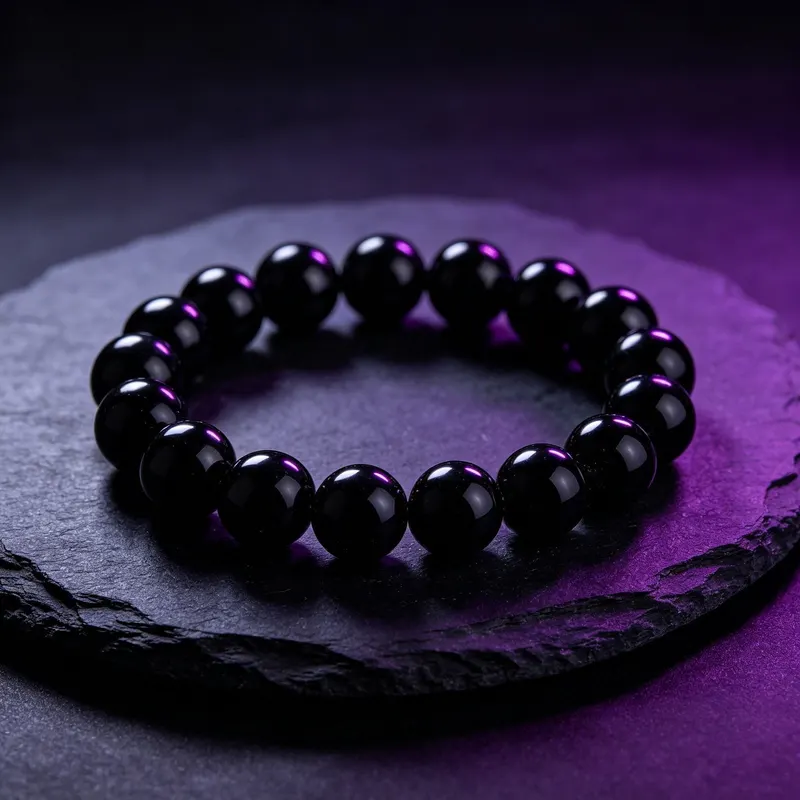
- Black tourmaline: traditionally associated with protection and grounding. A dark, steady stone that many people keep nearby during busy or stressful periods. Try the Black Tourmaline Protection Bracelet for Grounding.
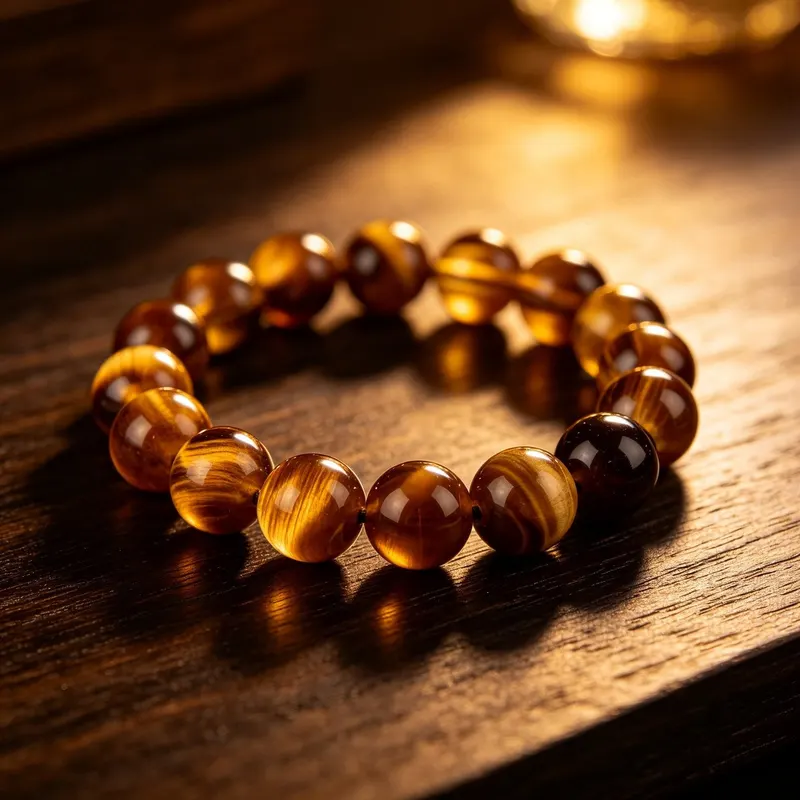
- Tiger's eye: believed to support confidence and focus, with a warm, banded shimmer that reads as distinctly autumnal. A good pick if you're building new routines. See the Tiger's Eye Confidence Bracelet for Focus & Courage.
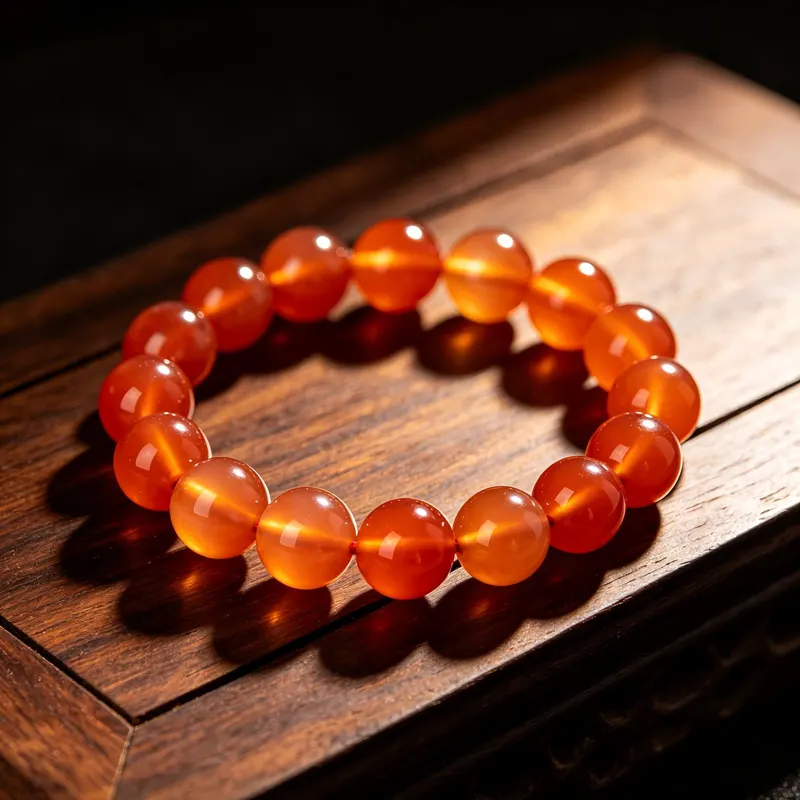
- Carnelian: a warm orange-red stone traditionally associated with motivation and creative energy—useful when the shorter days sap your momentum. The Carnelian Creativity Bracelet for Motivation & Fire is an easy everyday option.
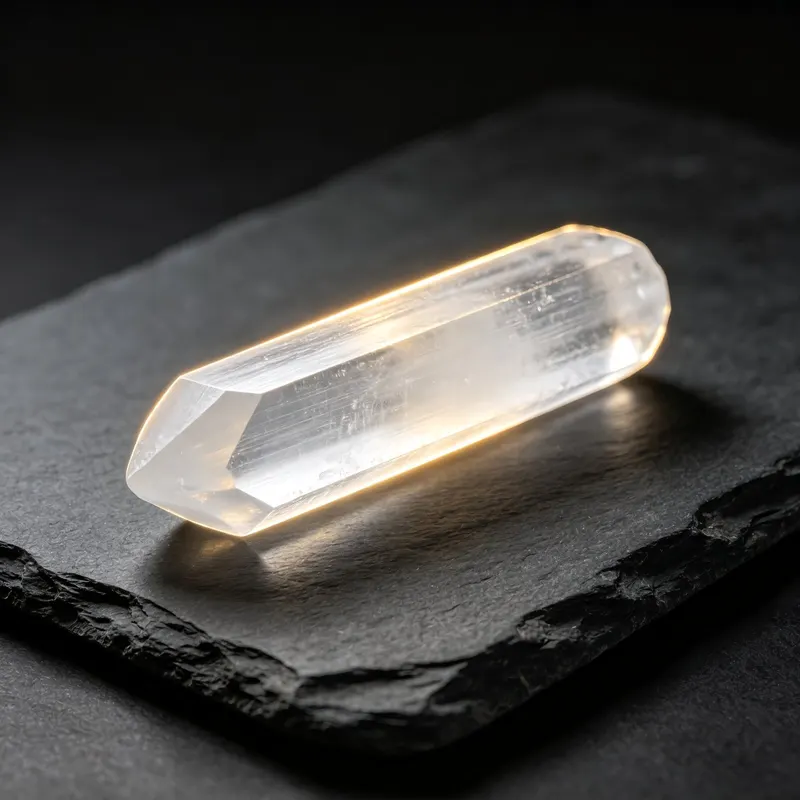
- Selenite: a pale, soft stone traditionally used for cleansing and resetting a space. Many people use a wand to "clear" other stones between uses. The Selenite Cleansing Wand for Energy Clearing is the classic format.
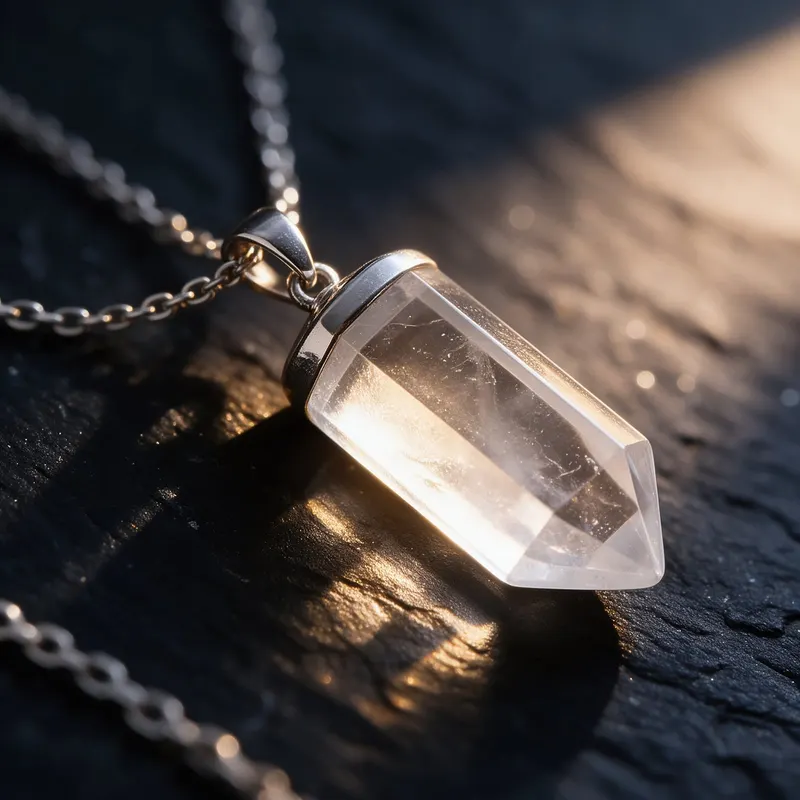
- Obsidian: a glossy black volcanic glass associated with grounding and honest self-reflection—well suited to the season's inward turn. Consider the Black Obsidian Teardrop Protection Pendant Necklace.
- Labradorite: a flashy grey stone traditionally linked to intuition and transformation, a fitting theme for a season of change.
- Amethyst: a purple stone traditionally associated with calm and clarity, helpful if autumn feels more anxious than cozy. A Raw Amethyst Cluster for Meditation & Altar works well as a seasonal centerpiece.
How to Choose: A Quick Comparison
Use this table to match a stone to what you're actually looking for this season. "Traditional association" reflects lore and common practice—not a guarantee of any outcome.
| Stone | Traditional association | Best format for autumn | Everyday care note |
|---|---|---|---|
| Black tourmaline | Grounding, protection | Bracelet or pocket stone | Durable; keep away from harsh chemicals |
| Tiger's eye | Confidence, focus | Bracelet | Wipe with a soft cloth; avoid prolonged soaking |
| Carnelian | Motivation, creativity | Bracelet | Keep out of direct sun long-term to protect color |
| Selenite | Cleansing, reset | Wand or small slab | Soft and water-soluble; keep dry |
| Obsidian | Grounding, truth | Pendant | Durable; store so it doesn't scratch |
| Amethyst | Calm, clarity | Cluster or bracelet | Fades in prolonged direct sun; keep dry |
What folklore claims — and what is verifiable
Crystal practices carry a lot of lore, and it's worth being clear about what's tradition versus what's measurable. Here's the honest split.
Traditional lore (belief and practice, not science)
- Grounding stones are traditionally associated with stability and calm.
- Certain stones are believed to support focus, confidence, or release.
- Cleansing rituals—using selenite, moonlight, or sound—are customary practices for resetting a stone's "energy."
What you can verify
- Hardness (Mohs scale): quartz-family stones like amethyst and tiger's eye sit around 7 and are fairly scratch-resistant; obsidian is roughly 5–5.5 and scratches more easily; selenite is very soft (about 2) and should be handled gently.
- Water sensitivity: selenite dissolves and damages in water—never soak it. Amethyst and other porous or dyed stones can be harmed by prolonged soaking; a soft dry cloth is usually safest.
- Sunlight sensitivity: amethyst, rose quartz, and many colored stones can fade with long exposure to direct sun. Display them in indirect light.
- Care basics: store pieces separately to avoid scratching, keep jewelry away from perfume and household cleaners, and remove bracelets before swimming or showering.
Crystals are for reflection and are not medical devices. They do not diagnose, treat, cure, or prevent any disease.
An Autumn Reset Ritual
This is a simple, repeatable practice you can do on a cool evening at the start of the season or whenever you feel the need to reset. Adapt it freely.
- Set aside ten quiet minutes. Place your stones on a cloth or tray.
- If you follow cleansing traditions, pass your stones near a selenite wand or leave them in moonlight overnight.
- Write down one habit, worry, or clutter you're ready to release this season.
- Hold a grounding stone—black tourmaline or obsidian work well—and name one intention for the weeks ahead.
- Set the stone somewhere you'll see it daily, like a desk or nightstand, as a reminder.
If you're new to crystals, a Healing Crystal Starter Kit, 7 Stones + Guide gives you a range of stones to experiment with before committing to a single piece.
Sizing, Price, and What to Look For
A few practical notes so you buy well.
- Bracelet sizing: measure your wrist snugly with a soft tape, then add about half an inch for comfort. Most beaded bracelets list a circumference; if you're between sizes, size up.
- Pendants: check the chain length and the stone's dimensions. A teardrop or point pendant usually sits best at 18–20 inches for everyday wear.
- What to look for: consistent color, minimal cracks or chips on visible faces, smooth polished beads, and a clasp or cord that feels secure. Natural variation is normal—no two stones are identical.
- Realistic pricing: beaded bracelets typically run from roughly $20–$60; sterling silver pendants and larger clusters often fall in the $40–$120 range. Very low prices can signal dyed, glass, or reconstituted material; very high prices should come with clear stone details.
- Ask questions: a good seller will tell you the stone type, treatment (if any), and metal used in the setting.
FAQ
People Also Ask
What crystal is associated with autumn?
Warm, earthy stones like carnelian, tiger's eye, and black tourmaline are most often matched to fall's grounding, inward energy. Amethyst and obsidian are also common choices for the season's quieter mood.
How do I use crystals seasonally?
Many people reset their intentions and cleanse their stones at each season change, choosing pieces that match the season's rhythm. Keep it simple: one stone, one intention, one visible spot.
Which stone is best for feeling ungrounded?
Black tourmaline and other dark, earthy stones are traditional grounding choices. If you're frequently anxious, treat the stone as a reflection tool and consider talking with a qualified professional.
Can I get my crystals wet?
It depends on the stone. Selenite should never be soaked, and many colored stones fade or degrade with prolonged water and sun exposure. When in doubt, clean with a soft dry or barely damp cloth.
Browse the Curated Collection
Explore the full edit here: Protection & Grounding Collection →
Keep exploring with our guides to grounding crystals, letting go, and a full moon ritual with crystals.
Crystals are intended to support personal and spiritual well-being and are not medical devices. They do not diagnose, treat, cure, or prevent any disease. If you are struggling with your mental or physical health, please reach out to a qualified professional.