Most beginners don't make dramatic mistakes. They make small, quiet ones: buying five bracelets in a week, leaving an amethyst on a sunny windowsill, setting an intention so broad it can't guide anything. None of these ruin the practice—but they make it harder to notice whether a stone is actually doing anything for you.
This guide walks through the ten mistakes we see most often, with a fix for each. It's written for someone who is new, curious, and maybe a little skeptical—which is a good place to start. You don't need to believe anything extraordinary to benefit from a crystal practice; you need a few good stones, a simple routine, and realistic expectations about what "working with" a crystal actually means.
We'll cover what to buy first, how to care for stones without damaging them, how to spot fakes, and where traditional lore ends and verifiable gemology begins. Along the way, we'll point to specific pieces when they're genuinely the right fit.
Mistake 1–3: Starting Too Fast
1. Buying too many stones at once
A beginner's instinct is to collect. But a shelf of twenty tumbled stones you can't tell apart is harder to work with than three you know well. Each stone has a different feel in the hand, a different weight, a different way of catching light—and you only learn those differences by spending time with a few pieces.
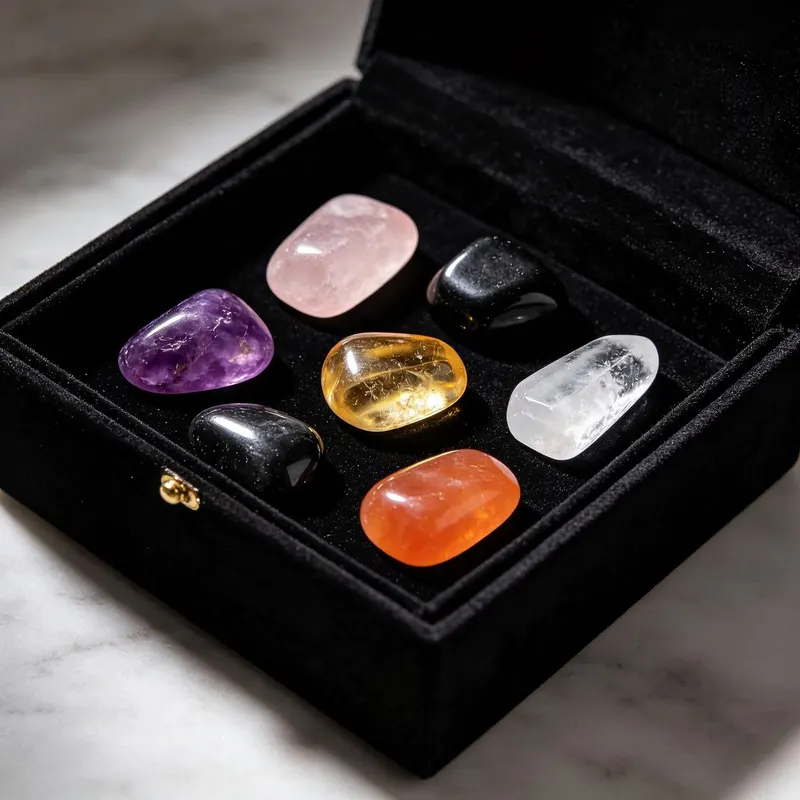
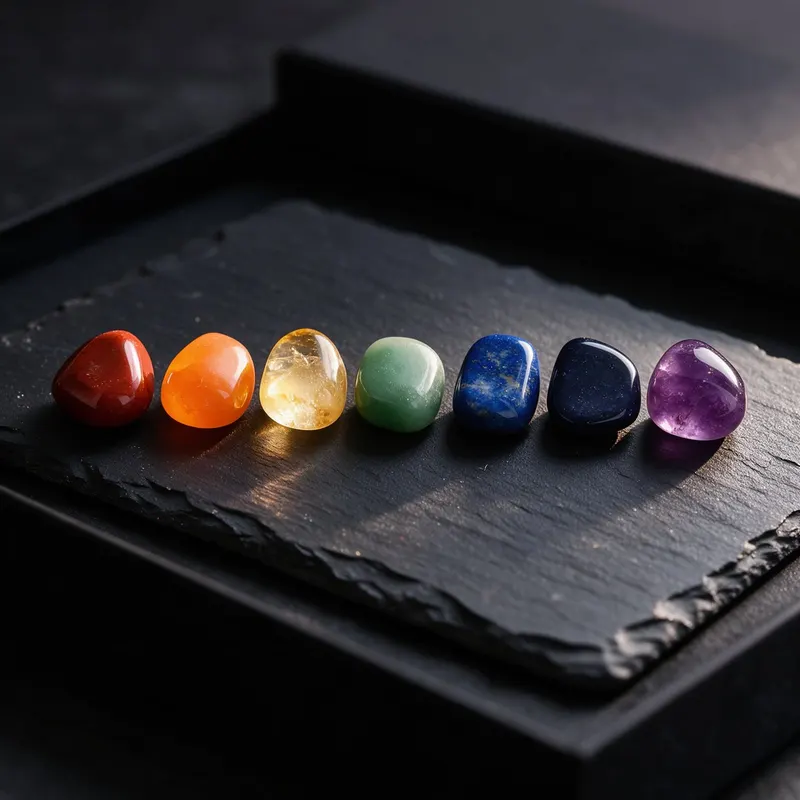
The fix: Start with two or three. A sensible first trio is one calming stone, one grounding stone, and one for clarity or focus. If you'd rather not choose individually, a curated set removes the guesswork: the Healing Crystal Starter Kit, 7 Stones + Guide gives you a labeled foundation with a reference guide, so you can learn each stone before adding more.
2. Skipping cleansing a new stone
Whether or not you take the energetic side literally, cleansing a new stone is a useful ritual: it slows you down, makes you handle the piece, and marks the moment it becomes yours. It's also practical—stones pass through many hands before they reach you.
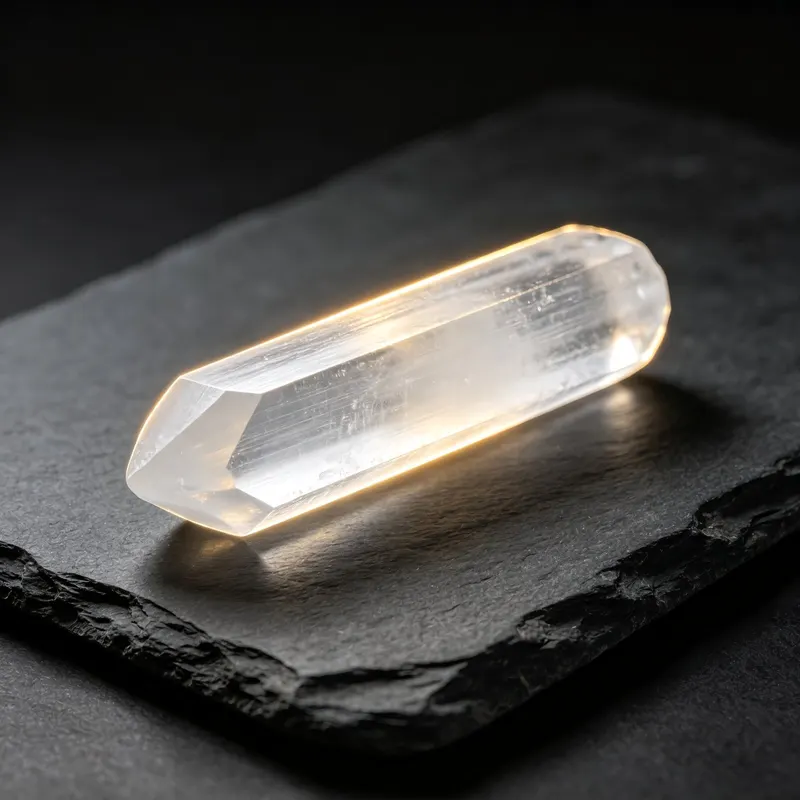
The fix: Cleanse every new piece before first use. Our guide to cleansing and charging covers methods by stone type. A Selenite Cleansing Wand is a gentle, dry option that works for most stones and doubles as a simple altar piece.
3. Setting vague intentions
"I want good energy" is not an intention—it's a mood. Vague goals give you nothing to notice, so nothing ever seems to happen. Specific intentions give you something to check in with.
The fix: Set one concrete intention per stone, phrased as something you can observe. Instead of "more confidence," try "speak up once in Thursday's meeting." Instead of "better sleep," try "put my phone down by 10pm." Our guide to programming a crystal walks through this in detail.
Mistake 4–6: Damaging Your Stones
4. Soaking water-sensitive stones
This is the mistake that causes real, permanent damage. Many popular stones are soft, porous, or water-soluble. Selenite will literally dissolve and flake. Malachite, lapis lazuli, and fluorite can be harmed by prolonged soaking. Salt water is worse—it can pit and dull surfaces.
The fix: Check before you soak. Our list of water-safe stones covers the common ones. When in doubt, use a dry method: sound, smoke, moonlight, or a selenite wand.
5. Leaving fade-prone stones in hot sun
Sunlight is a traditional charging method, but it's not kind to every stone. Amethyst, rose quartz, citrine, and fluorite can fade or shift color with prolonged direct sun exposure—sometimes within weeks. The change is usually irreversible.
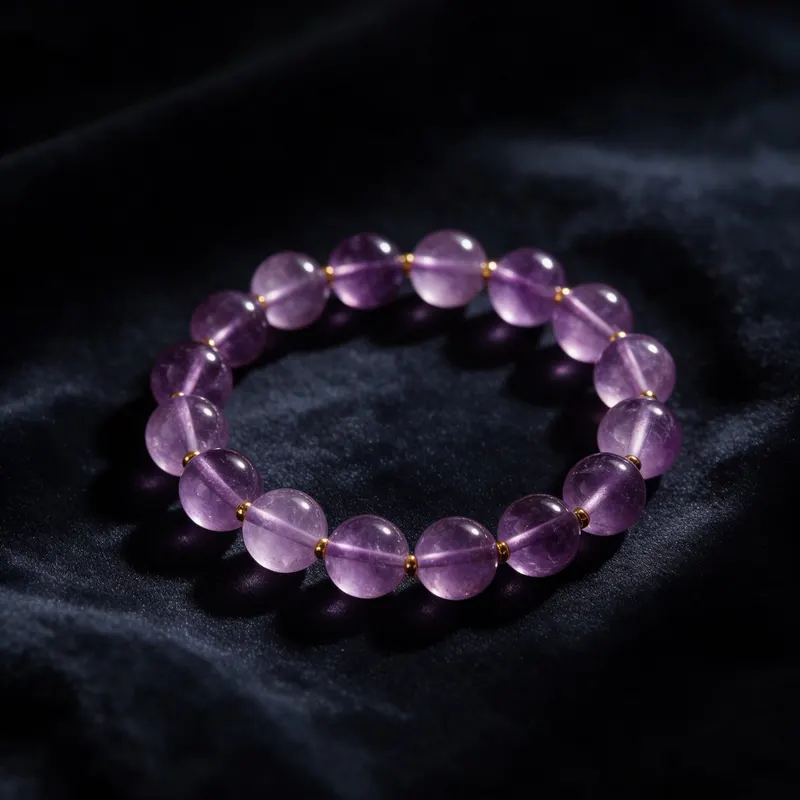
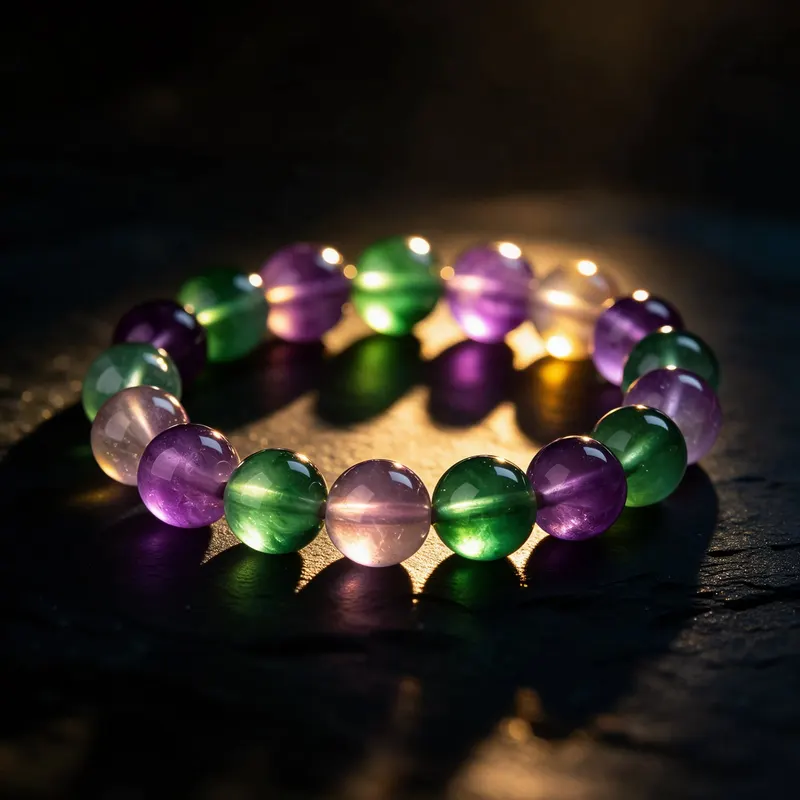
The fix: Use moonlight for fade-prone stones, or cleanse with a selenite wand. If you do use sunlight, keep it brief—an hour or two in gentle morning light rather than all day on a south-facing sill. This matters most for pieces you wear daily, like a Amethyst Healing Bracelet for Calm & Clarity, which you'll want to keep looking its best.
6. Poor storage
Crystals scratch each other. Quartz (Mohs 7) will happily gouge softer stones like fluorite (Mohs 4) or selenite (Mohs 2) if they rattle together in a drawer or pouch. Metal components on jewelry can also scratch stone surfaces.
The fix: Store pieces separately—individual pouches, a compartmented box, or a lined tray. Keep bracelets fastened or laid flat so clasps don't press into beads. For pendants, hang them or lay them face-up.
Mistake 7–10: Expectations and Authenticity
7. Expecting instant results
Crystals are not switches. Whatever you believe about their properties, the practice works through attention and repetition—the stone is a reminder, and reminders only work if you encounter them consistently.
The fix: Give a new stone a few weeks of regular contact before judging it. Wear it, hold it during a short daily pause, keep it where you'll see it. Our piece on how long crystals take to work sets more realistic timelines.
8. Buying fakes unknowingly
The market is full of dyed, heat-treated, glass, and resin pieces sold as natural. Some treatments are standard and disclosed (most citrine on the market is heat-treated amethyst); others are misrepresentation. Glass "quartz" and dyed "lapis" are common.
The fix: Learn the basics in our guide to telling real from fake. Buy from sellers who name treatments, show the actual piece, and answer questions. Expect natural variation—uniform color and perfect clarity at a low price are warning signs, not bargains.
9. Mixing clashing goals
Wearing an energizing carnelian next to a calming amethyst isn't dangerous, but it muddies the signal. If everything is on your wrist at once, nothing stands out.
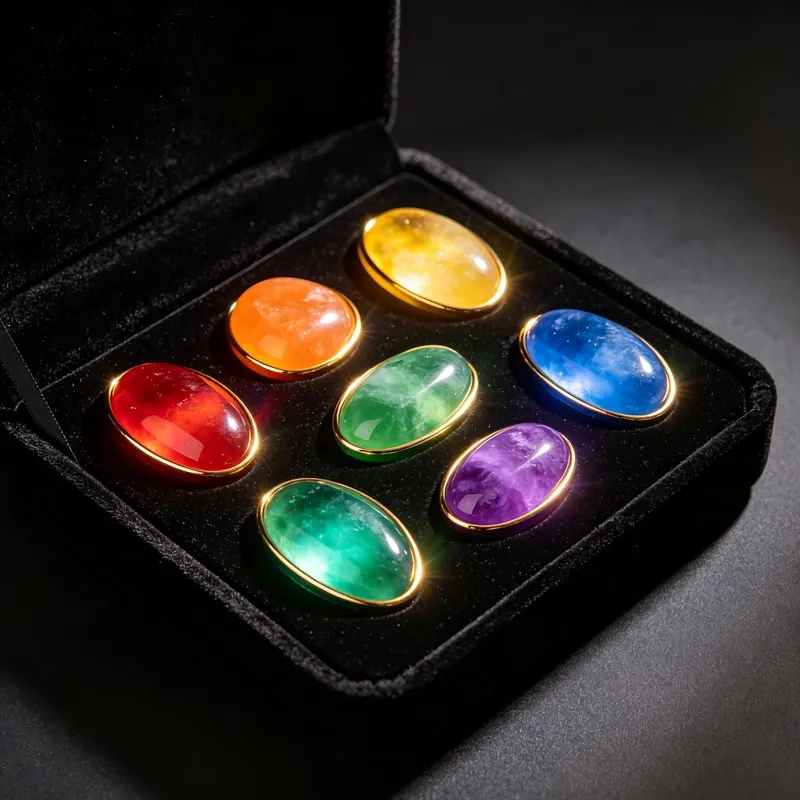
The fix: Anchor mixed stacks with a grounding stone—black tourmaline or obsidian—and keep the number of "active" stones to two or three. If you want a full chakra spread, use a set for meditation rather than wearing all seven at once. The 7 Chakra Stone Set with Wooden Display Box is designed for exactly that: laid out, worked with one stone at a time.
10. Ignoring your own attraction
Beginners often buy what a chart or a friend recommends, then wonder why the stone sits untouched. Personal pull matters—partly because you'll actually use a stone you like, and partly because the practice is yours, not a checklist.
The fix: Handle stones before committing when you can. Notice which ones you keep returning to. A stone you're drawn to and use daily will do more for you than a "correct" stone you ignore.
Quick Reference: The Ten Mistakes and Their Fixes
| Mistake | Why it matters | Fix |
|---|---|---|
| Buying too many at once | You can't learn stones you don't spend time with | Start with 2–3, or a labeled starter set |
| Skipping cleansing | Missed ritual; stones handled by many before you | Cleanse every new piece before first use |
| Vague intentions | Nothing to observe, so nothing seems to happen | One specific, observable intention per stone |
| Soaking soft stones | Permanent damage—dissolving, pitting, dulling | Check water-safety; use dry methods when unsure |
| Hot sun on fade-prone stones | Color loss that can't be reversed | Moonlight or selenite; brief sun only |
| Poor storage | Scratches and chips from stone-on-stone contact | Separate pouches or compartments |
| Expecting instant results | Leads to abandoning a practice that needs time | Give it weeks of consistent contact |
| Buying fakes | Wasted money; wrong material entirely | Learn authenticity signs; buy from transparent sellers |
| Mixing clashing goals | Diluted focus in a stack or grid | Anchor with a grounding stone; limit active stones |
| Ignoring your attraction | You won't use a stone you don't like | Handle before buying; follow genuine pull |
What the old stories say — and what checks out
Crystal practice blends centuries of folk tradition with modern gemology, and it's worth keeping the two separate. Here's how we think about it.
What tradition says. Across cultures, specific stones have been associated with specific qualities: amethyst with calm and clear thinking, rose quartz with the heart and self-compassion, black tourmaline with protection and grounding, citrine with abundance and joy. These associations are traditional—they're believed to support certain states of mind, and many people find them meaningful as focal points for intention. We describe them that way on purpose: a stone is traditionally associated with calm, not a treatment for anxiety.
What we can verify. Hardness, water sensitivity, and light sensitivity are measurable and well documented. These are the facts that should drive how you care for a stone:
- Hardness (Mohs scale): Quartz is 7; amethyst, citrine, and rose quartz share that rating. Fluorite is 4. Selenite is 2—soft enough to scratch with a fingernail. Softer stones need gentler handling and separate storage.
- Water sensitivity: Selenite dissolves in water. Malachite, lapis lazuli, and fluorite can be damaged by soaking. Quartz-family stones are generally fine with brief rinsing.
- Light sensitivity: Amethyst, rose quartz, citrine, and fluorite can fade with prolonged direct sun. Keep them out of all-day sun.
- Treatments: Heat treatment and dyeing are common and not inherently dishonest—but they should be disclosed. Natural, untreated stones of high clarity command higher prices.
Realistic price expectations. Beaded bracelets in common stones like amethyst, rose quartz, or tiger's eye typically run from about $15 to $45 depending on bead size and grade. Sterling silver pendants with a genuine quartz point generally start around $40–$80. Raw clusters vary widely with size and color. Very low prices usually mean glass, resin, dye, or tiny beads—not a hidden gem.
Sizing and choosing. For bracelets, measure your wrist and add roughly half an inch for a comfortable fit; most beaded bracelets are strung on elastic and sized in whole inches. For pendants, consider chain length against neckline—16 inches sits at the collarbone, 18 inches just below. When choosing between similar stones, pick the one you keep picking up.
Crystals are for reflection and are not medical devices. They do not diagnose, treat, cure, or prevent any disease. If you're struggling with your mental or physical health, please reach out to a qualified professional.
FAQ
People Also Ask
What is the most common beginner mistake?
Buying many stones before learning to cleanse and work with a few core pieces. Start with two or three, learn how they feel, and expand once you have a simple routine.
How many crystals should a beginner own?
Two to three versatile stones are enough to start—ideally one calming, one grounding, and one for clarity or focus. A labeled starter set can stand in for individual picks.
How do I avoid buying fake crystals?
Buy from sellers who disclose treatments, show the actual piece, and answer questions. Learn the authenticity signs in our real vs. fake guide, and treat perfect uniformity at a low price as a warning sign.
Do I really need to cleanse a new crystal?
It's a traditional practice rather than a requirement, but it's worth doing: it marks the stone as yours and gives you a moment to handle it. Use a dry method like a selenite wand if you're unsure about the stone's water sensitivity.
Start Simple, Then Grow
The through-line in all ten mistakes is the same: rushing. Slow down, buy fewer stones, learn how to care for them, and set intentions you can actually notice. A small, well-tended collection will teach you more than a crowded shelf ever will.
If you're ready to begin, the Healing Crystal Starter Kit and the 7 Chakra Stone Set are both built for learning one stone at a time. For a single piece to grow with, a Clear Quartz Point Pendant Necklace is hard to beat—versatile, durable, and easy to care for. And for cleansing, the Selenite Cleansing Wand earns its place on any beginner's shelf.
Keep exploring: Crystals for Beginners · Choosing Your First Crystal · How to Cleanse & Charge