Turn Commute Stress Into a Reset
If your day begins and ends in traffic, you already know that the car is one of the most reliable stress triggers in modern life. The merge that never ends, the driver tailgating you for six miles, the red light that catches you when you're already late—none of it is dramatic, but all of it adds up. Many people arrive at work already tense and arrive home still wound up, with no clear moment in between to let go.
A small, well-chosen crystal can serve as a physical anchor for that in-between moment. It doesn't change the traffic. What it can do is give your attention somewhere calm to land: a stone on your wrist or in a secured tray that reminds you to unclench your jaw, drop your shoulders, and take one slow breath before the light turns green. That is a ritual, not a treatment—and framed that way, it's a genuinely useful one.
This guide covers which stones are traditionally associated with calm, focus, and grounding for the commute, how to choose one that fits your driving habits, how to place it so it never becomes a distraction or a hazard, and how to care for it through heat, sunlight, and everyday wear.
Why a Commute Stone Works as a Cue, Not a Cure
The value of a commute crystal is behavioral, not magical. A stone you only touch in the car becomes associated with the car—and over a few weeks, the act of noticing it can prompt the same downshift in breathing and grip that a meditation bell prompts in a quiet room. This is the same principle behind keeping a worry stone in a pocket or a candle on a desk: the object is a reminder, and the reminder is the point.
That framing matters for safety, too. A crystal should never be something you reach for, fiddle with, or glance at while the vehicle is moving. The best commute stones are the ones you notice without looking: a bracelet you feel against your wrist, or a single stone sitting where your eye already rests when you're stopped. If using a stone requires taking your attention off the road, it's the wrong setup.
Commute Stones and What They're Traditionally Associated With
Different stones suit different driving temperaments. Some commuters need to cool down; others need to wake up and stay sharp; others want a sense of containment in dense traffic. Here's how the most common commute stones are traditionally understood—and what each one is practically good for in a car.
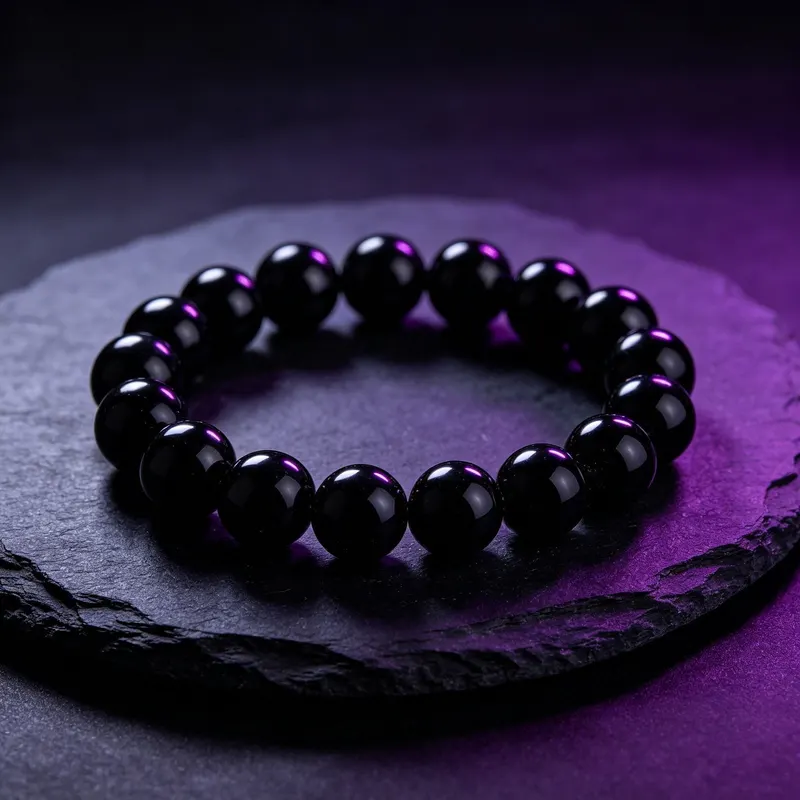
- Black tourmaline — traditionally associated with protection and grounding. A natural pick for highway driving, night commutes, or anyone who feels exposed in heavy traffic. The Black Tourmaline Protection Bracelet for Grounding is easy to wear and unobtrusive on the wrist.
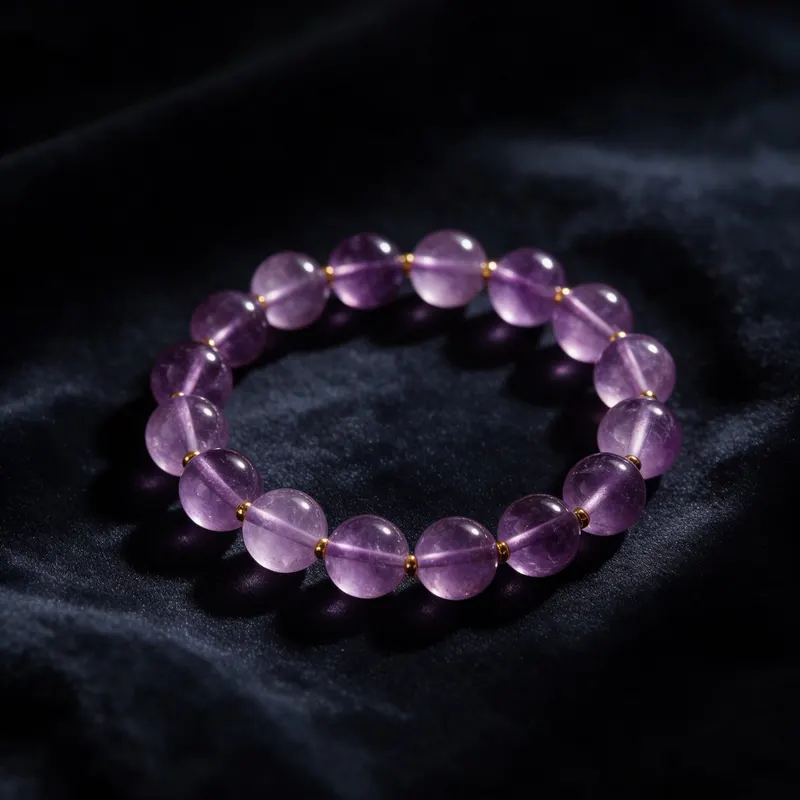
- Amethyst — traditionally associated with calm and clarity; often used to ease frustration. Good for stop-and-go routes and drivers who arrive at work already irritated. The Amethyst Healing Bracelet for Calm & Clarity works well as a daily wear piece.
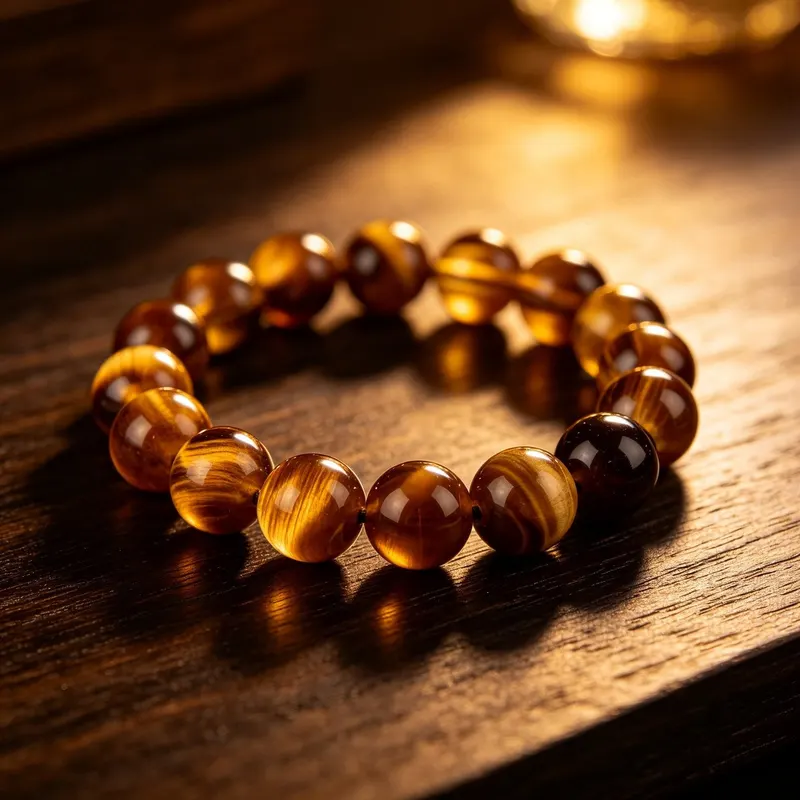
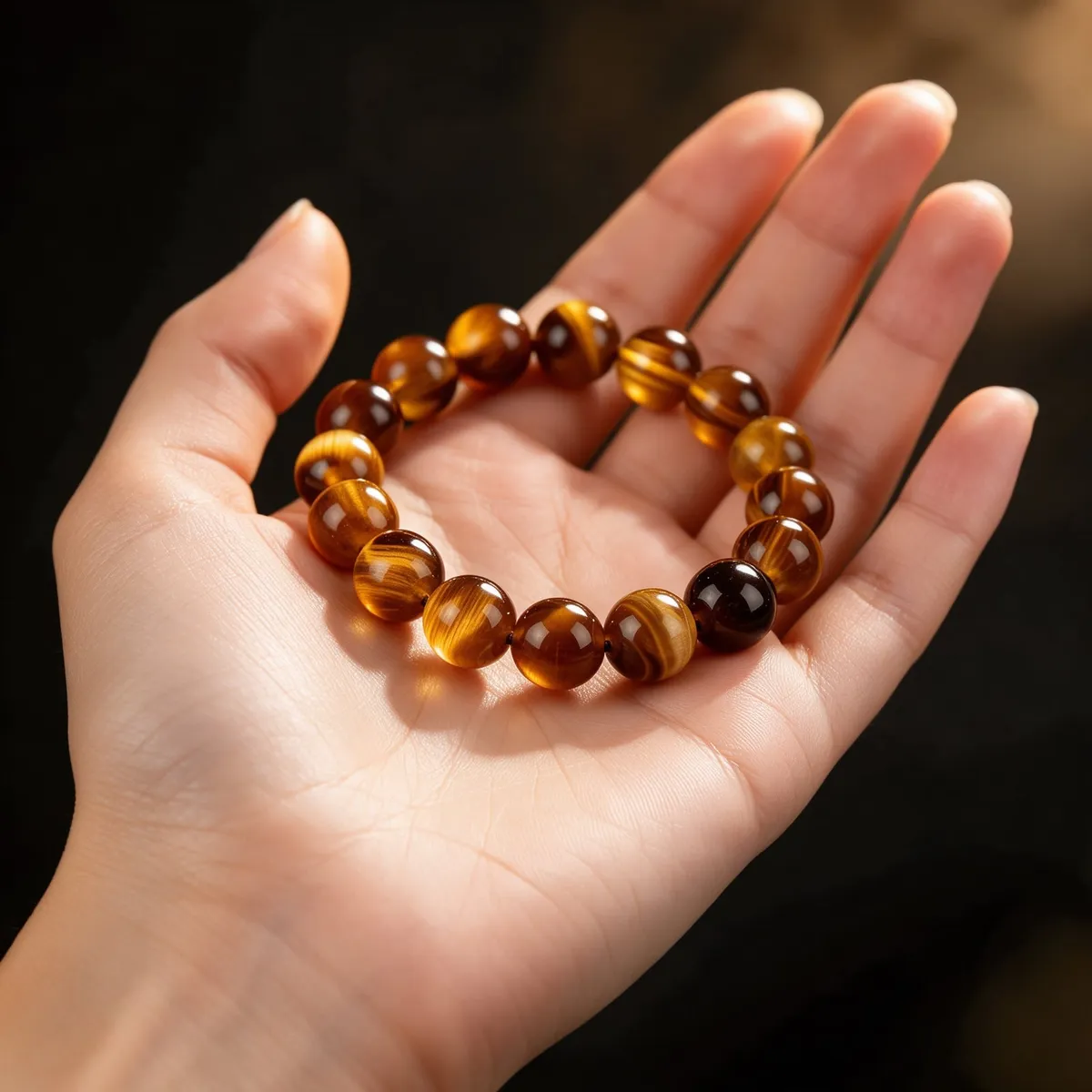
- Tiger's eye — traditionally associated with confidence and focused attention. Suits early-morning drives, long highway stretches, and anyone who wants to feel alert rather than soothed. Try the Tiger's Eye Confidence Bracelet for Focus & Courage.
- Black obsidian — traditionally associated with grounding and clear seeing. A heavier, darker option for drivers who want a strong sense of boundary in aggressive traffic.
- Labradorite — traditionally associated with intuition and protection; a favorite for unpredictable routes and unfamiliar roads.
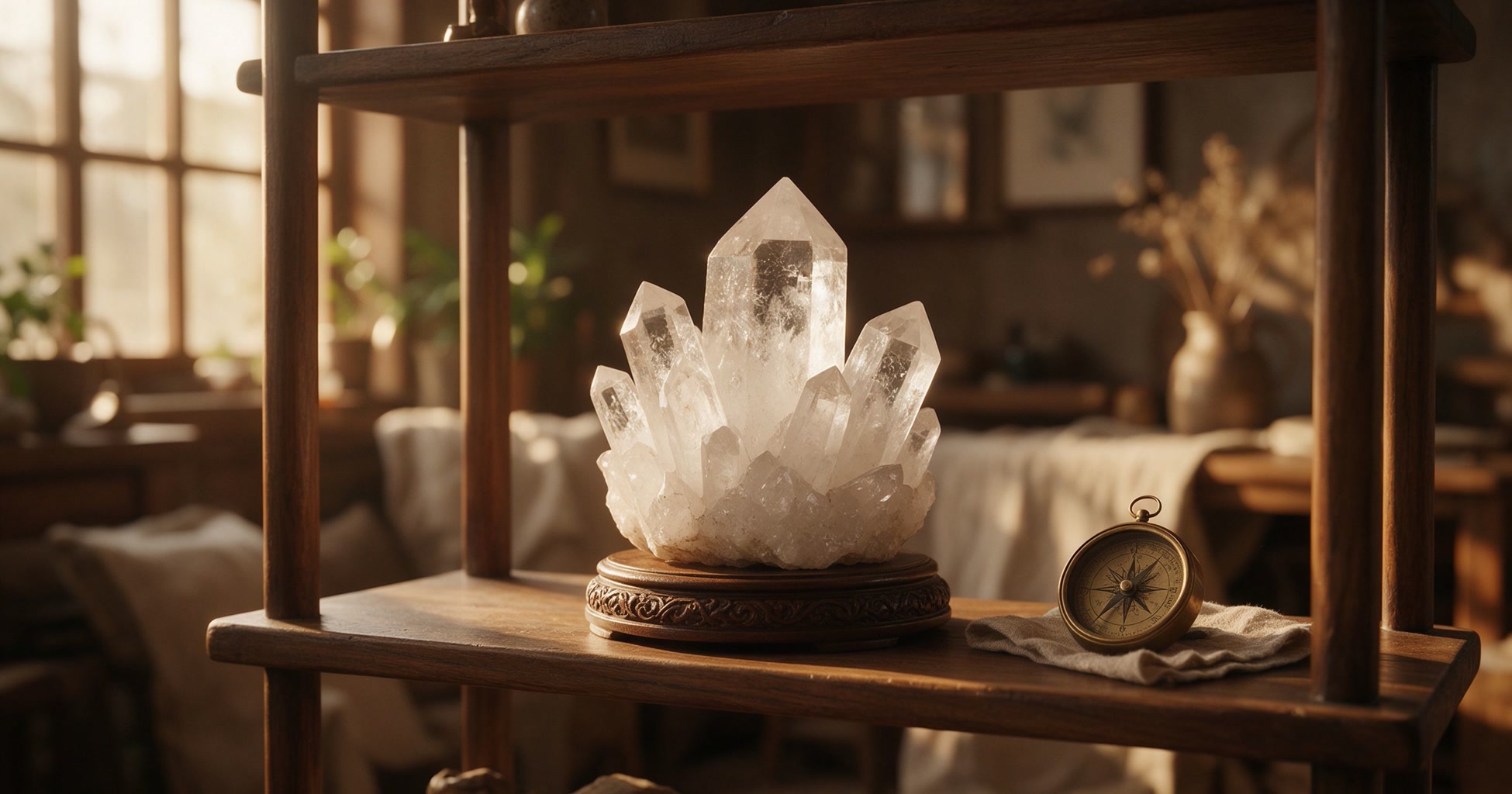
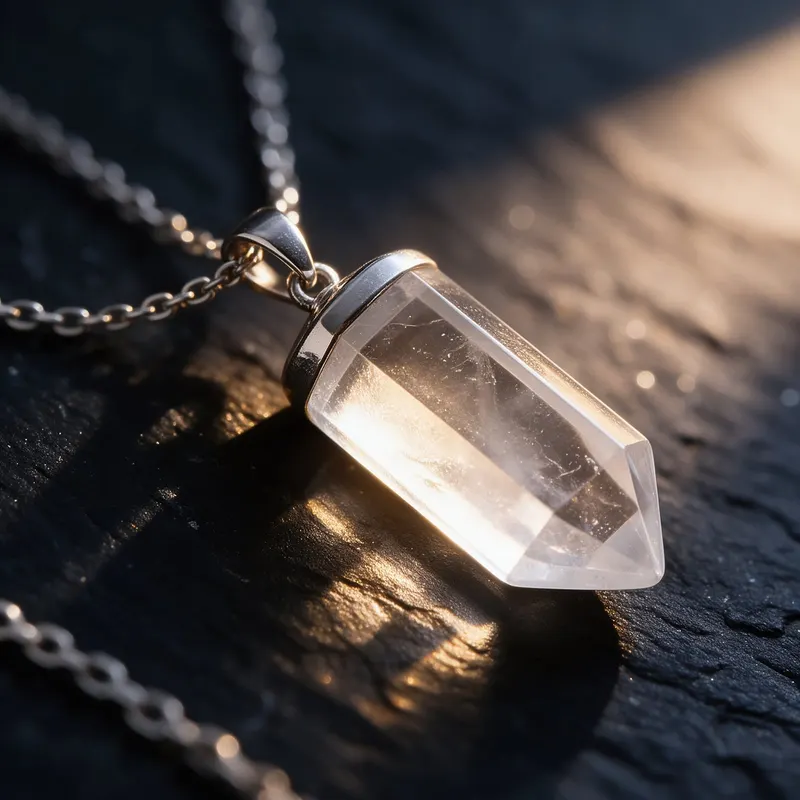
- Clear quartz — traditionally associated with clarity and reset. A neutral choice if you want one stone that works for any drive.
- Rainbow fluorite — traditionally associated with concentration; a practical pick for commuters who mentally rehearse the day ahead while driving.
- Aquamarine — traditionally associated with calm communication, which some drivers find useful for staying composed through road-rage moments.
Choosing Your Stone: A Quick Comparison
Use this table to match a stone to your actual commute rather than to whichever one looks best online. "Best format" refers to how the stone is typically sold and how well that format suits car use.
| Stone | Traditionally associated with | Best for | Best format for the car | Care notes |
|---|---|---|---|---|
| Black tourmaline | Protection, grounding | Night drives, highways, heavy traffic | Bracelet | Durable; wipe with a soft cloth |
| Amethyst | Calm, clarity | Stop-and-go routes, frustration | Bracelet or secured tumbled stone | Fades in prolonged direct sun |
| Tiger's eye | Confidence, focus | Early starts, long stretches | Bracelet | Very durable; avoid harsh chemicals |
| Black obsidian | Grounding, truth | Aggressive traffic, boundaries | Bracelet or pendant | Glass-like; chips if dropped |
| Labradorite | Intuition, protection | Unfamiliar roads | Bracelet | Moderately durable; keep dry |
| Clear quartz | Clarity, reset | Any drive | Pendant or secured stone | Sunlight-safe; avoid long soaking |
| Rainbow fluorite | Concentration | Mentally busy commutes | Bracelet | Soft stone; keep out of direct sun |
| Aquamarine | Calm communication | Frustrating interactions on the road | Pendant or bracelet | Hard but brittle; avoid knocks |
How to Place a Crystal in Your Car Safely
Placement is where most crystal-in-the-car advice goes wrong. The rules are simple: nothing loose, nothing hanging, nothing in the path of an airbag, and nothing that requires you to look away from the road.
- Wear it instead of displaying it. A bracelet or pendant is the safest option because it moves with you and never becomes a projectile. The Black Tourmaline Protection Bracelet for Grounding is a good example of a piece designed for daily wear.
- Use a closed tray or cup holder. If you prefer a stone you can see, set it in a cup holder, a small lidded tray, or a felt-lined console compartment. It should not roll.
- Keep it away from airbags and pedals. Never place stones on the dashboard above the passenger airbag, on the floor near the pedals, or anywhere they could slide under your feet.
- Skip the rearview mirror. Hanging objects can obstruct your view and become dangerous in a sudden stop. This is one of the few crystal practices worth retiring entirely in a vehicle.
- Anchor it with a non-slip pad. A small piece of shelf liner or felt under a tray stone keeps it from sliding during turns.
- Do a weekly check. Confirm the stone hasn't migrated into a footwell or under a seat, and that no bracelet clasp has loosened.
Practical Care for Crystals That Live in a Car
Cars are harsh environments: heat, direct sun, temperature swings, and the occasional spilled coffee. A few habits will keep your stone looking good and intact.
- Sunlight: Amethyst, fluorite, rose quartz, and several other colored stones can fade with prolonged direct sun exposure. If your stone sits on a dashboard or in an open tray, move it to a shaded console or covered compartment during the day.
- Heat: Extreme heat can weaken adhesives on plated jewelry and stress some stones. Don't leave plated pieces on a dashboard in summer.
- Cleaning: Wipe bracelets and pendants with a soft, dry cloth. Avoid soaking soft stones like fluorite or selenite in water; a damp cloth is enough for most pieces.
- Storage: When you're not driving, keep the stone in a small pouch in the glovebox or console. This also keeps it from becoming a loose object in a hard stop.
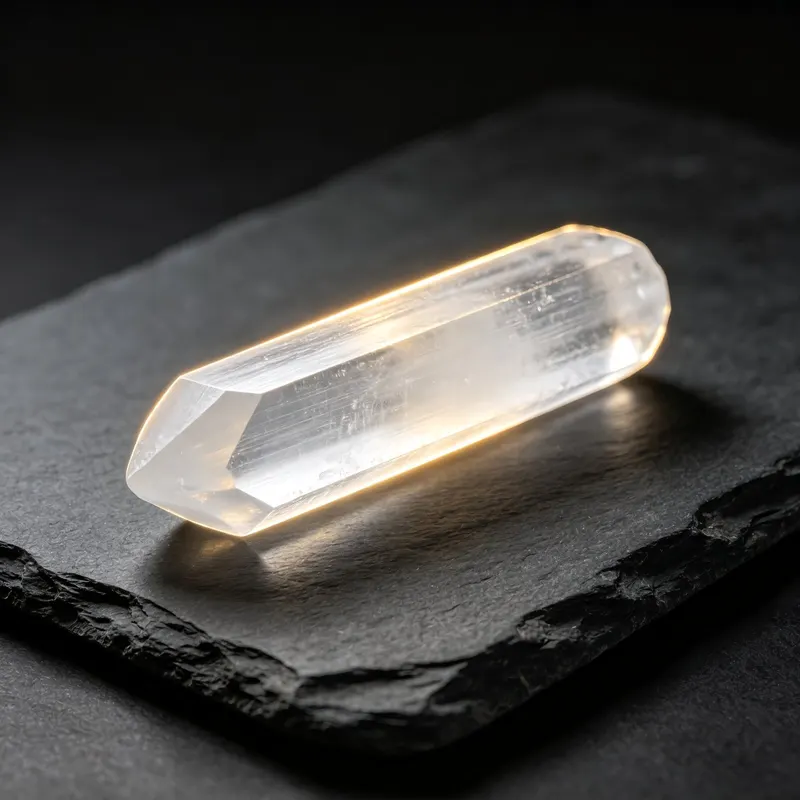
- Cleansing: If you follow a cleansing practice, a Selenite Cleansing Wand for Energy Clearing is a common tool. Keep selenite itself dry, as it is water-soluble.
What tradition teaches — and what is provable
Crystal traditions are rich, but they are traditions—not laboratory findings. It's worth separating the two so you can enjoy the practice without overclaiming what it does.
What the tradition says: Black tourmaline is traditionally associated with protection and grounding; amethyst with calm and clarity; tiger's eye with confidence and focus. Many practitioners believe these stones support a settled, present state of mind, and some use them in meditation or as part of a daily ritual. These are cultural and spiritual frameworks, and they vary widely between traditions.
What we can verify: The measurable properties of these stones are physical, not psychological. On the Mohs hardness scale, quartz-family stones like amethyst and clear quartz rate about 7, tiger's eye about 7, black tourmaline about 7 to 7.5, and obsidian about 5 to 5.5. Fluorite is softer at about 4, and selenite is very soft at about 2—so both scratch easily and should be handled gently. Amethyst and fluorite are sensitive to prolonged sunlight, which can fade their color. Selenite dissolves in water. Plated jewelry can wear at the plating over time with friction and heat. These are the facts that should guide your care routine.
What no one can verify is that a stone will make you a calmer driver. What you can observe is whether a particular ritual—three breaths at a red light, a hand resting on a bracelet before you pull out of the driveway—helps you arrive more settled. That's a personal experiment, and it's worth running honestly.
Crystals are for reflection and ritual; they are not medical devices and are not a substitute for medical or mental health care.
Building a Small Commute Ritual
The stone is only half the practice. The other half is the moment you attach to it. A simple version: before you start the engine, rest your hand on the stone and take one slow breath. At each red light, take three more. When you park, take one final breath before you open the door. Over a couple of weeks, the stone becomes a cue for the breath, and the breath becomes the actual reset.
If you want a piece that works for both the car and the desk, the Amethyst Healing Bracelet for Calm & Clarity transitions easily between contexts. If you'd rather have a stone you can hold during a longer pause—say, while waiting in a parking lot—a small tumbled piece in a lidded tray works well. And if you're building the habit alongside other practices, a Healing Crystal Starter Kit, 7 Stones + Guide can help you compare stones before committing to one for the car.
FAQ
People Also Ask
What crystal is good to keep in a car?
Black tourmaline for grounding and amethyst for calm are the most common commute pair, worn on the wrist or kept in a secured tray. Tiger's eye is a good alternative if you want alert focus rather than soothing.
Is it safe to hang crystals from a rearview mirror?
No. Hanging objects can obstruct your view and become dangerous in a sudden stop. A worn bracelet or a stone secured in a cup holder or closed tray is far safer.
Will my crystal fade or get damaged in a hot car?
Some stones can. Amethyst and fluorite may fade with prolonged direct sunlight, and heat can wear plated jewelry. Keep stones in a shaded console or glovebox rather than on the dashboard, and wipe them with a dry cloth rather than soaking them.
How do I choose between a bracelet and a loose stone for the car?
Choose a bracelet if you want something you'll notice without looking and never have to secure. Choose a loose stone only if you'll keep it in a closed tray or cup holder and never handle it while driving. When in doubt, the bracelet is the safer choice.
Browse the Curated Collection
Shop the Stones
Keep Exploring
Travel Protection · Patience · Anger Balance
The commute is going to happen either way. A stone won't shorten it, but it can mark the beginning and end of it—a small, deliberate pause before you merge into the day and another before you walk back into your home. Choose one that suits your temperament, wear it or secure it safely, and let the ritual do the quiet work.