Why a Desk Stone Makes Sense in a Dorm Room
Your semester is a stack of competing demands: a problem set due Thursday, a lab report you keep postponing, a group chat that never stops, and a roommate who studies with the TV on. You have maybe two square feet of desk that are actually yours. What you need is not another app or a color-coded planner you will abandon by week three—it is a simple, physical cue that tells your brain, "this is the focus zone."
That is where a small crystal earns its place. Not as magic, and not as a substitute for sleep, flashcards or office hours, but as a tactile anchor. Placing a stone on your notes before a study block, or sliding a bracelet on before an exam, gives your attention something to land on. The ritual is the point: it marks the transition from scrolling to working, and from working to resting.
This guide covers which stones college students most often reach for, how to build a dorm-friendly routine around them, what to look for when buying, and—importantly—what the tradition actually claims versus what we can verify about hardness, care and durability. Keep it practical. One or two pieces on a crowded desk will do more than a cluttered collection.
Desk Essentials: Three Stones That Cover Most Student Needs
You do not need a full apothecary. Most students do well with a focus stone, a calming stone, and one piece that carries personal meaning. These three are the workhorses.
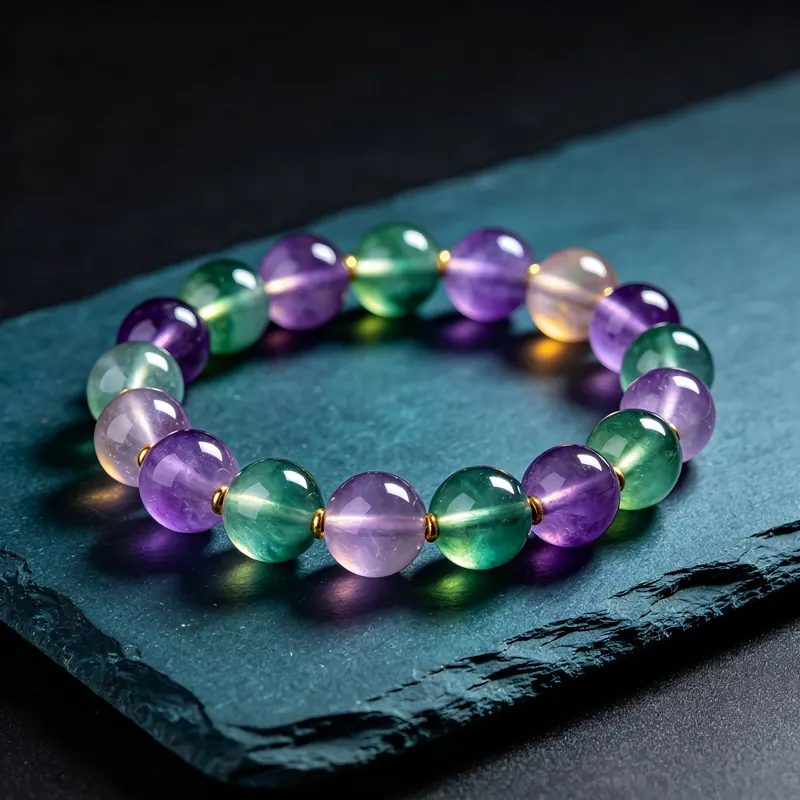
- Fluorite for deep-work concentration. Traditionally associated with mental clarity and steady focus, fluorite is the stone most often kept on a study desk. A Fluorite Focus Bracelet is easy to wear through a long library session and slip off when you are done.
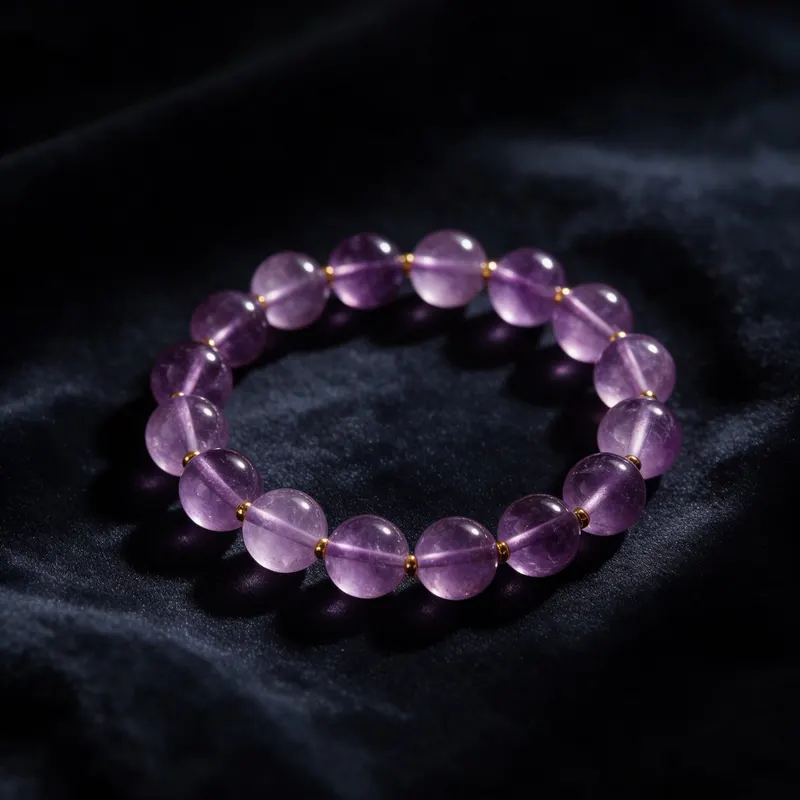
- Amethyst for exam nerves. Believed to support calm and quiet the mind, amethyst is the classic "before the test" stone. An Amethyst Healing Bracelet works well as a wearable cue, or keep a small piece in your pencil case.
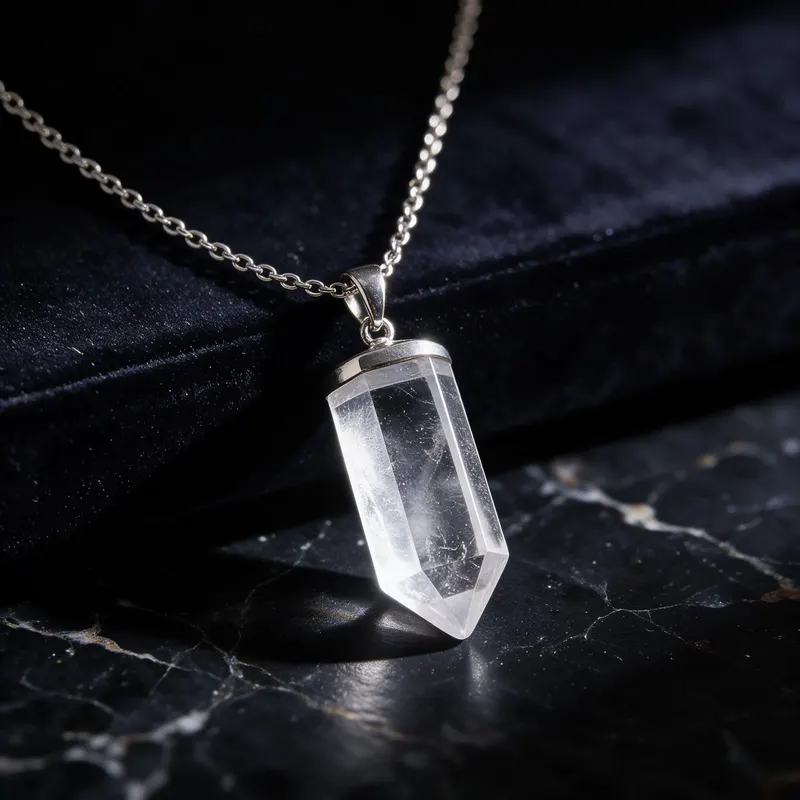
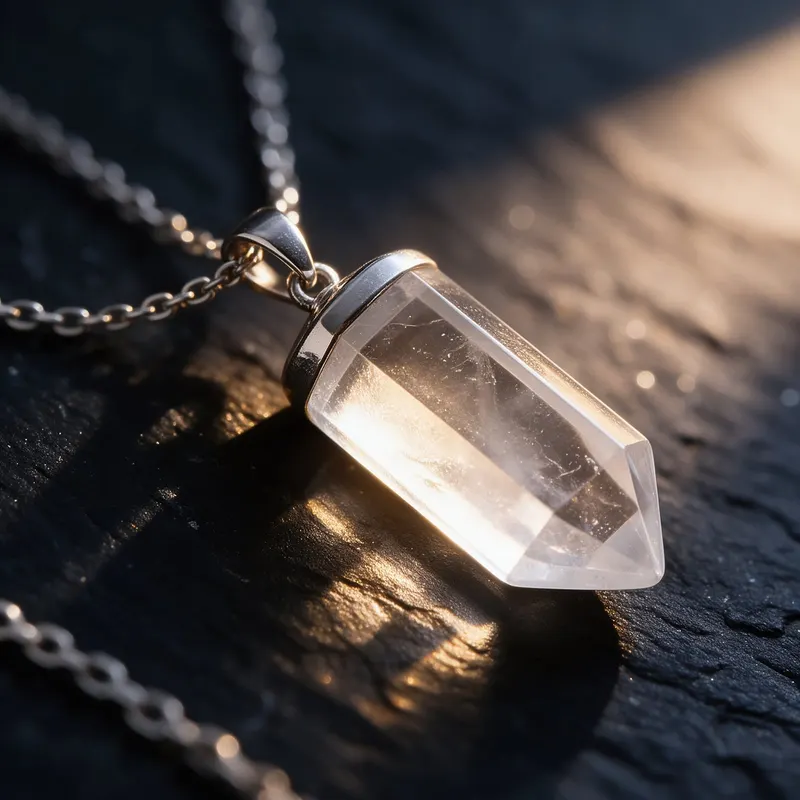
- Clear quartz as a goal anchor. Clear quartz is traditionally treated as a "programmable" stone—you decide what it stands for. A Clear Quartz Point Pendant Necklace can be worn under a shirt as a private reminder of the one thing you are working toward this term.
If you are deciding between the first two, our comparison of fluorite vs amethyst for focus breaks down when each tends to fit better.
Choosing by Situation: A Quick Comparison
Different parts of student life call for different stones. Use this table as a starting point, then trust your own preference—the stone you actually reach for is the one that will help.
| Situation | Stone to consider | Why students pick it | Practical note |
|---|---|---|---|
| Long study blocks, reading, problem sets | Fluorite | Traditionally associated with concentration and clear thinking | Wear as a bracelet or keep a tumbled piece on the desk |
| Night before or morning of an exam | Amethyst | Believed to support calm and settled nerves | Small and quiet—good for a pocket or pencil case |
| Feeling scattered, easily distracted | Clear quartz | Used as a focus anchor for a single intention | Pendant keeps it out of the way during writing |
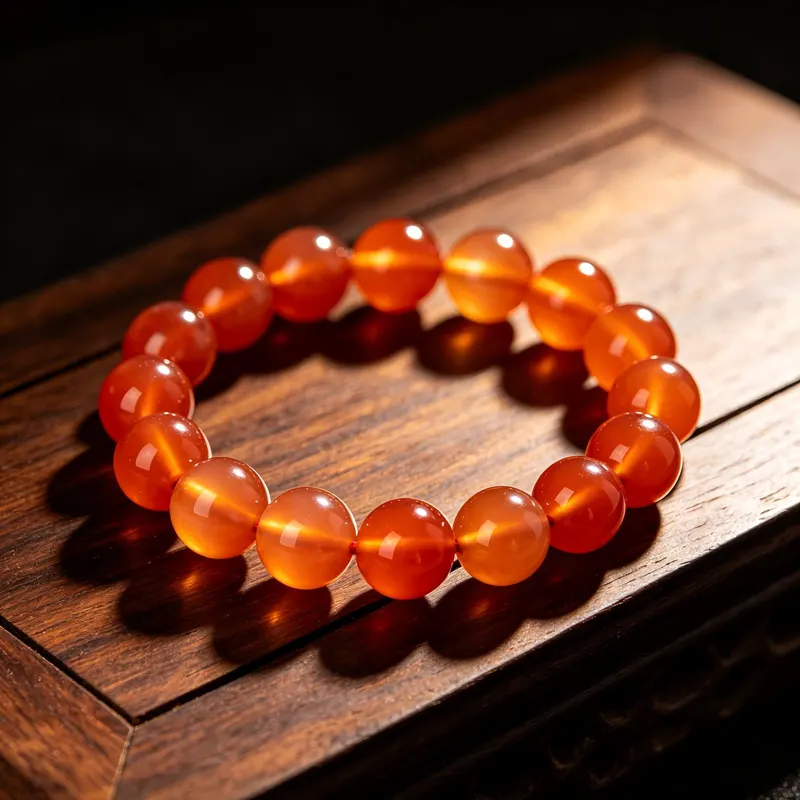
| Low motivation, procrastination | Carnelian or Tiger's Eye | Traditionally linked to drive and confidence | Wear it on days with presentations or deadlines |
| Anxiety before a presentation or interview | Black Tourmaline or Aquamarine | Associated with grounding and calm communication | Keep it in a pocket; hold it during breathing breaks |
| New semester, fresh start | Moonstone | Believed to support intuition and new beginnings | A gentle choice for the first weeks back |
Two more worth knowing: a Carnelian Creativity Bracelet for motivation on project-heavy weeks, and a Black Tourmaline Protection Bracelet if you want something grounding to hold during a stressful stretch. If you are brand new to all of this, a Healing Crystal Starter Kit lets you try several stones before committing to a favorite.
A Study Ritual That Fits a Dorm Desk
The ritual matters more than the stone. Keep it short enough that you will actually do it on a Tuesday night when you are tired.
- Set the stone on your notes before a Pomodoro block. This is the "start" signal.
- Phone across the room, one task only. The stone does not enforce this—you do—but it reminds you why you set it there.
- After the block, look away and breathe for a minute. Pick the stone up, close your eyes, and let your eyes rest. This is the "stop" signal.
- At the end of the session, put the stone back in its spot. A consistent home—a corner of the desk, a small dish—keeps the cue strong.
If you want to build this into a wider routine, see our notes on focus and study crystals and a morning routine that pairs well with evening study blocks.
Dorm Living: Sizing, Storage and Sharing a Room
Dorm rooms are small, shared and often short on flat surfaces. A few practical rules keep crystals useful rather than clutter.
- Choose one or two pieces, not ten. A bracelet you wear and a single desk stone is plenty. Small spaces reward restraint.
- Size for your space. Bracelets are typically sized by wrist circumference—measure around your wrist with a soft tape and add about half an inch for a comfortable fit. Pendants should hang so the stone sits at mid-chest, not against your throat.
- Keep stones out of shared walkways. A tumbled stone on your own desk is fine; loose stones on a shared floor will get kicked.
- Respect your roommate. Not everyone shares your interest. Keep your pieces on your side of the room and skip anything that needs to sit in a shared window.
- Store soft stones separately. Stones of different hardness can scratch each other in a drawer—wrap each in a small cloth pouch.
What is handed down — and what we can verify
Crystal lore is old, varied and often poetic. It is also not the same as a materials specification. Here is a clear split between what the tradition holds and what you can check for yourself.
What the tradition says
Fluorite is traditionally associated with focus and clear thinking; amethyst is believed to support calm and quiet the mind; clear quartz is used as an anchor for a chosen intention; carnelian and tiger's eye are linked to motivation and confidence. These are cultural and spiritual associations, offered for reflection. They are not claims about test scores, grades or health, and no stone will study for you.
What we can verify
- Hardness (Mohs scale). Clear quartz and amethyst sit around 7, which makes them reasonably durable for daily wear. Fluorite is much softer, around 4, so it scratches and chips more easily—treat a fluorite bracelet gently and avoid knocking it against desk edges. Selenite is softer still, around 2, and should be handled with care.
- Water sensitivity. Selenite dissolves and damages in water, and softer porous stones can be harmed by soaking. Do not clean soft stones by submerging them. A dry or barely damp cloth is safer for most pieces.
- Sunlight sensitivity. Some stones—including amethyst and rose quartz—can fade with prolonged direct sun. A dorm windowsill with hours of direct light is not the best long-term display spot.
- Care basics. Wipe with a soft dry cloth, store separately in a pouch, and remove bracelets before showering, swimming or heavy cleaning. Metal findings on plated or sterling pieces should be kept dry to slow tarnish.
- What "natural" means. Natural stones vary in color and pattern; small inclusions are normal, not defects. Ask a seller whether a stone is natural, treated or synthetic if that matters to you.
Crystals are for reflection and are not medical devices. They do not diagnose, treat, cure or prevent any disease, and they are not a substitute for sleep, professional care or academic support.
What to Look For and What to Expect to Pay
Student budgets are real, so buy deliberately. A few things worth checking before you order:
- Look at real photos. Natural stones vary; the piece you receive may differ slightly in color from the listing. That is normal.
- Check the metal. Sterling silver and gold-plated findings cost more but last longer than cheap base metals. If you have sensitive skin, note the metal before buying.
- Read the sizing. Bracelet diameter and pendant chain length should be listed. Measure before you buy rather than guessing.
- Start small. A single bracelet or pendant is a low-risk way to see whether the ritual works for you.
Realistic price expectations: simple tumbled stones and basic beaded bracelets typically run from under ten dollars to around thirty; sterling silver or gold-plated pendants generally sit higher, often in the thirty-to-eighty range depending on the stone and setting. Be wary of anything priced far below the norm that claims to be a rare natural stone—and equally wary of inflated "certified" claims that cannot be verified.
FAQ
People Also Ask
What crystal is best for exam focus?
Fluorite is the common choice for concentration while studying, and amethyst is often used to settle nerves right before an exam. Treat them as cues for the state you want, not as guarantees of a result.
Where should a student keep crystals in a dorm?
A tumbled stone by the laptop or a bracelet worn during study blocks is enough. Small spaces need only one or two pieces—keep them on your own desk or in a pouch rather than loose on a shared floor.
How do I clean and care for my crystals?
Wipe with a soft dry cloth and store each piece separately to avoid scratches. Keep soft stones like fluorite and selenite away from water and rough handling, and keep amethyst and rose quartz out of long direct sun. Remove bracelets before showering or swimming.
Do I need to "charge" or cleanse my crystals?
Cleansing is a tradition, not a requirement. Many people simply set an intention when they pick a stone up, or rest it on a windowsill at the end of a study session. If you enjoy the ritual, keep it simple and skip methods—like soaking—that could damage softer stones.
A Small Ritual for a Busy Semester
Between lectures, late-night study and social pressure, a desk stone is a simple anchor. It does not replace study, sleep or breaks—it cues the state you want. Pick one focus stone, one calming stone, and a spot on your desk to keep them. Then let the ritual do its quiet work: a moment of intention before you begin, and a moment of rest when you stop.
Explore the full edit in our Focus & Clarity Collection →, and keep exploring with Focus & Study, Fluorite vs Amethyst and Morning Routine.