A Gift That Says "You've Got This"
If you're shopping for a high school or college graduate, you already know the pressure of getting it right. A card feels too small. Cash feels impersonal. And another candle will end up in a moving box, unopened. What you want is something that marks the moment—something the graduate can wear or keep on a desk as a quiet reminder that someone believes in them.
Crystals fit that brief surprisingly well. They're small enough to pack, personal enough to feel chosen, and they carry meaning you can put into words in your card. A stone doesn't promise a job offer or a spot in grad school, but it can serve as a tangible anchor for the intentions a graduate is already setting. That's the spirit in which we recommend them: as symbols and reflection tools, not guarantees.
This guide covers the stones we think make the most sense for graduation, how to choose between jewelry and a keepsake piece, what to look for in quality, realistic price expectations, and how to care for the gift so it lasts past the first move.
Why Crystals Suit a Graduation Moment
Graduation is a threshold—one chapter closing, another not yet written. Stones have long been used in many cultures as markers of transition, and the ritual of giving one can be as meaningful as the object itself. Unlike flowers that wilt by the weekend or a gift card that gets spent, a crystal stays put. It sits on a nightstand through the first apartment, the first job, the first hard week.
What makes a crystal gift work is the story you attach to it. A stone on its own is a pretty object. A stone with a note that says "for your first big interview" or "for the year you figure out what you actually want" becomes something else entirely. So plan to pair the piece with a short, specific message—more on that below.
Graduation Picks by Intention
Match the stone to the graduate's next step, not just to their birthstone or favorite color. Here's how the most fitting options break down.
For confidence and first jobs
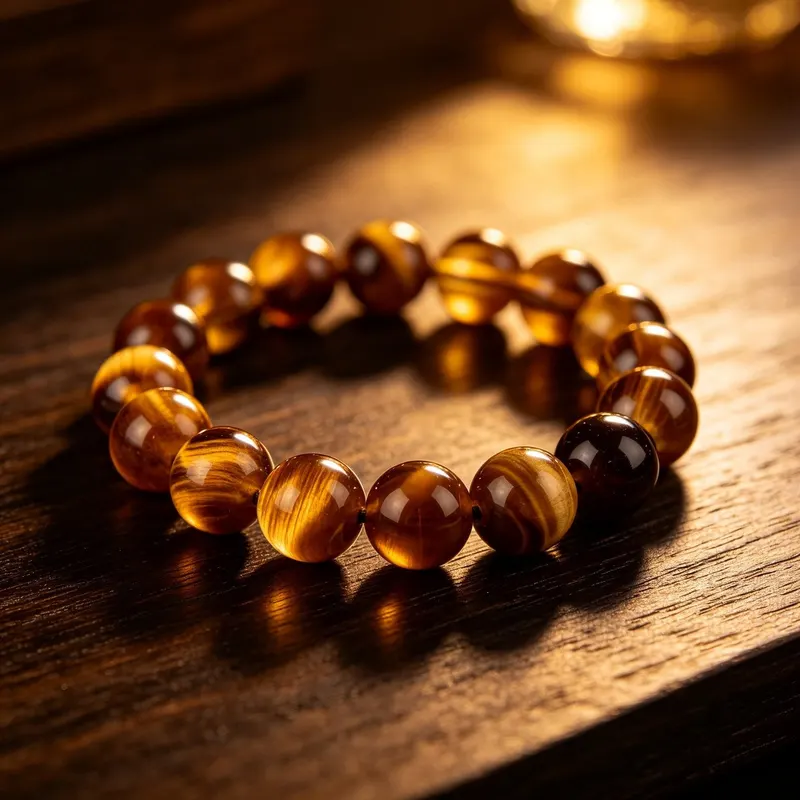
- Tiger's Eye Confidence Bracelet — traditionally associated with courage and steady focus, a natural fit for interviews, first days, and anyone who gets nervous in a room full of strangers.
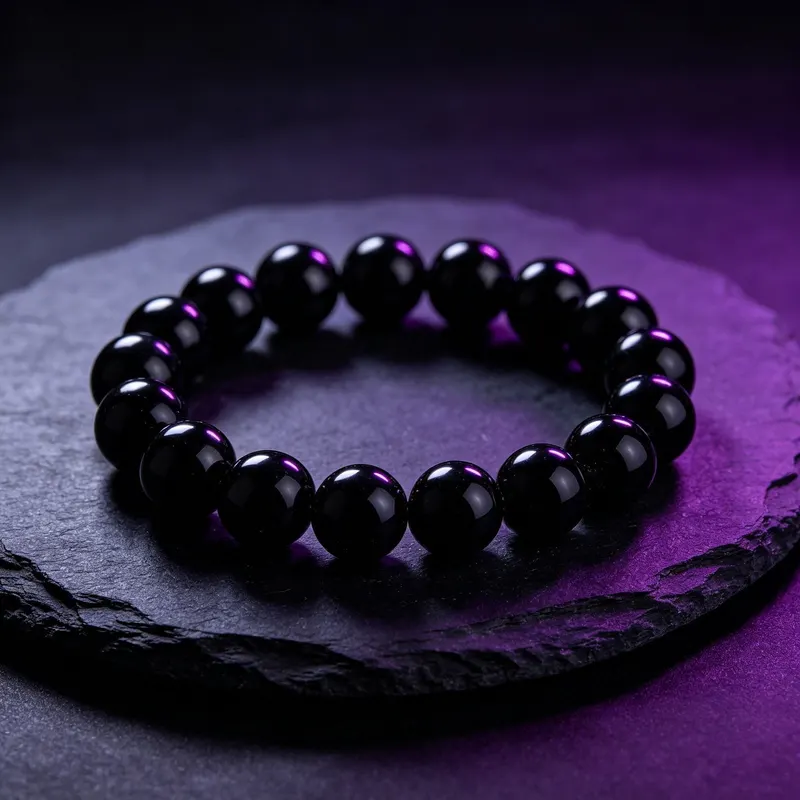
- Black Tourmaline Protection Bracelet — believed to support grounding, useful for graduates moving to a new city or starting a demanding program.
For optimism and opportunity
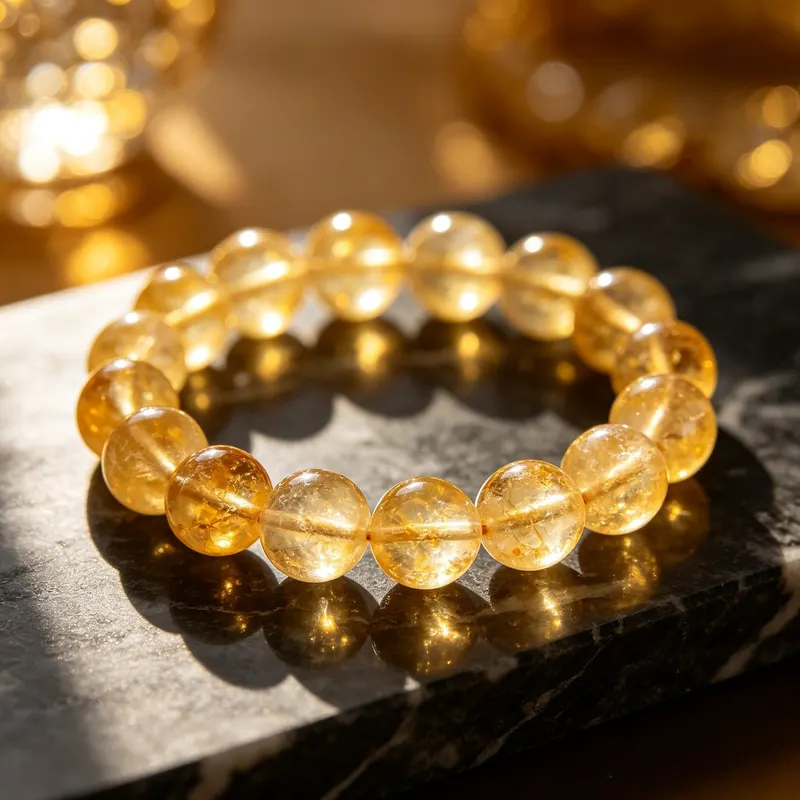
- Citrine Abundance Bracelet — the classic graduation stone, traditionally associated with optimism and a success mindset. Warm, wearable, and easy to pair with almost anything.
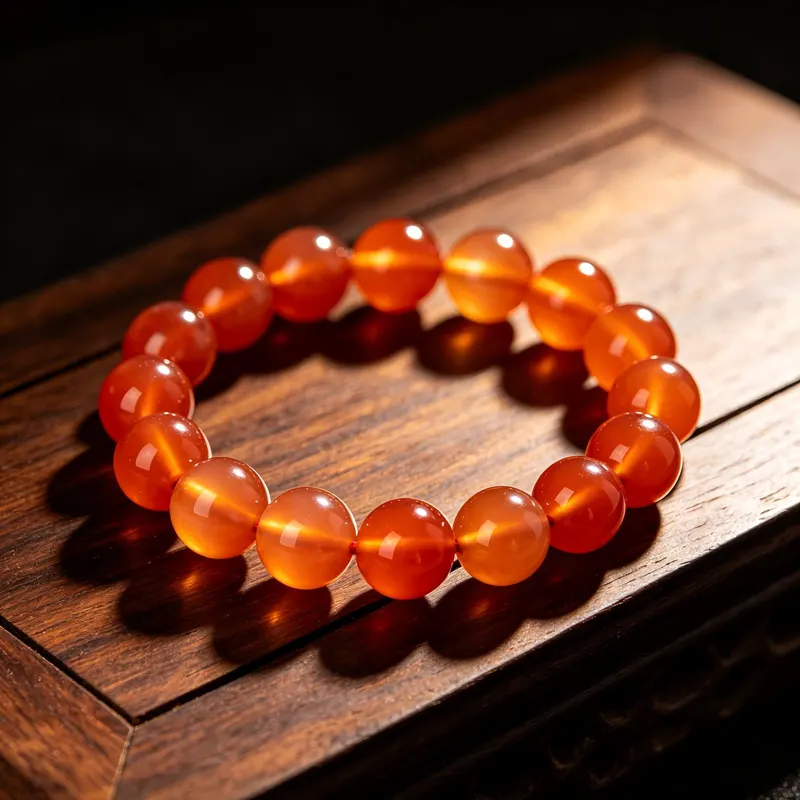
- Carnelian Creativity Bracelet — for the graduate heading into design, media, or any field where momentum and fresh ideas matter.
For a fresh start and clear direction
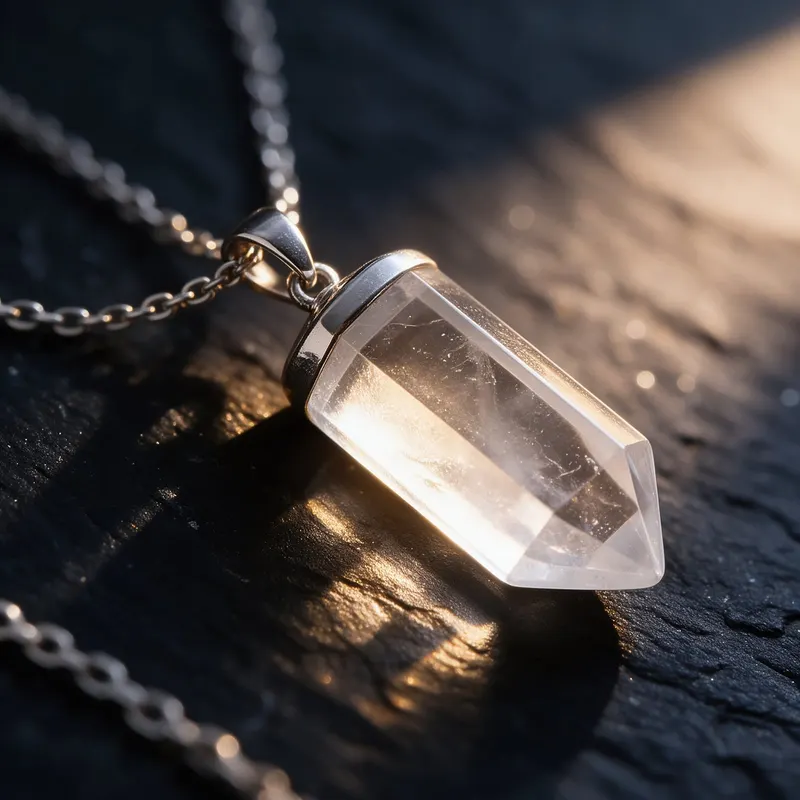
- Clear Quartz Point Pendant Necklace, Sterling Silver — a "blank slate" stone the graduate can program with their own intention. The sterling silver setting makes it dressy enough for a first professional wardrobe.
- Rainbow Moonstone Bracelet for Intuition & New Beginnings — traditionally linked to new chapters and trusting your own instincts, a good pick for anyone still deciding what comes next.
For the graduate who wants a set
- Healing Crystal Starter Kit, 7 Stones + Guide — the most practical choice if you don't know their taste. Seven stones, a guide, and room to explore without committing to a single piece.
Jewelry or Keepsake? A Quick Comparison
Both work. The right answer depends on how the graduate lives day to day.
| Format | Best for | Practical notes | Typical price range |
|---|---|---|---|
| Bracelet | Daily wear, casual graduates, easy sizing | Check wrist measurement; elastic styles are forgiving; remove for showering and swimming | $25–$60 |
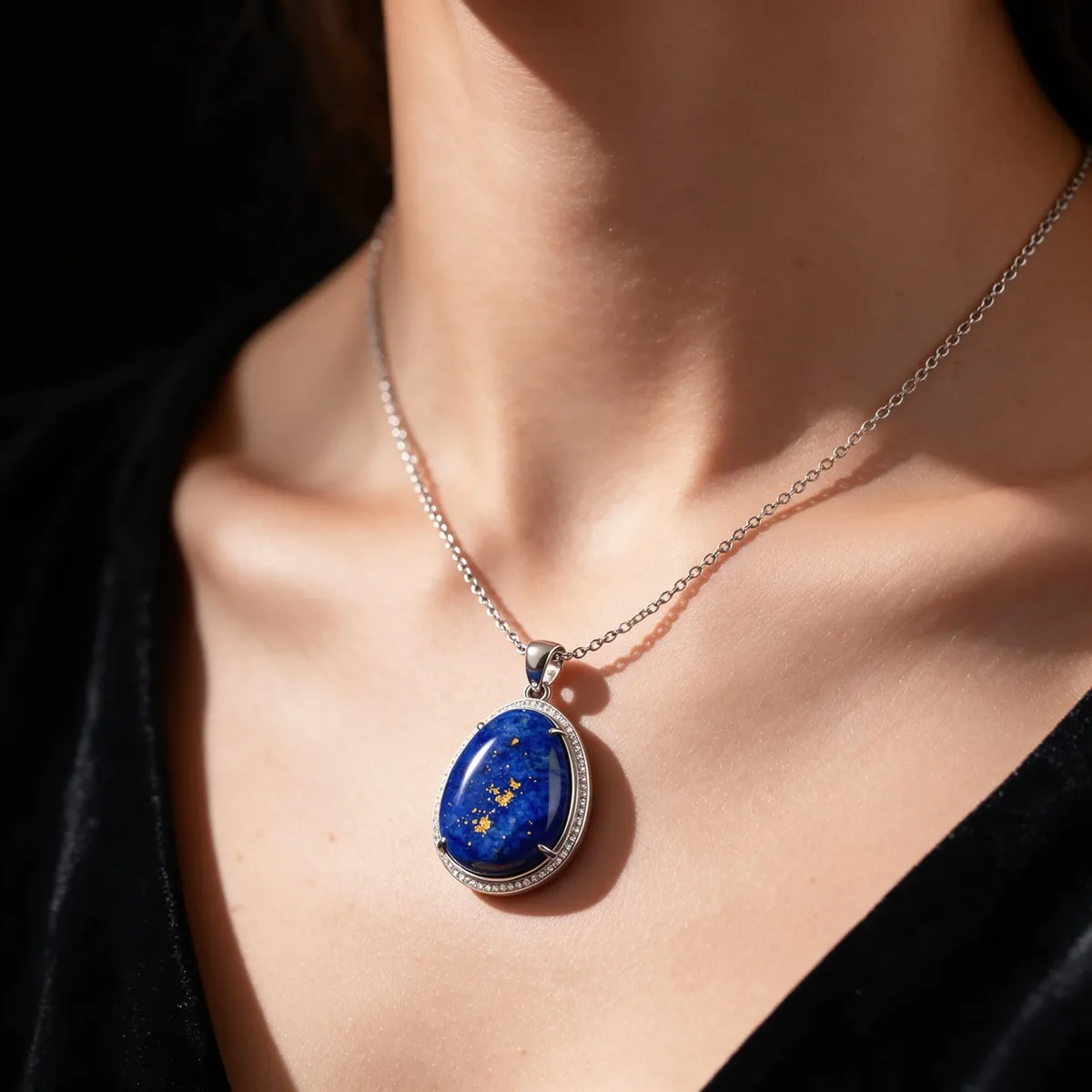
| Pendant necklace | Professional settings, dressier taste | Confirm chain length (16–20 in is standard); sterling silver or gold-plated needs gentle care | $35–$90 |
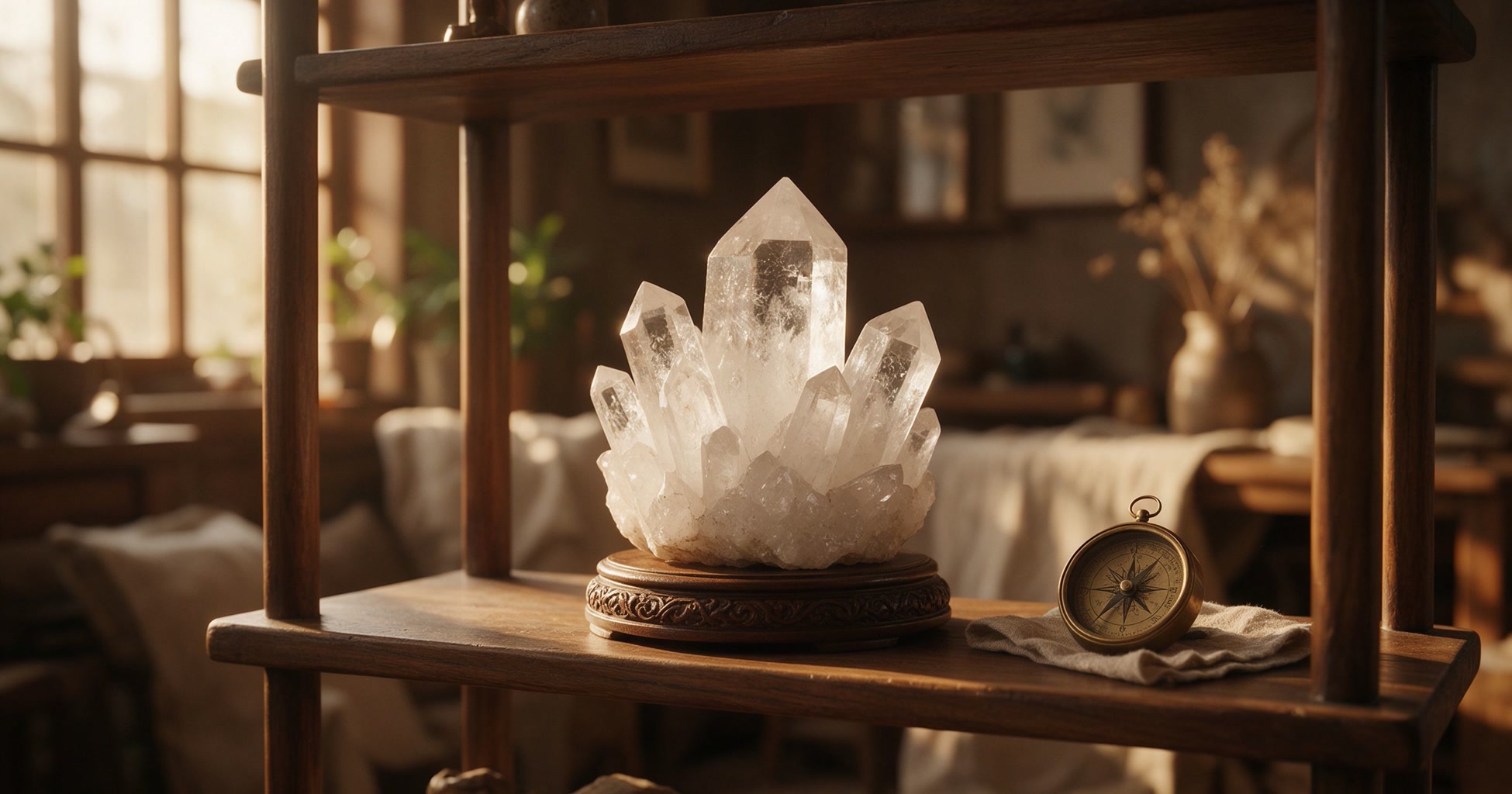
| Raw stone or cluster | Desk or dorm keepsake, meditation | Not worn, so no sizing; heavier and more fragile in transit | $20–$70 |
| Starter set | Unknown taste, beginners | Comes with a guide; more stones to store and care for | $40–$80 |
If you're torn, a wearable piece plus a small raw stone is a generous combination—something to wear and something for the desk.
How to Choose: A Practical Checklist
- Start with their next step, not their zodiac sign. A graduate heading into a high-pressure job may appreciate tiger's eye; one taking a gap year may prefer moonstone or clear quartz.
- Consider their style. Do they wear jewelry daily? If not, a raw stone or set will get more use than a bracelet that stays in a drawer.
- Check sizing before you buy. Measure a bracelet they already wear, or choose an elastic style. For necklaces, 18 inches suits most people; 16 inches sits higher, 20 inches lower.
- Look at the stone itself. Natural stones vary in color and pattern—slight inclusions and uneven tone are normal and often a sign of authenticity, not a defect.
- Read the metal details. Sterling silver and gold-plated brass are common; plated pieces need gentler care and may wear over time.
- Plan the message. A one-line note about why you chose this stone is what turns a gift into a keepsake.
What lore says — and what the evidence shows
Crystal meanings come from folklore, spiritual practice, and centuries of cultural tradition—not from controlled scientific study. We think it's worth being clear about that, because a gift given with honest framing is a better gift.
What tradition says: Citrine has long been associated with optimism and abundance; tiger's eye with courage and protection; amethyst with calm and clarity; rose quartz with love and self-compassion; moonstone with intuition and new beginnings. These are symbolic associations, and many people find them meaningful as prompts for reflection. They are not claims about physical or mental health.
What we can verify: These are real minerals with measurable properties. On the Mohs hardness scale, quartz (including amethyst, citrine, and clear quartz) rates 7, which means it resists scratches but can chip. Moonstone and labradorite are softer, around 6–6.5. Selenite is very soft—about 2—and dissolves in water, so it should never be soaked. Tiger's eye and other quartz-family stones are durable but can fade with prolonged direct sunlight, and many colored stones are sensitive to heat and household chemicals.
Practical care: Keep stones away from perfume, hairspray, and chlorine. Remove bracelets before showering, swimming, or the gym. Clean most pieces with a soft dry cloth or a barely damp one; avoid ultrasonic cleaners for softer or treated stones. Store pendants separately so chains don't tangle or scratch the stone.
Crystals are intended for reflection and personal meaning. They are not medical devices and do not diagnose, treat, cure, or prevent any disease.
Pair It With a Goal
The gift lands better when it comes with a small ritual. It takes two minutes and gives the stone a story.
- Ask the graduate to hold the stone and name one intention for the year—a skill they want to build, a habit, a place they want to go.
- Write that intention in your card, in their words.
- Suggest they keep the stone somewhere they'll see it on big days: a desk, a bedside table, a bag pocket.
For more ideas, browse the crystal gifts collection or read our guide to crystals for new beginnings.
FAQ
People Also Ask
What is the best crystal for a new graduate?
There's no single right answer, but citrine (traditionally associated with optimism and opportunity) and tiger's eye (associated with confidence) are the most popular graduation pairings. If you're unsure of their taste, a starter set is the safest choice.
Should I give jewelry or a raw stone for graduation?
A wearable bracelet or pendant tends to get daily use, while a raw stone or cluster works well as a desk keepsake. If you can, give both—or choose based on whether the graduate actually wears jewelry.
How much should I spend on a crystal graduation gift?
Most wearable pieces fall between $25 and $90, and starter sets sit in the $40–$80 range. Price usually reflects the stone, the metal setting, and the craftsmanship rather than any "grade" of spiritual power. A thoughtful $40 gift with a good note often means more than an expensive one without.
How do I care for a crystal gift so it lasts?
Keep it away from water, perfume, and chlorine; remove bracelets before swimming or showering; clean with a soft dry cloth; and store pendants separately. Softer stones like moonstone and selenite need extra care, and selenite should never be soaked.
Browse the Curated Collection
Explore the full edit here: Crystal Gifts Collection →
Shop the Stones
- Citrine Abundance Bracelet
- Tiger's Eye Confidence Bracelet
- Clear Quartz Point Pendant Necklace, Sterling Silver
- Healing Crystal Starter Kit, 7 Stones + Guide
Keep Exploring
New Beginnings · Gift Guide · Confidence
A Closing Note
The best graduation gift isn't the most expensive stone—it's the one that says "I noticed who you're becoming." Choose a piece that fits their next step, write a note that names it, and let the stone do what symbols do: hold a little meaning until they're ready to make their own.
Crystals are intended to support personal and spiritual well-being and are not medical devices. They do not diagnose, treat, cure, or prevent any disease.