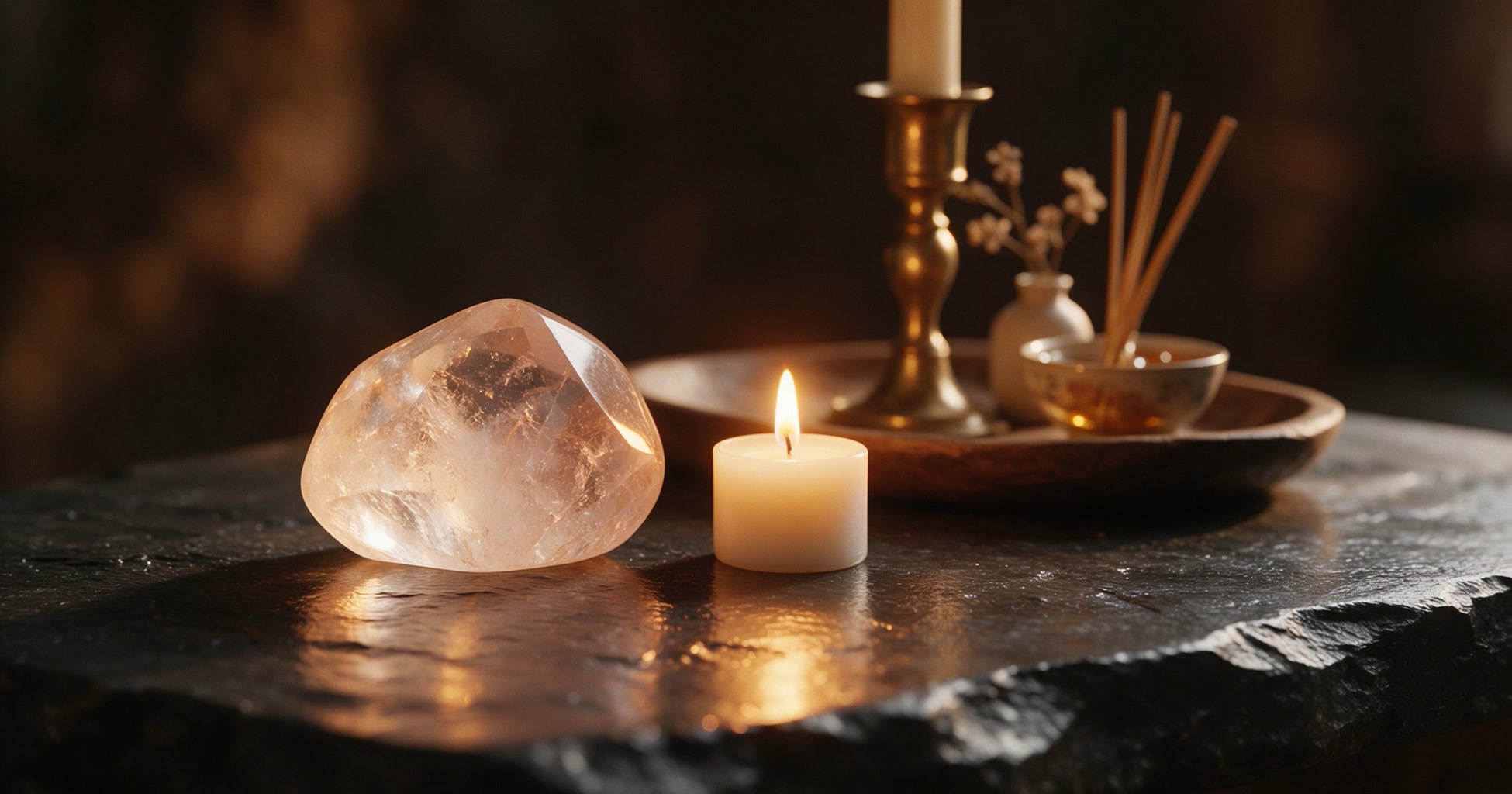
- Guilt is information, not a verdict — crystals work best as a prompt to act (repair, apologise, change), not as a way to sit with it.
- Commonly chosen: rhodonite (self-forgiveness), rose quartz (self-compassion), amethyst (clear-headed review), black tourmaline (grounding).
- Pair the stone with one concrete action within 24 hours; the object simply marks the decision.
- Guilt that does not shift is worth raising with a professional, not managing alone.
You said something you can't take back, or you didn't show up when someone needed you, and now the moment replays on a loop. Maybe the guilt is fresh. Maybe it's years old and still shows up at 2 a.m. with a list of everything you should have done differently. Either way, you are probably here because you want the loop to loosen — and you'd like something to hold while you work through it.
Crystals won't erase what happened, and they won't decide for you whether you owe someone an apology. What they can do is give a physical anchor to an internal process: a stone in your pocket that reminds you to breathe before you spiral, to make the amends you actually owe, and then to stop punishing yourself for being human. That's a modest role, but it's a real one.
This guide walks through the difference between healthy remorse and endless self-blame, the stones most often chosen for this work, how to use them with a concrete practice, and what to look for when you buy. It also separates traditional lore from what we can actually verify — because a trustworthy guide to crystals should be honest about both.
Healthy Remorse vs Self-Punishment
Guilt gets a bad reputation, but in its healthy form it's useful. It's a signal that something you did conflicts with a value you hold — honesty, kindness, reliability. That signal is meant to move you toward repair: an apology, a changed habit, a conversation you've been avoiding. Psychologists sometimes call this guilt, and distinguish it from shame, which is less about "I did something that hurt someone" and more about "I am fundamentally bad." Guilt points outward at a behavior you can address. Shame turns inward and offers no exit.
Self-punishment is what happens when guilt gets stuck. The apology has been made, the behavior has changed, and yet the internal critic keeps charging rent. You replay the scene, imagine worse outcomes, and treat feeling bad as a kind of payment. It isn't. Endless self-blame doesn't repair anything for the person you hurt, and it doesn't make you more likely to do better next time — if anything, it drains the energy you'd need to actually change.
Crystals, in this framing, are not a way to sit with guilt and feel better about doing nothing. They're a way to steady yourself enough to do the thing — the call, the amends, the honest conversation — and then to let the punishment go. If you notice yourself using a stone to avoid an action you know you owe, that's a signal to put the stone down and make the call.
Stones for Self-Forgiveness
Different stones are traditionally associated with different parts of this process. None of them "remove" guilt; think of them as tools that invite a particular quality of attention.
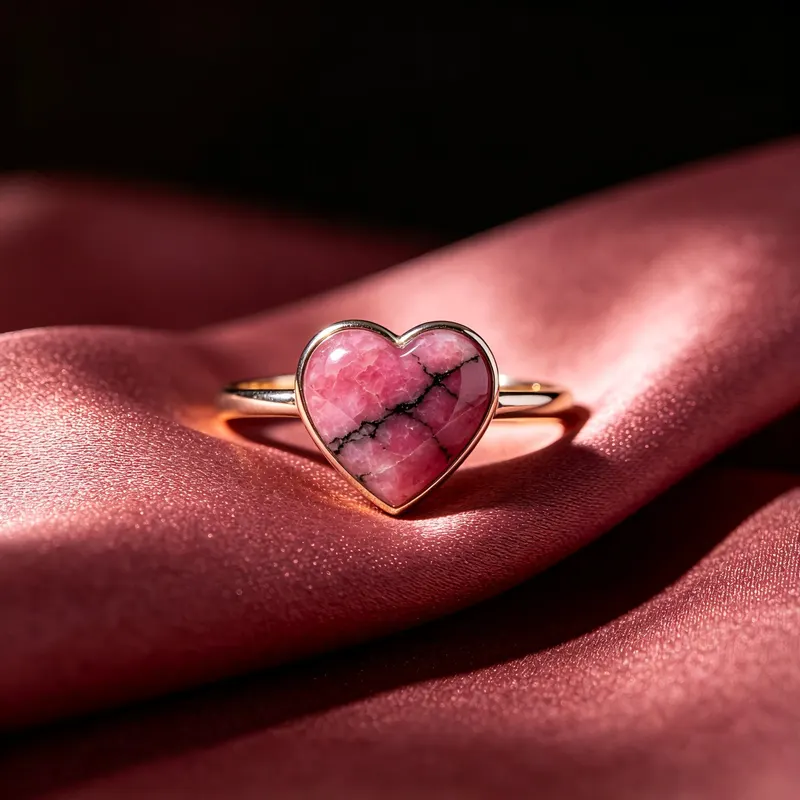
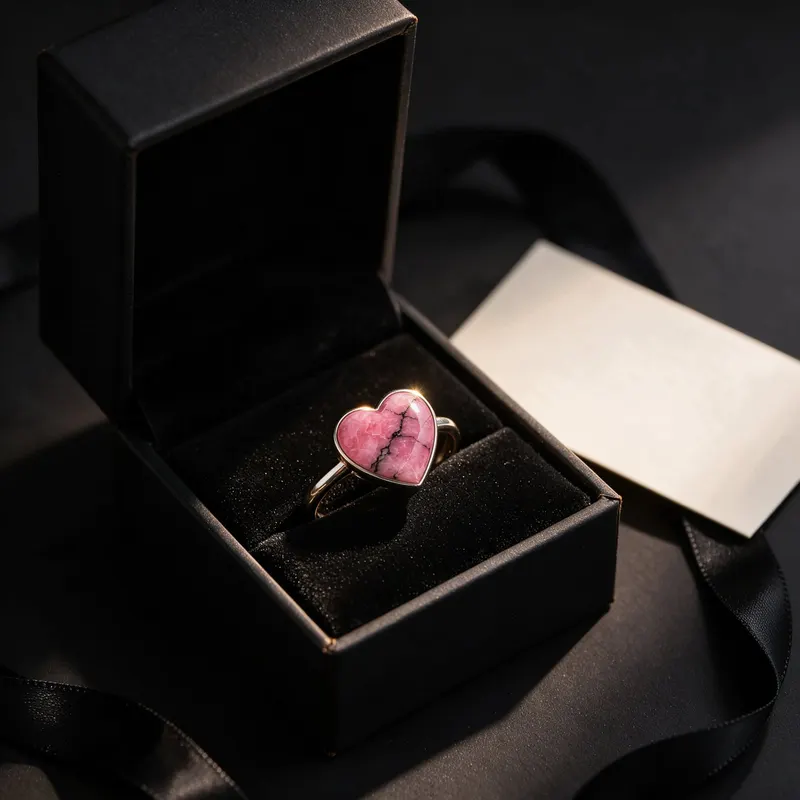
- Rhodonite is the traditional forgiveness stone, often described as supporting the processing of old hurt — including hurt you caused — and the capacity to forgive yourself. It's a good choice if your guilt has hardened into something chronic. The Rhodonite Heart Ring for Love & Forgiveness is a wearable option; because it sits on your hand, it's a frequent, quiet reminder during the day.
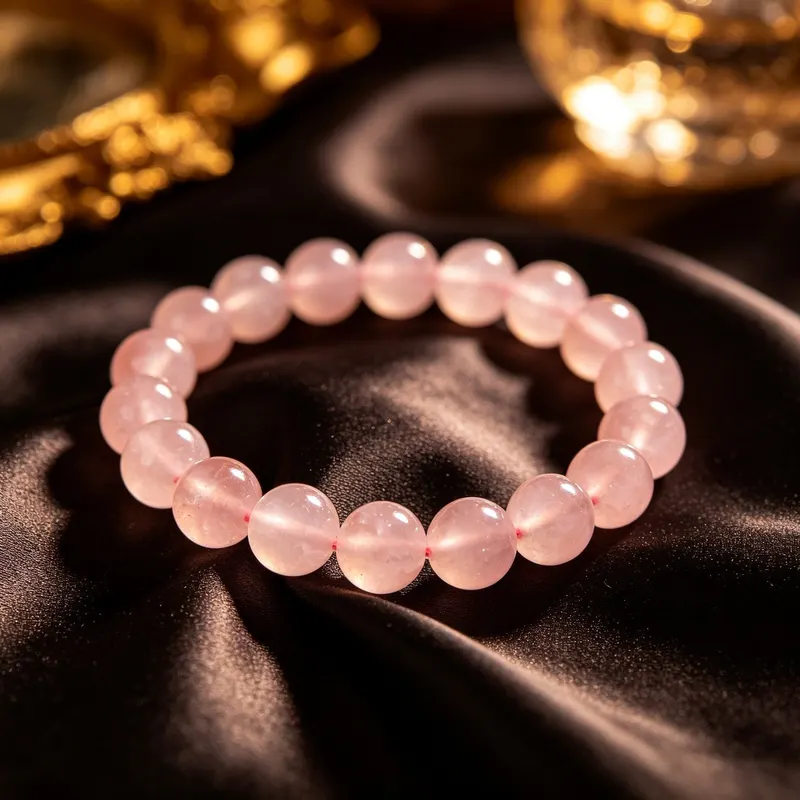
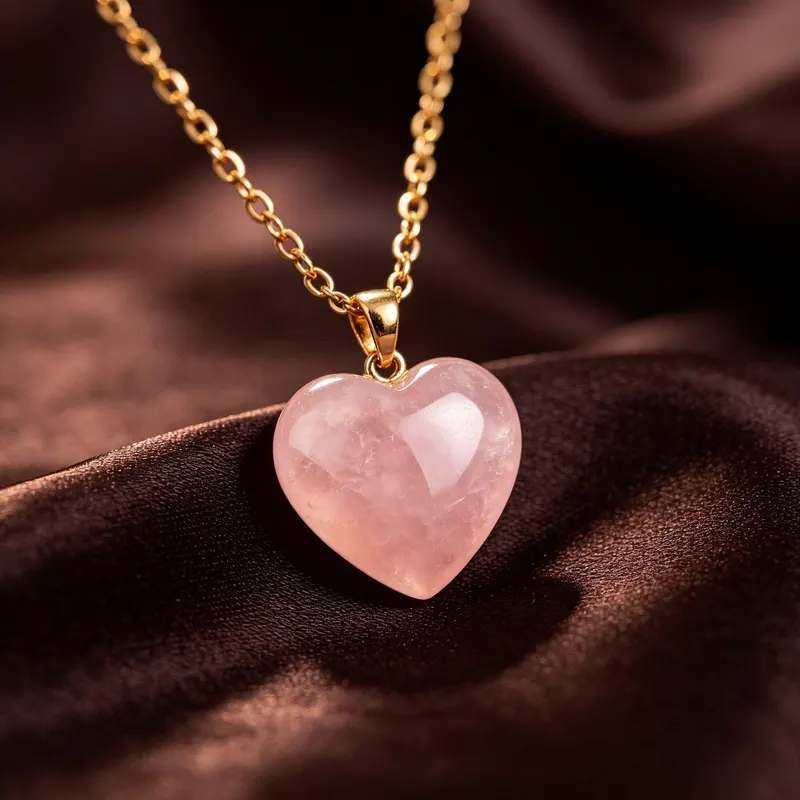
- Rose quartz is traditionally associated with self-compassion and gentle self-regard. Where rhodonite is about forgiveness, rose quartz is about the softer precondition: treating yourself with the same basic kindness you'd offer a friend. The Rose Quartz Love Bracelet for Self-Love & Heart works well for daily wear; the Rose Quartz Heart Pendant Necklace sits closer to the chest and may suit a more ceremonial, once-a-day practice.
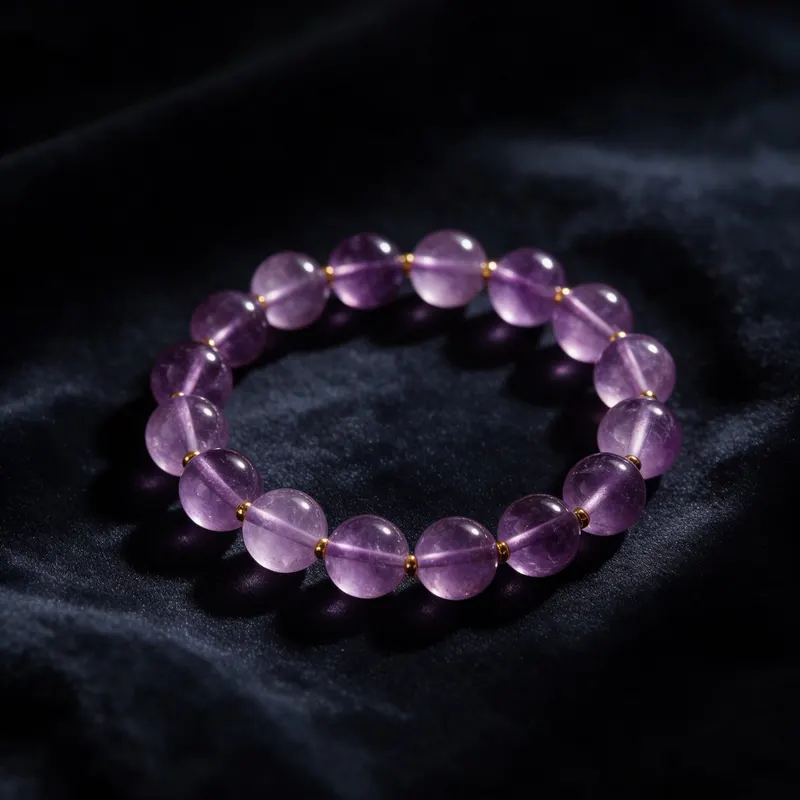
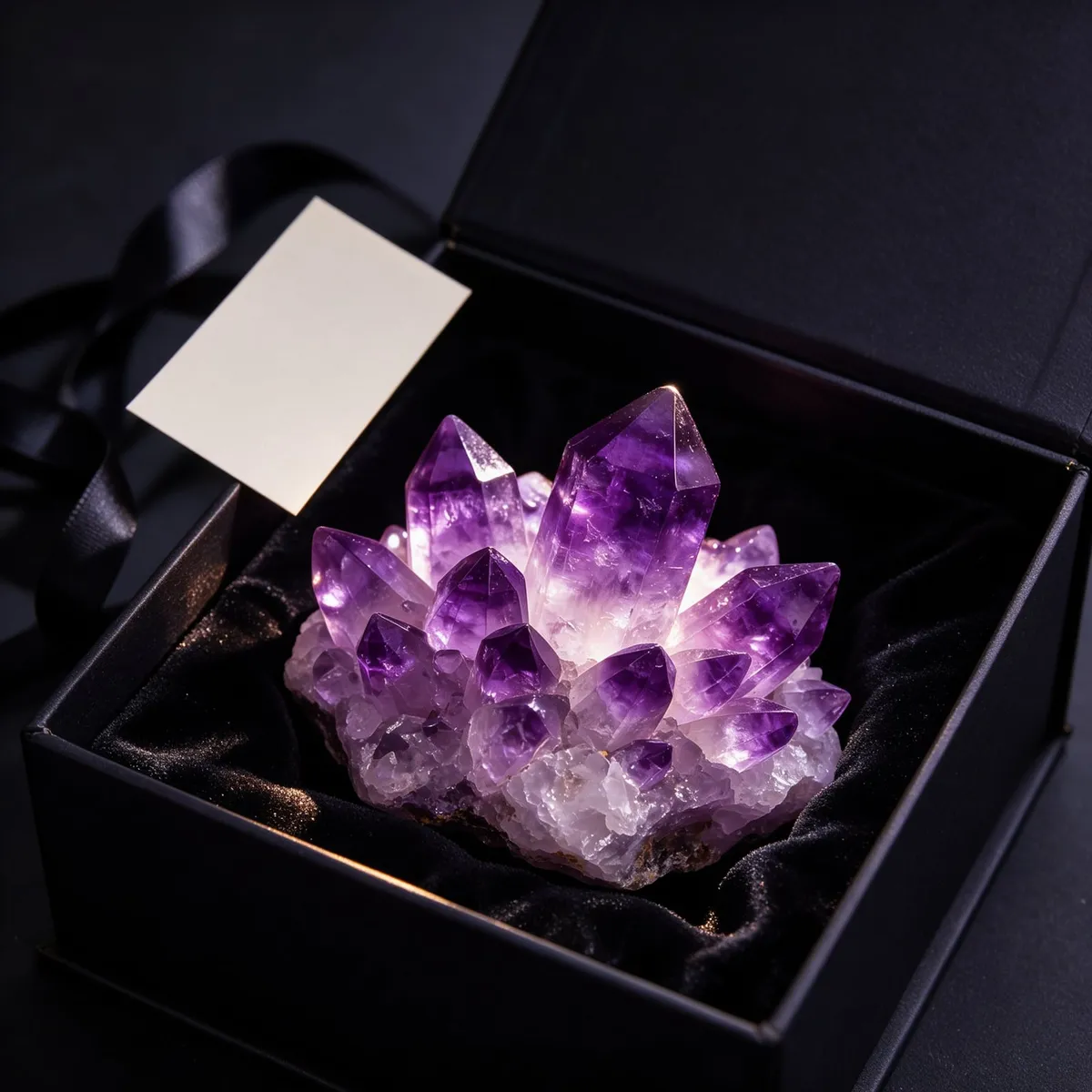
- Amethyst is believed to support calm and clear-headed reflection — useful when the guilt loop is loud and you need to think about what actually happened rather than what your anxiety insists happened. The Amethyst Healing Bracelet for Calm & Clarity is the everyday version; the Raw Amethyst Cluster is better for a bedside or altar where you do a short evening review.
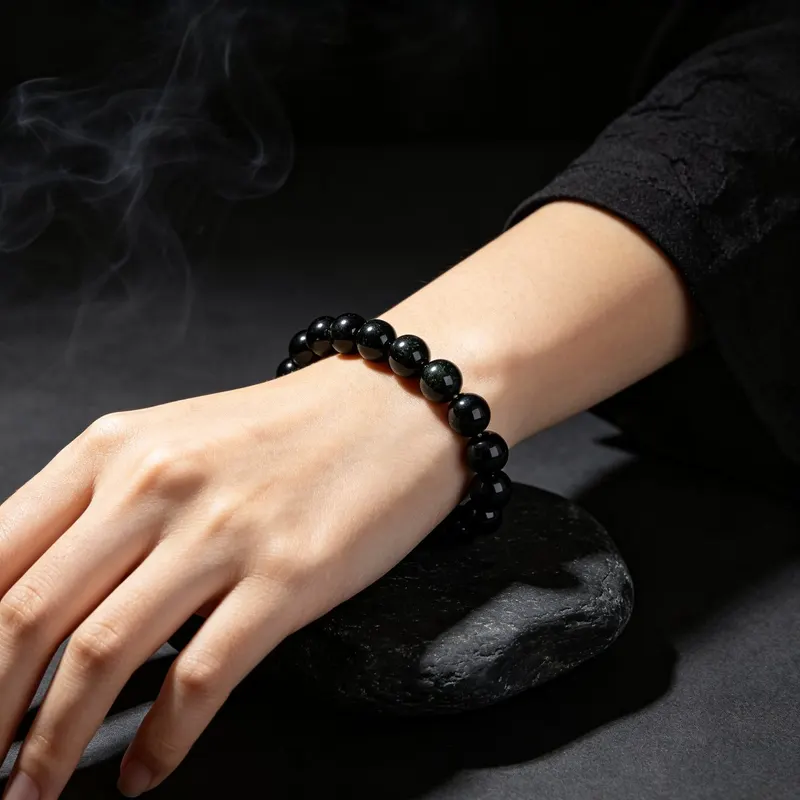
- Black tourmaline is traditionally used for grounding — helpful when guilt tips into anxiety, racing thoughts, or a sense of being unmoored. The Black Tourmaline Protection Bracelet for Grounding is a practical choice if you tend to spiral physically (tight chest, restlessness).
If you're not sure where to start, a single stone that you actually wear or handle daily will do more than a collection you never touch. You can always add to it later.
How to Choose: A Practical Checklist
Choosing a stone for this kind of work is more about fit and use than about finding the "right" one. Use this checklist before you buy:
- Pick the part of the process you're stuck on. Can't stop replaying? Amethyst for calm review. Can't forgive yourself? Rhodonite. Can't be kind to yourself at all? Rose quartz. Anxious and ungrounded? Black tourmaline.
- Choose a format you'll actually use. A ring or bracelet gets worn and noticed many times a day; a cluster or wand lives on a shelf and works best as part of a set ritual. Be honest about which you are.
- Check sizing before you order. Bracelets are usually listed by bead size and inner circumference; measure your wrist with a soft tape and add about half an inch (1–1.5 cm) for a comfortable fit. Rings should be sized to the finger you'll actually wear them on — and note that a ring worn on the hand you write with will take more knocks.
- Look at the stone, not the packaging. Natural stones vary in color and pattern; that's normal. Look for even polish, no obvious cracks or chips at the drill holes on beads, and a setting that holds the stone securely.
- Set a realistic budget. Beaded bracelets in the $25–$60 range are typical for genuine mid-grade stones; pendants with sterling silver or gold-plated settings usually run $40–$90; raw clusters and wands vary widely with size. Very cheap "crystal" jewelry is often glass or dyed stone — fine if you like it, but know what you're buying.
- Ask what the metal is. Sterling silver and gold-plated brass are common; if you have metal sensitivities, check the clasp and chain material specifically.
What folklore claims — and what is verifiable
Crystal traditions are old and varied, and it's worth being clear about which claims are lore and which are simply facts about the material. We think a guide is more useful when it does both.
| Stone | Traditional association | What we can verify (hardness & care) |
|---|---|---|
| Rhodonite | Forgiveness, processing old hurt, self-worth | Mohs hardness around 5.5–6.5; softer than quartz, so avoid knocking it against hard surfaces. Wipe with a soft damp cloth; keep away from harsh cleaners. |
| Rose quartz | Self-compassion, gentle love, heart-centered calm | Mohs hardness about 7; fairly durable for daily wear. Prolonged direct sun can fade the pink over time, so store it out of strong sunlight. |
| Amethyst | Calm, clarity, quieting a self-critical mind | Mohs hardness about 7; durable, but long exposure to direct sun may fade the color. Clean with mild soap and water; avoid ultrasonic cleaners on set stones. |
| Black tourmaline | Grounding, protection, steadiness | Mohs hardness about 7–7.5; generally tough. Wipe clean; avoid sudden temperature changes, which can stress the stone. |
A few practical notes that apply to all of them: store jewelry separately so pieces don't scratch each other, take rings off before cleaning or gardening, and remove bracelets before swimming or showering if they have plated metal. Selenite, if you use a Selenite Cleansing Wand as part of a clearing ritual, is much softer (around Mohs 2) and water-soluble — keep it dry and handle it gently. None of this is mystical; it's just how to keep your stones looking good for years.
What we can't verify is the energetic or emotional effect. Crystal work is a reflective practice, and its value comes from the attention you bring to it. That's not a reason to dismiss it — ritual and physical anchors are meaningful to many people — but it is a reason to hold it honestly.
A Gentle Process for Working With Guilt
This is a short, repeatable practice. It works best done once a day for a week or two, not as a one-off.
- Name it specifically. Not "I'm a bad person" but "I cancelled on my sister three times and she stopped asking." Specificity turns a vague cloud into something you can act on.
- Separate what you owe from what you don't. Write two short lists: amends you can actually make (an apology, a returned call, a changed habit) and punishment you're inflicting that repairs nothing. The second list is what you're releasing.
- Make one concrete amends within 24 hours. Proportionate and honest. It doesn't have to be perfect; it has to be real.
- Use the stone as a marker. Hold your rhodonite or rose quartz and say aloud, in your own words, something like: "I learn, I make amends, I release punishment." The words matter less than the decision they mark.
- Redirect when the loop returns. Each time the replay starts, notice it, touch the stone, and deliberately turn toward something kind or useful — a walk, a message to a friend, a task. You're training a new response, not suppressing the feeling.
- Close the day. A brief evening review with an amethyst cluster — what went well, what you'd do differently, what you're setting down — keeps reflection from becoming rumination.
If guilt is tangled up with grief, self-worth, or old family patterns, it can help to work alongside other practices. Our guides to crystals for forgiveness and self-esteem and self-worth go deeper on those threads.
FAQ
People Also Ask
Which crystal helps release guilt?
Rhodonite is the stone most traditionally associated with forgiveness, including self-forgiveness, and is often paired with rose quartz for self-compassion and amethyst for calm, clear reflection. Black tourmaline is a common choice when guilt shows up as anxiety or restlessness.
Is guilt ever useful?
Yes — healthy remorse points to a value you care about and can guide repair and change. What isn't useful is persistent self-punishment after amends have been made. If guilt stays stuck for weeks or months, or interferes with sleep, work, or relationships, it's worth talking with a mental health professional rather than managing it alone.
How do I cleanse or care for a stone used for this kind of work?
There's no single correct method; many people simply rinse or wipe the stone and set a brief intention. Practically, use a soft damp cloth for most stones, keep selenite dry, and avoid harsh chemicals or ultrasonic cleaners on set jewelry. Store pieces separately to prevent scratches.
Do I need a whole set, or is one stone enough?
One stone you actually use is enough to begin. A single piece worn daily — a ring, bracelet, or pendant — tends to be more effective as a reminder than a collection that stays in a drawer. Add stones only when you have a specific use for them.
Closing
Guilt is not a life sentence, and it isn't a debt you pay by feeling bad indefinitely. It's a signal — one that asks you to look honestly at what happened, make the amends you can, and then, gently, put the punishment down. A stone in your pocket won't do that work for you, but it can remind you, dozens of times a day, that you've decided to try.
Crystals are offered for wellness and reflection, not as medical or psychological treatment. They are not medical devices and are not a substitute for professional care.
Browse the Curated Collection
Shop the Stones
- Rhodonite Heart Ring
- Rose Quartz Love Bracelet
- Amethyst Healing Bracelet
- Black Tourmaline Protection Bracelet