Quick answer: for the gym, the most-used stones are carnelian (drive), tiger's eye (focus) and red jasper (stamina). Choose durable, water-tolerant pieces and avoid anything loose or sharp during lifts.
Why Bring Crystals Into Your Training?
You already know the drill: the alarm goes off at 5:45, the gym bag is by the door, and the hardest part of the workout is the ten minutes before it starts. Motivation is not a personality trait you either have or don't — it's a habit you build with cues, rituals, and small anchors that remind you why you showed up. For a lot of people, a stone in a pocket or on the wrist becomes exactly that kind of anchor: something physical to touch, focus on, and return to when the third set starts to hurt.
Crystals don't lift the weight for you, and no stone will replace sleep, protein, or progressive overload. What they can do is give your pre-workout routine a moment of intention — a breath, a phrase, a deliberate pause before you begin. In crystal traditions, certain stones are associated with fire, drive, and steady resolve, which is why they tend to show up in gym bags and on training wrists.
This guide covers which stones are traditionally chosen for athletic energy and focus, how to wear them safely during different kinds of training, what to look for when buying, and what the tradition actually claims versus what you can verify about the stone itself.
Stones for Movement and Drive
A workout is as mental as it is physical. Energizing crystals are used as motivation anchors before training and as a focus cue during it — a tactile reminder of the intention you set at the start. The stones below are the ones most often reached for in that context, each with a slightly different flavor of energy.
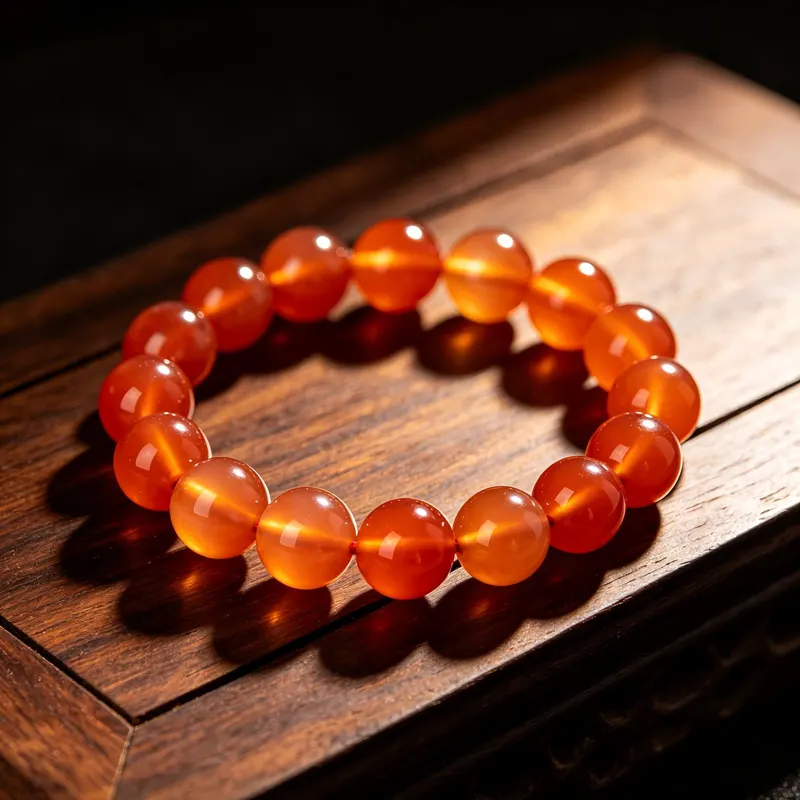
- Carnelian — traditionally associated with warm, fiery energy and creativity in motion. A good pick if your struggle is getting started rather than finishing. See the Carnelian Creativity Bracelet for Motivation & Fire.
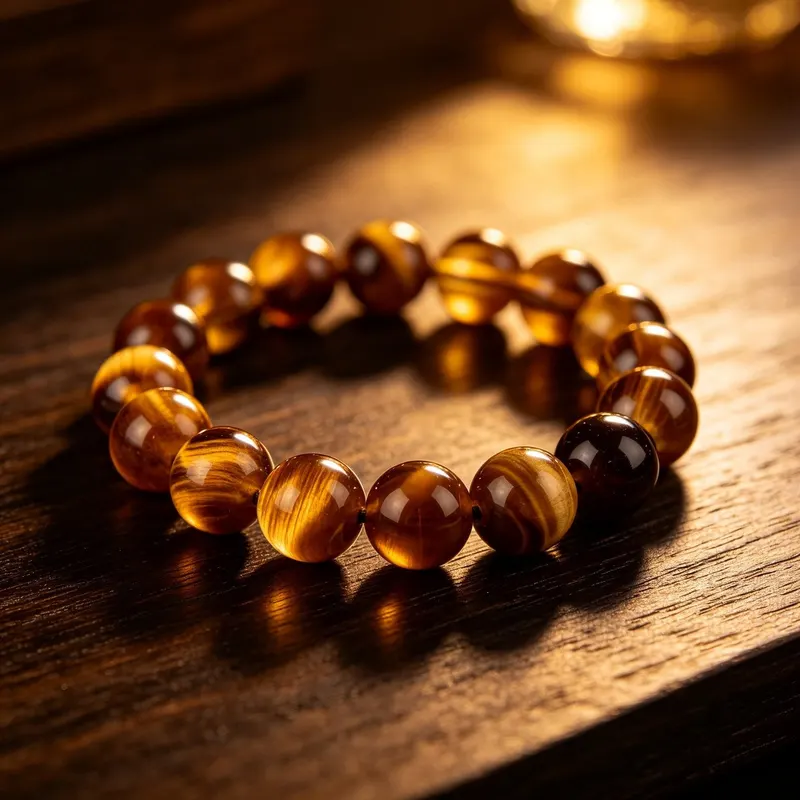
- Tiger's eye — believed to carry grit and steady determination; often chosen for the long, unglamorous middle of a training block. The Tiger's Eye Confidence Bracelet for Focus & Courage is a natural fit.
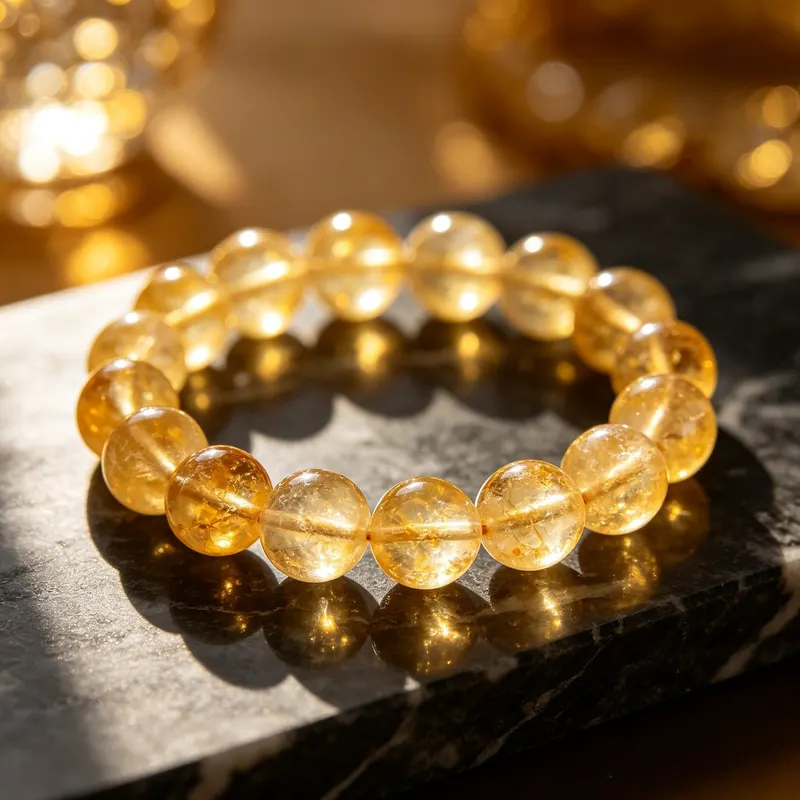
- Citrine — upbeat, can-do momentum. Traditionally tied to optimism and forward motion rather than raw intensity. Try the Citrine Abundance Bracelet for Prosperity & Joy.
- Red-toned stones generally (carnelian, red jasper, garnet) — in color-based crystal traditions, red is the color of vitality and the root chakra, which is why it dominates "energy" edits.
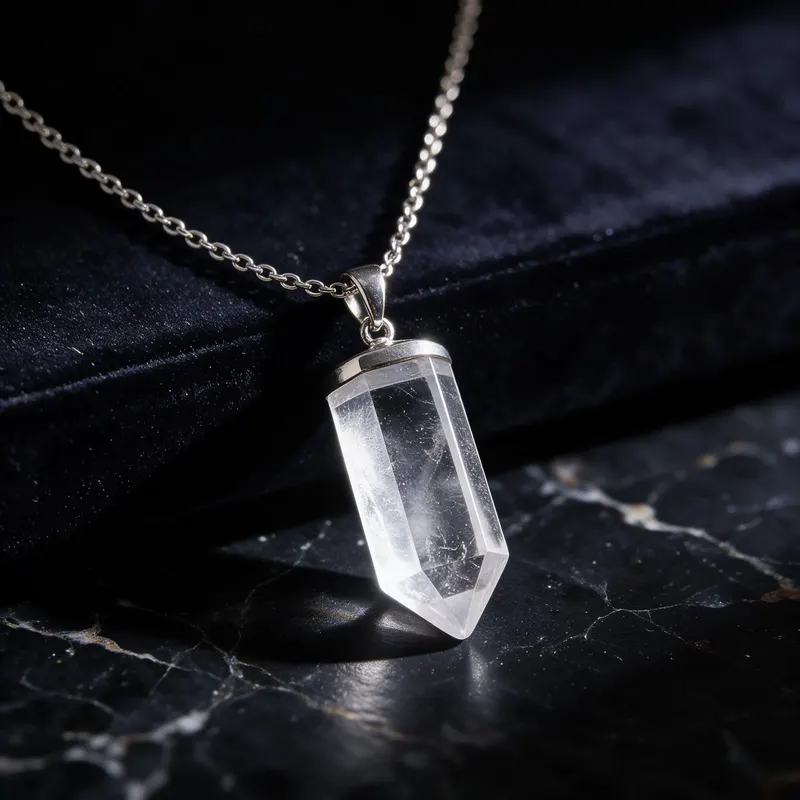
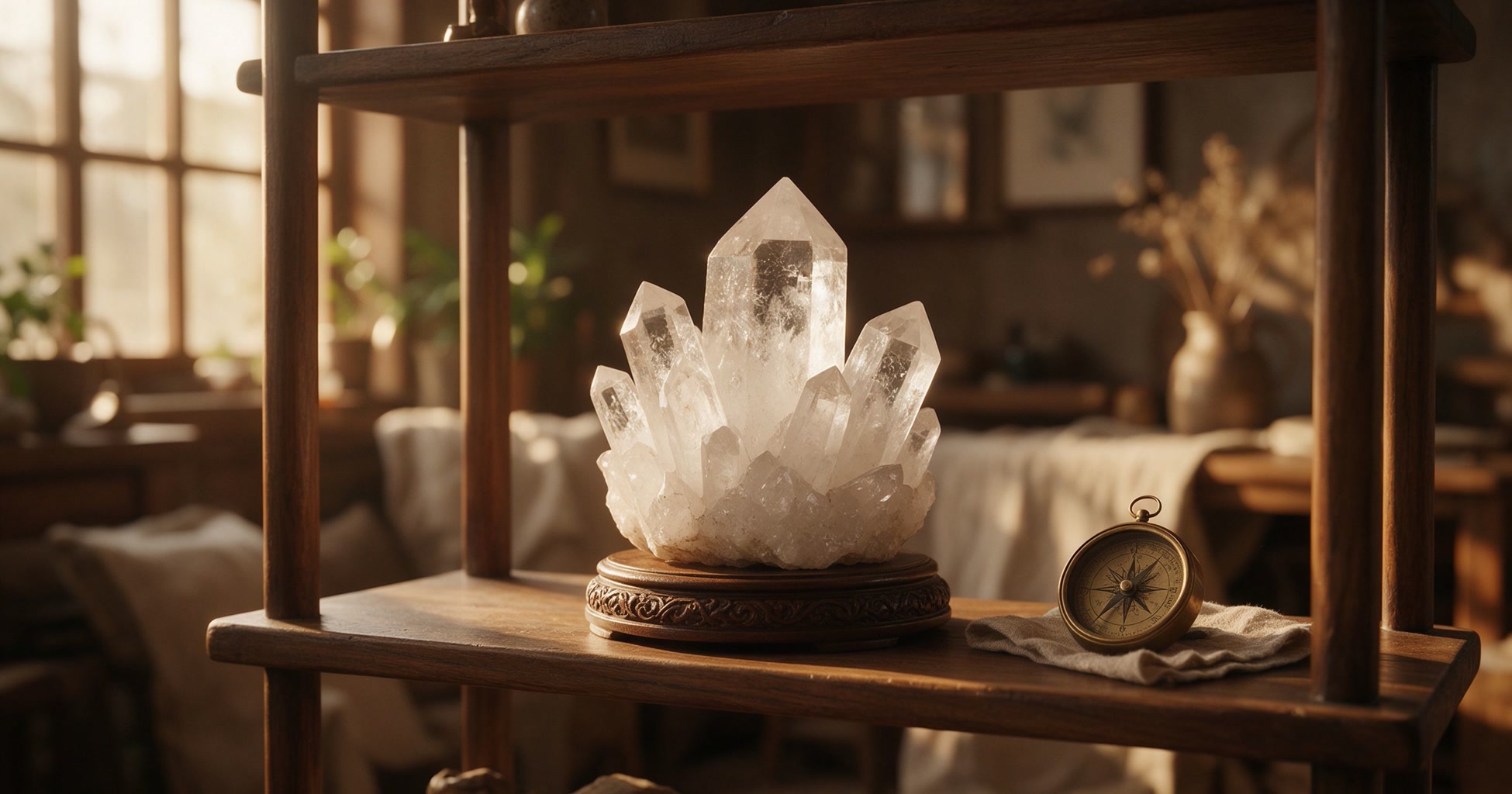
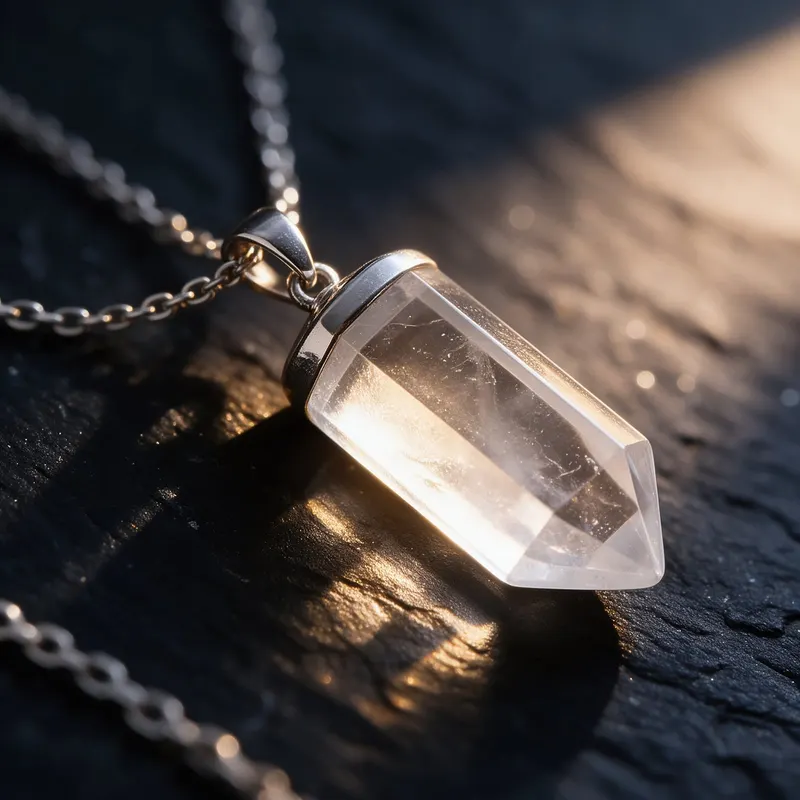
- Clear quartz — a neutral "amplifier" stone in tradition; useful if you want one piece that pairs with any goal. The Clear Quartz Point Pendant Necklace works well for this.
- Fluorite — associated with concentration and mental clarity, which matters for form-focused sessions like lifting or skill work. Consider the Rainbow Fluorite Focus Bracelet for Concentration.
Energizing Picks at a Glance
Use this table to match a stone to the kind of training day you're having. "Traditional association" reflects crystal lore, not measured effects.
| Stone | Traditional association | Best for | Wear style |
|---|---|---|---|
| Carnelian | Fiery energy, motivation, creativity | Cardio, HIIT, getting out the door | Bracelet or pocket stone |
| Tiger's eye | Grit, courage, steady will | Heavy lifting, long sessions | Bracelet (snug) or pendant |
| Citrine | Optimism, momentum, joy | Recovery days, returning after a break | Bracelet or anklet |
| Clear quartz | Clarity, amplification | Any session; versatile pairing | Pendant |
| Fluorite | Focus, mental organization | Form work, skill practice, mobility | Bracelet |
How to Use Them Before and During Training
The most effective use is simple and repeatable. Hold the stone during a pre-workout breathing moment — thirty seconds is plenty — and state your goal in plain language: "strong last set," "steady pace," "clean form on every rep." Then put it where you'll feel it but won't fuss with it.
- Pre-workout ritual: Hold the stone, take three slow breaths, name one intention for the session.
- During training: Let the stone be a quiet cue. If you catch yourself drifting, touch it and repeat your phrase once.
- Post-workout: A short pause to acknowledge what you did — even a mediocre session counts — closes the loop and makes the ritual stick.
- Keep it consistent: The same stone for the same purpose builds the association faster than rotating pieces daily.
If you're building a broader ritual around training, a motivating morning routine and a set of confidence crystals pair naturally with this practice. For everyday wear questions, see our guide to wearing crystals every day.
Wearing Crystals at the Gym Safely
This is where most crystal advice gets vague, so here's the practical version. Elastic beaded bracelets are the most common gym casualty: they stretch, snag on barbells, and can snap under load. Match the piece to the activity.
- Heavy lifting or Olympic lifts: Remove loose bracelets and necklaces. A pendant can swing into a barbell or get caught; a bracelet can interfere with wrist position and grip.
- Machines and dumbbells: A snug bracelet with a secure clasp is usually fine, but check that it doesn't press into your wrist under load.
- Cardio and running: Bracelets and anklets are generally comfortable; avoid long pendants that bounce.
- Yoga, pilates, mobility: The safest setting for any piece — low impact, no equipment contact.
- Swimming and sauna: Leave most stones at home. Heat, chlorine, and prolonged water exposure are hard on both cord and stone (more below).
- Pocket stones: A tumbled stone in a zipped pocket or small pouch is the lowest-risk option for any workout.
Whatever you wear, inspect the elastic and cord monthly. Replace frayed cord before it fails mid-set, and never wear a bracelet on a wrist that's healing from an injury without checking with your clinician first.
The lore, and what we can actually verify
Crystal traditions assign meanings to stones, and those meanings can be meaningful to you as a focus ritual. But it's worth being clear about which claims are lore and which are measurable.
Traditional lore (not scientifically established): Carnelian is said to carry fiery, motivating energy; tiger's eye is believed to support courage and grounded will; citrine is associated with optimism and momentum. These are cultural and spiritual associations, not physiological effects. No crystal has been shown to increase strength, endurance, or recovery.
What we can verify:
- Hardness (Mohs scale): Quartz-family stones (clear quartz, amethyst, citrine) sit around 7, which resists scratching but chips on hard impact. Carnelian is roughly 6.5–7. Tiger's eye is about 7. Fluorite is soft at 4 — it scratches easily, so keep it away from keys and gym equipment.
- Water sensitivity: Selenite dissolves in water; malachite and lapis should not be soaked. Quartz and carnelian tolerate brief contact but not chlorine or prolonged soaking. Remove stones before swimming or showering.
- Sunlight sensitivity: Amethyst, rose quartz, and citrine can fade with long direct sun exposure. Store them out of direct sunlight rather than on a sunny windowsill for months.
- Heat: Saunas and hot cars can degrade elastic cord and, over time, some stones. Treat your piece like a delicate accessory, not gym equipment.
- Care basics: Wipe with a soft dry or slightly damp cloth, dry fully, and store separately to avoid scratches. Avoid harsh cleaners and ultrasonic cleaners unless the seller confirms they're safe.
How to Choose — and What to Expect to Pay
Start with the activity and the goal, then pick the piece. A checklist for buying:
- Match the form to the training: pendant or pocket stone for lifting; snug bracelet for cardio; nothing loose for contact sports.
- Check the cord: look for reinforced elastic, a secure clasp, or a knotted cord with a backup. Ask about the warranty on the stringing.
- Size it correctly: measure your wrist and add about 1–1.5 cm (roughly half an inch) for a comfortable fit; a gym bracelet should be snug enough not to slide over your hand.
- Look at the stone: natural stones vary in color and inclusions — that's normal. Be wary of uniform, glassy pieces at very low prices; they may be dyed or synthetic.
- Realistic pricing: beaded bracelets in natural stones typically run from about $20 to $60; pendants with sterling silver or gold-plated settings generally land between $40 and $120 depending on stone and metal. Raw clusters and larger specimens cost more. Treat unusually cheap "premium" claims with skepticism.
If you're new to crystals, a Healing Crystal Starter Kit, 7 Stones + Guide lets you try several stones before committing to one. If you want a single piece for training, the Carnelian Creativity Bracelet is the most on-theme starting point.
FAQ
People Also Ask
Which crystal is best for workout energy?
Carnelian is traditionally favored for fiery energy; tiger's eye adds determined grit. Neither replaces training, rest, or nutrition — they work as focus and motivation cues.
Can I wear a crystal bracelet while lifting weights?
Remove loose elastic bracelets for heavy or high-impact lifts to protect the cord and your grip. A snug, secure piece is safer, and a pocket stone is the lowest-risk option.
Do crystals improve athletic performance?
There's no verifiable evidence that crystals improve strength, endurance, or recovery. They act as a focus and motivation cue, not a substitute for training, rest, and nutrition.
How do I clean a crystal I wear to the gym?
Wipe it with a soft, slightly damp cloth after training, dry it fully, and store it separately. Avoid soaking water-sensitive stones like selenite, and skip harsh cleaners.
Browse the Curated Collection
Explore the full edit here: Abundance & Success Collection →
Shop the Stones
- Carnelian Creativity Bracelet
- Tiger's Eye Confidence Bracelet
- Citrine Abundance Bracelet
- Rainbow Fluorite Focus Bracelet
- Clear Quartz Point Pendant Necklace
Keep Exploring
Morning Routine · Confidence · Daily Wear
Crystals are intended for reflection and personal ritual and are not medical devices. They do not diagnose, treat, cure, or prevent any disease. If you are struggling with your mental or physical health, please reach out to a qualified professional.