Why Crystal Placement in the Home Is Having a Moment
You've probably seen the styled shelf photos: a chunk of raw amethyst beside a candle, a selenite wand catching the afternoon light, a smooth black stone by the front door. Maybe you bought a crystal or two on impulse and now they're sitting in a drawer because you're not sure where they should actually live. Or you're setting up a new apartment and want your space to feel calmer, more intentional, less like a storage unit with Wi-Fi.
This guide is for that moment. It walks through room-by-room placement using a simple framework borrowed from feng shui principles and traditional crystal lore - not as rules you must obey, but as prompts for arranging your home with more attention. You'll find specific stones for each room, practical notes on light, water, and cleaning, and honest guidance on what these stones can and can't do.
One thing up front: crystals are objects for reflection and ritual. They don't replace medical care, therapy, or a good night's sleep. Think of them as small anchors that remind you of an intention each time you walk past.
A Simple Framework Before You Place Anything
Traditional feng shui organizes a home around bagua areas - entry, relationships, career, rest, and so on - and crystal traditions assign each stone a personality. You don't need to master either system. A workable shortcut is to match three things: the room's function, the feeling you want there, and the stone's traditional association.
- Entry and thresholds: protection and boundary-setting stones (black tourmaline, obsidian).
- Shared living spaces: harmony and heart-centered stones (rose quartz, clear quartz).
- Rest spaces: calming, high-clarity stones kept small and dim (amethyst, moonstone).
- Work spaces: focus and confidence stones (fluorite, tiger's eye, citrine).
- Ritual corners: cleansing and meditation stones (selenite, amethyst clusters).
Placement matters less than consistency. A single stone you notice every morning will do more for your sense of calm than a dozen you forget about. Start with one or two rooms, live with them for a week, and adjust.
Room-by-Room Crystal Placement
Entryway: Set the Tone at the Threshold
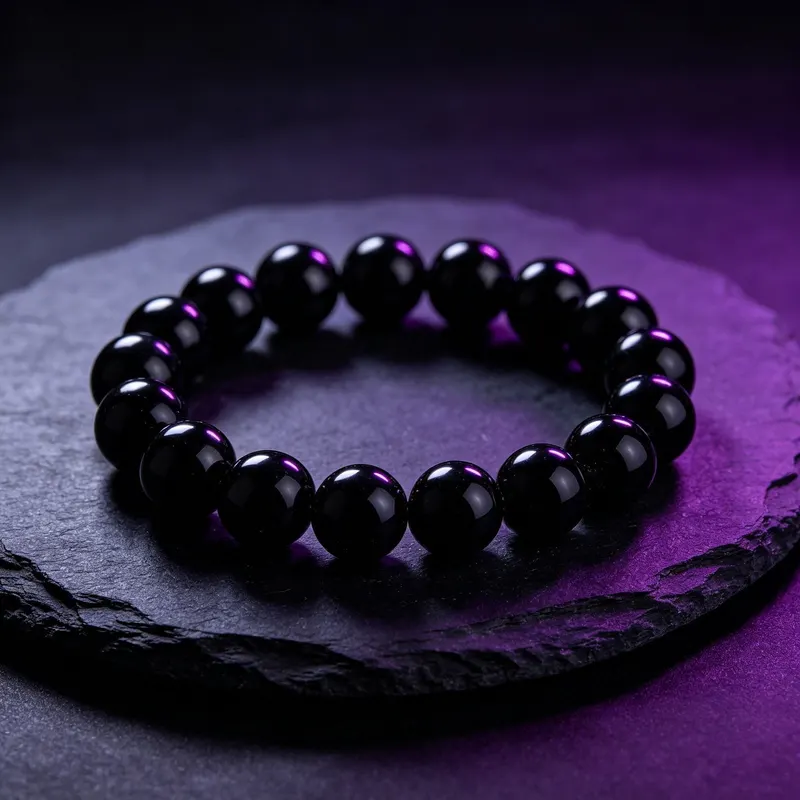
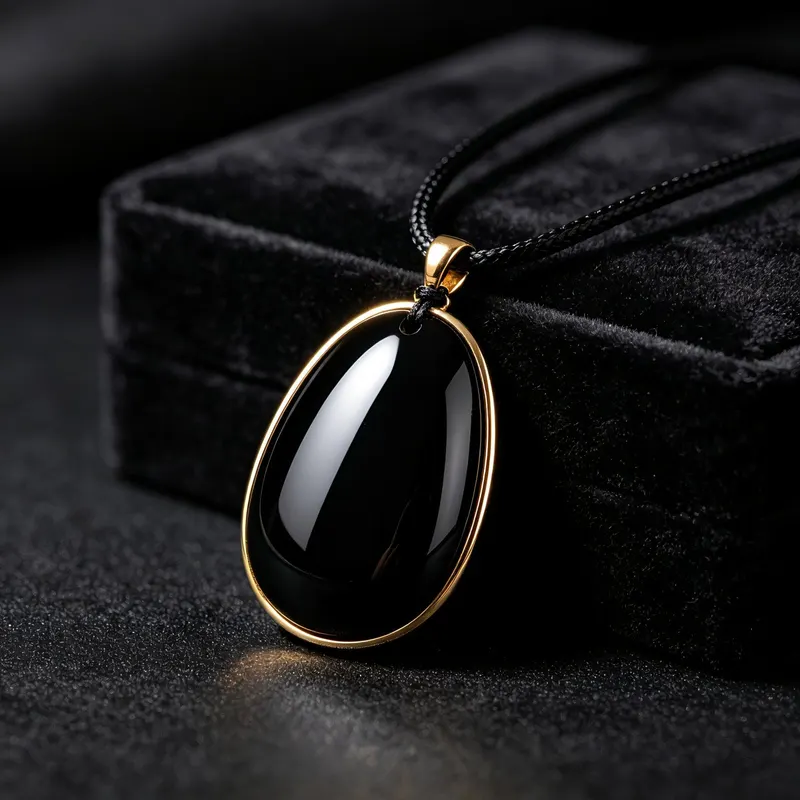
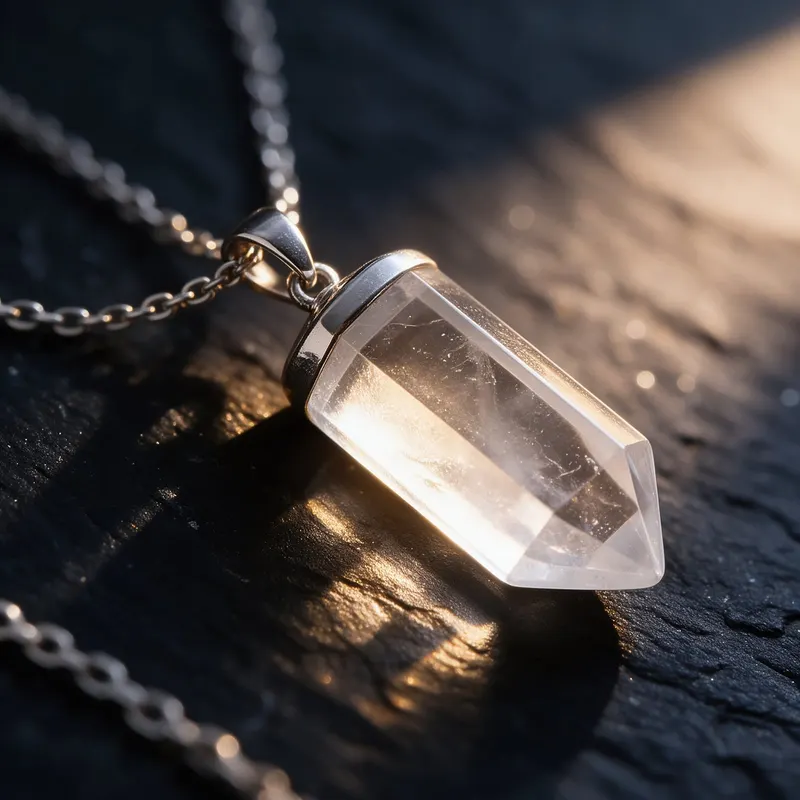
The entry is where tradition says outside energy meets your home, so it's the natural spot for grounding, protective stones. A Black Tourmaline Protection Bracelet for Grounding can sit in a small dish by the door - practical, since you can slip it on before a stressful commute - or a larger obsidian piece can anchor a console table. The Black Obsidian Teardrop Protection Pendant Necklace works well hung on a hook near your keys, a reminder to leave work stress at the door. Keep stones out of direct foot traffic and away from door-slam zones.
Living Room: Harmony in Shared Space
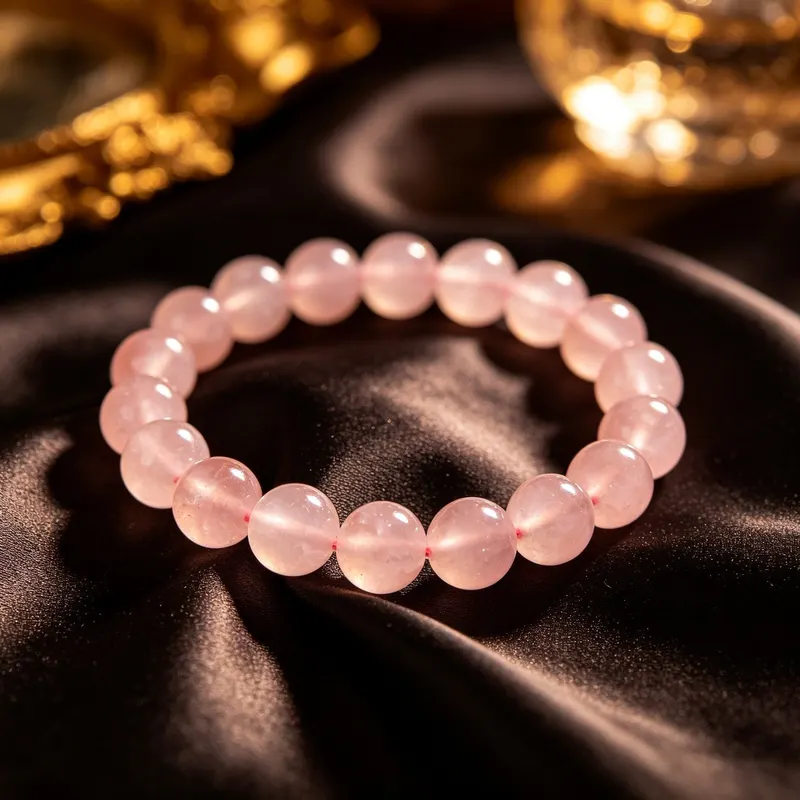
Shared rooms benefit from stones traditionally associated with warmth and connection. Rose quartz is the classic choice; a small cluster or tumbled piece on a coffee table or shelf invites softer conversation. Pair it with clear quartz for what tradition calls "amplifying" the room's atmosphere. If your living room doubles as a gathering spot for family debates, a Rose Quartz Love Bracelet for Self-Love & Heart kept in a bowl on the side table is an easy, low-commitment way to bring that intention into the room. Avoid placing fragile clusters on low tables where kids or pets will knock them over.
Bedroom: Rest Without Clutter
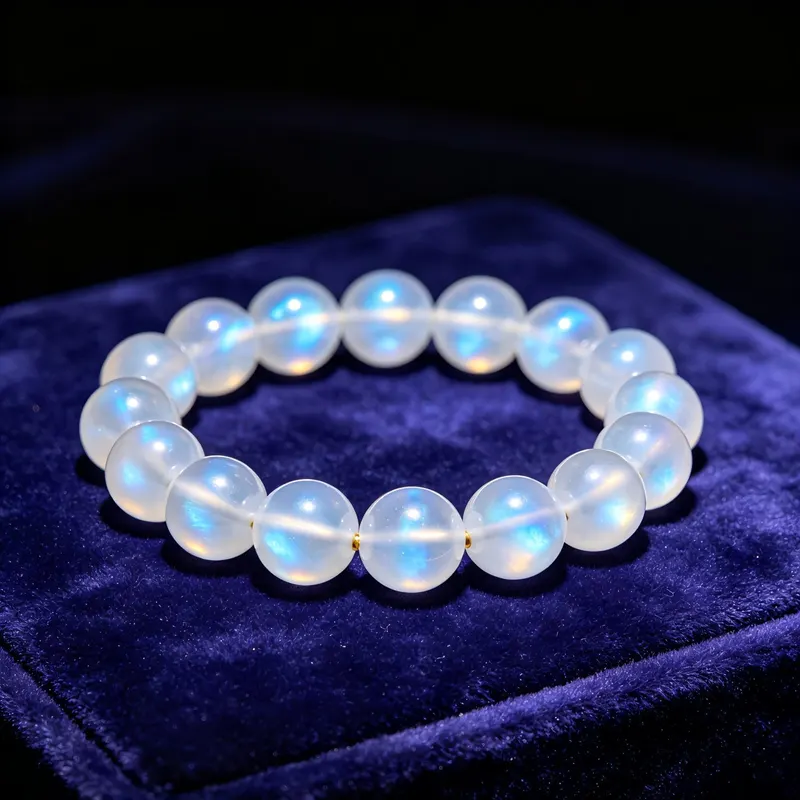
For rest, tradition favors amethyst and moonstone - stones believed to support calm and quiet. A small amethyst on the nightstand is enough; skip large clusters that catch light and create visual noise. Selenite is popular here too, though note it's soft and water-soluble (more on that below), so keep it dry and out of reach of curious hands. If you tend to lie awake mentally rehearsing tomorrow's meeting, a Rainbow Moonstone Bracelet for Intuition & New Beginnings on the bedside tray can serve as a gentle ritual: set it down, and let the day end.
Home Office: Focus and Follow-Through
Work spaces call for stones associated with clarity and steady effort. Fluorite is traditionally linked to concentration; tiger's eye to confidence and follow-through; citrine to optimism and abundance. A Rainbow Fluorite Focus Bracelet for Concentration near your monitor or a Tiger's Eye Confidence Bracelet for Focus & Courage in a desk drawer gives you a small tactile reset before a difficult call. Keep stones off the keyboard side of the desk and away from heat sources.
Kitchen and Bathroom: Practical Caution First
These are the trickiest rooms because of moisture, heat, and cleaning products. Tradition associates carnelian with vitality and clear quartz with renewal, but practically speaking, porous or water-sensitive stones don't belong next to the sink or stove. If you want a stone in the kitchen, choose a durable one (quartz, carnelian) and place it on a dry shelf away from splashes. In the bathroom, a small clear quartz on a dry counter is fine; avoid leaving any crystal in standing water or direct steam.
Meditation Corner or Altar
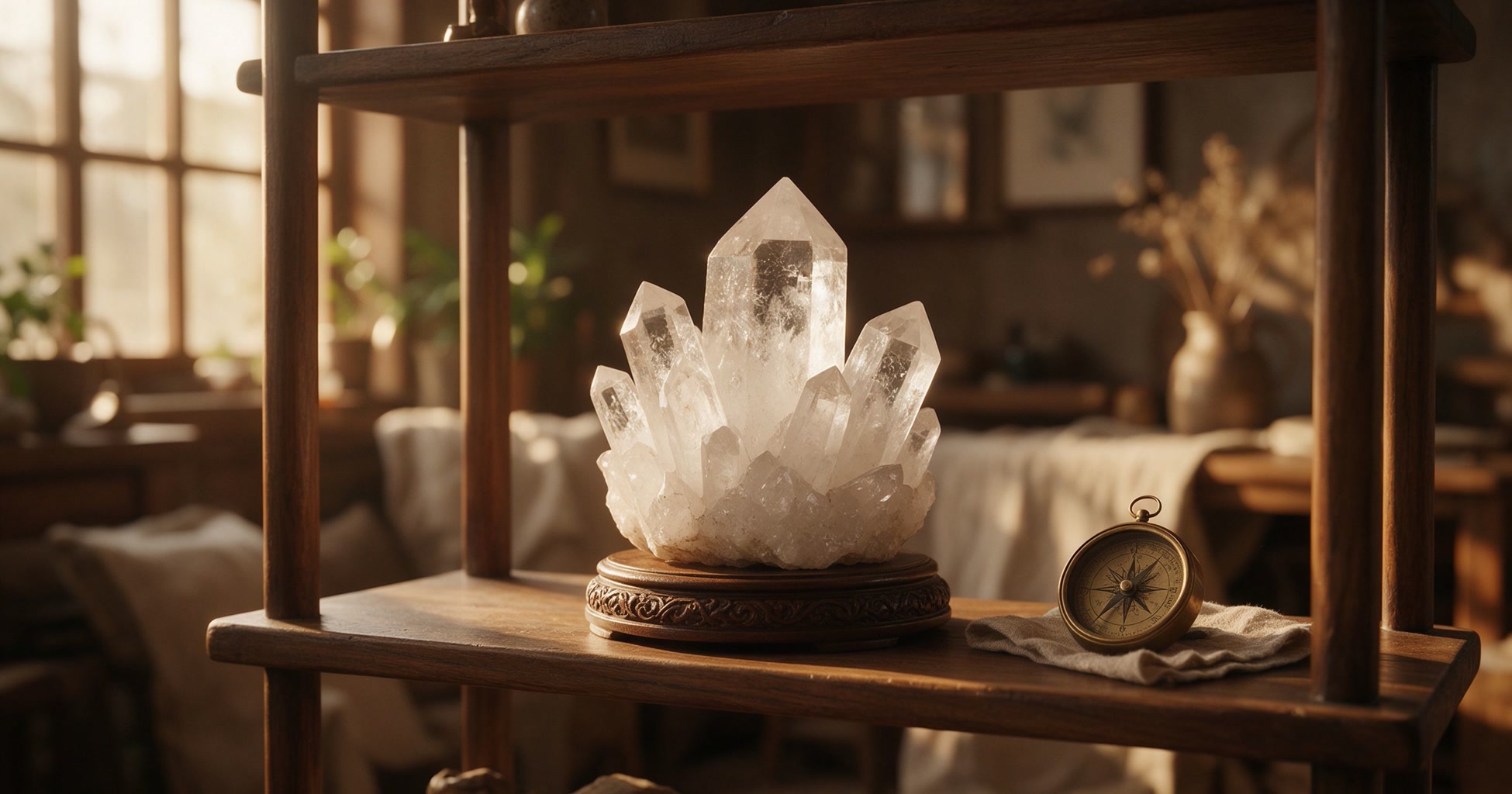
This is where a small collection earns its keep. A Raw Amethyst Cluster for Meditation & Altar makes a natural centerpiece, with a Selenite Cleansing Wand for Energy Clearing nearby for the traditional practice of "clearing" other stones. Keep the arrangement simple - three to five pieces - and dust weekly. If you're building a first altar, a 7 Chakra Stone Set with Wooden Display Box gives you a tidy, labeled starting point.
Quick Comparison: Which Stone for Which Room
| Room | Traditional Association | Suggested Stones | Practical Note |
|---|---|---|---|
| Entryway | Protection, grounding | Black tourmaline, obsidian | Keep out of foot traffic; use a stable dish |
| Living room | Harmony, connection | Rose quartz, clear quartz | Place on high shelves if pets or kids are around |
| Bedroom | Calm, rest | Amethyst, moonstone | Small pieces; avoid bright clusters near the bed |
| Home office | Focus, confidence | Fluorite, tiger's eye, citrine | Keep away from heat and electronics vents |
| Kitchen/bath | Vitality, renewal | Carnelian, clear quartz | Dry placement only; avoid steam and splashes |
| Meditation corner | Clarity, cleansing | Amethyst cluster, selenite | Dust weekly; keep selenite dry |
Tradition and evidence, side by side
It's worth separating two kinds of claims. Traditional lore is cultural and symbolic; material facts are testable. Both are useful, but they answer different questions.
What tradition says: Different stones are "traditionally associated with" protection, calm, abundance, or clarity. These associations come from centuries of folk practice, not laboratory study. We present them as invitations to set an intention - not as guarantees. A citrine on your desk won't close a deal; it may remind you to prepare for the meeting.
What we can verify: Hardness, water sensitivity, and light sensitivity are measurable, and they determine how you should care for a stone.
- Mohs hardness: Quartz (including amethyst, citrine, rose quartz) sits around 7 - fairly scratch-resistant. Selenite is about 2, soft enough to scratch with a fingernail. Fluorite is about 4. Handle soft stones gently and keep them apart from harder ones in storage.
- Water sensitivity: Selenite dissolves in water and should never be soaked or rinsed. Many polished stones are fine with a quick damp wipe, but check before you clean.
- Sunlight sensitivity: Amethyst and rose quartz can fade with prolonged direct sun. Display them away from a south-facing window that gets hours of harsh light.
- Cleaning: Dust with a dry, soft cloth. For most polished stones, a barely damp cloth is fine; dry immediately. Skip ultrasonic cleaners and harsh chemicals.
Crystals are for reflection and are not medical devices. They are not a substitute for professional care.
How to Choose and What to Expect to Pay
You don't need a large collection. A practical starter approach is one stone per room you actually use, chosen for the feeling you want there. When shopping, look for clear, honest product photos, stated stone type, and dimensions - a "cluster" can range from palm-sized to a small boulder, and size changes both price and placement options.
- Budget (under $25): Tumbled stones, small bracelets, and single pendants. Plenty for a first placement.
- Mid-range ($25–$75): Larger clusters, sets, and sterling or gold-plated pendants. Expect better polish and more consistent sizing.
- Higher ($75+): Large display specimens and matched sets. Buy from sellers who show the actual piece you'll receive.
If you're starting from scratch, a Healing Crystal Starter Kit, 7 Stones + Guide covers the basics without committing to a single stone. Whatever you choose, buy for how it looks and feels in your space first - the lore is the layer on top, not the reason to overspend.
Frequently Asked Questions
Do I need to "cleanse" my crystals, and how often?
Cleansing is a traditional practice, not a requirement. Common methods include leaving stones in moonlight, smudging with smoke, or resting them near selenite. Frequency is personal - many people cleanse when a stone feels "stale" or after a stressful period. Avoid water methods for soft or porous stones like selenite.
Can I put crystals in every room?
You can, but more isn't better. A few well-placed stones you notice daily will feel more intentional than a house full of clutter. Start with the rooms where you spend the most time.
Are crystals safe around pets and children?
Small tumbled stones and clusters are choking hazards and can be chewed or swallowed. Keep them on high shelves, in closed cabinets, or in display boxes. Some stones contain trace elements; avoid anything small enough to swallow and keep raw, dusty specimens out of reach.
Will a crystal actually change my home's energy?
There's no scientific evidence that crystals alter a room's energy in a measurable way. What they can do is serve as visual cues for intention - a reminder to slow down, breathe, or set a boundary. That's a real, if modest, benefit, and it's the one we stand behind.
A Closing Note on Making It Yours
The best crystal placement is the one you'll actually notice. Pick one room, choose a stone whose look you love, and give it a home where you'll see it every day. Let the tradition guide you, but let your own space and habits decide. Over time, those small anchors add up to a home that feels a little more deliberate - and a little more yours.