Why Parents Ask About Crystals in the First Place
Maybe your child came home from a friend's house clutching a shiny purple stone and now wants a "collection." Maybe you keep a few crystals on your own nightstand and your toddler has started reaching for them. Or maybe you're looking for a calm, screen-free ritual to share at bedtime and wondering whether crystals are a reasonable thing to hand a child at all.
The honest answer is: sometimes yes, with clear boundaries. Crystals can be beautiful, tactile objects that invite quiet attention, storytelling, and a sense of ritual. They are also hard, heavy, and—in small sizes—a genuine choking hazard. They are not toys, and they are not medicine. This guide walks through the real risks first, then the practical choices: which stones suit which ages, how to clean and store them, what to expect to pay, and how to talk with your child about what crystals can and can't do.
One note before we start: nothing here is medical advice. If you have concerns about your child's sleep, focus, anxiety, or development, your pediatrician is the right first call—not a crystal shop.
The Real Risks, Ranked
Most crystal safety content online is vague. Here is what actually matters, roughly in order of how often it causes problems:
- Choking and swallowing. Any polished stone, bead, or tumbled piece small enough to fit through a toilet-paper tube is a choking risk for children under about four, and a swallowing risk for slightly older kids who still mouth objects. Small beads from a broken bracelet are the most common culprit because they scatter and get missed.
- Breakage and sharp edges. Dropped clusters and points can chip into sharp fragments. Raw specimens with thin blades—selenite in particular—snap easily.
- Soft or flaking stones. Some minerals crumble, shed dust, or dissolve. Not something you want in a mouth or under a pillow.
- Strangulation and circulation risk from jewelry. Bracelets and necklaces on babies and toddlers are a genuine hazard during sleep and unsupervised play, independent of the stone.
- Misplaced expectations. A child who believes a stone will "fix" a fear or make them brave can feel like they failed when it doesn't. Framing matters.
Notice what isn't on the list: "bad energy." The physical risks are the ones to plan around.
Age-by-Age Guidance
There's no official safety standard for crystals as children's items, so treat these as practical rules of thumb rather than regulated guidance.
| Age | What works | What to avoid |
|---|---|---|
| Under 3 | Nothing within reach. Larger display pieces on a high shelf are fine as decor. | All small stones, beads, jewelry, and anything that can be mouthed. |
| 3–4 | Adult-held, larger polished pieces during supervised "looking" time. | Loose stones of any small size; bracelets and necklaces entirely. |
| 5–7 | One or two larger tumbled stones kept in a designated spot; supervised handling. | Small beads, raw clusters with fragile points, jewelry worn to bed. |
| 8–11 | A small personal collection with a storage pouch; bracelets okay for daytime wear if they fit properly. | Loose beads near younger siblings; stones kept under pillows overnight. |
| 12+ | Jewelry and small specimens with normal care; still not for mouthing or sleepwear. | Anything that dangles loosely enough to catch; stones small enough to be a hazard to younger siblings in the house. |
The single most useful rule: if there is a younger child in the home, the older child's collection needs a latchable box, not a bowl on a dresser.
A Safety Checklist Before Anything Comes Home
- Size test: Does it fit through a toilet-paper tube? If yes, it stays away from children under four—full stop.
- Surface check: Run a finger over the stone. Any flaking, crumbling, or powdery residue means it isn't a good fit for kids.
- Edge check: Chipped points, thin blades, and rough raw edges are display-only.
- Hardness check: Softer stones scratch and shed more easily. See the next section for specifics.
- Jewelry fit: A child's bracelet should not slide off the hand or pinch. Necklaces should have a breakaway-style clasp or be reserved for supervised wear.
- Storage: A lidded box or pouch, out of reach of the youngest child in the house.
- Cleaning plan: Know how you'll clean it before it arrives (details below).
Folklore, and the facts we can check
Crystal traditions are old and varied, and it's worth being clear about which claims are cultural and which are physical fact.
Traditional lore. Amethyst has long been associated with calm and quiet evenings; rose quartz with gentleness and self-kindness; clear quartz with clarity and focus; black tourmaline and obsidian with feelings of protection and grounding. These associations are cultural and symbolic. They are not studied effects, and no stone has been shown to treat a child's sleep, attention, or anxiety. What a stone can do is serve as a cue—a small, tangible reminder that "this is my quiet-time object," which many families find useful as part of a routine.
What we can verify. These are the physical facts that should drive your choices:
- Hardness (Mohs scale): Quartz-family stones—clear quartz, amethyst, rose quartz, citrine—sit around 7, which makes them relatively durable for handled pieces. Selenite is around 2 and scratches with a fingernail; it also snaps easily. Fluorite is about 4 and chips readily. Moonstone and labradorite are roughly 6–6.5 and can fracture along cleavage planes.
- Water sensitivity: Selenite dissolves in water. Malachite and several copper-based stones should not get wet. Many polished quartzes tolerate a quick wipe but not soaking, especially if they're strung on elastic or metal.
- Sunlight sensitivity: Amethyst, rose quartz, and fluorite can fade with prolonged direct sun. Store them away from a bright windowsill.
- Cleaning: A barely damp cloth with mild soap, wiped and dried immediately, is the safe default. Skip ultrasonic cleaners and harsh chemicals. For selenite, dry-dust only.
- Origin and treatment: Dyed and heat-treated stones are common and not inherently unsafe, but dye can come off on damp hands. If your child is a mouth-er, that's another reason to keep stones out of reach.
In short: the calming effect is in the ritual, and the safety decisions are in the mineralogy. Both matter, and only one of them is something you can measure.
Family-Friendly Stones and How to Use Them
These are the pieces we'd actually suggest for households with children, with a note on the right way to use each.
For a shared calm corner
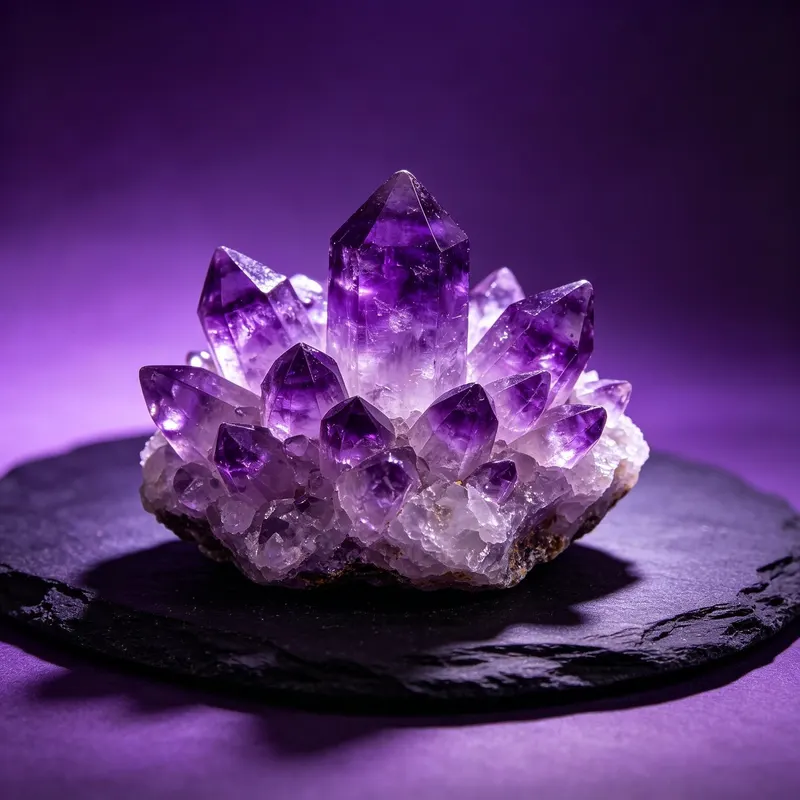
A larger polished Raw Amethyst Cluster works well as a shelf piece—high enough that a toddler can see it but not reach it. Traditionally associated with calm and quiet, it can anchor a "quiet corner" where your child goes to settle down. Because raw clusters have fragile points, treat it as decor rather than a handled toy.
For a parent-led bedtime ritual
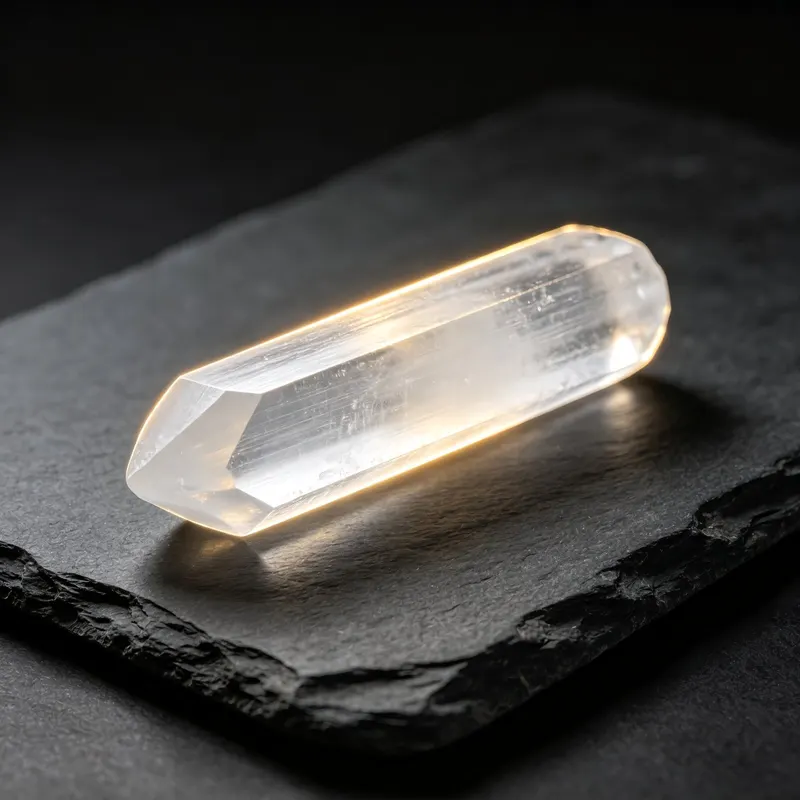
A Selenite Cleansing Wand is lovely for a grown-up-managed routine—a slow sweep over the blanket, a whispered goodnight. Be aware that selenite is soft, snaps easily, and dissolves in water, so it stays in adult hands and gets dusted, not washed.
For a first collection
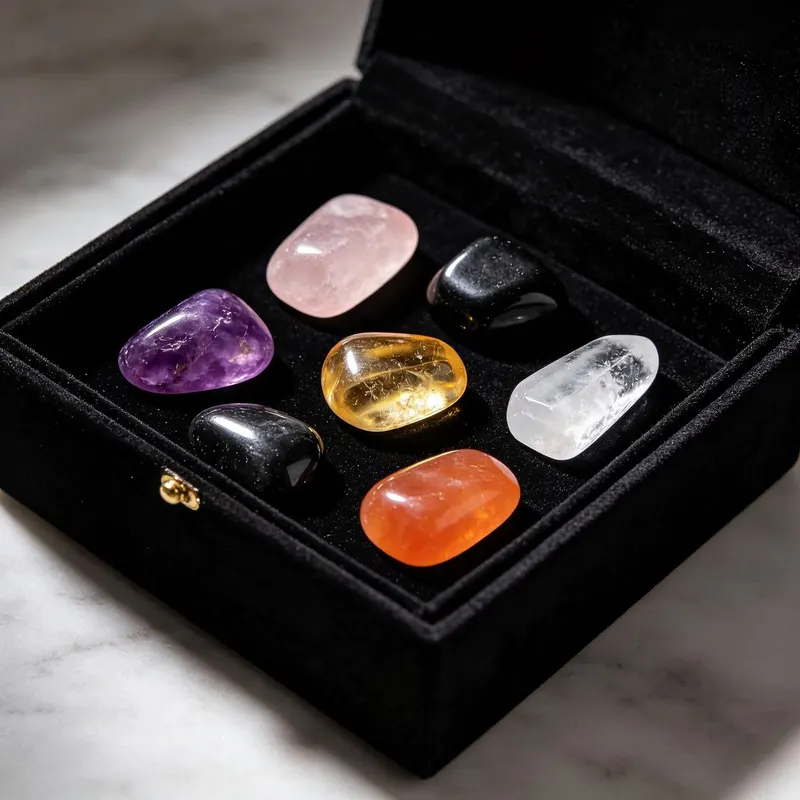
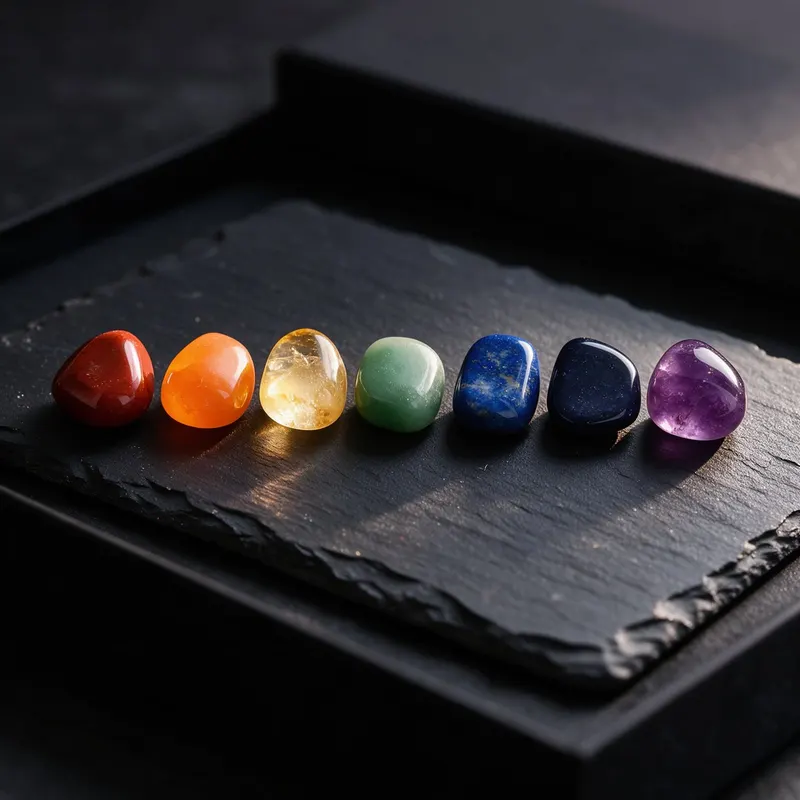
The Healing Crystal Starter Kit is a sensible way to introduce several stones at once, with a guide you can read together. It's best for children past the mouthing stage, explored side by side, and stored in its box afterward—not left loose with a younger sibling around.
For older kids who want to wear something
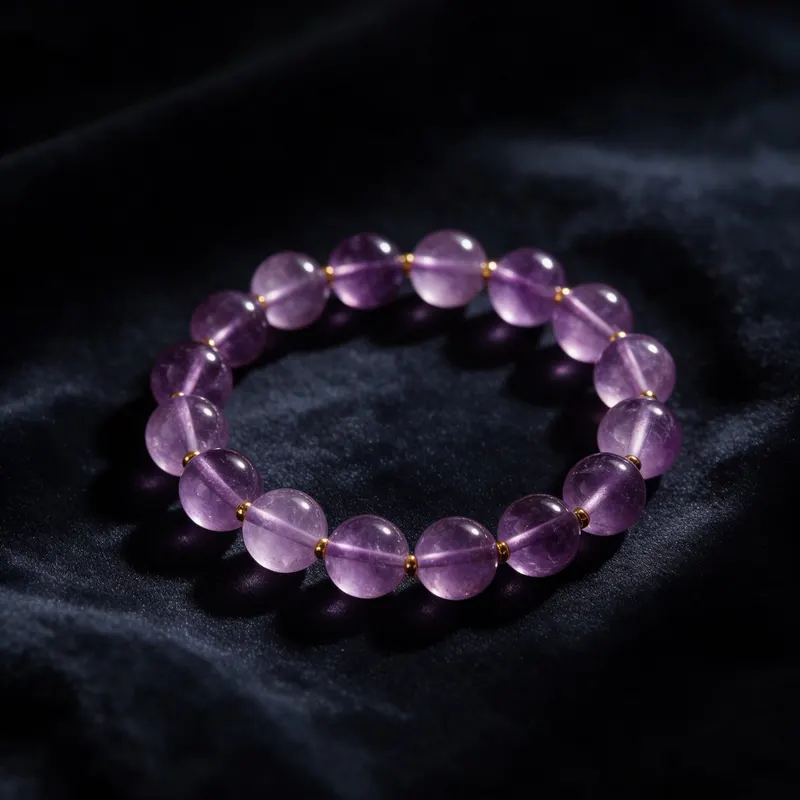
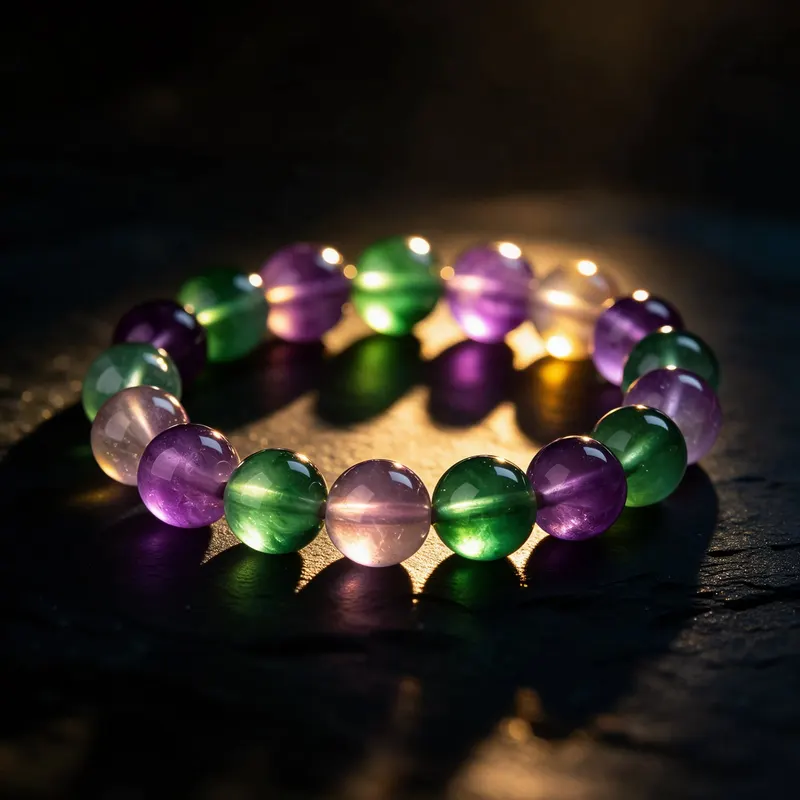
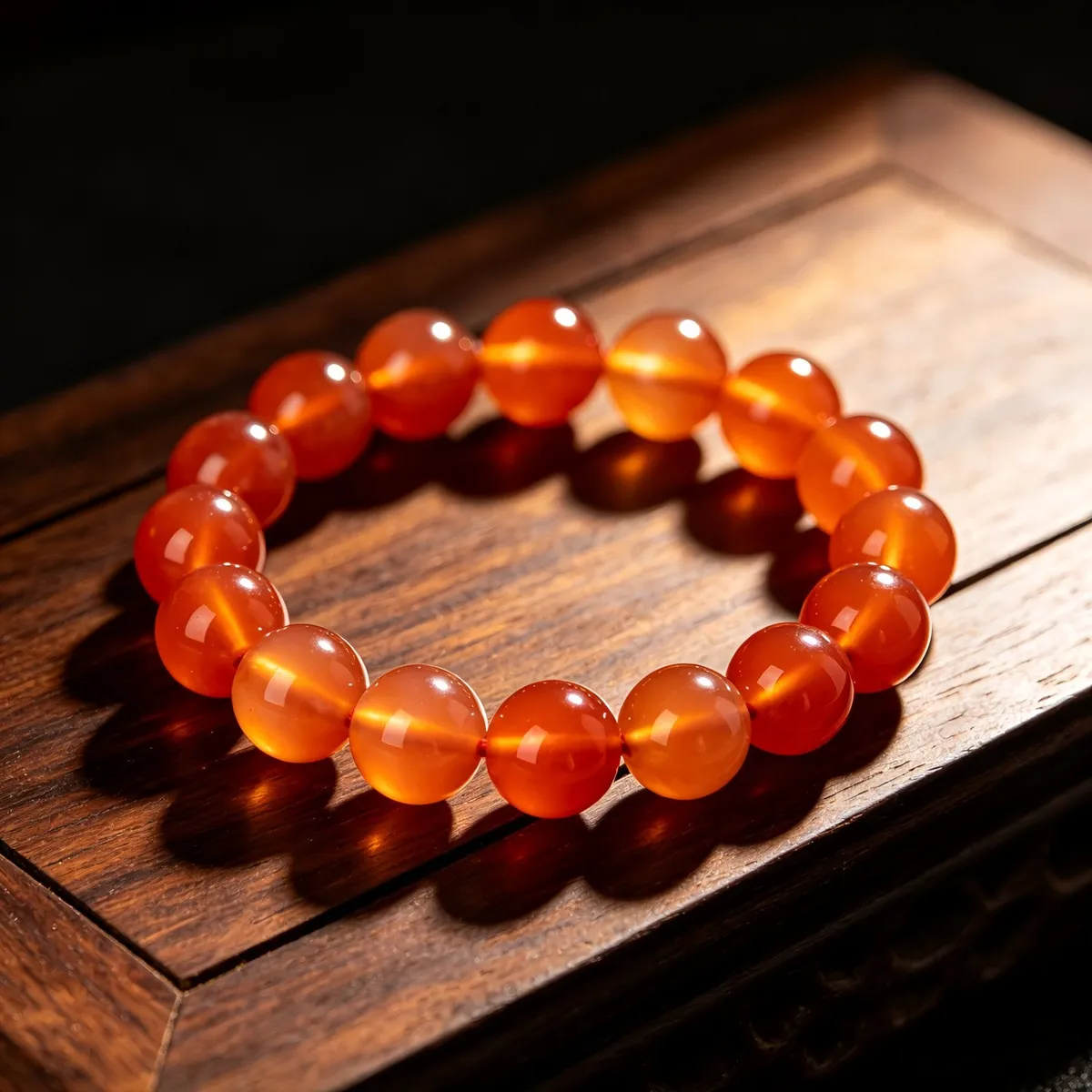
A well-fitting bracelet is reasonable for daytime wear from around age eight. The Amethyst Healing Bracelet is a gentle, traditional choice for a child who likes the idea of a "calm" stone, and the Tiger's Eye Confidence Bracelet appeals to kids who want a courage token for school. Check the fit, remove it for sleep and baths, and inspect the elastic periodically for wear.
What to skip
Very small tumbled stones, anything with loose beads, soft flaking minerals, and jewelry for children under about five. And skip anything marketed as a cure for a child's behavior or health—that's a red flag about the seller, not the stone.
How to Talk to Your Child About Crystals
Children take their cues from you. A few framings that hold up:
- "This is a special object, not a magic one." It can remind you to take a breath or feel brave, the same way a favorite blanket does.
- "It's for looking and holding gently, not for mouths or pockets at school." Simple rules, repeated, work better than lectures.
- "If you feel worried, the stone can help you remember to tell a grown-up." Keep the stone as a prompt for connection, not a substitute for it.
- Name the tradition honestly. "People have liked this stone for a very long time and said it helps them feel calm" is true. "This stone will make your bad dreams go away" is a promise no one can keep.
What to Expect to Pay
Crystal pricing varies enormously with size, quality, and origin, so treat these as rough ranges rather than quotes:
- Small tumbled stones: a few dollars each; starter sets often run $15–$40.
- Bracelets: commonly $15–$40 for natural-stone beaded designs; higher for premium cuts or metals.
- Pendants: $25–$80 depending on the stone and whether the chain is sterling silver or gold-plated.
- Display clusters and wands: $20–$60 for pieces of a size that works on a shelf.
Be cautious of unusually cheap dyed stones and of anything sold with health claims—those tend to be the sellers to walk away from, regardless of price.
FAQ
People Also Ask
At what age are crystals safe for children?
As supervised, out-of-reach objects, they can be introduced early—but anything small enough to swallow should wait until your child is reliably past the mouthing stage, which is often around age four. Jewelry is best deferred until around eight, and even then with fit checks and removal at bedtime.
Can crystals help my child sleep or focus?
They may support a calming routine if your child finds the ritual meaningful, but they do not treat sleep problems, attention difficulties, or anxiety. If you have real concerns about your child's sleep or focus, talk to your pediatrician.
How do I clean a child's crystal?
Wipe with a barely damp cloth and mild soap, then dry immediately. Don't soak strung jewelry, and never wash selenite—it dissolves. Keep amethyst, rose quartz, and fluorite out of direct sun to prevent fading.
Are dyed or treated stones safe?
Generally yes for handled display, but dye can transfer to damp hands and some treatments aren't labeled clearly. For young children, favor natural, well-polished stones from sellers who describe treatments openly.
A Final Word
Crystals can be a sweet part of childhood—a shelf stone in a quiet corner, a bracelet that reminds a kid to breathe before a spelling test, a shared ritual at bedtime. The safety rules are simple and worth repeating: nothing small within reach of a toddler, nothing fragile in small hands, nothing worn to sleep, and no stone standing in for medical care. Keep those lines clear, and the rest is imagination, tradition, and a little bit of sparkle.
Crystals are for reflection and ritual and are not medical devices. They do not diagnose, treat, or cure any condition. If you're concerned about your child's health or development, please consult a qualified professional.