Why Parents Ask About Crystals in a Child's Room
Maybe your child came home from a sleepover talking about a purple stone a friend keeps on her nightstand. Maybe you use crystals yourself and want to share something quiet and meaningful with a kid who's struggling to settle at bedtime. Or maybe you've already bought a small stone and now you're standing in the doorway wondering whether it's actually a good idea to leave it in a room where a three-year-old sleeps.
Those are reasonable questions, and they deserve a straight answer rather than a sales pitch. The honest one is this: crystals can be a lovely part of a child's room, but only when the setup treats them as décor and ritual objects rather than toys. Small polished stones are a genuine choking hazard for young children, and clusters and points can chip or break. The calming benefit parents are usually hoping for comes from the routine around the stone, not from the stone itself.
This guide walks through what's genuinely safe at each age, which stones hold up best in a child's room, how to anchor and place them, and where traditional lore ends and verifiable facts begin. If you take one thing away, make it this: the safest crystal in a child's room is one a child can see but not reach.
Age-by-Age: What's Actually Appropriate
Safety guidance changes quickly as children develop, and a setup that works beautifully for a seven-year-old can be genuinely dangerous for a two-year-old. Use this as a rough framework, and always defer to your own knowledge of your child.
| Age | What works | What to avoid |
|---|---|---|
| Under 3 | Nothing loose in the room. A single large, heavy specimen on a high, wall-anchored shelf that the child cannot climb to. | Any stone small enough to fit through a toilet-paper roll, anything in or near the crib, anything on a dresser a toddler could pull over. |
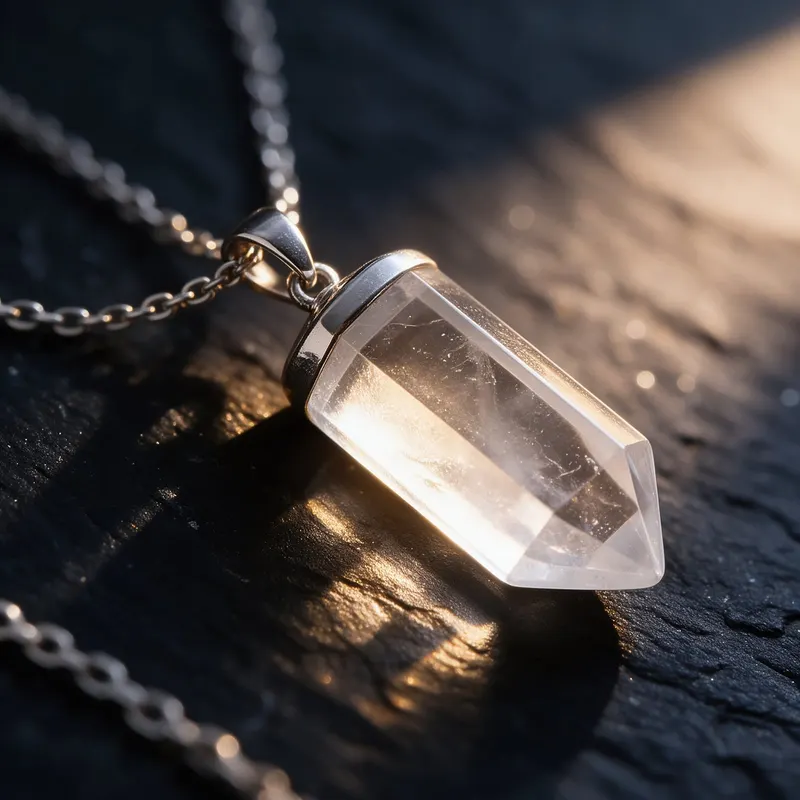
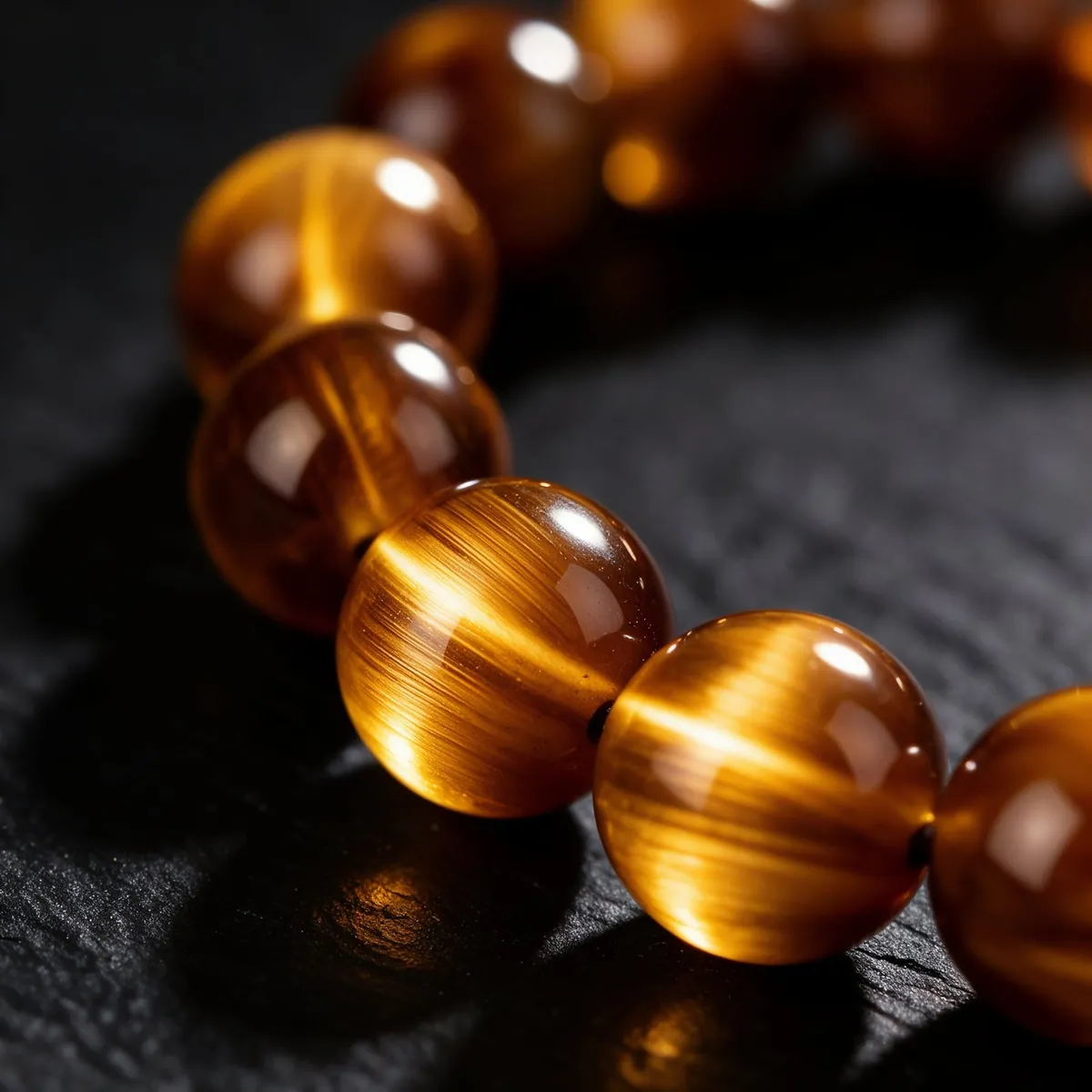
| 3–5 | High-shelf display only. Parent-led "looking" moments where you hold the stone. | Loose stones at floor or bed level, bracelets, small pendants, anything a child could put in their mouth during play. |
| 6–9 | Supervised handling of larger pieces; a designated tray or dish on a high shelf. Simple routines like choosing a "bedtime stone" together and putting it back. | Stones kept under the pillow or in the bed, unsupervised access to small or fragile pieces. |
| 10+ | More independence is reasonable—a small dish on a nightstand, a bracelet worn during the day—with clear ground rules about not lending stones to younger siblings. | Assuming older children will consistently keep small stones away from toddlers in the house. |
One rule applies at every age: nothing goes in the crib, the bed, or under the pillow. Sleep environments should stay clear of small objects, and a stone that rolls out of reach in the night is a hazard, not a comfort.
Choosing Stones That Suit a Child's Room
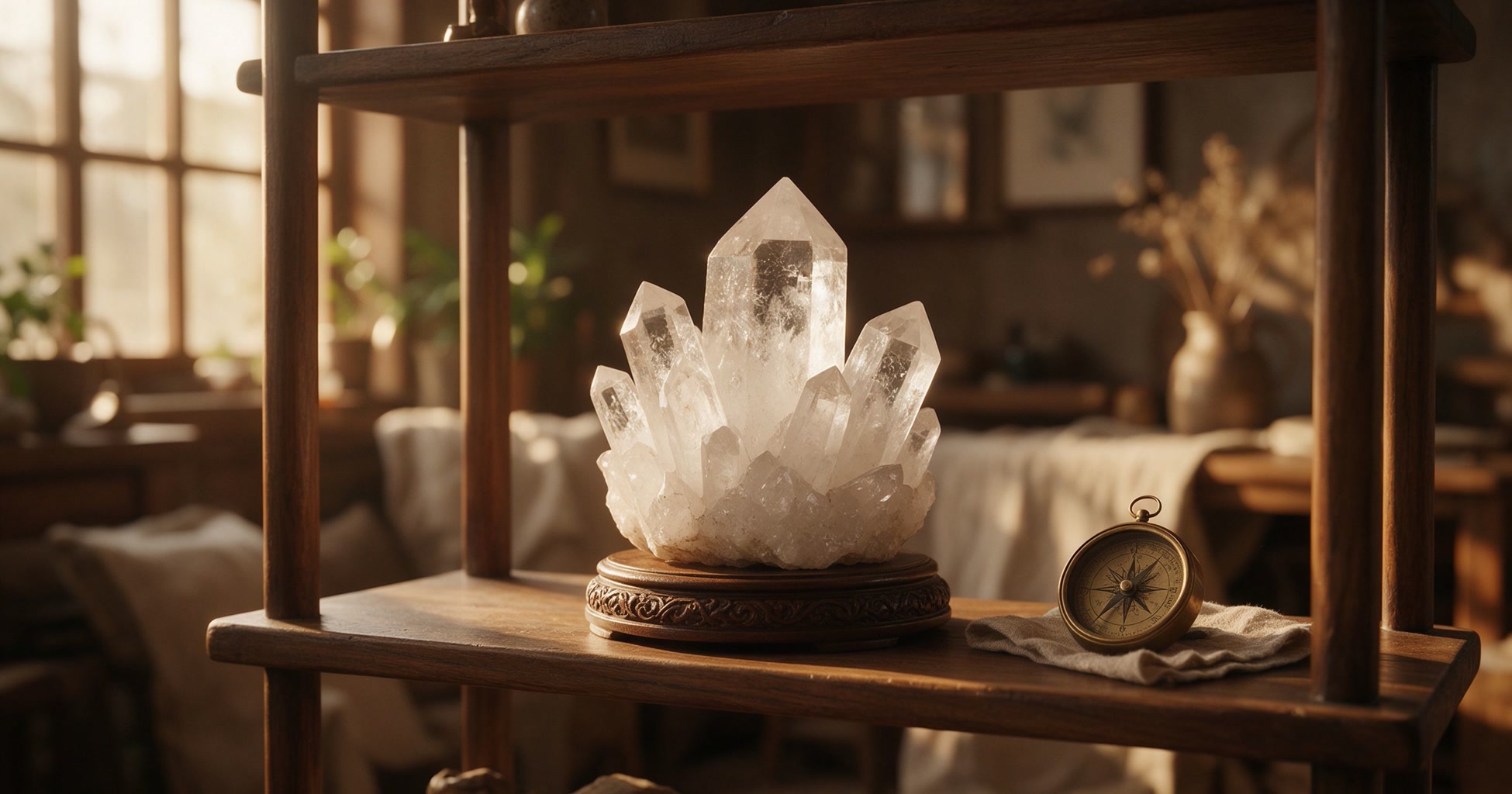
For a child's space, favor pieces that are large, sturdy, and visually interesting rather than small and precious. A raw cluster or a substantial polished specimen on a shelf does more for the room's atmosphere than a dish of tumbled stones—and it's far harder to swallow.
- Size and weight: Bigger is safer here. A palm-sized or larger specimen is difficult for a small child to mouth and easier to see if it somehow ends up on the floor.
- Sturdiness: Raw clusters with a flat base sit more securely than thin points or wands that tip easily. Avoid anything with sharp edges at child height.
- Color over claims: Children respond to color and texture. A deep purple cluster or a soft pink piece gives you a natural opening for a quiet conversation without any promises attached.
- Finish: Polished surfaces are easy to wipe clean; raw clusters can shed tiny fragments, so keep them where crumbs and dust won't reach small hands.
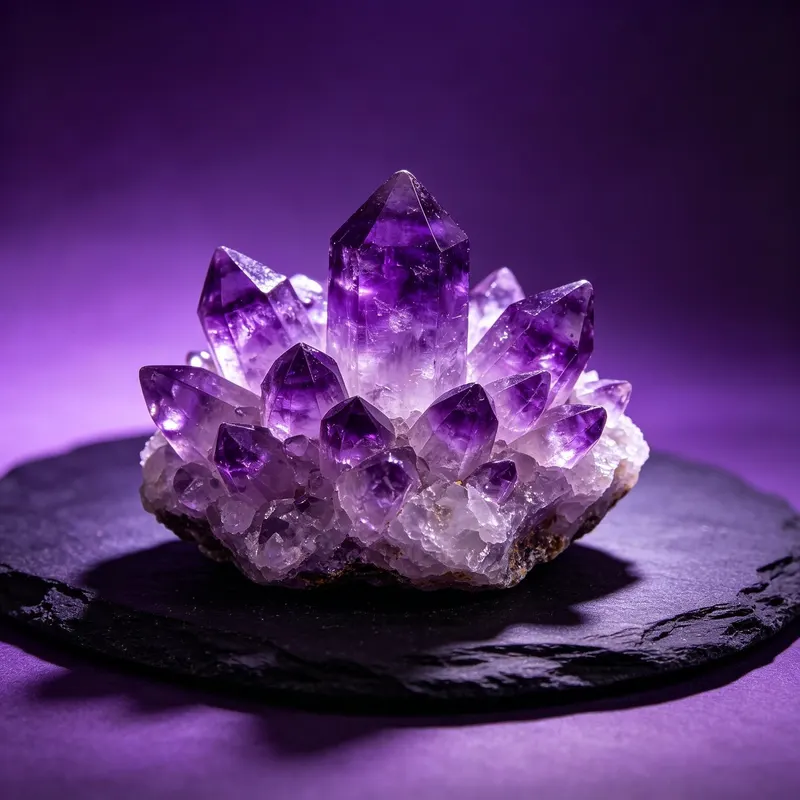
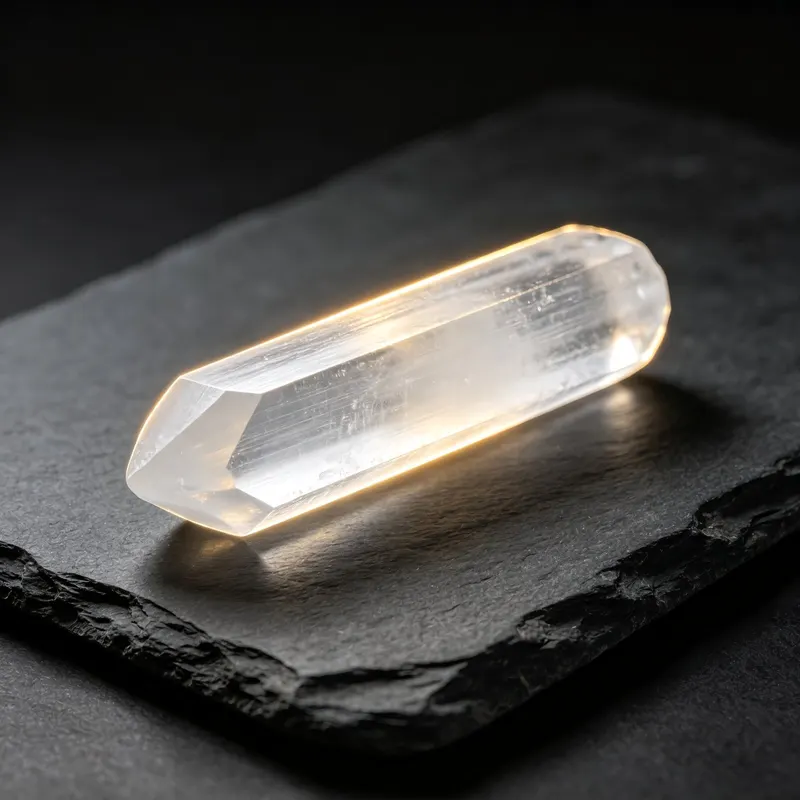
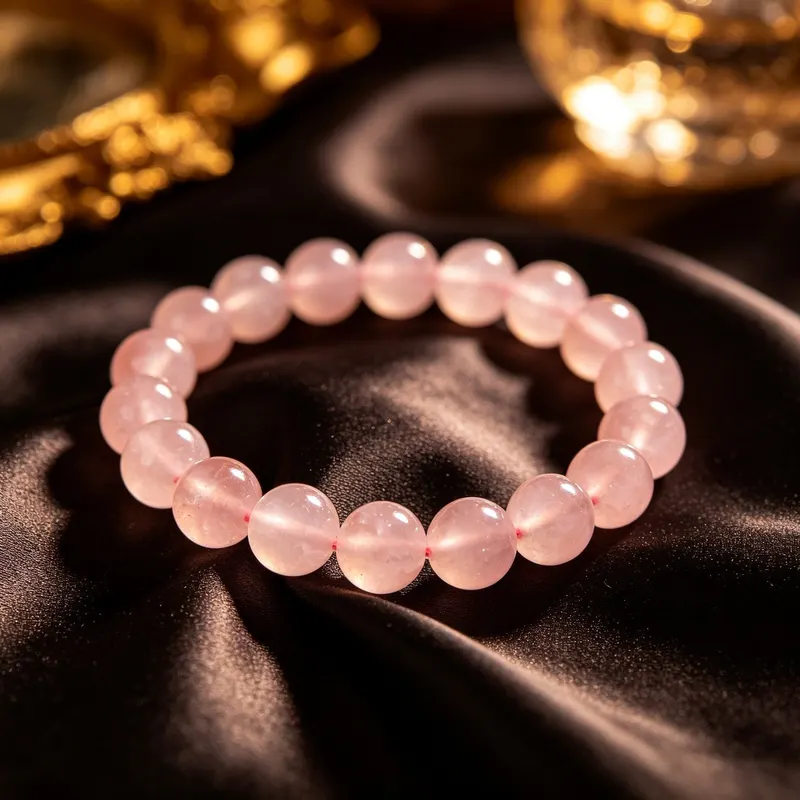
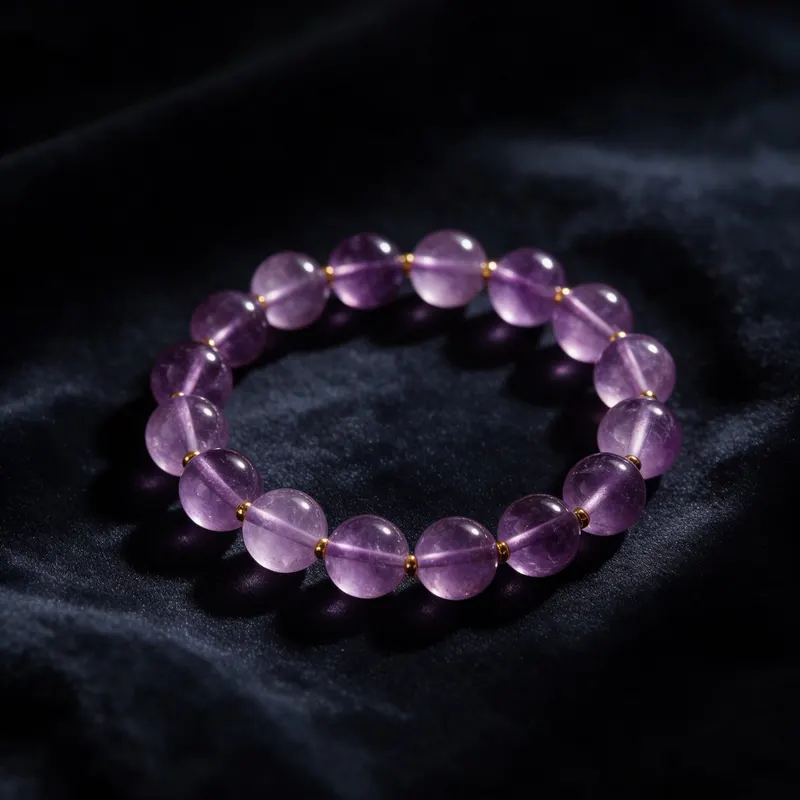
A Raw Amethyst Cluster is a natural fit for a shelf display—it's substantial, has a stable base, and its color reads as calm to most kids. If you want something tall and pale for a high corner, a Selenite Cleansing Wand works visually, though selenite is soft and water-sensitive, so it belongs well out of reach and away from humidifiers and windowsills. For a parent-led bedtime ritual where you hold the stone and your child simply looks, a Rose Quartz Love Bracelet can serve as a tangible cue—but it goes back on your wrist or the high shelf afterward, not into the bed.
Setting Up a Safe Display
Placement matters more than the stone itself. Work through this checklist before anything goes on a shelf:
- Anchor the furniture. Any bookshelf or dresser holding a stone should be secured to the wall. This is standard childproofing, and it's the single most important step.
- Keep it above climbing reach. "Out of reach" means higher than a child can get by dragging over a stool, a toy box, or a sibling.
- Use a stable base. A felt pad or museum putty under the specimen keeps it from sliding. Avoid narrow ledges and wobbly floating shelves.
- Do the toilet-paper-roll test. For children under four, anything that fits through the cardboard tube is a choking risk and should not be in the room at all.
- Keep stones out of the bed. No exceptions—not under the pillow, not on the mattress, not tucked into a stuffed animal.
- Check for chips regularly. Inspect specimens every few weeks and remove anything that has cracked or shed fragments.
- Skip water features and salt lamps nearby. Moisture damages selenite and many softer stones, and anything plugged in adds another layer of risk in a child's room.
Building a Calm Bedtime Routine Around a Stone
The real value here is the ritual, and rituals are led by adults. A simple sequence works well for most families: dim the lights, sit together, and let your child look at the stone on its shelf while you name one good thing from the day. Then a few slow breaths, a story, and lights out. The stone is a visual anchor for the routine—something that signals "we're winding down now"—rather than an object your child keeps.
Older children can take a slightly more active role. Let them choose which stone sits on the shelf that week, or invite them to help dust the display on a Saturday morning. That small ownership builds the sense of a personal space without handing over something they could swallow or break. If your child is drawn to a particular color or shape, follow that interest—it makes the routine feel like theirs.
What the old stories say — and what checks out
Crystal traditions are old, varied, and often beautiful, but they are traditions—not clinical guidance. It's worth being clear about the difference, especially when a child is involved.
What the tradition says: Amethyst is traditionally associated with calm and quiet, which is why it shows up so often in sleep and meditation contexts. Rose quartz is traditionally associated with warmth and connection, and many parents use it as a symbol of care during a bedtime ritual. Selenite is traditionally used for clearing or cleansing a space. These are cultural and spiritual associations, believed by many people and worth respecting—but they are not claims about what a stone does to a body or a mind.
What we can verify: Physical properties are measurable, and they matter for safety and care.
- Hardness: On the Mohs scale, quartz-family stones like amethyst and rose quartz sit around 7, which means they resist scratching but can still chip or crack if dropped on a hard floor. Selenite is much softer—around 2—and scratches easily, even with a fingernail.
- Water sensitivity: Selenite dissolves and damages in water, so keep it away from humidifiers, spills, and damp windowsills. Many polished stones are fine with a quick wipe but shouldn't be soaked.
- Sunlight: Some colored stones fade with prolonged direct sun. A shelf away from a bright south-facing window protects color over time.
- Cleaning: A soft dry or slightly damp cloth is enough for most specimens. Avoid household cleaners, which can leave residue on porous surfaces.
- Breakage: Any stone can chip. Inspect regularly and remove damaged pieces from a child's room immediately.
Crystals are for reflection and ritual; they are not medical devices, and they don't treat sleep problems, anxiety, or anything else. If your child is having persistent trouble sleeping or you're worried about their health, talk with your pediatrician.
Frequently Asked Questions
Are crystals safe in a toddler's room?
Only as secured, high-shelf décor that a toddler cannot see up close or reach—never loose, never in the crib, and never small enough to fit through a toilet-paper roll. Anchor the furniture holding them and check the display regularly for chips.
What crystal is traditionally used for calm at bedtime?
Amethyst is the most common traditional association with calm and quiet, which is why it appears often in sleep rituals. Use it as part of a parent-led wind-down routine rather than leaving it with your child, and treat the routine—not the stone—as the thing doing the work.
Can my child sleep with a crystal under their pillow?
No. Small objects in a sleep environment are a hazard, and a stone can end up near the face or be swallowed. Keep stones on a shelf and let the bedtime ritual happen in the room, not in the bed.
How do I clean a crystal that's been in a child's room?
Wipe it with a soft, slightly damp cloth and dry it immediately. Skip soaps and cleaners, keep selenite away from water entirely, and check for chips or cracks each time you clean.
A Quiet, Safe Corner
A crystal in a child's room doesn't need to be complicated or expensive. One substantial, sturdy specimen on a wall-anchored shelf, paired with a short and consistent bedtime routine, gives you everything the tradition offers and nothing your child can swallow. Start with a single piece, place it well above reach, and let the ritual—the dimmed lights, the slow breaths, the one good thing from the day—do the calming. The stone is simply there to mark the moment.
Crystals are offered for reflection and ritual, not as medical or psychological treatment, and they are not medical devices.