When You're Ready to Put Something Down
Maybe you've been carrying a relationship that ended months ago—or one that hasn't quite ended but already feels like a ghost. Maybe it's a job you've outgrown, a version of yourself you no longer recognize, or a habit that's become a second skin. You're not looking for a magic eraser. You're looking for something to hold onto while you loosen your grip on what's already slipping away.
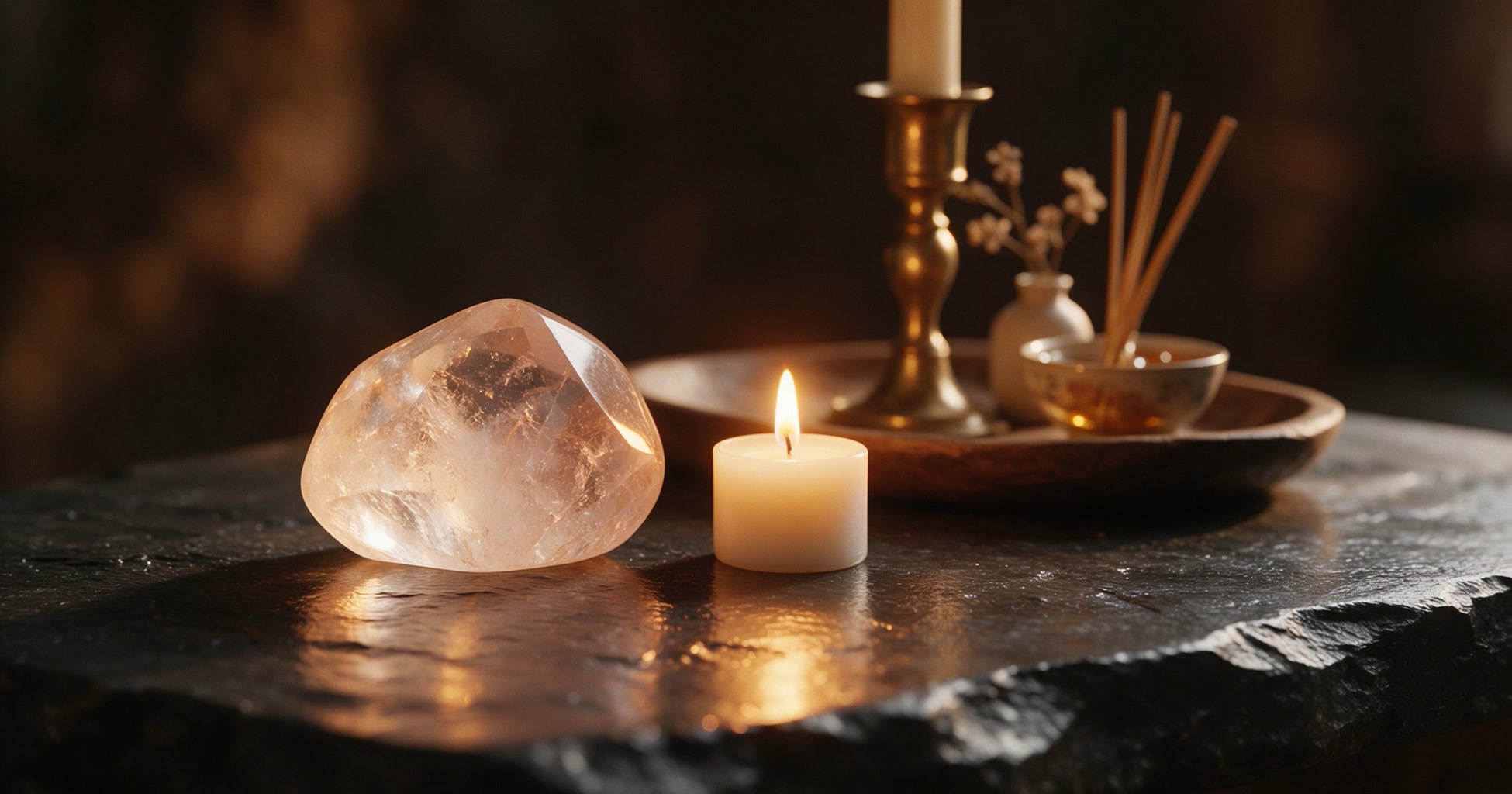
Crystals won't do the letting go for you. What they can do is give your intention a physical form—something warm in your palm, something to return to on the days when the release feels harder than it did yesterday. The stones in this guide are traditionally associated with grief, transition, and emotional clearing. They invite you to slow down, breathe, and name what you're ready to set down.
This guide covers which stones are most often chosen for release work, how to choose between them, how to care for them, and a simple ritual you can return to as often as you need. It also separates what the tradition says from what we can verify—because a trustworthy practice is built on both.
Release Is a Process, Not a Switch
Letting go—of a relationship, a phase, a version of yourself—unfolds in waves. Some days you feel lighter. Other days something small undoes you. Stones won't rush that rhythm, but they can be a steady, comforting anchor while you gently release. Think of them less as a cure and more as a companion: something that reminds you, every time you touch it, of the intention you set.
That's why the stones traditionally chosen for release tend to be grounding or heart-centered rather than purely energizing. You're not trying to push forward yet. You're trying to feel steady enough to put something down.
Stones Traditionally Used for Release
Four stones come up again and again in release work. Each works on a slightly different layer, so the right choice depends on what you're letting go of—and what you need most in the process.
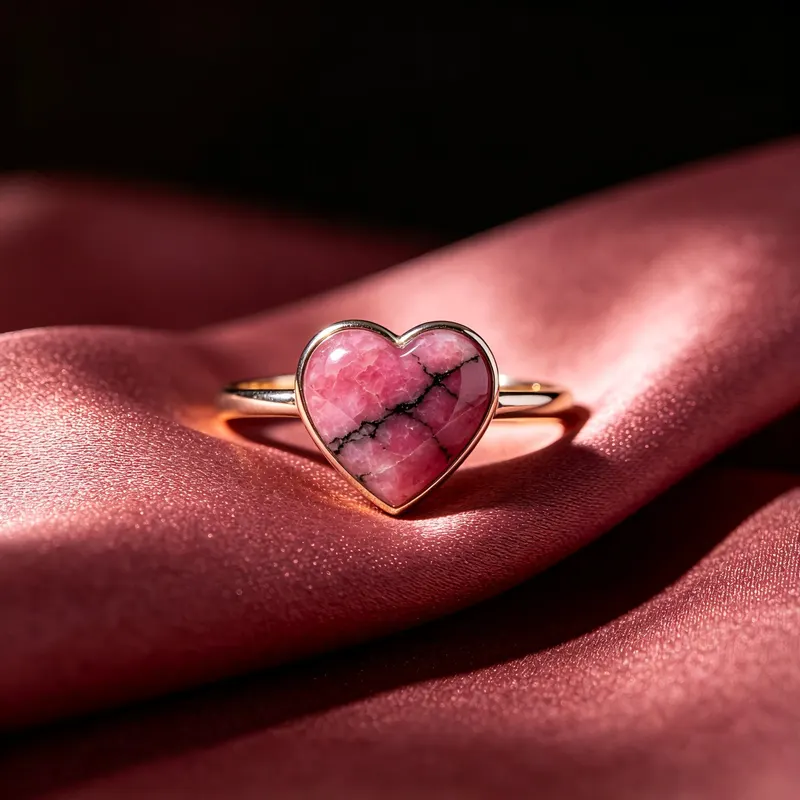
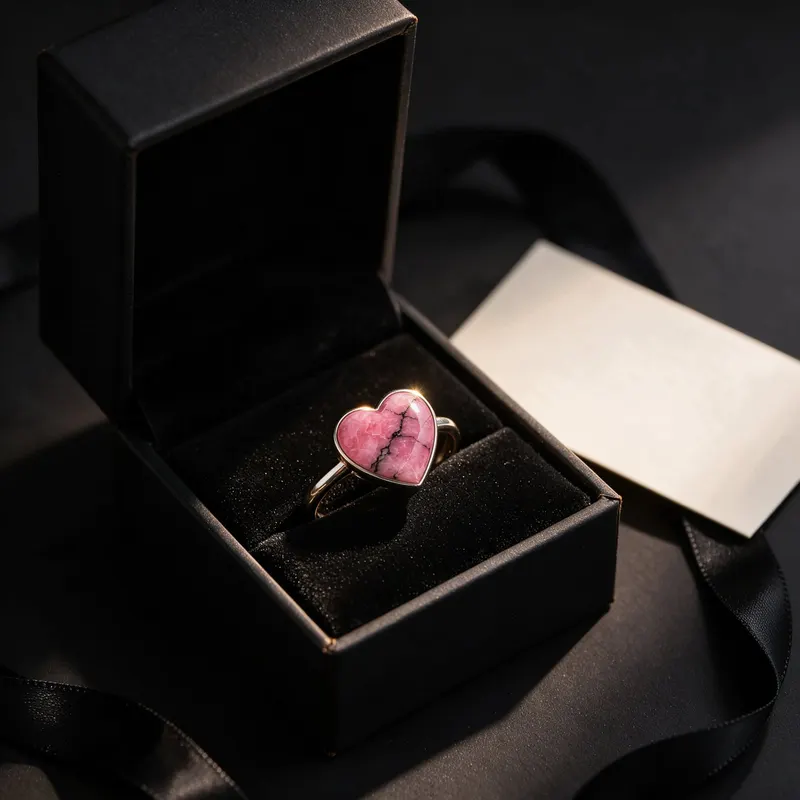
- Rhodonite is traditionally associated with emotional balance through heartache and the slow work of forgiveness. If you're releasing a relationship or an old resentment, a rhodonite heart ring keeps the stone close to the heart.
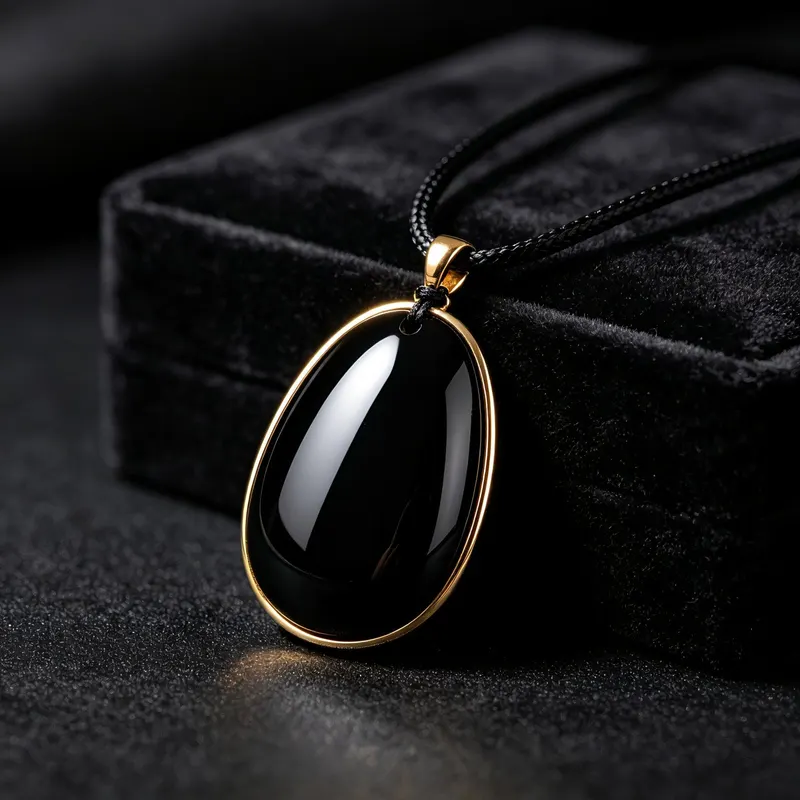
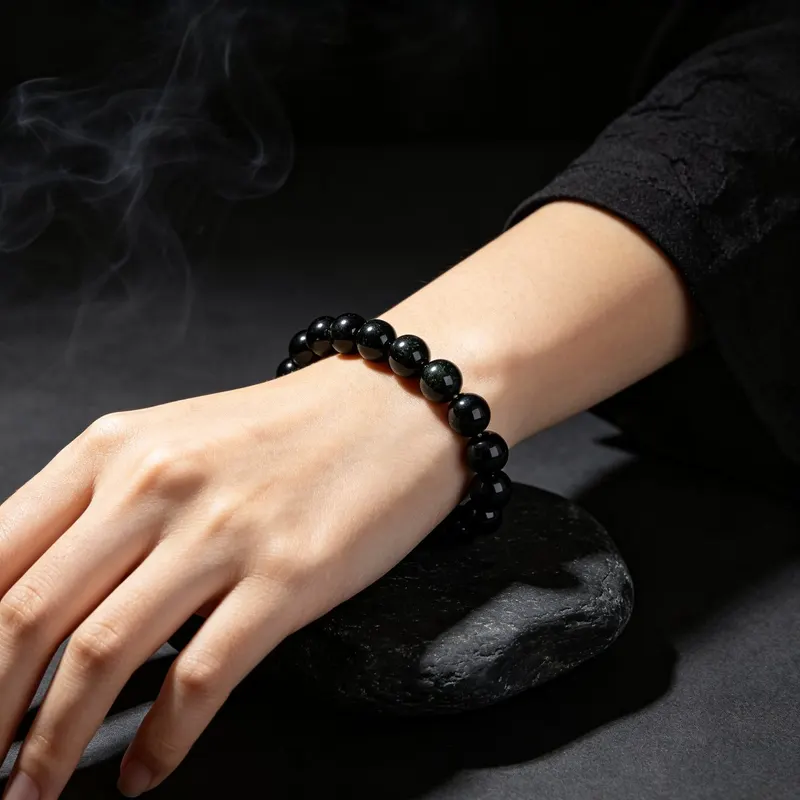
- Black obsidian is believed to support confronting and releasing what's held—the truths we've been avoiding. It's grounding and unflinching. A black obsidian teardrop pendant is a quiet, wearable reminder to face what's real.
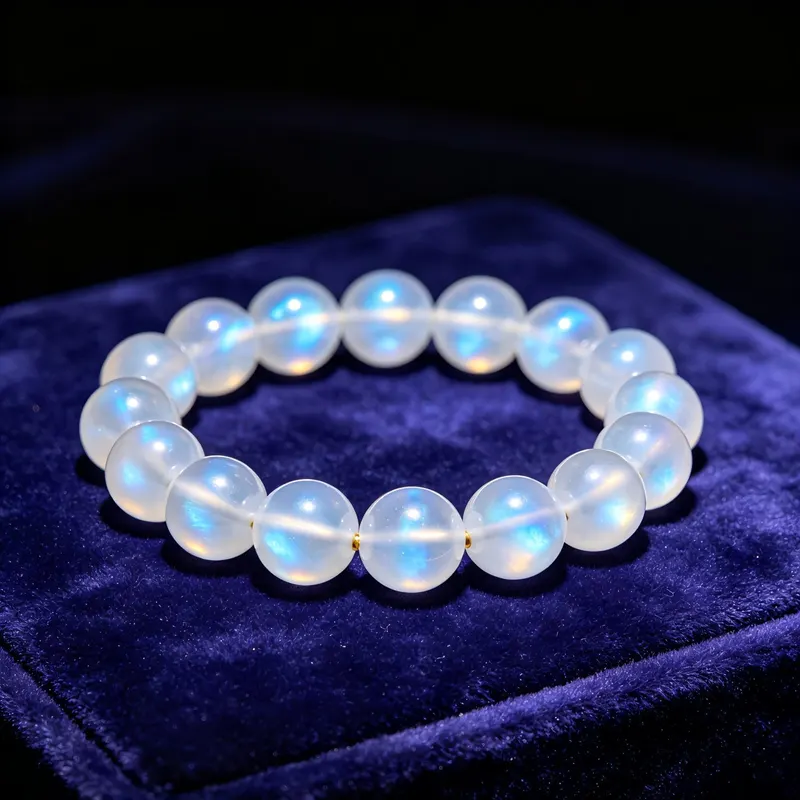
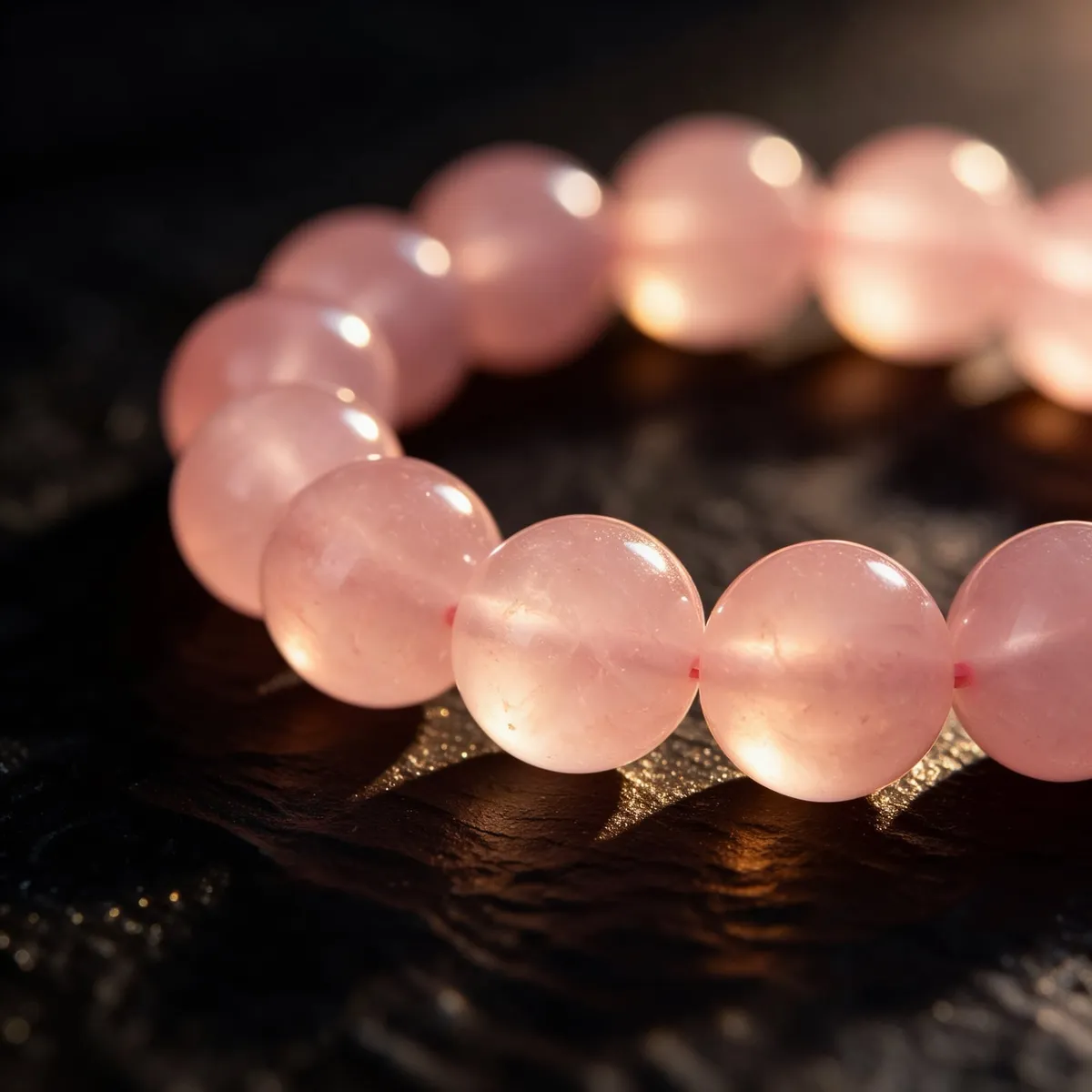
- Rainbow moonstone is traditionally tied to easing through cycles of change and new beginnings. If you're in the messy middle of a transition, a moonstone intuition bracelet can be a gentle anchor.
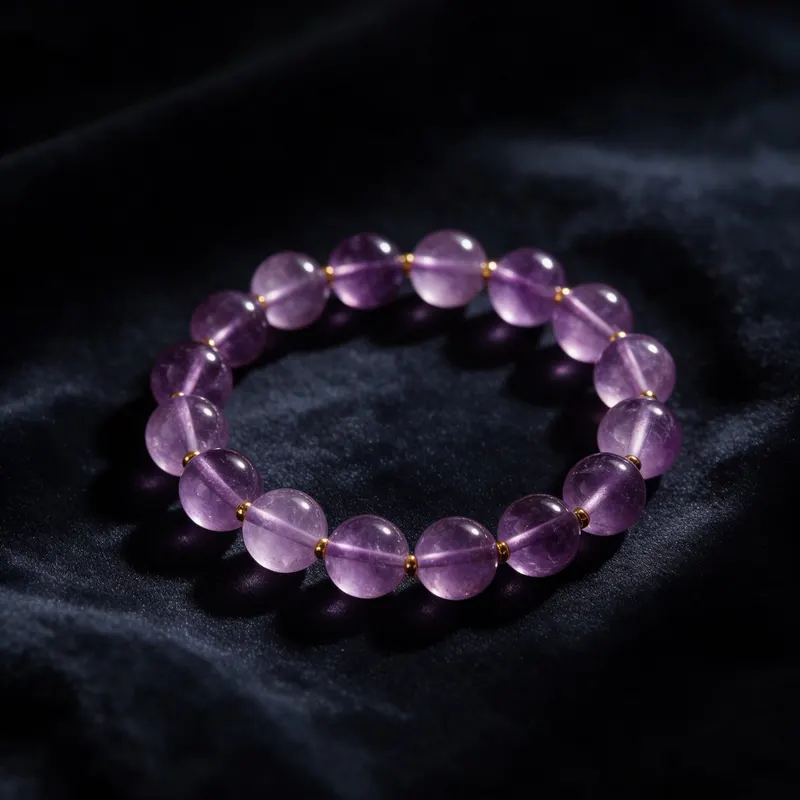
- Amethyst is often chosen for calm when the mind loops—replaying conversations, rehearsing what you should have said. An amethyst healing bracelet is a simple way to keep that calming intention with you.
If you're drawn to more than one, that's normal. Many people pair a heart-centered stone with a grounding one—rhodonite for tenderness, obsidian for resolve.
How to Choose: A Quick Comparison
Use this table to match the stone to your situation. There's no wrong answer—just a starting point.
| Stone | Traditionally associated with | Best for | Wear or keep |
|---|---|---|---|
| Rhodonite | Emotional balance, forgiveness, heartache | Releasing a relationship or old resentment | Ring or pocket stone |
| Black obsidian | Grounding, protection, truth-telling | Facing what you've avoided; setting a boundary | Pendant |
| Rainbow moonstone | Intuition, cycles, new beginnings | Transitions and in-between seasons | Bracelet |
| Amethyst | Calm, clarity, quieting a looping mind | Overthinking and nighttime worry | Bracelet or cluster for an altar |
If you're new to crystals entirely, a healing crystal starter kit is a low-pressure way to begin—you can hold each stone and notice which one you reach for without thinking.
A Gentle Release Ritual
This ritual takes about ten minutes. You can do it once, or return to it whenever the release feels unfinished.
- Set the space. Find a quiet spot. Dim the lights if you can. Hold your stone in your non-dominant hand.
- Breathe first. Take five slow breaths before you name anything. The breath is the real work; the stone is the anchor.
- Name what you're releasing. Silently or aloud, say it plainly: "I am releasing ___." You don't need to explain it to anyone.
- Name what you're making room for. Release needs a destination. "I am making room for ___." Keep it small and true.
- Close gently. Hold the stone a moment longer, then set it down. Wash your hands or step outside—a small physical signal that the ritual is complete.
Be tender with yourself. Some days the ritual will feel like relief; other days it will feel like nothing. Both are fine. For deeper support, see our guides to grief and loss, heartbreak healing, and new beginnings.
The traditional view, and what is verifiable
Crystal traditions are rich, but they're not the same as measurable facts. Here's how we separate the two, so you can practice with clear eyes.
What the tradition says
Rhodonite has long been associated with the heart and with forgiveness; obsidian with protection and truth; moonstone with intuition and cycles; amethyst with calm and clarity. These are cultural and spiritual associations—beliefs passed down, not claims we can test. They may support your own reflection, but they don't guarantee any outcome.
What we can verify
- Hardness (Mohs scale): Amethyst and clear quartz sit around 7, so they resist scratches well. Rhodonite is roughly 5.5–6.5 and moonstone around 6—both softer and more prone to scratching. Obsidian is about 5–5.5 and can chip at edges.
- Water sensitivity: Moonstone and rhodonite should not be soaked or left wet for long periods. Obsidian and amethyst tolerate brief rinsing but shouldn't sit in water.
- Sunlight: Amethyst can fade with prolonged direct sun. Keep it out of a bright windowsill for long stretches.
- Care basics: Store softer stones separately from harder ones to avoid scratches. Clean with a soft dry cloth. Avoid harsh chemicals, perfumes, and ultrasonic cleaners on softer or porous stones.
None of this diminishes the ritual. It simply means you can care for your stone well and hold realistic expectations at the same time.
Sizing, Care, and What to Look For
A few practical notes so your stone lasts and fits the way you want it to.
- Bracelets: Measure your wrist snugly with a soft tape, then add about half an inch for comfort. Most beaded bracelets sit around 7–7.5 inches; if you're between sizes, size up.
- Rings: Get sized at a jeweler if you can—stone rings can't always be resized easily.
- Pendants: Check the chain length against a necklace you already love. A 16–18 inch chain sits near the collarbone; 20 inches and up drops lower.
- What to look for: Even color, a smooth polish, and no obvious cracks or pits. Natural variation—banding, inclusions, slight color shifts—is normal and often a sign of a genuine stone.
- Realistic pricing: Beaded bracelets typically run from about $20 to $60; sterling silver pendants from roughly $40 to $120; gold-plated pieces and rings vary more widely. Very low prices often mean dyed, treated, or synthetic material.
FAQ
People Also Ask
Which crystal is best for letting go?
Rhodonite for emotional balance and black obsidian for release are commonly chosen. If you're in a transition, moonstone is a gentle alternative; for a looping mind, amethyst.
How long does letting go take?
There is no timeline. Use the stone as a gentle anchor rather than a deadline, and return to the ritual whenever you need to.
Can crystals heal a broken heart?
They offer comfort and ritual, not a cure. Lean on loved ones and professional support when you need it.
How do I cleanse or recharge my stone?
Many people use moonlight, sound, or a selenite wand. A selenite cleansing wand is a simple, dry option that won't expose softer stones to water.
Browse the Curated Collection
Explore the full edit here: Love & Relationships Collection →
Rhodonite Heart Ring · Black Obsidian Protection Pendant · Moonstone Intuition Bracelet · Amethyst Healing Bracelet
Keep Exploring
Grief & Loss Crystals · Heartbreak Healing · New Beginnings Crystals
Crystals are intended to support personal and spiritual well-being and are not medical devices. They do not diagnose, treat, cure, or prevent any disease. If you are struggling with your mental or physical health, please reach out to a qualified professional.