Why More Men Are Carrying Crystals
Maybe you've noticed a beaded bracelet on a coworker's wrist, or a smooth dark stone sitting on a friend's desk, and wondered whether it's a real practice or just a trend. Maybe you're drawn to the idea of a physical anchor for focus or calm but don't want anything that reads as flashy, mystical, or fragile. That's the situation this guide is written for.
Crystals don't require a belief system, a wardrobe change, or a set of rules. At their most practical, they're small, durable objects you can touch—a tactile cue that reminds you of a quality you want to bring into your day, whether that's staying level under pressure, following through on a project, or simply slowing down for one breath before a hard conversation. Many men find that a single stone worn on the wrist or carried in a pocket does more than a drawer full of them.
This guide covers which stones are traditionally associated with focus, grounding, and confidence, how to wear them without looking like you raided a gift shop, what to look for when buying, how to care for them, and—importantly—where the line sits between tradition and verifiable fact. No hype, no promises about outcomes.
Best Starter Stones for Men
These stones earn their place for three reasons: they're durable enough for daily wear, they look understated in matte or dark finishes, and they carry a long tradition of association with qualities men tend to want more of. Treat the descriptions as cultural shorthand, not guarantees.
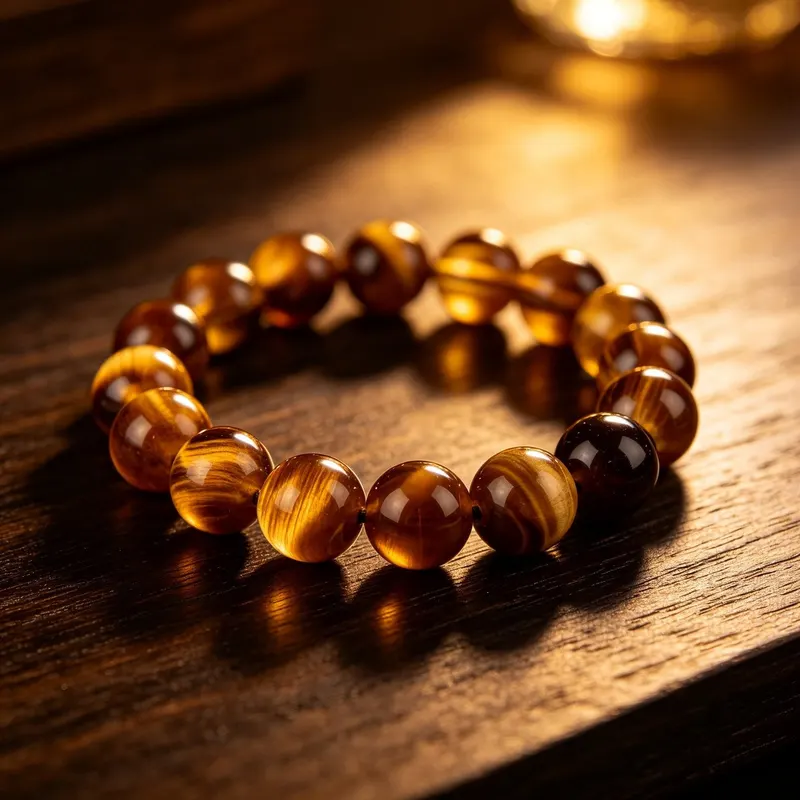
- Tiger's eye: Traditionally associated with grounded confidence and follow-through. Its chatoyant banding gives it visual depth without being loud—a favorite for work and workouts. A Tiger's Eye Confidence Bracelet is one of the easiest first purchases.
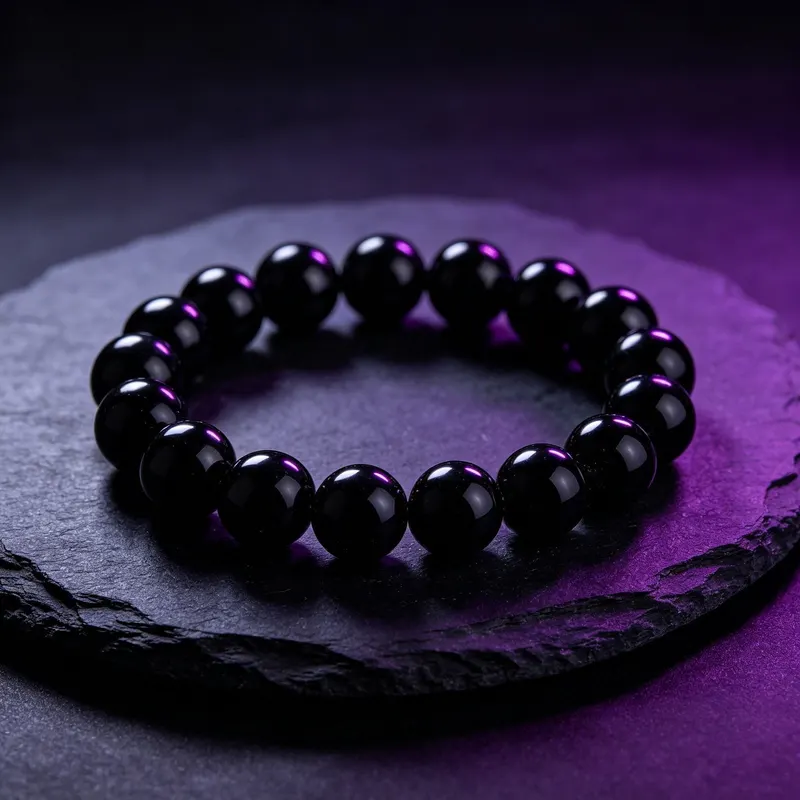
- Black tourmaline: Believed to be a shielding, grounding stone—popular for stressful environments and screen-heavy days. A Black Tourmaline Protection Bracelet reads as plain black jewelry at a glance.
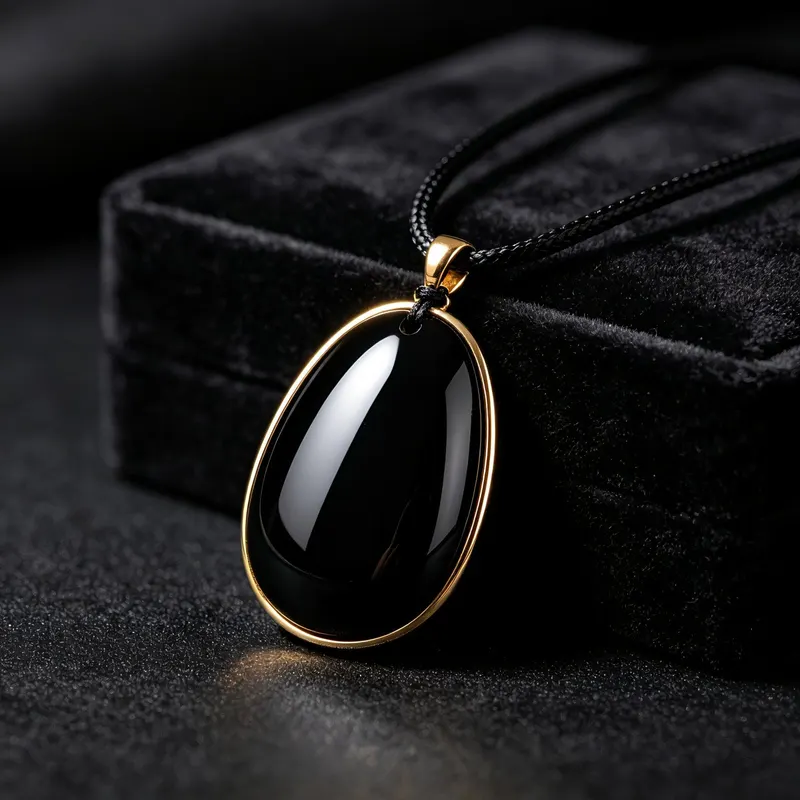
- Black obsidian: A protective, no-nonsense stone that invites mental clarity and honest self-reflection. The Black Obsidian Teardrop Protection Pendant works well under a shirt collar.
- Hematite: Cool, weighty, and traditionally grounding. Its metallic sheen and heft make it feel substantial rather than decorative.
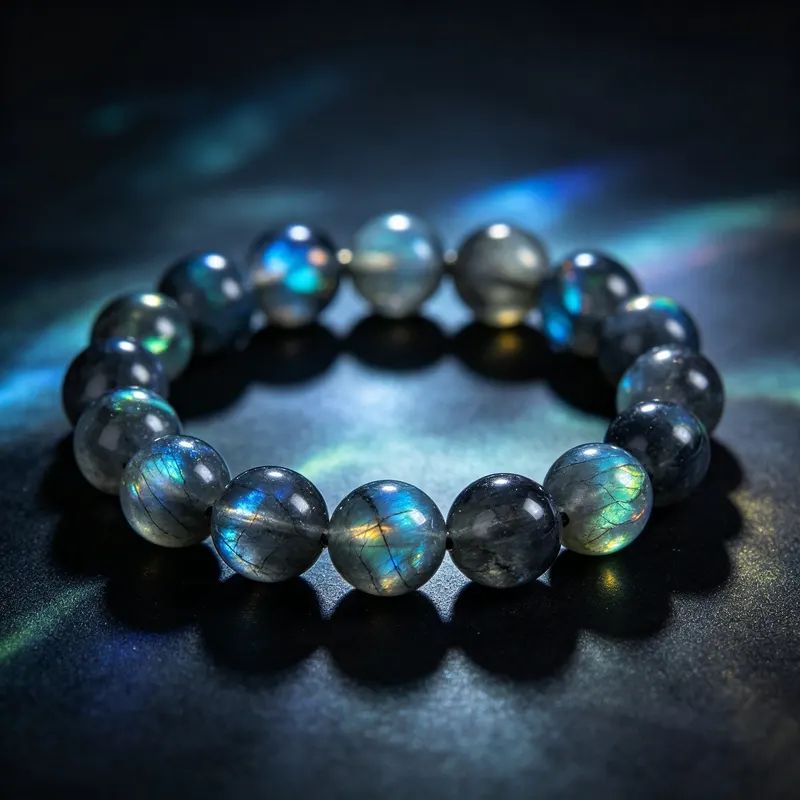
- Labradorite: For those who want something with more visual interest, labradorite flashes blue and gold and is traditionally associated with intuition. A Labradorite Bracelet is a good middle ground between subtle and striking.
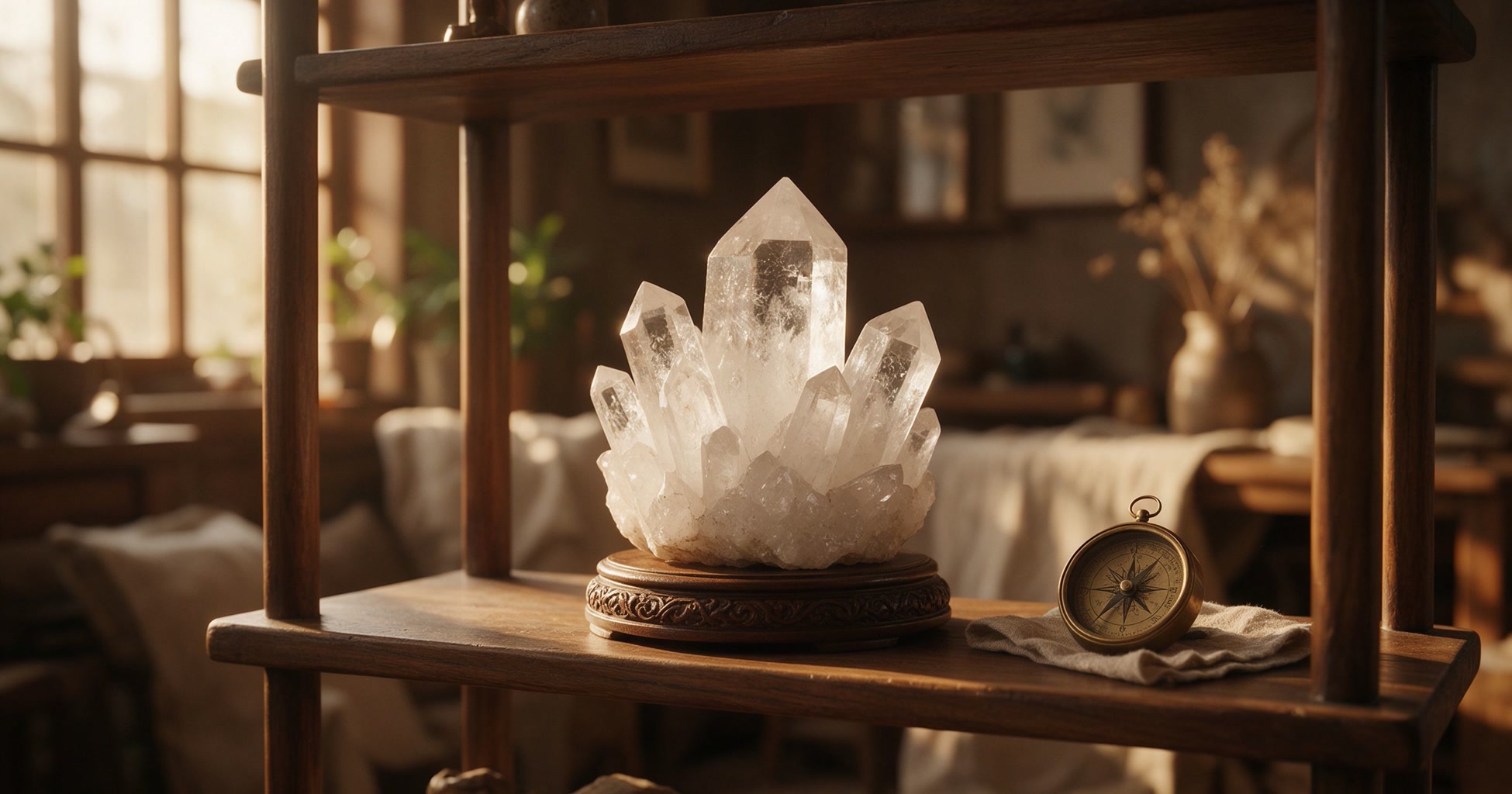
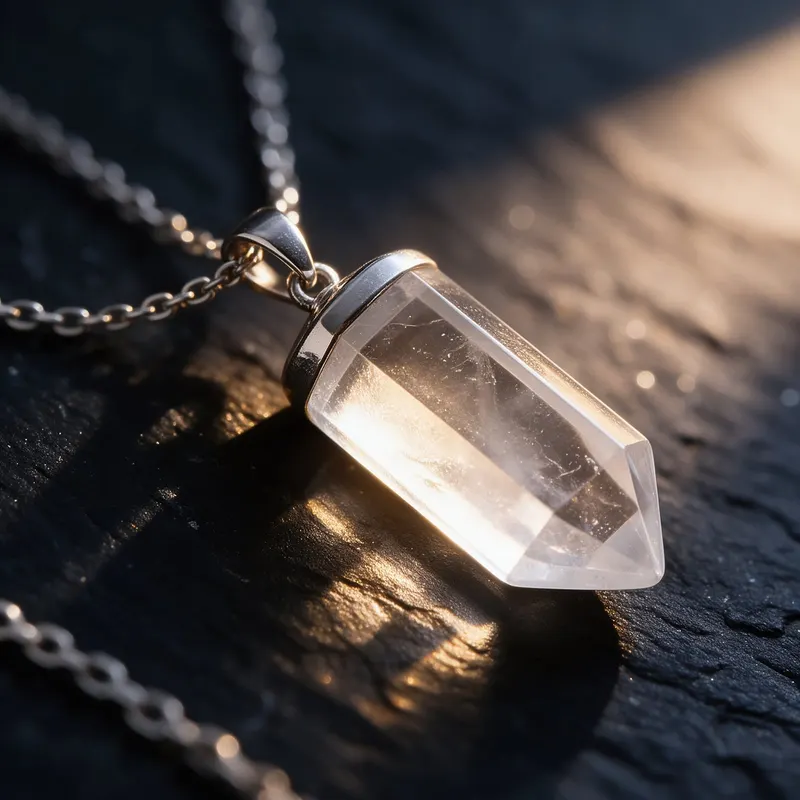
- Clear quartz: The most neutral option—colorless, versatile, and traditionally associated with clarity. A Clear Quartz Point Pendant pairs with almost anything.
Choosing Your Stone: A Quick Comparison
Use this table to match a stone to a real goal rather than a vague vibe. "Traditional association" reflects lore and common practice, not clinical evidence.
| Stone | Traditional association | Best format for men | Everyday durability | Typical price range |
|---|---|---|---|---|
| Tiger's eye | Confidence, focus, follow-through | Beaded bracelet | High (Mohs 6.5–7) | $25–$60 |
| Black tourmaline | Grounding, protection | Bracelet or pocket stone | High (Mohs 7–7.5) | $25–$60 |
| Black obsidian | Protection, clarity, truth | Pendant | Moderate (Mohs 5–5.5; chips) | $30–$70 |
| Hematite | Grounding, steadiness | Bracelet | Moderate (brittle, heavy) | $20–$50 |
| Labradorite | Intuition, transformation | Bracelet | Moderate (Mohs 6–6.5) | $30–$70 |
| Clear quartz | Clarity, focus | Pendant | High (Mohs 7) | $35–$90 |
Prices vary with bead size, metal findings (sterling silver and gold-plated hardware cost more), and stone quality. Be cautious of anything priced far below these ranges—it's often glass, dyed stone, or resin. Be equally cautious of anything priced far above without a clear reason, like certified natural origin or hand-finished metalwork.
How to Wear Them Discreetly
A matte beaded bracelet is the simplest entry point—at 8mm beads it reads as understated jewelry, and at 6mm it nearly disappears under a cuff. A tiger's eye bracelet pairs naturally with a watch on the opposite wrist. A black obsidian pendant or black tourmaline bracelet is quietly versatile with a T-shirt, a button-down, or gym clothes.
A few practical styling notes:
- One piece at a time. A single bracelet or pendant looks intentional; three look like a costume.
- Match the finish, not the stone. Matte beads suit casual wear; polished stones and silver or gold-plated findings dress up.
- Mind the wrist. If you wear a watch, put the bracelet on the other wrist to avoid scratching both.
- Size matters. Measure your wrist with a soft tape or a strip of paper, then add about half an inch for a comfortable fit. Most beaded bracelets are strung on elastic and run 7–8 inches; a pendant chain of 20–22 inches sits at the collarbone, while 24 inches drops below a shirt collar.
For more on pairing and layering, see our guide to wearing crystal bracelets.
A Practical Daily Routine
The value of a stone lives in the habit around it, not the stone itself. Choose one intention for the day—stay calm in a difficult meeting, finish the report, keep your temper in traffic—and put the bracelet on as a physical cue. When tension rises, touch the beads and take one slow breath. That's the whole practice. It works because it interrupts autopilot, not because of anything supernatural.
If you prefer a pocket stone, keep it in the same pocket every day so the reach for it becomes automatic. Some men keep a small stone on the desk and pick it up before opening email; others keep one in the car. Consistency matters more than the specific object.
What lore says — and what the evidence shows
Crystal lore is old and varied, and it's worth separating what people have believed for centuries from what you can actually check with your own eyes and hands. Here's the honest split.
Traditional associations (lore, not evidence)
- Tiger's eye is traditionally associated with courage and clear thinking; black tourmaline with protection and grounding; obsidian with truth and boundary-setting; hematite with steadiness; labradorite with intuition; clear quartz with clarity.
- Many traditions hold that stones should be "cleansed" or "charged"—by moonlight, sunlight, sound, or contact with another stone like selenite—between uses. This is a ritual practice, not a measurable effect.
- Some believe certain stones "amplify" intentions or attract specific outcomes. We don't make those claims, and no credible evidence supports them.
What you can verify
- Hardness. The Mohs scale is a real, testable measure. Quartz-family stones (tiger's eye, clear quartz, amethyst) sit around 7 and resist scratching; obsidian is volcanic glass at roughly 5–5.5 and chips more easily; hematite is brittle despite feeling heavy.
- Water sensitivity. Selenite dissolves in water and should never be soaked. Hematite can rust if left wet. Porous or dyed stones may fade. Most quartz-family stones tolerate a quick rinse, but a dry soft cloth is safer for everything.
- Sunlight sensitivity. Amethyst, rose quartz, and fluorite can fade with prolonged direct sun. Store them away from a sunny windowsill.
- Care basics. Wipe with a soft dry or slightly damp cloth, avoid harsh cleaners and ultrasonic machines on soft or treated stones, and check elastic bracelets for wear every few months—restring or replace before it snaps.
- What "natural" means. Reputable sellers will tell you whether a stone is natural, heat-treated, dyed, or synthetic. Ask. A clear answer is a good sign; vagueness is not.
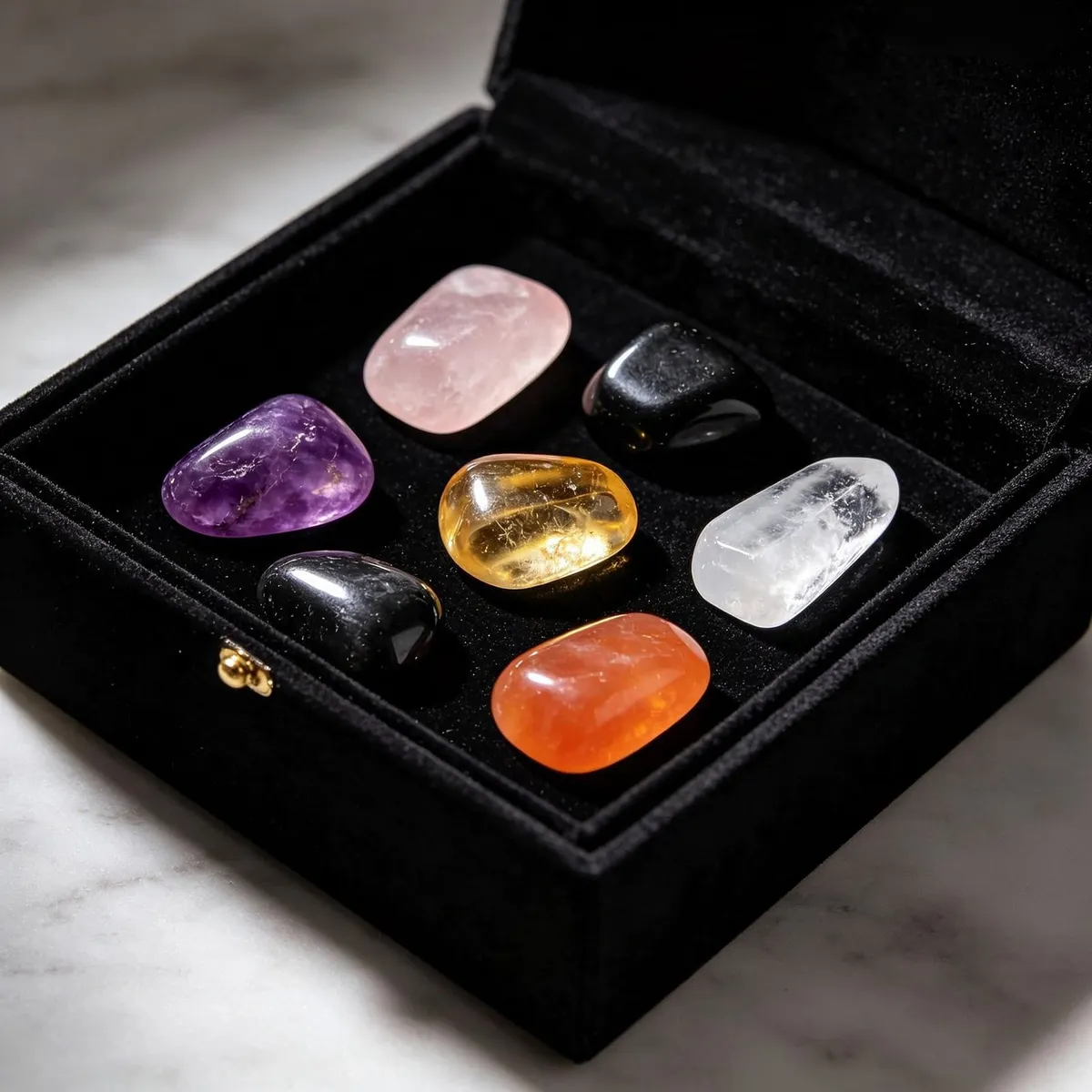
If you want to try the ritual side, a Selenite Cleansing Wand is the traditional tool for it—just keep it dry. And if you're building a small collection rather than buying one piece, a Healing Crystal Starter Kit gives you seven labeled stones plus a guide, which is a cheaper way to learn what you actually reach for.
What to Look For When Buying
- Consistent color and pattern. Natural stones vary, but wild inconsistency within a single strand can signal dye or glass.
- Weight and temperature. Real stone feels cool and dense in the hand; plastic and resin feel warm and light.
- Clean drill holes. Chipped or rough holes suggest cheap finishing and predict early breakage.
- Honest hardware. Sterling silver and gold-plated findings are worth the extra cost if you wear the piece daily; "gold color" usually means plated base metal that will wear through.
- A clear return policy. Buy from sellers who let you send it back if the stone isn't what the photos promised.
Build From One Stone
Start with a single stone that matches a real goal—confidence, focus, or calm—rather than a dozen. Wear it for a few weeks and notice whether the habit sticks. If it does, add a second piece that serves a different purpose, like a grounding stone for stressful days alongside a confidence stone for work. Our confidence guide and grounding guide can help you narrow the choice.
FAQ
People Also Ask
What is the best crystal for men to start with?
Tiger's eye for confidence or black tourmaline for grounding are durable, understated first choices. Both resist scratching and look like plain jewelry, so there's no awkward adjustment period.
How should men wear crystals?
A single matte beaded bracelet or a discreet pendant is the most popular, low-key option. Measure your wrist and add about half an inch for comfort; for pendants, a 20–22 inch chain sits at the collarbone and a 24 inch chain drops below the collar.
Do you have to believe in crystals for them to help?
No. Many people value them simply as a mindful, tactile reminder of an intention. The benefit, if any, comes from the habit of pausing and refocusing—not from the stone itself.
How do I clean and care for a crystal bracelet or pendant?
Wipe it with a soft dry cloth after wear, keep it away from harsh cleaners and prolonged direct sun, and never soak selenite or leave hematite wet. Check elastic every few months and restring before it fails.
Shop the Stones
- Tiger's Eye Confidence Bracelet
- Black Obsidian Teardrop Protection Pendant
- Black Tourmaline Protection Bracelet
- Labradorite Bracelet for Intuition & Transformation
- Clear Quartz Point Pendant Necklace
Keep Exploring
Crystals for Confidence · Crystals for Grounding · How to Wear Bracelets
Crystals are intended for reflection and personal ritual; they are not medical devices and do not diagnose, treat, cure, or prevent any disease. If you are struggling with your mental or physical health, please reach out to a qualified professional.