Set the Tone Before the World Begins
Most mornings, the day starts before you do. The alarm goes off, your hand finds your phone, and within ninety seconds you're already inside someone else's agenda—emails, headlines, group chats, the small urgencies that multiply by the hour. By the time you've had coffee, the tone of the day has been set for you rather than by you.
A grounding morning routine is simply a deliberate pause placed before all of that. It doesn't require an hour of silence or a redesigned life. For many people, it starts with a single object held in the hand: a crystal that serves as a physical cue to breathe, name an intention, and step into the day on purpose rather than on reflex.
This guide walks through which stones suit different morning goals, how to build a five-minute ritual that actually survives a busy schedule, how to choose and care for your pieces, and what the tradition claims versus what we can reasonably verify. If you're new to working with crystals, start small—one stone, one intention, one week—and let the habit form before you add anything else.
Why a Morning Ritual Works Better With a Physical Anchor
Habits stick when they have a reliable trigger. Brushing your teeth works because the toothbrush is right there, at the same time, every day. A crystal functions the same way: it's a tangible, visible object that signals "this is the moment I pause." Unlike an app, it doesn't buzz, notify, or invite you to scroll.
There's also something to be said for the tactile quality of the practice. Holding a cool, smooth stone and taking five slow breaths gives your hands and attention somewhere to land—useful first thing in the morning, when the mind is easily pulled in a dozen directions. Whether or not you ascribe specific energies to a stone, the object earns its place by making the pause repeatable.
Traditionally, different stones are associated with different qualities—warmth and momentum, calm and clarity, steadiness and resolve. Choosing one that matches the kind of morning you want to have is part of the ritual itself.
Morning Stones and What They're Traditionally Associated With
The four stones below are the classics for a morning practice, but they're not the only options. Match the stone to the day you're trying to create.
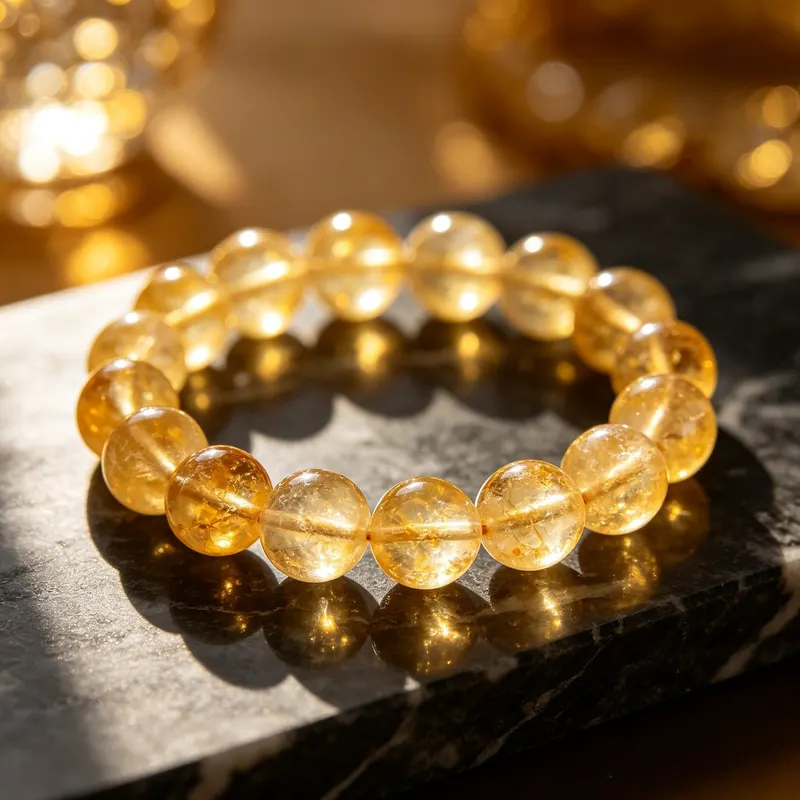
- Citrine — traditionally associated with sunny optimism, motivation, and a sense of lightness. A good fit if mornings tend to feel heavy or joyless.
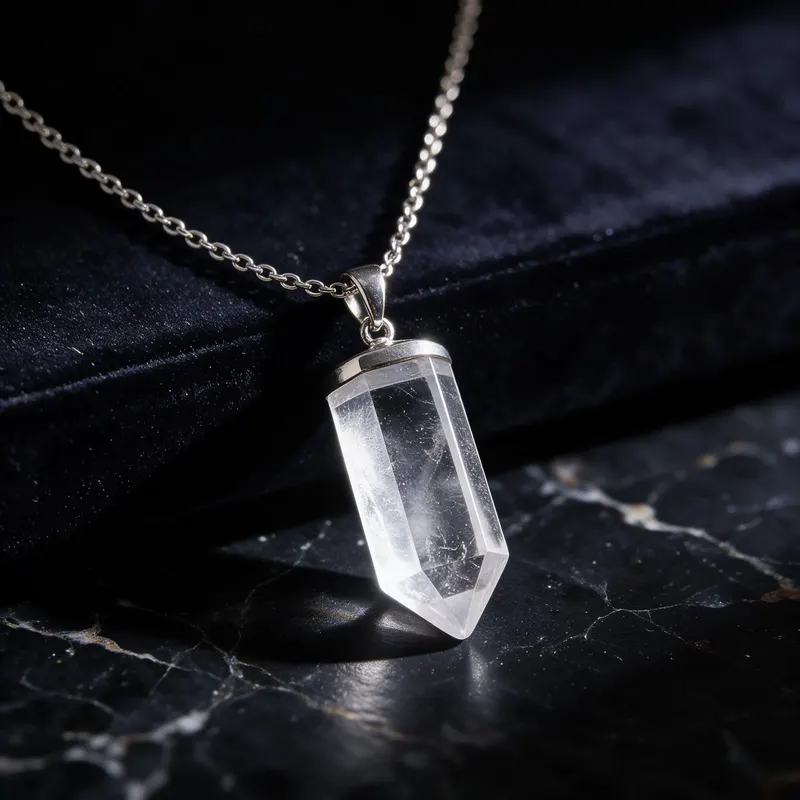
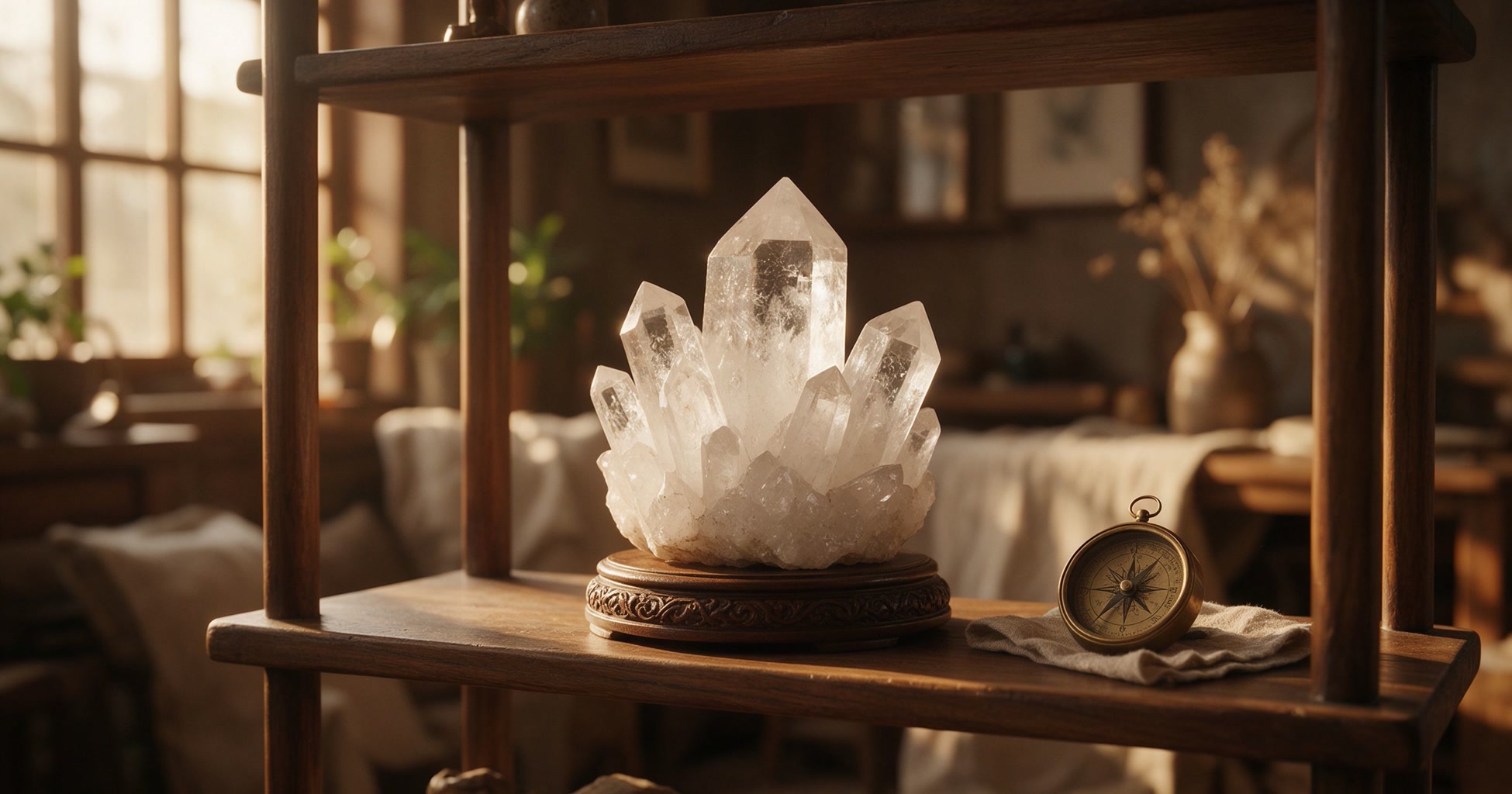
- Clear quartz — believed to be a "programmable" stone, often used to hold a single clear intention. If you like the idea of naming one word for the day, this is the natural choice.
- Carnelian — associated with warmth, creative energy, and forward motion. Useful when you need a push to start something rather than plan it.
- Tiger's eye — traditionally linked to grounded determination and steady focus. Suits task-heavy days and anyone who feels scattered by mid-morning.
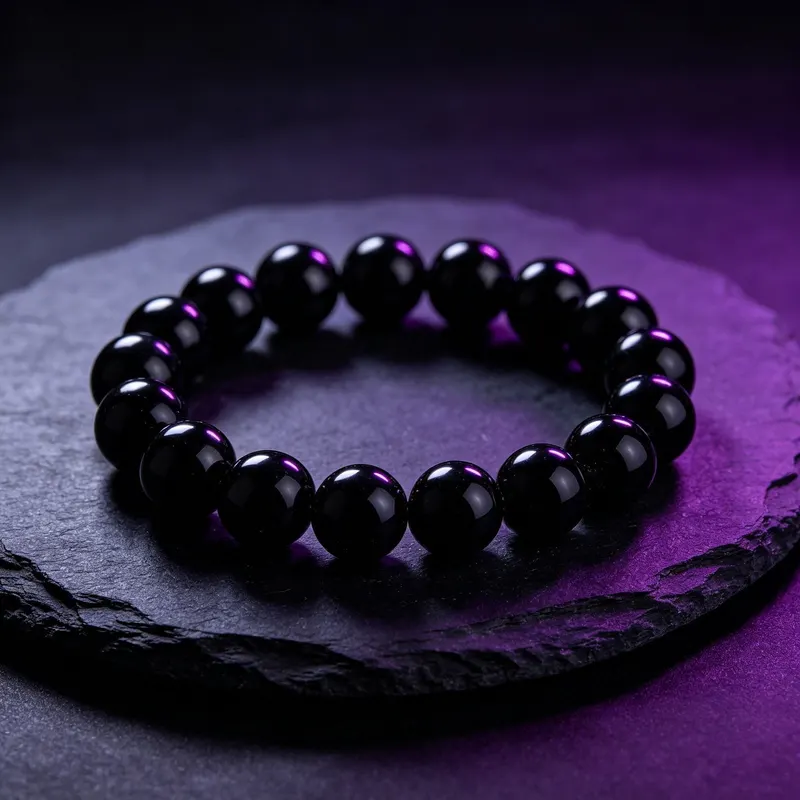
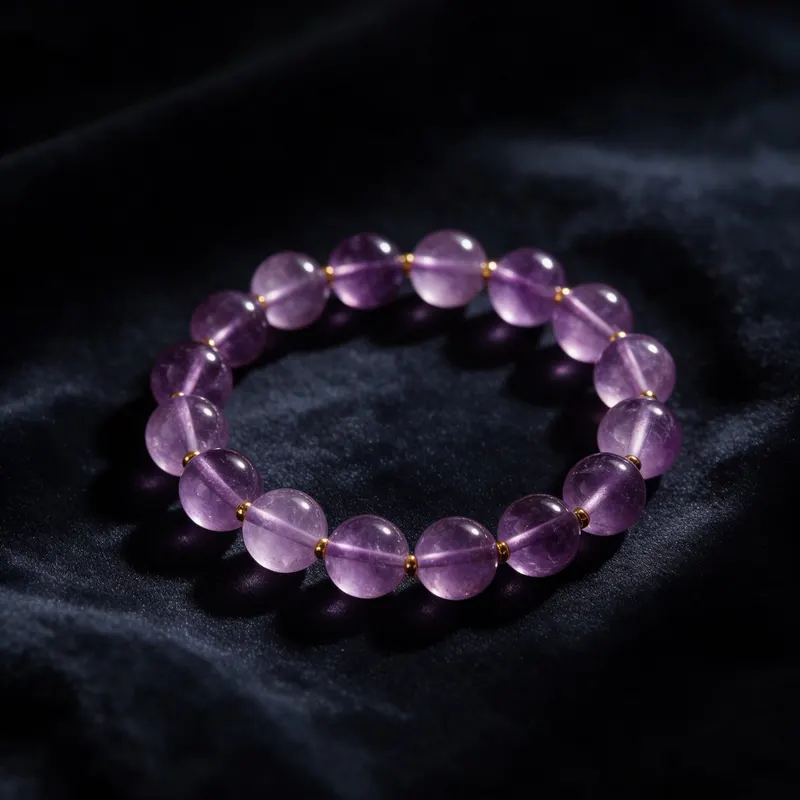
Two more worth knowing: Black Tourmaline Protection Bracelet for Grounding is a common pick for people who wake up anxious or anticipate a difficult day, and Amethyst Healing Bracelet for Calm & Clarity is often chosen for a slower, more reflective start. Neither is required—but if your mornings are more about settling than energizing, they're the better match.
A Quick Comparison
| Stone | Traditional Association | Best For | Typical Form |
|---|---|---|---|
| Citrine | Optimism, motivation, abundance | Low-energy or low-mood mornings | Bracelet, tumbled stone |
| Clear quartz | Clarity, intention-setting | Naming one goal for the day | Pendant, point, tumbled |
| Carnelian | Warmth, creativity, momentum | Starting a project; creative work | Bracelet, tumbled stone |
| Tiger's eye | Grounding, focus, courage | Busy task lists; difficult conversations | Bracelet, tumbled stone |
| Black tourmaline | Protection, grounding | Anxious or overwhelming mornings | Bracelet, tumbled stone |
| Amethyst | Calm, clarity, reflection | Slow, quiet, contemplative starts | Bracelet, cluster, tumbled |
A Five-Minute Morning Ritual
The version below is deliberately short. Consistency matters far more than length—five minutes every day will do more for you than twenty minutes once a week.
- Before you reach for your phone, pick up your stone. Keep it on your nightstand so it's the first thing your hand finds.
- Take five slow breaths. In through the nose, out through the mouth, a little longer on the exhale. Let your shoulders drop.
- Name one intention. A single word or short phrase—"steady," "patient," "begin," "finish the draft." Say it silently or out loud.
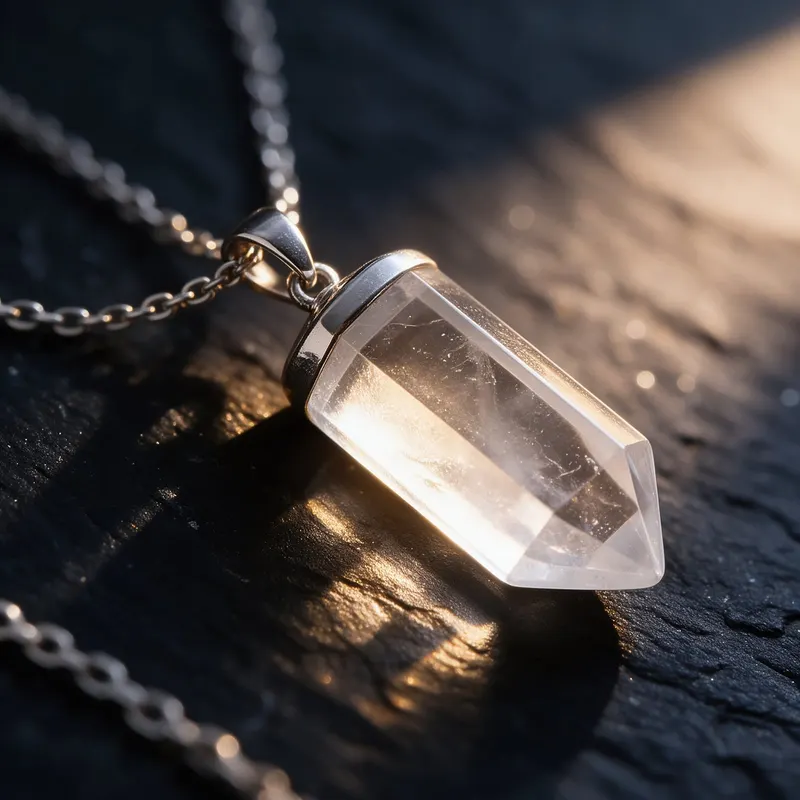
- Put the stone on or set it down where you'll see it. A bracelet like the Citrine Abundance Bracelet for Prosperity & Joy keeps the reminder on your wrist through the day; a pendant like the Clear Quartz Point Pendant Necklace, Sterling Silver works well if you prefer something you can touch discreetly during meetings.
- Only then check your phone. This last step is the whole point.
If you want to build out the practice, pair it with a spoken daily crystal affirmation, carry focus into work with focus crystals, and extend the energy to your desk using workspace crystals.
Variations for Different Mornings
- High-stakes day (presentation, interview, hard conversation): Tiger's eye in the morning, plus a grounding stone like black tourmaline you can slip into a pocket.
- Creative day: Carnelian, with the intention set to "start" rather than "finish."
- Anxious morning: Skip the energizing stones. Hold black tourmaline or amethyst and make the intention simply "breathe."
- Slow weekend: Keep a raw piece like the Raw Amethyst Cluster for Meditation & Altar on a bedside table or windowsill and use it as the focal point for a longer, quieter sit.
How to Choose Your Morning Stone
If you're buying your first piece, a short checklist will save you from a drawer full of stones you never use.
- Pick one goal, not five. Choose the stone that matches the morning you most often struggle with—energy, focus, or calm.
- Match the form to your day. Bracelets are the easiest for daily wear; pendants suit people who dislike things on their wrists; tumbled stones are best kept on the nightstand.
- Check the fit. For bracelets, measure your wrist with a soft tape and add roughly half an inch (about 1.25 cm) for a comfortable fit. Bead bracelets on elastic typically come in 7–8 inch sizes; if you're between sizes, size up.
- Look at the stone itself. Natural stones vary—citrine ranges from pale lemon to deep amber, tiger's eye should show a shifting "cat's eye" band of light when you tilt it, and clear quartz should be largely transparent with natural inclusions rather than perfectly uniform.
- Set a realistic budget. Bead bracelets in natural stone commonly run $20–$60; sterling silver pendants with a genuine stone typically $40–$120; small raw clusters $25–$70. Prices climb quickly with size, clarity, and metal quality. Be skeptical of "rare" stones sold far below market—and equally skeptical of inflated claims attached to high prices.
- Buy from sellers who describe the stone honestly—including treatments. Heat-treated amethyst sold as citrine, and dyed stones, are common in the market; a good seller will say so.
If you'd rather try several stones before committing, a Healing Crystal Starter Kit, 7 Stones + Guide lets you test which ones you actually reach for in the morning.
The lore, and what we can actually verify
Crystal traditions are old, varied, and largely oral. It's worth separating the lore from the practical, checkable facts—especially when you're deciding what to wear every day and how to care for it.
Traditional lore
In crystal and folk traditions, citrine is associated with warmth and abundance, clear quartz with clarity and intention, carnelian with vitality and creative drive, and tiger's eye with courage and grounded focus. These associations are cultural and symbolic. They are not scientific claims, and we don't present them as such. What we can say is that many people find a physical object useful as a cue for reflection and intention-setting—and that's a reasonable, low-stakes reason to keep one on your nightstand.
Verifiable facts: hardness, water, and sunlight
These are the practical details that determine whether your stone still looks good in a year.
- Mohs hardness. Clear quartz, amethyst, and citrine (all quartz family) sit at about 7 on the Mohs scale—durable enough for daily wear but scratchable by harder materials like diamond or sapphire. Carnelian and tiger's eye are around 6.5–7. Softer stones scratch more easily and are better kept off rings if you're hard on your hands.
- Water sensitivity. Quartz-family stones tolerate brief contact with water, but prolonged soaking isn't recommended—especially for bead bracelets strung on elastic, which weakens with repeated wetting. Selenite should never be soaked; it can dissolve or pit. Keep all stones out of chlorinated pools and hot water.
- Sunlight sensitivity. Amethyst and rose quartz can fade with prolonged direct sun exposure. Citrine is generally more stable but still best kept out of a sun-baked windowsill for months at a time.
- Chemicals and heat. Perfume, hairspray, lotions, and household cleaners can dull a polish or discolor beads. Put jewelry on last, after grooming, and take it off before cleaning or showering.
- Cleaning. A soft, slightly damp cloth is enough for most pieces. Dry thoroughly, especially around elastic and metal fittings.
None of this is mystical—it's just materials care. Treat your stone like a nice piece of jewelry and it will last.
FAQ
People Also Ask
What crystal is best for morning energy?
Citrine and carnelian are traditionally associated with warm, motivating energy, while clear quartz is often used to anchor a single intention for the day. If your mornings feel anxious rather than flat, a grounding stone like black tourmaline may suit you better.
Where should I keep the stone in the morning?
On your nightstand, so it's the first thing your hand finds before your phone. Hold it during a short breathing practice, then wear it or set it where you get ready so you see it again before you leave.
How long should the ritual take?
Three to five quiet minutes is enough. Consistency matters more than length—five minutes daily will serve you better than a longer practice you skip half the week.
How do I clean and care for a morning crystal?
Wipe it with a soft, slightly damp cloth and dry it thoroughly. Avoid prolonged soaking, harsh cleaners, perfume, and hot water. Store bracelets flat rather than hanging, which stretches elastic over time, and keep amethyst and rose quartz out of long direct sun.
Start Small, Stay Consistent
The most useful morning ritual is the one you'll actually do tomorrow. Choose a single stone that matches the kind of morning you want, keep it within arm's reach of your bed, and give yourself five unhurried minutes before the world gets a vote. If you'd like to explore further, browse the full Abundance & Success Collection, or start with the Tiger's Eye Confidence Bracelet for Focus & Courage if steady focus is your priority.
Crystals are intended for reflection and personal ritual; they are not medical devices and do not diagnose, treat, cure, or prevent any disease. If you are struggling with your mental or physical health, please reach out to a qualified professional.