A Fresh Start Is Exciting and Disorienting at Once
You signed the lease in a city where you don't yet know anyone. Maybe the boxes are still half-unpacked, the kitchen smells like someone else's cooking, and the street outside gets quiet at a time you're not used to. The first weeks after a solo move are a strange mix: genuine thrill at the blank slate, and a low hum of disorientation that shows up around 9 p.m. when there's no one to debrief the day with.
This is the part most moving advice skips. Logistics get solved—utilities, a mattress, a grocery store. What takes longer is the inner adjustment: building a sense of "home base" inside yourself while your external life is still taking shape. Many people find that a small, tactile ritual helps anchor that process. For some, that's a morning walk or a journal; for others, it's a stone in a pocket or on a nightstand that serves as a physical reminder of an intention—I am settling in, one day at a time.
This guide is about using crystals as part of that settling-in practice: which stones are traditionally associated with new beginnings, grounding, and courage; how to actually use them during the first month; and how to separate meaningful tradition from claims nobody can back up. Think of the stones as prompts for reflection, not solutions. The real work—routines, connections, patience—is yours, and it's the part that lasts.
Why a Grounding Ritual Helps During a Big Transition
When everything around you is unfamiliar, your attention is spent constantly—navigating, decoding, orienting. A ritual gives your nervous system a predictable cue that says this part is known. It doesn't need to be elaborate. A stone placed by the sink, held for a minute before you leave for work, or worn on the days you're doing something new can function as a small, repeatable anchor.
This is where crystals fit most honestly into a wellness routine: as objects of focus. Holding a cool, smooth stone and taking three slow breaths is a simple grounding exercise, and the stone makes it easy to remember to do it. Whether or not you feel anything "energetic," the habit of pausing is real, and it's the habit that does the work.
Transition Stones: What Each One Is Traditionally Associated With
Three stones come up again and again in the lore around fresh starts. Here's what tradition says—and how each might practically fit into a move.
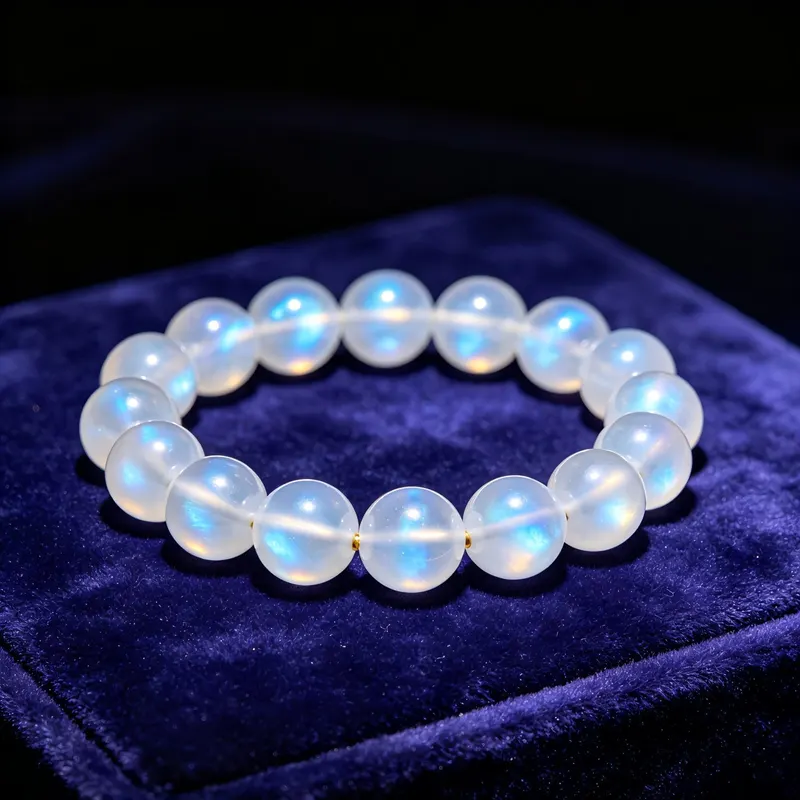
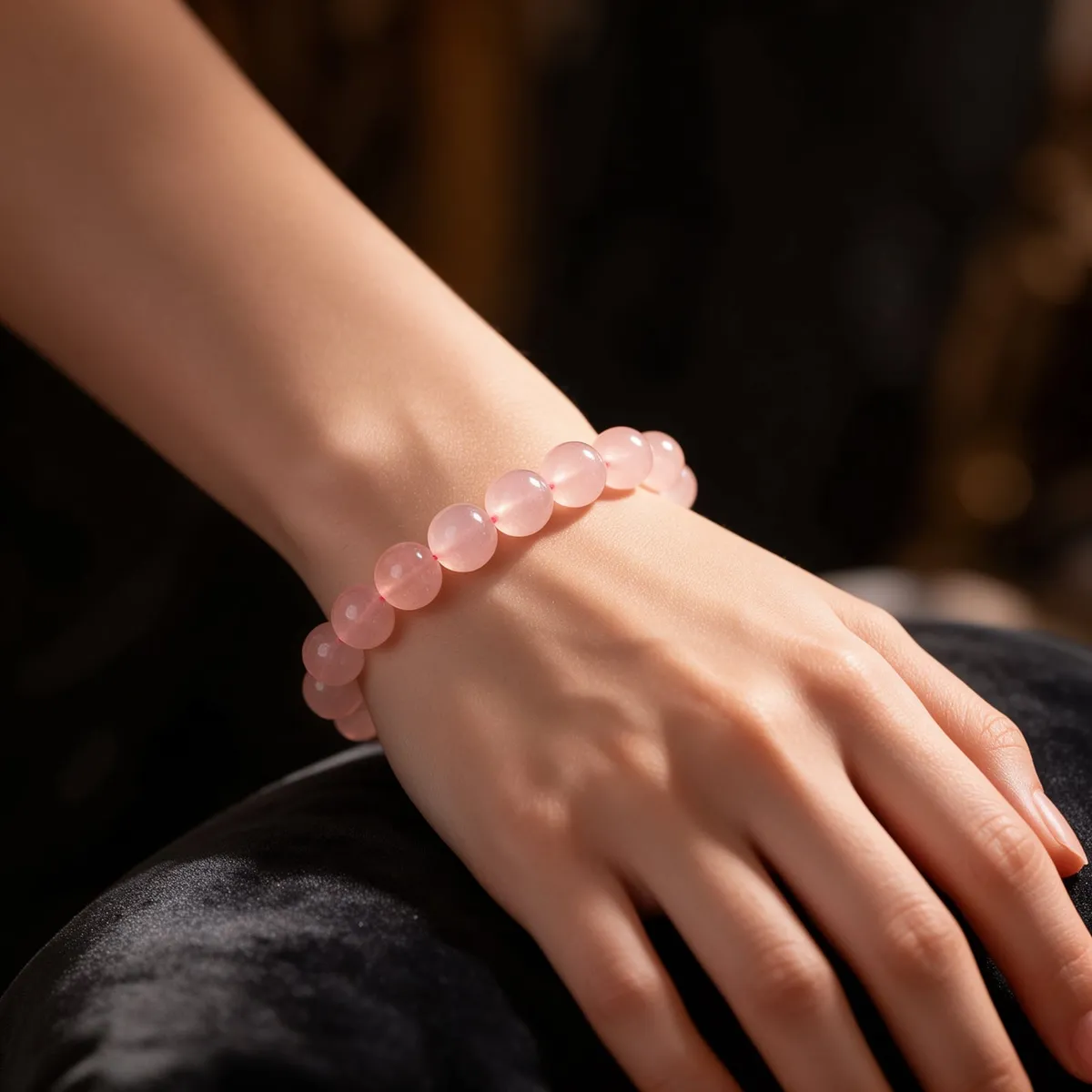
- Moonstone is the classic stone of new beginnings and cycles, traditionally associated with intuition and navigating change. A Rainbow Moonstone Bracelet for Intuition & New Beginnings is a natural first-month companion: wear it on days that feel like a threshold—your first commute, a first dinner alone at a restaurant, the day you finally unpack the last box.
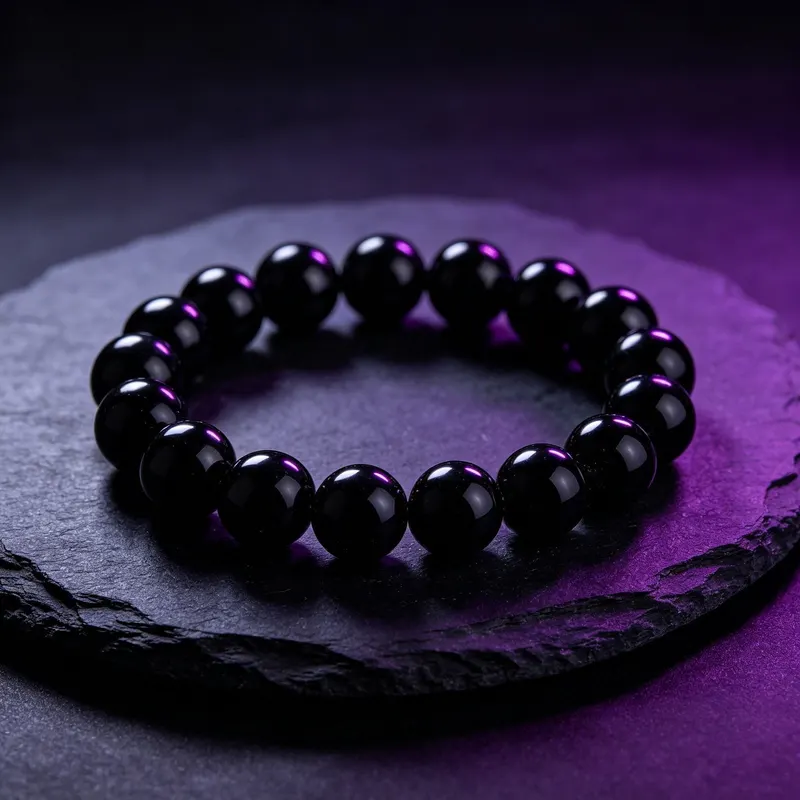
- Black tourmaline is believed to be a grounding and protective stone, which is why it's often recommended for unfamiliar environments. The Black Tourmaline Protection Bracelet for Grounding is easy to wear on commutes or keep in a pocket when you're walking home after dark in a neighborhood you don't know yet.
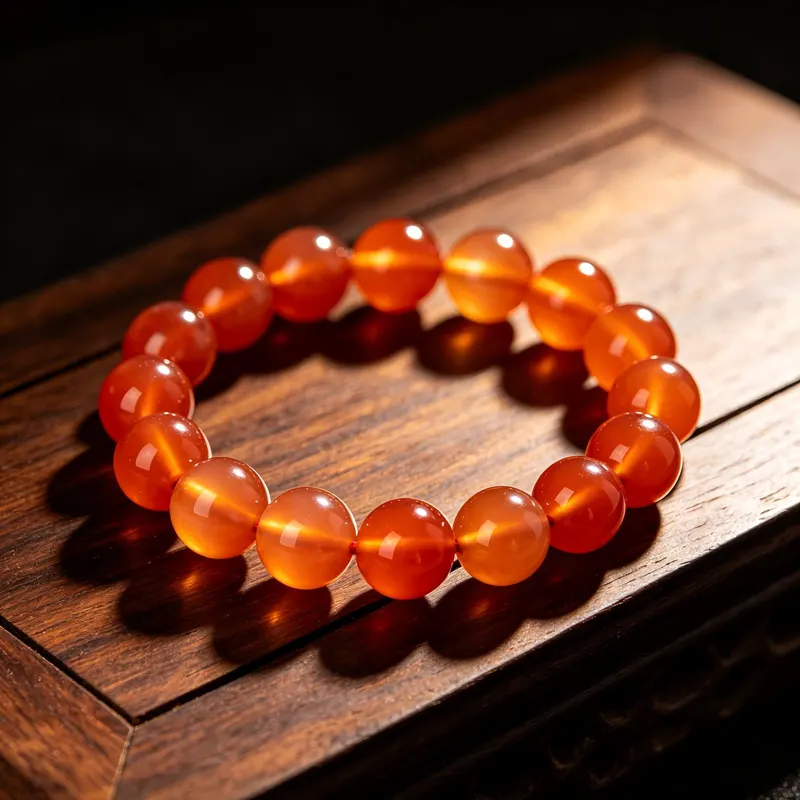
- Carnelian is traditionally associated with motivation, warmth, and the courage to take action—useful when "putting yourself out there" feels like a stretch. A Carnelian Creativity Bracelet for Motivation & Fire can serve as a nudge toward one small social action per week.
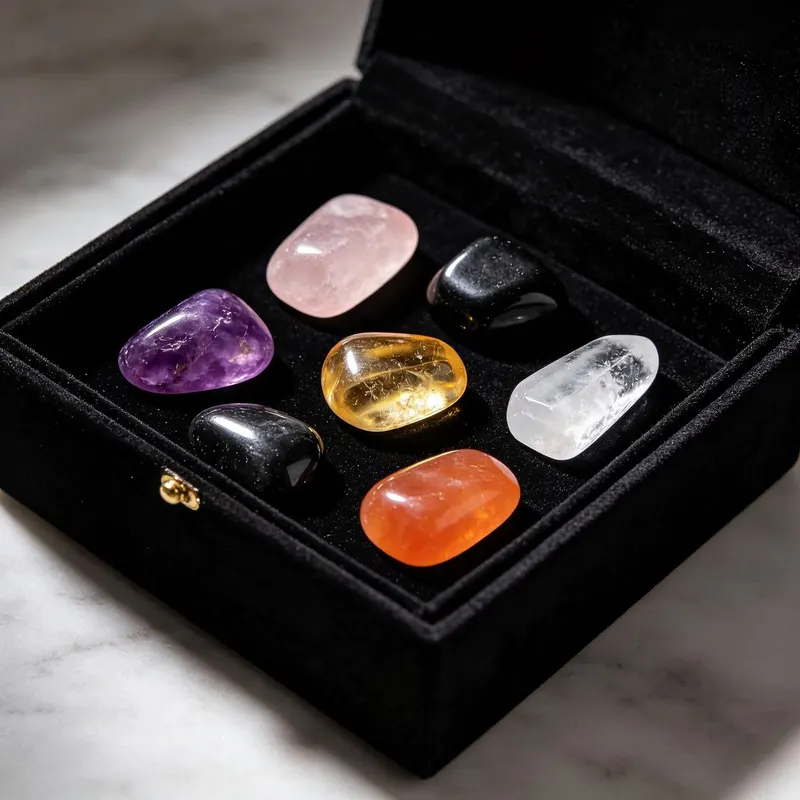
If you'd rather work with a single piece that covers the whole arc of a transition, a Healing Crystal Starter Kit, 7 Stones + Guide gives you a small library to experiment with—handy if you're not sure which stone you'll actually reach for.
Choose Your Stone: A Quick Comparison
There's no "correct" stone for a move—only the one whose association matches what you need most right now. Use this table to narrow it down.
| Stone | Traditionally associated with | Best moment to use it | Practical form |
|---|---|---|---|
| Moonstone | New beginnings, intuition, cycles | Threshold days: firsts, fresh starts, journaling at night | Bracelet or small tumbled stone |
| Black tourmaline | Grounding, protection, feeling safe | Commutes, walking home, unfamiliar spaces | Bracelet in a pocket or on the wrist |
| Carnelian | Motivation, courage, warmth | Before a class, meetup, or social event | Bracelet worn on "brave" days |
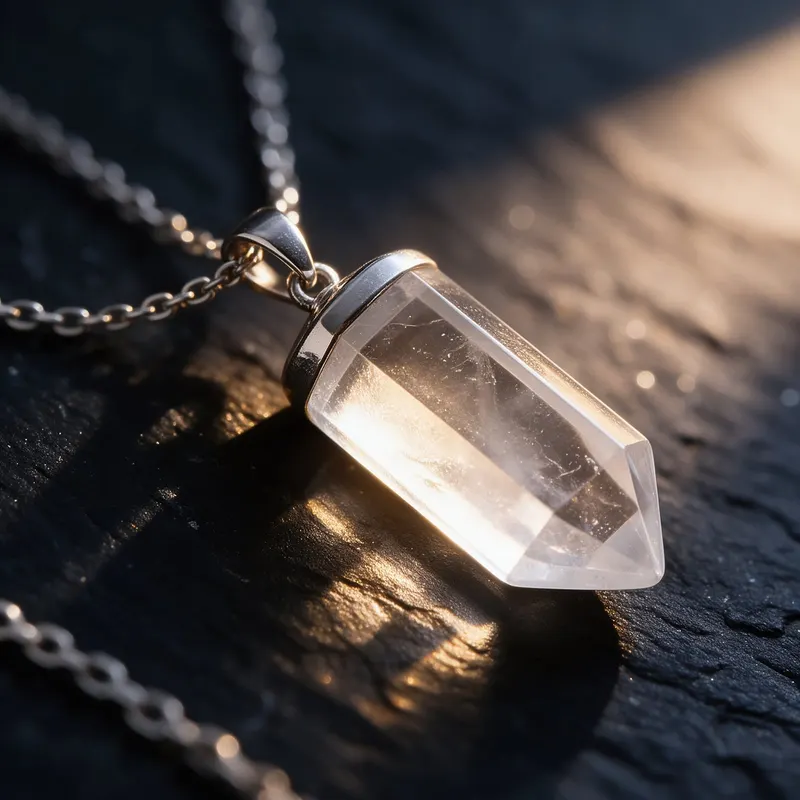
| Clear quartz | Clarity, focus, amplifying intention | Planning your week, decision-making | Pendant or point on a desk |
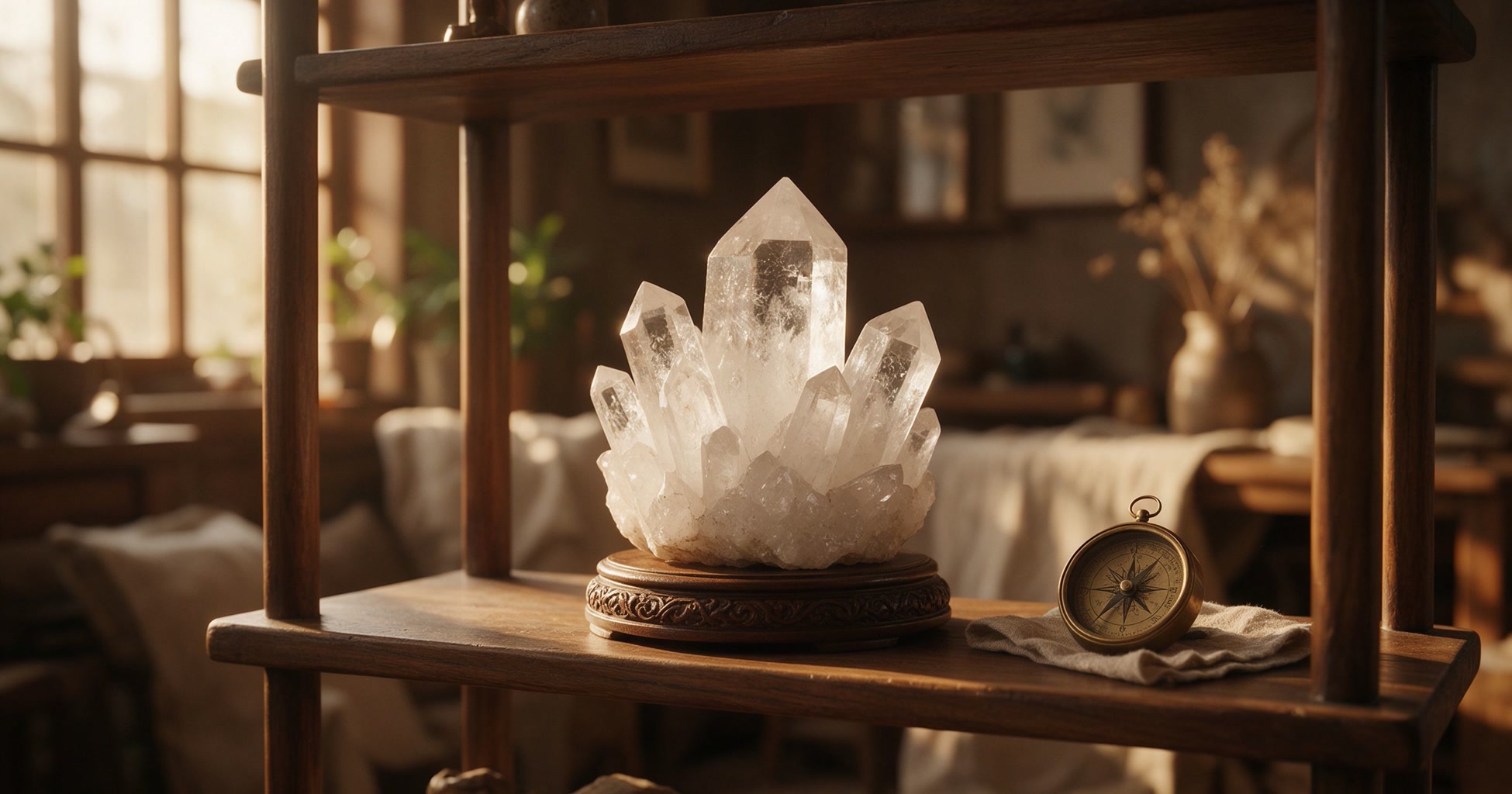
| Amethyst | Calm, reflection, winding down | Evenings when the apartment feels too quiet | Cluster on a nightstand or shelf |
Two other options worth knowing: Clear Quartz Point Pendant Necklace, Sterling Silver if you want something discreet you can wear daily while you plan and problem-solve, and a Raw Amethyst Cluster for Meditation & Altar if the loneliness hits hardest at night and you want a small evening wind-down ritual.
First-Month Anchors: A Practical Checklist
The stones only help if they're attached to actions. Here's a checklist to work through during your first four weeks—adapt it to your life.
- Build one daily constant. The same morning walk, the same café, the same bedtime ritual. Repetition is what turns a strange place into a familiar one.
- Wear or carry tourmaline on your first commutes until the routes feel known—then notice that they do.
- Use carnelian as a nudge: one small social action per week. A class, a meetup, a neighbor's invitation, a recurring event at a local shop. Small and repeated beats big and once.
- Keep a moonstone by your bed and spend two minutes at night naming one thing that went right that day.
- Stay in touch with old roots—schedule a call, send the voice note—while you grow new ones. Loneliness tends to ease as connection accumulates, not all at once.
- Learn three local landmarks near your home so you always have a mental map back.
- Give it 90 days before judging the move. The first month is logistics; belonging usually comes later.
What the old stories say — and what checks out
Crystals carry centuries of cultural meaning, and that meaning can be genuinely useful as a reflective tool. But it's worth being clear about which claims are tradition and which are testable facts—especially when you're spending money.
Traditional lore (belief, not evidence)
- Moonstone is traditionally associated with intuition and new beginnings.
- Black tourmaline is believed to ground and protect.
- Carnelian may support a sense of motivation and confidence.
These are cultural associations. They are not medical or psychological treatments, and no stone can promise a specific outcome—not a relationship, not a job, not a mood cure. What a stone can do is invite you to pause, set an intention, and follow through on a habit.
Verifiable facts (care and durability)
- Hardness matters. On the Mohs scale, quartz-family stones like amethyst and clear quartz rate 7; moonstone and labradorite around 6–6.5; carnelian around 6.5–7. Softer stones scratch more easily, so store bracelets separately rather than jumbled in a drawer.
- Water sensitivity. Selenite dissolves in water and should never be soaked. Moonstone and labradorite can be damaged by prolonged soaking or harsh cleaners. Black tourmaline and quartz are more water-tolerant, but quick rinses and a soft dry cloth are safer for everything.
- Sunlight. Amethyst, rose quartz, and fluorite can fade with prolonged direct sun. Display them away from a bright windowsill.
- Heat and chemicals. Remove bracelets before swimming in chlorinated pools, showering with harsh soaps, or applying perfume and lotion directly to the stone.
- Cleansing. A dry method—a soft cloth, a selenite wand nearby, or simply setting an intention—is safest for most pieces. A Selenite Cleansing Wand for Energy Clearing is a traditional tool for this and doubles as a gentle reminder to reset your space.
Crystals are for reflection and are not medical devices. If anxiety, low mood, or loneliness significantly affects daily life, please reach out to a qualified professional.
How to Choose—and What to Expect to Pay
Start with the association that matches your biggest need, not the prettiest photo. If you're anxious about safety in a new neighborhood, tourmaline is the obvious first pick. If your challenge is isolation, carnelian (paired with a real social plan) makes more sense. If the evenings are the hard part, amethyst or moonstone for a wind-down ritual.
On sizing: most beaded bracelets come in a standard 7–7.5 inch circumference, and many are strung on elastic. Measure your wrist with a strip of paper, add about half an inch for comfort, and check the product page for the actual measurement. For pendants, the chain length matters more than the stone size—16–18 inches sits near the collarbone, 20–24 inches hangs lower and works better over sweaters.
On price: tumbled stones and simple beaded bracelets typically run from about $15 to $50. Pendants in sterling silver or gold-plated settings usually land between $40 and $120. Larger raw clusters and display sets can go higher. Be wary of any listing that promises specific outcomes or uses vague "certified" language without naming the certifying body—reputable sellers describe the stone, the setting, and the measurements plainly.
FAQ
People Also Ask
Which crystal is best for a new beginning?
Moonstone is the classic new-beginnings stone, traditionally associated with cycles and intuition. Black tourmaline is often paired with it for grounding, and carnelian for the courage to explore. Many people use all three at different moments rather than choosing one.
How do I cope with loneliness after moving alone?
Routine, repeated visits to the same places, and small regular social actions build belonging over time—connection accumulates rather than arriving all at once. A grounding stone can serve as a calming anchor in the meantime, but it isn't a substitute for reaching out or, if loneliness becomes persistent and heavy, talking to a professional.
How do I cleanse or care for a new stone?
Keep it simple: wipe with a soft dry cloth, avoid prolonged soaking (especially for selenite, moonstone, and labradorite), keep amethyst and rose quartz out of direct sun, and store pieces separately to prevent scratches. A selenite wand placed nearby is a traditional cleansing method that won't damage most stones.
Can I wear my stones every day?
Yes, with common sense. Remove bracelets before swimming, showering with harsh products, or heavy cleaning, and check elastic strings periodically for wear. Wearing a stone daily is also what makes it useful as a ritual cue—it's the repetition that turns it into an anchor.
Browse the Collection
If you'd like to explore further, the Intuition & Spiritual Growth collection gathers stones traditionally associated with transitions and inner work. For more reading, see our guides on new beginnings, loneliness, and protection.
A Closing Note
A move alone is a real act of courage, and the disorientation you feel in the first weeks isn't a sign you chose wrong—it's what transition feels like from the inside. Let the stones be small, steady reminders of the intentions you set: to ground yourself, to reach out, to give the new city time. The belonging comes from the walks you repeat, the faces that become familiar, and the evenings you keep showing up for yourself. The stone in your pocket just helps you remember to begin.
Crystals are offered for wellness and reflection, not as medical or psychological treatment. If anxiety or low mood significantly affects daily life, please reach out to a qualified professional.