A Gentle Self-Care Gesture
If you're shopping for a baby shower, a postpartum visit, or a first Mother's Day, you already know the usual gift list runs to burp cloths, swaddles, and gift cards. Those are useful. But many new and expecting moms say the thing they quietly want is a small reminder that they, too, are being cared for. A crystal gift can fill that gap—not as a wellness cure, but as a calming keepsake, a tactile object to hold during a two-minute pause, and a visible cue to breathe.
This guide is written for the friend, sister, colleague, or partner who wants to give something thoughtful without overpromising. We'll cover which stones are traditionally associated with calm and self-compassion, how to choose a piece that actually suits a new mom's life (hint: it should survive being picked up one-handed), realistic price expectations, and the safety notes that matter when a newborn is in the house.
One framing note up front: a crystal is a gift of atmosphere and intention, not a health product. It invites rest and reflection. It does not replace sleep, support, or medical care—and the best gift-givers say so plainly.
Why Crystals Fit the New-Mom Moment
New motherhood is loud, fragmented, and physically demanding. A crystal gift works best when it's framed as a small ritual object: something to set on the nightstand, slip into a pocket, or hold during a feed. Many people find that a beautiful, tangible object gives them permission to pause—what you might call a "two-minute ritual" of holding a cool stone, breathing, and setting an intention for the next hour.
That's the honest value proposition. Not "this will fix your anxiety," but "this is a lovely thing to hold while you take a breath." When you present the gift that way, you're giving something genuinely useful: a nudge toward self-care, wrapped in something pretty.
Gentle Stones to Consider
These are the stones most often chosen for new and expecting moms, along with how the tradition frames them and what to actually look for. Remember that all of these associations are traditional and symbolic—not clinical claims.
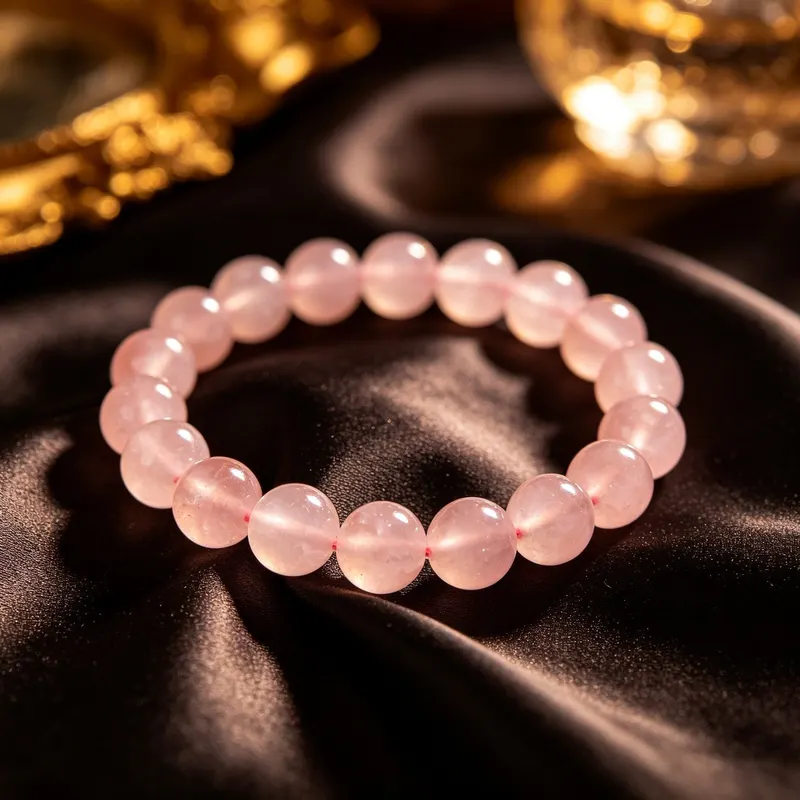
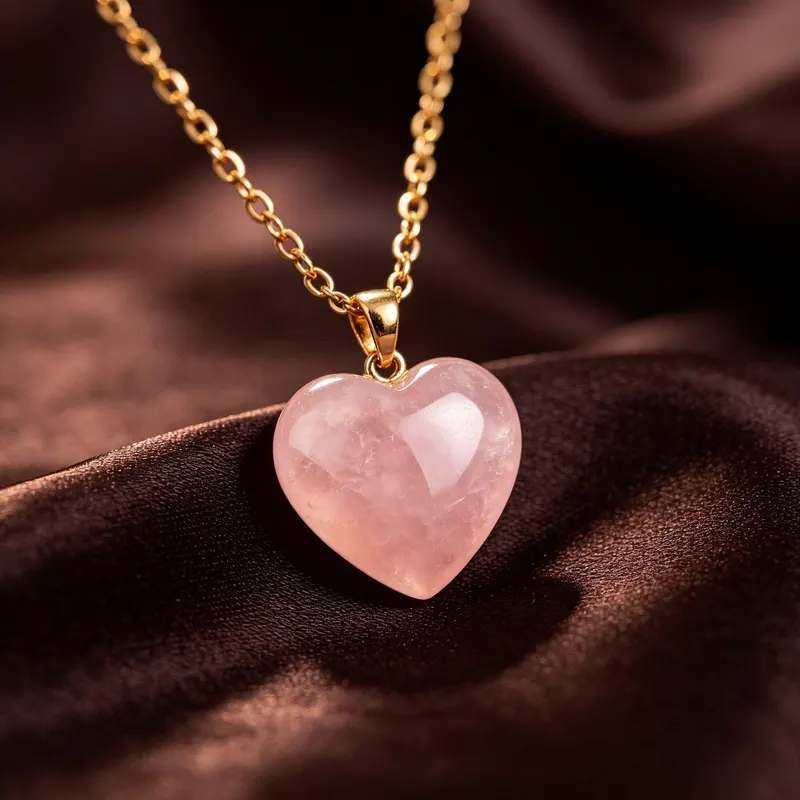
- Rose quartz — traditionally associated with compassion and self-love, which makes it a natural fit for a mom learning to be as kind to herself as she is to her baby. The Rose Quartz Love Bracelet is a comfortable, everyday choice; a pendant like the Rose Quartz Heart Pendant Necklace works well if she prefers jewelry she can wear hands-free.
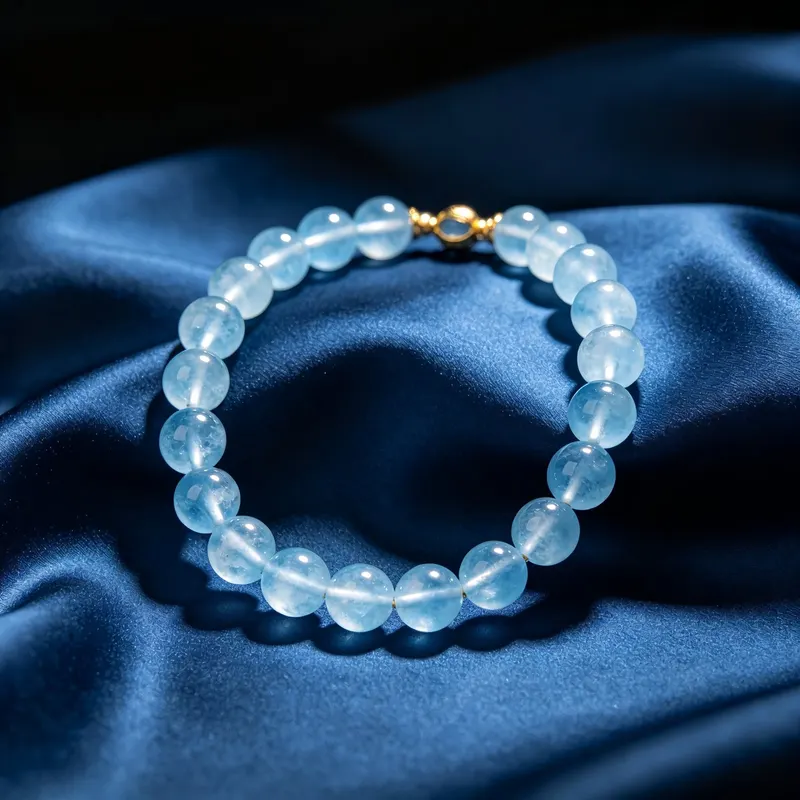
- Aquamarine — believed to support calm communication and a settled mind. The Aquamarine Serenity Necklace is a light, wearable option that pairs easily with everyday clothes.
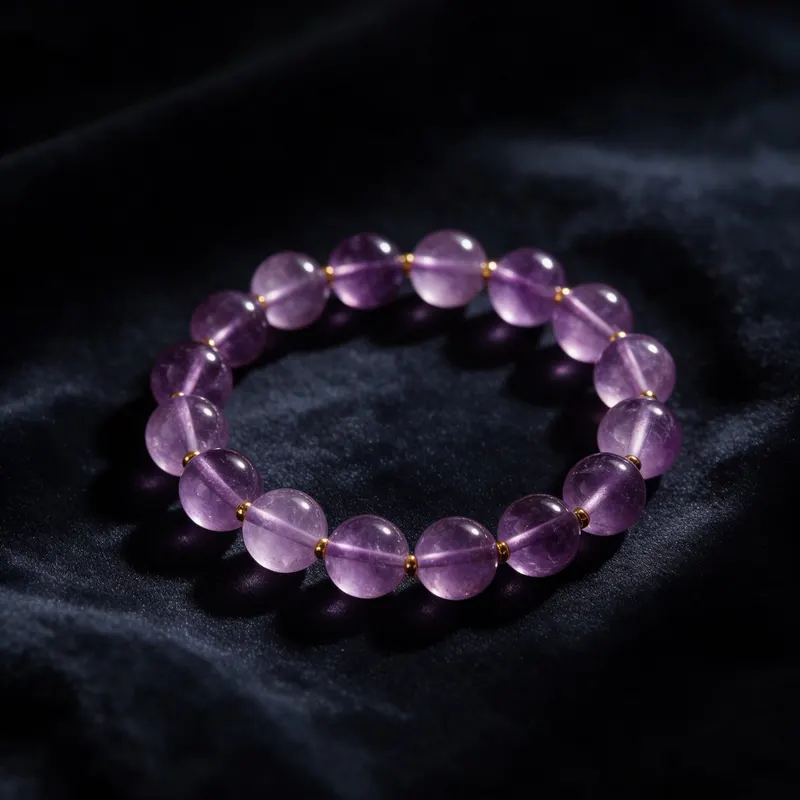
- Amethyst — traditionally associated with winding down and quiet reflection, which suits the end-of-day wind-down. The Amethyst Healing Bracelet is the simplest gift; a raw cluster is better for someone who already keeps an altar or meditation corner.
- Selenite — a soft, luminous stone often used for "clearing" a space. A Selenite Cleansing Wand makes a serene bedside piece—but note that selenite is water-soluble, so it stays dry and out of reach.
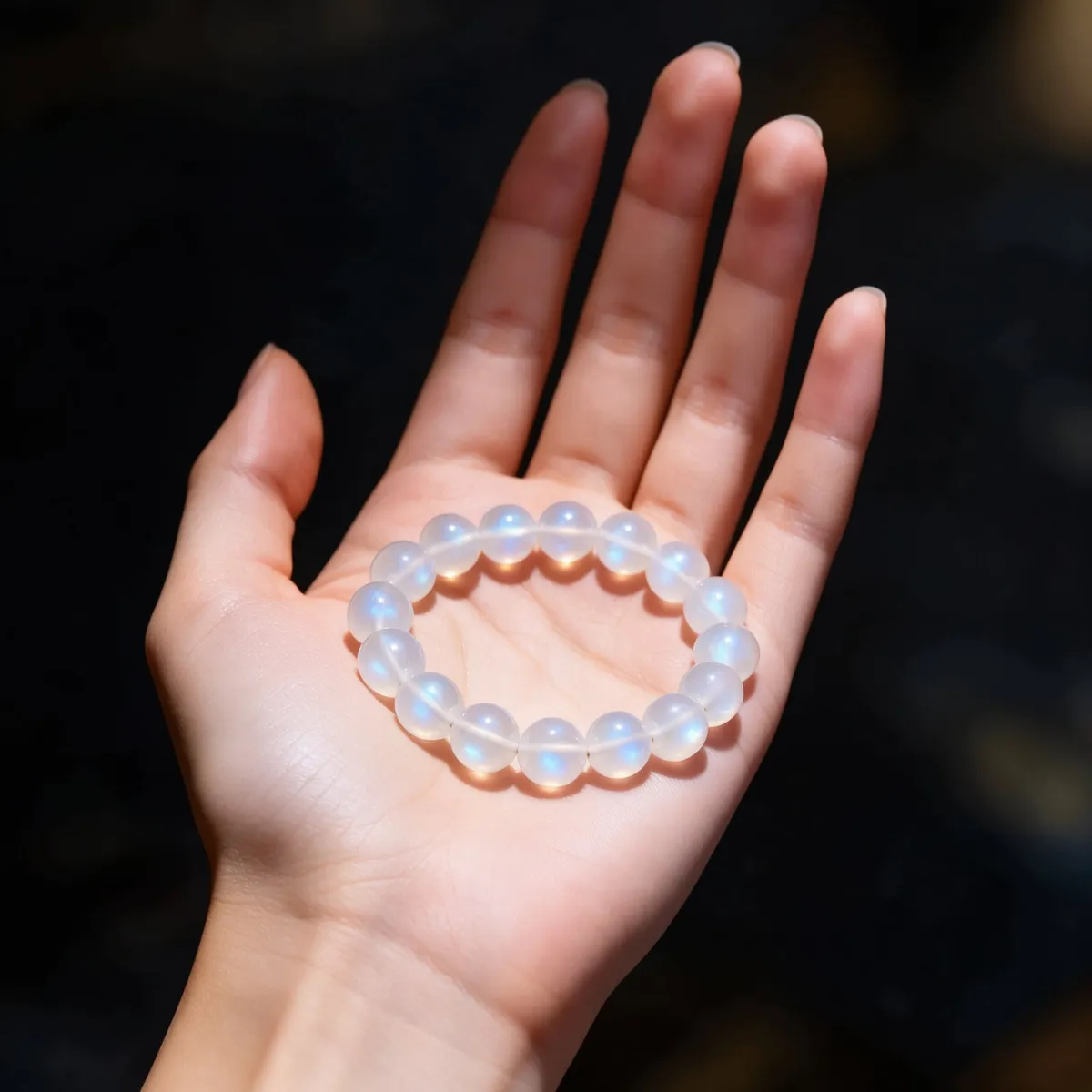
- Moonstone — associated with intuition and new beginnings, a fitting symbol for a life transition. The Rainbow Moonstone Bracelet is a gentle, feminine option.
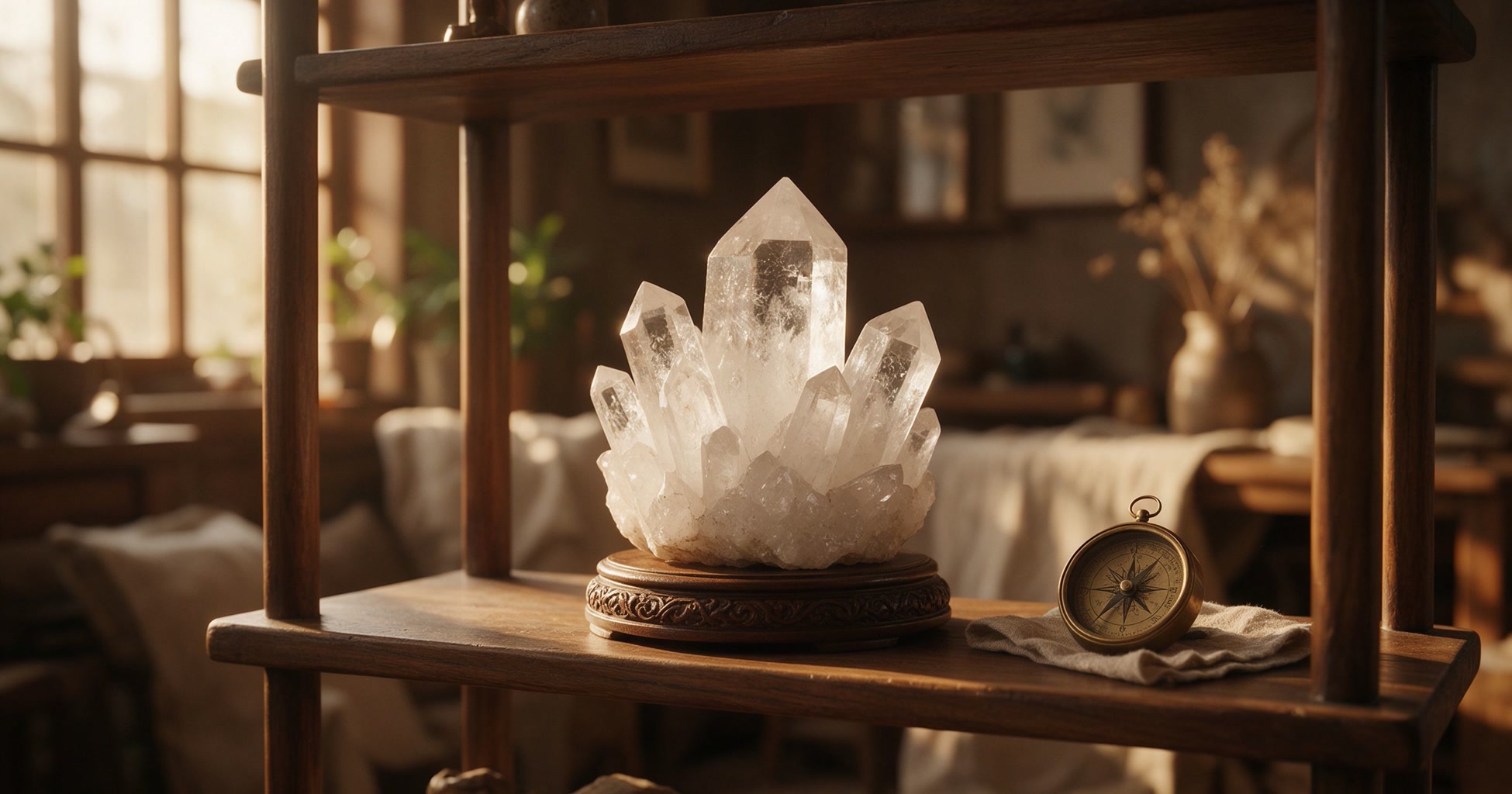
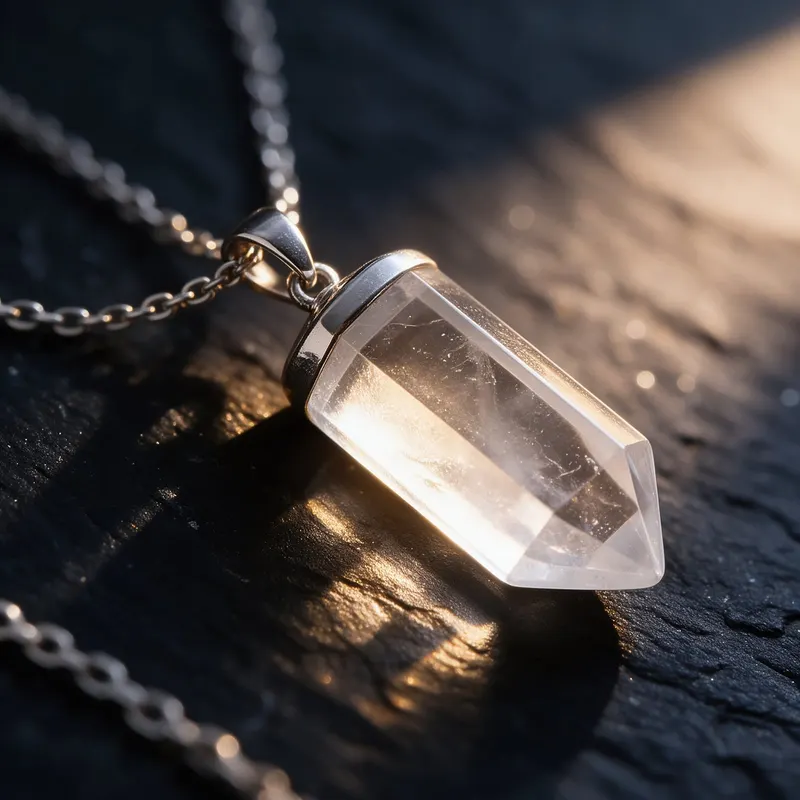
- Clear quartz — the traditional "amplifier" and a neutral, elegant choice if you're unsure of her taste. A pendant is safer around a baby than a loose point.
How to Choose: A Practical Checklist
Before you buy, run through these questions. They'll save you from gifting something beautiful that ends up in a drawer.
- Is it wearable or display-only? Bracelets and pendants get used; loose stones and clusters are decorative. For a sleep-deprived mom, wearable usually wins.
- Can she put it on one-handed? Look for stretch bracelets or pendants with a simple clasp. Fiddly closures are a frustration at 3 a.m.
- Does it match her style? Sterling silver and neutral stones are the safest bets; gold-plated pieces suit warmer wardrobes.
- Is it baby-safe by design? Polished, securely strung jewelry with no small detachable parts is the right call. Avoid loose chips and anything a baby could mouth.
- Is the stone durable enough for daily wear? Check hardness (see the table below). Softer stones scratch and cloud; harder ones hold up.
- What's your budget? Set it before you browse. Crystal jewelry ranges widely, and price should reflect stone quality and metal, not hype.
Stone Comparison at a Glance
Use this table to match a stone to her needs and to understand care requirements. Hardness refers to the Mohs scale, where 1 is talc-soft and 10 is diamond-hard.
| Stone | Traditional association | Best gift format | Mohs hardness | Care note |
|---|---|---|---|---|
| Rose quartz | Compassion, self-love | Bracelet or pendant | 7 | Durable; avoid harsh cleaners |
| Aquamarine | Calm, communication | Necklace | 7.5–8 | Sturdy; keep away from prolonged sun |
| Amethyst | Winding down, reflection | Bracelet or cluster | 7 | Fades in direct sun over time |
| Selenite | Clearing, serenity | Wand or display piece | 2 | Water-soluble; keep dry, handle gently |
| Moonstone | Intuition, new beginnings | Bracelet | 6–6.5 | Softer; avoid knocks and chemicals |
| Clear quartz | Clarity, amplification | Pendant | 7 | Durable; easy to clean |
The traditional view, and what is verifiable
It's worth separating two kinds of claims, because a trustworthy gift-giver should be able to explain the difference.
What the tradition says: Crystal practitioners have long associated rose quartz with the heart and self-compassion, amethyst with calm and sleep rituals, aquamarine with steady communication, and selenite with clearing stale energy from a room. These are cultural and spiritual traditions—meaningful to many people, but not measurable in a lab.
What we can verify: The physical properties are real and testable. Rose quartz and amethyst are quartz-family minerals at about 7 on the Mohs scale, so they resist everyday scratching. Selenite is genuinely soft (around 2) and dissolves in water, so it should never be washed or left in a humid bathroom. Amethyst's color can fade with prolonged direct sunlight. Moonstone is softer and chips more easily than quartz. These facts should shape how you choose and care for a piece—not the lore.
Care basics: Wipe most polished stones with a soft, slightly damp cloth and dry immediately. Keep selenite dry. Store jewelry separately to avoid scratches. Remove bracelets before dishes, cleaning, or heavy lifting. And keep every crystal—especially small ones—out of a baby's reach and never inside a crib.
Crystals are for reflection and are not medical devices. They do not diagnose, treat, cure, or prevent any disease.
Safe Gifting Notes
Safety is the part of a crystal gift that most guides skip, and it matters most around newborns. Choose polished jewelry or a single larger display piece rather than small loose stones or chips. Keep any crystal out of a baby's reach, and never position one inside a crib, on a changing table, or anywhere a curious older sibling could grab it. Avoid tumbled stones small enough to be a choking hazard, and check that bracelets are strung securely with no loose beads.
Frame the gift as relaxation and self-care, and be explicit that it isn't a health product. If a new mom is struggling with her mood, sleep, or recovery, the kindest thing you can do is encourage her to speak with a qualified professional—and perhaps offer to watch the baby while she does. Browse more calming options in our deep relaxation crystals and self-love crystals guides, or see the full crystal gifts collection.
Realistic Price Expectations
Crystal gifts span a wide range, and it helps to know what you're paying for. Stretch bracelets with genuine polished stones typically sit at the accessible end of the market; sterling silver or gold-plated pendants cost more because of the metal and setting. Larger display pieces like raw clusters or selenite wands vary with size and clarity. As a rule, price should track stone quality, metal content, and craftsmanship—not the length of the description. If a listing makes sweeping health promises, treat that as a reason to look elsewhere.
FAQ
People Also Ask
Are crystals safe around newborns?
Keep all stones out of a baby's reach and never place them in a crib or on a changing surface. Polished adult jewelry worn by the parent, or a display piece kept on a high shelf, is the safest choice.
Can crystals help with postpartum health?
No. They are a wellness and relaxation keepsake only—not a medical or mental-health treatment. If you or someone you know is struggling after birth, professional care is essential.
What is a calming crystal gift for a new mom?
Rose quartz for self-compassion, aquamarine for calm communication, and amethyst for winding down are gentle, popular choices. A stretch bracelet or a simple pendant is usually the most usable format.
How should she care for a crystal gift?
Wipe polished stones with a soft damp cloth and dry them immediately. Keep selenite dry, store jewelry separately, and remove bracelets before cleaning or dishes. Avoid harsh chemicals and prolonged direct sunlight.
Browse the Curated Collection
Explore the full edit here: Crystal Gifts Collection →
Shop the Stones
- Rose Quartz Love Bracelet
- Aquamarine Serenity Necklace
- Amethyst Healing Bracelet
- Selenite Cleansing Wand
Keep Exploring
Gifts for Her · Self-Love Crystals · Deep Relaxation
Crystals are intended to support personal and spiritual well-being and are not medical devices. They do not diagnose, treat, cure, or prevent any disease. If you are struggling with your mental or physical health, please reach out to a qualified professional.