Shift Work Disrupts More Than Sleep
If you work nights—or rotate between days and nights—you already know the problem isn't just feeling tired. It's the strange limbo of coming home at 8 a.m. while the neighborhood is waking up, pulling the blackout curtains, and trying to convince a body that's still buzzing to go quiet. Or the inverse: waking at 4 p.m. in a dark room, unsure whether to call it breakfast or dinner, and needing to be sharp and grounded a few hours later.
Many shift workers use crystals as physical cues within that rhythm—a small, tactile signal that says the shift is over, you can come down now, or you're on, stay steady. A stone in your pocket or on your nightstand won't reset a circadian rhythm, and it won't replace sleep. But as part of a deliberate wind-down and reset routine, it can make the transition feel more intentional and less like a fight with your own body.
This guide covers which stones are traditionally associated with calming a busy mind, staying grounded under pressure, and marking a clean break between work and rest—plus practical notes on sizing, care, and what to realistically expect to spend.
Why a Physical Cue Helps When Your Schedule Is Backwards
Shift work asks a lot of your nervous system. You're often alert when your body expects rest and trying to rest when it expects daylight. In that context, small repeatable rituals do real work: they give your brain a consistent sequence to follow even when the clock is telling it something different.
A crystal can be that anchor because it's tangible. You hold it, you feel its weight and temperature, you place it somewhere specific. Over a few weeks, the gesture becomes associated with this is the moment I stop working or this is the moment I start. That's the honest mechanism—a cue, not a cure. Pair it with blackout curtains, a consistent wind-down sequence, hydration, real meals, and professional guidance about your sleep schedule.
For the Wind-Down After a Shift
The goal here is to signal to yourself that the shift is finished and help a busy mind settle before daytime sleep. Keep the ritual short and repeatable—five minutes is plenty.
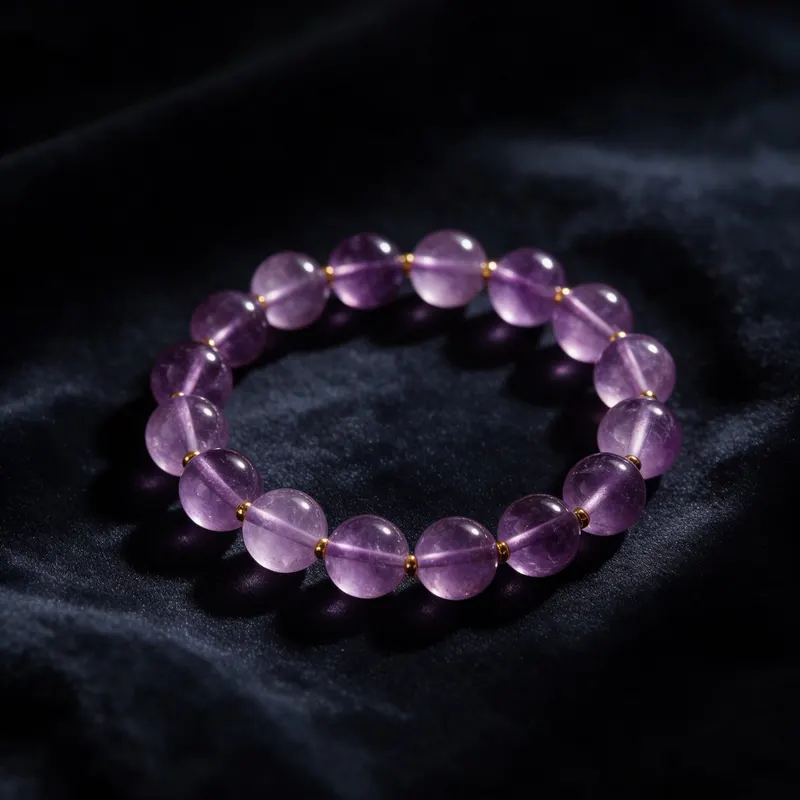
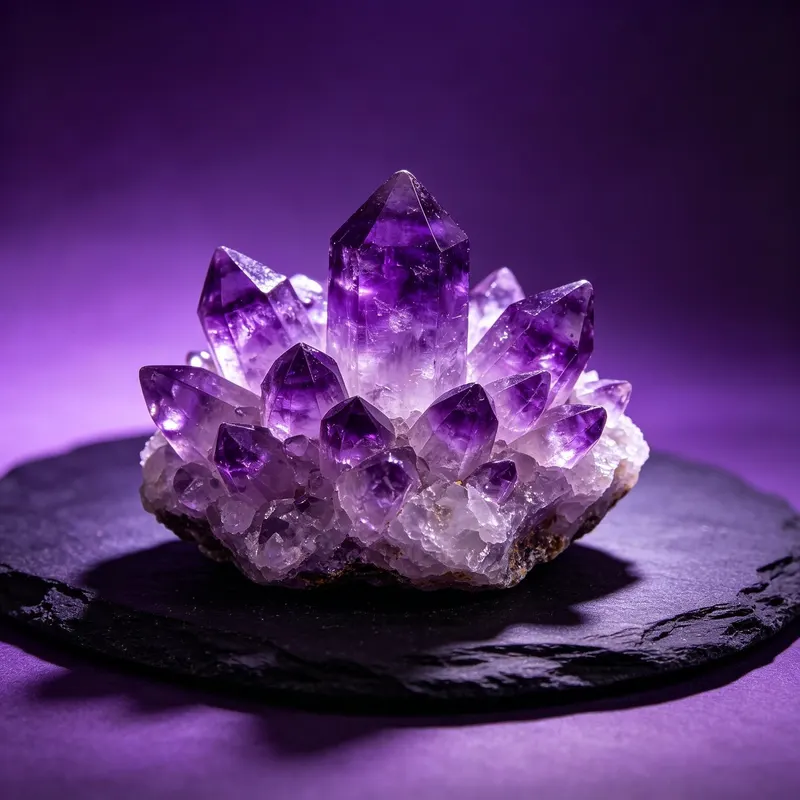
- Amethyst is the traditional choice for settling an overactive mind. The Amethyst Healing Bracelet for Calm & Clarity is easy to slip off and leave on the nightstand as a "shift is over" marker. If you prefer a bedside piece rather than something you wear, the Raw Amethyst Cluster for Meditation & Altar works well on a dresser in a darkened room.
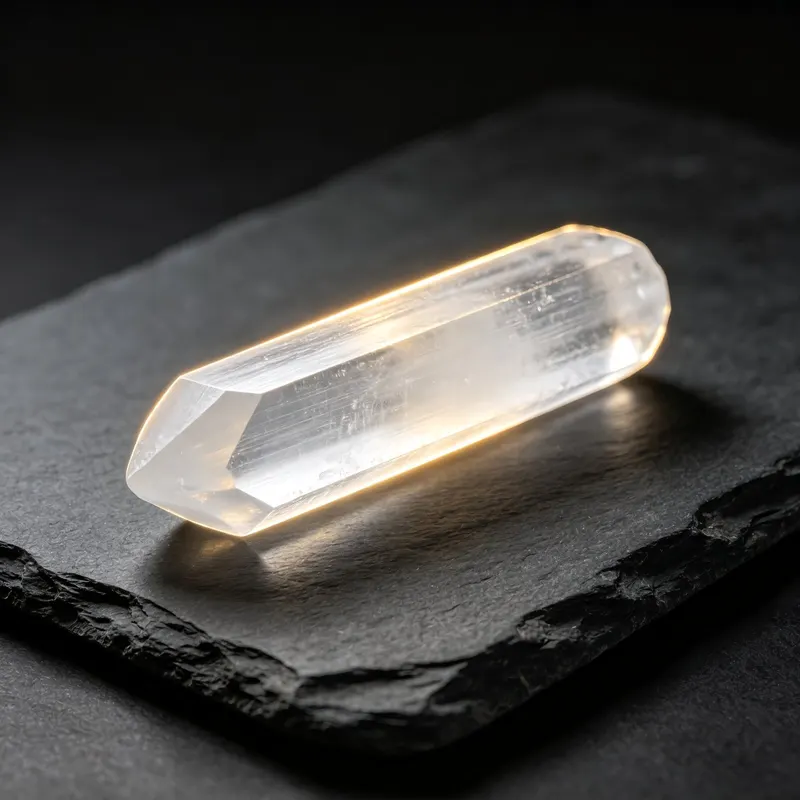
- Selenite is traditionally used for a light, clearing atmosphere. A Selenite Cleansing Wand on the nightstand is a gentle visual cue in a dark room—and, practically, selenite is soft and water-soluble, so it belongs on a dry surface away from moisture.
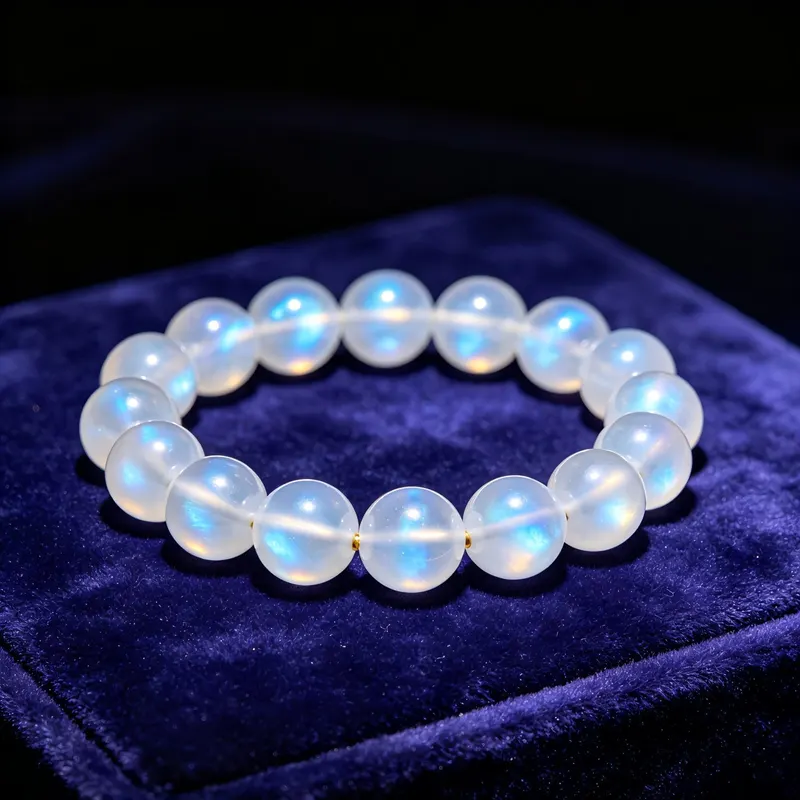
- Moonstone is believed to support intuition and new beginnings, which fits the odd reset of starting a "day" at dusk. A Rainbow Moonstone Bracelet for Intuition & New Beginnings can serve as the piece you put on after sleep to mark the start of your evening.
For a deeper wind-down sequence, see our guides to sleep crystals and deep relaxation.
For Focus and Grounding During the Shift
On the floor—whether that's a hospital, a warehouse, a call center, or a kitchen—the aim is steady, grounded alertness rather than stimulation. Choose something discreet that won't snag on gloves or scrubs, and that you can touch briefly without drawing attention.
- Aquamarine is traditionally associated with calm communication and staying composed under pressure. The Aquamarine Serenity Necklace for Calm Communication sits close to the collarbone and tucks neatly under a uniform.
- Black Tourmaline is a classic grounding stone. The Black Tourmaline Protection Bracelet for Grounding is a practical choice for long shifts—dark, unobtrusive, and easy to wear under a sleeve.
- Tiger's Eye is believed to support focus and courage. The Tiger's Eye Confidence Bracelet for Focus & Courage is a good pick if your shift involves decisions, handoffs, or high-pressure moments.
- Fluorite is traditionally linked with concentration. The Rainbow Fluorite Focus Bracelet for Concentration suits detail-heavy work like charting, packing, or monitoring screens.
If you're new to crystals and want a set to experiment with, the Healing Crystal Starter Kit, 7 Stones + Guide lets you try a few stones before committing to a single piece.
Choosing a Stone for Your Shift: A Quick Comparison
Use this as a starting point, not a rulebook. The best stone is the one you'll actually use consistently—the one whose weight and feel you notice.
| Stone | Traditionally associated with | Best placement | Practical notes |
|---|---|---|---|
| Amethyst | Calm, settling a busy mind | Nightstand or wrist after shift | Hardness 7; keep out of prolonged direct sun to protect color |
| Selenite | Clearing, calm atmosphere | Bedside, dry surface | Very soft (hardness 2); water-soluble—keep dry |
| Moonstone | Intuition, new beginnings | Wrist, worn after sleep | Hardness 6–6.5; avoid harsh chemicals and knocks |
| Aquamarine | Calm communication, composure | Necklace under uniform | Hardness 7.5–8; generally durable for daily wear |
| Black Tourmaline | Grounding, protection | Wrist or pocket | Hardness 7–7.5; sturdy for physical work |
| Tiger's Eye | Focus, courage | Wrist | Hardness 6.5–7; durable, low-maintenance |
| Fluorite | Concentration, clarity | Wrist or desk | Hardness 4; softer—handle with care |
A checklist before you buy
- Fit: Measure your wrist with a soft tape or string; add about 1 cm for a comfortable bracelet. Most beaded bracelets are 17–19 cm; check the listing.
- Discretion: For clinical or safety-sensitive settings, choose a necklace that tucks under a collar or a smooth bracelet with no dangling charms.
- Durability: If you're moving heavy items or washing hands constantly, favor harder stones (aquamarine, tourmaline, tiger's eye) over soft ones (selenite, fluorite).
- Weight: A heavier stone feels more grounding; a lighter one is easier to forget you're wearing.
- Price expectations: Beaded bracelets typically run from around $25 to $80 depending on stone quality and bead size; pendants with sterling silver or gold-plated chains often sit in the $45–$120 range; raw clusters and wands vary widely with size. Be wary of "certified healing" claims—no such certification exists.
What tradition holds — and what we can verify
It's worth being clear about the line between lore and fact, because a trustworthy guide should draw it.
What tradition says: Amethyst has long been associated with calm and clear thinking; black tourmaline with grounding and protection; moonstone with intuition and cycles; aquamarine with calm communication. These are cultural and spiritual associations passed down over centuries—not scientific findings. We use phrases like "traditionally associated with" and "believed to" deliberately.
What we can verify: The physical properties of each stone. Mohs hardness tells you how easily it scratches—amethyst and aquamarine (7–8) hold up to daily wear, while selenite (2) and fluorite (4) are soft and need care. Selenite is water-soluble, so never soak it or wear it in the shower. Amethyst and rose quartz can fade with prolonged direct sunlight, so store them away from a bright window. Clean most stones with a soft dry or slightly damp cloth; avoid ultrasonic cleaners and harsh chemicals on porous or soft stones.
Care basics for shift workers: Wipe bracelets after sweaty shifts, remove them before showering or cleaning, and store each piece separately so harder stones don't scratch softer ones. If a stone chips, retire it from daily wear.
A Simple Reset Routine
- On the drive or walk home, hold a calming stone (amethyst or moonstone) and slow your breath—four counts in, six counts out.
- At the door, change out of work clothes and place the stone on its nightstand spot. The placement is the signal: work is done.
- In the darkened room, keep the selenite wand or amethyst cluster where you'll see it as you settle.
- Before your "morning," pick up the stone you'll wear for the shift—aquamarine, tourmaline, or tiger's eye—and set an intention for the hours ahead.
- Repeat the same short sequence every shift so your body learns the pattern, regardless of what the clock says.
FAQ
People Also Ask
What crystal helps after a night shift?
Amethyst is the traditional choice to settle an overactive mind before daytime sleep, with selenite for a calm bedside atmosphere. Treat them as wind-down cues alongside blackout curtains and a consistent routine.
Do crystals replace sleep for shift workers?
No—nothing replaces sleep. Crystals are a relaxation cue; prioritize blackout rest, consistent timing, hydration, meals, and professional medical guidance about your schedule.
Can I wear crystals during a shift in a hospital or kitchen?
Check your workplace policy first. In clinical or food-handling settings, choose a smooth bracelet with no dangling parts or a necklace that tucks fully under a collar, and remove pieces before tasks where they could snag or contaminate.
How do I clean and care for shift-work crystals?
Wipe with a soft dry or slightly damp cloth after wear, keep selenite and fluorite away from water and knocks, store pieces separately, and keep amethyst out of prolonged direct sun. Avoid ultrasonic cleaners and harsh chemicals.
Browse the Curated Collection
Explore the full edit here: Calm, Stress Relief & Sleep Collection →
Shop the Stones
- Amethyst Healing Bracelet
- Aquamarine Serenity Necklace
- Selenite Cleansing Wand
- Black Tourmaline Protection Bracelet
- Tiger's Eye Confidence Bracelet
Keep Exploring
Sleep Crystals · Deep Relaxation · Morning Routine
Crystals are intended to support personal and spiritual well-being and are not medical devices. They do not diagnose, treat, cure, or prevent any disease. Shift workers and caregivers should rely on proper sleep, hydration, and professional medical guidance.