Care Work Takes Emotional Energy
You already know the shape of it: the shift that runs long, the family who needs one more explanation, the moment you step into the supply room and realize you have not sat down or had water in hours. Nurses, home health aides, hospice workers, and family caregivers give constantly—attention, patience, physical effort, emotional steadiness—and much of that giving happens with no audience and no break.
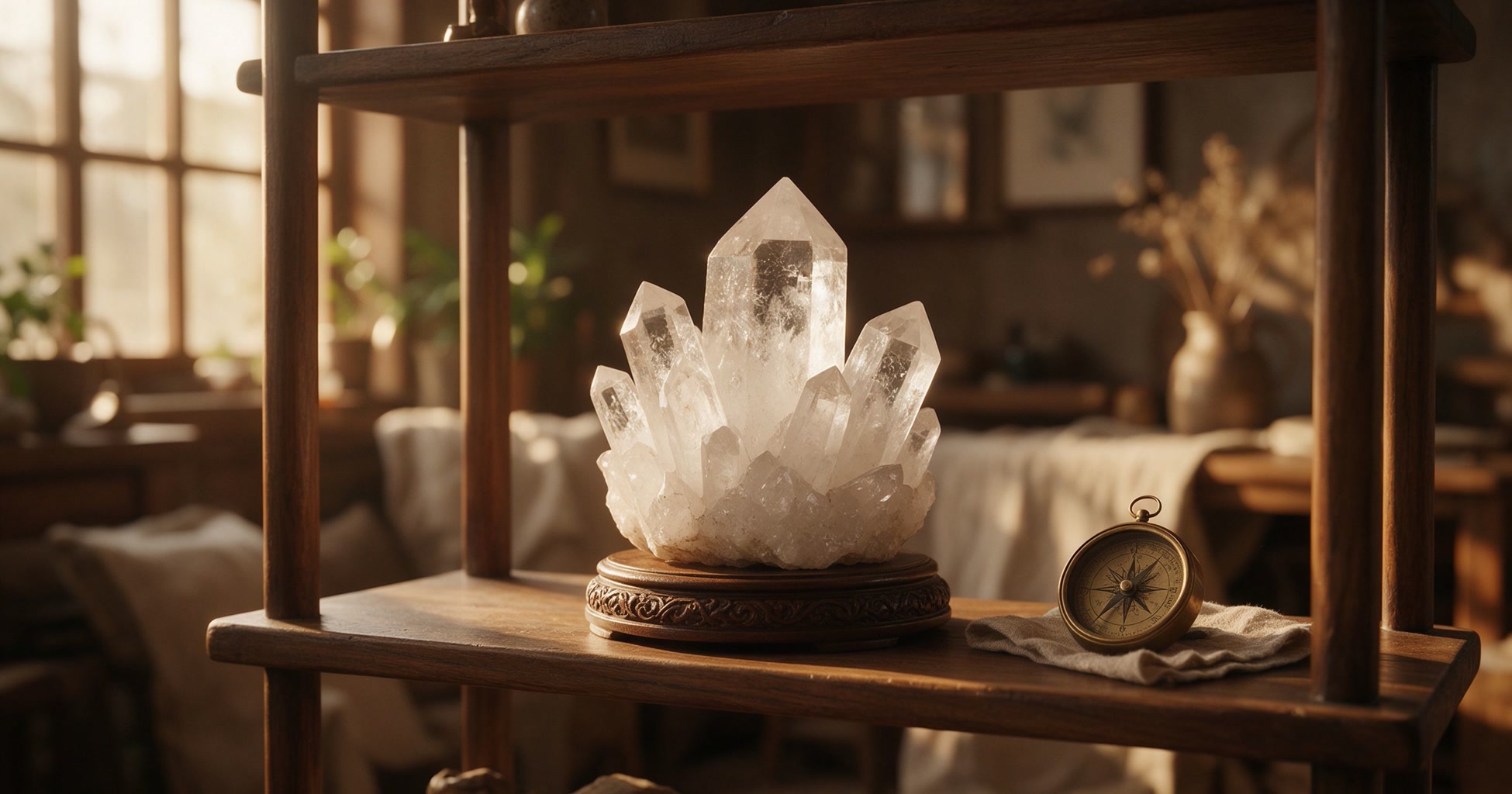
Many care workers keep a small stone in a scrub pocket, on a lanyard, or on the nightstand as a personal anchor: something to touch for a breath before walking into a room, or to set down at the end of a shift as a signal that the day is done. This guide is about that private practice—how to choose a stone, wear it practically in a clinical environment, care for it, and build small reset rituals around it. It is not about patient treatment, and nothing here replaces clinical training, protocols, or medical care.
Think of a crystal as a cue, not a cure. It invites you to pause, breathe, and return to yourself. The real work—sleep, hydration, boundaries, support—is yours, and the stone is simply a reminder to keep doing it.
Stones for Grounded Care
The most useful stones for caregivers tend to fall into three practical roles: grounding (feeling steady and contained), self-compassion (treating yourself as kindly as you treat others), and calm communication (staying clear during rushes and difficult conversations). These are traditional associations, not clinical claims—but as personal cues, they can be genuinely useful.
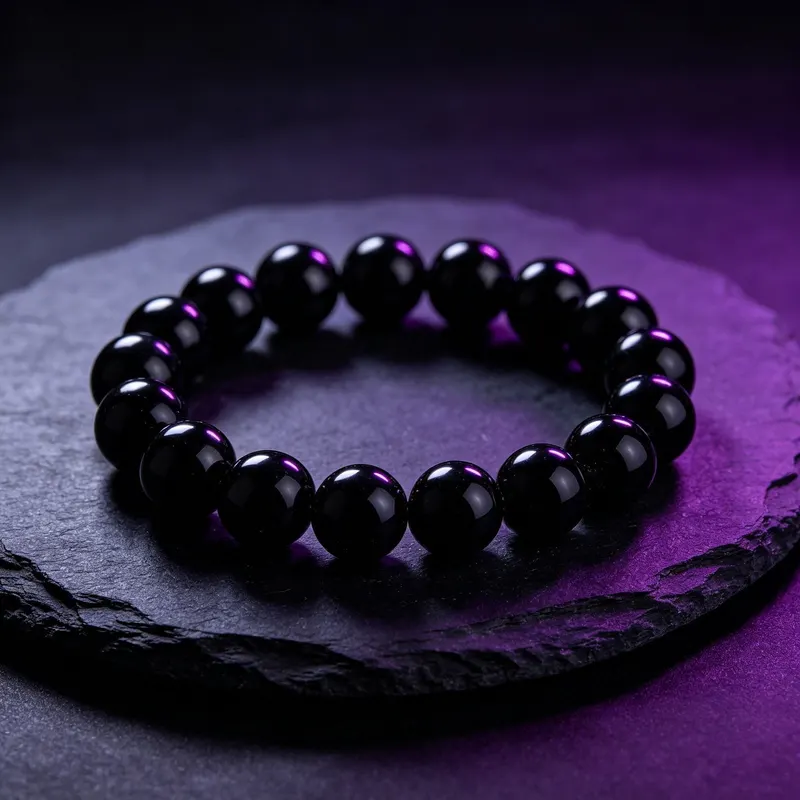
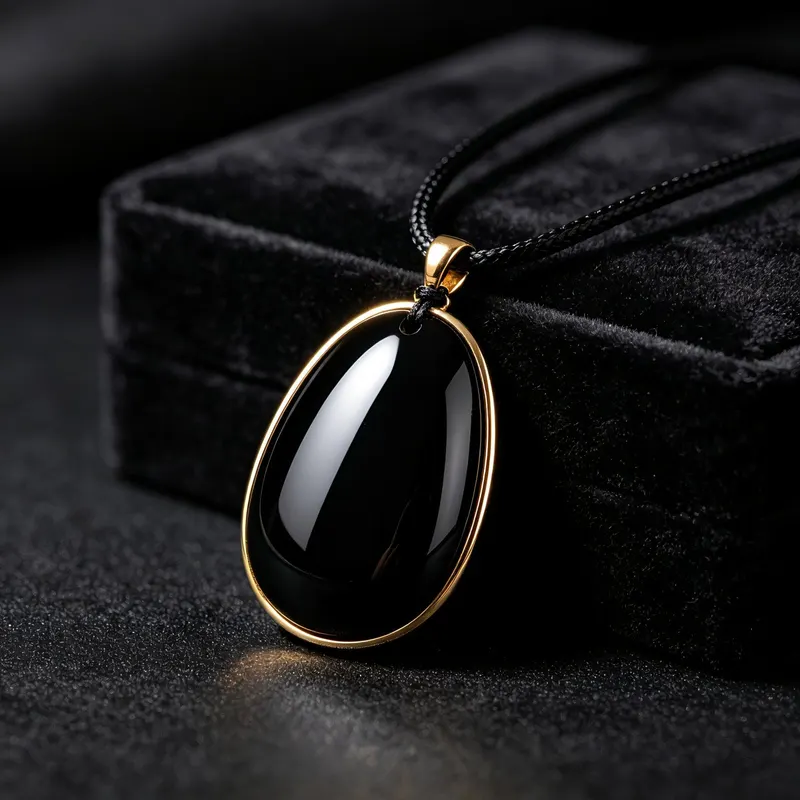
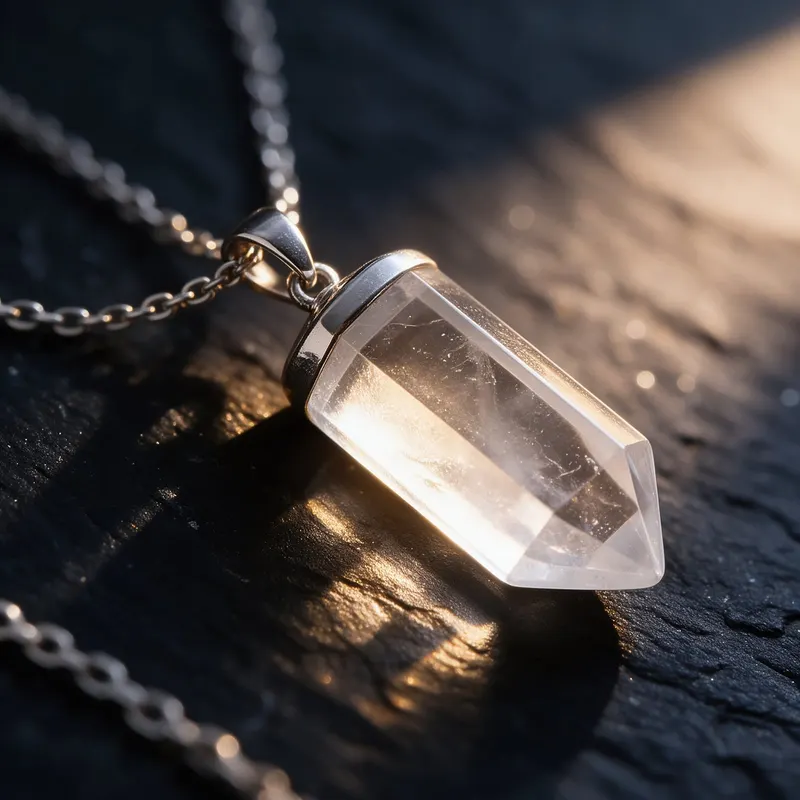
- Grounding and boundaries: Black Tourmaline Protection Bracelet is traditionally associated with shielding and staying rooted, a common choice for people who feel they absorb the stress of a room. A Black Obsidian Teardrop Protection Pendant Necklace works similarly if you prefer something worn under a uniform rather than on the wrist.
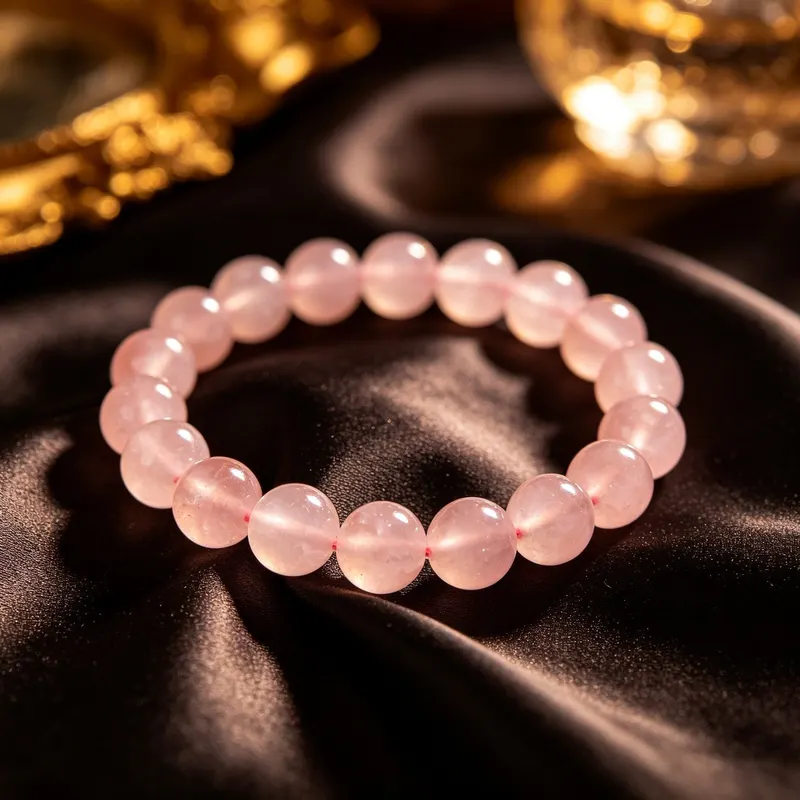
- Self-compassion: Rose Quartz Love Bracelet for Self-Love & Heart is the classic stone for kindness, believed to soften self-criticism on hard days. Caregivers often find this the hardest muscle to exercise.
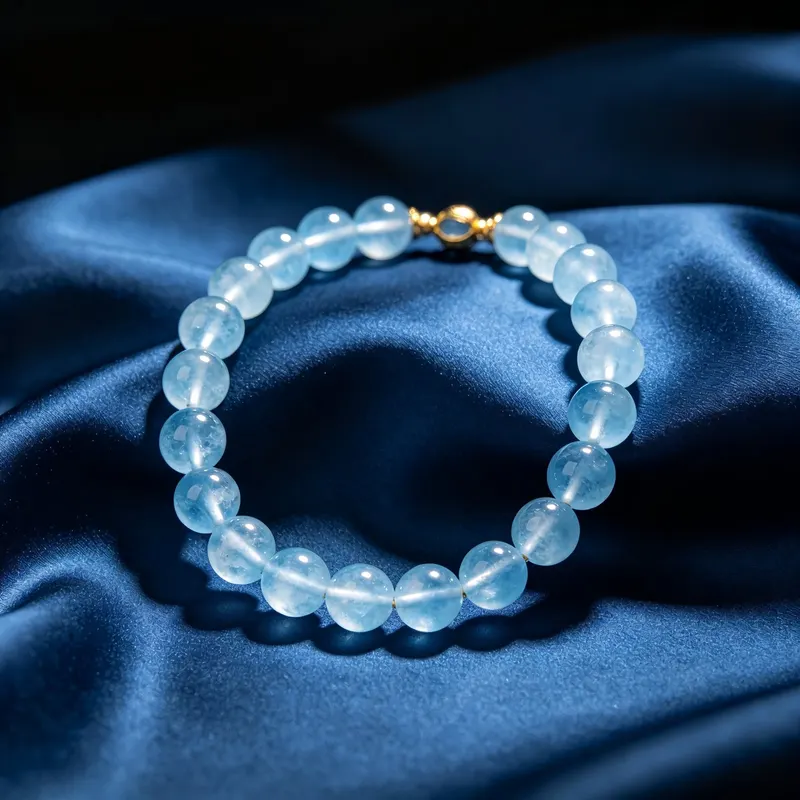
- Calm communication: Aquamarine Serenity Necklace for Calm Communication is traditionally associated with steady, clear speech—useful before a family meeting or a handoff.
- Focus under pressure: Rainbow Fluorite Focus Bracelet for Concentration is a popular pick for charting marathons and detail-heavy shifts.
- Reset and unwinding: Amethyst Healing Bracelet for Calm & Clarity is often kept for the wind-down after shift rather than worn during it.
Choosing a Stone for Your Role
Match the stone to the part of the job that drains you most, not to what looks prettiest online. If you leave shifts feeling scattered, start with grounding. If you leave feeling numb or harsh on yourself, start with rose quartz. If the stress shows up in your voice and your patience, aquamarine or lapis is a reasonable place to begin.
| What drains you most | Stone to try | Traditional association | Practical note |
|---|---|---|---|
| Absorbing the room's stress | Black tourmaline, obsidian | Grounding, boundaries | Bracelet or pendant; easy to tuck away |
| Self-criticism, compassion fatigue | Rose quartz, rhodonite | Self-love, forgiveness | Wearable daily; gentle on the eye |
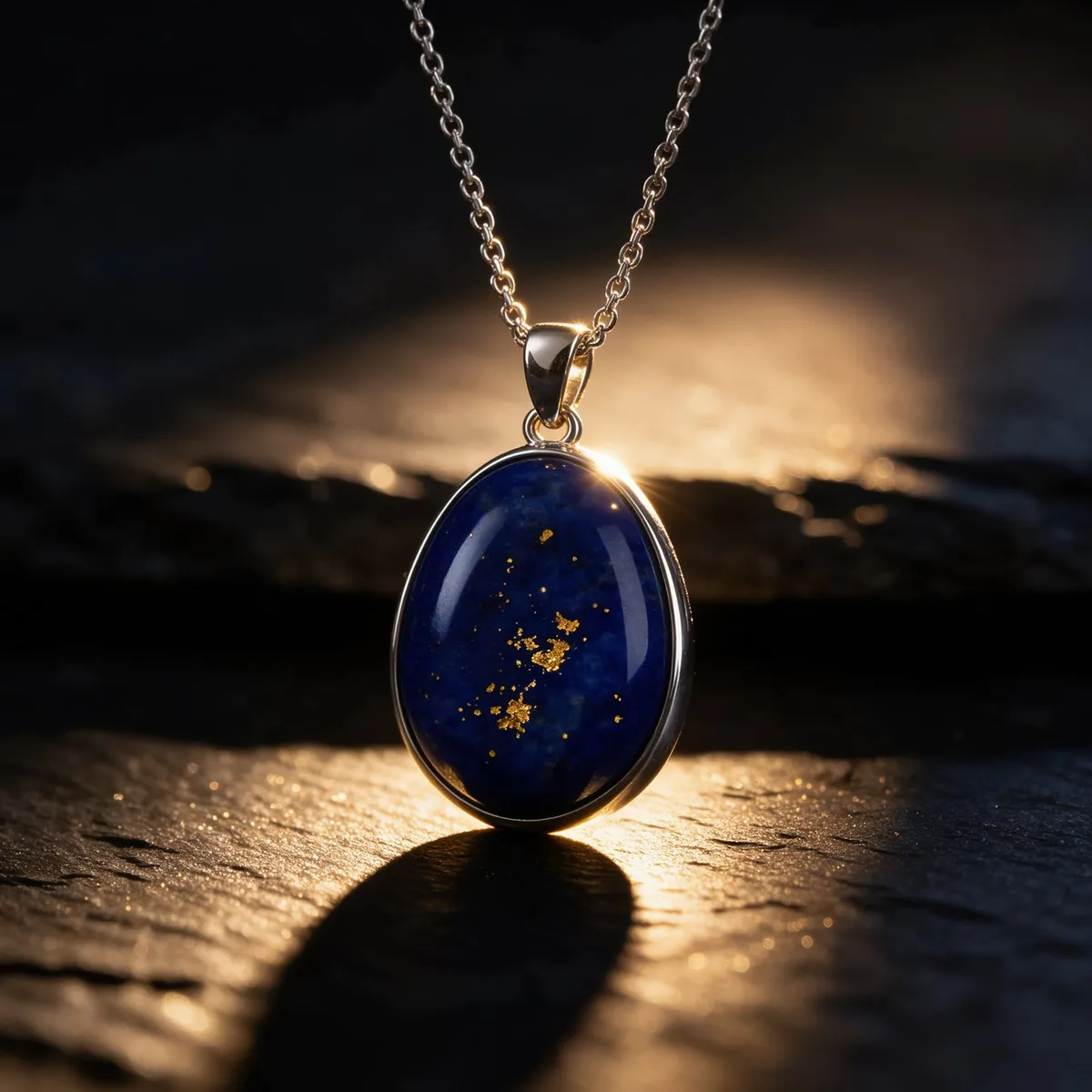
| Rushed, clipped communication | Aquamarine, lapis lazuli | Calm, clear speech | Necklace sits close and stays put |
| Scattered focus, charting fatigue | Fluorite, tiger's eye | Concentration, steadiness | Bracelet; check it clears gloves |
| Winding down after shift | Amethyst, moonstone | Calm, transition | Keep at home, not at work |
If you are new to all of this, a Healing Crystal Starter Kit, 7 Stones + Guide lets you try several without committing to one, and the included guide explains each stone's traditional use.
Wearing Crystals at Work: A Practical Checklist
Clinical settings have real constraints—infection control, glove use, jewelry policies, and the risk of a stone catching on equipment. Before you bring a crystal onto a unit, run through this:
- Check your employer's jewelry policy first. Many units restrict wrist jewelry, rings, and dangling necklaces for hygiene and safety reasons. Follow the policy; a stone is never worth a compliance issue.
- Choose a form that tucks away. A smooth bracelet under a sleeve, a short pendant under a collar, or a small tumbled stone in a closed pocket is usually more workable than anything loose or dangling.
- Keep it out of glove and sterile zones. Do not wear a stone on a hand that will be gloved for patient contact, and keep stones away from open wounds, sterile fields, and shared equipment.
- Avoid rings during direct care. A ring like the Rhodonite Heart Ring for Love & Forgiveness is better saved for days off or non-clinical work.
- Size the bracelet properly. Measure your wrist with a soft tape and add roughly half an inch (about 1.3 cm) for a comfortable fit that will not slide over your hand or press under gloves. Beaded bracelets are usually strung on elastic; check the listing for the stated circumference.
- Pick a stone that tolerates handling. Quartz-family stones (amethyst, rose quartz, citrine, tiger's eye) are reasonably durable for daily wear. Softer stones need more care—see the section below.
- Have a "home" stone and a "work" stone. Keeping the more delicate or sentimental piece at home protects it and gives you a clear end-of-shift ritual.
Between Patients: Micro-Resets That Fit a Real Shift
You will rarely get a long break. The goal is a thirty-second reset you can actually do, repeated often, rather than one perfect meditation you never find time for.
- Step out of the room or into a quiet corner. Take a sip of water and three slow breaths—longer on the exhale.
- Touch your stone discreetly and silently name your intention: "calm and present," or "kind and clear."
- Drop your shoulders, unclench your jaw, and feel your feet on the floor.
- Return. Repeat as needed through the shift.
The stone is doing one job here: it is a physical reminder that interrupts autopilot. That interruption—brief, repeatable, and entirely yours—is the point.
Coming Off Shift: A Deliberate Transition
Highly empathetic workers benefit most from a clear line between work and home. Without one, the shift follows you into the evening. Build a short transition ritual and protect it:
- Change out of work clothes as soon as you reasonably can. It is a simple, physical signal that the shift is over.
- Rinse or wipe your stone and set it in its place—a small dish by the door or on the nightstand. Many people find this symbolic "putting the day down" genuinely settling.
- Do one grounding thing before screens: a shower, a stretch, a few minutes of quiet, or a short walk.
- Protect real recovery time. Sleep, food, and hydration are the actual foundations; the ritual just makes room for them.
For more on this, see our guides to crystals for empaths and deep relaxation. If boundaries are your particular struggle, the boundaries guide pairs well with a grounding stone.
The lore, and what we can actually verify
It is worth being clear about the difference between traditional lore and physical fact, because both matter for getting real use out of a stone.
What the tradition says: Across many cultures, specific stones have long been associated with qualities like protection, calm, compassion, and clarity. Black tourmaline is traditionally associated with grounding and shielding; rose quartz with love and self-compassion; aquamarine with calm communication; amethyst with quiet and reflection. These are cultural and spiritual associations. They are believed to support a mindset—they are not proven to change health, mood disorders, or clinical outcomes, and no stone can promise love, wealth, or exam results.
What we can verify: Hardness, durability, and how a stone reacts to water and sunlight are measurable, and they determine how you should care for a piece.
- Mohs hardness (a 1–10 scratch-resistance scale): quartz-family stones such as amethyst, rose quartz, citrine, and tiger's eye sit around 7, which is durable enough for daily wear but can still scratch or chip against harder surfaces. Softer stones—selenite is around 2, fluorite around 4—scratch easily and should be handled gently.
- Water sensitivity: selenite and halite dissolve or degrade in water; keep them dry. Many polished quartz pieces tolerate a quick rinse, but porous or raw stones are best wiped with a soft, slightly damp cloth.
- Sunlight sensitivity: amethyst, rose quartz, and fluorite can fade with prolonged direct sun. Store them away from a bright windowsill.
- Cleaning: a soft dry or barely damp cloth is the safest default. Avoid harsh cleaners, ultrasonic cleaners, and hot water on glued or plated settings.
- Storage: keep softer stones separate from harder ones so they do not scratch each other; store pendants flat to protect the chain and setting.
For a dedicated cleansing tool, a Selenite Cleansing Wand for Energy Clearing is traditionally used to "clear" other stones—just keep the wand itself away from water.
Realistic Expectations and Price
Beaded bracelets and simple pendants typically run from modest entry-level prices up to higher amounts for larger stones or precious-metal settings; expect gold-plated and sterling silver pieces to cost more than elastic bracelets, and larger raw specimens to cost more than tumbled stones. Price reflects stone size, cut, setting, and finish—not any guaranteed effect. A stone you actually wear and use is worth more than an expensive one that sits in a drawer. Start simple, and add pieces only as your practice grows.
FAQ
People Also Ask
What crystal is best for caregiver burnout?
There is no single "best" stone, and none treats burnout. Many caregivers pair a grounding stone like black tourmaline with rose quartz for self-compassion, using them as cues to rest, set boundaries, and seek support. If burnout is affecting your health or work, please talk to a healthcare professional.
Can I wear crystals during patient care?
Follow your employer's infection-control and jewelry policies first. In many clinical settings, a small stone tucked in a closed pocket or worn under a sleeve is more workable than a bracelet or ring. Keep stones away from gloves used for patient contact, sterile fields, and shared equipment.
How do I clean and care for my stone?
Wipe it with a soft, dry or barely damp cloth. Keep water-sensitive stones like selenite dry, store amethyst, rose quartz, and fluorite out of direct sun, and keep softer stones separate from harder ones to avoid scratches.
Do crystals actually do anything?
Their effects are traditional and symbolic rather than medically proven. For many people the value is in the pause and intention they prompt. Crystals are for reflection and are not medical devices; they do not diagnose, treat, cure, or prevent any disease.
A Closing Note
Caring for others is easier to sustain when you are also caring for yourself. A stone will not do that for you—but it can remind you, several times a shift, to breathe, straighten up, and treat yourself with the same patience you offer everyone else. Choose one that feels right, keep it where you will actually see it, and let it mark the small daily boundary between giving and recovering.
Crystals are intended to support personal and spiritual well-being and are not medical devices. They do not diagnose, treat, cure, or prevent any disease. Caregivers should rely on proper sleep, hydration, and professional medical guidance.