Calm Nerves, Clear Voice
You know the feeling: your presentation is in forty minutes, your slides are ready, and your body has decided this is a good moment for a dry mouth, a racing pulse, and a sudden inability to remember your own name. Or maybe you're not on stage at all — you're the person who has to speak up in a team meeting, give a toast, or lead a call, and your voice tends to shrink right when you need it most.
Public speaking nerves are extremely common, and no stone will do the preparation for you. What a crystal can do is act as a physical anchor: something familiar in your hand or against your skin that reminds you to breathe, slow down, and speak from a steadier place. That's the honest, useful role of crystals here — a ritual cue, not a shortcut.
This guide covers the stones most traditionally associated with calm confidence and throat-centered communication, how to choose and wear them, a short pre-talk ritual, and a clear-eyed look at what tradition claims versus what we can actually verify about these materials.
Why Throat-Centered Stones for Speaking?
In crystal and chakra traditions, communication is associated with the throat chakra, and stones linked to that center — blue and blue-green minerals especially — are believed to support clear, truthful expression. Whether or not you work with chakra frameworks, there's a practical logic to wearing a stone near the throat or collarbone: it sits in your line of sight when you glance down, and you can touch it discreetly before you begin.
The other half of the equation is calming the nervous system. Stones traditionally associated with quieting a busy mind — amethyst being the classic example — pair well with the communication stones, one for the nerves and one for the voice.
The Speaker's Stones: What to Wear and Why
Here's how the main options compare, so you can match a piece to the kind of speaking you actually do.
| Stone | Traditionally associated with | Best worn as | Good for |
|---|---|---|---|
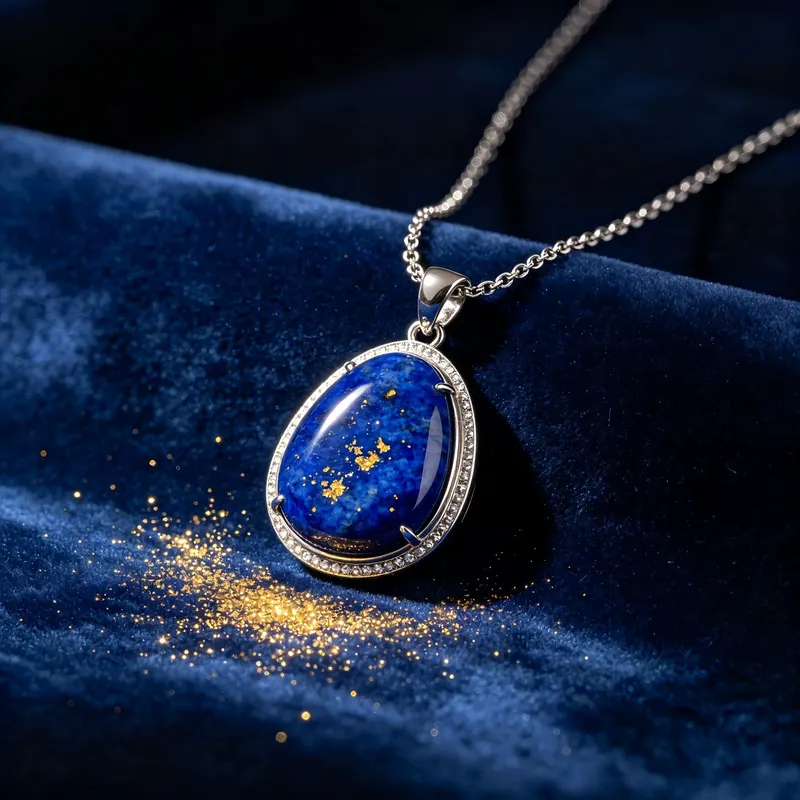
| Lapis lazuli | Truthful, articulate expression; wisdom | Pendant near the throat | Keynotes, interviews, difficult conversations |
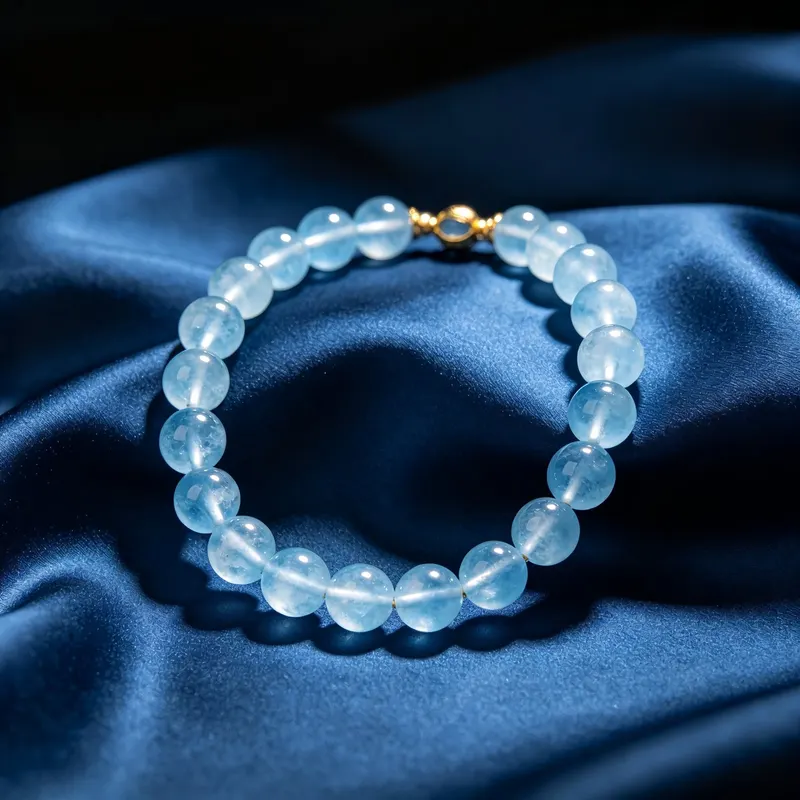
| Aquamarine | Calm, fluid communication | Necklace | Nervous speakers, sensitive conversations |
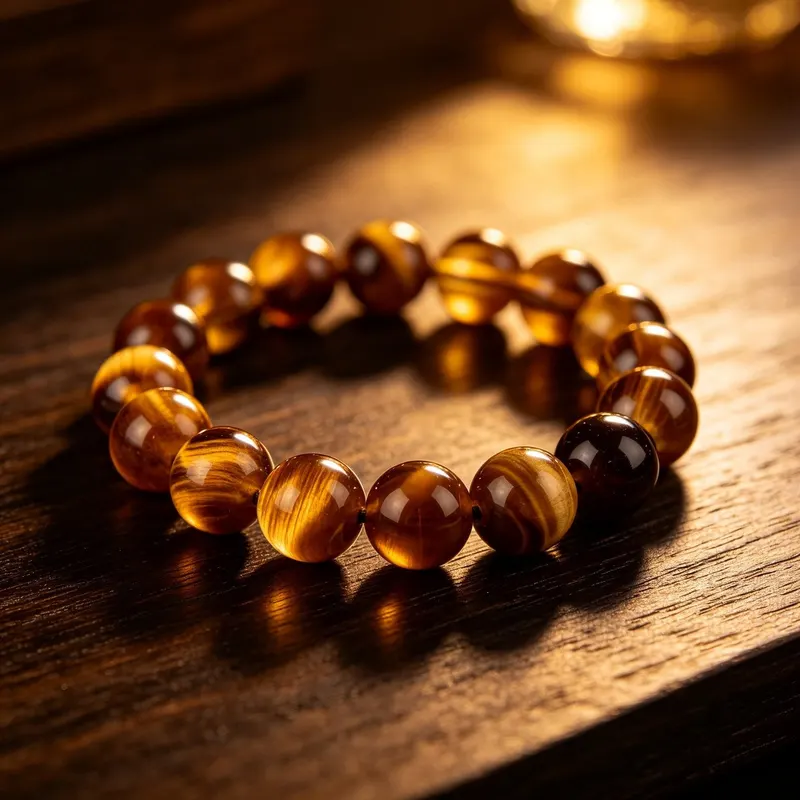
| Tiger's eye | Grounded self-assurance; courage | Bracelet | Confidence on stage, high-stakes meetings |
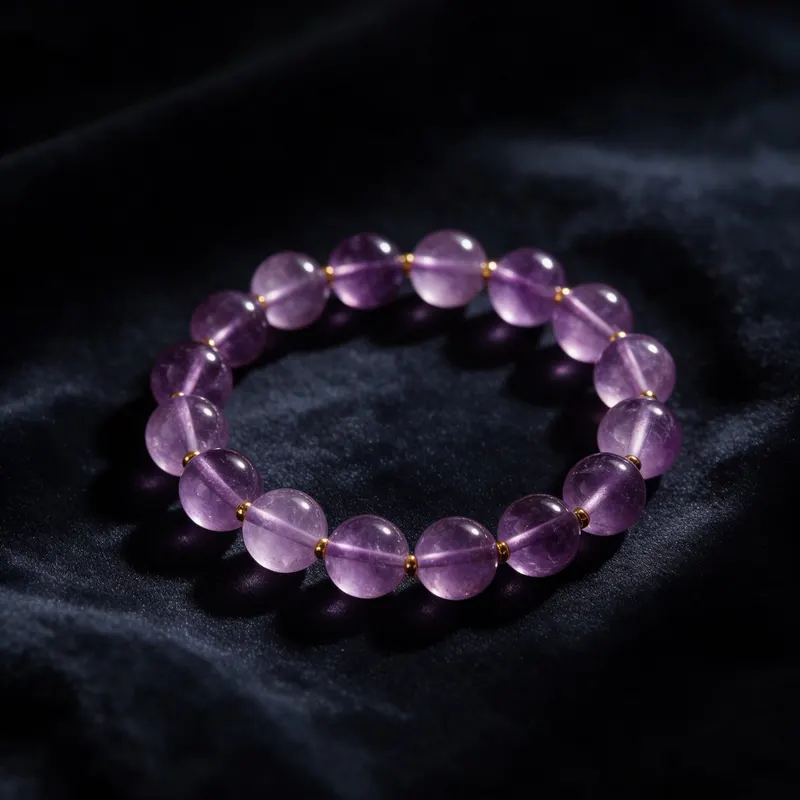
| Amethyst | A quieter mind; calm | Bracelet or raw cluster | Pre-talk nerves, overthinking |
| Fluorite | Focus and mental clarity | Bracelet | Remembering your points, staying on track |
Lapis Lazuli for Articulate Expression
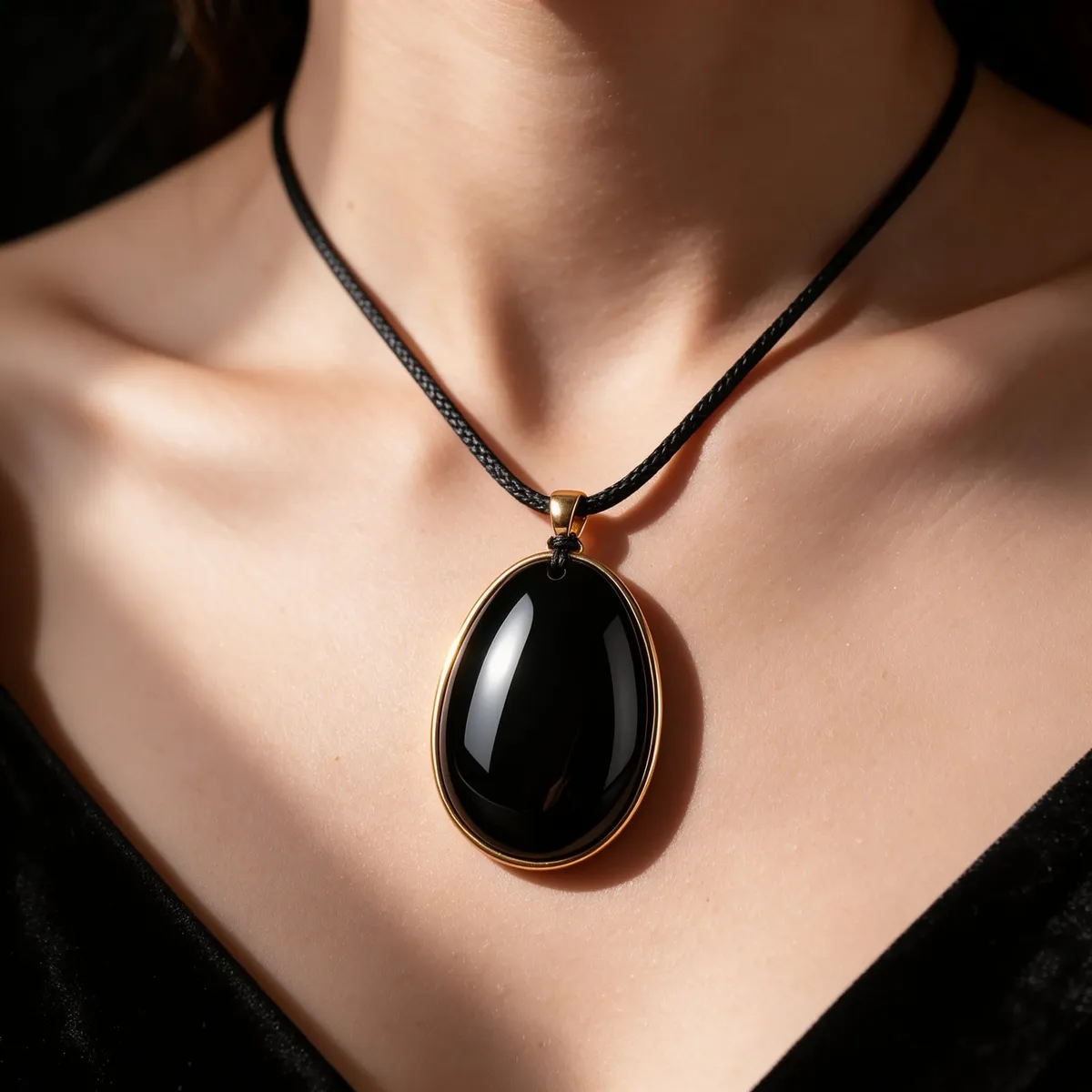
Lapis is the classic "speaker's stone" in tradition, linked to wisdom and honest, well-chosen words. A pendant sits right at the throat, which makes it easy to touch before you begin. The Lapis Lazuli Wisdom Pendant is a natural fit for presentations and interviews where you want to sound considered rather than rushed.
Aquamarine for Calm, Fluid Communication
If your nerves show up as a tight throat or a voice that wobbles, aquamarine is the gentler, cooling option — traditionally associated with serene, flowing speech. The Aquamarine Serenity Necklace works well for people who find lapis a little intense or who simply prefer a softer palette.
Tiger's Eye for Grounded Confidence
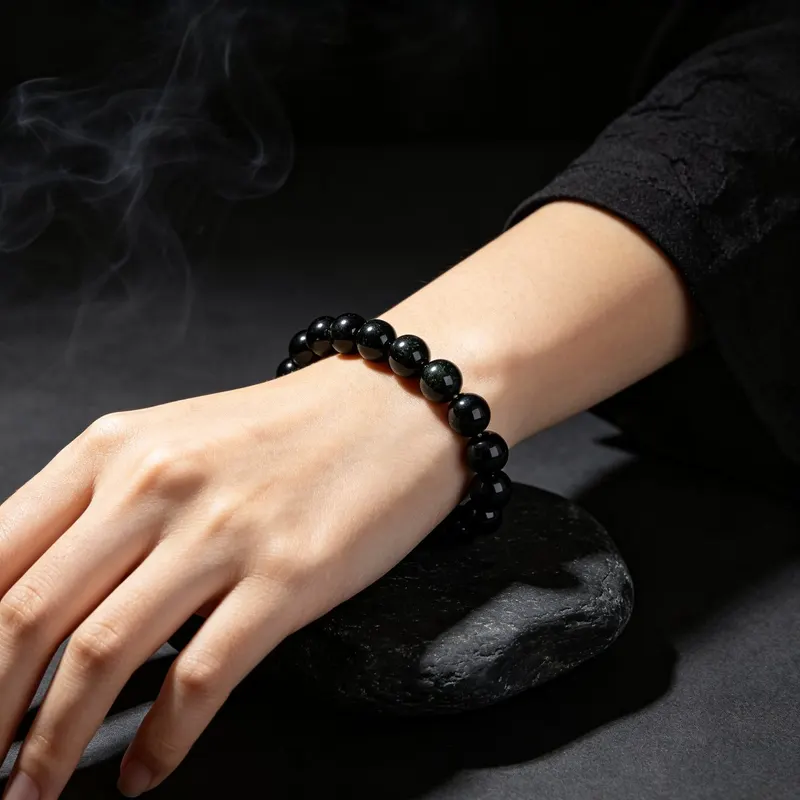
Tiger's eye is associated with courage and steady self-assurance, and because it's usually worn as a bracelet, it's easy to touch discreetly at your side. The Tiger's Eye Confidence Bracelet suits anyone who wants a physical reminder to stand tall and slow their pace.
Amethyst for a Quieter Mind
Amethyst is traditionally associated with calming an overactive mind — useful in the minutes before you go on, when your thoughts are racing through worst-case scenarios. The Amethyst Healing Bracelet is easy to wear on the wrist and touch during a breathing pause. If you prefer a piece for your desk or dressing table, a raw cluster can serve as a pre-talk focal point.
Fluorite for Focus
When the challenge isn't nerves but losing your thread mid-sentence, fluorite is traditionally associated with concentration and clear thinking. A Fluorite Focus Bracelet is a sensible pick for exams, long meetings, or any talk where structure matters as much as delivery.
How to Choose: A Practical Checklist
- Match the stone to your main problem. Nerves → amethyst or aquamarine. Voice and wording → lapis. Presence and courage → tiger's eye. Losing your place → fluorite.
- Choose the format for your setting. Pendants sit near the throat and are easy to glance at; bracelets are touchable without drawing attention. If you'll be at a podium with a microphone, a pendant may be more practical than a loose bracelet.
- Get the size right. Necklaces typically run 16–18 inches for a collarbone-length look and 20–24 inches to sit lower on the chest. Bracelets are usually 7–8 inches; measure your wrist with a strip of paper and add about half an inch for comfort.
- Check the clasp and weight. A pendant you'll fidget with should have a secure clasp and sit flat, not flip. Heavy pieces can feel distracting during a long talk.
- Look at the stone itself. Natural stones vary — lapis often has small gold pyrite flecks and white calcite streaks, aquamarine ranges from pale to deeper blue, tiger's eye should show a shifting "cat's eye" band of light. Some variation is normal and not a defect.
- Set a realistic budget. Simple beaded bracelets and small pendants typically run from roughly $25 to $80; sterling silver settings and larger, cleaner stones push toward $80–$150 or more. You're paying for the stone quality and the metal — not for any guaranteed outcome.
A Two-Minute Pre-Talk Ritual
Keep it short enough that you'll actually do it, even in a hallway or a bathroom mirror.
- Hold the stone in your palm and take five slow breaths — in for four counts, out for six.
- Silently affirm: "I speak clearly and calmly." Repeat it three times, slowly.
- Wear it where you can touch it discreetly — a pendant at the collarbone, a bracelet on the inner wrist.
- Say your opening line out loud once. Just the first sentence. It's the one you'll deliver on autopilot, and hearing it settles the rest.
If you want to build a broader practice around the throat center, see our guide to throat chakra crystals; for everyday social situations, try social confidence crystals, and for the big meeting, interview crystals.
Tradition vs. evidence: what holds up
It's worth separating lore from fact, because a trustworthy relationship with crystals means knowing what you're actually holding.
- Traditional claims: Lapis and aquamarine are associated with the throat and clear communication; amethyst with calm; tiger's eye with courage. These are cultural and spiritual associations, not measured effects. We present them as tradition, not as promises.
- Verifiable facts: On the Mohs hardness scale, quartz-family stones like amethyst and tiger's eye sit around 7, while lapis is softer at roughly 5–6 and aquamarine around 7.5–8. Softer stones scratch more easily, so store pendants separately rather than tossing them in a bag with keys.
- Water and sunlight: Amethyst and rose quartz can fade with prolonged direct sun, and aquamarine's color is generally more stable but still best kept out of harsh light. Avoid soaking softer stones like lapis in water, and never use ultrasonic cleaners on them.
- Care: Wipe with a soft, dry cloth after wearing. For deeper cleaning, use a barely damp cloth on harder stones only, and dry immediately. Keep perfumes and lotions away from porous stones.
- What crystals can't do: They won't replace rehearsal, and they don't treat or cure anxiety. If speaking nerves are significantly affecting your life, a qualified professional is the right resource.
Crystals are for reflection and ritual; they are not medical devices and do not diagnose, treat, cure, or prevent any disease.
FAQ
People Also Ask
What crystal helps with speaking clearly?
Lapis lazuli and aquamarine are traditionally associated with the throat and clear, calm communication. Lapis is often chosen for articulate expression, aquamarine for a softer, steadier voice.
Should I wear the crystal or just hold it?
Either works. Wearing it keeps the reminder with you during the talk and lets you touch it discreetly; holding it during a two-minute breathing pause beforehand is enough if you'd rather not wear jewelry on stage.
How do I care for a speaking crystal?
Wipe it with a soft dry cloth after wearing, store it separately to avoid scratches, and keep softer stones like lapis away from water, perfume, and ultrasonic cleaners.
Can crystals cure stage fright?
No. They can serve as a calming ritual cue, but practice, preparation, and — where needed — professional support remain the most effective tools.
Closing
The best speaking stone is the one you'll actually reach for. Pick a piece that matches your main challenge, wear it where you can touch it, and let it do the one thing a crystal can reliably do: remind you to breathe, slow down, and say what you came to say.
Explore the full edit in our Focus & Clarity Collection.