A Season of Clearing and Growth
You can feel it before you can name it: the days stretch a little longer, the light changes, and suddenly you want to open the windows, clear a shelf, and start the thing you kept postponing. Spring has a way of inviting forward movement—and for many people, that urge arrives right alongside a pile of winter clutter, both physical and mental.
Crystals can be a useful anchor for that seasonal shift. Not because a stone does the work for you, but because a small, tangible object on your desk or bedside table can remind you, every morning, of the intention you set. Think of them as symbols of renewal and forward movement—a physical cue for a change you're already ready to make.
This guide covers which stones are traditionally associated with spring renewal, how to choose one that fits your actual life, how to care for it properly, and a simple reset ritual you can do in an afternoon. It also separates the beautiful tradition from the practical facts, so you know exactly what you're buying.
Why Spring and Crystals Pair So Naturally
Seasonal rituals are one of the oldest human habits. Marking a change in the year with a deliberate action—cleaning, planting, setting a goal—gives the mind a clear starting line. Crystals slot into that tradition easily because they're durable, tactile, and easy to keep in view.
In crystal and I Ching traditions, spring is associated with beginnings, upward movement, and the first stirring of new energy after a period of rest. You don't need to adopt any particular belief to use that framing well. What matters is that you pick a stone, give it a meaning that's meaningful to you, and place it somewhere it will actually catch your eye.
If you're new to this, a single well-chosen piece is more useful than a crowded shelf. Start with one stone that matches the specific change you want to make this season.
Spring Stones and What They're Traditionally Associated With
The stones below are the ones most often linked to renewal, clarity, and fresh starts. Each entry pairs the traditional association with a practical note on how people actually wear or use it.
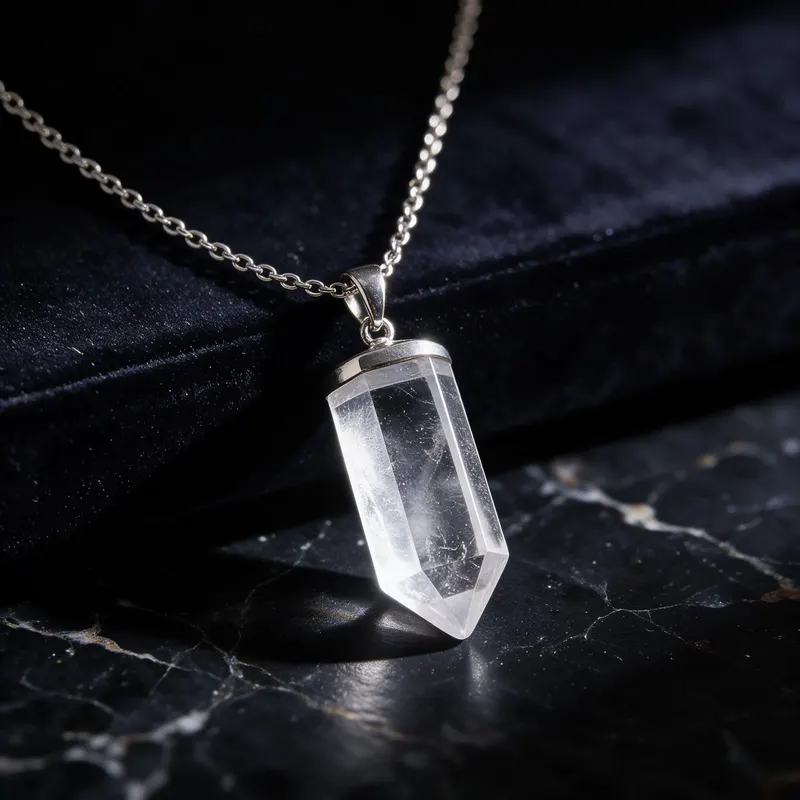
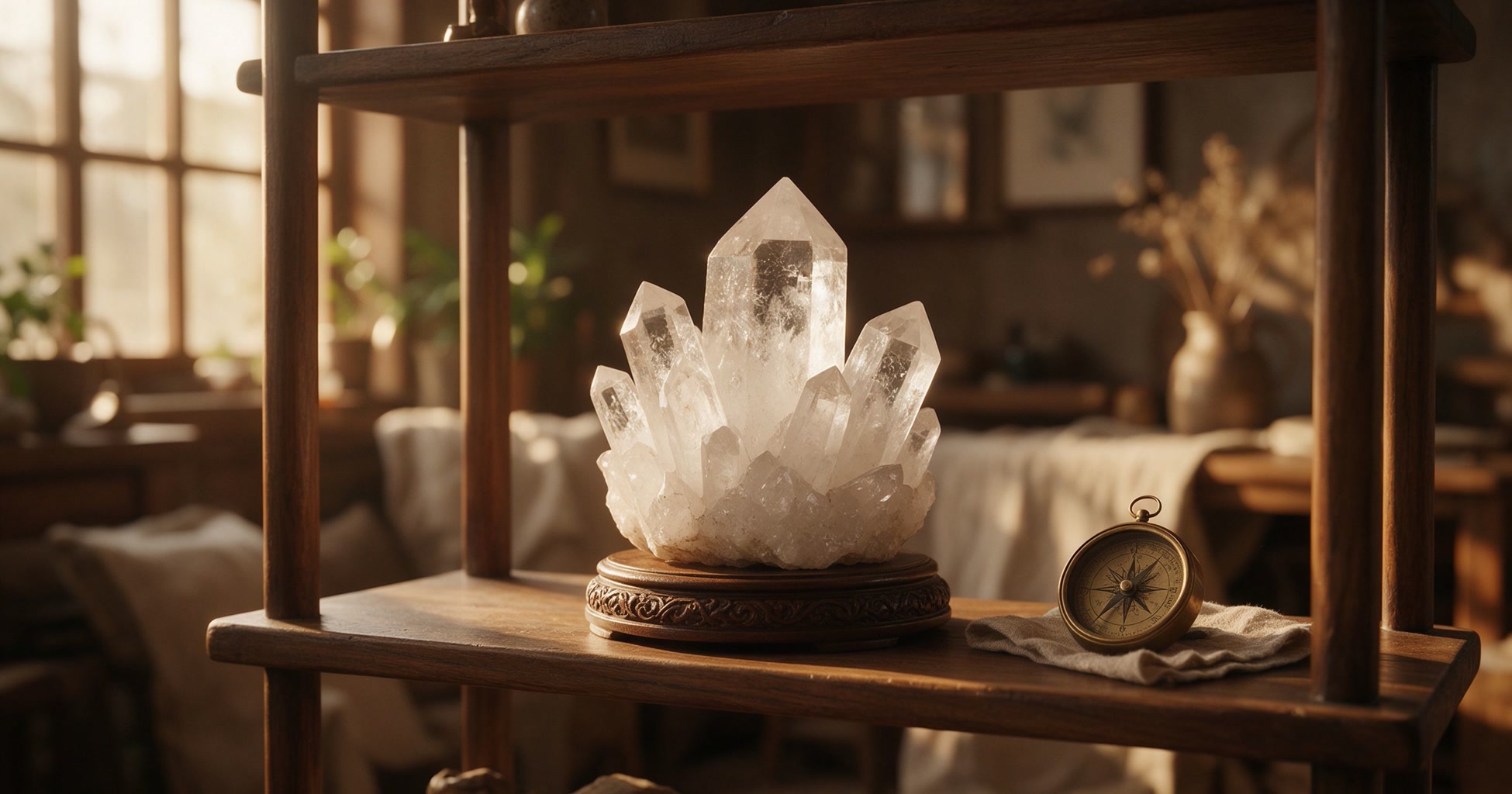
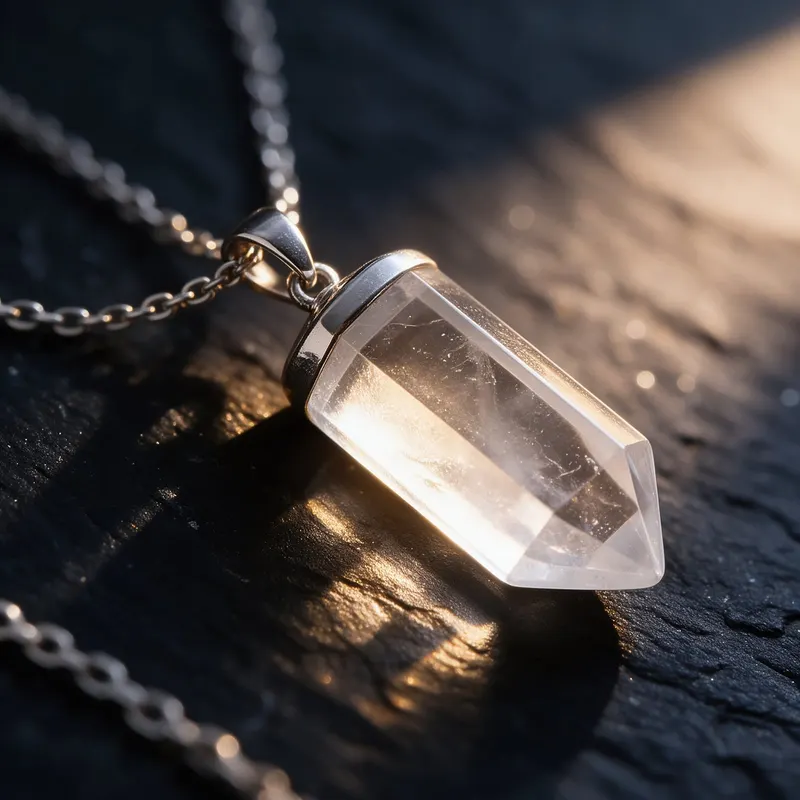
- Clear quartz — traditionally associated with clarity and amplifying intention. A pendant keeps it close and visible; a point shape is easy to hold during a morning pause. If you want a single "fresh slate" piece, this is the classic choice: Clear Quartz Point Pendant Necklace, Sterling Silver.
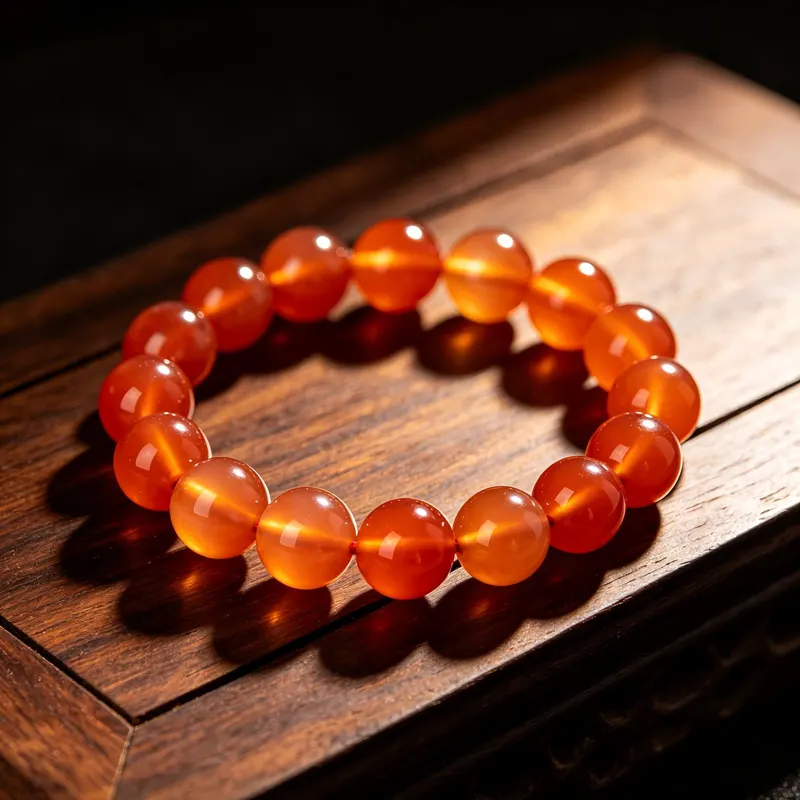
- Carnelian — believed to support motivation, creativity, and warm, forward-driving energy. A good pick if your spring goal involves starting a project or getting back into a creative practice: Carnelian Creativity Bracelet for Motivation & Fire.
- Green stones (aventurine, in our curated sets) — traditionally linked to growth and opportunity, which is why they show up so often in spring-themed collections.
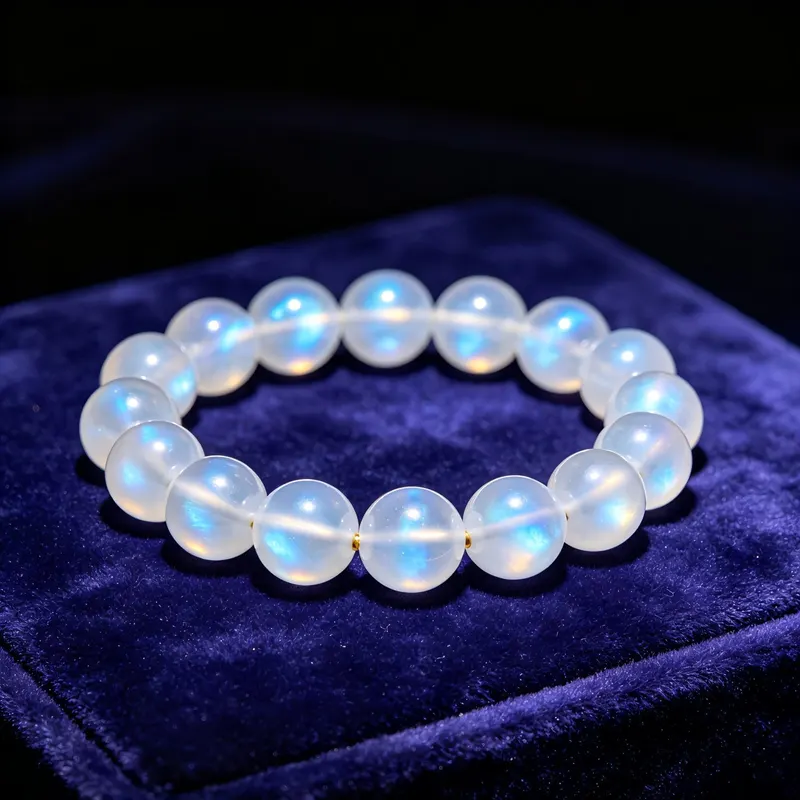
- Rainbow moonstone — associated with intuition and new beginnings; a gentle option if your "fresh start" is emotional rather than project-driven: Rainbow Moonstone Bracelet for Intuition & New Beginnings.
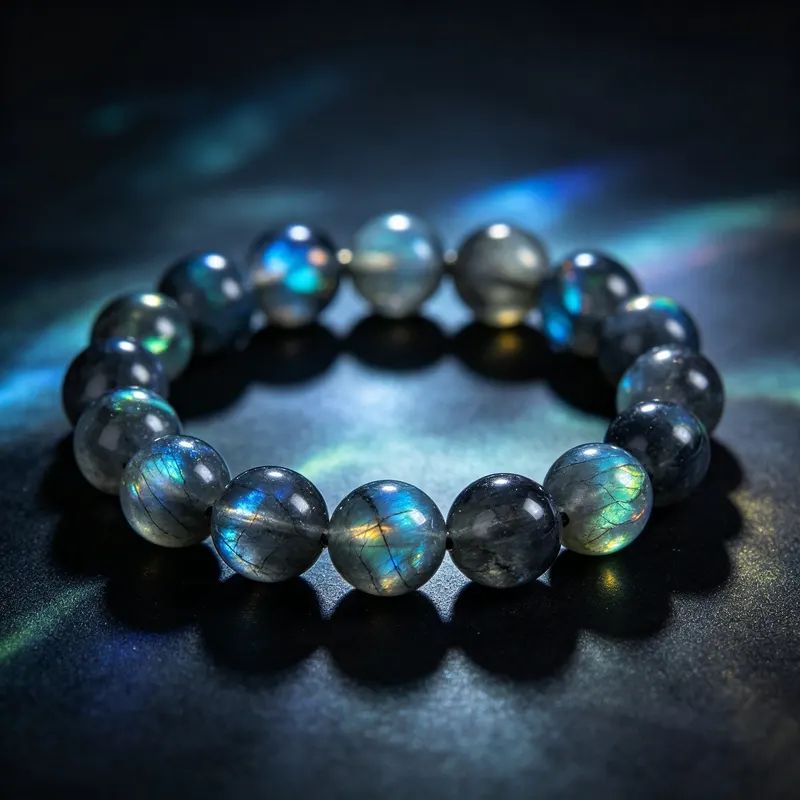
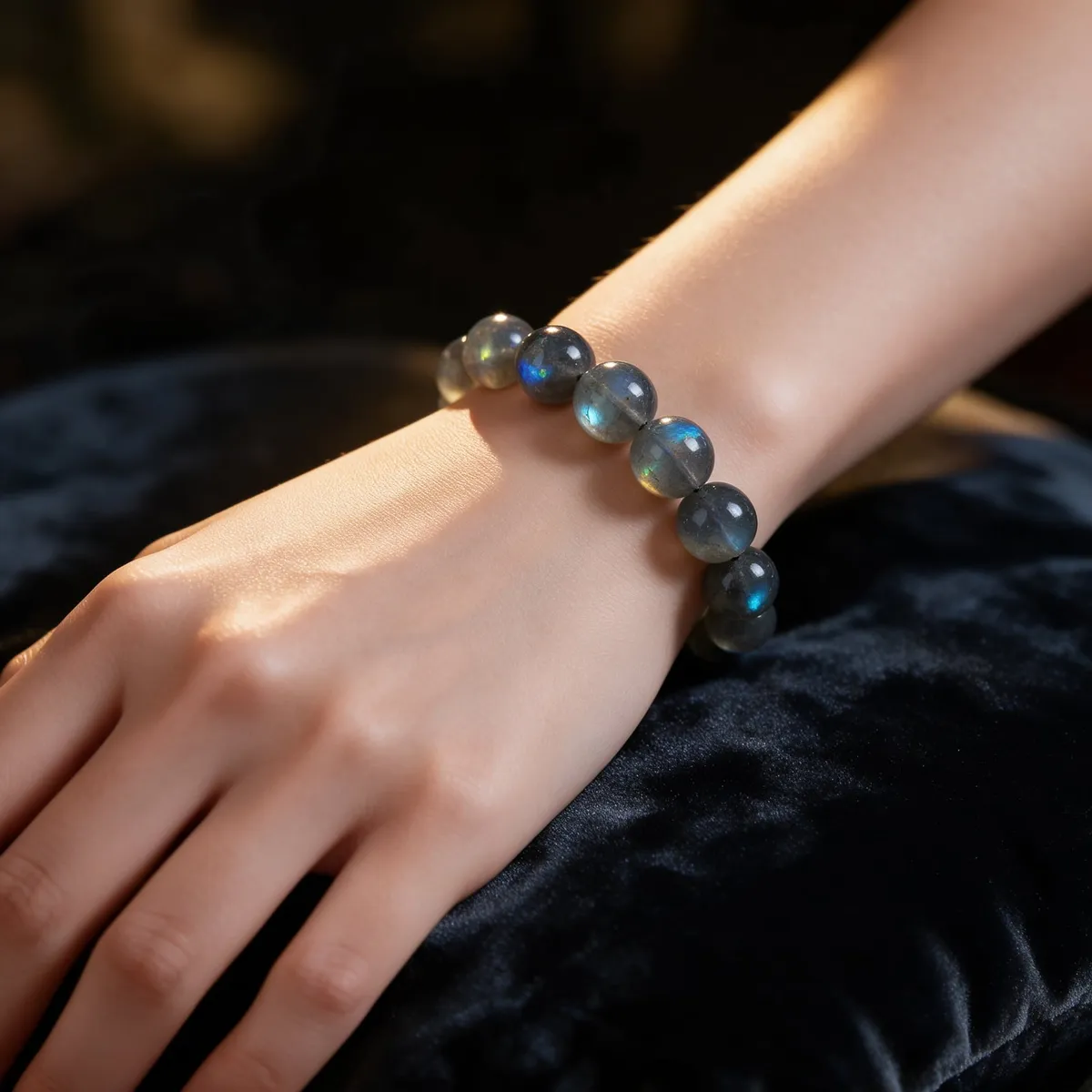
- Labradorite — traditionally tied to transformation and inner change, useful if spring feels like a turning point rather than a clean start: Labradorite Bracelet for Intuition & Transformation.
- Amethyst — associated with calm and mental clarity, which helps when "renewal" really means quieting a busy head: Amethyst Healing Bracelet for Calm & Clarity.
- Selenite — traditionally used for symbolic clearing and space-resetting, which makes it a natural fit for a seasonal cleanse: Selenite Cleansing Wand for Energy Clearing.
None of these associations are guarantees. They're a vocabulary—a way to name the quality you want to bring into the season—and you're free to choose the stone whose meaning resonates with you rather than the one a chart assigns you.
How to Choose: A Quick Comparison
Use this table to narrow your options by the kind of spring you're actually having. Match the stone to the change, not to the aesthetic alone.
| If your spring goal is… | Consider | Typical form | Realistic price band |
|---|---|---|---|
| A clean mental slate | Clear quartz | Pendant or point | Entry to mid-range; sterling silver settings cost more than plated |
| Starting a project or creative habit | Carnelian | Bracelet | Entry to mid-range |
| An emotional fresh start | Moonstone, labradorite | Bracelet | Entry to mid-range; higher for large, flashy stones |
| Calming an overactive mind | Amethyst | Bracelet or raw cluster | Entry to mid-range; raw clusters vary widely by size |
| Resetting your space | Selenite | Wand | Entry range |
| A complete beginner's set | Mixed starter kit | Set with guide | Mid-range for a full set of seven |
A few realistic expectations: natural stone means natural variation, so the piece you receive will differ slightly in color and pattern from the photo. Bracelets are usually strung on elastic and sized in the 6.5–7.5 inch range—measure your wrist with a strip of paper before ordering, and size up if you're between. Pendants are typically 16–20 inch chains; a 16-inch chain sits at the collarbone, an 18-inch sits just below it. Prices for genuine stones are modest at entry level and rise with stone size, setting metal, and craftsmanship—be cautious of anything priced so low that the "stone" is likely glass or dyed quartz.
A Spring Reset Ritual
This takes about twenty minutes and works whether or not you consider yourself spiritual. The point is to mark the season deliberately.
- Clear the physical space first. Wipe down the surface where your stone will live. A clean shelf makes the ritual feel real.
- Cleanse the pieces you reach for. A symbolic rinse in intention—or, for stones that tolerate it, a quick wipe with a soft damp cloth—marks the end of winter. (See the care notes below before you get anything wet.)
- Choose one word for the season. Grow. Move. Begin. Simplify. Write it down where you'll see it.
- Hold your stone and name the change. One sentence is enough: "This spring I'm making space for ___."
- Place the stone where you'll see it each morning—bedside table, desk, kitchen windowsill. Visibility is the whole point.
If you want to go deeper, pair this with the practices in new beginnings, letting go and manifestation.
Traditional beliefs vs. verifiable facts
It's worth being clear about where tradition ends and verifiable fact begins. Both have value; they're just different kinds of information.
What the tradition says: Clear quartz is believed to amplify intention; carnelian is traditionally associated with motivation and vitality; moonstone with intuition and new beginnings; amethyst with calm and clarity; selenite with clearing stagnant energy. These are cultural and spiritual associations passed down through crystal and I Ching practice. They are meaningful as symbols and as prompts for reflection—but they are not scientific claims, and no stone has been shown to treat or prevent illness.
What we can verify: hardness, sensitivity, and care. These are measurable and worth knowing before you buy.
- Mohs hardness (a 1–10 scratch scale): quartz, amethyst, and carnelian sit around 7, so they're durable for daily wear but can still scratch softer materials. Moonstone and labradorite are roughly 6–6.5 and benefit from gentler handling. Selenite is very soft—about 2—and scratches easily, so keep it away from keys and other jewelry.
- Water sensitivity: quartz-family stones tolerate brief contact with water. Selenite should be kept dry—it can dissolve or pit with prolonged soaking. Avoid harsh cleaners and ultrasonic cleaners on any set stone.
- Sunlight sensitivity: some stones, including amethyst and rose quartz, can fade with prolonged direct sun. Store them out of direct window light for long periods.
- Care basics: wipe with a soft dry or barely damp cloth, store bracelets flat or on a soft pouch, and check elastic for wear every few months. Remove bracelets before swimming, showering, or heavy cleaning.
Crystals are for reflection and are not medical devices.
FAQ
People Also Ask
Which crystal is best for spring renewal?
Clear quartz for a fresh slate and carnelian for motivated, creative energy are the classic spring pairing. If your renewal is more emotional than project-based, moonstone or labradorite may resonate more. Choose the one that matches the specific change you're making.
Should I cleanse all my crystals in spring?
A seasonal cleanse is a lovely symbolic reset and a good practical habit after months of daily wear—it's also a natural moment to check elastic, wipe off residue, and store pieces you haven't reached for. Just match the method to the stone: keep selenite dry, and avoid prolonged soaking or harsh cleaners for anything set in metal.
How do I know if a crystal is genuine?
Look for natural variation—real stones rarely match a photo exactly. Ask about the material and setting, and be wary of prices that seem too low for the stone described. No certification is required for decorative stones, so buy from sellers who describe materials honestly and show clear photos.
Can I wear my spring crystal every day?
Yes, for most quartz-family stones. Remove bracelets before swimming, showering, or cleaning, and check elastic regularly. Softer stones like selenite are better kept on a shelf than worn daily.
Browse the Curated Collection
Explore the full edit here: Intuition & Spiritual Growth Collection →
Shop the Stones
- Clear Quartz Point Pendant Necklace, Sterling Silver
- Carnelian Creativity Bracelet for Motivation & Fire
- Rainbow Moonstone Bracelet for Intuition & New Beginnings
- Selenite Cleansing Wand for Energy Clearing
Keep Exploring
New Beginnings · Letting Go · Manifestation
Crystals are intended to support personal and spiritual well-being and are not medical devices. They do not diagnose, treat, cure, or prevent any disease. Shift workers and caregivers should rely on proper sleep, hydration and professional medical guidance.