Who This Guide Is For
If you share your home with a cat or a dog, you've probably already done a mental sweep of the house—houseplants, chocolate, string, small toys under the sofa. Crystals deserve the same pass. A bowl of tumbled stones on a coffee table, a beaded bracelet left on a nightstand, a selenite wand on a low shelf: to a curious kitten or a teething puppy, these are chew toys first and spiritual tools second.
This guide is about household safety, not about whether crystals affect animals. Whatever you believe about a stone's energy, the physical realities are straightforward and worth planning around: small objects get swallowed, some minerals are genuinely harmful if chewed or ingested, and certain crystal-adjacent products—elixirs, oil blends, sprays—carry risks that have nothing to do with metaphysics. We'll walk through what to keep out of reach, how to display and store a collection in a pet household, and what to do if something goes wrong.
None of this requires giving up your collection. It requires a few deliberate choices about placement, storage, and which pieces you handle only when the animals aren't underfoot.
The Main Risks Are Physical, Not Mystical
When pet owners ask whether crystals are "safe," the useful answer separates three categories of risk. First, choking and obstruction: beads, small tumbles, and chips are exactly the size and shape that cats bat across floors and puppies swallow. Second, material toxicity: a handful of common collector minerals contain copper, lead, arsenic, or other metals that are harmful if chewed, licked repeatedly, or ingested—and a stone's dust or flakes can matter as much as the stone itself. Third, soft or friable stones that crumble, splinter, or dissolve when bitten, creating sharp fragments or a mouthful of grit.
There's also a fourth category that gets overlooked: products. Crystal elixirs, gemstone water bottles, essential-oil rollers, and cleansing sprays are often more hazardous to pets than the stones themselves. Many essential oils are unsafe for cats and dogs, and adding any unknown mineral to an animal's water is a risk with no upside. Keep all of it—stones, sprays, oils, and the water you've soaked stones in—away from bowls and mouths.
Stones to Keep Well Out of Reach of Chewers
The list below covers the minerals most often flagged for pet households. It isn't exhaustive, and it isn't a substitute for veterinary advice—but it's a sensible starting point for deciding what goes on a high shelf versus what can sit on a desk.
- Copper-bearing stones: malachite, azurite, chrysocolla, and dioptase. Copper is harmful if ingested in quantity, and these stones are soft enough to be chewed or scraped.
- Lead- or arsenic-bearing minerals: galena, cerussite, realgar, orpiment, and many raw specimens sold as "collector" pieces. Raw and unpolished specimens are the highest concern.
- Cinnabar and vermilion-colored stones: mercury-bearing; keep sealed or displayed high and out of reach.
- Soft, flaking, or fibrous stones: selenite, gypsum, malachite (again—it's both), and fibrous zeolites or asbestos-group specimens. These crumble or splinter when bitten.
- Dyed or coated stones of unknown origin: the dye itself may not be food-safe, and the coating can flake.
- Any stone small enough to swallow: roughly anything that fits through a cardboard toilet-paper tube is a swallowing hazard for a dog; for cats, the threshold is even smaller.
If you're unsure what a specimen contains, treat it as a "high shelf only" piece until you've confirmed otherwise. Reputable sellers should be able to tell you what a stone is and whether it's been treated or dyed.
Quick Reference: Risk by Crystal Type
| Crystal or product | Primary risk to cats and dogs | Practical handling |
|---|---|---|
| Loose beads, small tumbles, chips | Choking, intestinal obstruction | Store in lidded containers; never leave bracelets on low surfaces |
| Malachite, azurite, galena, cinnabar | Toxic if chewed or ingested; dust | Display high, behind glass or in a closed cabinet; wash hands after handling |
| Selenite, gypsum, fibrous specimens | Flaking, splintering, crumbling when bitten | Keep above counter height; avoid floor displays |
| Raw clusters and points | Sharp edges, tipping hazards, small fragments | Stable shelf, away from tails and zoomies; check for loose chips |
| Crystal elixirs, gem water, oil rollers | Essential oils and unknown minerals are unsafe if ingested | Keep off counters and out of reach; never add to pet water |
| Bracelets and rings | Beads can be batted loose and swallowed | Wear deliberately, then return to a closed box—not a bedside table |
What tradition holds — and what we can verify
Crystal traditions assign meanings to stones—amethyst for calm, rose quartz for the heart, black tourmaline for grounding. Those associations are cultural and symbolic; they are not claims about animal health, and nothing in this guide depends on them. What we can verify is physical: hardness, solubility, and composition.
On the Mohs scale, talc is 1 and diamond is 10. Selenite sits around 2—soft enough to scratch with a fingernail and to dissolve slowly in water. Quartz family stones (clear quartz, amethyst, citrine, rose quartz) are around 7, hard but brittle, and they chip into sharp fragments. Malachite is roughly 3.5 to 4 and, importantly, contains copper. Hardness tells you how a stone behaves when chewed or dropped; composition tells you whether the material itself is a concern. Both matter more than any label on a product page.
Care follows from the same facts. Soft stones like selenite shouldn't be washed or left damp; many colored stones fade in direct sun; and porous or raw specimens can shed dust. For pets, the practical rule is simple: the softer, smaller, or more chemically complex a piece is, the higher it should live. For more on cleaning and water sensitivity, see our water-safe crystal guide.
How to Display and Store a Collection in a Pet Household
Most incidents are preventable with placement and a little furniture strategy. A few habits that work well:
- Go high and stable. Shelves above tail height, closed cabinets, and lidded boxes are your friends. Avoid floor-level crystal grids, open altars, and low coffee-table bowls in homes with kittens or puppies.
- Anchor the display. Museum putty or a non-slip mat under clusters and points stops a tail swipe from becoming a shattered specimen.
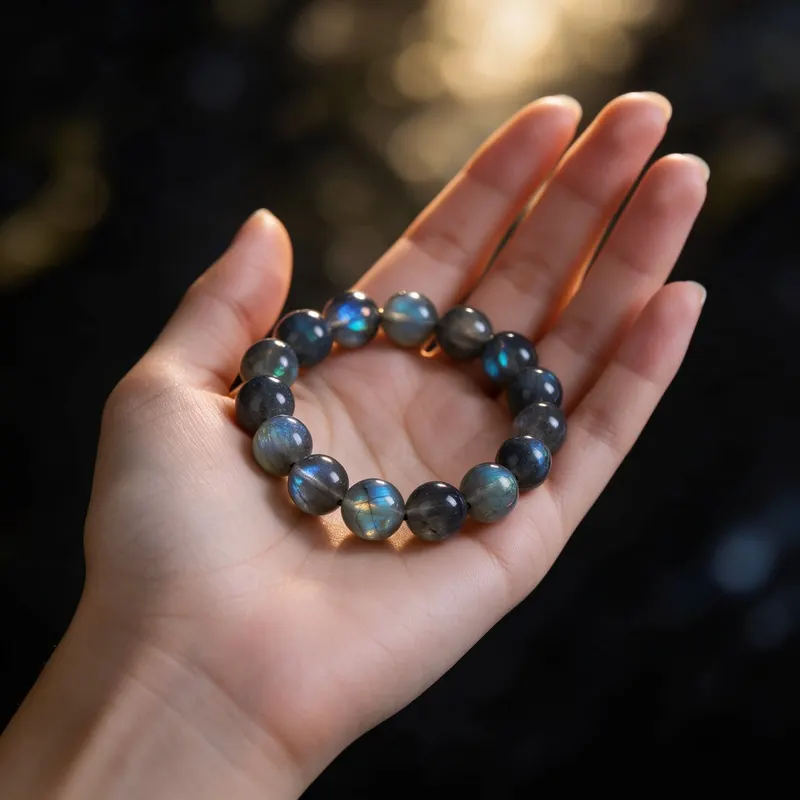
- Close the loop on jewelry. Take bracelets and rings off and put them in a box, not on a nightstand. A beaded bracelet is a dozen small swallowing hazards strung together.
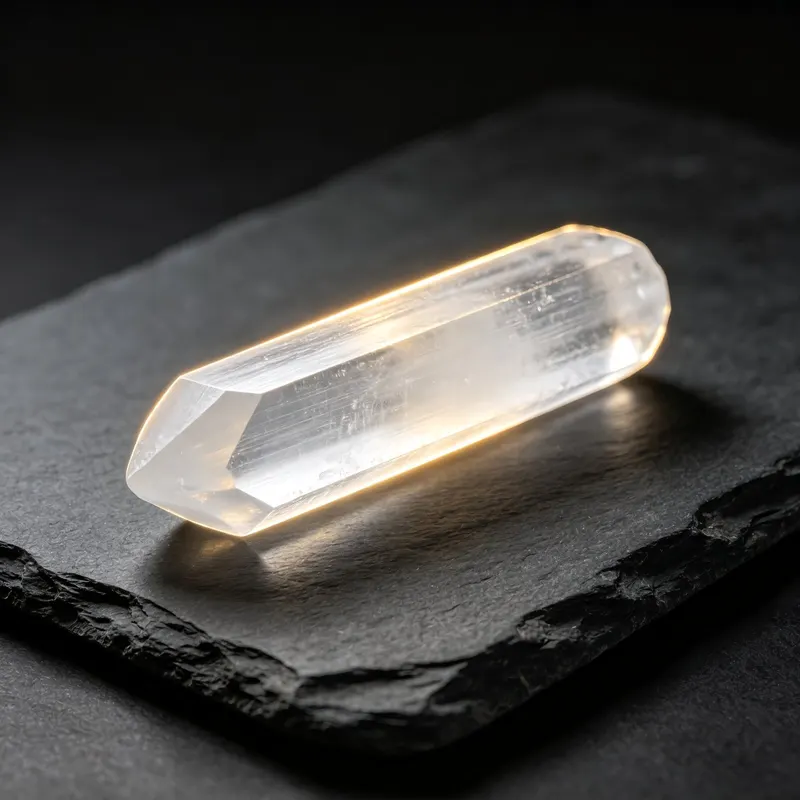
- Separate the "handling" pieces. Keep a small tray of stones you use during meditation or journaling, and put it away when you're done. This is also a good moment to use a Selenite Cleansing Wand for your own ritual practice—then return it to its high shelf.
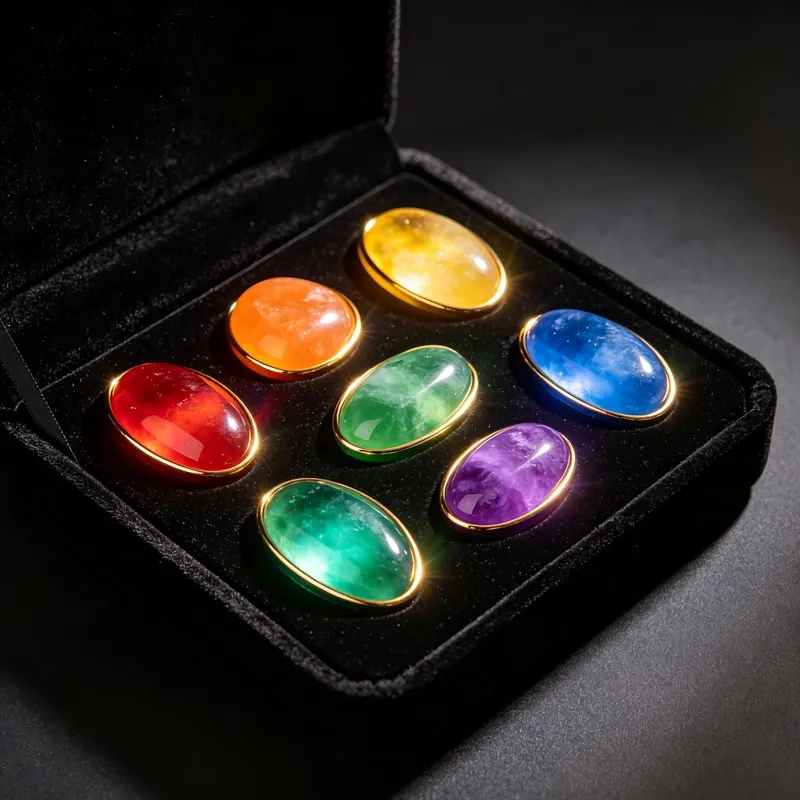
- Contain the small stuff. If you keep a starter set or mixed collection, a closed wooden box is ideal. The 7 Chakra Stone Set with Wooden Display Box keeps stones organized and out of paw's reach when the lid is on.
- Mind the water and oils. Store elixirs, sprays, and oil rollers in a closed cabinet, well away from pet bowls and food prep areas.
For more storage options, our crystal storage guide covers boxes, pouches, and shelf ideas in detail.
Choosing Pieces That Suit a Pet Household
If you're building or adjusting a collection, favor pieces that are large enough not to be swallowed, stable enough not to tip, and simple enough to care for. A few directions that work well:
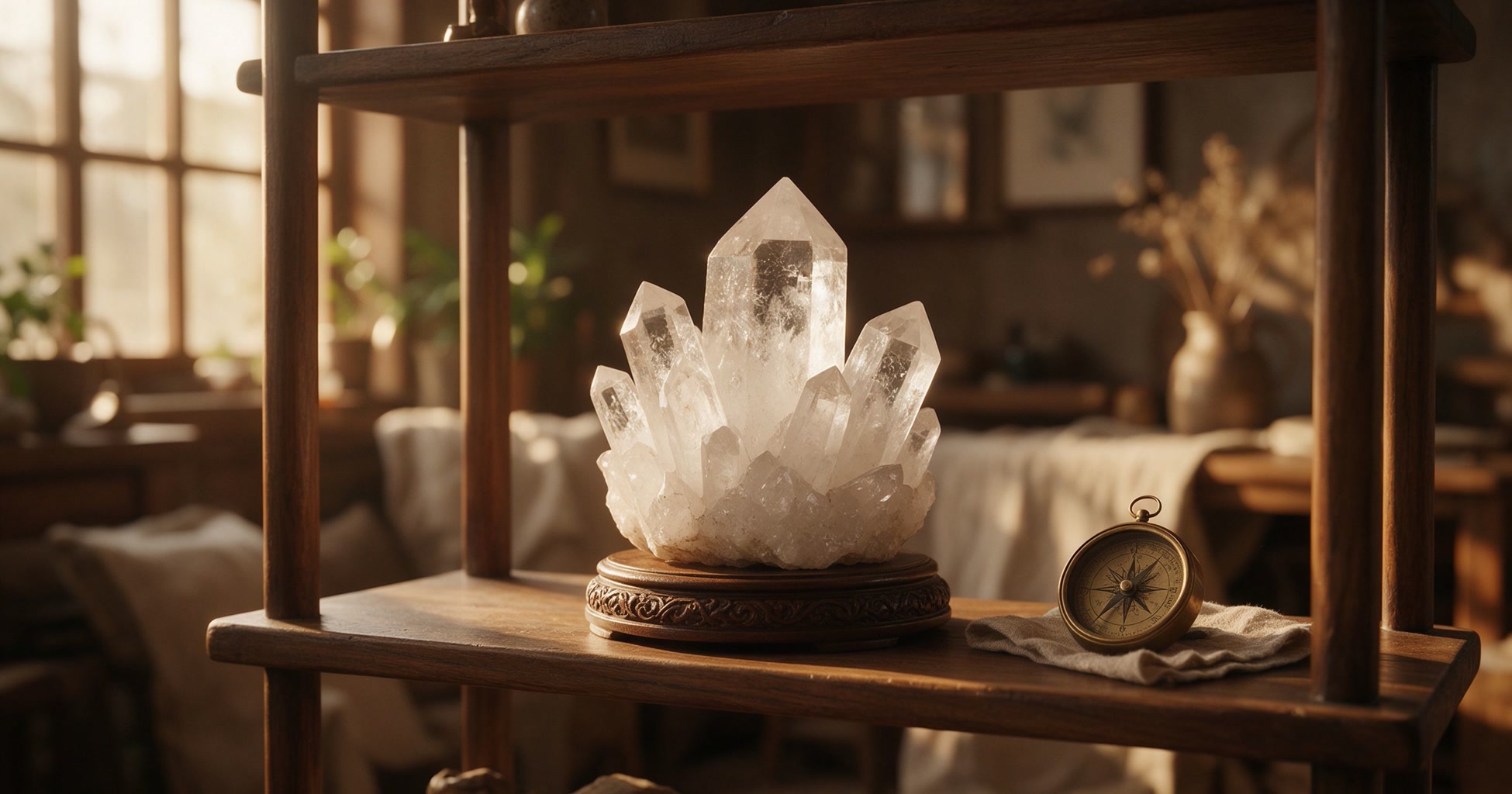
- Single, substantial display pieces rather than bowls of small tumbles. A raw cluster on a high shelf is easier to supervise than twenty loose stones.
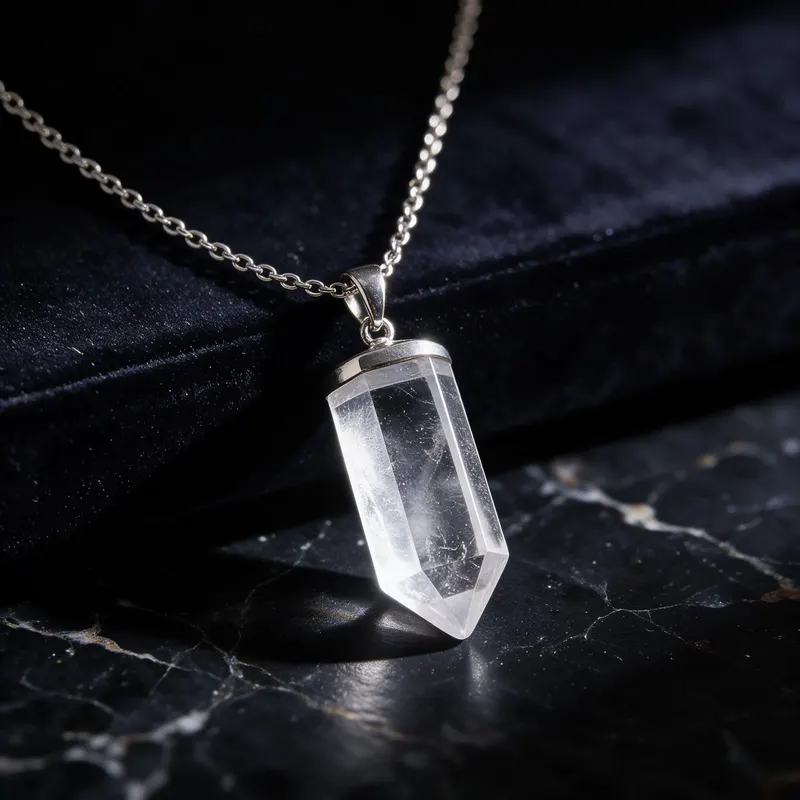
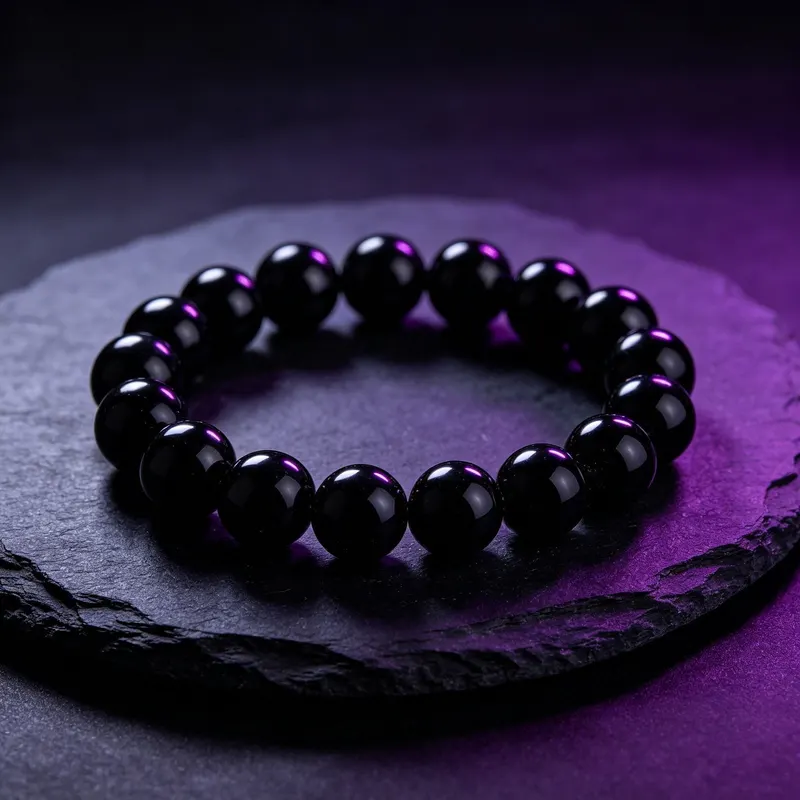
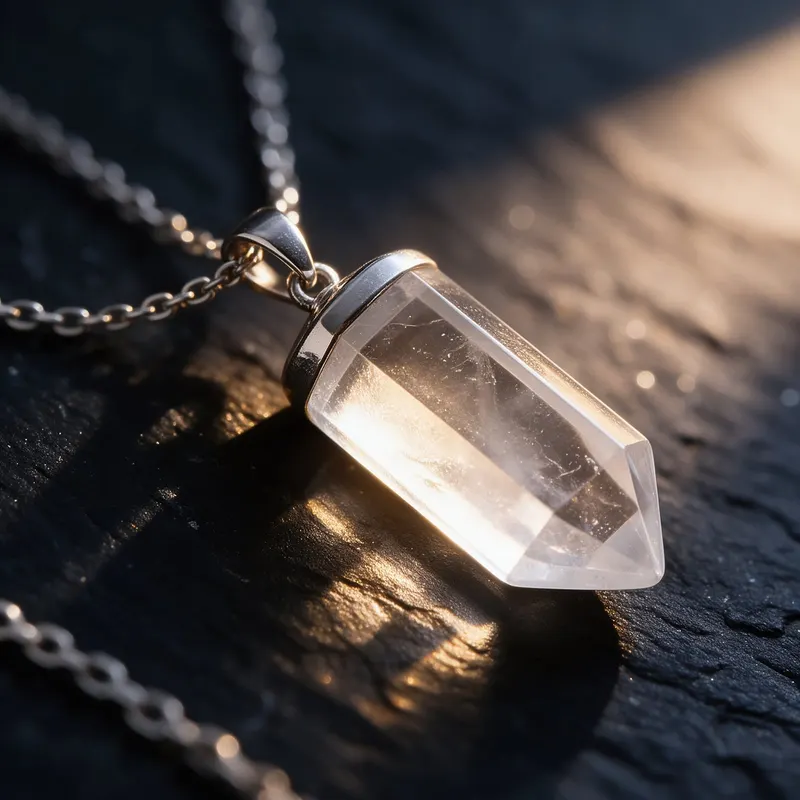
- Pendants and necklaces you wear and then put away, rather than bracelets left on surfaces. A Clear Quartz Point Pendant Necklace or a Black Tourmaline Protection Bracelet worn deliberately and stored in a closed box is a low-risk way to keep a stone close.
- Sets with a case. A Healing Crystal Starter Kit that lives in its box between uses keeps small stones contained.
- Stones with traditional associations you actually use. If you keep a piece for reflection—say, an Raw Amethyst Cluster on a high shelf for meditation—its meaning is personal. Its safety is physical: stable, out of reach, and checked for loose chips.
Realistic price expectations: small tumbled stones typically run a few dollars each, beaded bracelets generally fall in the $20–$60 range, pendants with sterling silver or gold-plated settings often run $40–$120, and larger raw clusters or collector specimens can range from $50 into the hundreds depending on size and quality. None of that changes the safety math—an inexpensive bead is just as much a swallowing hazard as an expensive one.
If Your Pet Eats a Stone
Contact your veterinarian promptly if a bead or crystal is swallowed; do not wait to see if it passes. Bring the stone's name, or a photo, and any packaging if you have it. Signs that warrant immediate attention include choking, gagging, vomiting, drooling, abdominal discomfort, or lethargy. Do not induce vomiting unless a veterinarian tells you to—some materials cause more harm coming back up.
If you suspect a pet chewed a copper- or lead-bearing mineral, say so when you call. And if a stone has been in a pet's mouth, clean it thoroughly or retire it; porous and raw specimens can hold residue.
Frequently Asked Questions
Are crystal beads dangerous for cats?
Yes, as physical objects. Loose beads are a choking and obstruction risk, and cats are skilled at batting small things off surfaces. Store bracelets and small stones where cats cannot reach them, and check that clasps and cords are intact before wearing.
Is selenite safe around dogs?
Selenite is soft—around 2 on the Mohs scale—and can flake or crumble if chewed, and it dissolves slowly in water. Keep it out of reach rather than leaving it where a dog can bite it, and don't leave it in a water bowl.
Can I put crystals in my pet's water?
No. Do not add unknown minerals or essential oils to an animal's water. The risk of ingestion outweighs any claimed benefit, and some stones contain metals that are harmful if dissolved or swallowed.
What should I do with a crystal my cat has batted around?
Wash your hands, inspect the stone for chips or cracks, and clean it according to its hardness—soft stones like selenite should be wiped, not soaked. If it's damaged or has been chewed, retire it from display and keep it away from pets.
Browse the Curated Collection
Keep Exploring
How to Store Crystals · Water-Safe Crystal Guide · Storing Crystals Together
Crystals are for reflection and are not medical devices. This guide is offered for household safety awareness, not as medical, psychological, veterinary or financial advice, and outcomes are not guaranteed. If you, a family member or a pet are dealing with a health condition, please contact a licensed professional or veterinarian.