A Small Symbol of Mindful Abundance
Maybe you've seen it on a friend's nightstand or in a photo of someone's open wallet: a small, polished stone tucked behind a coffee-shop loyalty card. Keeping a crystal in your wallet or purse is one of the oldest and most personal abundance traditions in modern crystal practice—and one of the easiest to start.
The appeal isn't complicated. A wallet is the object you open when you make nearly every financial decision, from a $4 coffee to a $400 repair. Slipping a stone inside turns that ordinary moment into a small pause. You see it, you remember what you said you wanted your money to do, and you choose accordingly.
This guide covers which stones are traditionally kept for abundance and money peace of mind, how to choose a piece that actually fits, how to cleanse and set an intention, and how to care for it so it lasts. It also separates the lore from what we can honestly verify—because the most useful thing a wallet stone can do is support your habits, not replace them.
Why a Wallet Is a Good Home for a Stone
Most crystal traditions work through repetition and attention. A stone on an altar gets noticed when you meditate. A stone in a wallet gets noticed every time you pay for something—which, for most people, is several times a day. That frequency is what makes the wallet such a natural setting for an abundance practice.
There's also a practical logic to it. Wallet stones are small, so they're inexpensive, easy to replace, and unlikely to be damaged. They travel with you, so the reminder travels too. And because a wallet is a closed, padded space, the stone is protected from the knocks and scratches that would dull a ring or pendant.
Traditionally, abundance stones are believed to invite prosperity and to support a generous, unanxious relationship with money. We'd frame it more modestly: a wallet stone is a tactile cue that invites you to spend deliberately, save consistently, and notice what you already have. The ritual does the work through your attention, not through magic.
Wallet-Friendly Stones and What They're Traditionally Associated With
Not every crystal belongs in a wallet. You want something small, smooth, durable enough for daily handling, and—ideally—not water-sensitive, since purses see rain, spills, and humid cars. Here's how the most common choices compare.
| Stone | Traditional association | Best form for a wallet | Practical notes |
|---|---|---|---|
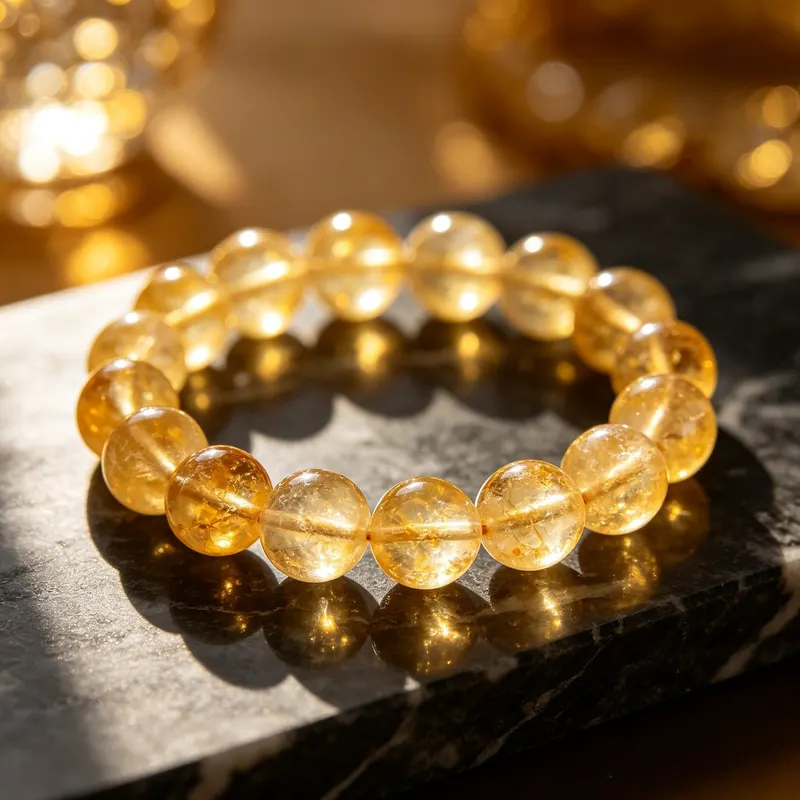
| Citrine | Abundance, prosperity, warmth, joy | Small tumbled stone, 15–25 mm | Hard (Mohs 7); keep out of prolonged direct sun, which can fade color |
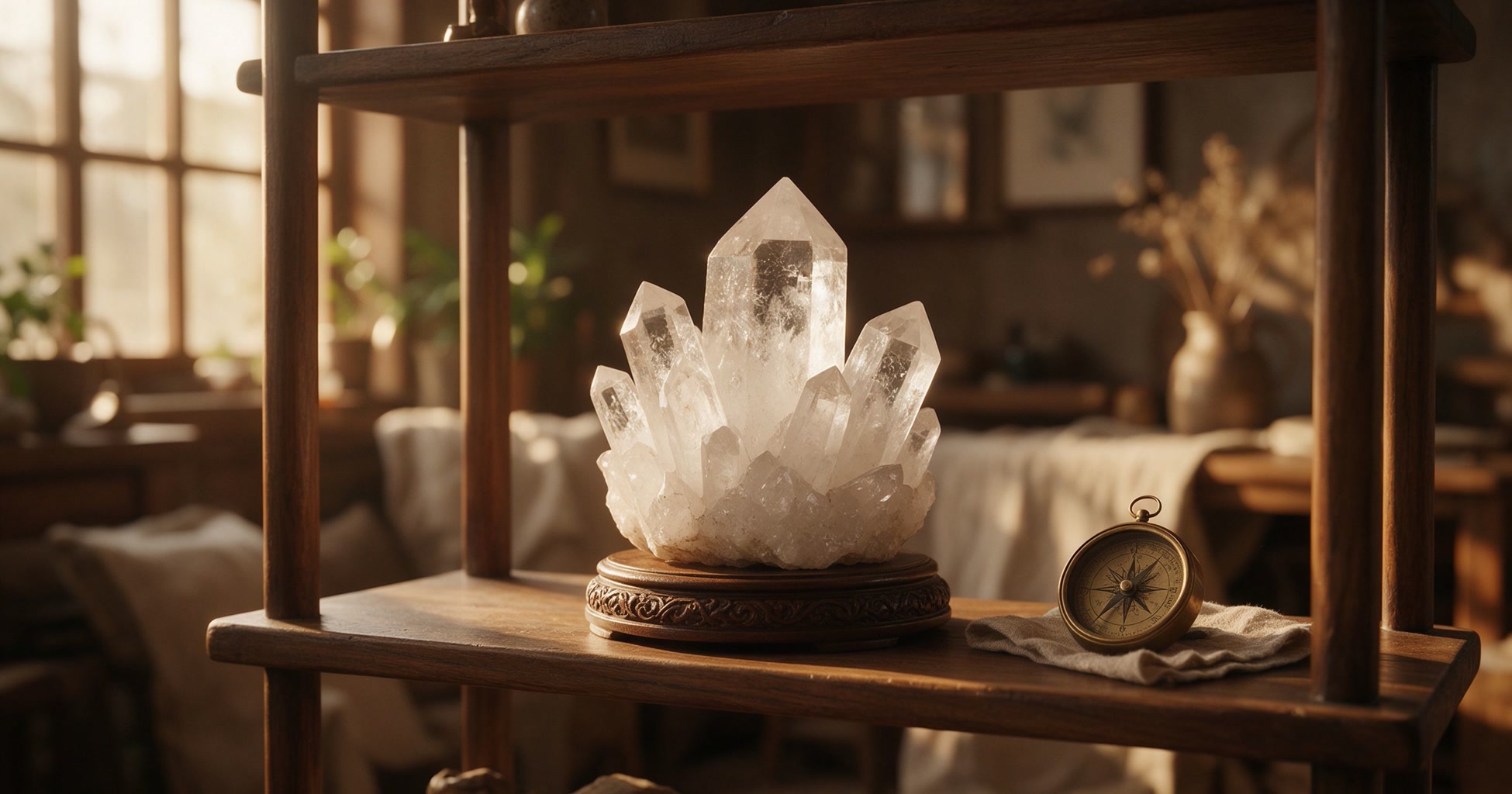
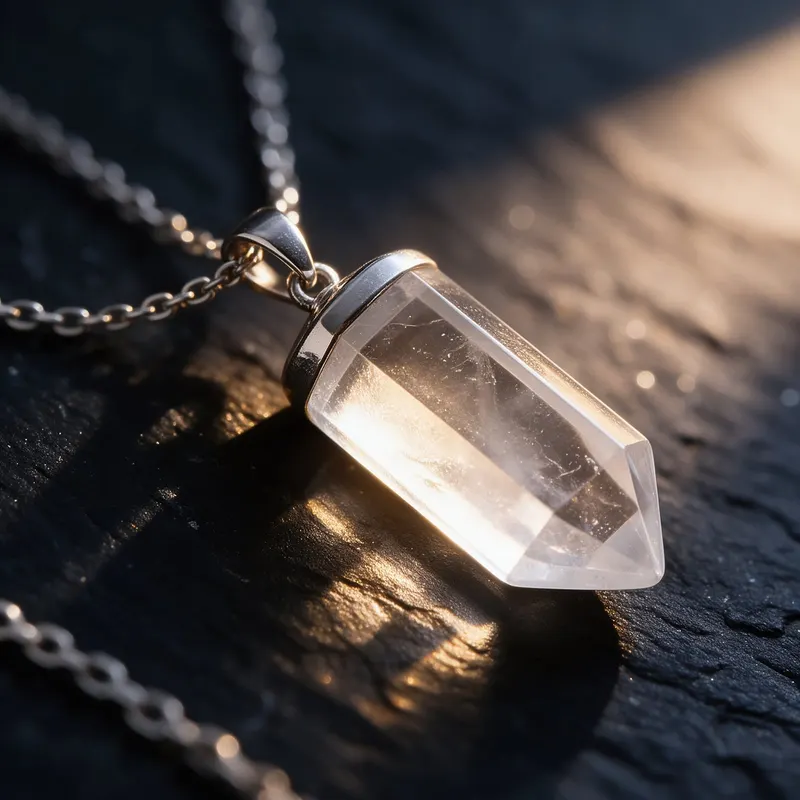
| Clear quartz | Clarity, focus, "programming" an intention | Tumbled stone or tiny point | Hard (Mohs 7); the most versatile and forgiving choice |
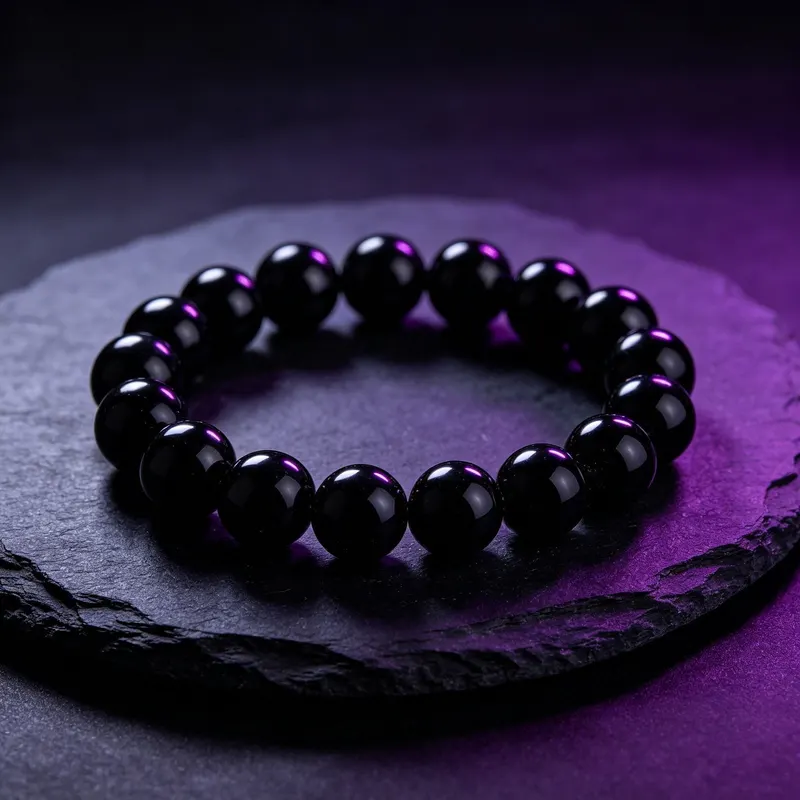
| Black tourmaline | Protection, grounding, easing worry | Smooth tumbled stone | Hard (Mohs 7–7.5); good if money stress is your main concern |
| Green aventurine | Opportunity, luck, steady growth | Flat tumbled stone | Hard (Mohs 6.5–7); widely available and inexpensive |
| Pyrite | "Fool's gold," prosperity, confidence | Small tumbled cube | Hard (Mohs 6–6.5) but can tarnish; avoid damp pockets |
| Selenite | Cleansing, clarity | Not recommended | Soft (Mohs 2) and water-soluble—will scratch and degrade in a purse |
A few notes on choosing among these. Citrine is the classic abundance stone and the one most people picture; a small tumbled piece is the standard wallet choice. Clear quartz is the practical all-rounder—many people "program" it with a specific savings goal, which we'll cover below. Black tourmaline is the pick if your relationship with money is more anxious than aspirational; it's traditionally associated with grounding and protection. Green aventurine and pyrite are budget-friendly alternatives with long folk histories tied to luck and prosperity.
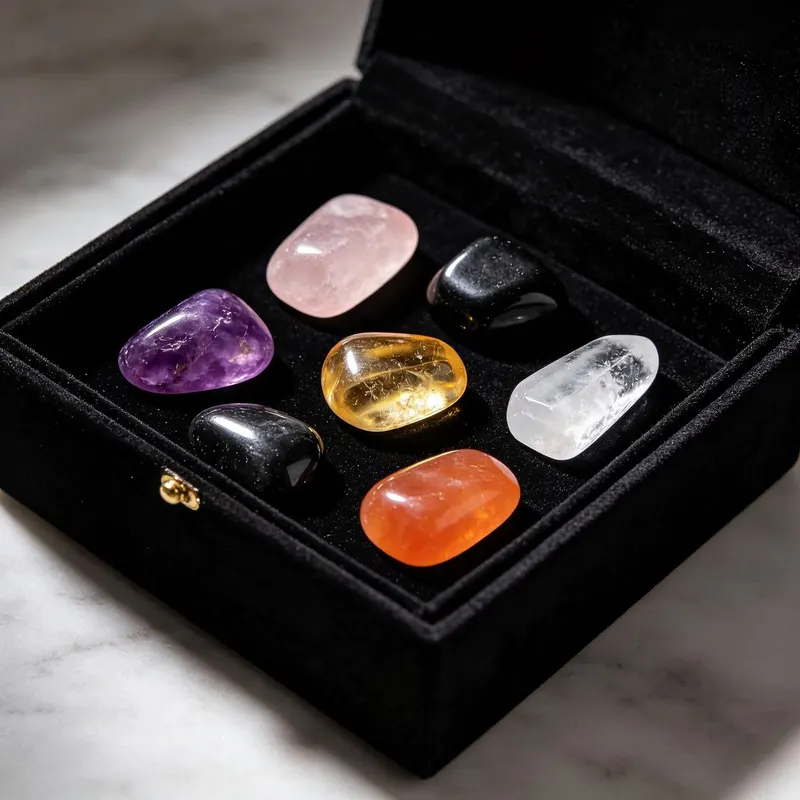
If you'd rather wear your intention than carry it, a Citrine Abundance Bracelet keeps the same symbolism on your wrist, and a Black Tourmaline Protection Bracelet works well alongside a wallet stone if money worry is the thing you're addressing. For a broader start, the Healing Crystal Starter Kit includes seven stones plus a guide, so you can try a few and see which one you actually reach for.
How to Choose a Stone That Actually Fits
The most common mistake is buying a beautiful display piece and discovering it doesn't fit anywhere. Use this checklist before you commit:
- Size: aim for roughly 15–25 mm (about 0.6–1 inch) across and under 10 mm thick. It should sit flat in a card slot or the coin pocket without bulging the wallet closed.
- Shape: tumbled stones with rounded edges are best. Avoid raw, jagged pieces, which can snag lining fabric and scratch cards.
- Smoothness: run a thumb over the surface. Any sharp edge will only get sharper with handling.
- Weight: a stone that's too heavy will make a slim wallet feel lumpy; too light and you'll forget it's there.
- Color and clarity: for citrine, look for warm honey-to-amber tones; natural citrine is often paler than the bright heat-treated material sold cheaply. Neither is "wrong," but sellers should tell you which you're buying.
- Price expectations: a small tumbled citrine, quartz, or tourmaline piece typically runs $3–$15. A carved or high-grade piece might reach $25–$40. You do not need to spend much—this is a reminder object, not an investment.
If you're shopping in person, bring your wallet and test the fit before buying. Online, check the listed dimensions rather than judging from photos, which rarely show scale.
Set It Up: Cleansing, Intention, and Placement
The setup ritual is simple, and you can adapt it to whatever feels meaningful. A workable sequence:
- Cleanse the stone. Rinse hard stones like quartz, citrine, and tourmaline briefly under cool water, or simply set the stone on a windowsill in indirect light for a day. Smoke cleansing with incense or sound (a bell or singing bowl) are gentler options that suit any stone.
- Hold it and state an intention. Keep it concrete and behavioral rather than outcome-based. "I will check my balance before I spend" or "I will move $50 to savings each payday" works better than "I will attract wealth," because it's something you can actually do.
- Place it thoughtfully. Tuck it in a card slot behind your least-used card, or in the coin pocket. Keep it away from magnetic strips on transit cards and hotel keys—not because the stone is magnetic, but because a bulky object pressing on a strip can cause wear over time.
- Pair it with a habit. This is the part that matters. Link the stone to a real action: every time you notice it, check your budget app, or round up a purchase into savings.
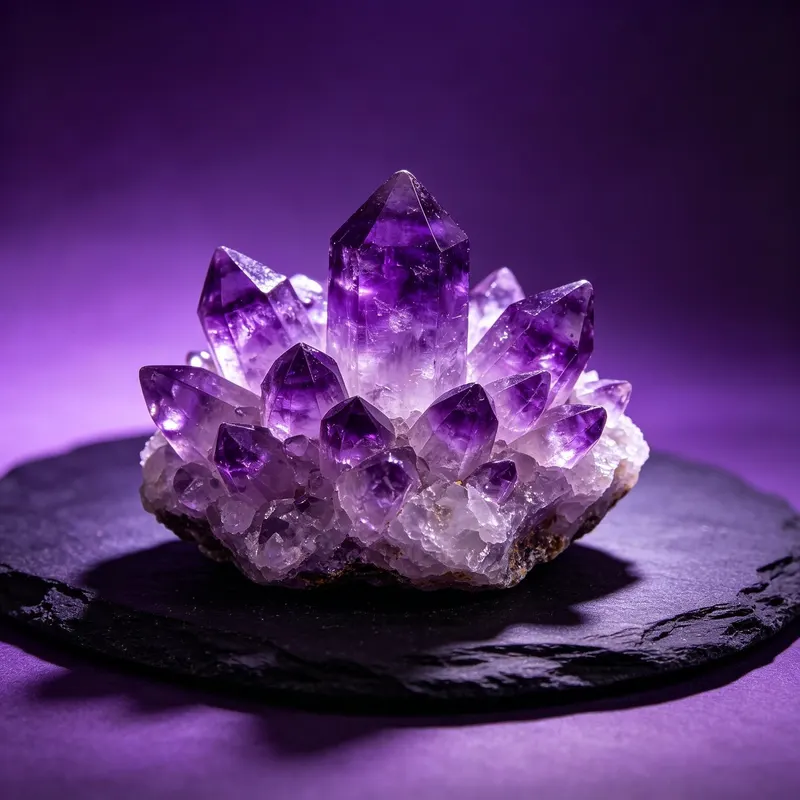
If you keep a stone at home as well, a Raw Amethyst Cluster makes a natural anchor for a small abundance corner, and a Selenite Cleansing Wand is a convenient way to refresh wallet stones without water—useful since selenite itself should stay out of your purse.
Care, Cleansing, and Realistic Expectations
A wallet stone lives a rougher life than a display piece. Cards rub against it, keys scratch it, and purses get damp. A few habits keep it in good shape:
- Wipe it down with a soft dry cloth every week or two; skip harsh cleaners and ultrasonic devices.
- Keep it dry. If it gets wet, pat it dry rather than leaving it in a damp pocket.
- Watch the sun. Citrine and amethyst can fade with prolonged direct sunlight; a wallet is usually shaded, but don't leave the stone on a sunny dashboard.
- Re-cleansing is optional. Many people refresh a wallet stone monthly, or whenever they set a new financial goal. There's no rule—do it when it feels meaningful.
- Retire it gracefully. If a stone chips or you've outgrown the intention, move it to a bowl by the door or pass it along.
And a word on expectations: no stone will change your bank balance on its own. What a wallet stone can do is make your financial intentions visible at the moment of decision—which is, honestly, where most money habits are won or lost.
Tradition vs. evidence: what holds up
Crystal lore and gemology are different kinds of knowledge, and it's worth keeping them separate. Here's an honest split:
What the tradition says: Citrine has been called the "merchant's stone" and is traditionally associated with prosperity and generosity. Clear quartz is believed to hold and amplify an intention. Black tourmaline is traditionally associated with protection and grounding. Many practitioners cleanse stones before "programming" them and re-cleanse when goals change. These are cultural and spiritual practices, passed down and meaningful to the people who use them—but they are not scientific claims.
What we can verify: Hardness, durability, and care needs are measurable. Citrine, clear quartz, and black tourmaline all sit around Mohs 7, meaning they resist scratching from everyday handling but can still chip. Green aventurine and pyrite are slightly softer (roughly Mohs 6–7) and pyrite can tarnish in humidity. Selenite is genuinely soft (Mohs 2) and water-soluble, so it belongs on a shelf, not in a purse. Sunlight can fade the color of citrine and amethyst over time. None of this depends on belief—it's just how the minerals behave.
The practical upshot: choose a stone that's hard enough for daily life, keep it dry, and treat the ritual as a reflective practice. That's a claim we can stand behind.
Crystals are kept for reflection and ritual; they are not medical devices and are not a substitute for professional financial or medical advice.
FAQ
People Also Ask
Which crystal is best to keep in a wallet?
Citrine is the traditional abundance stone and the most common choice—a small tumbled piece fits neatly in a card slot. Clear quartz is the most versatile alternative, and black tourmaline is a good pick if you want a grounding reminder around money stress.
Do crystals in a wallet attract money?
They don't create wealth directly. Traditionally they're believed to invite prosperity, but their practical value is as a daily reminder that supports mindful, intentional money habits. Pair the stone with a real budget or savings plan.
How do I cleanse a stone that lives in my wallet?
For hard stones like quartz, citrine, and tourmaline, a quick rinse under cool water or a day on a shaded windowsill works well. Smoke or sound cleansing suits any stone. Avoid water for soft or water-soluble minerals like selenite, and dry the stone thoroughly afterward.
Can I keep more than one stone in my wallet?
Yes, but keep it to one or two small pieces so the wallet stays comfortable. A common pairing is citrine for abundance plus black tourmaline for calm, or clear quartz "programmed" with a specific savings goal.
A Closing Thought
The wallet stone tradition endures because it's small, cheap, and quietly useful. Pick a stone that fits, cleanse it, give it a clear intention you can act on, and let it do the one thing it reliably can: remind you, at the moment you open your wallet, of the kind of relationship with money you're trying to build. If you'd like to explore further, browse the Abundance & Success collection or read more on citrine's meaning and properties.