Flying With Crystals: What You Actually Need to Know
You've packed the outfits, charged the earbuds, and now you're standing over your jewelry tray wondering whether your favorite bracelet will cause a scene at airport security. Maybe you're a nervous flyer who likes to hold a grounding stone during takeoff. Maybe you're traveling to a retreat and want to bring a small altar with you. Or maybe you just don't want to leave your collection behind for a two-week trip.
The good news: crystals are ordinary mineral objects, and US airport security treats them that way. The less-good news: raw clusters, dense points, and beaded bracelets with metal clasps can still slow you down if you pack them carelessly. A little planning keeps your stones intact and your security line smooth.
This guide covers what TSA will and won't flag, how to pack different types of crystals, which pieces travel well, realistic care on the road, and a simple in-flight ritual for anyone who finds flying stressful. It's practical first, with the tradition kept in its proper place.
Are Crystals Allowed Through Airport Security?
Yes. Solid gemstones, tumbled stones, crystal jewelry, and raw specimens are generally permitted in both carry-on and checked bags on US flights. They are not liquids, gels, aerosols, or weapons, so the standard 3-1-1 liquid rules don't apply to them. TSA's screening is focused on security threats, and a quartz point or an amethyst cluster doesn't qualify.
That said, "generally permitted" doesn't mean "never inspected." A dense cluster or a large geode can look unusual on an X-ray screen, and an officer may ask you to open your bag so they can look more closely. This is routine and usually takes under a minute. Stay relaxed, keep stones accessible, and you'll be through quickly.
Two practical notes: crystals in checked bags can be damaged by rough handling, and anything valuable or sentimental is better kept with you. Also, if you're flying internationally, rules vary by country—some customs agencies are stricter about raw minerals and soil, so check your destination's regulations before packing a large specimen.
Smooth-Security Packing: A Checklist
Use this as a pre-flight routine. It takes about five minutes and saves you fumbling at the bin.
- Loose stones go in a clear pouch. A small zip pouch or a clear organza bag lets officers see the contents without emptying your whole bag.
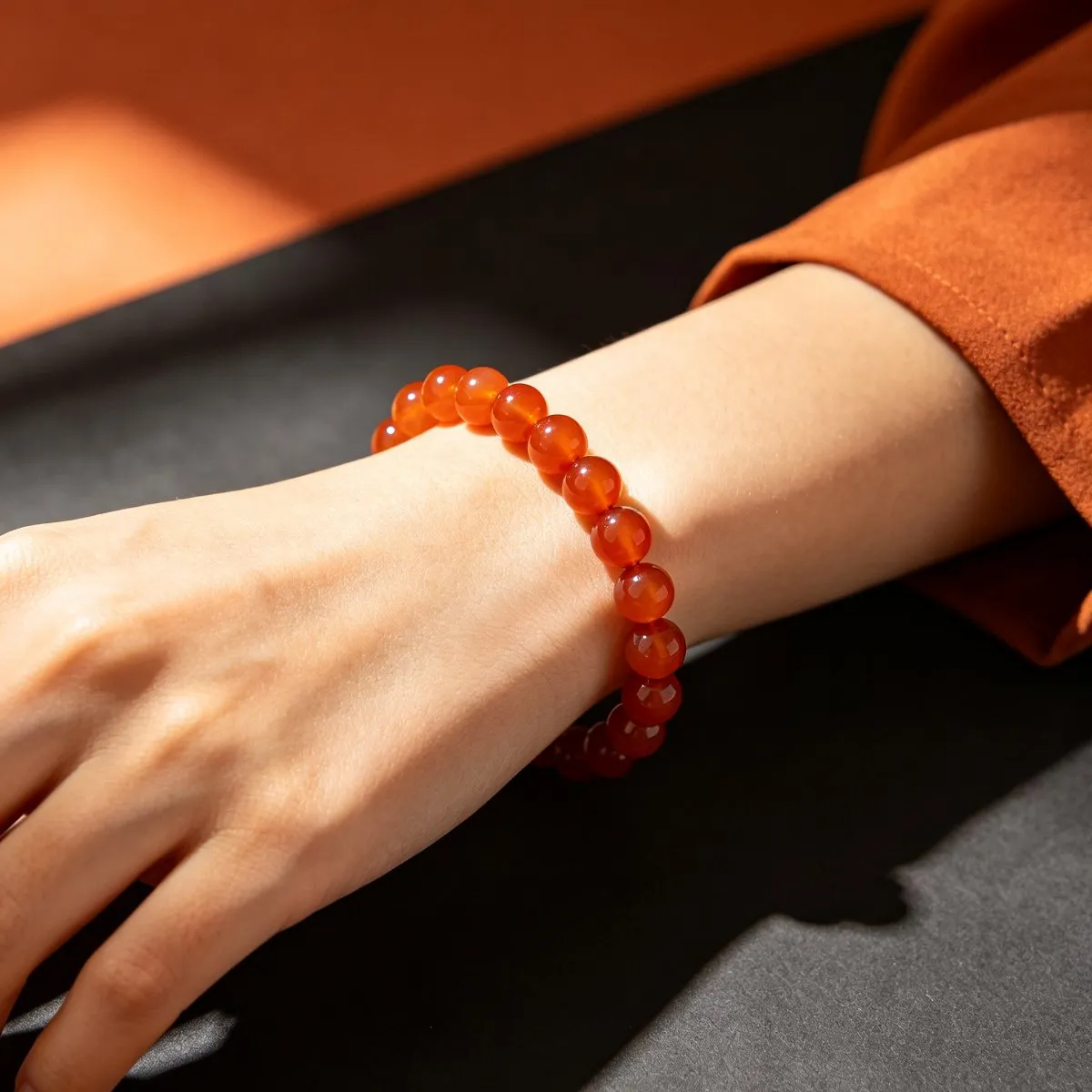
- Wear or tray your bracelets. Beaded bracelets with metal spacers or clasps may trigger the metal detector, so treat them like any other jewelry and place them in the bin.
- Wrap raw points and clusters in cloth. A soft cloth or a padded pouch prevents snagging on zippers and chipping against other items.
- Keep dense or unusual pieces near the top. If a cluster needs a second look, you won't be digging through a packed carry-on.
- Don't pack stones loose with electronics. Hard edges can scratch screens and lenses; a dedicated pouch protects both.
- Label sentimental pieces. A tiny tag or a photo on your phone helps if a bag is misplaced.
Carry-On vs. Checked: What Goes Where
Carry-on is almost always the better choice for crystals you care about. Your pieces stay with you, avoid the rough handling of checked baggage, and are easy to present if an officer asks. Checked luggage makes sense only for bulky or heavy specimens you don't need during the trip—and even then, pack them in a hard-sided case with padding.
| Item | Best Placement | Why |
|---|---|---|
| Tumbled stones and small points | Carry-on, clear pouch | Light, easy to inspect, low risk of damage |
| Beaded bracelets | Worn or carry-on tray | Metal clasps may need screening; keeps them with you |
| Pendants and necklaces | Carry-on, padded pouch | Protects chains and settings from tangling and bending |
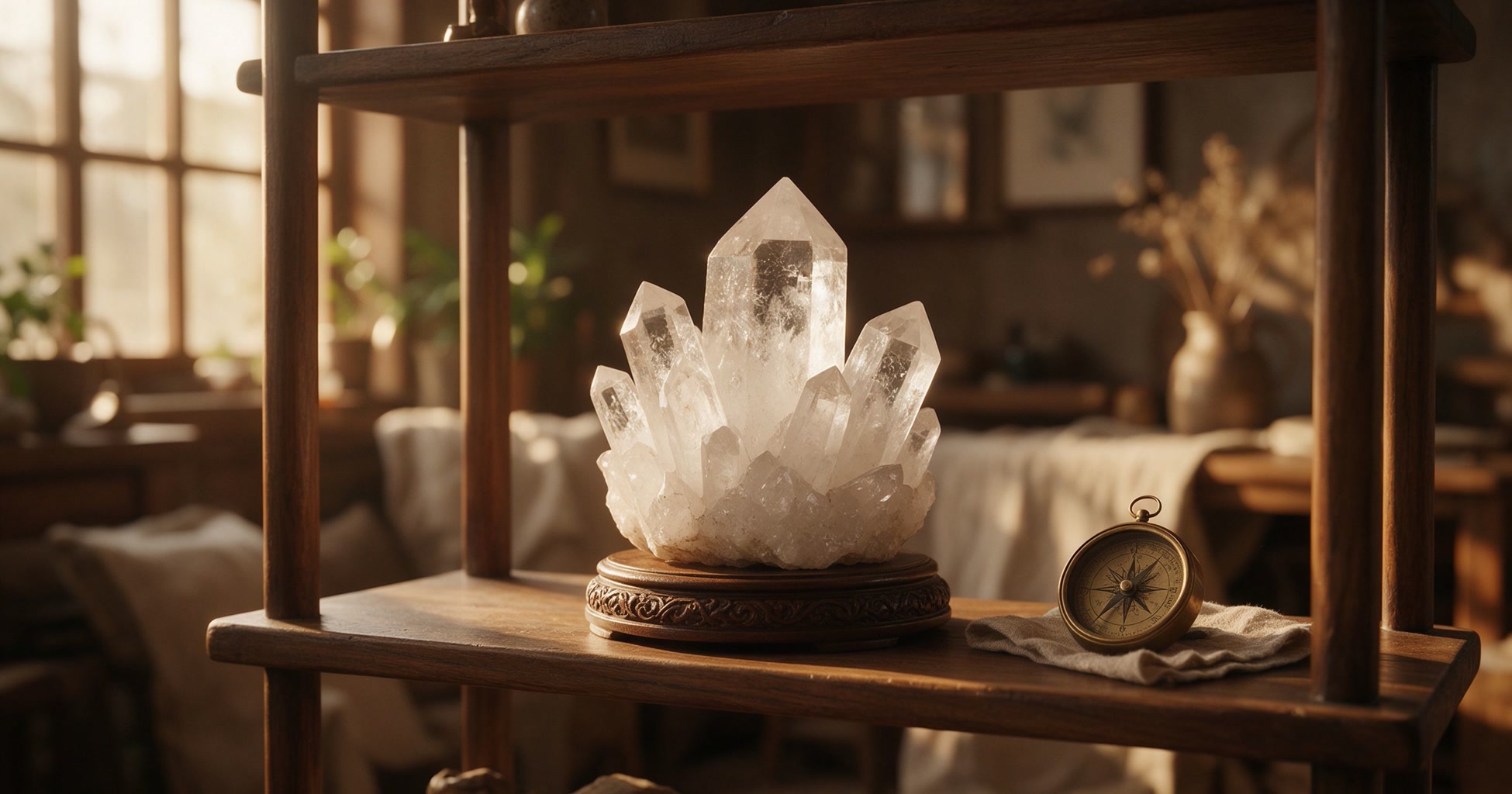
| Raw clusters and geodes | Carry-on, wrapped in cloth | Fragile edges; may prompt a closer look |
| Large or heavy specimens | Checked, hard case | Bulky and heavy; pad thoroughly |
| Selenite wands | Carry-on, rigid case | Soft mineral that scratches and chips easily |
Best Travel Companions: Choosing Stones for the Road
The best travel crystal is one you'll actually use—small enough to pocket, durable enough to survive a trip, and meaningful to you. Here are a few that travel well, with notes on why.
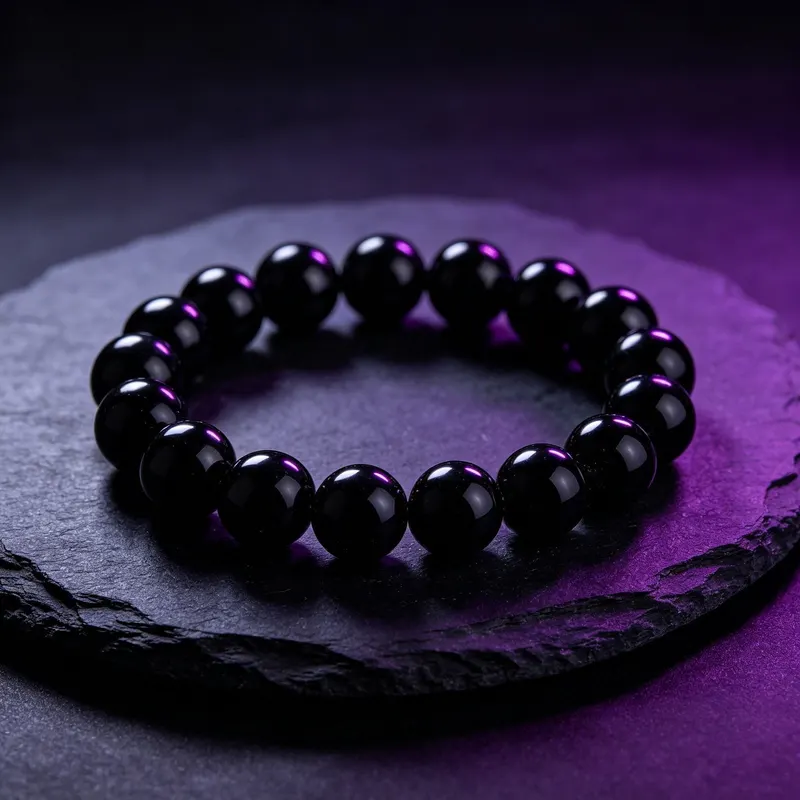
- Black Tourmaline Protection Bracelet — traditionally associated with grounding and boundary-setting, which many people find useful in crowded airports and unfamiliar places. Tourmaline is relatively hard (7–7.5 on the Mohs scale), so it holds up well in a bag.
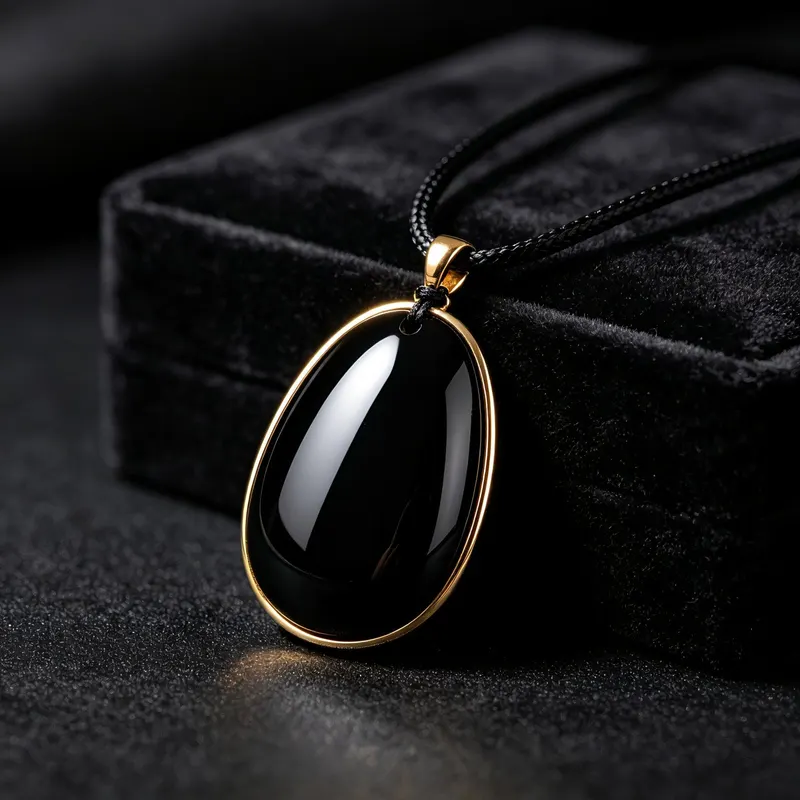
- Black Obsidian Teardrop Protection Pendant Necklace — a discreet option worn under a shirt. Obsidian is volcanic glass, so it's tough but can chip at thin edges; a pendant setting protects it.
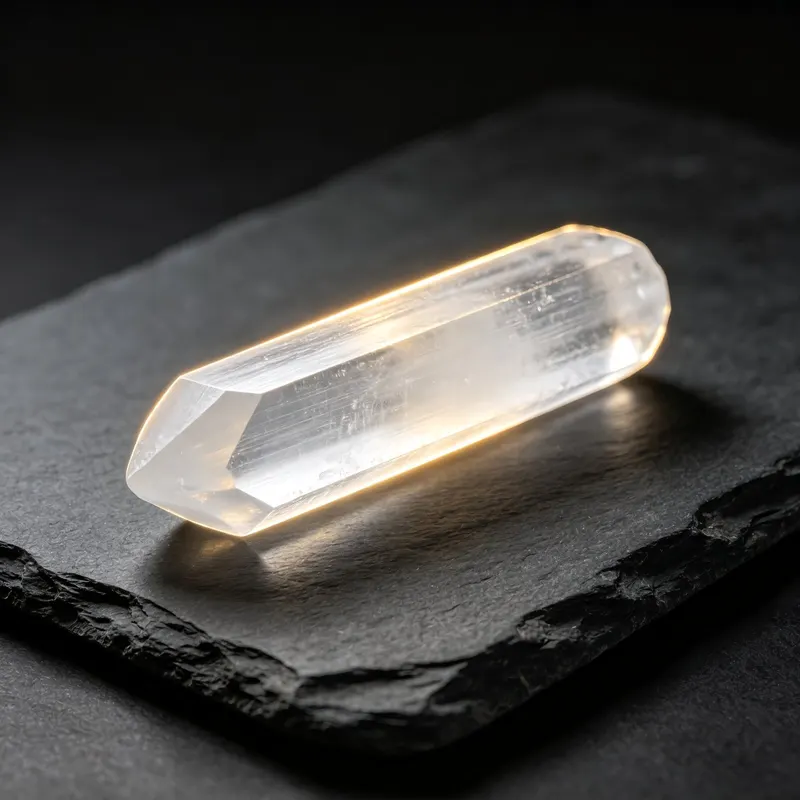
- Selenite Cleansing Wand — traditionally used to clear the energy of other stones. Selenite is very soft (about 2 on the Mohs scale) and water-soluble, so it needs a rigid case and should stay dry.
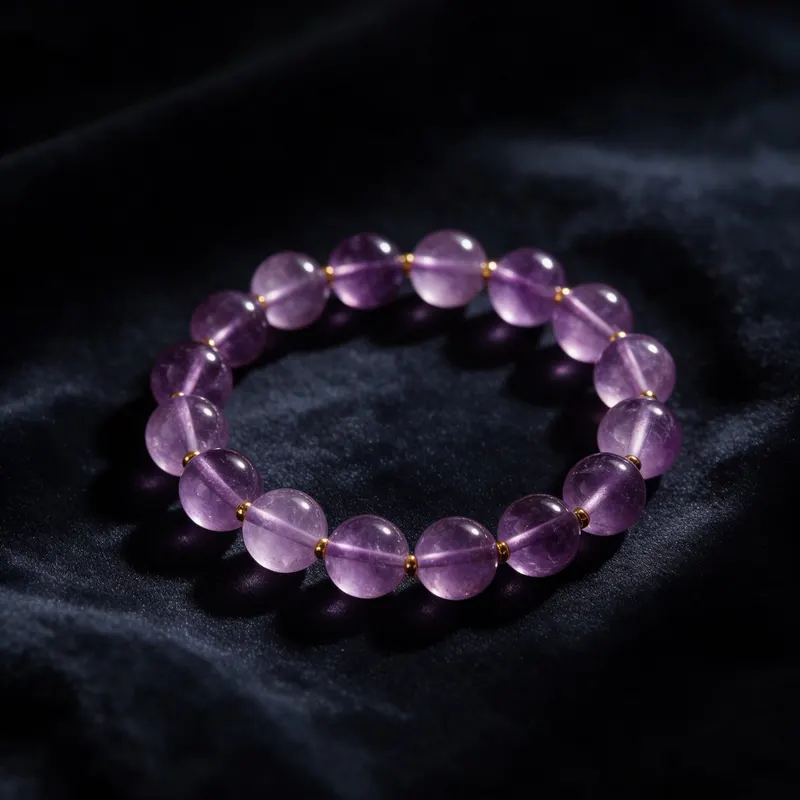
- Amethyst Healing Bracelet for Calm & Clarity — a popular choice for quiet moments and winding down after a long travel day. Amethyst is durable enough for daily wear.
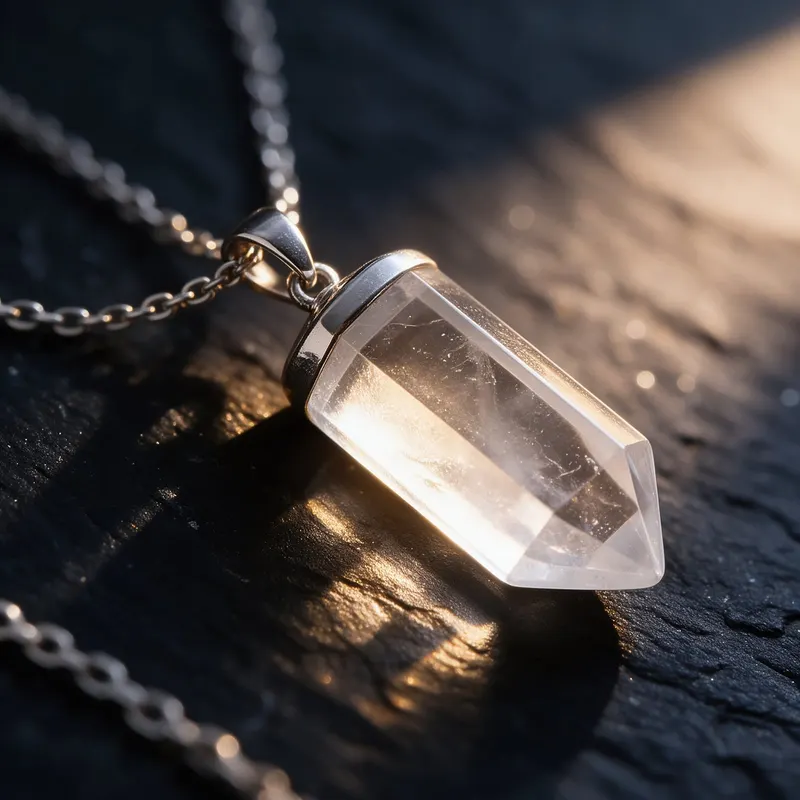
- Clear Quartz Point Pendant Necklace, Sterling Silver — clear quartz is hard (7 on the Mohs scale) and versatile; a pendant keeps it close without occupying a pocket.
If you're building a small travel kit from scratch, a compact set like the Healing Crystal Starter Kit gives you several stones in one pouch, which is easier to pack and inspect than a dozen loose pieces.
Protecting Crystals in Transit
Crystals break in predictable ways: points snap, edges chip, and soft stones scratch against harder ones. A few habits prevent most damage.
- Separate by hardness. Don't let a soft selenite wand rub against a hard quartz point; the softer stone will scratch.
- Pad points and edges. A cloth wrap or a small padded pouch is enough for most pieces.
- Use a rigid case for fragile items. Selenite, fluorite, and thin obsidian edges benefit from a hard-sided container.
- Keep jewelry untangled. A small jewelry roll or separate pouches prevent chains from knotting and settings from bending.
- Mind temperature and sunlight. Don't leave stones on a hot car dashboard; some colored stones fade in prolonged direct sun, and sudden temperature changes can stress inclusions.
Tradition and evidence, side by side
Crystal traditions are rich, but they're not the same as measurable facts. Here's a clear split between lore and what you can actually check.
Traditional lore
Many traditions hold that certain stones carry particular energies: black tourmaline for protection, amethyst for calm, rose quartz for love, and selenite for cleansing. These associations are cultural and spiritual, passed down through practice rather than tested in laboratories. They can be meaningful frameworks for reflection and ritual—but they are not medical claims, and they don't guarantee outcomes like safety, love, or success.
Verifiable facts
- Hardness (Mohs scale): Quartz is about 7, amethyst about 7, tourmaline 7–7.5, obsidian about 5–5.5, selenite about 2. Harder stones scratch softer ones, so store them separately.
- Water sensitivity: Selenite dissolves in water and should never be soaked or rinsed. Some stones, including malachite and lapis lazuli, are also damaged by water. Others, like quartz, tolerate a quick rinse.
- Sunlight sensitivity: Some colored stones, including amethyst and rose quartz, can fade with prolonged direct sun exposure. Store them away from a sunny windowsill.
- Heat and impact: Sudden temperature changes and hard knocks can crack or chip stones, especially those with inclusions or thin edges.
- Cleaning: A soft dry cloth is the safest default. Avoid harsh chemicals and ultrasonic cleaners unless you know the specific stone tolerates them.
Crystals are for reflection and personal ritual; they are not medical devices and do not diagnose, treat, cure, or prevent any disease.
A Nervous-Flyer Ritual for Takeoff
If flying makes you anxious, a small ritual can be a useful anchor. Hold a grounding stone—black tourmaline or obsidian are common choices—in your palm during takeoff. Breathe in slowly for a count of four, then out for a count of six. Repeat a few times, noticing the weight of the stone and the rhythm of your breath. This is a mindfulness cue, not a treatment; it simply gives your attention somewhere steady to rest.
Pair it with practical habits: stay hydrated, move around on long flights when it's safe to do so, and get up for a stretch on layovers. If flying anxiety is significant or persistent, a qualified professional can offer support that a stone cannot.
FAQ
People Also Ask
Do crystals set off airport metal detectors?
Most tumbled stones and beads won't, because they're non-metallic. Metal spacers, clasps, and chains can trigger the detector, so place jewelry in the tray just like any other metal accessory.
Should crystals go in carry-on or checked luggage?
Carry-on is preferable for anything valuable, fragile, or sentimental. Your pieces stay with you, are protected from rough handling, and are easy to show at inspection. Checked luggage is fine for bulky, heavy specimens packed in a hard case.
Can I bring a large amethyst cluster on a plane?
Usually yes, as long as it fits your airline's carry-on size and weight limits. Wrap it in cloth and keep it near the top of your bag so it's easy to inspect if an officer asks. For very large or heavy pieces, check with your airline about size and weight restrictions.
How do I clean crystals while traveling?
A soft dry cloth is the safest option for most stones. Avoid soaking water-sensitive stones like selenite, and skip harsh cleaners. If you want to refresh your stones energetically, a selenite wand placed nearby is a common traditional practice—just keep the wand dry and protected.
Before You Go
Flying with crystals is simpler than it seems: pack them in a clear pouch, wrap fragile pieces, keep valuables in your carry-on, and treat jewelry like any other metal at security. Choose stones that are durable enough for travel and meaningful enough that you'll actually use them. And keep the tradition in perspective—crystals can be lovely companions for reflection and ritual, but the real work of a calm flight comes from breathing, hydrating, and taking care of yourself.
Explore the full edit here: Protection & Grounding Collection →
Keep exploring: Travel Protection · Storing Crystals · Grounding Crystals