There Is No Overnight Magic
You bought your first crystal, carried it for a day, and felt... mostly the same. Now you're wondering whether you did something wrong, picked the wrong stone, or whether the whole idea of a "timeline" is just marketing. That skepticism is healthy, and it deserves an honest answer rather than a promise.
Here's the honest answer: crystals don't operate on a fixed schedule, and no stone delivers results on demand. What most people actually experience is a gradual shift that follows their own consistency. The stone is a physical anchor — a small, tangible cue that reminds you to pause, breathe, set a boundary, or return to an intention. The practice is what changes how you feel and act; the crystal is what keeps the practice in front of you.
This guide lays out a realistic timeline for that process, explains why some people notice subtle shifts within days while meaningful change usually takes weeks, and shows you how to work with a stone in a way that's grounded, practical, and free of hype. If you're brand new, start with our beginner guide and come back here for the pacing.
What "Working" Actually Means
Before talking about timing, it helps to define the outcome. Crystals are traditionally associated with qualities like calm, clarity, courage, or protection — but those words describe an inner orientation, not a guaranteed event. A stone doesn't hand you a promotion, a partner, or a passing grade. What it can do is invite you to notice how you're feeling and to act a little more deliberately.
So when we say a crystal is "working," we mean something observable and modest:
- You catch yourself taking a breath before reacting.
- You remember an intention because the stone is on your wrist or at your desk.
- You follow through on a small habit — journaling, a walk, a kinder sentence to yourself — more often than before.
- You feel a sense of ritual or grounding when you handle the stone.
These are real, and they're the honest core of crystal work. They're also why the timeline below is about habit formation, not magic.
A Realistic Timeline
Treat this as a general map, not a promise. Some people move faster; some slower. What matters is repetition, not speed.
- Day 1–3: The stone is novel. You notice it, maybe read about it, and start a small ritual — holding it in the morning, setting it on your nightstand. At this stage it's mostly a reminder of your intention, and that's enough.
- Week 1–2: The cue starts to stick. You find yourself pausing and breathing when you touch the stone, or checking in with yourself before a meeting. Small calm or focus moments appear — brief, easy to miss, but real.
- Week 3–6: The linked habit becomes familiar. If your intention was about boundaries, you notice you're saying no a little more easily. If it was about focus, your desk routine feels more natural. The stone and the behavior start to feel connected.
- Beyond six weeks: The effect is now the established routine the crystal anchors. The stone may fade into the background — which is fine. That's what a good habit does.
If you want a structured way to begin, our guide on how to set intentions with crystals walks through the first ritual step by step.
Why Consistency Beats Intensity
It's tempting to think a bigger stone, a more expensive piece, or a marathon meditation session will speed things up. In practice, frequency matters far more than intensity. Five quiet minutes with the same stone each morning will do more than an elaborate ritual you repeat once.
This is also why the "which crystal is strongest" question misses the point. A stone you actually carry and notice is more useful than a rare specimen that stays in a drawer. Choose based on the quality you want to cultivate, then commit to showing up.
| Timeframe | What's realistically happening | What to do |
|---|---|---|
| Day 1–3 | Novelty; intention is set | Pick one specific intention and one daily moment to hold the stone |
| Week 1–2 | Cue-response begins; small pauses appear | Keep the same stone in the same place; note one shift per day |
| Week 3–6 | Linked habit feels familiar | Pair the stone with a concrete action (journaling, a walk, a boundary) |
| Beyond 6 weeks | Routine is established | Reassess: keep the practice, or choose a new intention and stone |
How to Choose a Stone for Your Intention
The most useful starting point is the quality you want to invite, not the stone's reputation. Match the intention to a stone whose traditional associations align with it, then choose a format you'll actually wear or see daily.
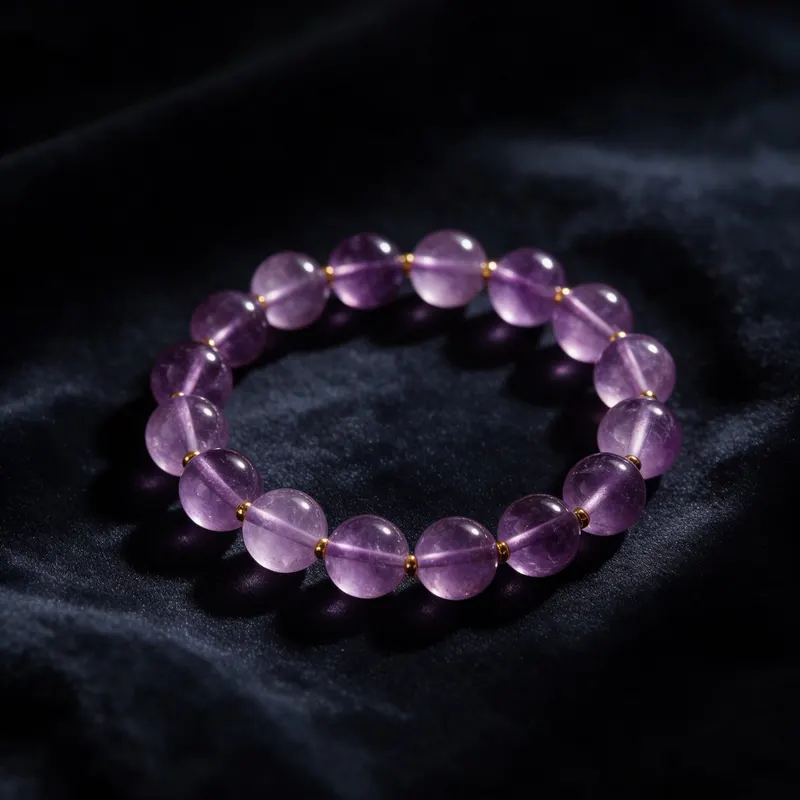
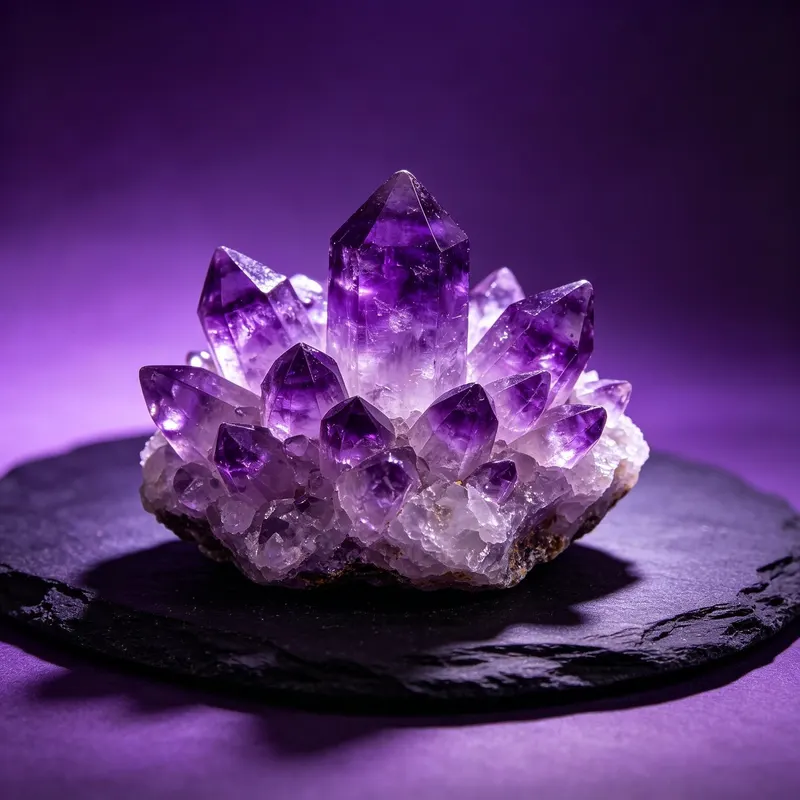
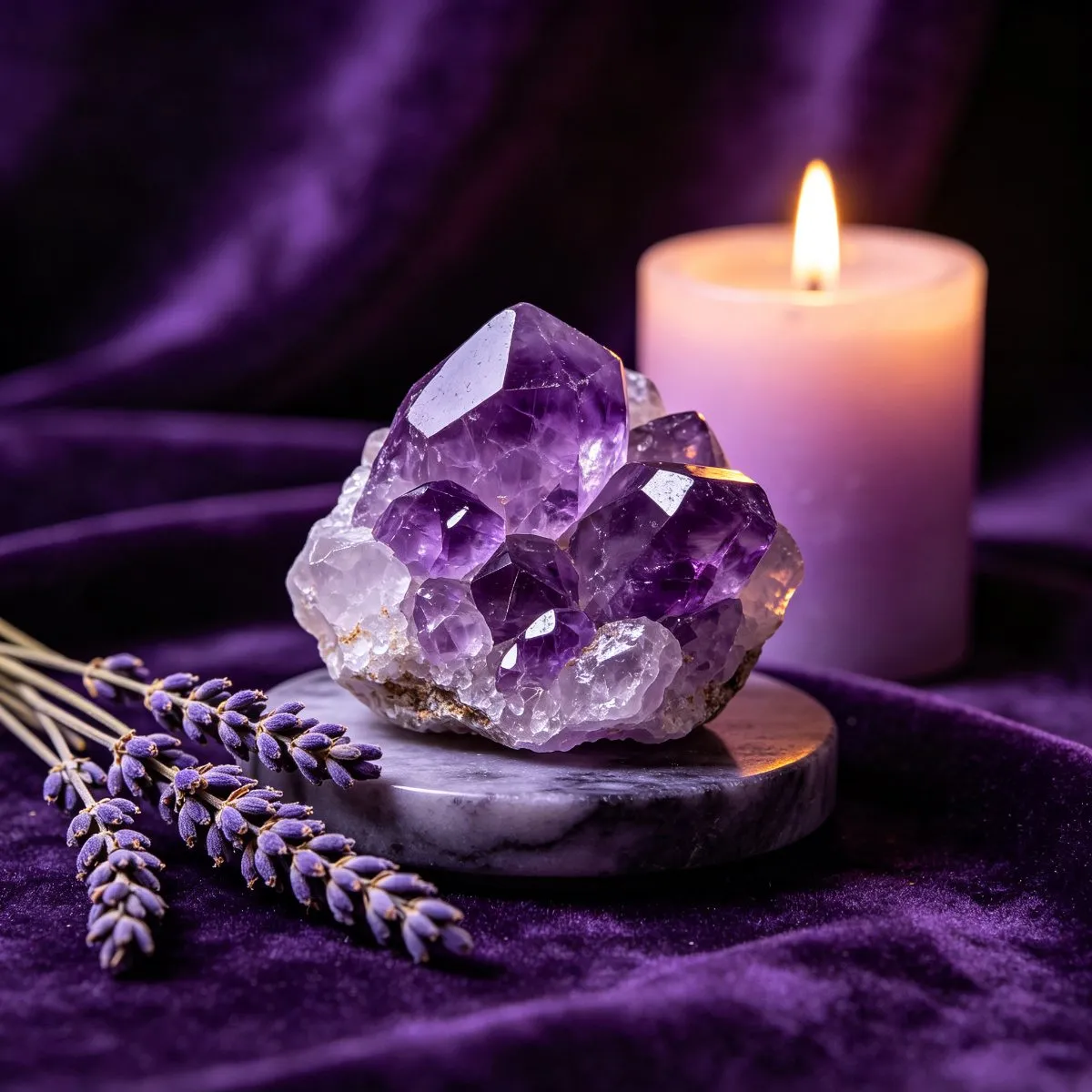
- For calm and winding down: Amethyst is traditionally associated with quiet and reflection. The Amethyst Healing Bracelet is easy to wear daily, and a Raw Amethyst Cluster works well on a nightstand or altar.
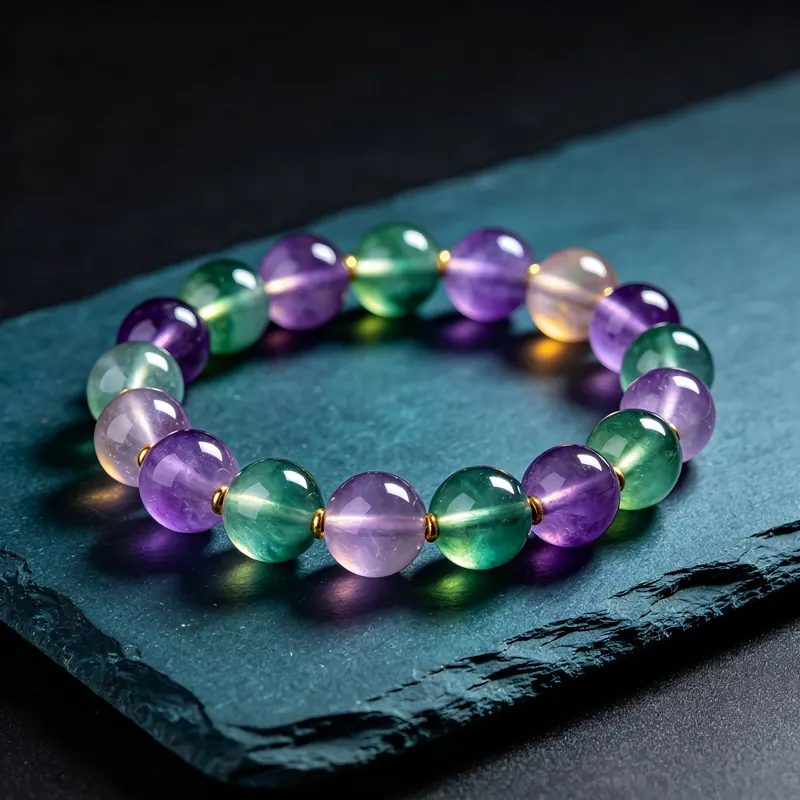
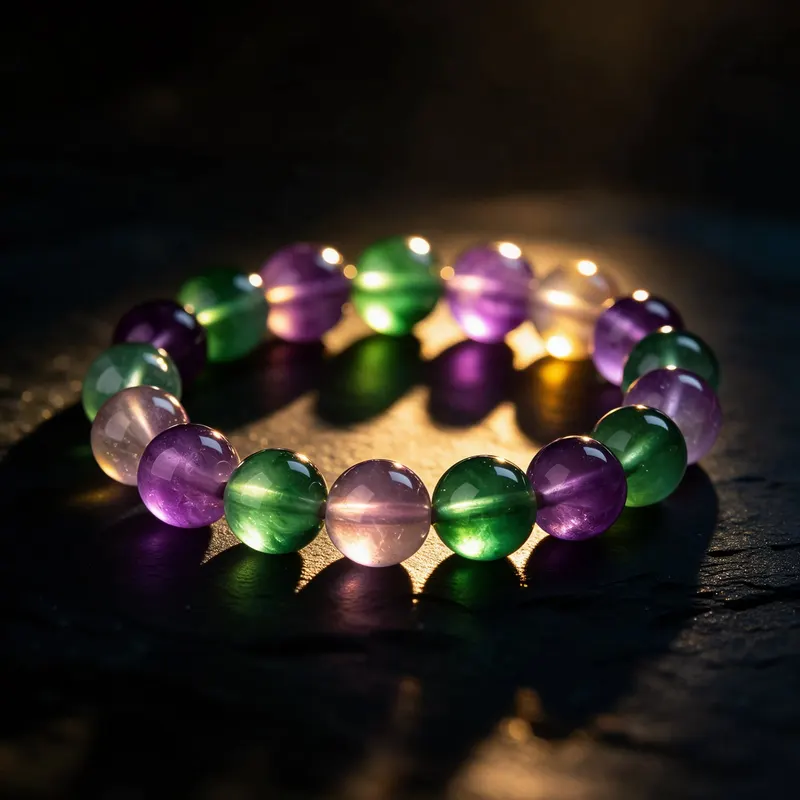
- For focus and follow-through: Fluorite is believed to support concentration. The Rainbow Fluorite Focus Bracelet pairs well with a workday ritual.
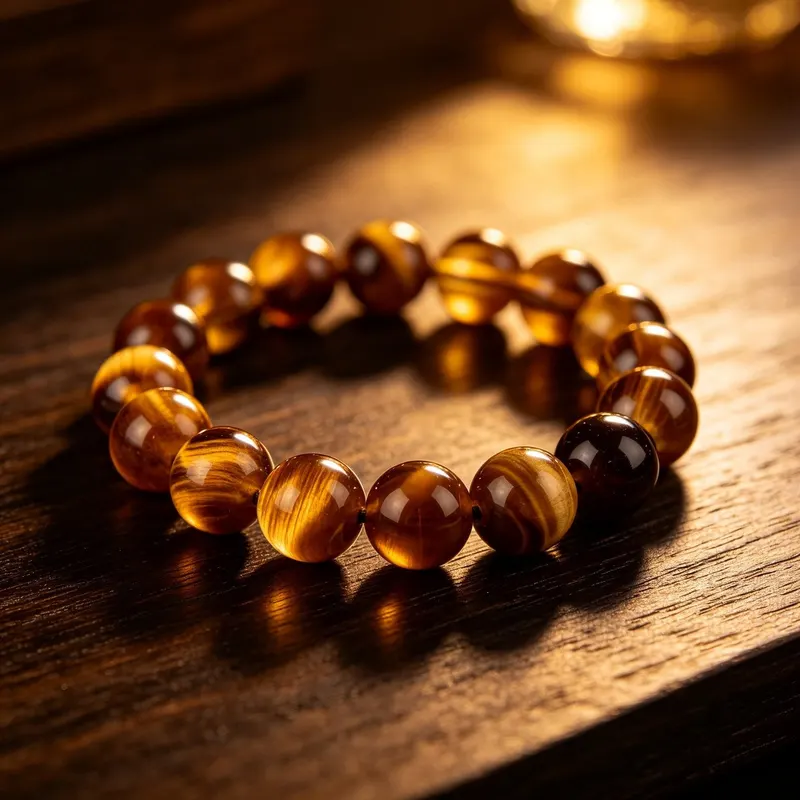
- For courage and steady confidence: Tiger's Eye is traditionally associated with grounded courage; the Tiger's Eye Confidence Bracelet suits a desk or interview-day practice.
- For clarity and a fresh start: Clear Quartz is often used as a general anchor. The Clear Quartz Point Pendant keeps the reminder visible without a wristband.
- For beginners who want options: A Healing Crystal Starter Kit lets you try several stones before committing to one.
Format matters too. Bracelets suit people who like a constant, low-effort reminder. Pendants sit closer to the body and can be held discreetly. Raw pieces and sets are better for a fixed spot — a desk, a bedside table, a meditation corner — where you'll see them at the same time each day.
Sizing and Practical Checklist
- Bracelets: Measure your wrist snugly with a soft tape, then add roughly 0.5 inch (1.3 cm) for comfort. Most beaded bracelets sit around 7–7.5 inches; check the product page for the actual measurement before ordering.
- Pendants: A 16–18 inch chain sits near the collarbone; 20–24 inches hangs lower and is easier to tuck under a shirt.
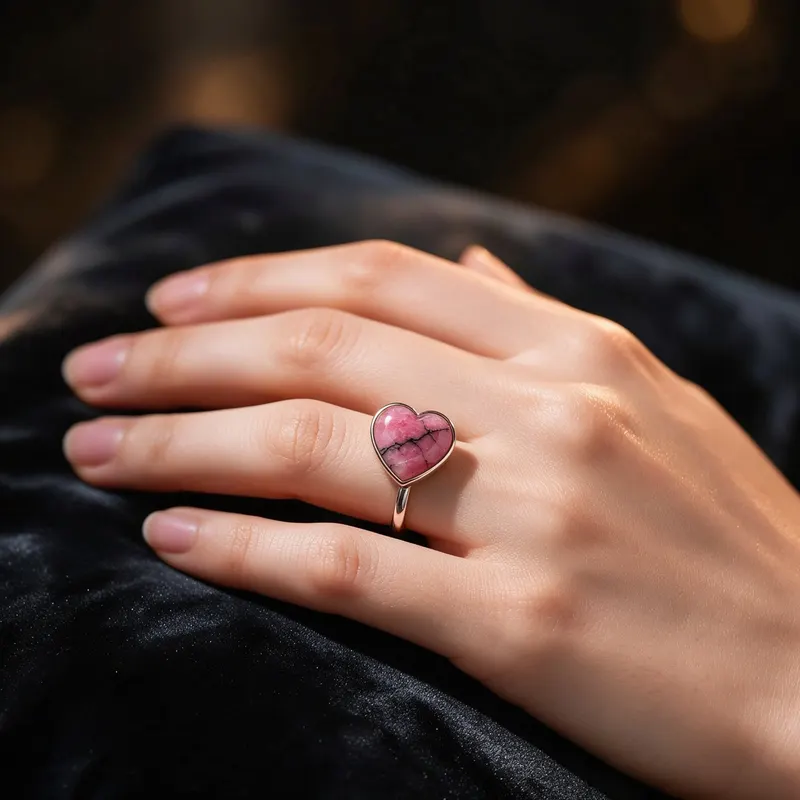
- Rings: Get sized at a jeweler if possible; stone rings can't always be resized.
- Weight and feel: Heavier pieces feel more "present" but can be less comfortable for all-day wear.
- Finish: Sterling silver and gold-plated settings need gentler care than plain elastic cord.
- Price expectations: Beaded bracelets typically run from about $20–$60; pendants with sterling silver or gold-plated settings often fall in the $40–$120 range; raw clusters and sets vary widely with size and quality. Treat unusually low prices as a cue to check the listing details.
Traditional beliefs vs. verifiable facts
Crystal traditions are old and varied, and it's worth separating lore from what you can actually observe and test.
What the tradition says: Different stones are traditionally associated with different qualities — amethyst with calm, rose quartz with self-love, black tourmaline with grounding and protection. Many traditions also describe cleansing stones, charging them under moonlight, or pairing them with intention-setting rituals. These practices are meaningful to many people as reflection and ritual, and they're worth honoring as such.
What we can verify: The physical properties of stones are measurable, and they matter for how you care for a piece.
- Hardness (Mohs scale): Quartz-family stones like amethyst and clear quartz rate about 7, meaning they resist scratches reasonably well but can still be chipped. Softer stones — selenite is around 2, for example — scratch easily and should be handled gently.
- Water sensitivity: Selenite can be damaged by water and should be kept dry. Porous or raw stones may absorb moisture or oils. Many polished stones tolerate a quick wipe but not soaking.
- Sunlight sensitivity: Some colored stones, including amethyst and rose quartz, can fade with prolonged direct sun exposure. Store them away from a bright windowsill.
- Care basics: Wipe with a soft dry or slightly damp cloth; avoid harsh cleaners, perfumes, and chlorine; store separately to prevent scratching. For a selenite piece like the Selenite Cleansing Wand, keep it dry and handle it gently.
What we can't verify is any claim that a stone treats, cures, or prevents illness, or guarantees an outcome. Those claims aren't supported, and we don't make them.
Crystals are for reflection and are not medical devices. They are not a substitute for professional medical or mental health care.
Speed It Up Honestly
You can't rush a habit, but you can remove friction. These steps make the timeline more likely to unfold:
- Set one specific intention. "I want to feel calmer" is vague; "I'll pause and breathe before replying to stressful emails" is workable.
- Carry the same stone daily. Rotating stones dilutes the cue. Give one piece a few weeks before switching.
- Pair the stone with a concrete action. Touch the stone, then do the thing — journal one line, take three breaths, send the boundary-setting message.
- Keep it in sight. A stone on your desk or nightstand gets noticed; one in a drawer doesn't.
- Track lightly. A single sentence a day about what you noticed is enough to see the shift over weeks.
- Be patient with plateaus. A quiet week isn't failure — it's often the point where the habit is becoming automatic.
FAQ
People Also Ask
How quickly do crystals start working?
Subtle reminders can be felt within days, while meaningful habit-level change usually builds over several weeks of consistent use. Think in weeks, not hours.
Why isn't my crystal working after a day?
A single day is too soon. The effect is tied to repeated ritual and the behavior it prompts, so give it a few consistent weeks before judging whether it's useful to you.
Do I need to cleanse or charge my crystal?
Many people find cleansing rituals meaningful, and they're a nice way to reset your attention. Physically, a gentle wipe and careful storage do the most good. Avoid water on soft or porous stones like selenite, and keep colored stones out of prolonged direct sun.
Can I wear more than one crystal at a time?
Yes, but for a new practice it's usually clearer to start with one stone tied to one intention. Once that routine feels established, you can add a second piece — for example, a grounding stone alongside a calming one.
Browse the Curated Collection
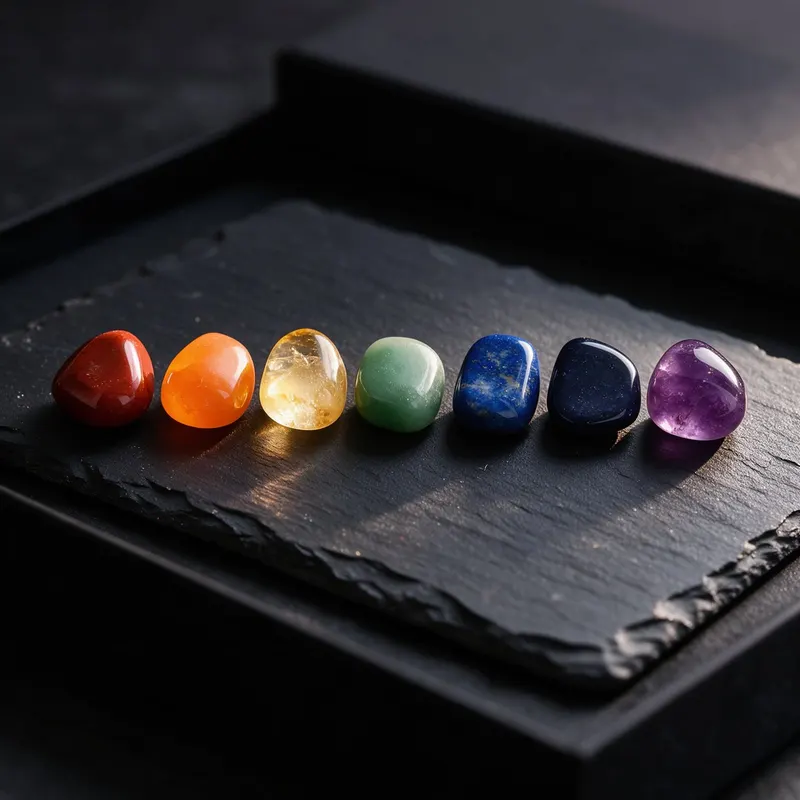
If you're ready to begin, start with a single stone that matches your intention and a format you'll actually use daily. Our Raw Stones & Sets collection is a good place to explore pieces for a desk or meditation corner.
Shop the Stones
Keep Exploring
Is It Working? · How to Set Intentions · Beginner Guide
A Final Word
The honest timeline for crystals is the timeline of your own attention. Give one stone a few weeks of daily, specific use, pair it with a small action, and notice what changes. If it helps you pause, focus, or treat yourself more kindly, it's doing its job — and that's a result worth having.